

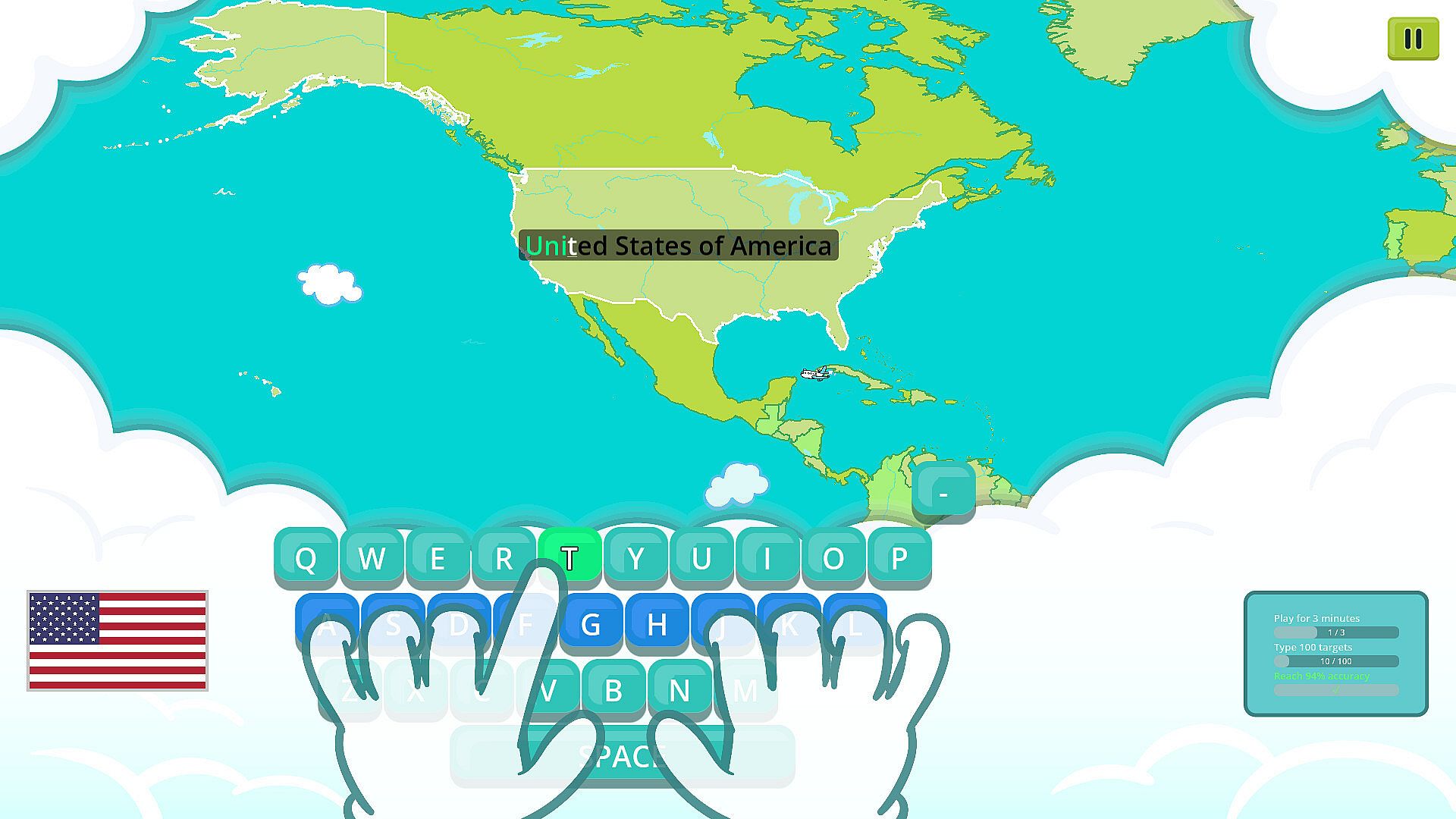
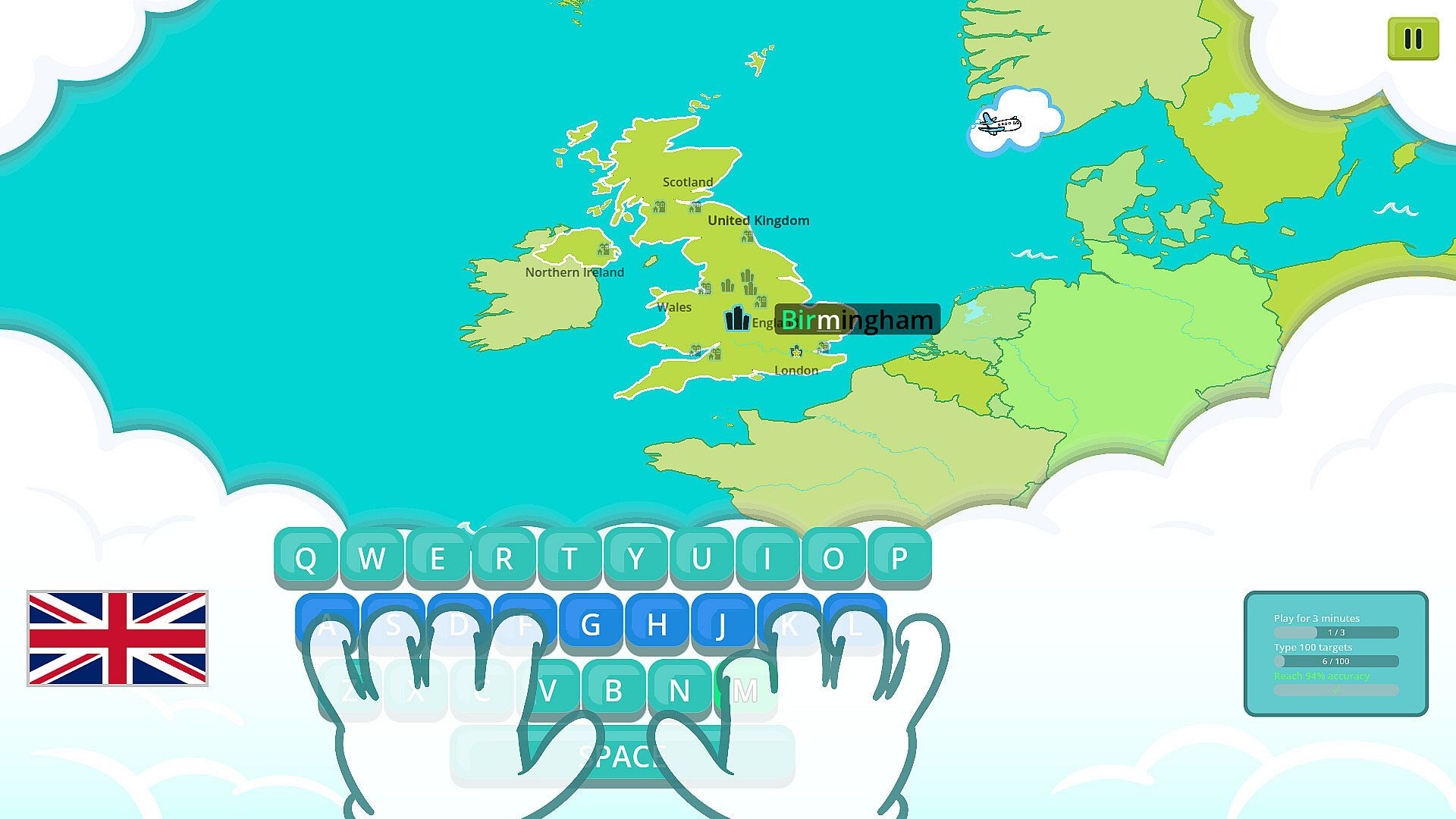
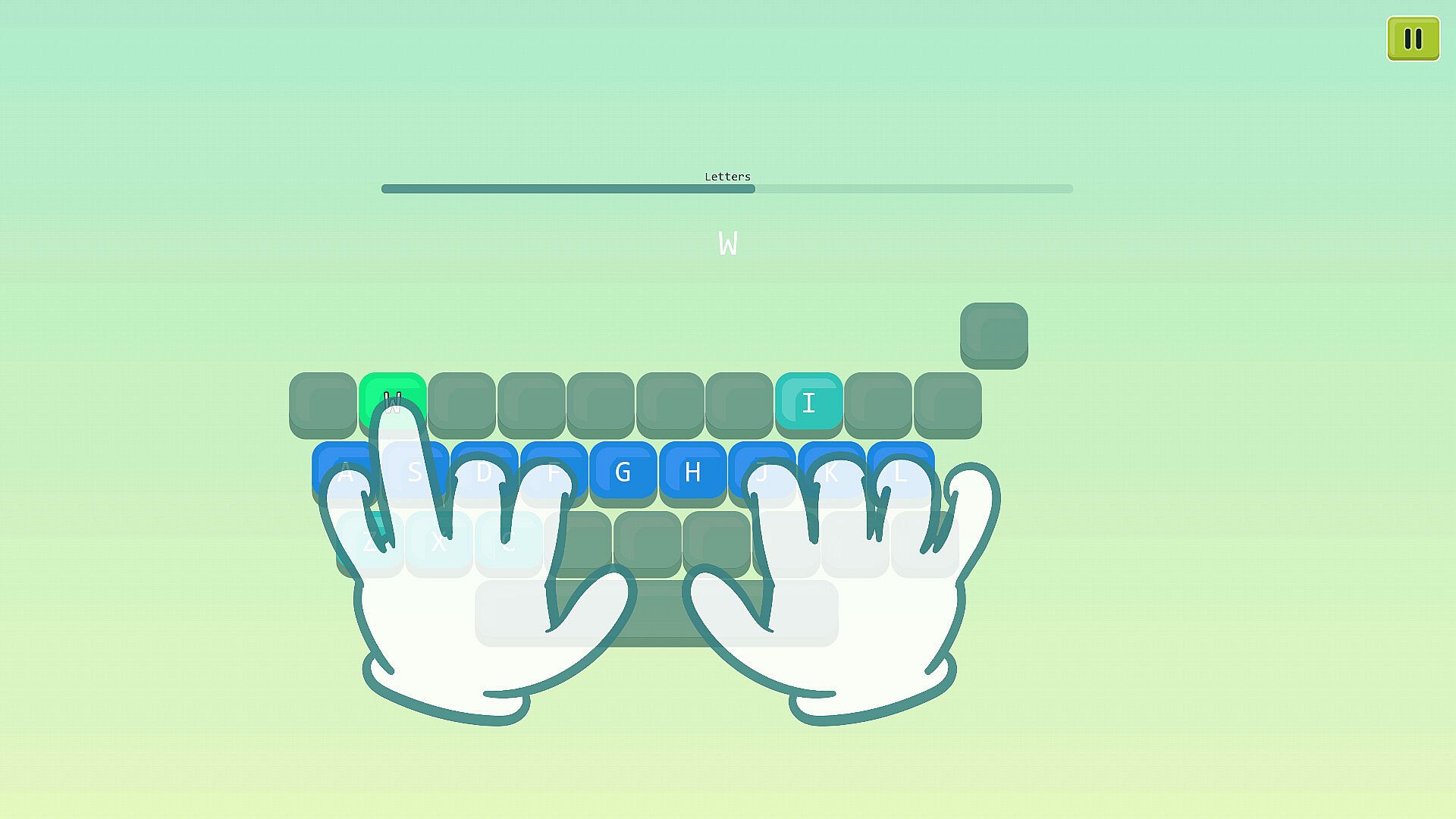
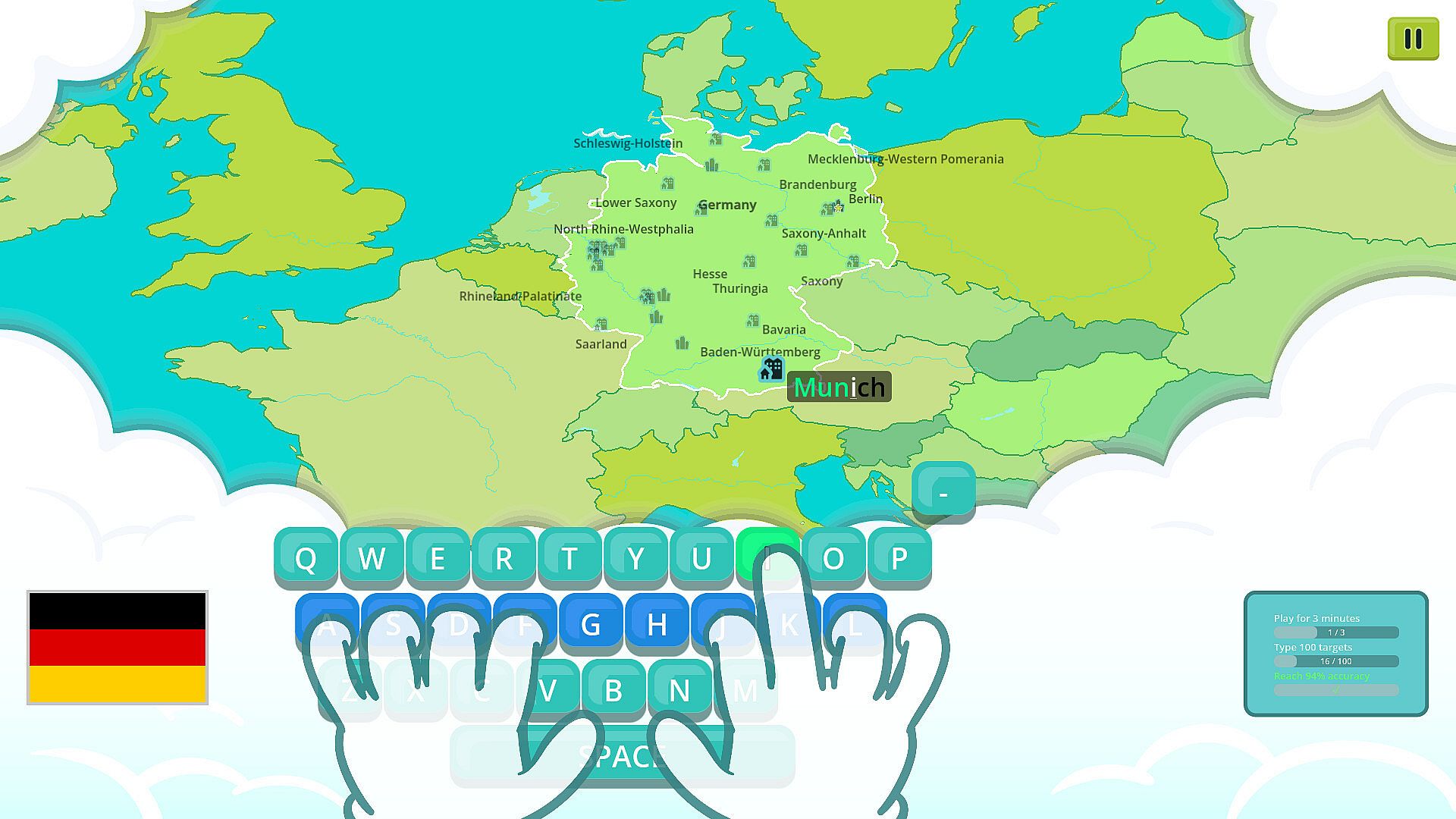
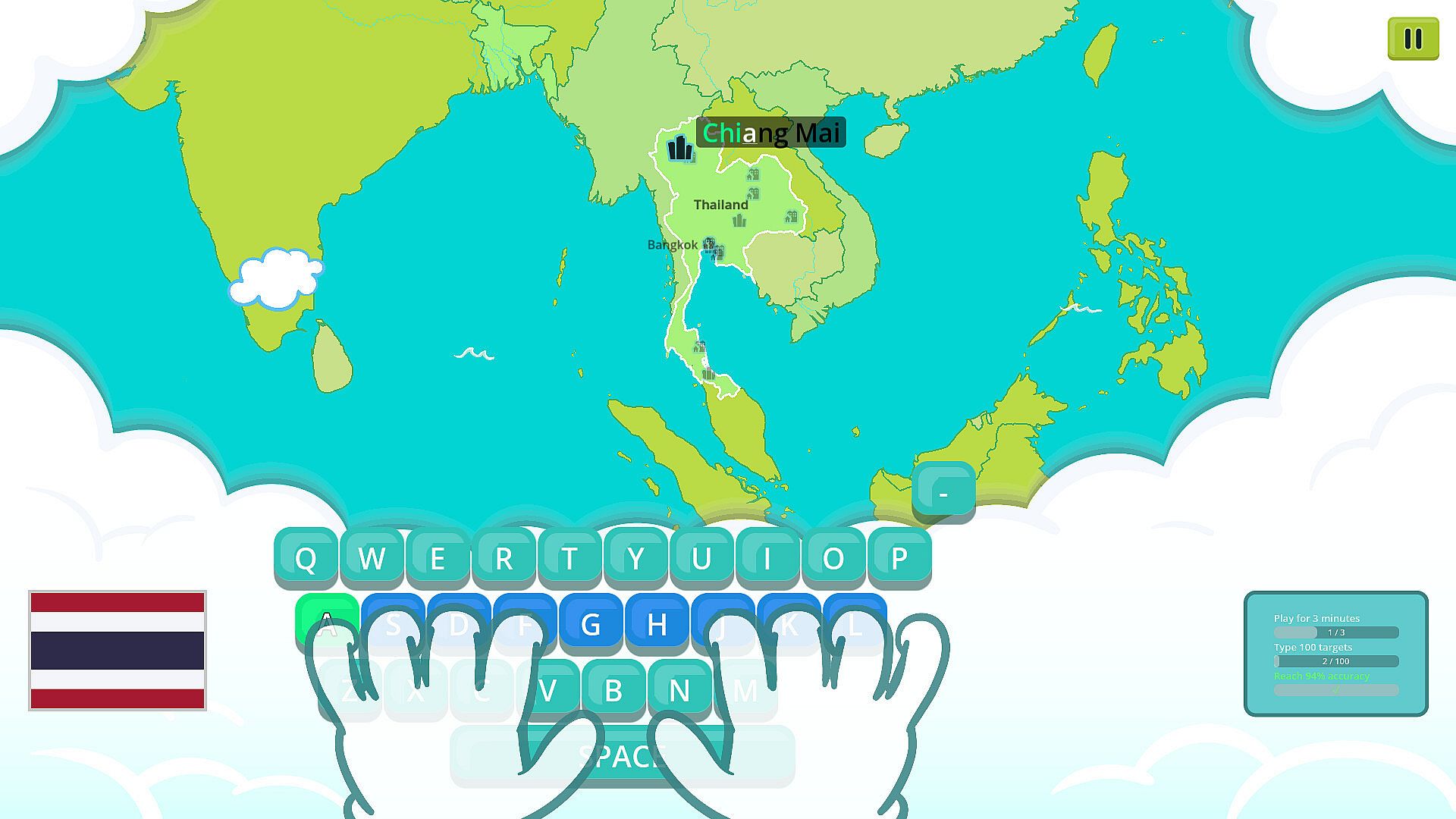
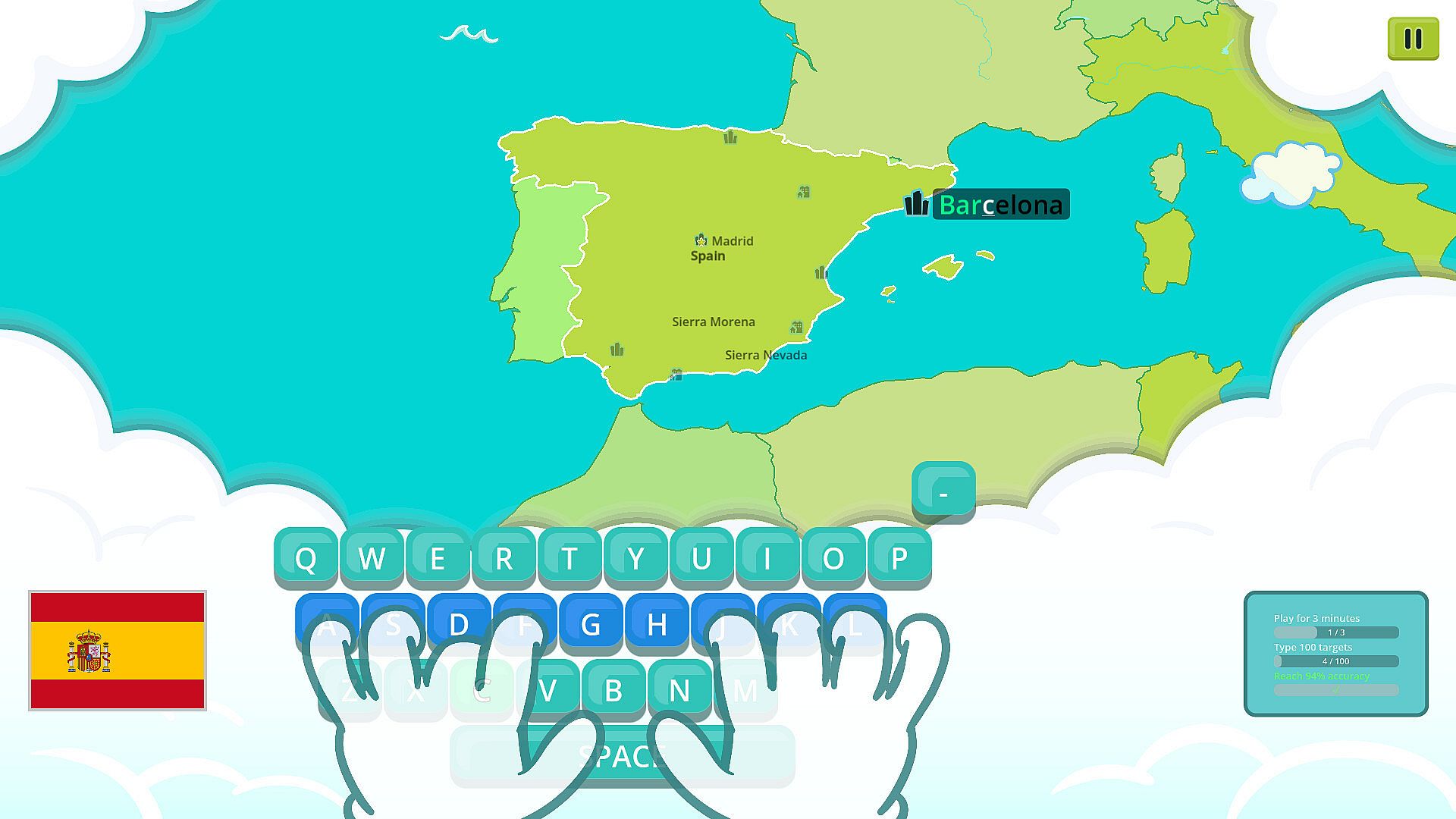
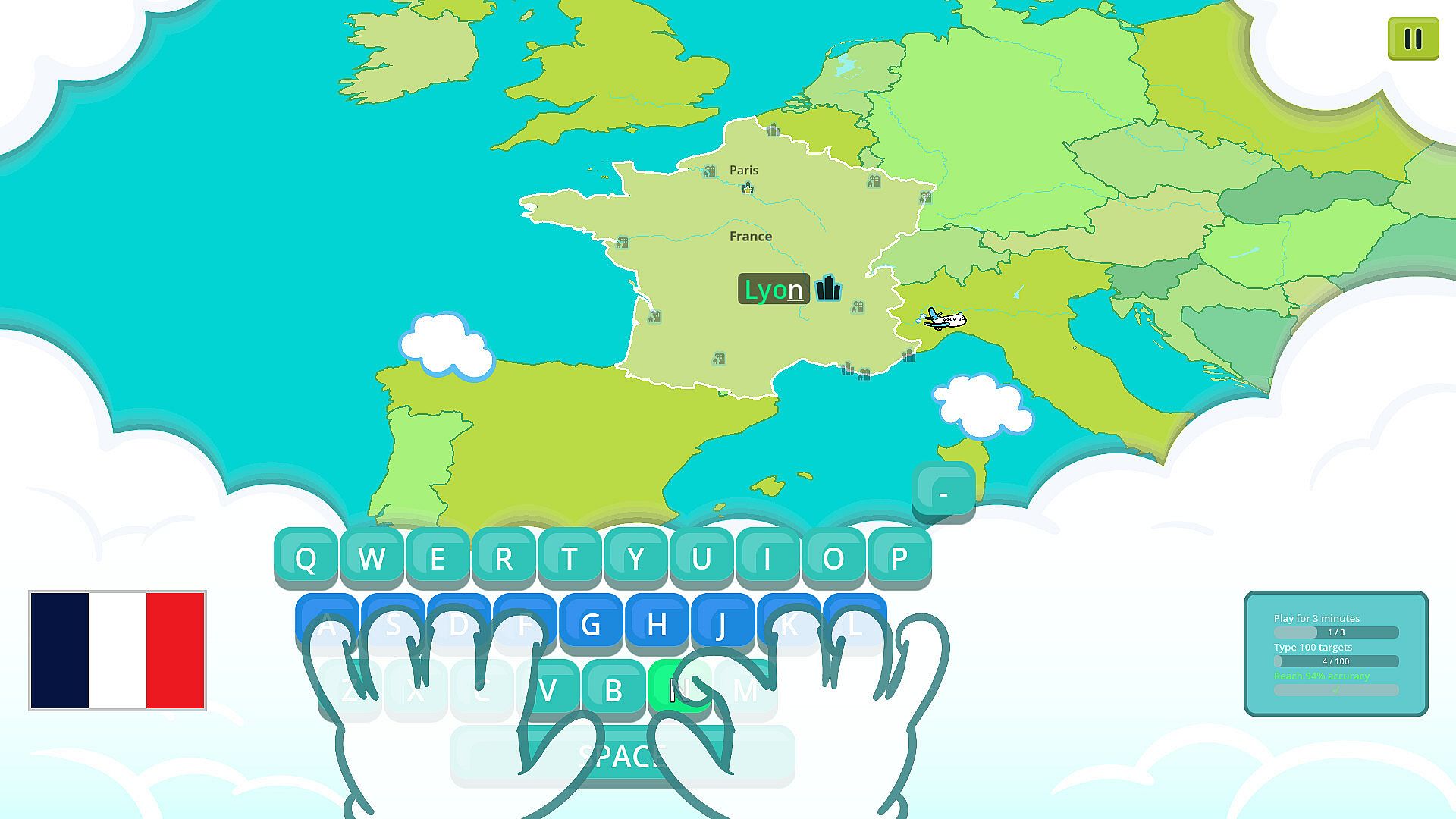
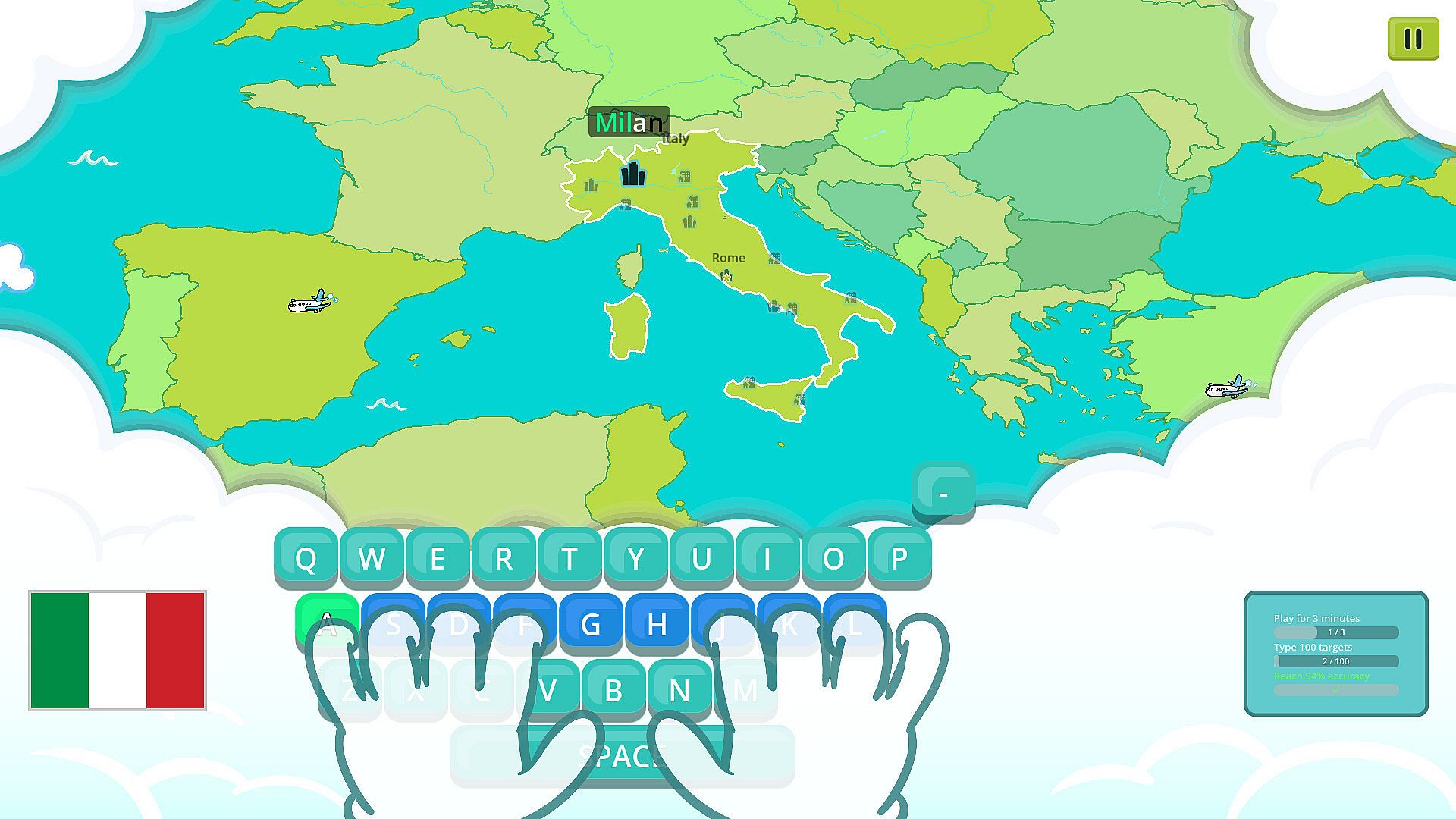
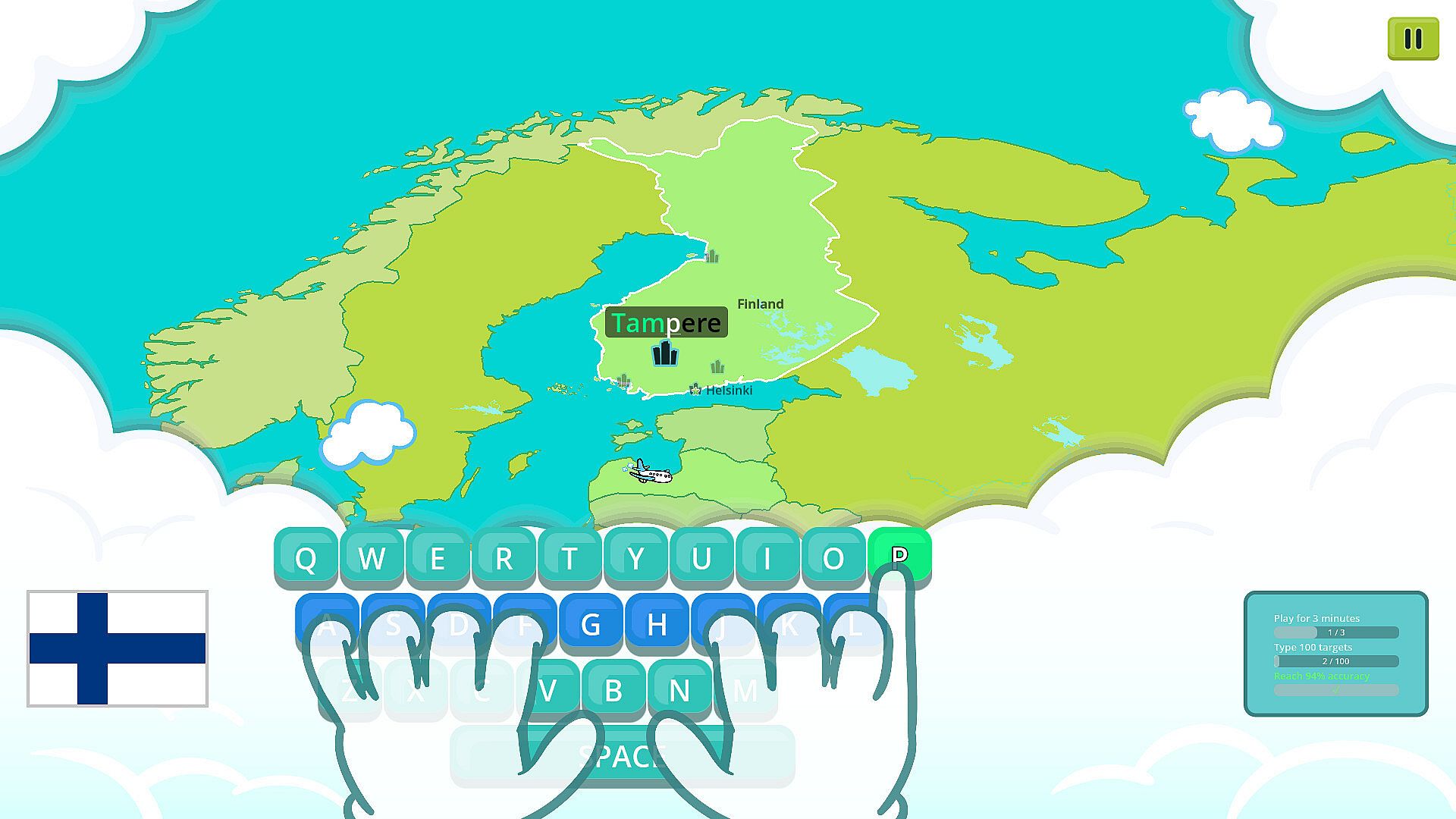
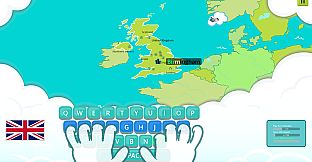
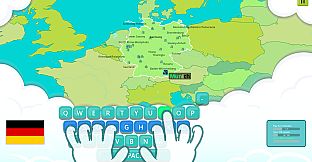
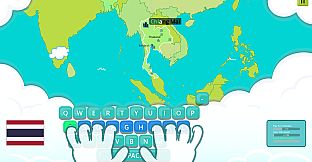
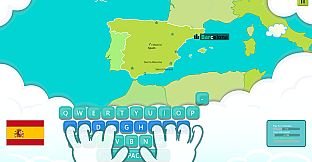
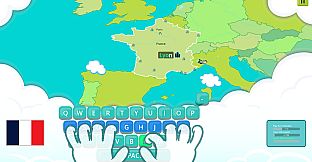
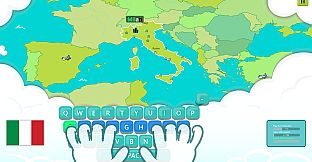
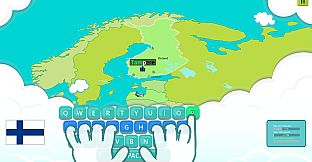
Type the World is a casual single-player typing game for PC that combines ten-finger keyboard practice with geography learning. Players type the names of real-world locations such as countries, capitals, cities, and rivers directly onto a map interface instead of working with random letter strings or unrelated phrases. The experience focuses on building accurate finger placement through repeated practice before emphasizing speed, making it suitable for complete beginners and those looking to refine their technique.
Gameplay
The core loop relies on repetition to develop muscle memory. Users type location names repeatedly until the correct key positions become automatic without glancing at the keyboard. This approach mirrors traditional typing instruction but replaces abstract drills with concrete geographic content. As proficiency grows, the game introduces speed elements while maintaining accuracy as the priority. A gentle difficulty curve ensures steady progress, starting with basic key familiarity and advancing to longer or more complex place names. Location filters allow players to narrow practice sessions to specific continents or categories like capitals or rivers, helping maintain focus during extended sessions. Daily challenges provide structured goals that encourage consistent play, while achievements track milestones in typing accuracy and geography recognition.
The game supports seven languages along with their corresponding keyboard layouts, broadening accessibility for non-English speakers. All practice occurs in a single-player environment that requires only a physical keyboard, with no additional hardware or online connectivity needed for the main experience. The combination of typing drills and map-based geography reinforces two practical skills simultaneously without separating them into distinct activities.
Game Modes
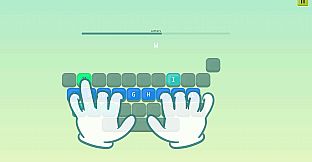
Two distinct modes structure the available practice options. Keyboard Trainer serves as the entry point for those with no prior experience, guiding users through fundamental finger placement and key identification in a controlled setting. Once basics are established, players transition to the full Type the World mode, which presents the complete set of 2,000 real-world locations for ongoing repetition and refinement. Both modes operate within the same map interface, allowing seamless movement between foundational exercises and comprehensive practice. The design keeps the focus on individual progress rather than competition or external benchmarks.
Learning Benefits and Progression
Progression follows a straightforward path from initial key recognition to fluid typing of full location names. The repetition mechanic ensures that finger movements become instinctive over time, after which speed naturally improves through continued use. Geography elements add context to each typing session, turning what could be rote drills into opportunities to reinforce knowledge of world locations. Filters and daily challenges help sustain engagement by offering variety without altering the core repetition-based system. The game remains entirely self-contained, with achievements providing optional markers of advancement that players can pursue at their own pace.
Is It Worth Playing?
Type the World appeals most to individuals seeking a focused, educational casual experience on PC. Those interested in developing proper ten-finger typing habits through structured repetition will find the map-based approach engaging, especially when paired with the incidental geography practice. The two modes accommodate different starting points, and features like language support and location filters add flexibility for varied learning preferences. Because the game emphasizes steady, personal improvement over high-stakes challenges, it suits players who prefer deliberate practice sessions rather than fast-paced or competitive formats. Availability of a demo prior to the planned October 2026 release allows prospective users to test the core mechanics directly. For anyone prioritizing practical skill-building in typing and world knowledge within a low-pressure single-player setting, the game offers a direct match to those goals.