




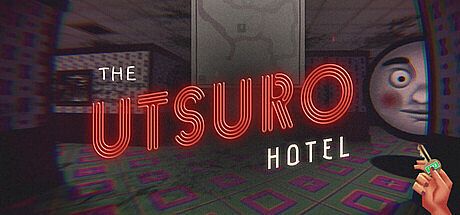


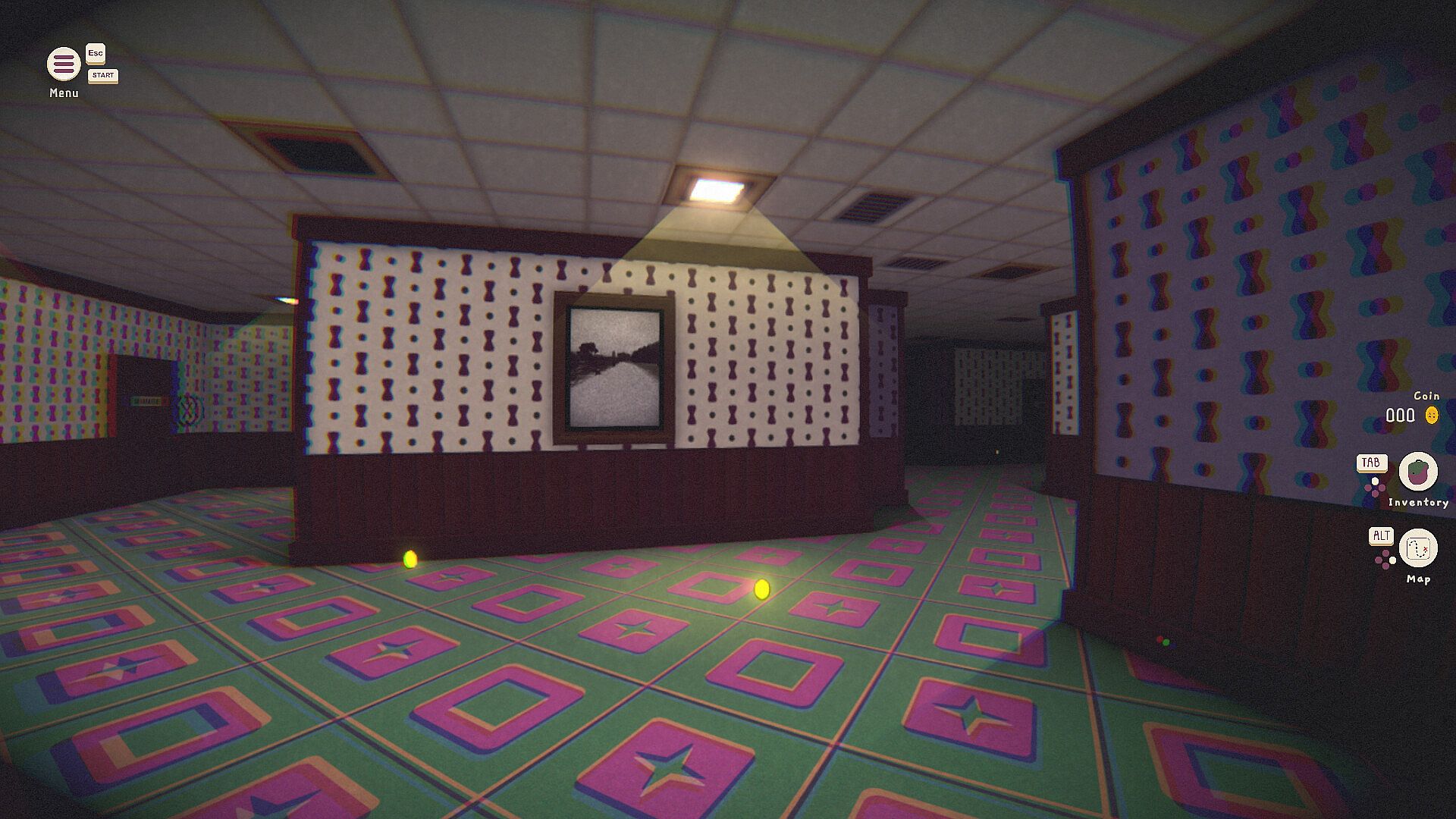
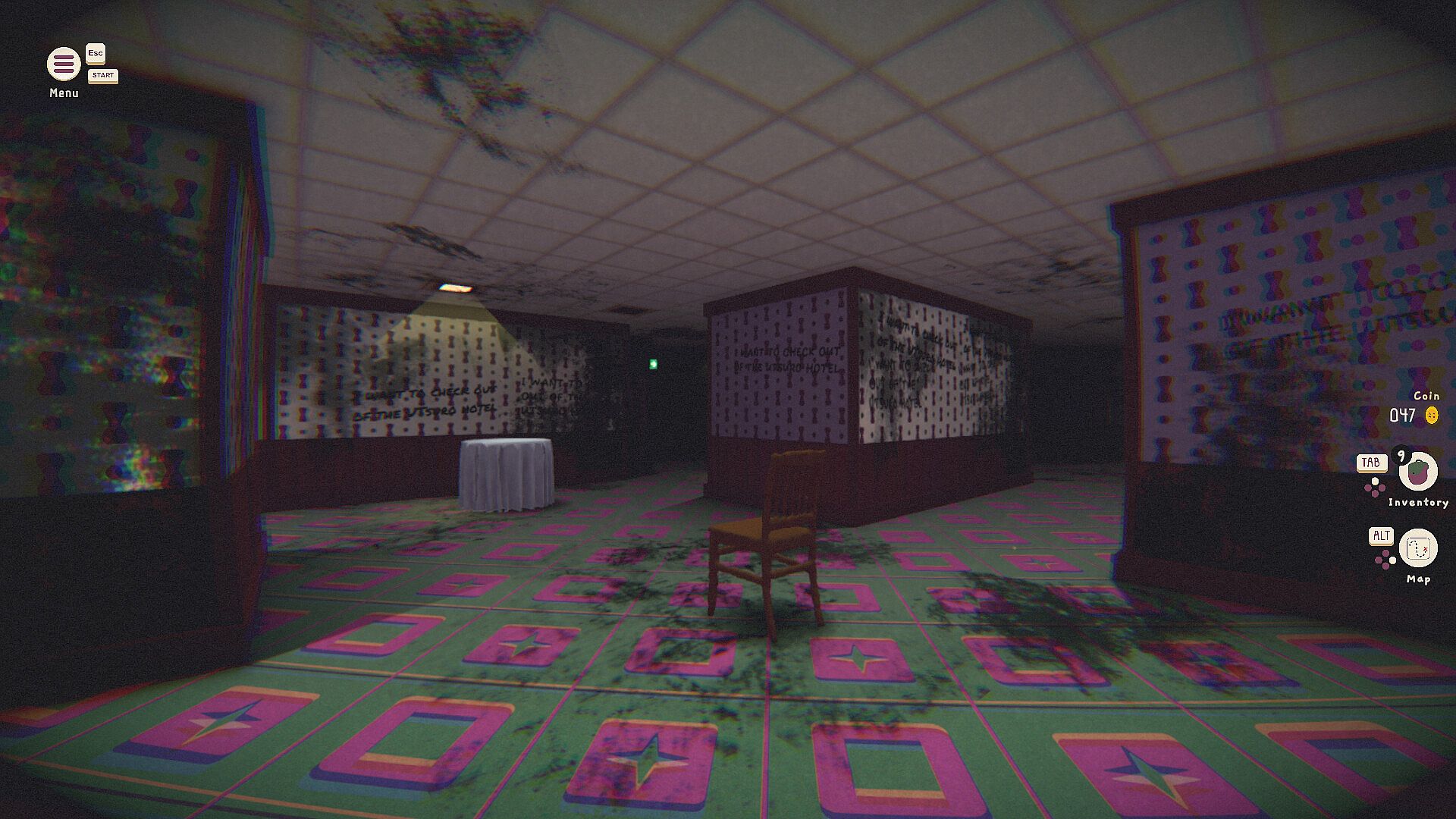
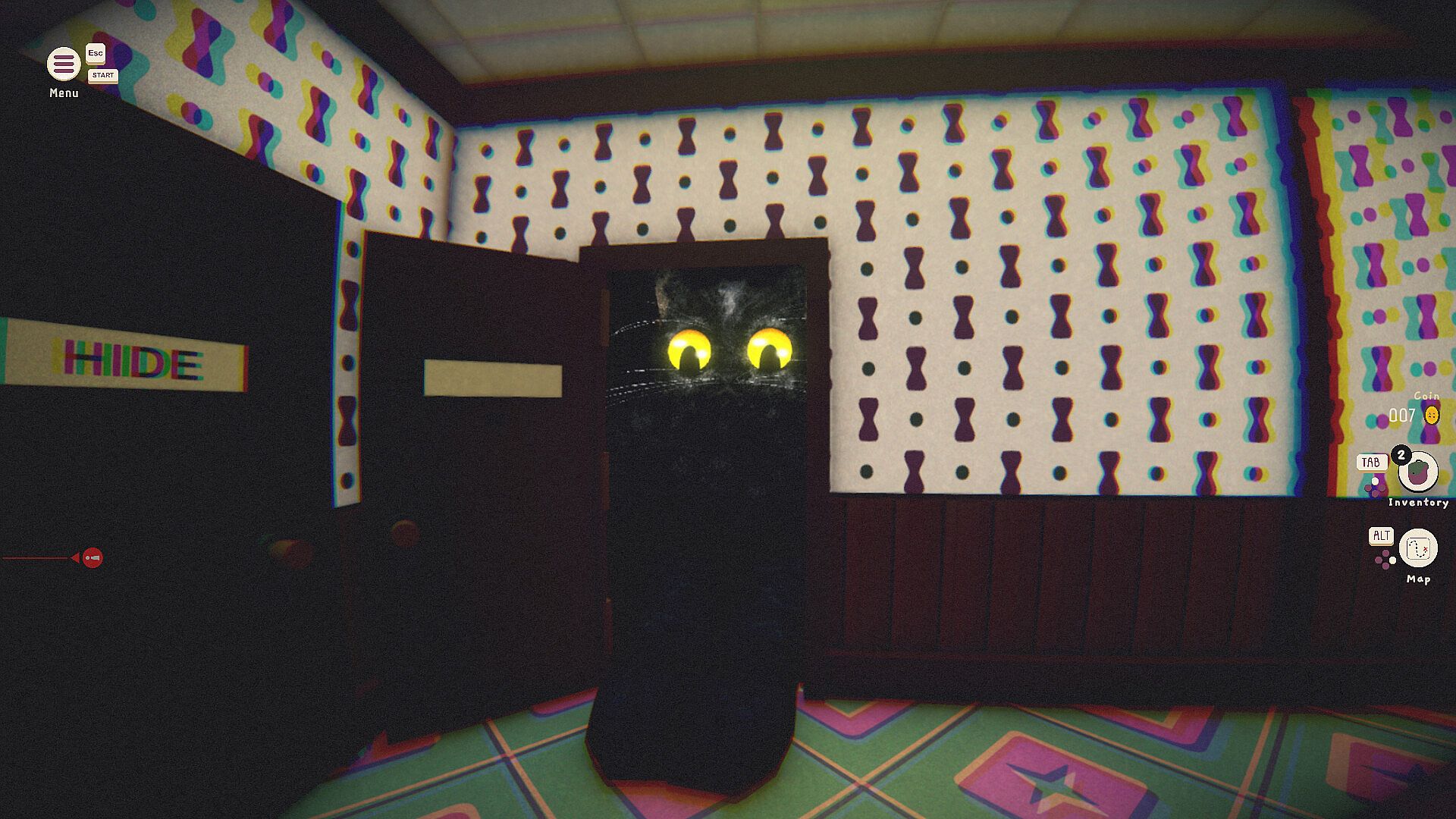
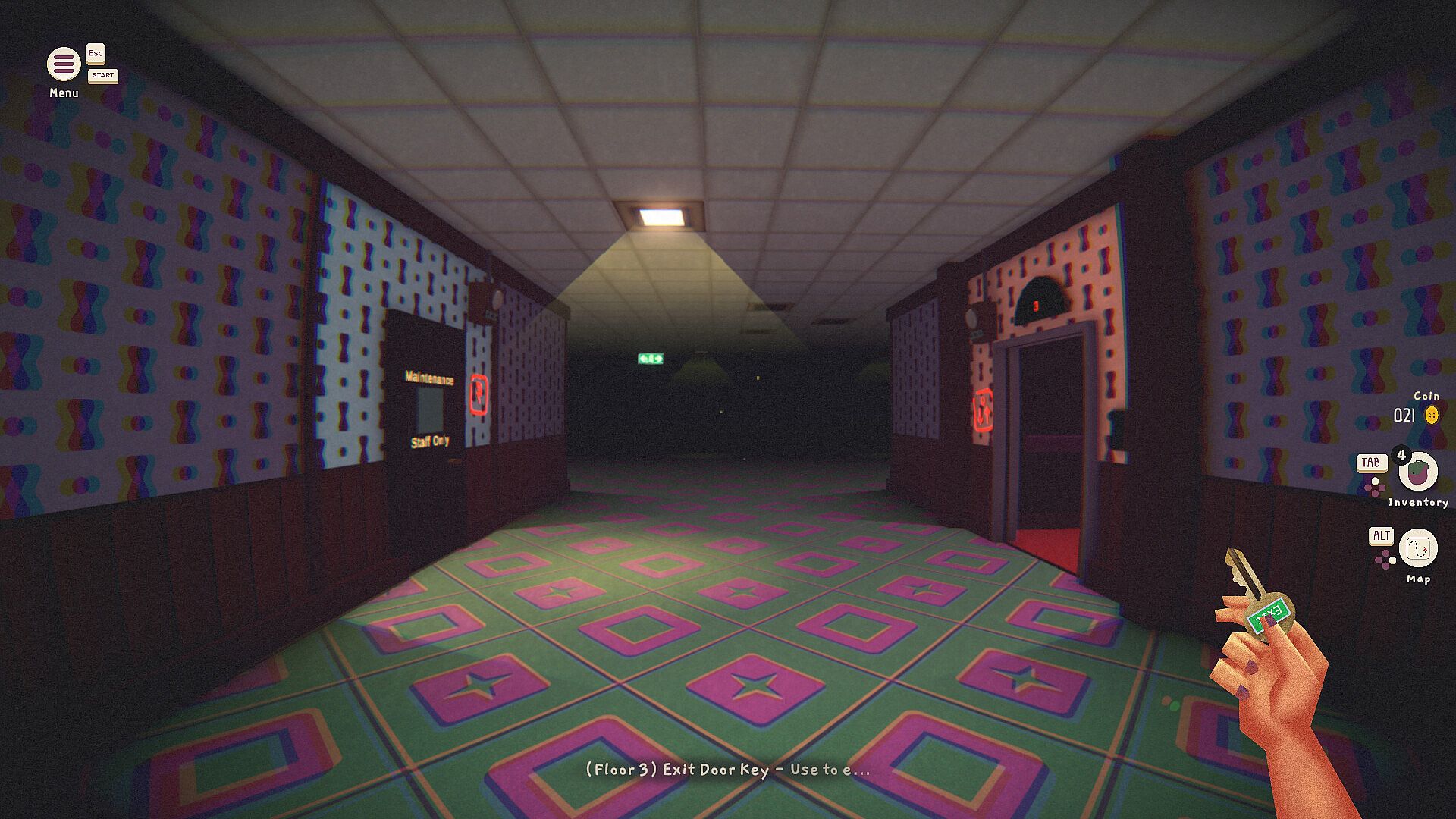
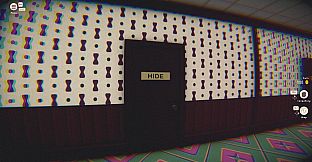
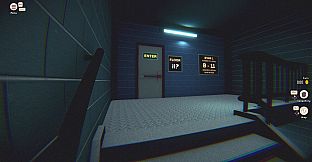
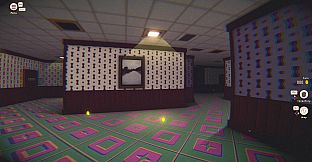
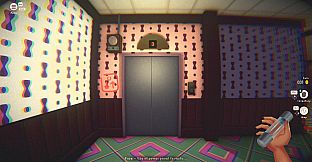
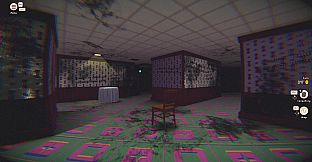
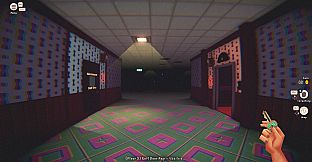
The Utsuro Hotel is a retro first-person horror roguelite for PC in which players navigate a shifting hotel built from twelve doors and twelve floors. Waking in the stairwell with no memory of arrival, the goal is to reach the roof before a flood overtakes the structure. Each run generates a fresh layout while the stairwell remains the sole consistent safe zone. Doors bind to specific floors upon first opening, and the building reveals its vertical order only after the lock turns. The experience emphasizes observation, memory, and evasion rather than direct confrontation.
Gameplay
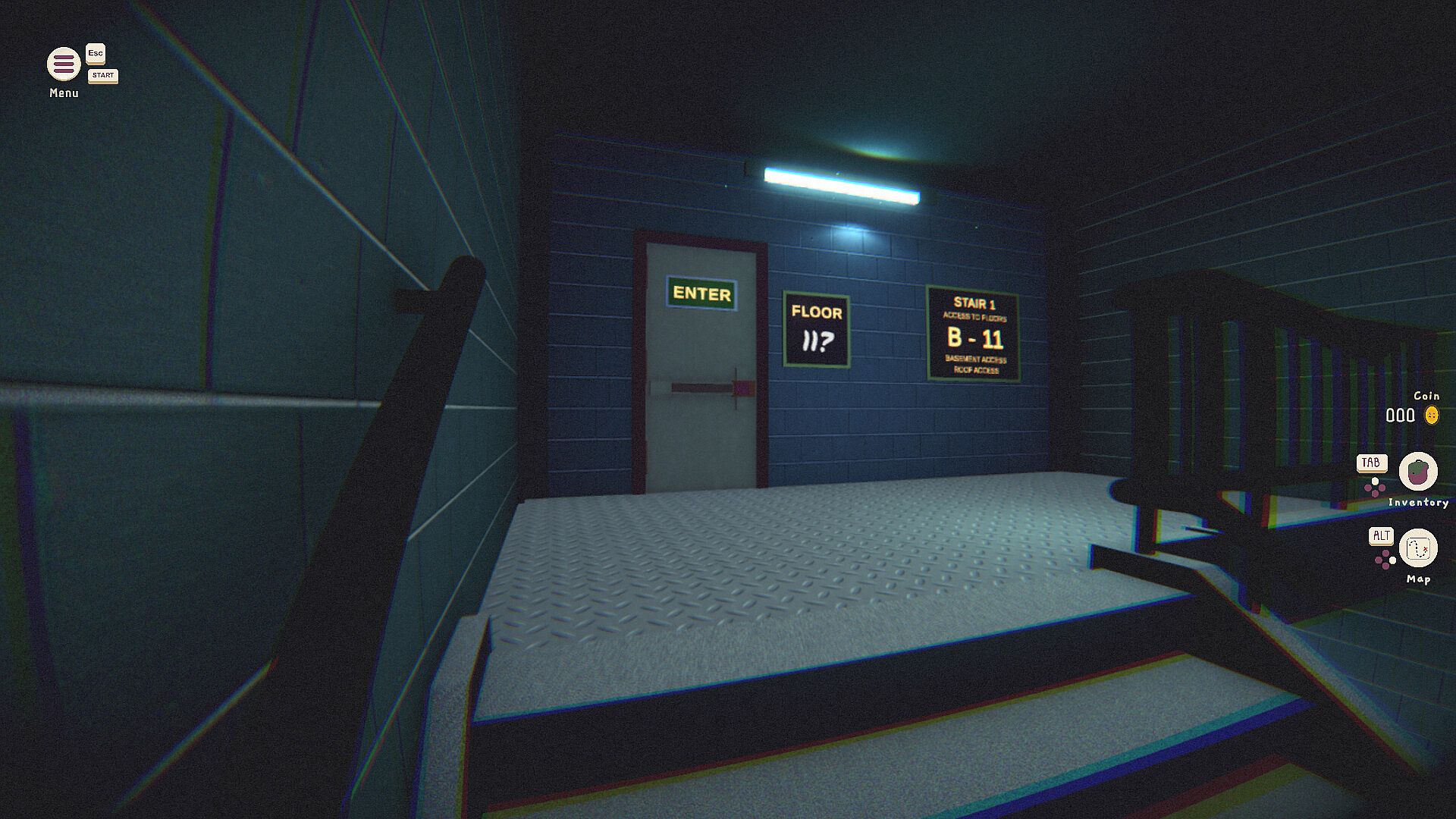
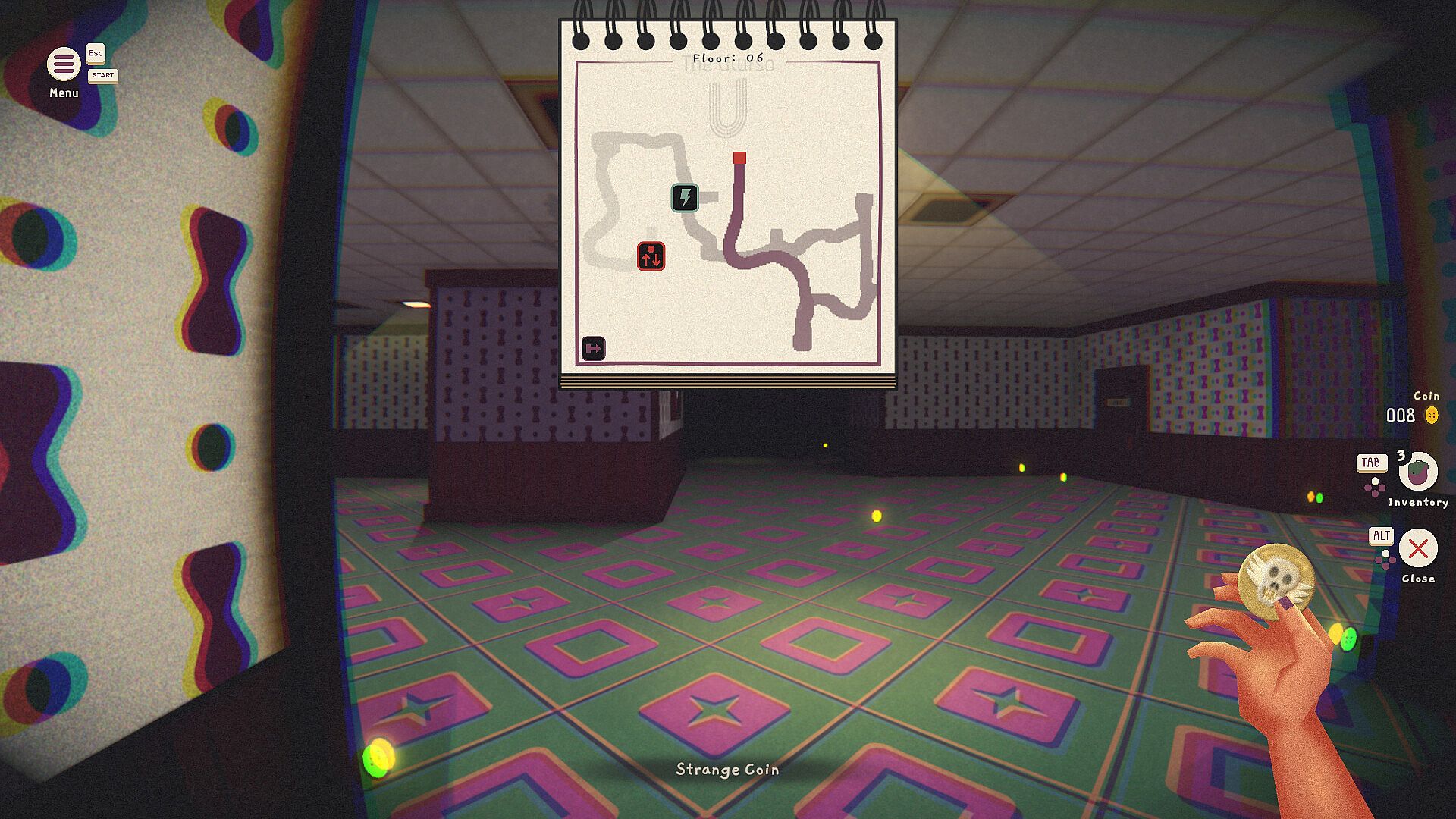
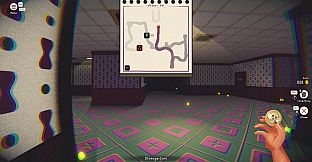
Core movement occurs through a single stairwell that connects every floor. Opening a door for the first time locks that entrance to one floor for the duration of the attempt. Signage, plaques, and room numbers appear only after entry, forcing players to commit without prior knowledge. The map draws itself as corridors are explored, and notes can be left on stairwell doors to record findings for later reference within the same run.
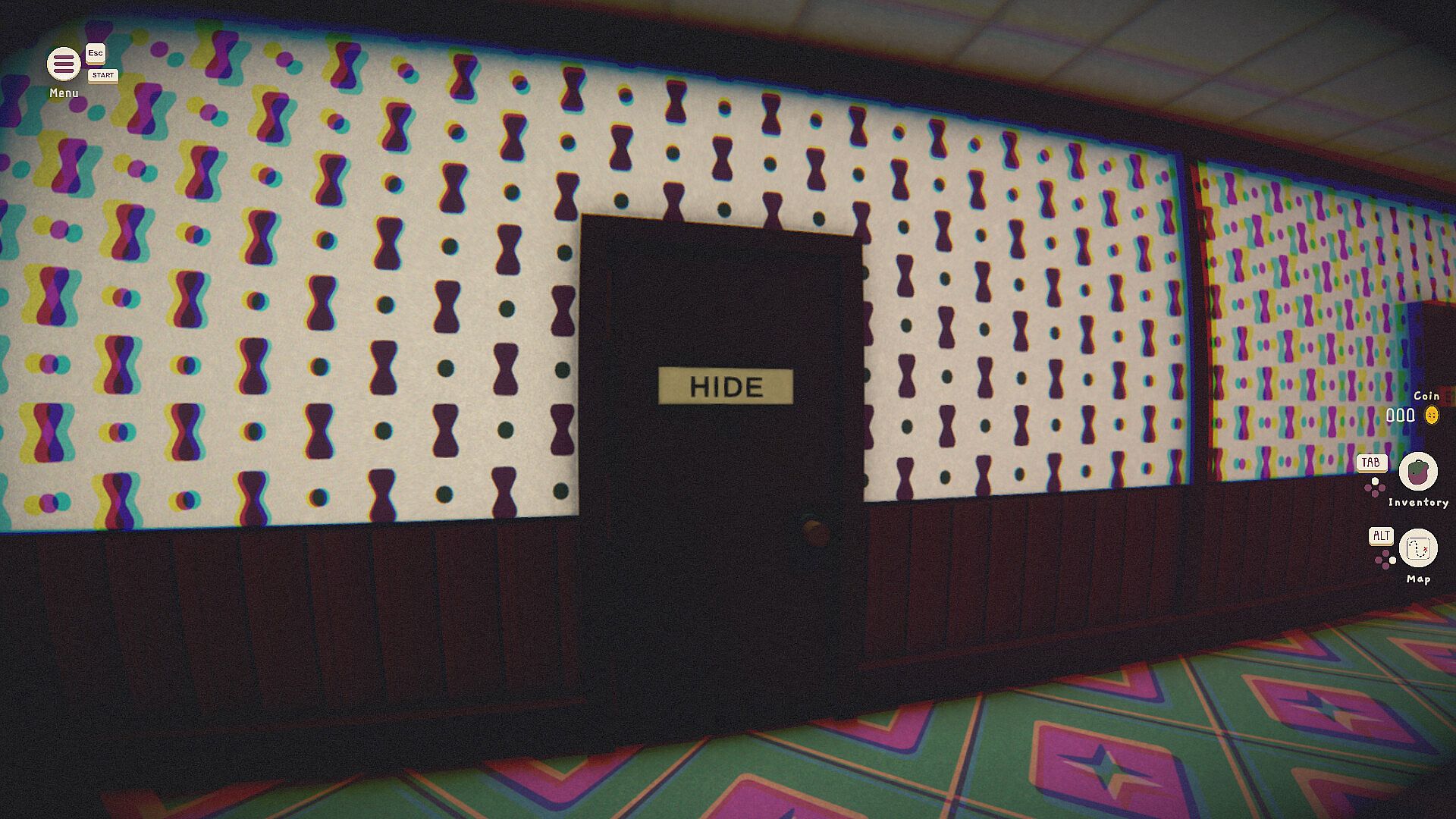
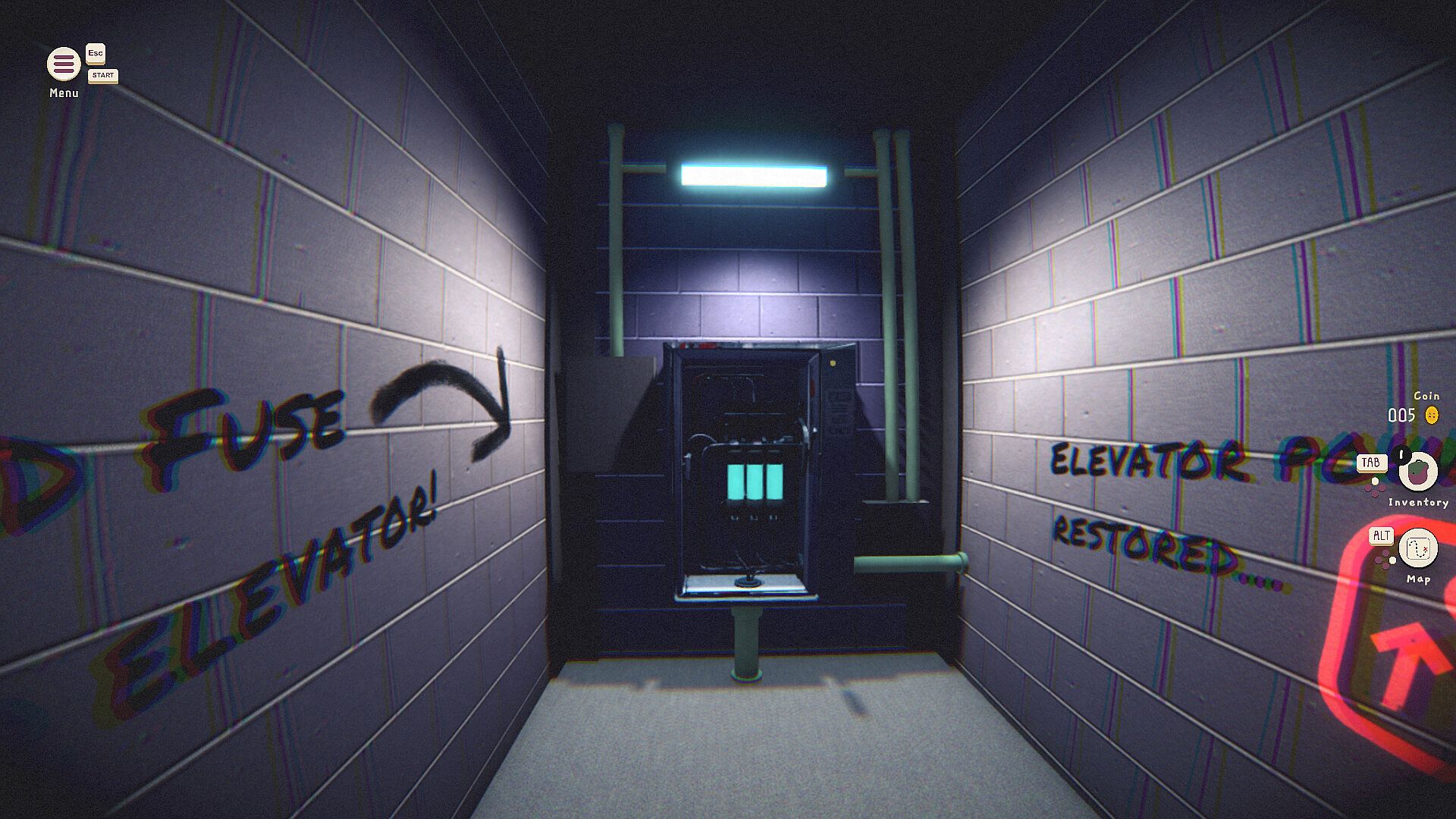
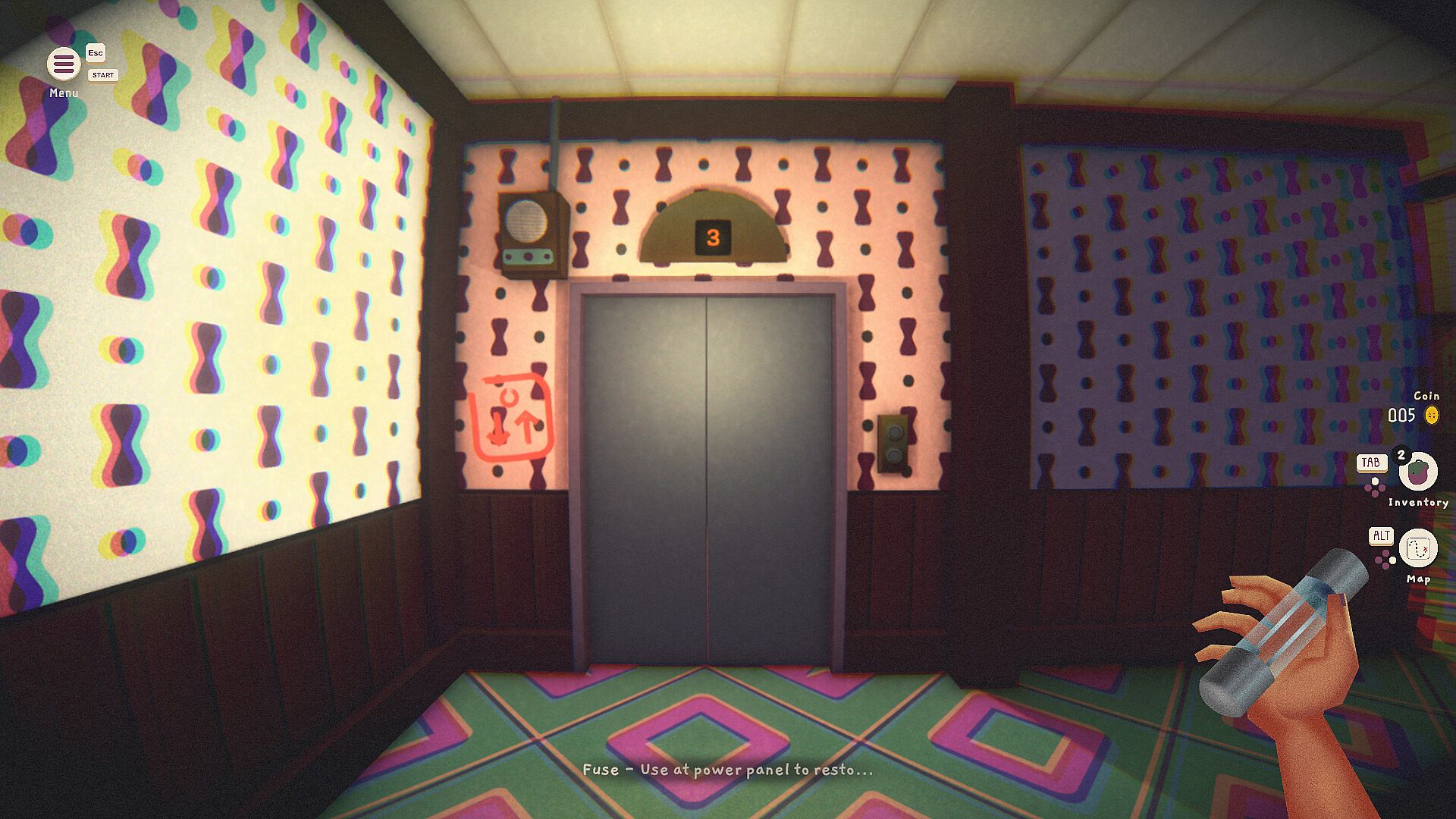
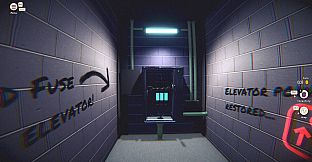
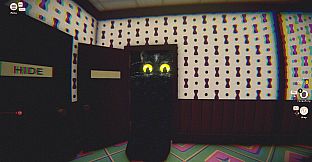
Nothing in the hotel can be fought. Entities follow their own patterns, some pursuing while others simply occupy space. Safe spots exist for waiting out threats when discovered in time. Inventory management centers on keys stamped with floor numbers, fuses for restoring power, and coins collected from the entities that roam the halls. These coins trade with a merchant encountered behind certain doors for additional keys or an extra attempt.
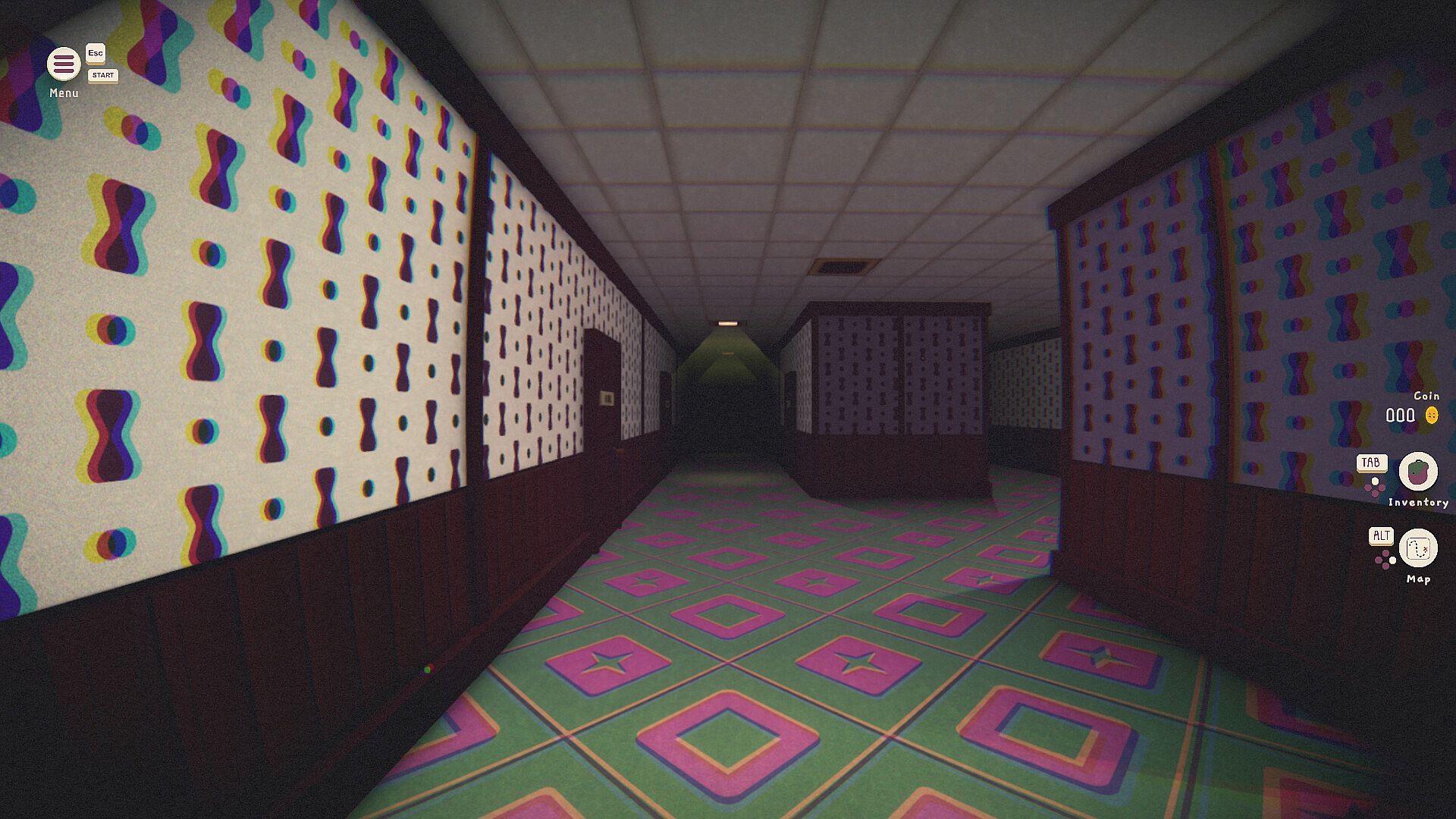
The elevator provides the most direct vertical travel once power returns, yet it malfunctions after every ride and stops at an unpredictable floor. Players must then decide whether to repair it on site or descend the stairs and accept whatever new connections the building assigns. Sound design supplies the primary navigation aid, with distinct audio cues marking entity presence and environmental changes. Visuals rely on flat lighting, pronounced shadows, and film grain to reinforce the retro aesthetic.
Game Modes
The game operates as a singleplayer roguelite loop centered on repeated attempts to reach the roof. Each run constructs an entirely new hotel configuration while preserving the stairwell as the fixed hub. Progress stems solely from accumulated knowledge of entity behaviors, key placements, and layout patterns rather than permanent upgrades or stat changes. After reaching the roof, players may immediately begin another attempt to improve their time or explore further variations. The basement serves as the consistent starting point and the only floor that provides explicit introductory information.
Key Mechanics and Systems
Twelve doors bind permanently on first contact, turning inventory keys into high-stakes items when an entity approaches. Merchants appear in fixed locations within certain rooms and accept only coins harvested from pursuers. Graffiti, outdated signage, and misplaced objects left by previous visitors supply clues that may prove accurate or deliberately misleading. The absence of combat shifts focus to positioning, timing, and environmental reading. Simple controls ensure input never interferes with the challenge of interpreting the building itself.
Is It Worth Playing?
The Utsuro Hotel suits players who prefer deliberate exploration and pattern recognition over action or combat. Its roguelite structure rewards repeated runs through improved understanding of entity rules and layout logic rather than equipment progression. The early access state means the core loop of stairwell navigation, door binding, and roof ascents is already playable, with the merchant system and elevator malfunctions adding meaningful decision points. Those drawn to atmospheric horror without direct confrontation, procedural environments that remain static within a run, and sound-focused navigation will find the systems align closely with the described experience. Players seeking traditional upgrades or multiplayer elements should look elsewhere, as the title focuses exclusively on solitary, knowledge-driven attempts against an unchanging set of rules per attempt.











