




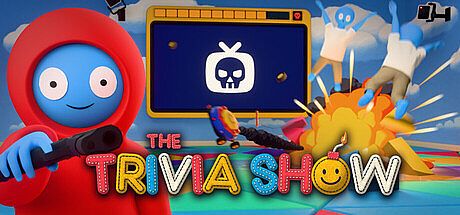


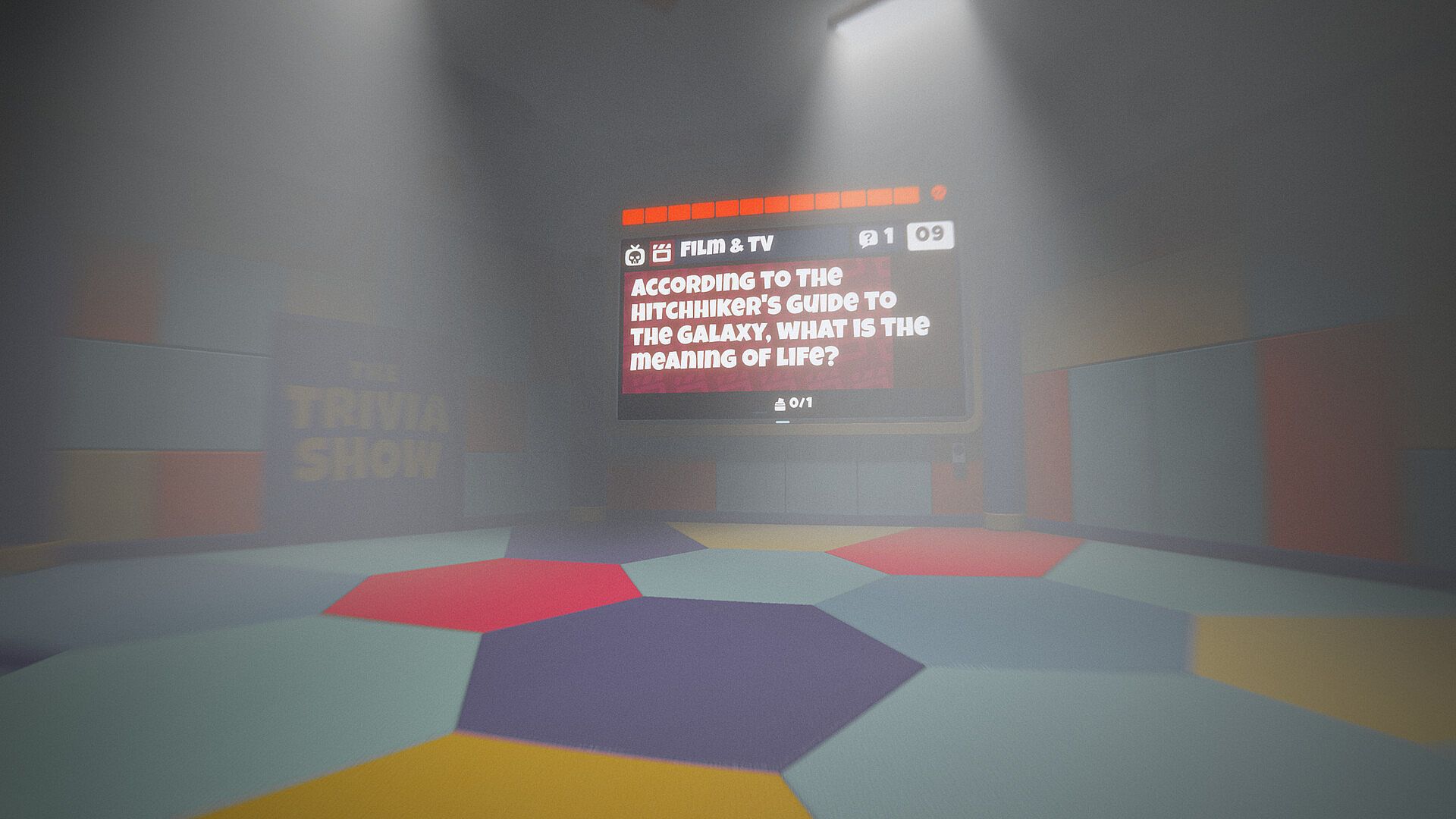
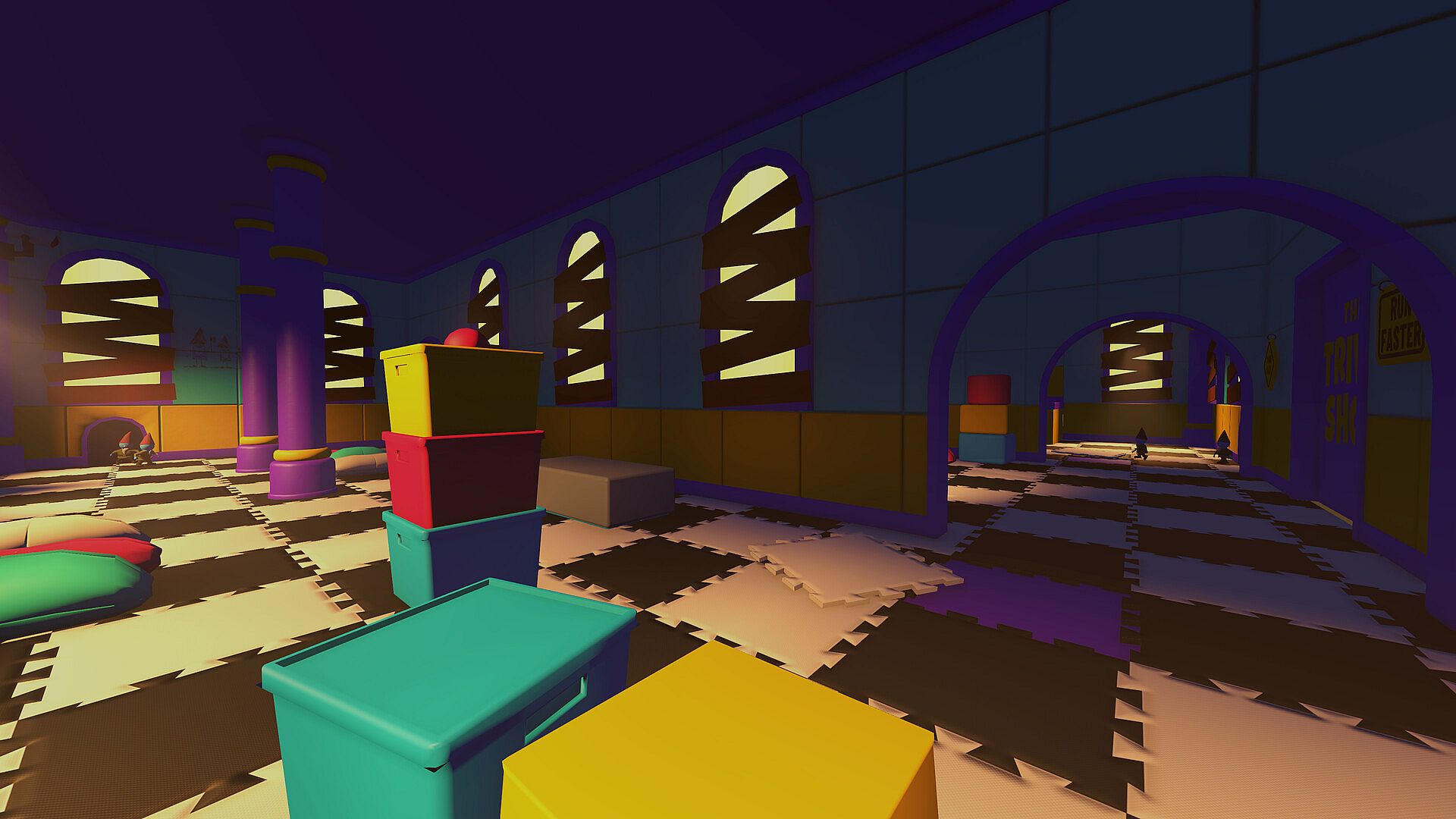
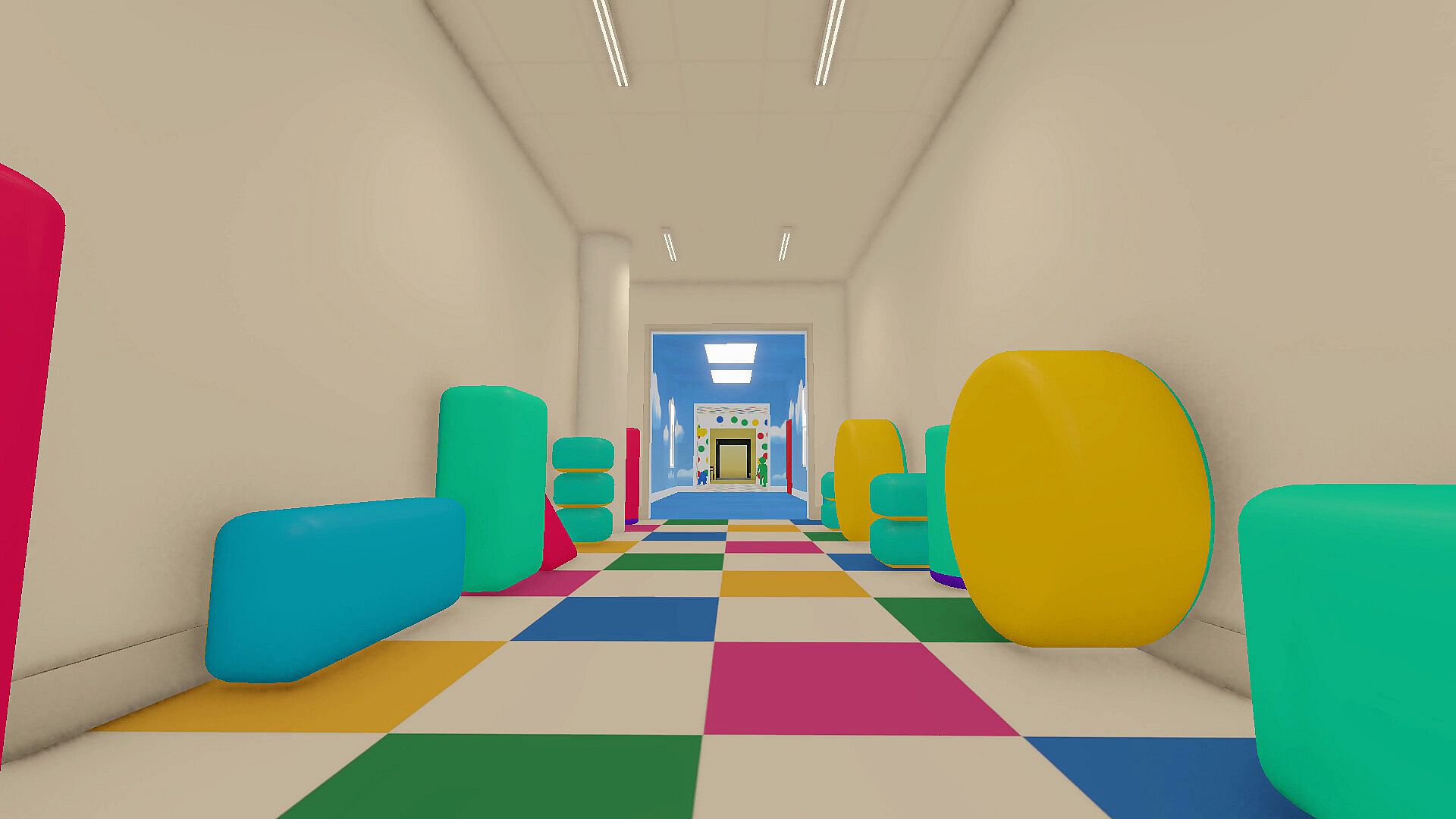
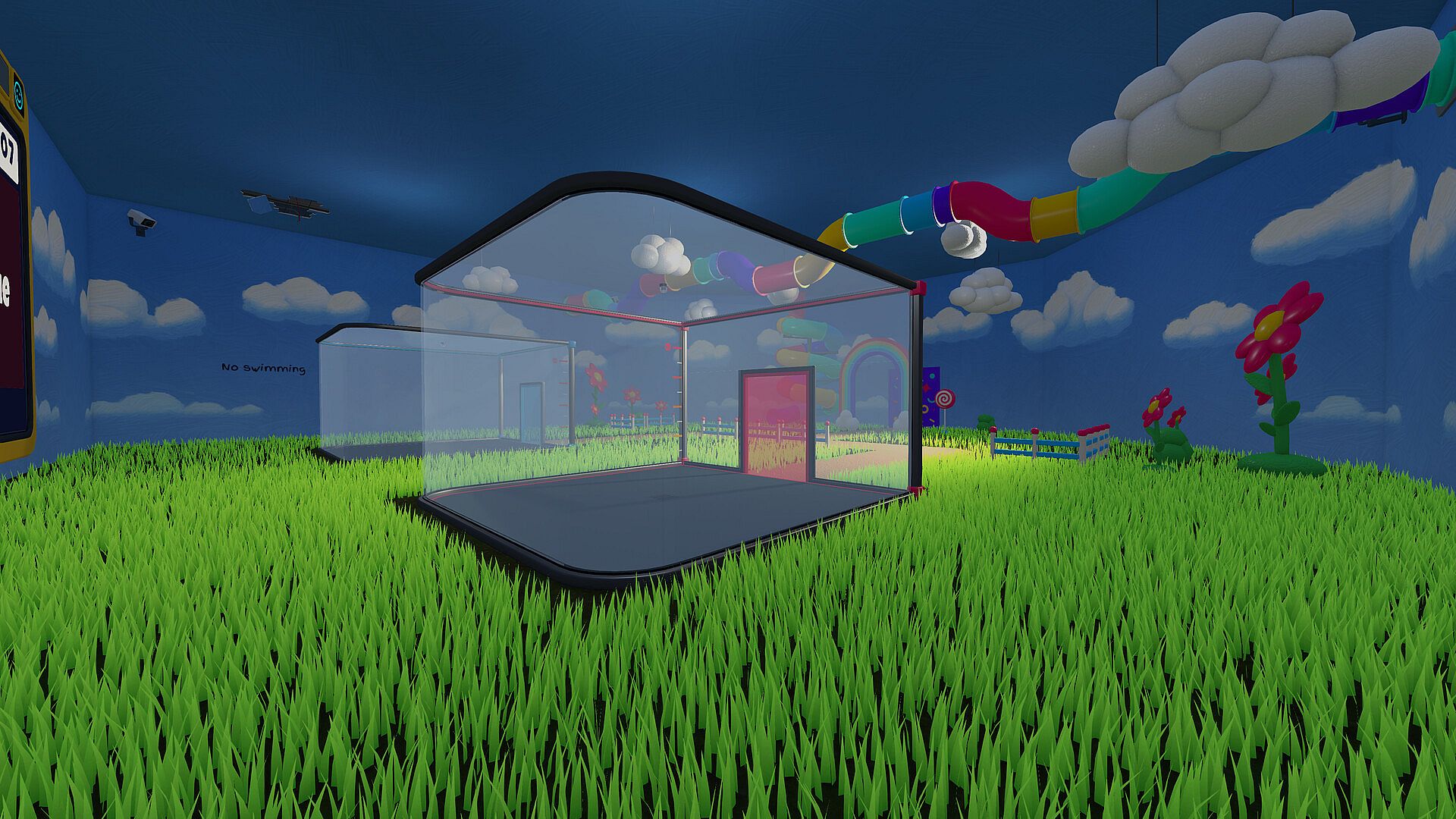
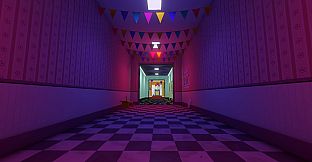
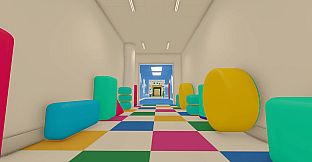
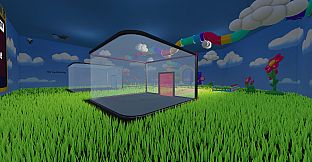
The Trivia Show is a multiplayer party quiz game that blends trivia questions with action and elimination mechanics. Up to eight players compete on PC in sessions where a single question decides who advances and who faces immediate consequences in one of several themed rooms. The game emphasizes quick thinking, social interaction, and chaotic physical interactions rather than pure knowledge testing.
Gameplay
Each round begins with a question displayed on screen and a short timer. Correct answers earn points while incorrect ones trigger a room-specific penalty that can eliminate a player from that round. Points accumulate across rooms, with bonuses for surviving and penalties for dying. A well-timed action like throwing an item can shift the standings even late in a match. Players who are eliminated become ghosts for the remainder of the room, allowing them to observe, communicate, and interfere lightly with the living participants. Every new room resets all players to alive status, keeping everyone involved throughout the session.
The game scales difficulty based on performance. Strong play raises the pressure by introducing harder questions and more punishing room variants. Rooms appear in random order, and many include randomized elements such as hidden hazards that change the layout each time. Before team-based rooms, a brief chaos phase randomly assigns players to sides. Proximity voice chat lets participants hear only those nearby in the virtual space, adding to the sense of shared physical presence. Custom question packs created by players can be shared through the Steam Workshop, and the base game includes over 1,500 questions spread across nine categories with support for fourteen languages.
Game Modes
Six distinct rooms form the core of each match, each turning a wrong answer into a unique hazard. In Platforms, a missed question causes the platform beneath a player to explode while correct answers provide banana peels for throwing at opponents. Armory equips accurate players with rifles and inaccurate ones with pistols, leading to a shootout among cushion forts. Bomb attaches an armed explosive to the ankle of anyone who answers incorrectly, forcing them to distance themselves or rush others within three seconds. Cistern divides players into two teams that answer by majority vote, with each error raising the water level in their tank. Survival summons axe-wielding gnomes after every mistake, while correct answers supply ammunition for defense. Roulette seats everyone around a table where the first correct answer claims a revolver loaded with one bullet in six chambers and selects the target.
These rooms cycle randomly and often rebuild with new layouts. Team rooms incorporate a short pre-round scramble to determine groupings. The combination of trivia accuracy, timing, and opportunistic actions creates varied outcomes even with the same group of players.
Progression and Customization
Matches reward consistent performance with points that influence the leaderboard, while survival bonuses and disruptive plays allow comebacks. Costumes unlock through play and can be equipped in a wardrobe to personalize characters. The pressure system ensures later rooms feel more intense as questions grow harder and room effects become meaner. Custom packs let groups or streamers build themed question sets quickly and distribute them via Workshop integration.
Is It Worth Playing?
The Trivia Show suits groups of friends seeking a fast-paced, social quiz experience that mixes knowledge with physical comedy and betrayal. Its short rounds and ghost mechanic keep sessions lively without long downtime. The random room order and scaling difficulty provide replay value for repeated play with the same people. Early Access status means the game is still receiving updates, and the core loop of one question leading to six possible outcomes already delivers the intended party chaos. Players who enjoy competitive trivia with added action and customization options will find it engaging, while those preferring solo modes or purely knowledge-based play may want to wait for further development.











