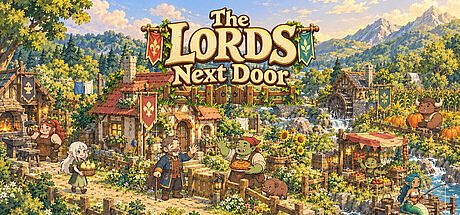


The Lords Next Door is a strategy and simulation game set on PC where players settle a frontier town after years of war. The experience blends town building, hero collection, monster clearing, and cooperative neighbor relations in a relaxed, story-driven package that supports short daily sessions.
Gameplay
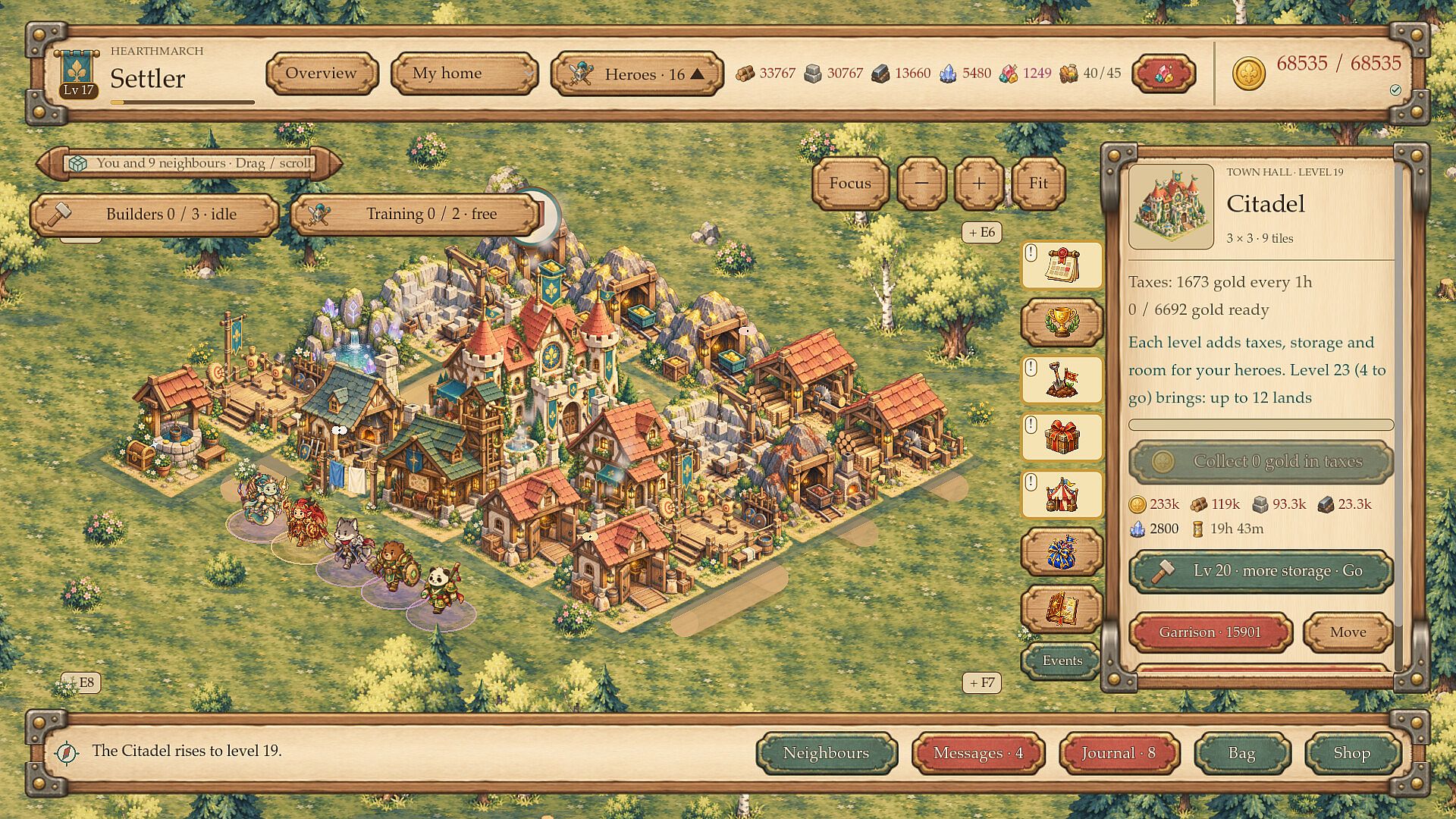
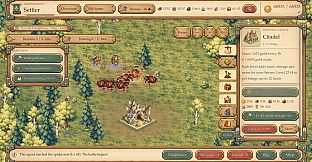
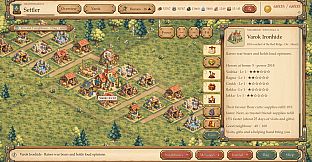
Players begin with a deed to undeveloped land and an old quartermaster named Wendel who encourages steady progress. Town construction involves placing resource structures such as gold mines, lumber mills, quarries, and mana springs alongside functional buildings like a tavern, training grounds, and a blacksmith. The central Town Hall upgrades through stages to a keep, castle, and eventually a crown citadel while additional land purchases expand the settlement footprint. The visual style evokes a storybook frontier complete with everyday details like washing lines, sunflowers, and flower boxes.
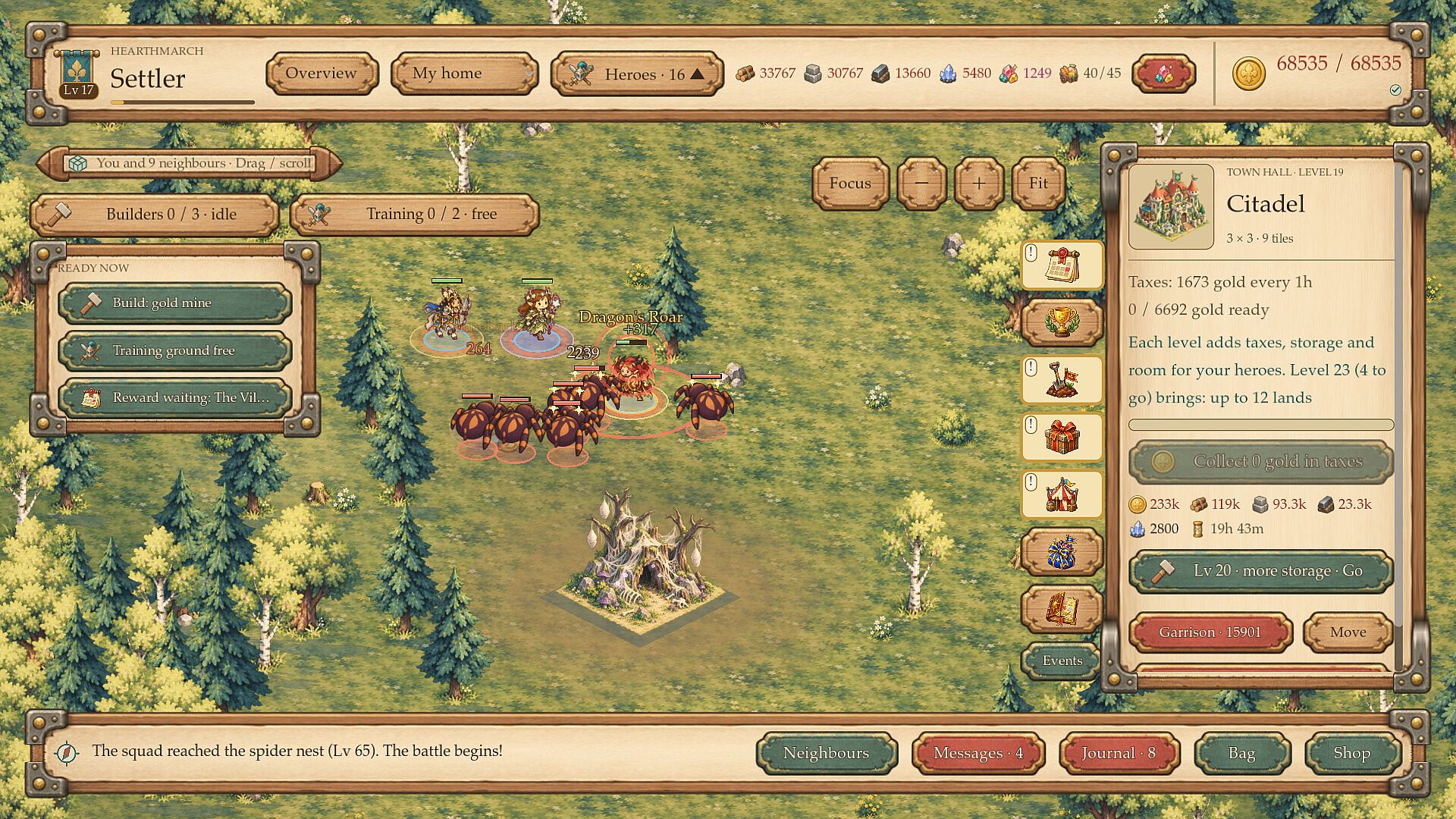
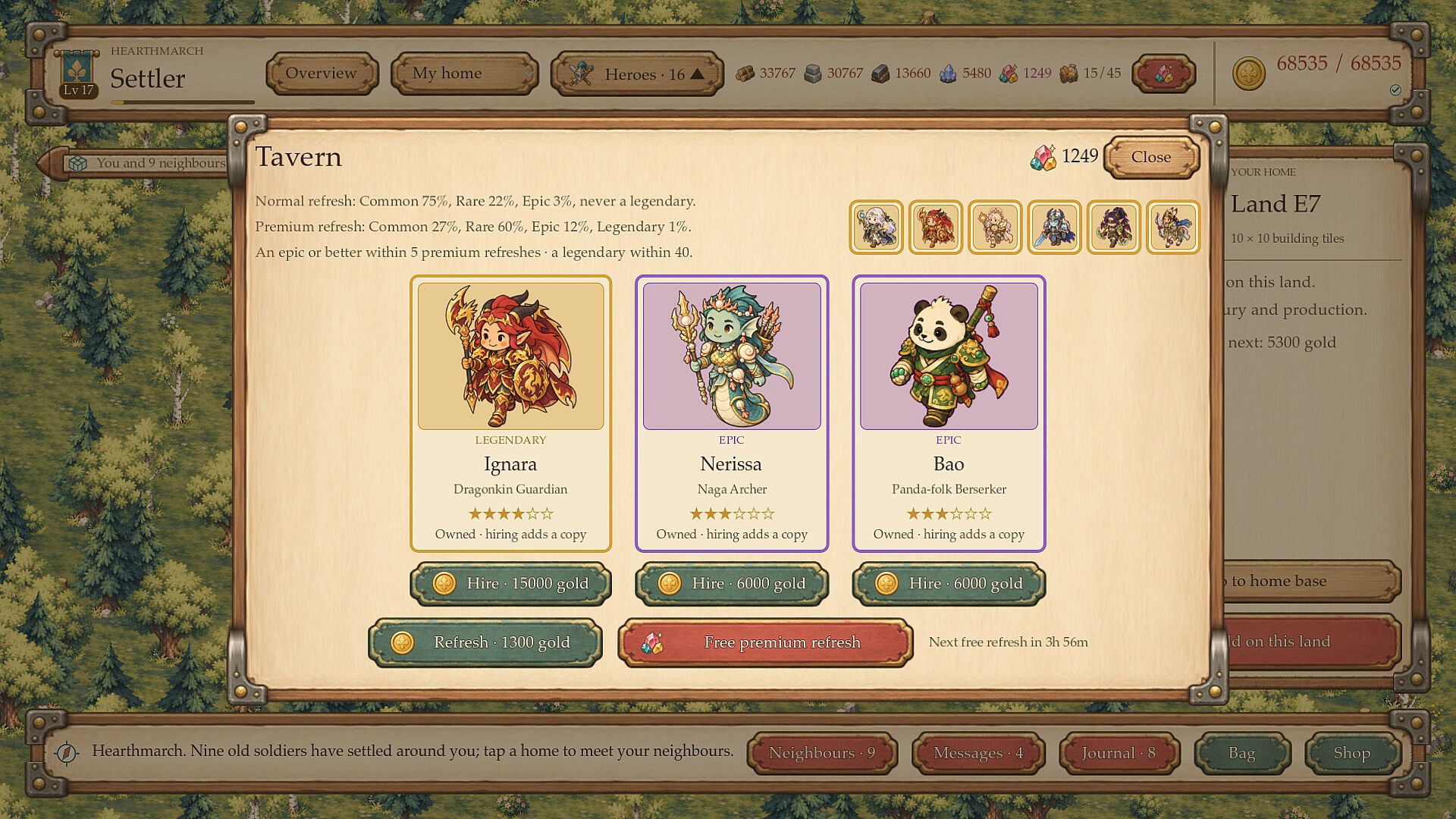
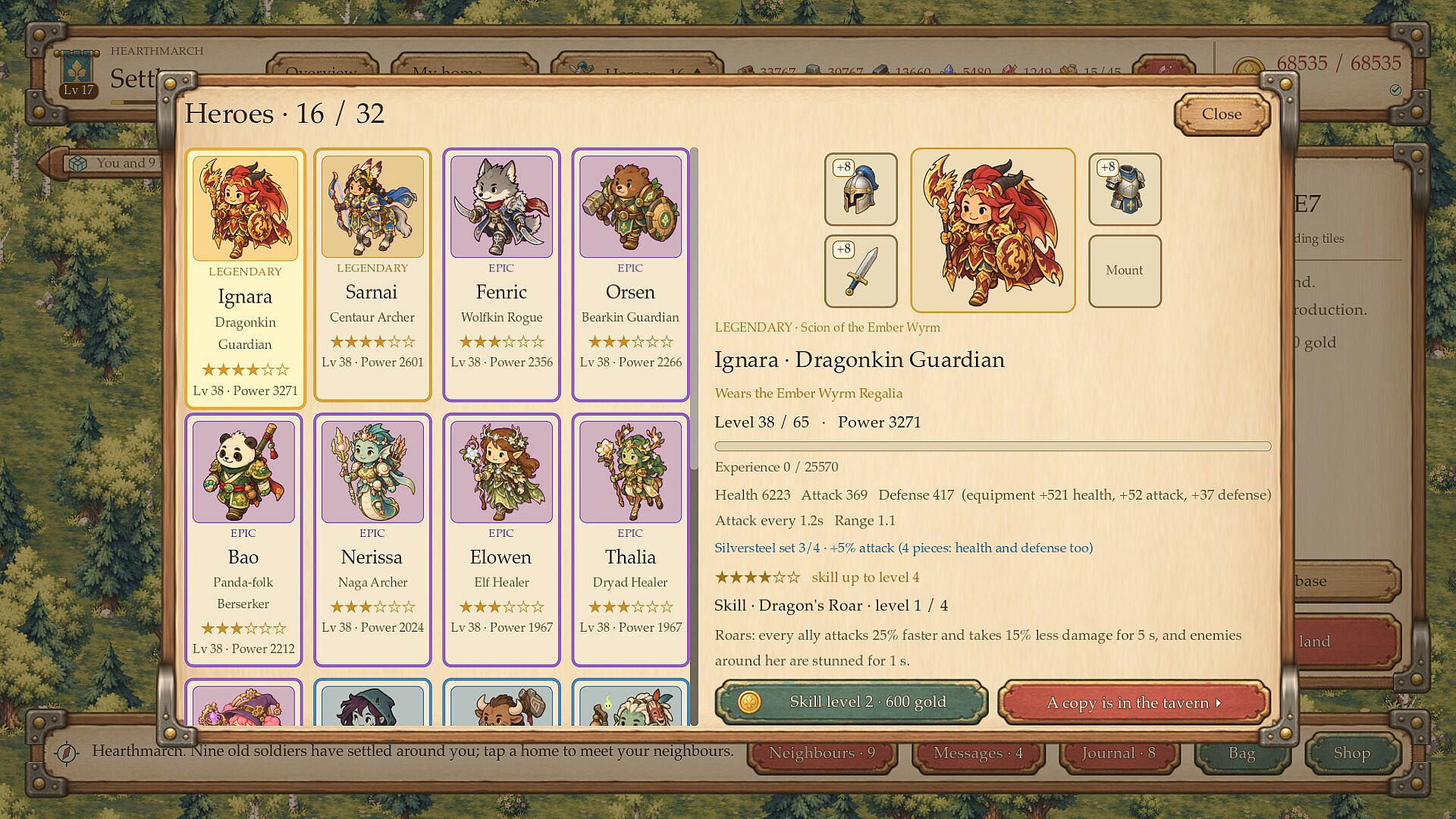
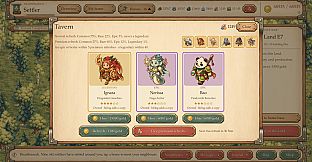
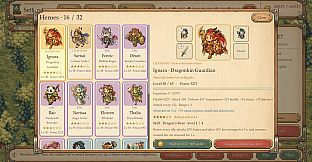
Heroes form the core combat force. Thirty-four characters drawn from eighteen different peoples populate the roster, including humans, orcs, elves, dwarves, goblins, gnomes, undead, naga, minotaurs, centaurs, dryads, ogres, trolls, wolfkin, foxkin, bearkin, dragonkin, and panda-folk. New arrivals appear at the tavern for hiring, after which training, gear forging, and enchantment raise them to a maximum of six stars. Combat occurs automatically on the map outside the gates, pitting heroes against monsters or conducting friendly drills against other lords' heroes without any need to manage or replace troops.
Daily play centers on resource management and light progression. The town continues operating while the player is offline, and internet connectivity remains required throughout.
Game Modes
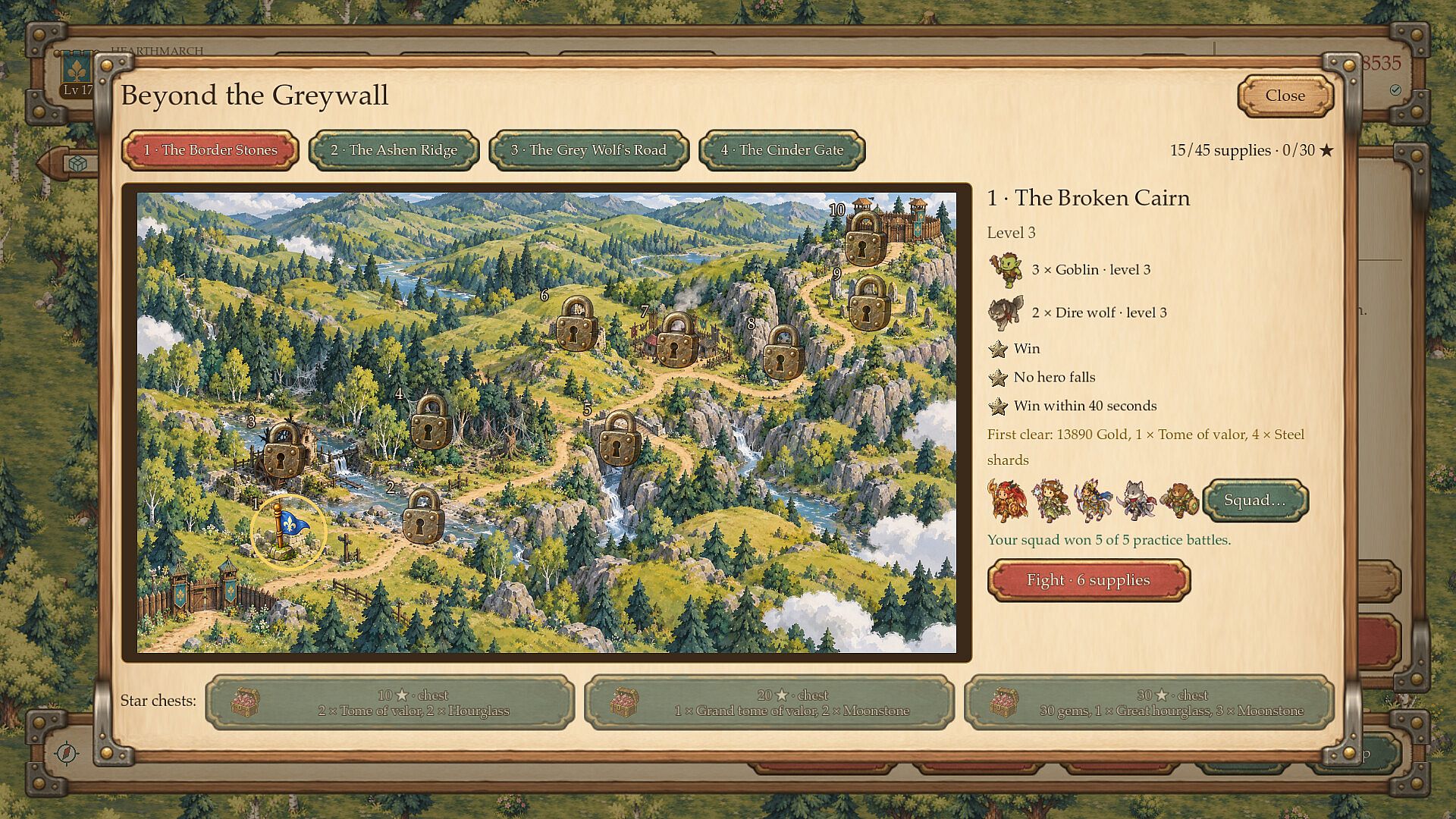
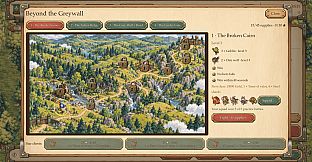
Core activities divide into town development, wilderness exploration, and social cooperation. Clearing nearby threats involves removing goblin camps, wolf dens, spider nests, troll lairs, and ogre strongholds scattered through the surrounding woods. A dedicated campaign called Beyond the Greywall offers forty stages spread across four acts, complete with bosses, three-star ratings, elite stages, and opportunities to recruit additional heroes.
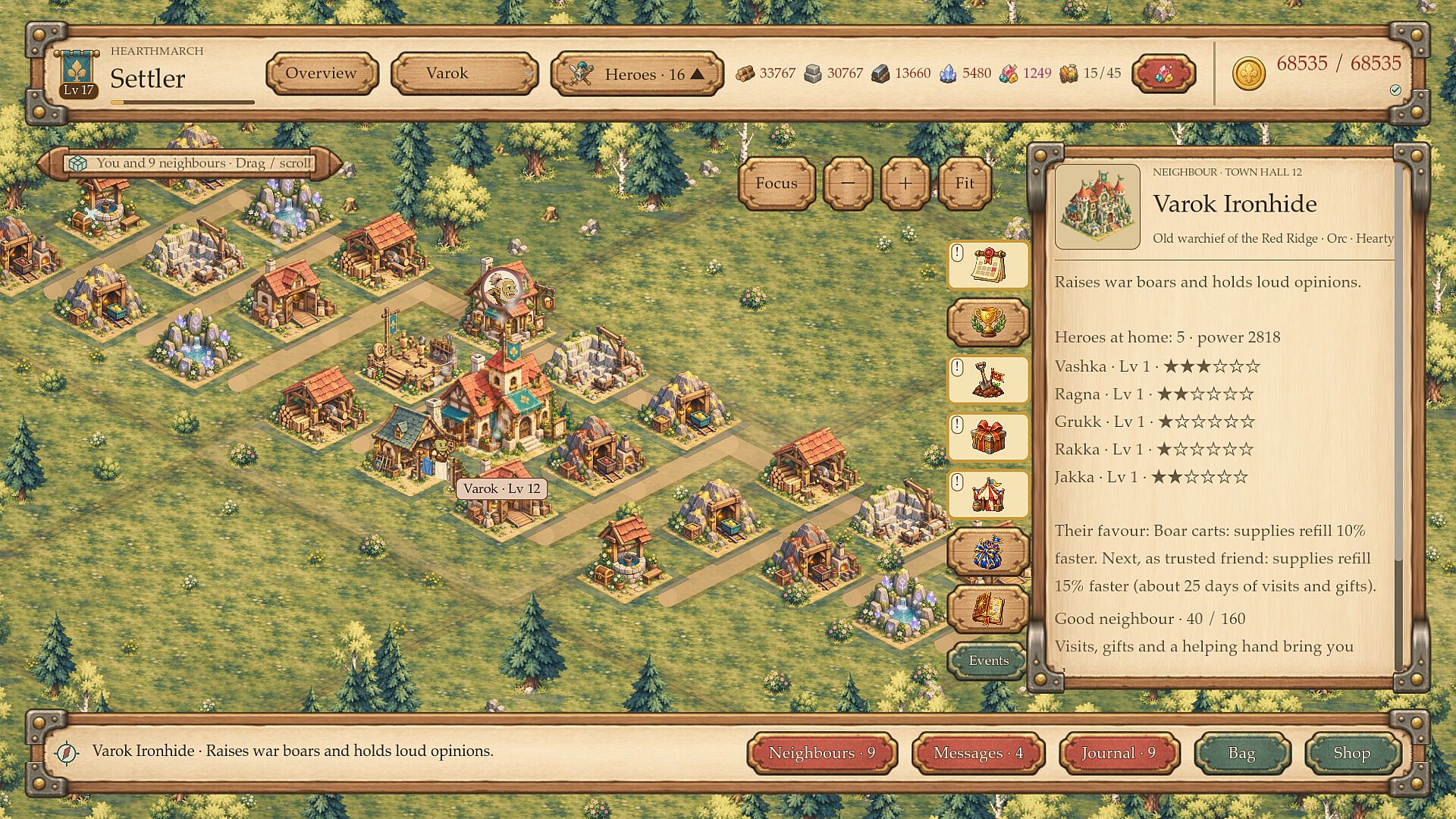
Neighbor interactions create a persistent cooperative layer. The valley contains nine other settlements occupied by other players or computer-controlled lords. Daily visits allow gift exchanges and local produce trading, while lending construction help or sending heroes to guard a friend's gate strengthens collective defenses. Raiders originate only from outside the valley, so neighbors never attack one another. Friendship levels deepen gradually over months through consistent interaction, moving from stranger to hearth-kin status.
Defensive events and seasonal events round out the experience. A bad raid results in limited supply losses and repair costs, with neighbors providing assistance. The narrative unfolds through a prologue and five chapters accompanied by letters from neighbors. Regular fairs and festivals, including the Harvest Fair and the Night of Lanterns, plus monthly neighbor contests, add variety without demanding long play sessions.
Progression and Systems
Hero advancement and town expansion tie directly into the campaign and daily routines. Upgrading buildings unlocks new placement options and improves resource flow, while hero training and equipment directly influence success against monsters and in drills. The absence of troop management simplifies combat resolution, keeping focus on placement decisions and hero development.
Optional purchases supply gems, passes, and decorations. The tavern offers a premium refresh as a paid random draw whose full odds and pity mechanics appear transparently in the game interface, consistent with every other random element.
Is It Worth Playing?
The Lords Next Door suits players seeking a casual strategy simulation that emphasizes steady town growth and light social cooperation rather than intense competition or complex real-time tactics. Its free-to-play model allows full access without purchases, and the offline-progression system accommodates limited daily playtime. The cooperative neighbor mechanics and gentle raid consequences reduce frustration, while the hero roster and campaign stages provide clear long-term goals. Those who enjoy relaxed building, automatic battles, and community-style interactions with other lords will find a consistent, low-pressure experience that continues to develop over months through friendship progression and seasonal events.