






The Last Inn is a strategy, indie, RPG, and simulation game in early access on PC. Players step into the role of an innkeeper running the final refuge on a radiated wasteland, where scarce resources force careful decisions about food, water, and guest satisfaction while exploring the continent for ingredients and materials.
Gameplay
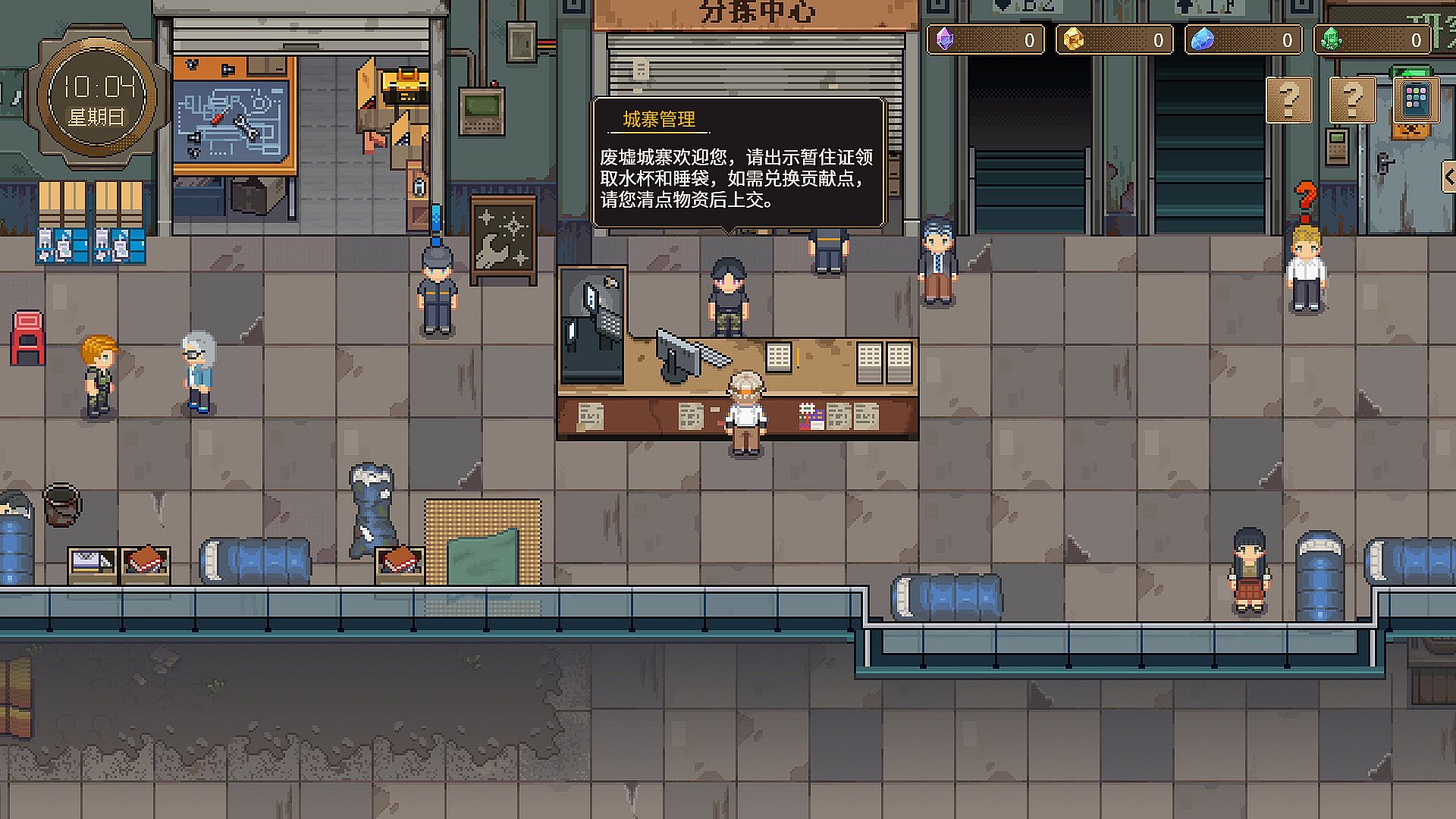
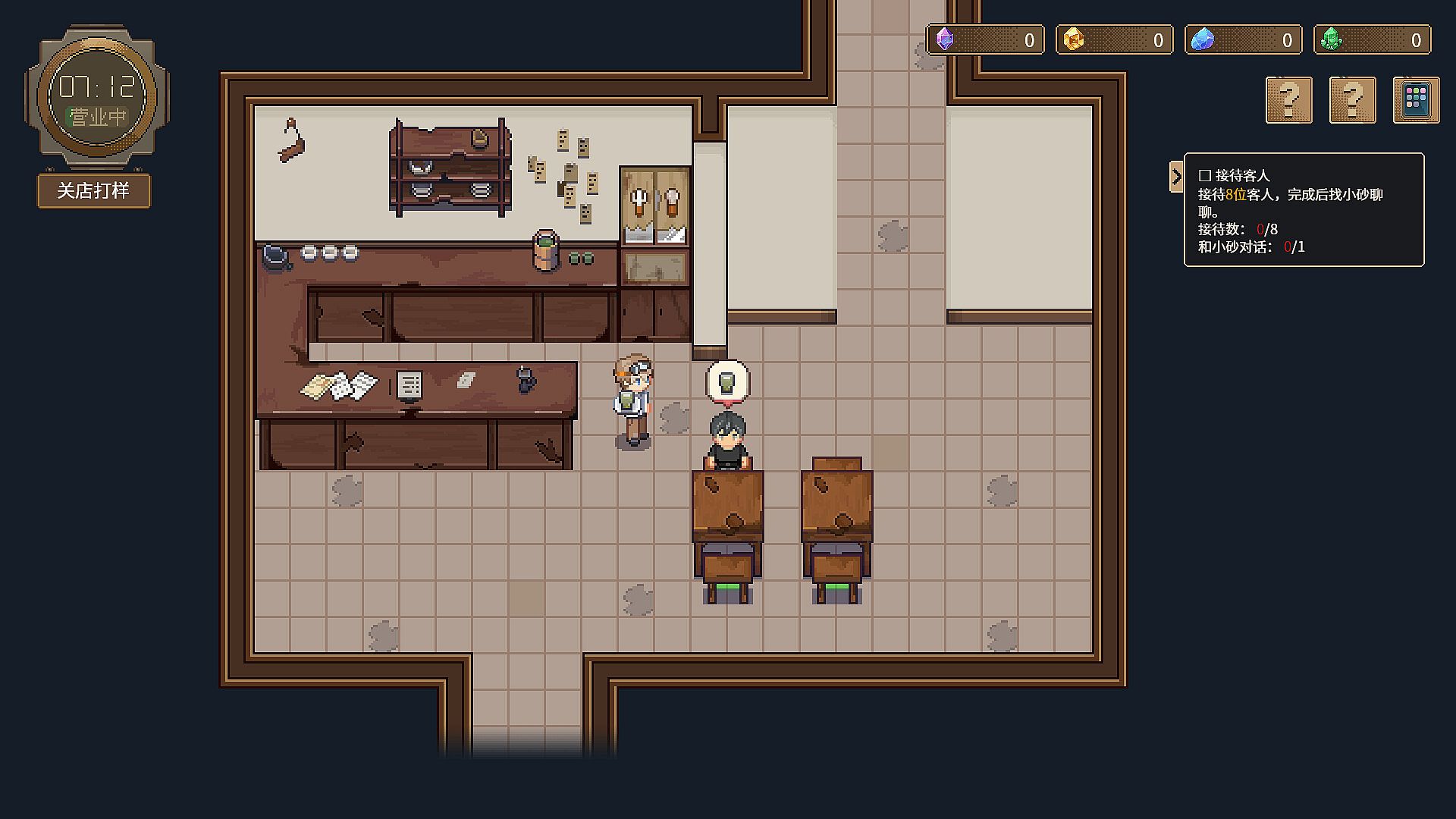
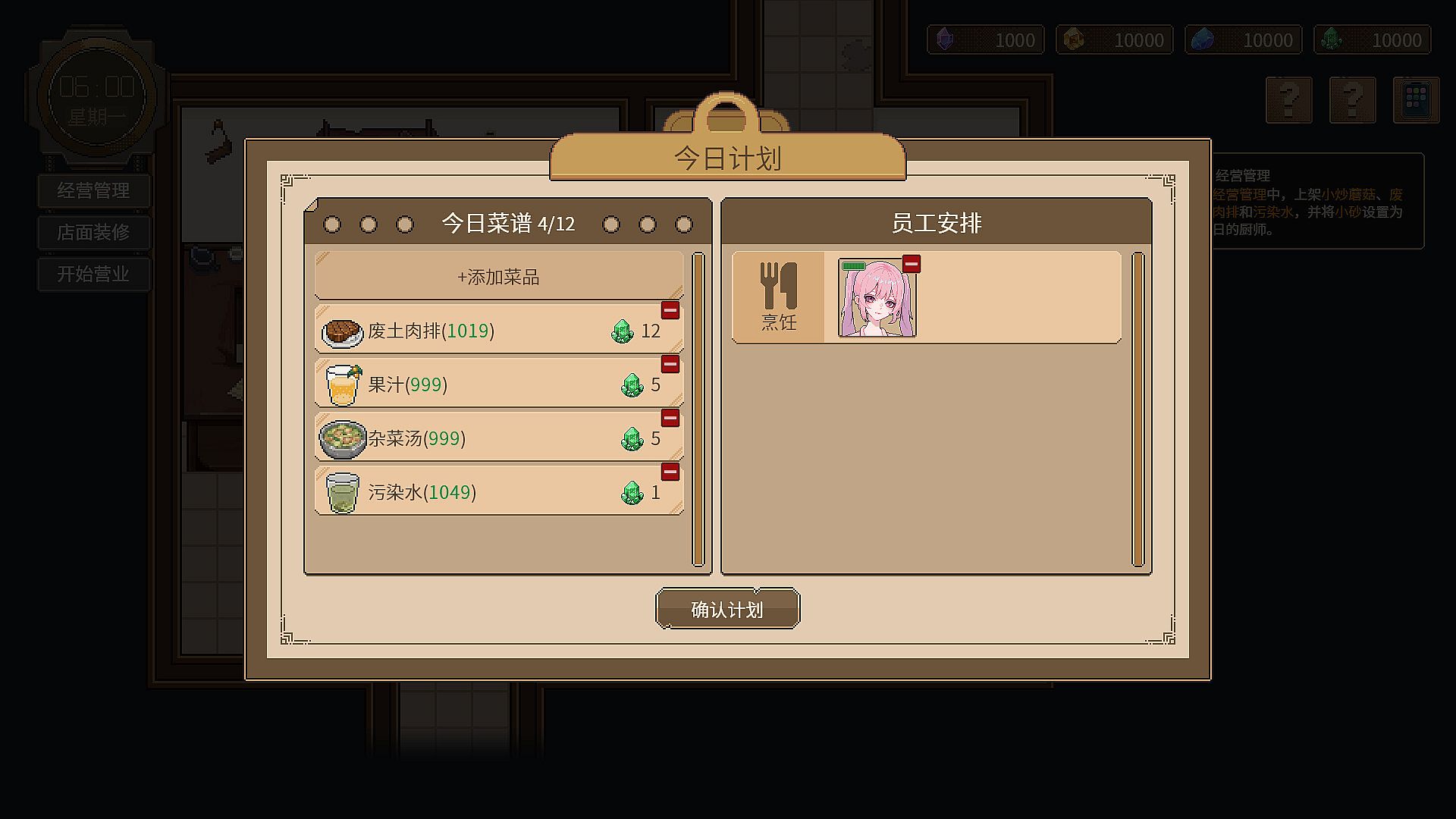
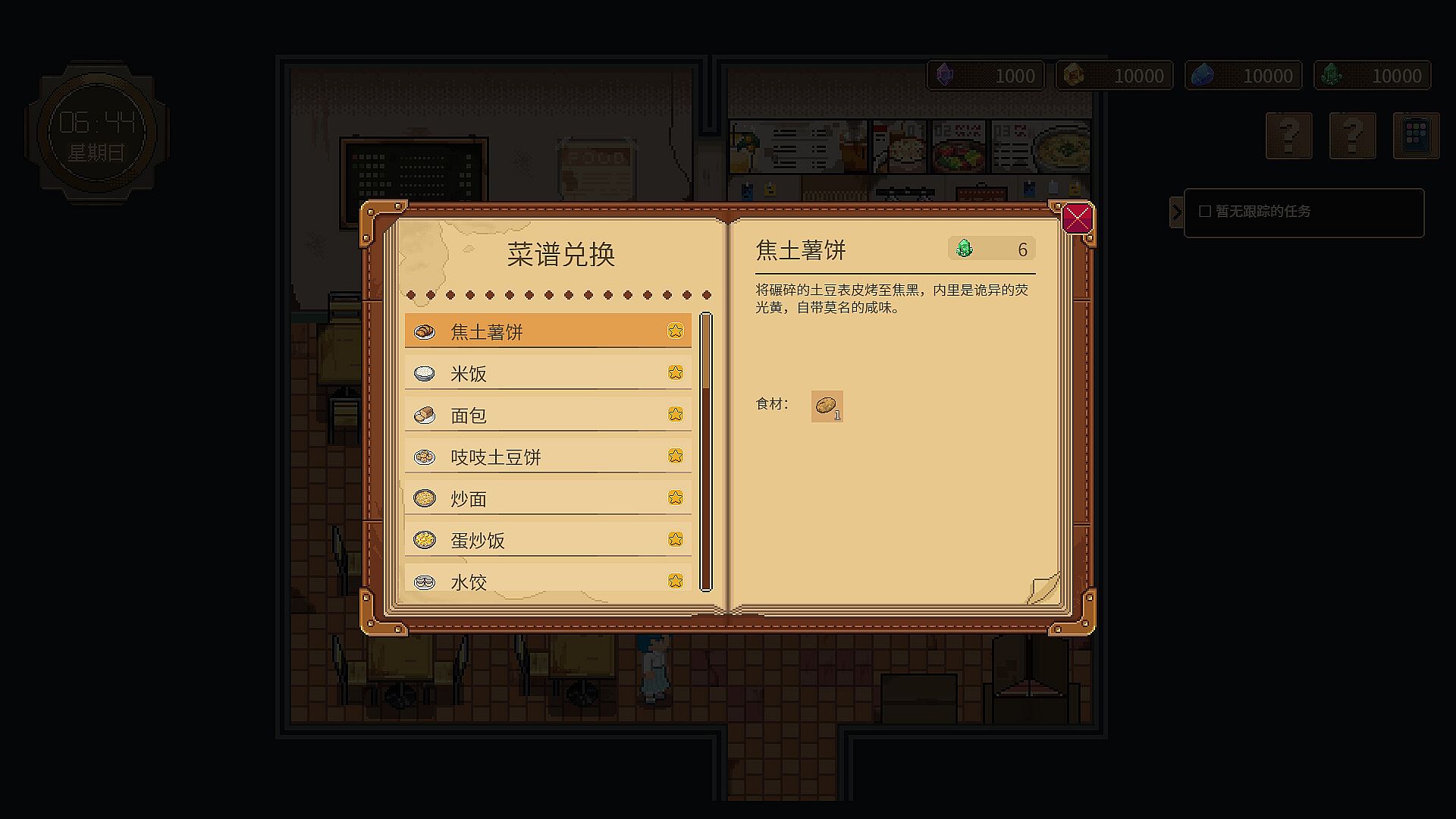
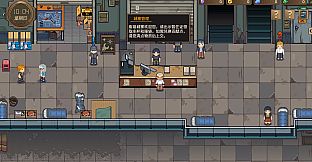
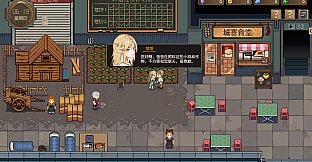
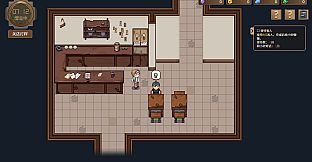
Core play revolves around daily inn operations mixed with longer-term base building and personal connections. Guests arrive from four factions, each with distinct preferences that shape menu planning and facility upgrades. Table service requires taking orders, delivering dishes, assigning rooms, and handling issues like dine-and-dash attempts to maintain rising satisfaction levels. Inn decoration lets players furnish themed rooms using wasteland or pre-apocalypse items, choosing between dorms, suites, or even a screening room. After hours, nighttime chats with guests reveal stories and present choices that build warmth in a harsh setting. As reputation with factions improves, special features such as animal hot springs or radiation saunas become available.
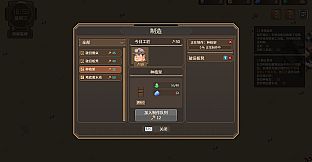
Farming supports self-sufficiency through underground planting boxes paired with specific lights and water sources to grow both wasteland ingredients and pre-apocalypse crops. Livestock management includes raising chickens with options for automation in slaughter and supply. Special wasteland creatures can be raised as pets that provide buffs and companionship. A research station and workshop allow recovery of lost technology piece by piece through crafting.
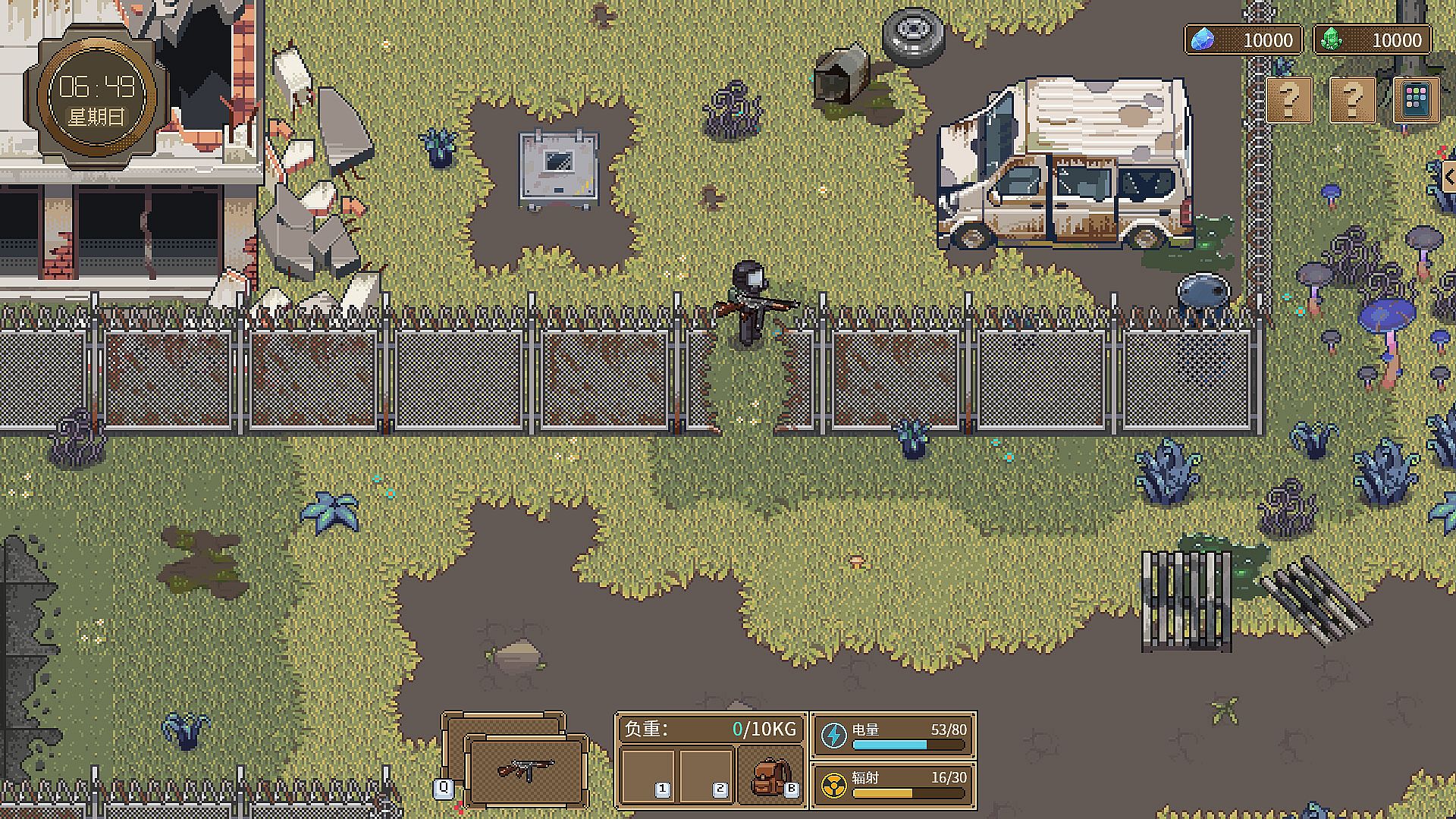
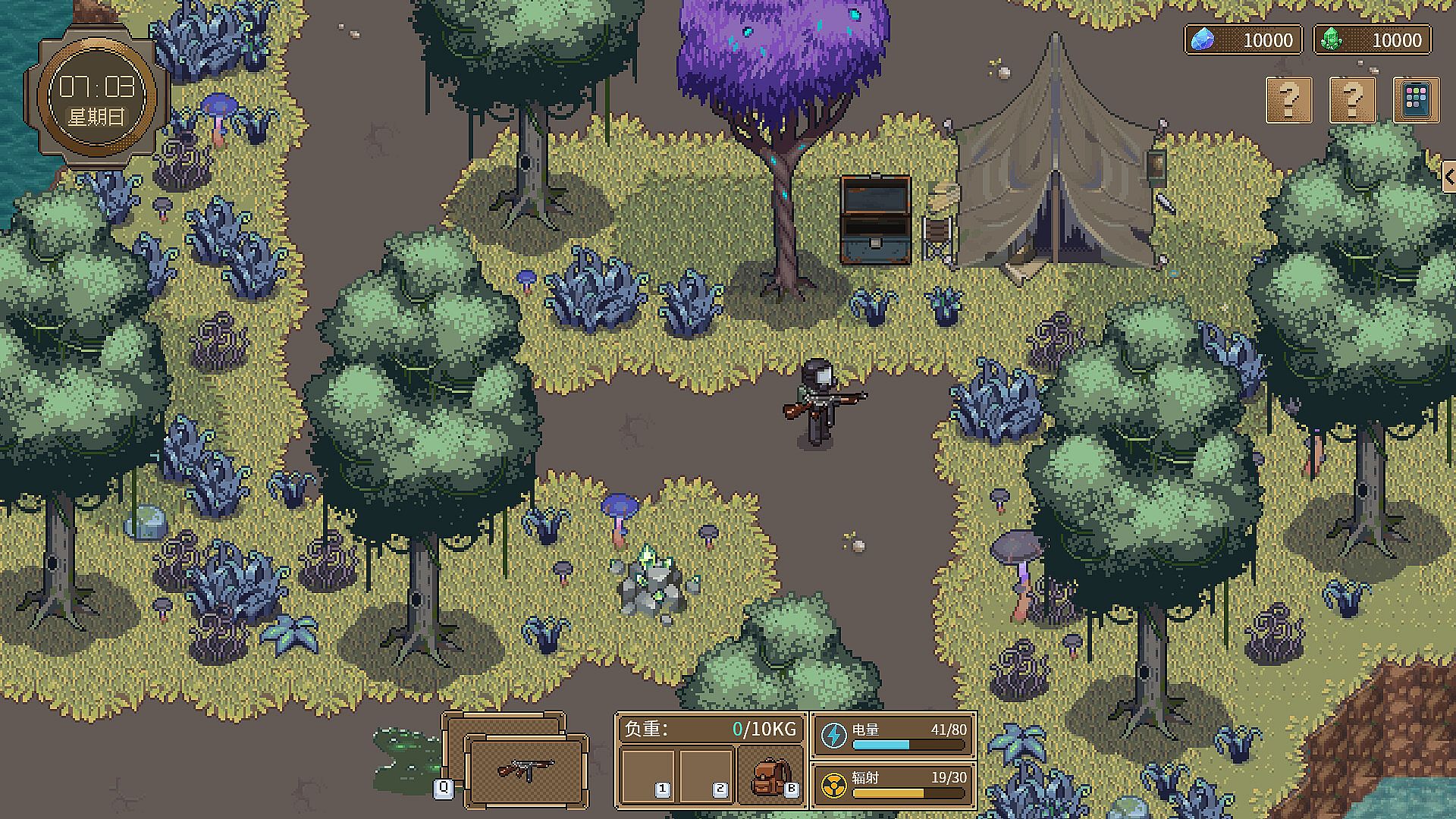
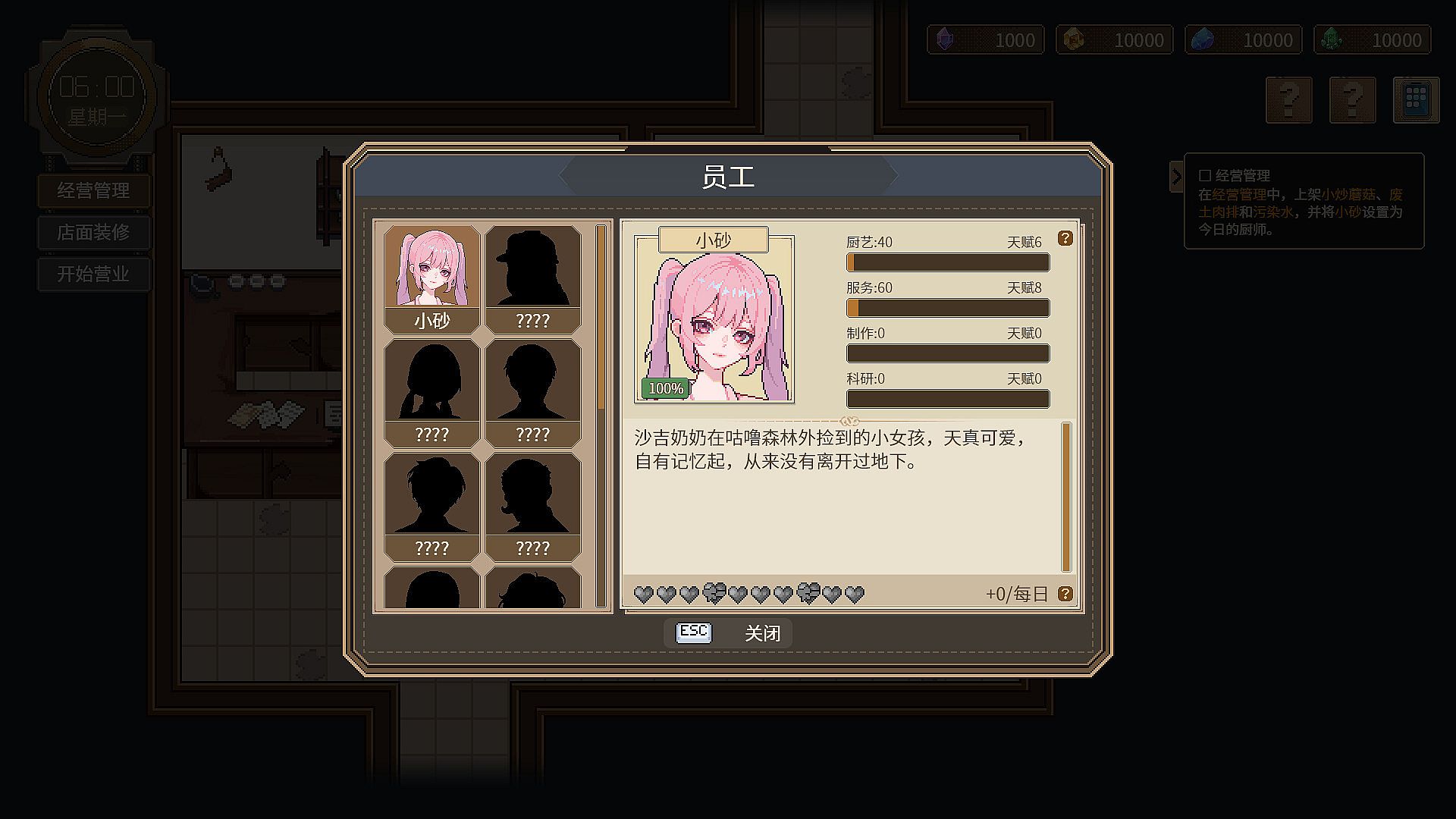
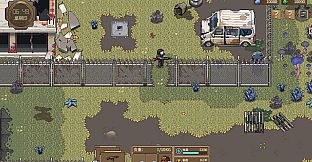
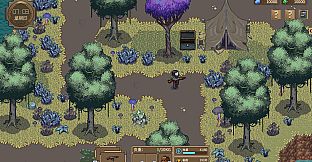
Scavenging expeditions use a hazmat suit where radiation drains battery life, turning exploration into a survival challenge across maps like abandoned malls, subway stations, and radiation zones. Players hunt radiation beasts and fight bandits, then refurbish junk into upgraded melee and ranged weapons. Companion recruitment brings in over ten characters for roles such as waiters, chefs, artisans, scientists, dancers, and singers, with skill development and training to match inn needs. Ten romanceable characters from the factions offer personal storylines alongside the four main faction narratives.
Game Modes
The game centers on integrated systems rather than separate named modes. Inn management focuses on daily service, menu tailoring to faction tastes, staff assignment, and reputation building across all four groups. Farming and livestock form a self-sustaining production loop that feeds the kitchen and unlocks automated elements. Exploration and scavenging provide resource gathering with combat and weapon crafting as key components. Companion and romance systems add RPG progression through recruitment, role assignment, skill training, and branching personal stories tied to faction quests.
These elements combine into a single-player loop where short-term inn tasks support longer-term base expansion and narrative choices. Players balance immediate guest demands with exploration risks and relationship building, creating varied sessions based on whether the focus leans toward management efficiency, farming optimization, combat upgrades, or story progression.
Exploration and Progression
Scavenging runs deliver rare ingredients, materials, and weapon parts from dangerous locations. Combat encounters against beasts and bandits feed into a crafting system that turns scavenged junk into functional tools. Research and crafting stations inside the inn turn recovered knowledge into practical upgrades for facilities, menus, and equipment. Faction standing unlocks unique features while main and side stories from each group weave tales of despair and connection through inn interactions and companion events.
Is It Worth Playing?
The Last Inn suits players who enjoy management simulations blended with light RPG elements, resource gathering, and character-driven stories in a post-apocalyptic setting. The combination of daily inn operations, farming automation, scavenging expeditions, and recruitable companions with romance options creates a cohesive loop for those interested in building and maintaining a base while shaping personal narratives. As an early access title, it offers the core systems described but may see further refinements. Those drawn to strategic planning, faction reputation management, and wasteland survival mechanics will find the most engagement here.