

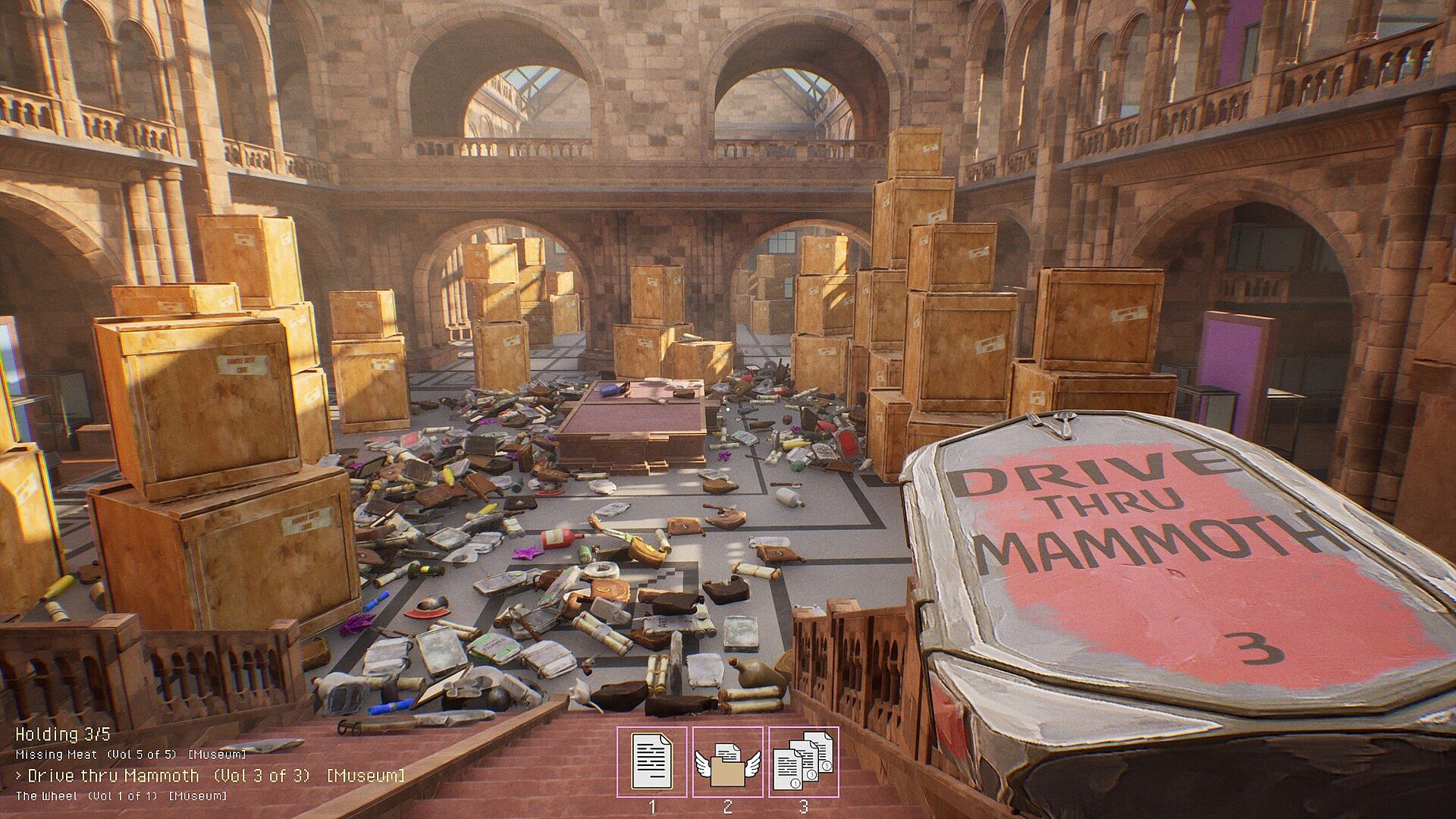
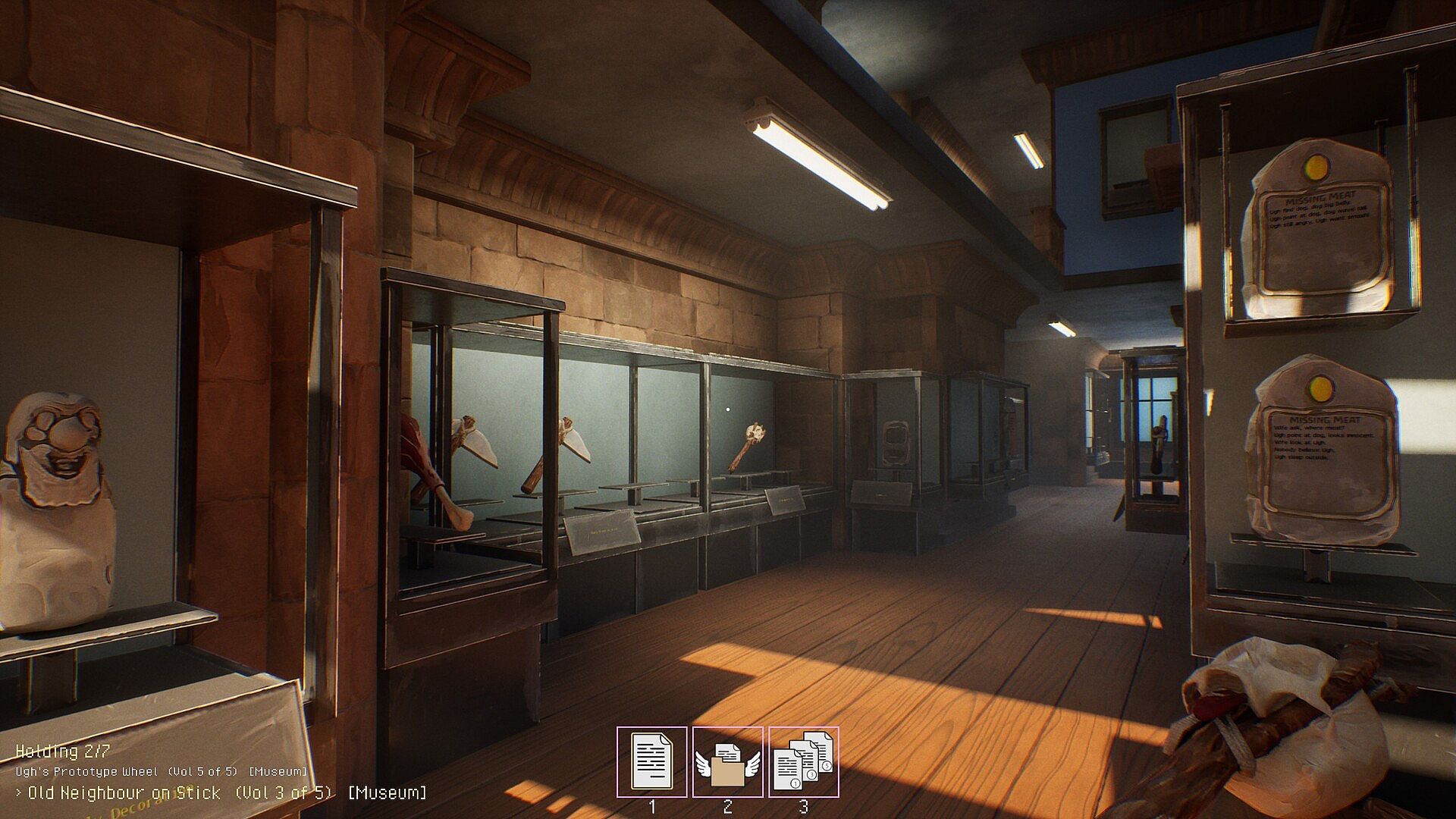
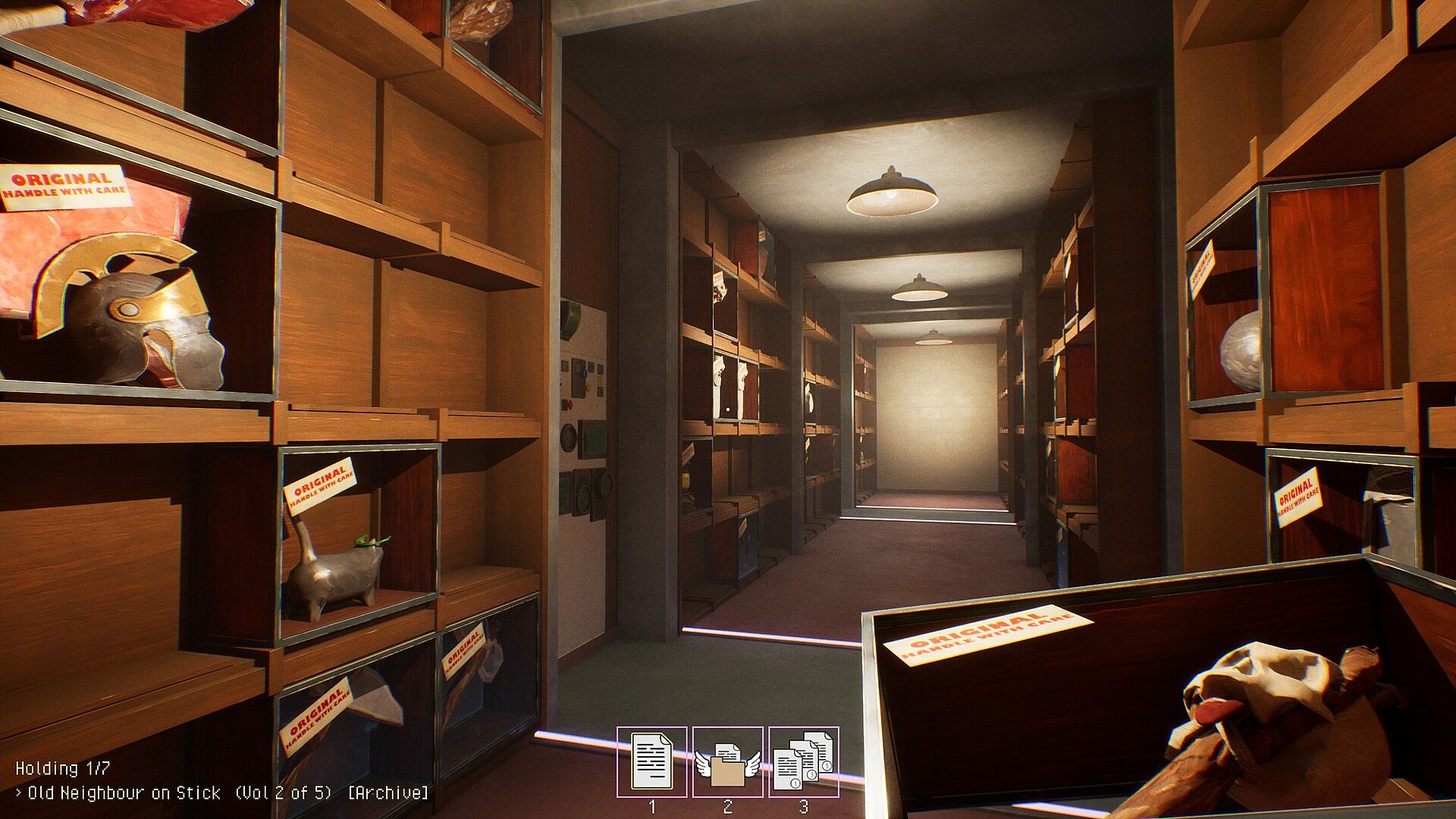
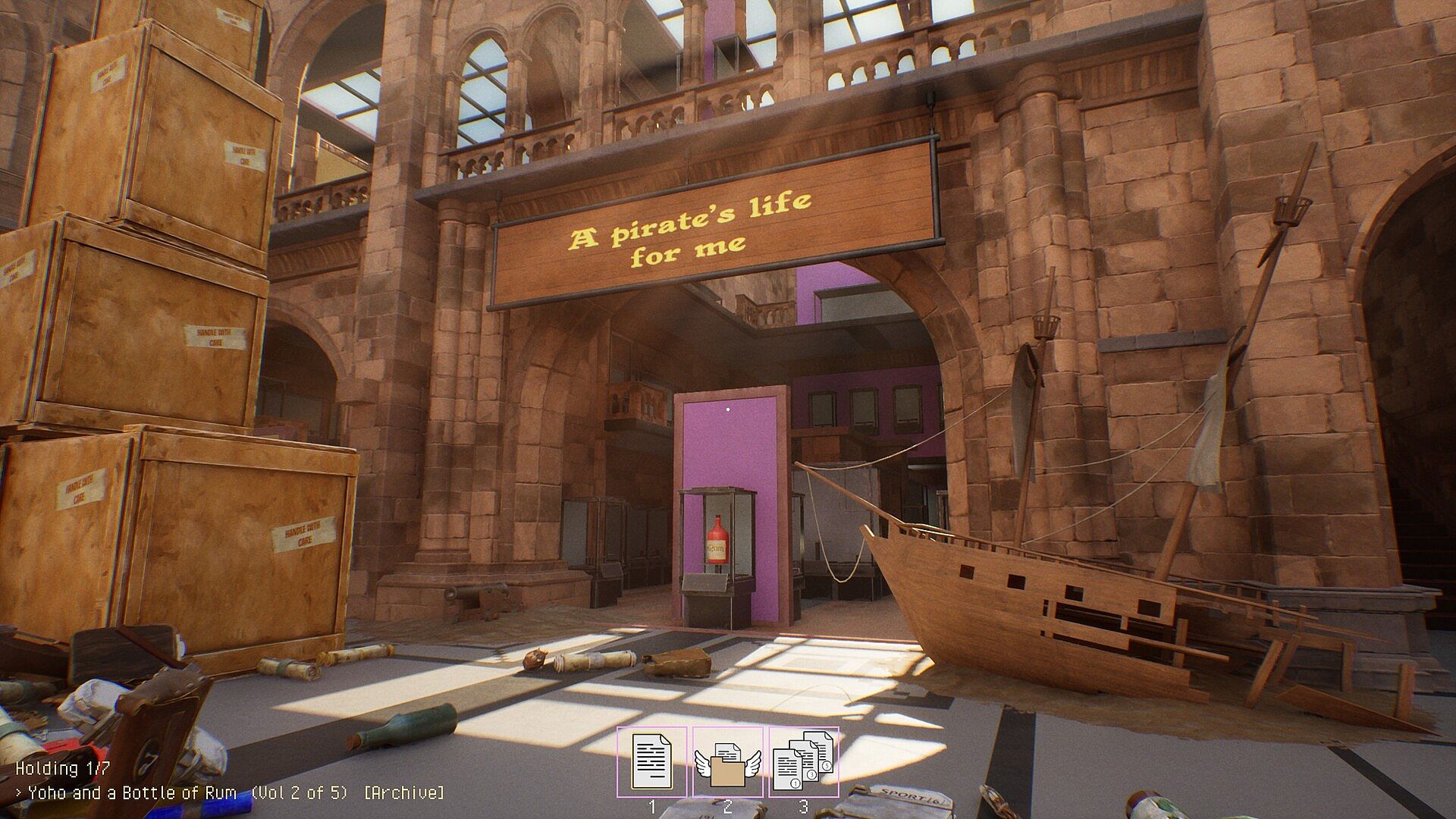
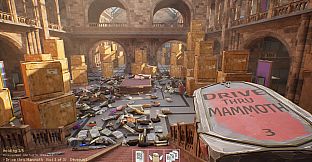
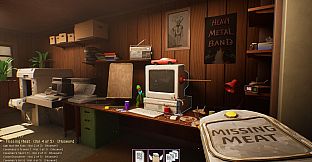
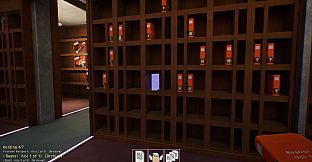
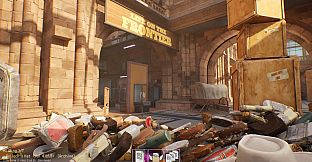
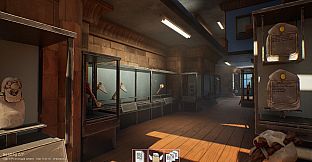
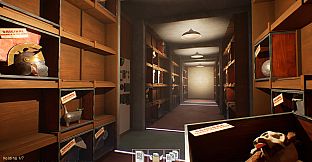
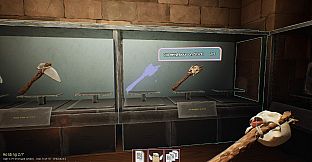
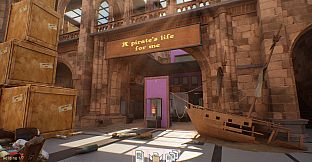
That Probably Belongs in a Museum is a casual singleplayer experience on PC centered on museum curation and artifact management. Players step into the role of a relative tasked with restoring order to a cluttered institution left behind by an eccentric uncle. The core activity involves sorting through thousands of items spanning multiple historical eras, uncovering their individual backstories, and integrating them into a growing collection that transforms an empty space into a functional attraction.
Gameplay
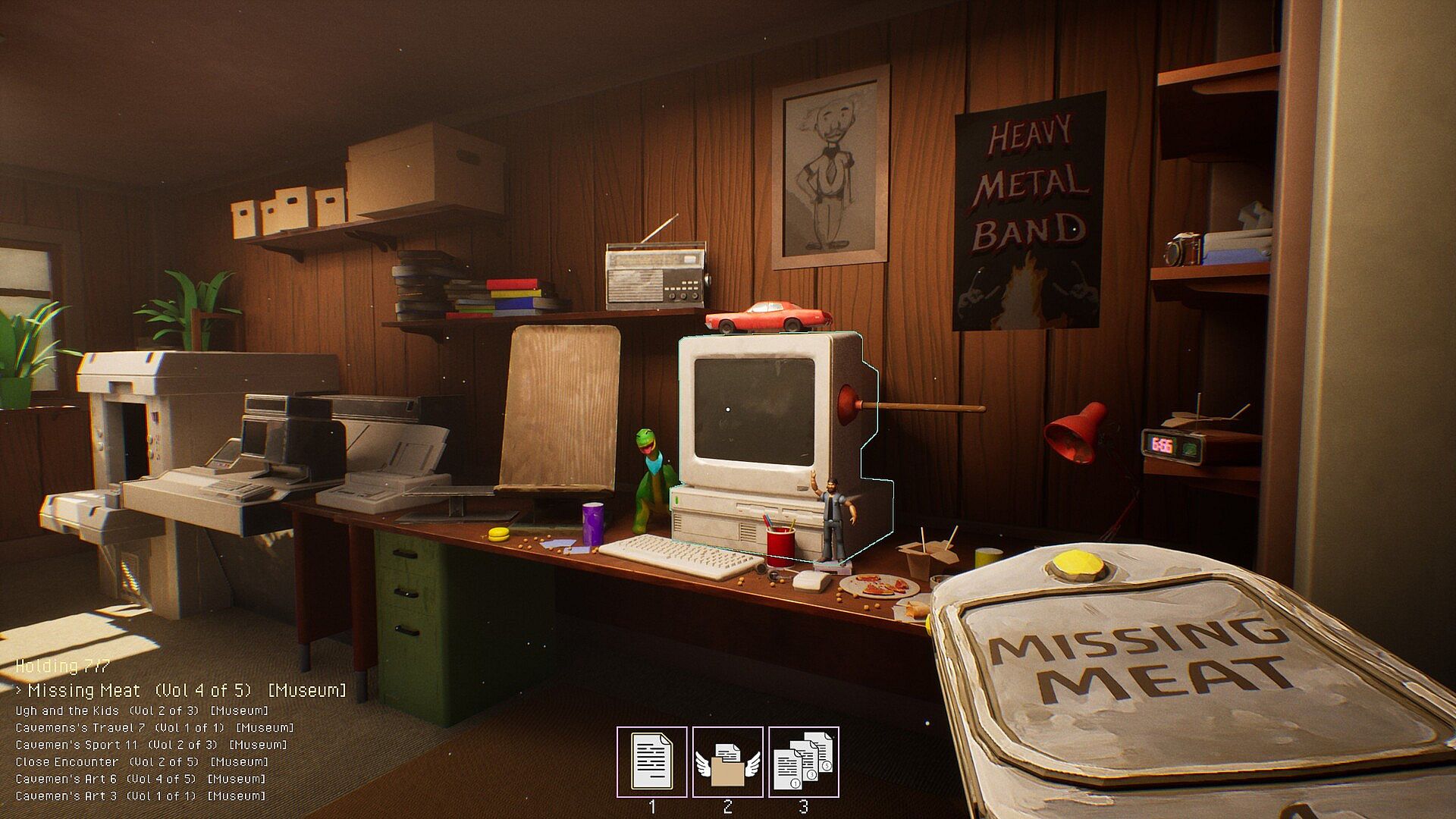
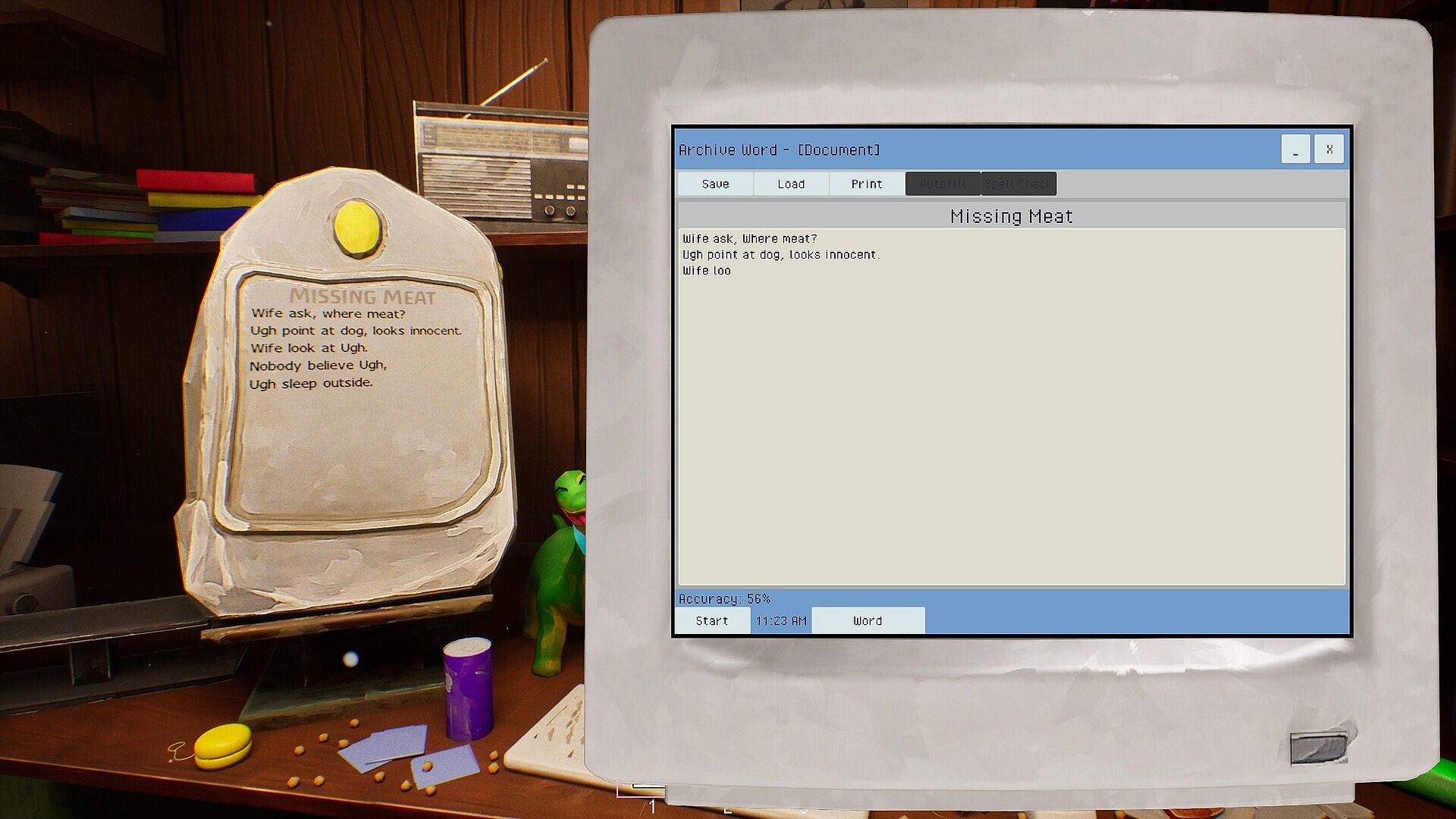
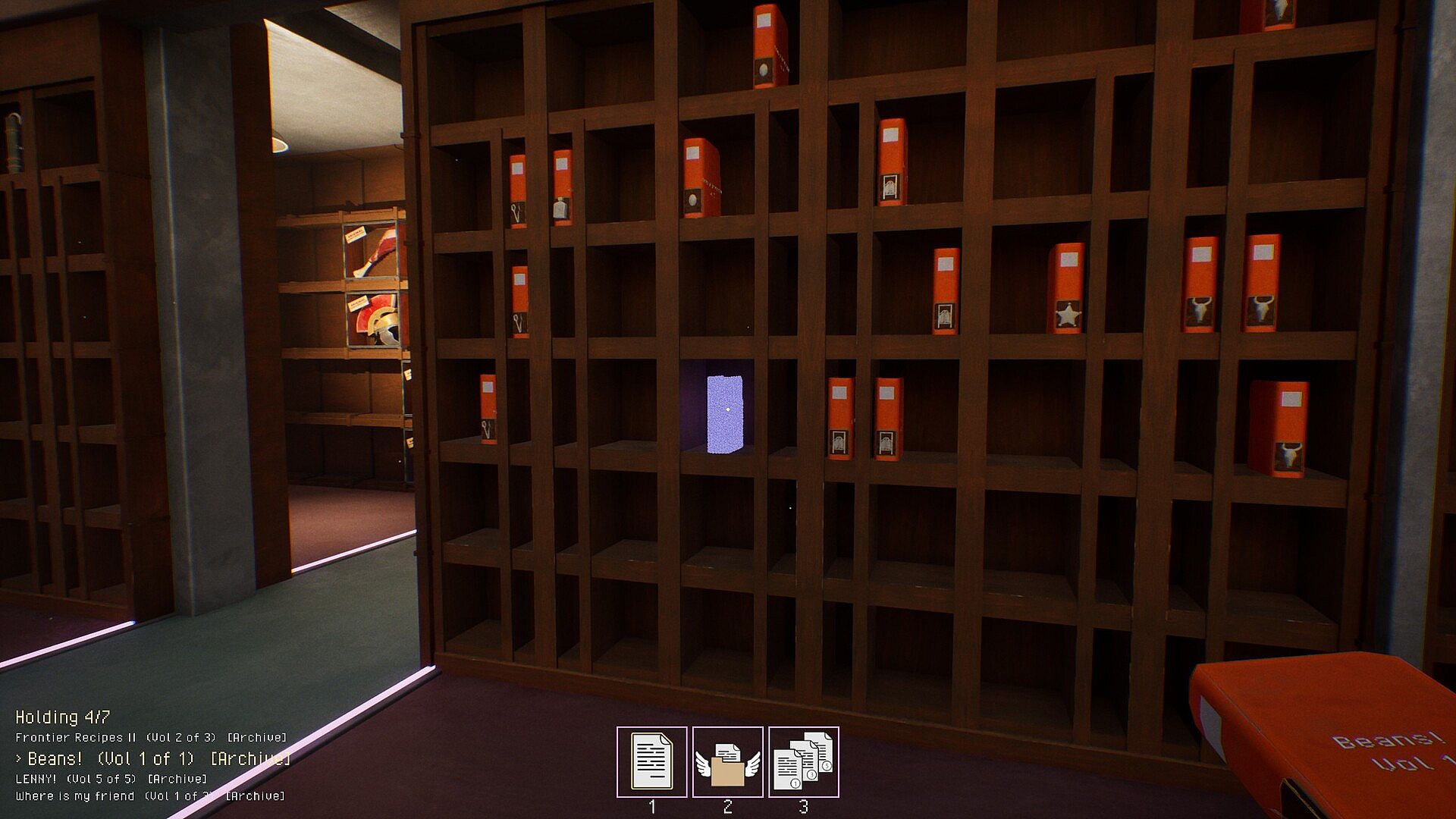
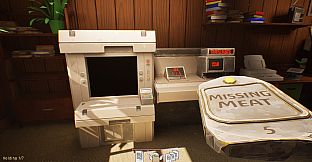
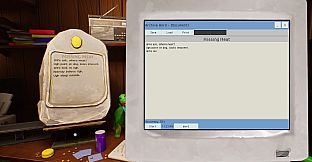
The central loop revolves around handling incoming artifacts that arrive in various states of documentation. Journals, reports, letters, and diaries accompany each piece, and the process requires entering those details into an in-game computer equipped with a functional word processor. Accurate cataloging ensures the item receives proper placement in the archives before moving to physical display.
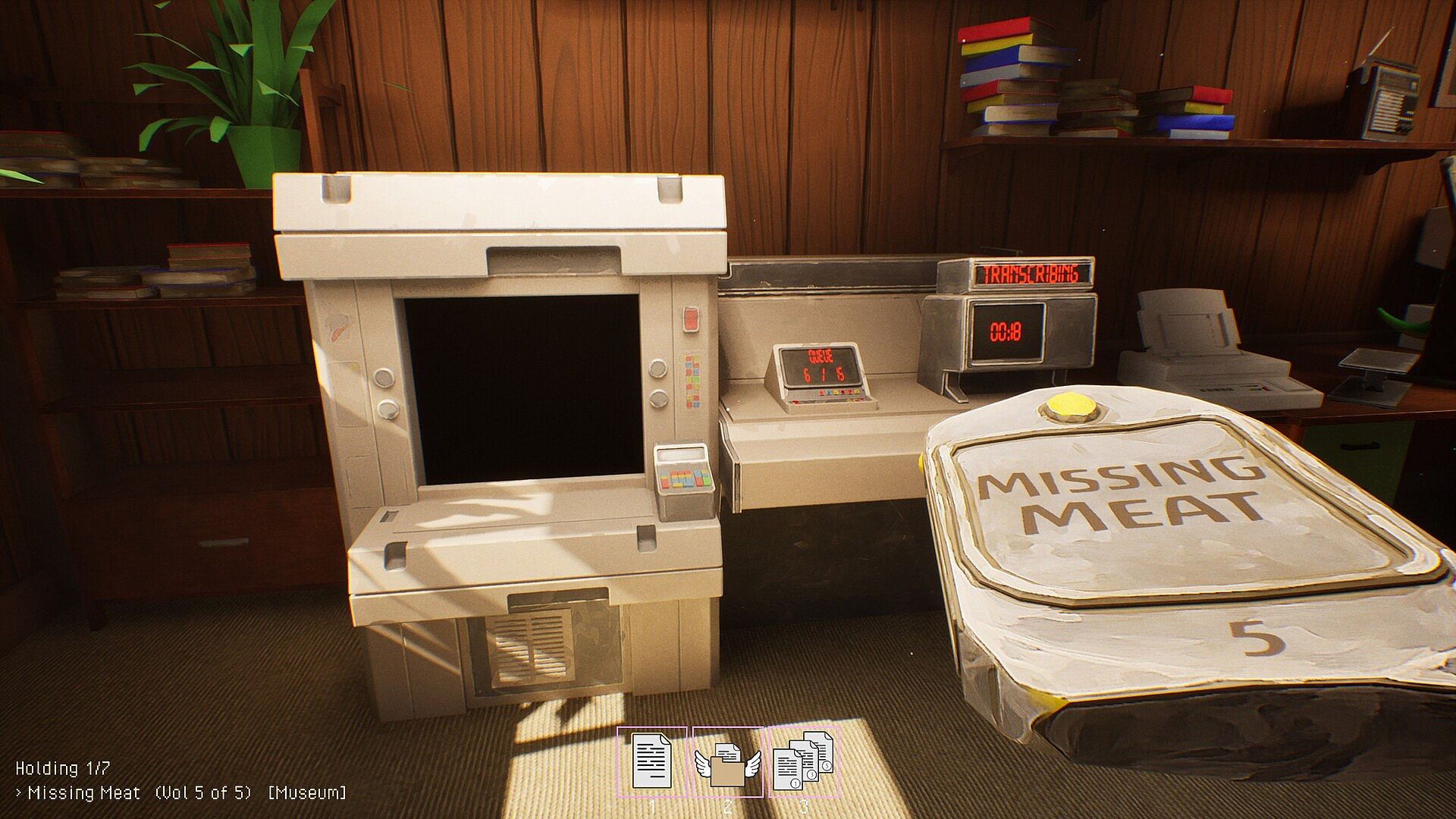
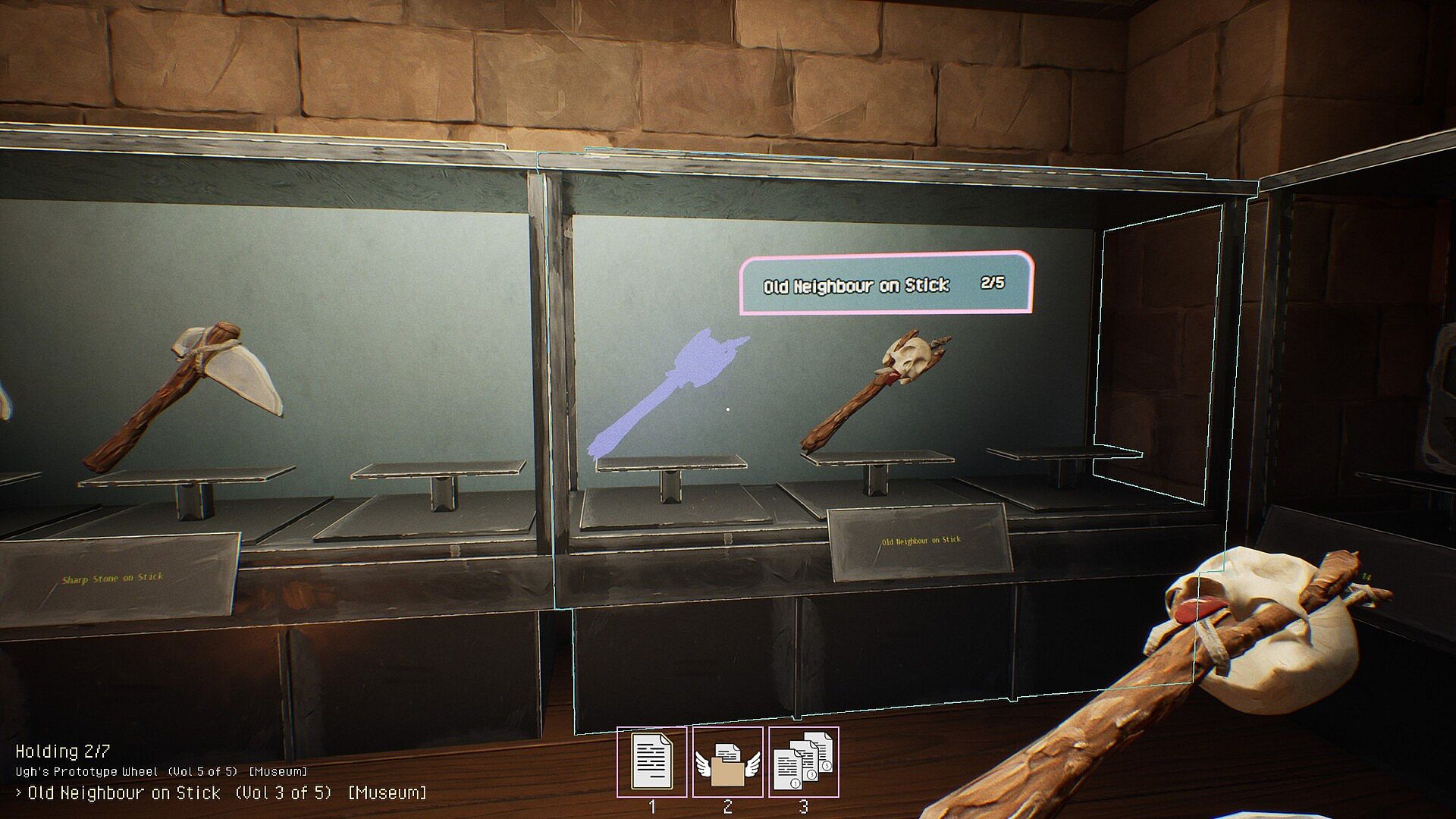
Identification and preparation rely on several specialized machines scattered throughout the facility. These tools handle scanning, transcription, and printing tasks, with options to automate repetitive steps once skills are unlocked through repeated use. Progression comes from steadily filling display cases across multiple rooms, gradually building visitor appeal through careful organization and presentation choices.
Exploration of the museum reveals notes and items left by the previous owner, adding layers of discovery to the daily routine. The setting draws from retro aesthetics, supported by a soundtrack that matches the quiet, methodical pace of archival work.
Game Modes
The primary experience centers on keyboard-based typing to input artifact stories directly into the computer system. A dedicated alternative mode supports controller input exclusively, allowing full participation without any typing requirements. Both approaches cover the same cataloging and display activities, giving players flexibility based on preferred input method.
No separate competitive or cooperative modes exist. The focus remains on solitary progression through the museum's expanding collection and the gradual revelation of its hidden history.
Artifacts and Progression
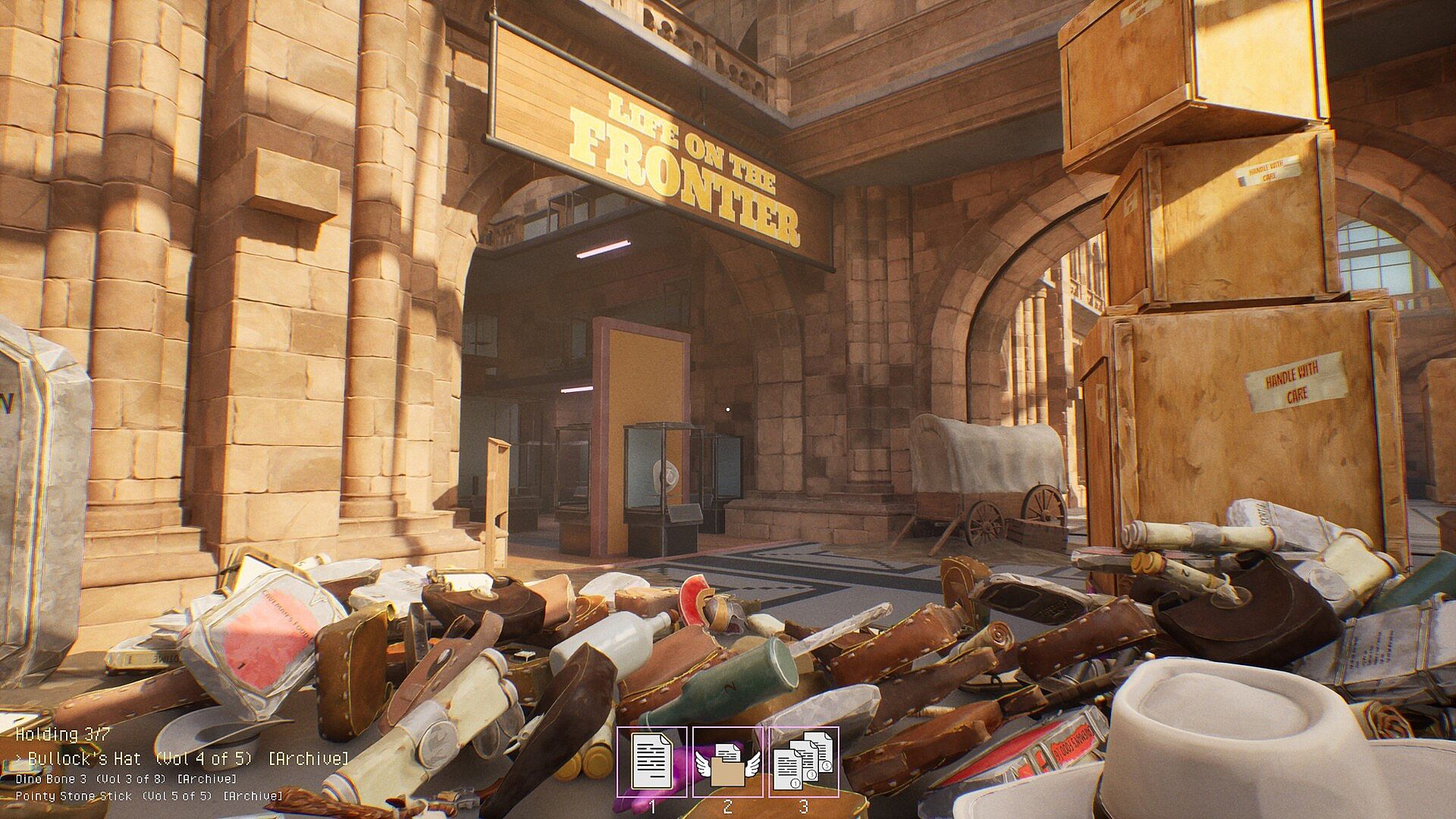
More than three thousand artifacts drawn from eight distinct time periods form the backbone of the collection. Each carries its own short narrative, with over one thousand handcrafted stories available in total. Players identify items using the available equipment, transcribe their details, and decide on suitable display locations to enhance the overall museum layout.
Skill unlocks streamline future tasks, such as faster processing or improved automation. The empty starting state encourages methodical expansion, with every cataloged piece contributing to a more complete and engaging environment.
Is It Worth Playing?
This title suits players who enjoy relaxed management tasks combined with light narrative elements and precise input mechanics. The typing component adds a distinctive hands-on feel to curation, while the controller option broadens accessibility. Those drawn to methodical organization, historical curiosity, and incremental building will find consistent engagement in restoring the museum over time. The retro presentation and focused scope keep sessions approachable without unnecessary complexity.