

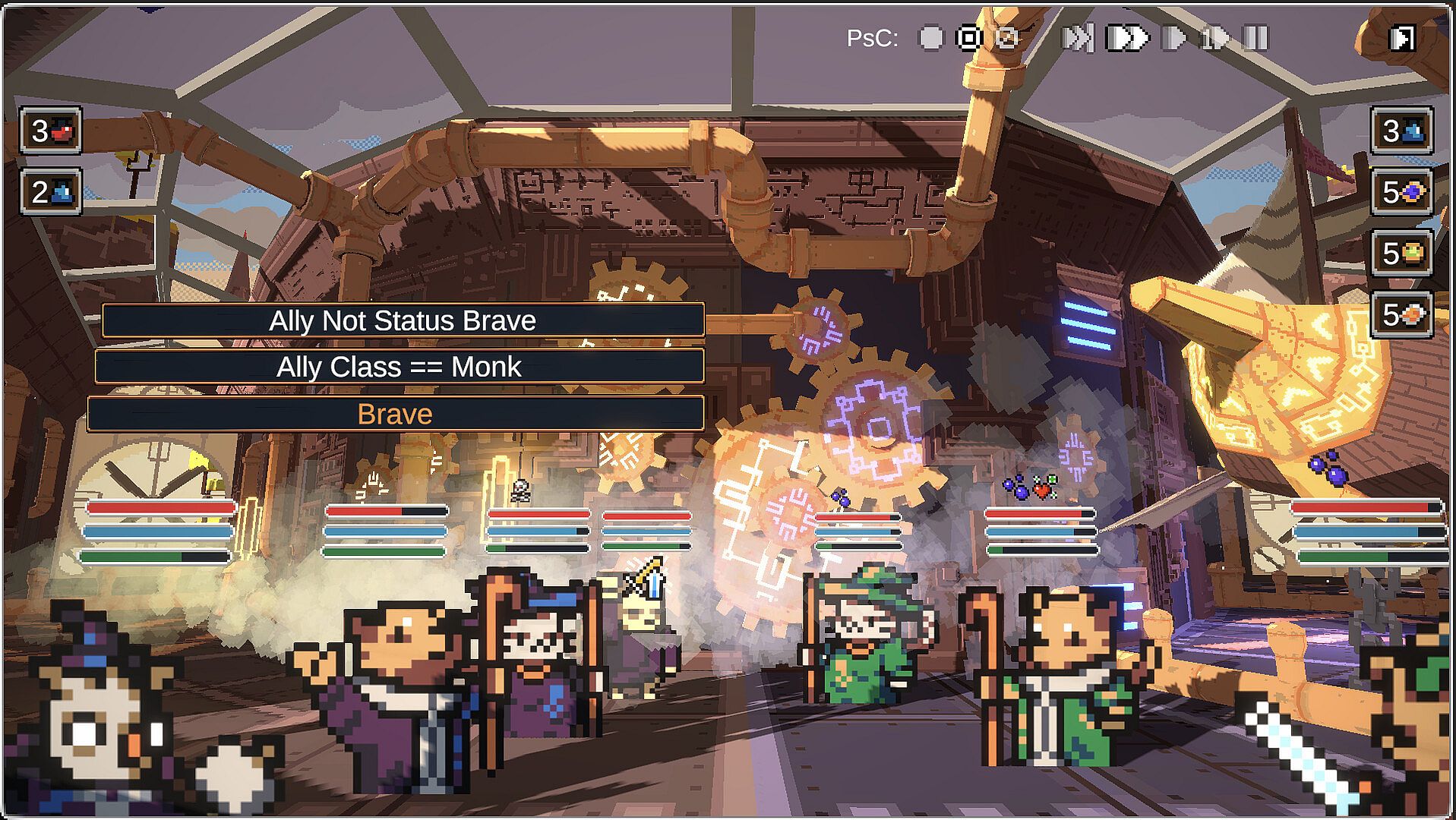
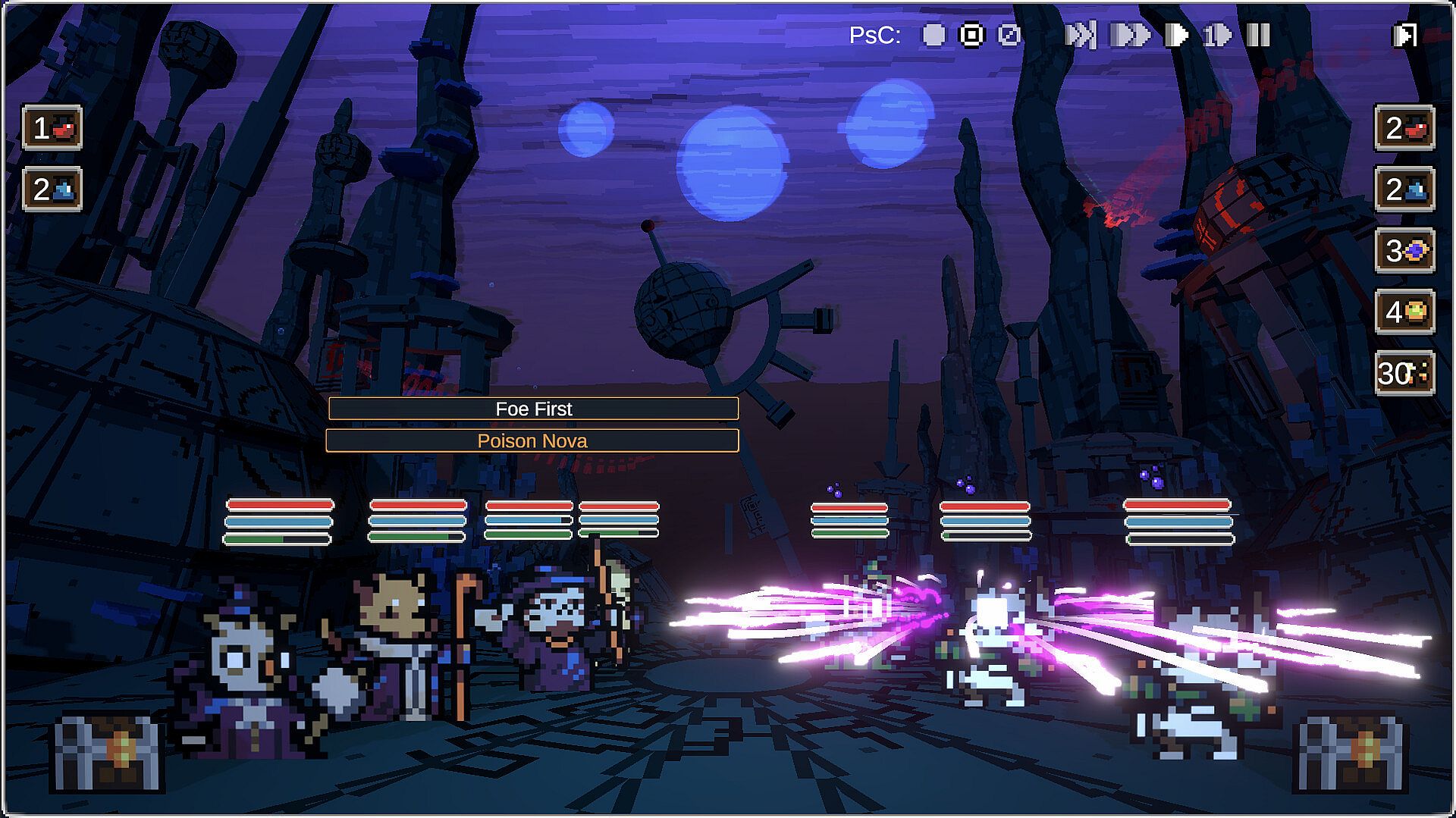
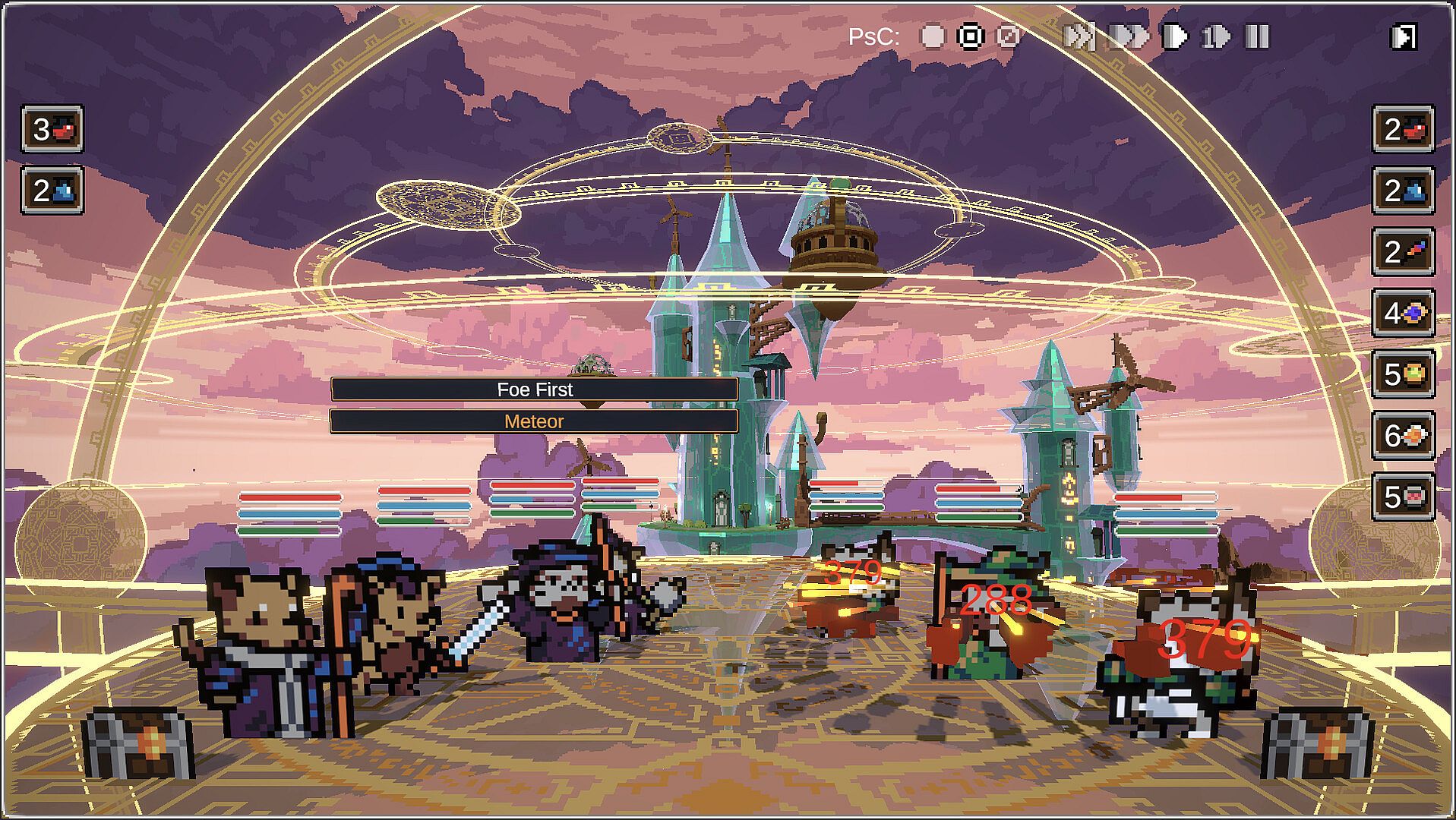
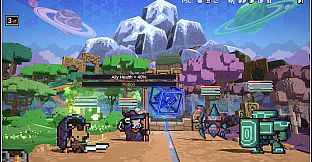
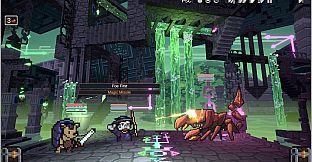
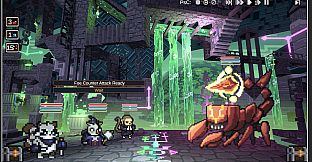
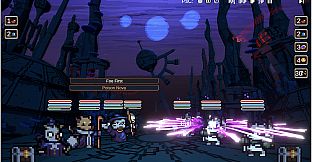
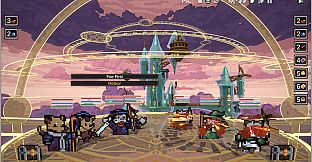
Team Hero Coder stands out as a strategy indie title developed for PC that blends classic RPG-inspired combat with hands-on coding challenges. Players build and command teams of heroes to tackle boss battles inside a system that rewards logical thinking and precise instruction rather than traditional button inputs or resource grinding.
Gameplay
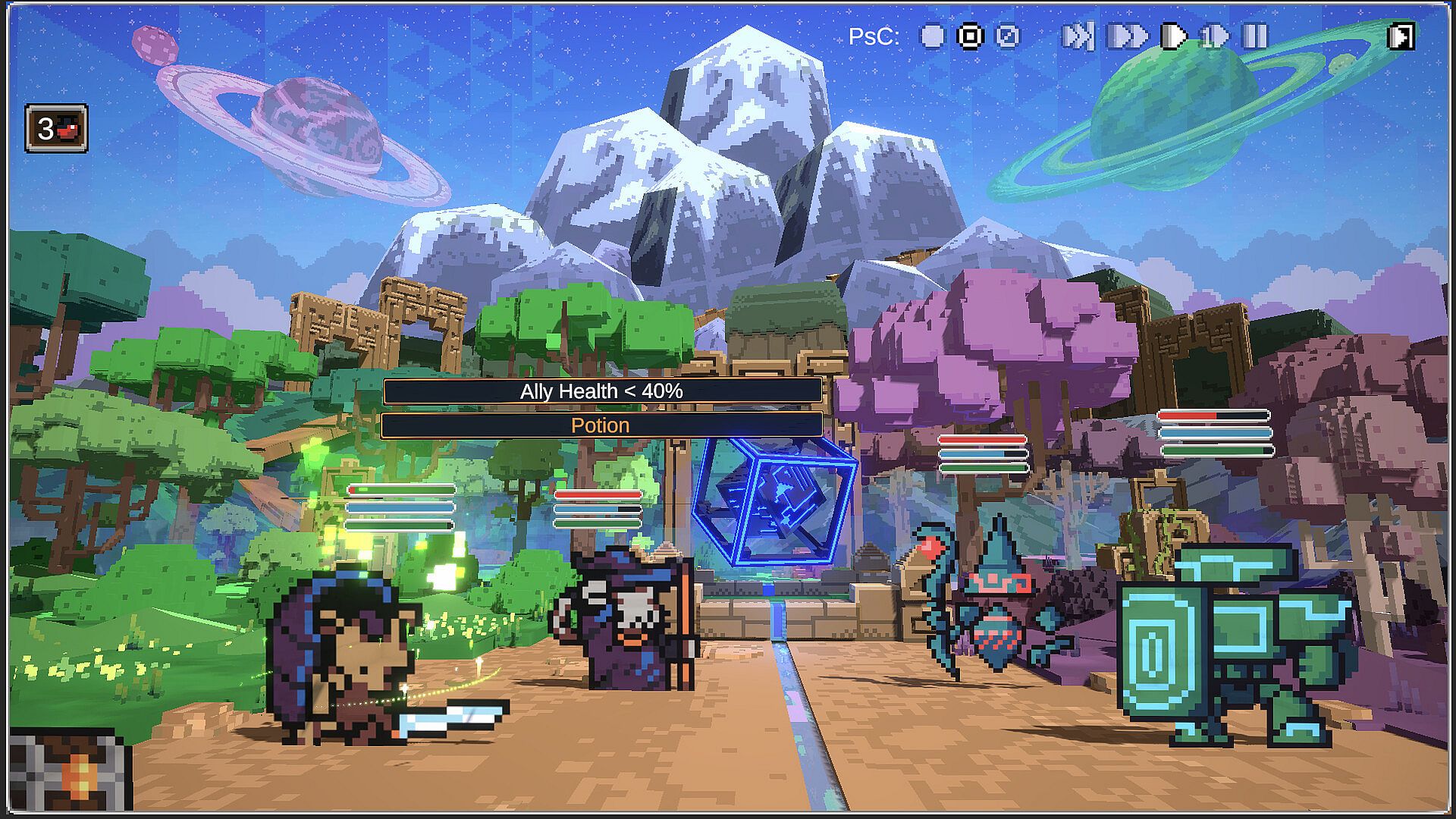
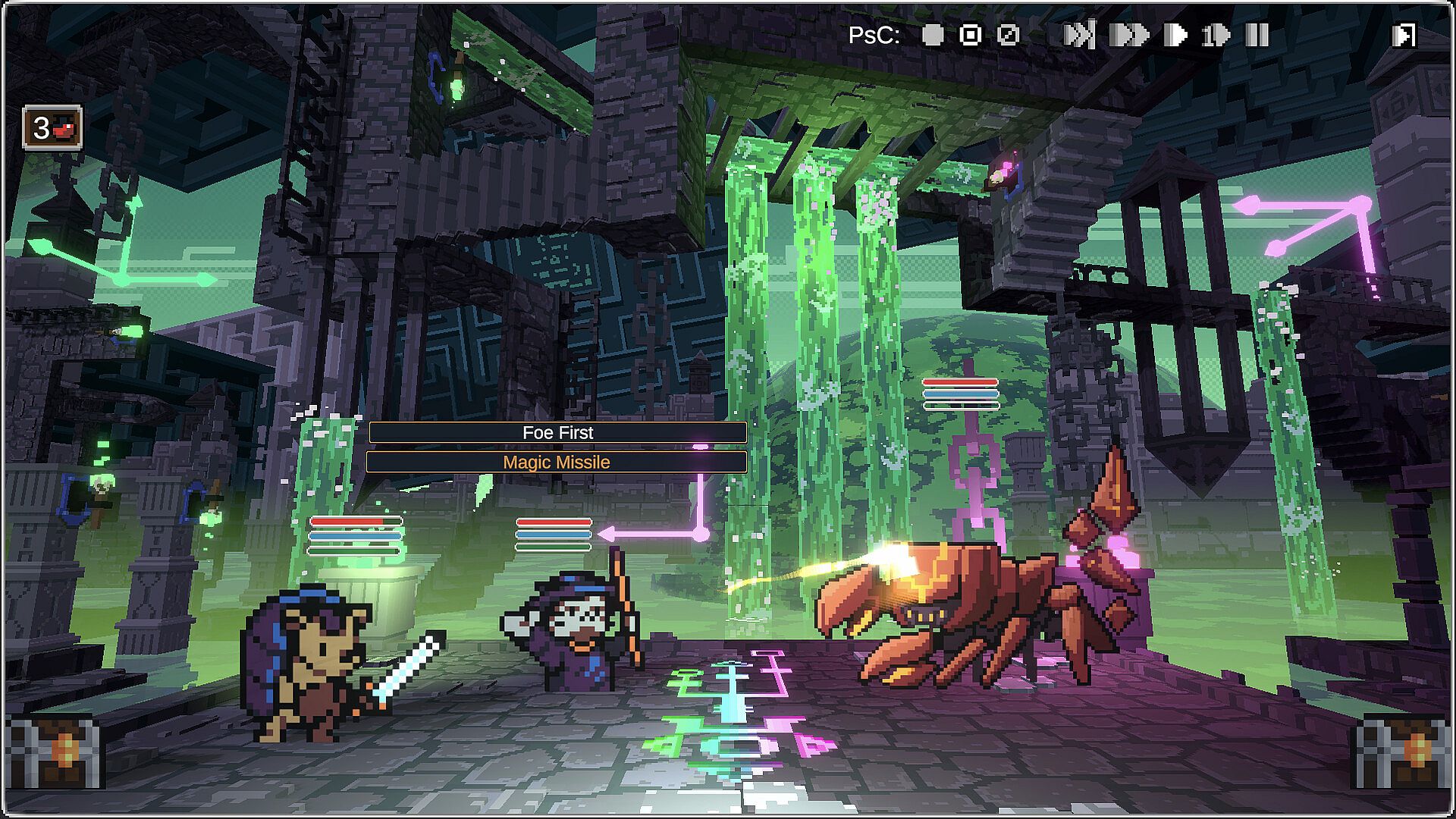
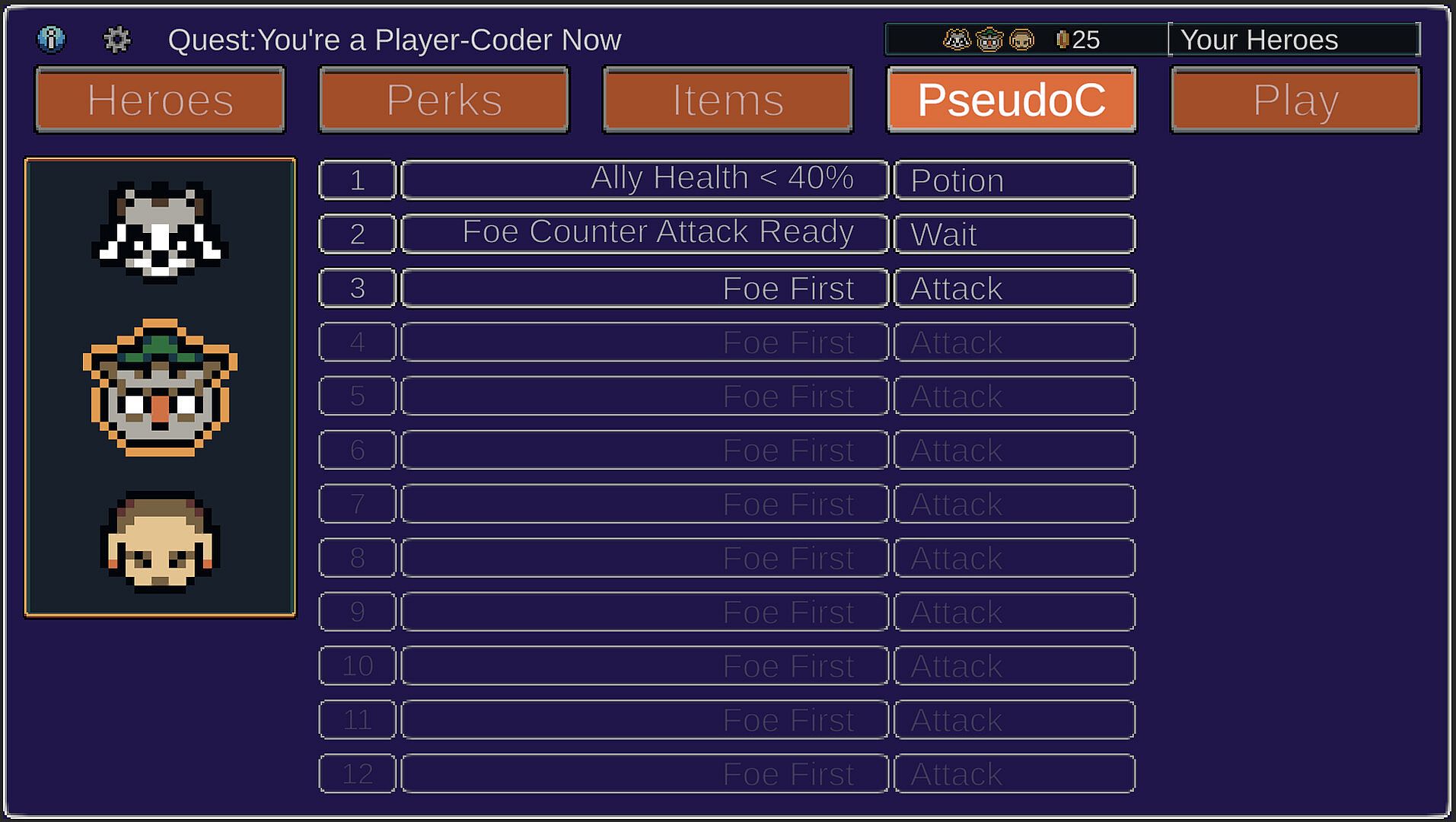
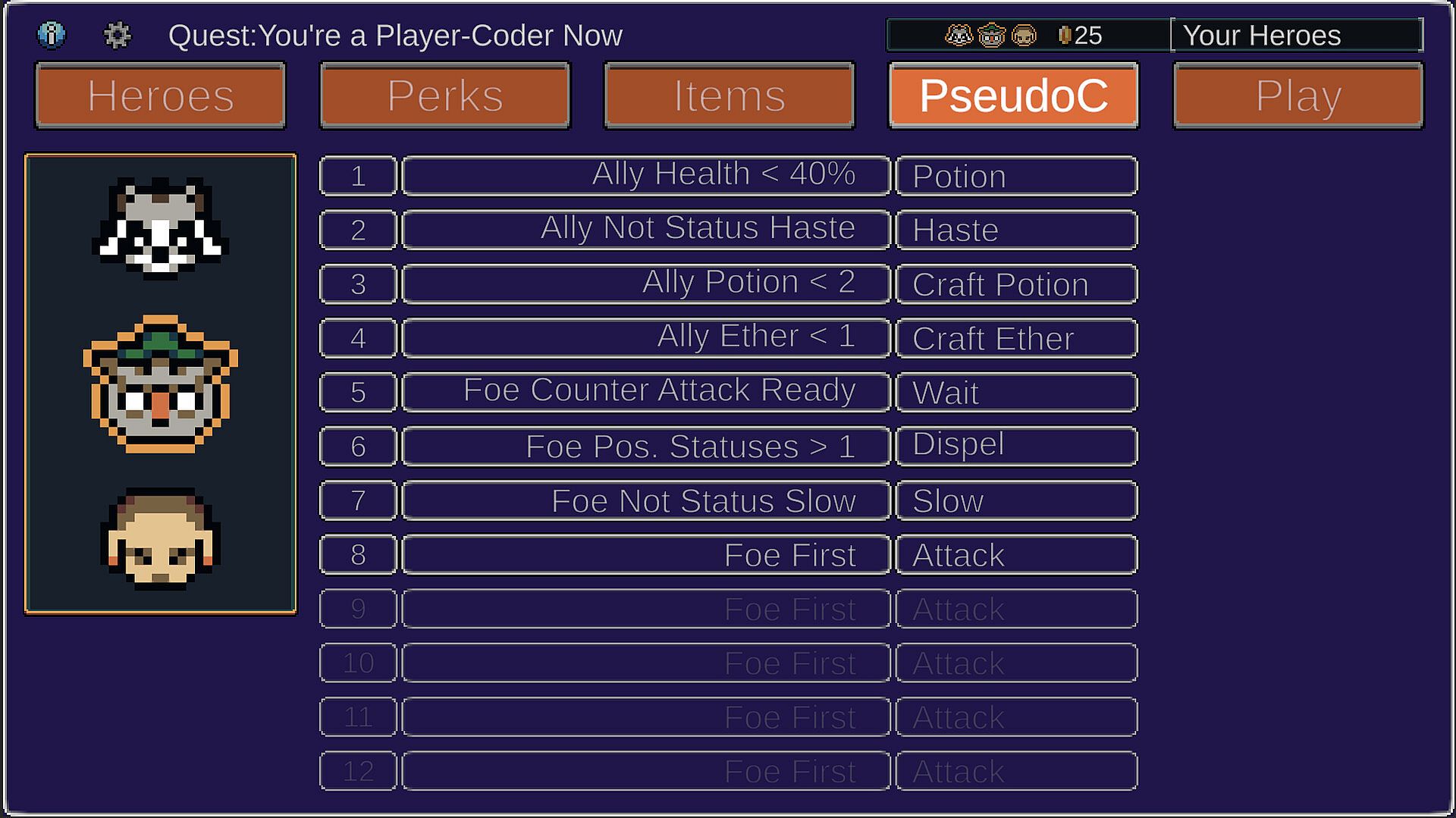
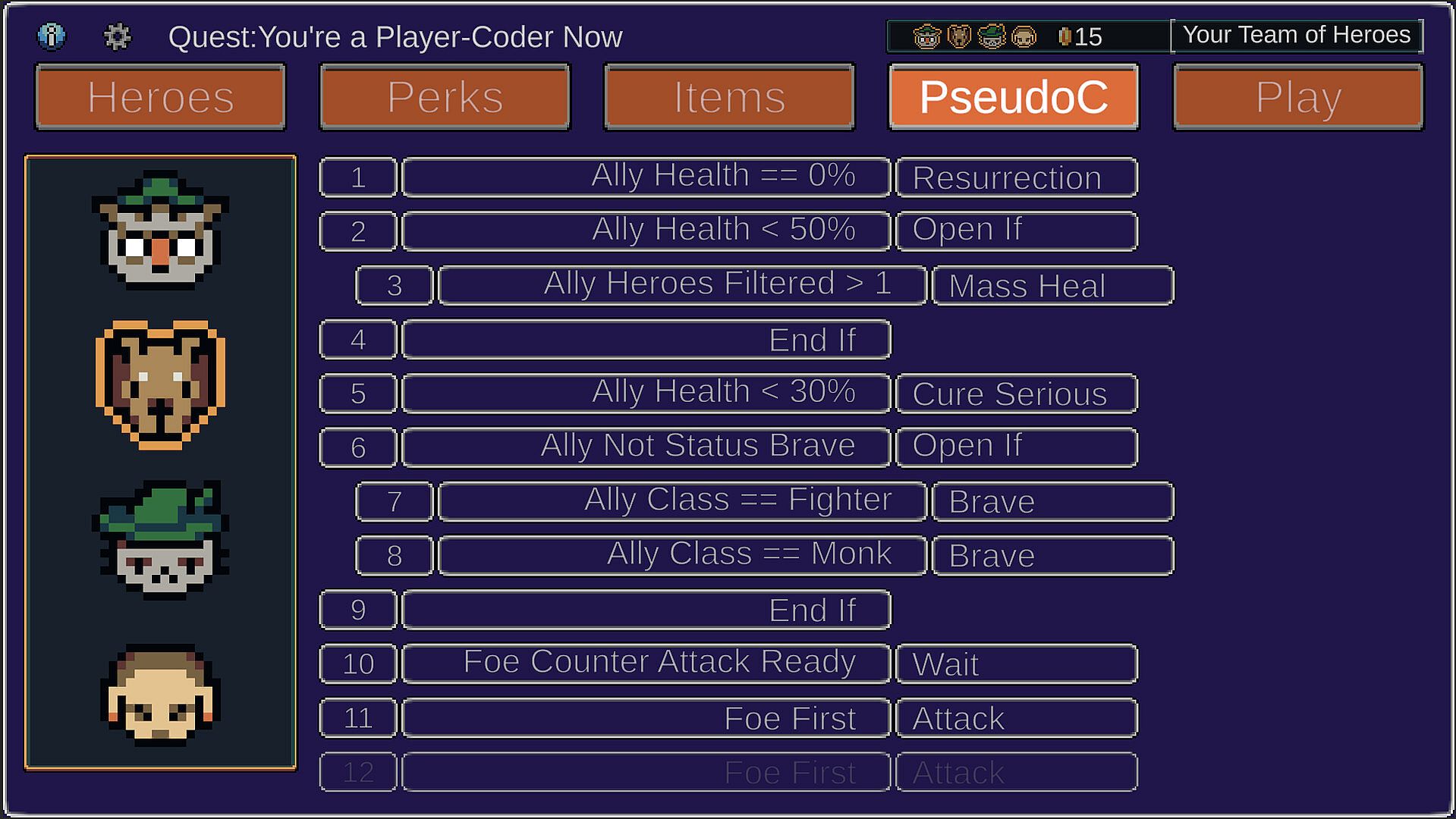
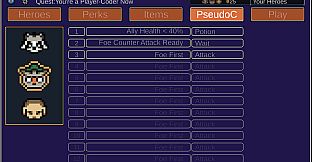
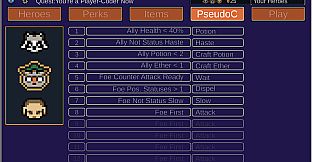
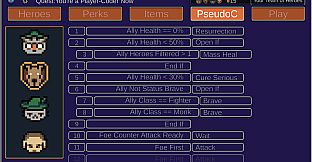
The core loop centers on preparing heroes for encounters through a custom scripting layer called pseudoC. Users match specific conditions to available abilities and then set execution priorities so the team responds correctly during fights. Conditions accept parameters for fine tuning, and nested logic becomes possible through the Open If feature that lets one rule depend on another.
Once the pseudoC setup feels solid, the game encourages a direct transition to professional tools. A starter kit integrates with Visual Studio Code and the C# extension, allowing the same strategies to run as real C# code. This progression turns each boss encounter into both a tactical test and a programming exercise where small adjustments in logic can change the outcome of an entire battle.
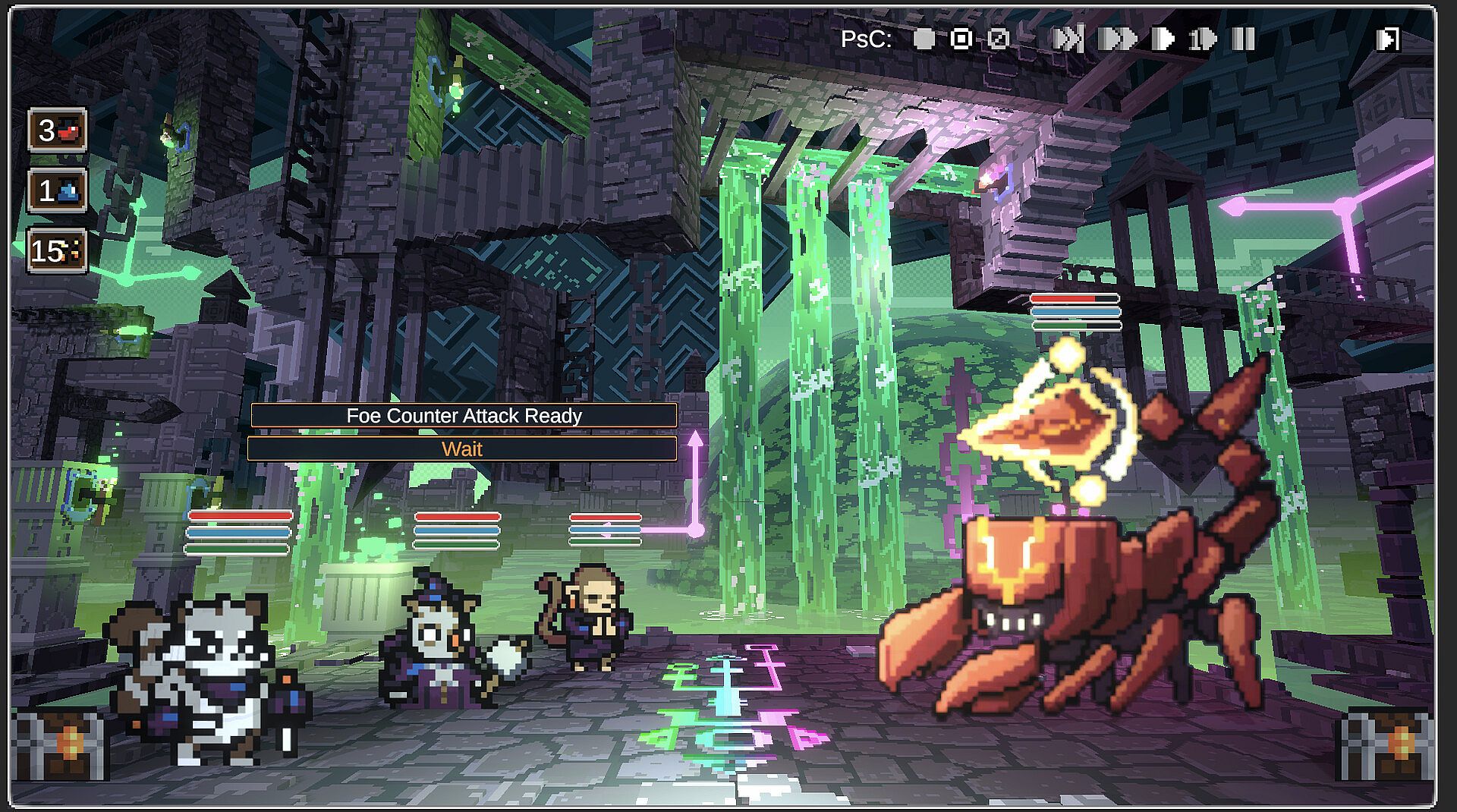
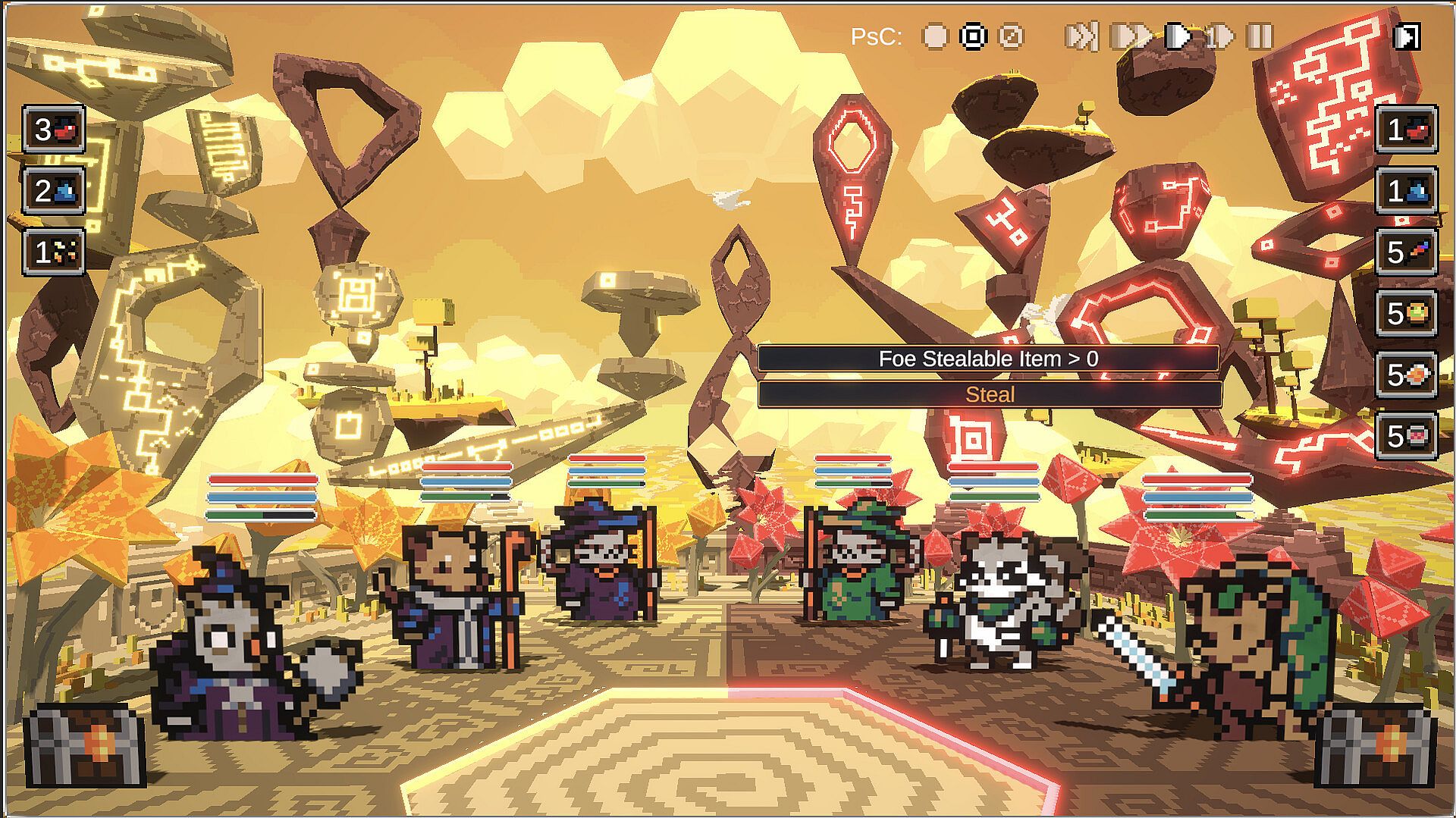
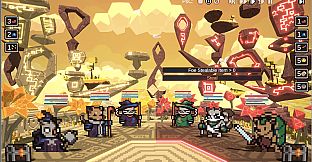
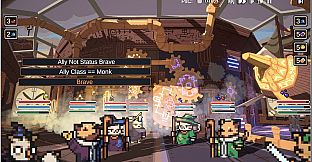
Combat itself draws from turn-based or priority-driven RPG traditions, yet the decisive factor remains the quality of the code rather than character stats alone. The experience deliberately avoids heavy narrative or passive progression systems, keeping focus on active problem solving and iterative refinement of team instructions.
Game Modes
Team Hero Coder structures its challenges around boss battles that test prepared team configurations. Each encounter requires the coded logic to handle varying enemy behaviors and timing demands, pushing players to refine conditions and priorities until the team performs reliably.
Progression moves from simpler pseudoC arrangements to full C# implementations, creating a natural escalation in complexity. The design supports repeated attempts on the same bosses so coders can experiment with different nesting patterns or parameter values and observe immediate results in battle performance.
Core Mechanics and Progression
Hero team building revolves around assigning abilities that trigger under defined conditions. Priority ordering determines the sequence of actions, while parameter customization lets players adjust thresholds or targets for greater precision. The Open If nesting option adds layers of decision making that mirror real conditional programming structures.
Success depends on anticipating how enemies will behave and writing rules that cover those scenarios. The shift to C# expands the same concepts into a full language environment, where the starter kit provides the necessary framework to run and debug solutions outside the game interface.
Is It Worth Playing?
Team Hero Coder targets players who already enjoy games yet want to apply coding skills directly to strategy and tactics. Its creator, a professor designing the project for students, built it to respect existing gaming interests while introducing genuine programming challenges that reward careful logic and iteration.
The absence of story-heavy elements or idle mechanics keeps sessions focused on active coding and testing. Those comfortable with basic conditional thinking will find the pseudoC layer approachable, while the C# integration offers a clear path toward professional development environments. Players who value problem solving over instant rewards or extensive narratives will likely appreciate the deliberate pace and the direct connection between code quality and battle success.
Availability of a demo lets interested users try the pseudoC system before committing, and the overall design positions the game as both an engaging strategy experience and a practical lab for leveling up coding abilities alongside gameplay skill.