

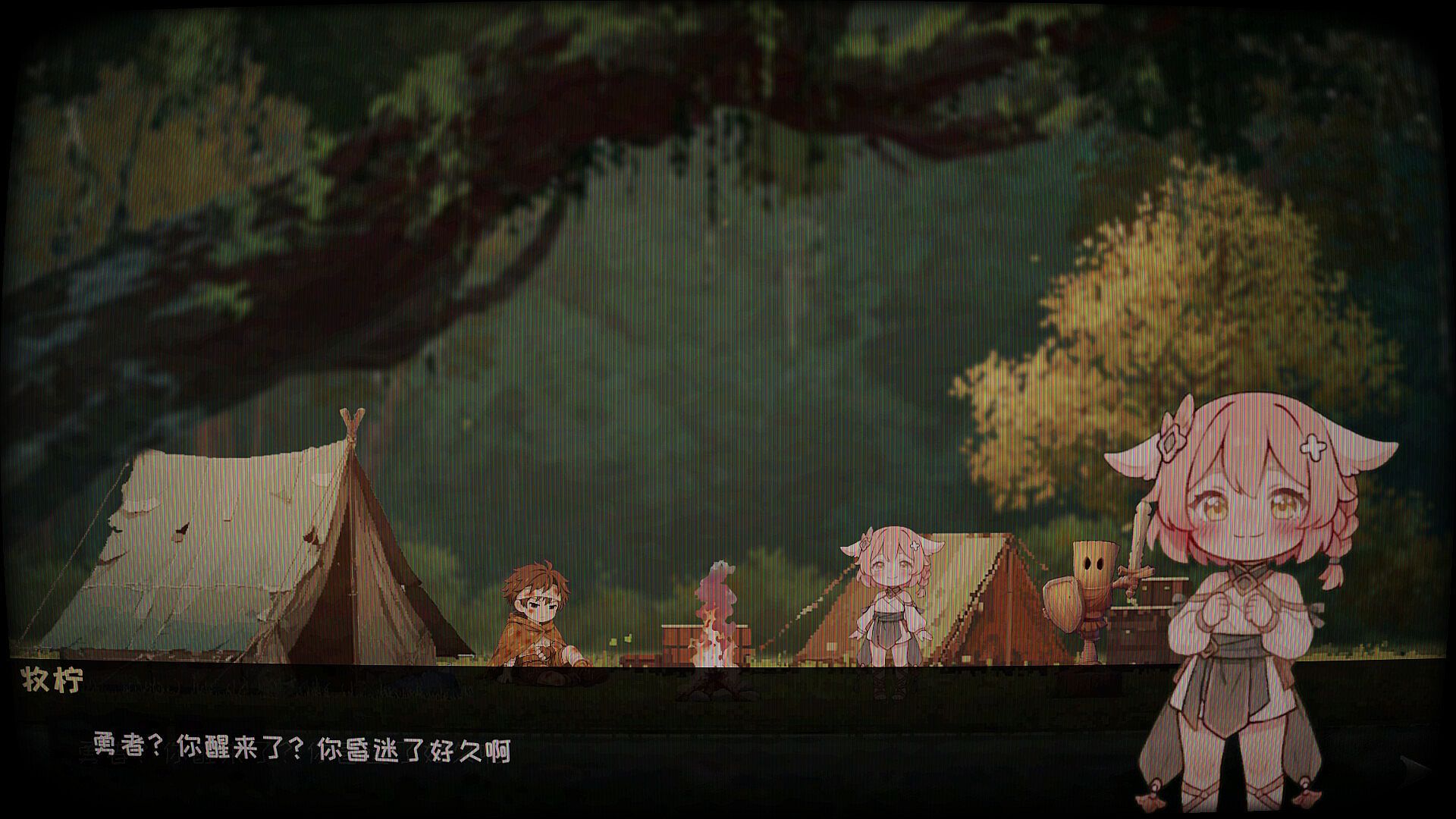

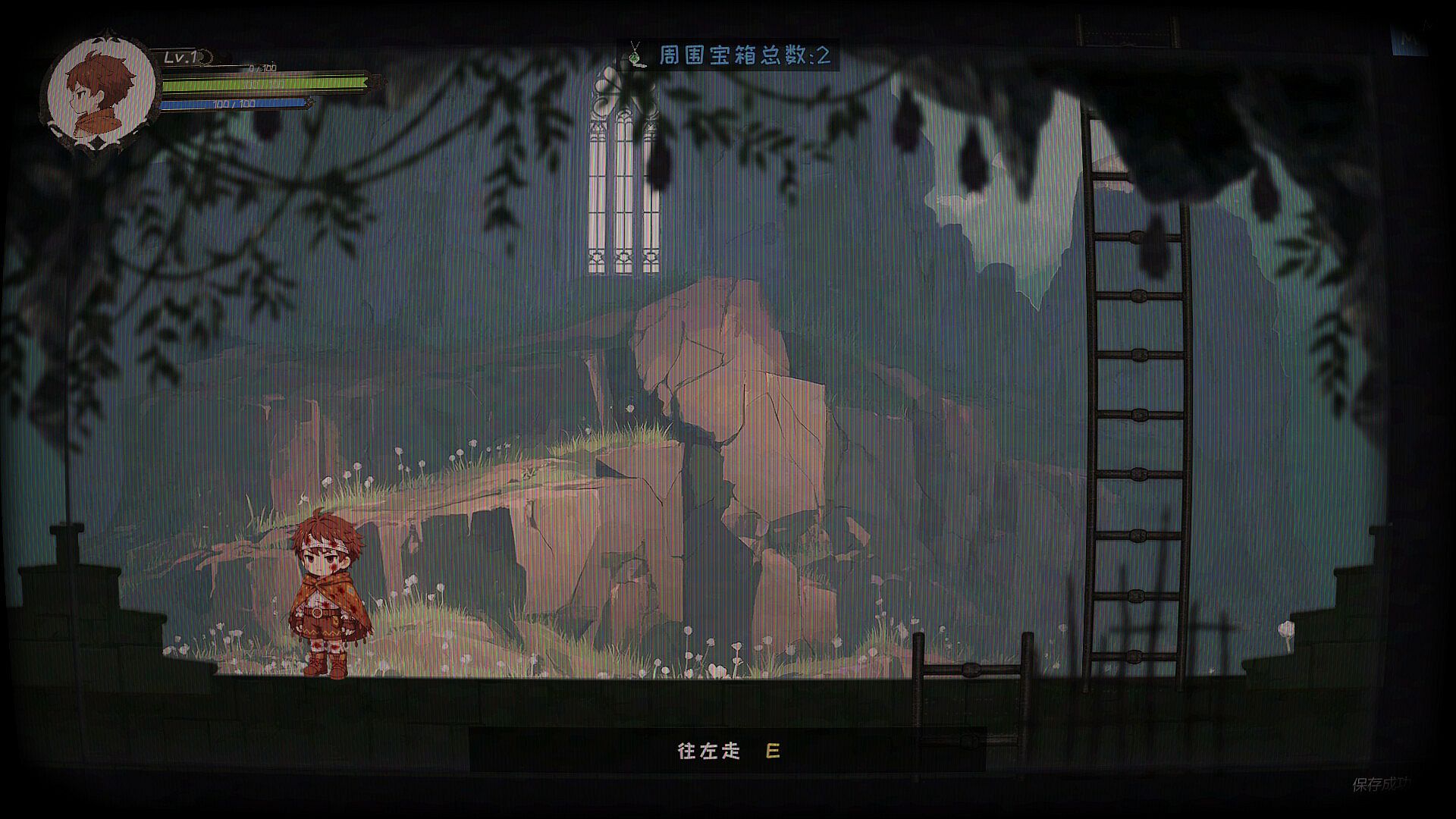
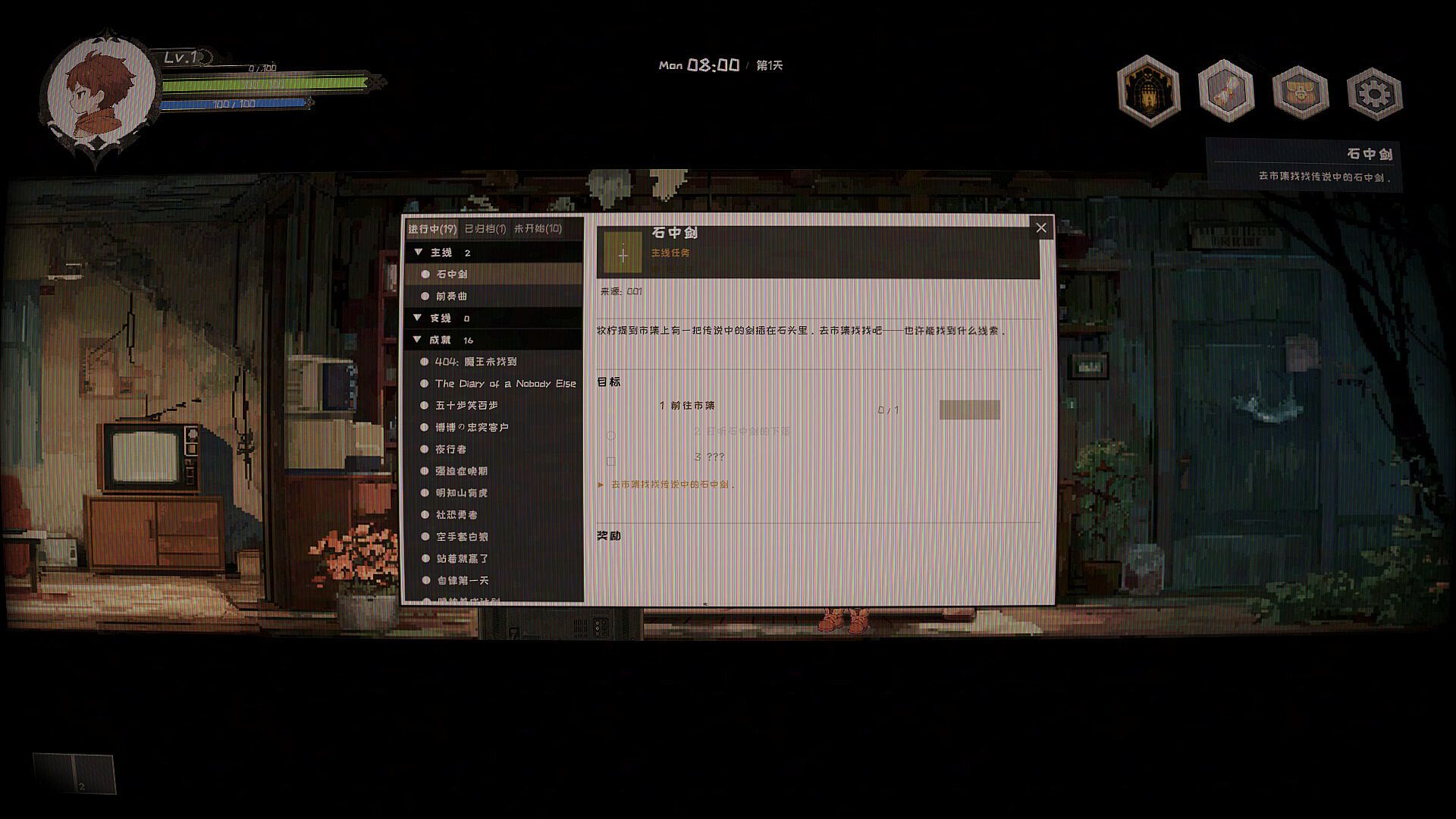
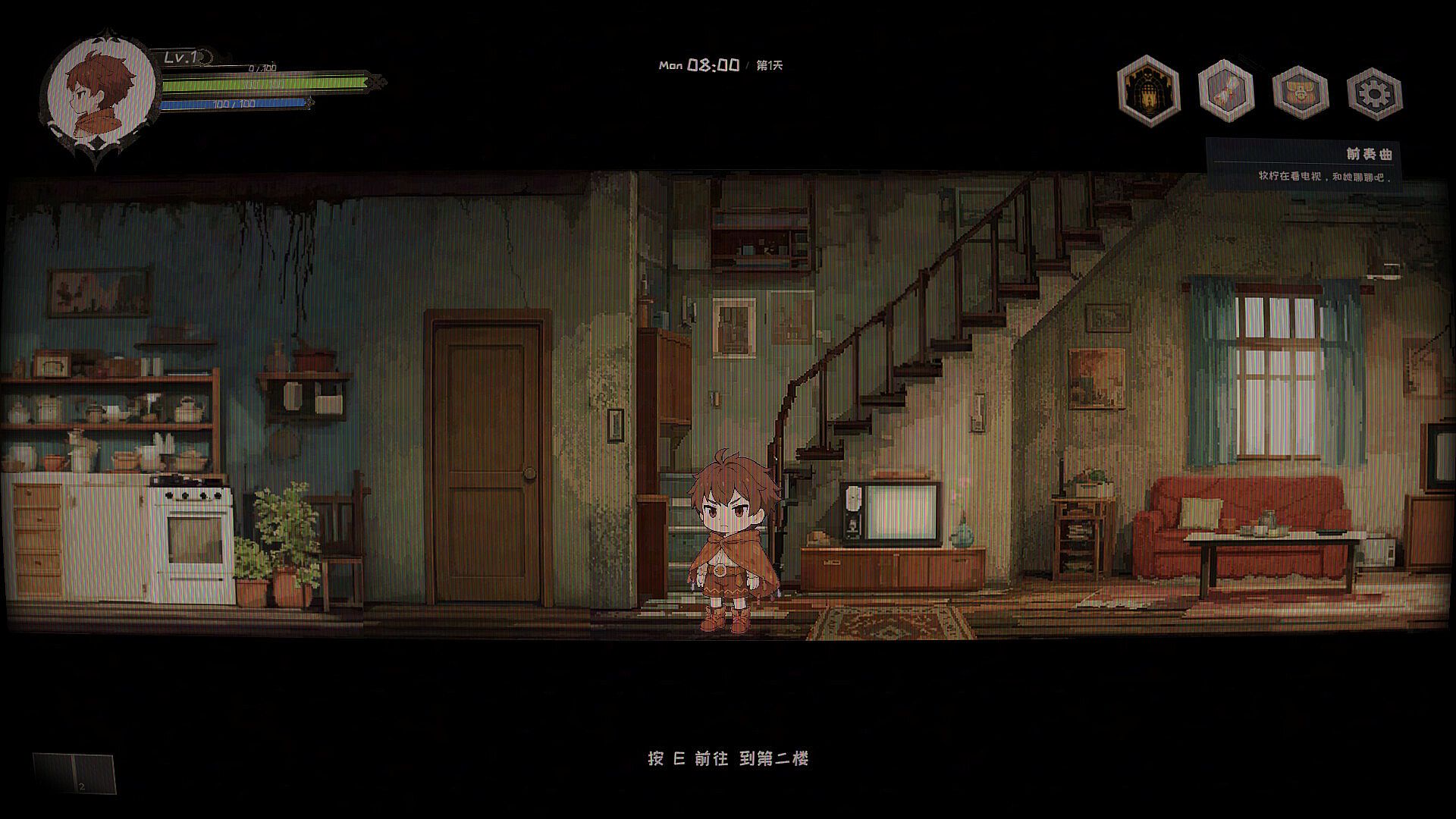
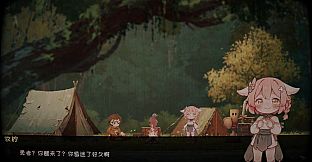

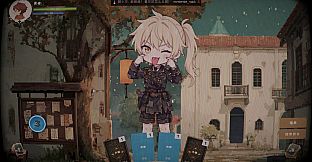
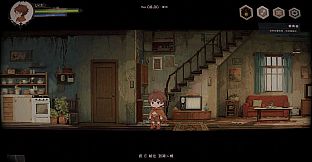
闪退勇者 Crashborn is a single-player meta-narrative JRPG that blends strategy elements with card-based combat and grid-based exploration on PC. The title centers on a core idea where the game itself crashes as part of the experience, turning system failure into a deliberate storytelling device. Players navigate a world where uncovering hidden truths triggers realistic Windows blue screens, forcing a reboot that preserves only the protagonist's memories while resetting other elements. This setup creates a loop of discovery that unfolds across branching narratives and repeated play sessions.
Gameplay
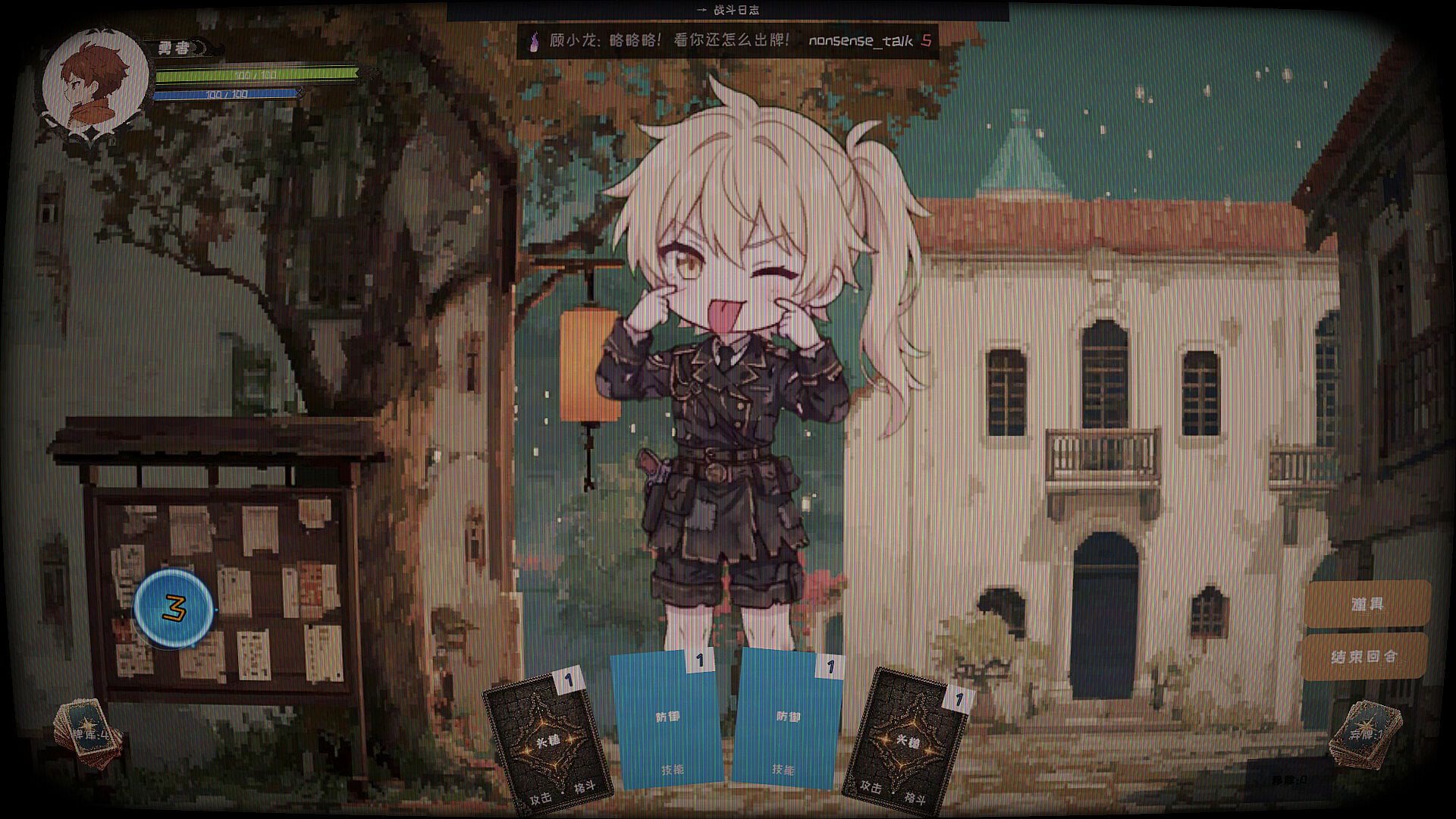
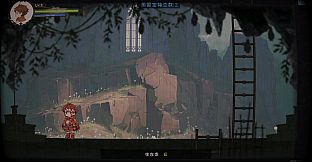
The central loop revolves around exploration on a grid shrouded in fog. Players click to reveal areas, encountering random battles, items, and story events that advance the plot. Combat uses a lightweight card system with a speed bar that determines turn order, allowing quick decisions without complex setup. Battles emphasize narrative ties rather than pure optimization, with cards supporting the unfolding story beats.
Dialogue trees incorporate skill checks resolved through 2D6 dice rolls, alongside hidden choices that only appear after memory retention from prior crashes. The crash mechanic activates when the story reaches protected truths, displaying a full-screen blue error with authentic visual glitches like scanlines and color separation. Restarting the game resumes from the last save point, but the player character retains all prior knowledge, gradually opening new paths and sealed content across multiple runs.
Audio design supports the theme with continuous background music, battle effects, interface sounds, and specific glitch audio cues triggered during crashes. The visual style maintains a consistent system-failure look throughout menus, maps, and interfaces to reinforce the meta layer.
Game Modes
Crashborn operates as a single-player experience with no separate multiplayer or competitive modes. All progression occurs through the narrative-driven campaign, where the crash and memory system serves as the primary replay incentive. Players revisit sections after crashes to access previously locked dialogue options and alternative story outcomes, leading to multiple endings based on accumulated knowledge and choices made.
The structure encourages sequential playthroughs within the same save file, as each reboot builds on retained information without requiring manual saves or external tools. Exploration and combat remain integrated into this single mode, with no distinct difficulty variants or side campaigns confirmed at this stage.
Narrative and Themes
The story unfolds as a meta-narrative that questions the boundaries between game and reality. Branching paths emerge from memory retention, allowing players to confront inconsistencies in the world that NPCs forget after each crash. Skill checks and hidden options tied to prior progress add layers of consequence, rewarding careful attention to repeated encounters.
Multiple endings result from the combination of dialogue selections and unlocked memories, creating a sense of personal discovery across sessions. The design avoids traditional save manipulation by embedding the meta element directly into the crash sequence, making each restart feel like a continuation rather than a reset.
Is It Worth Playing?
Crashborn targets players interested in indie strategy and RPG titles that experiment with narrative form. The single-player focus and memory-based progression suit those who enjoy repeated engagement with the same content to uncover new layers. Since the game remains in a coming-soon state with no user reviews available yet, its appeal rests on the described mechanics of card combat, grid exploration, and integrated crashes.
Those drawn to fourth-wall elements and choice-driven stories may find the approach distinctive, particularly if they appreciate systems where failure advances understanding. Availability is limited to the upcoming PC release, with system requirements listed for modest hardware. The title offers a contained experience centered on its unique crash loop rather than expansive content volume.