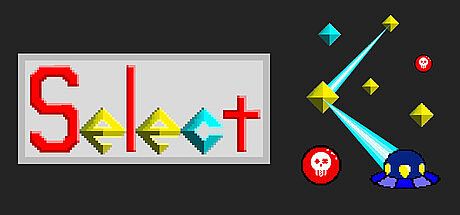



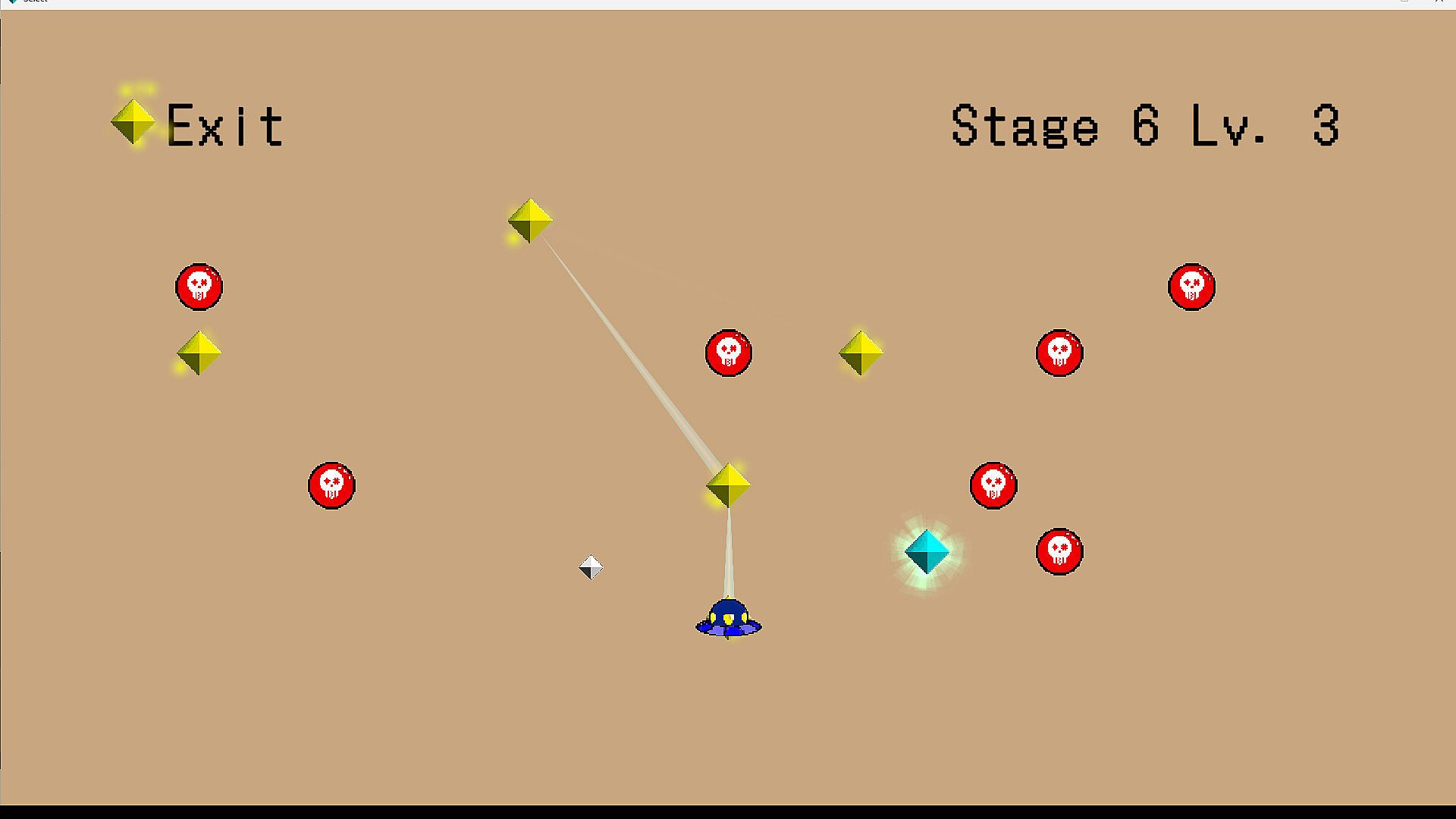
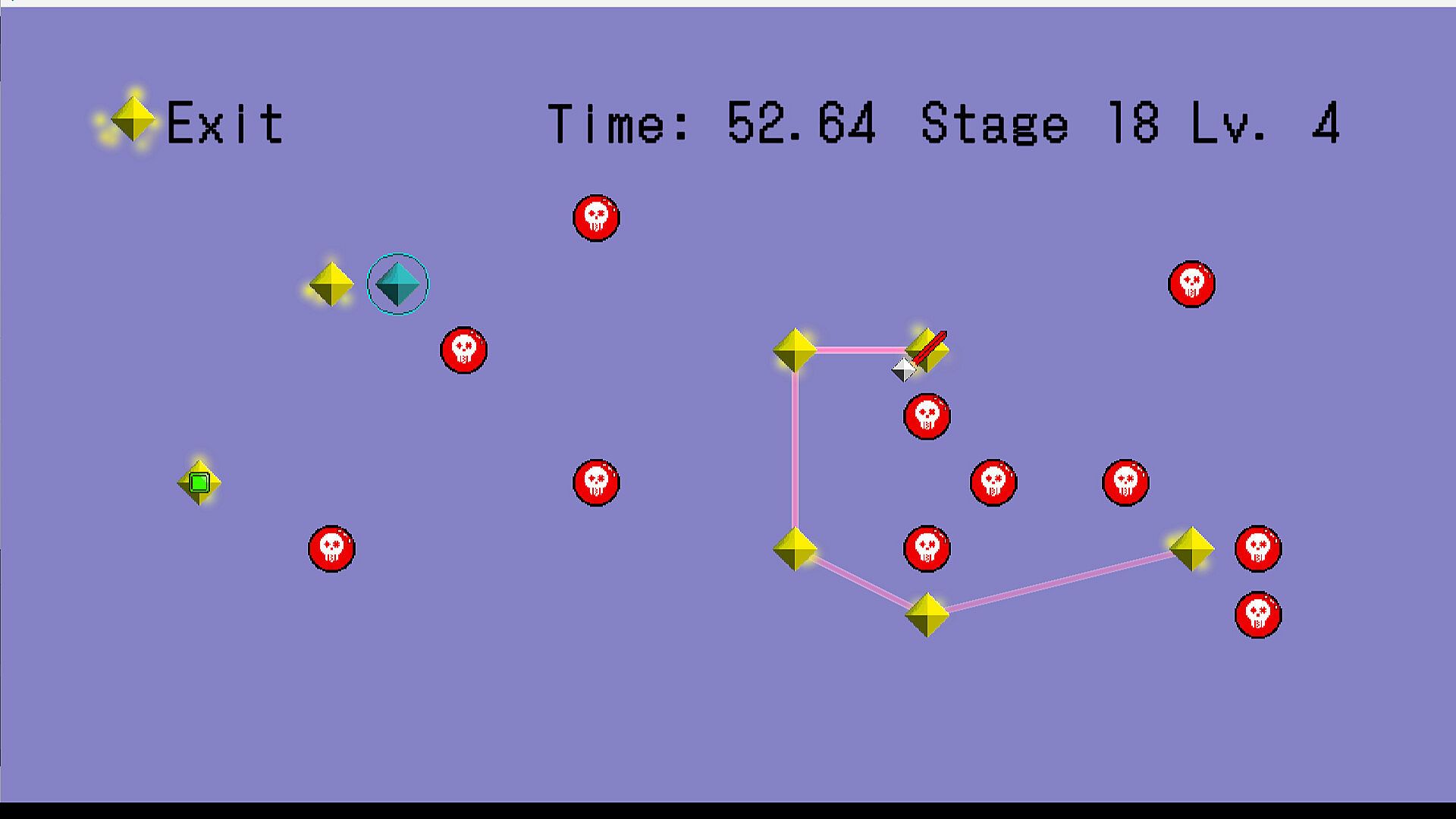

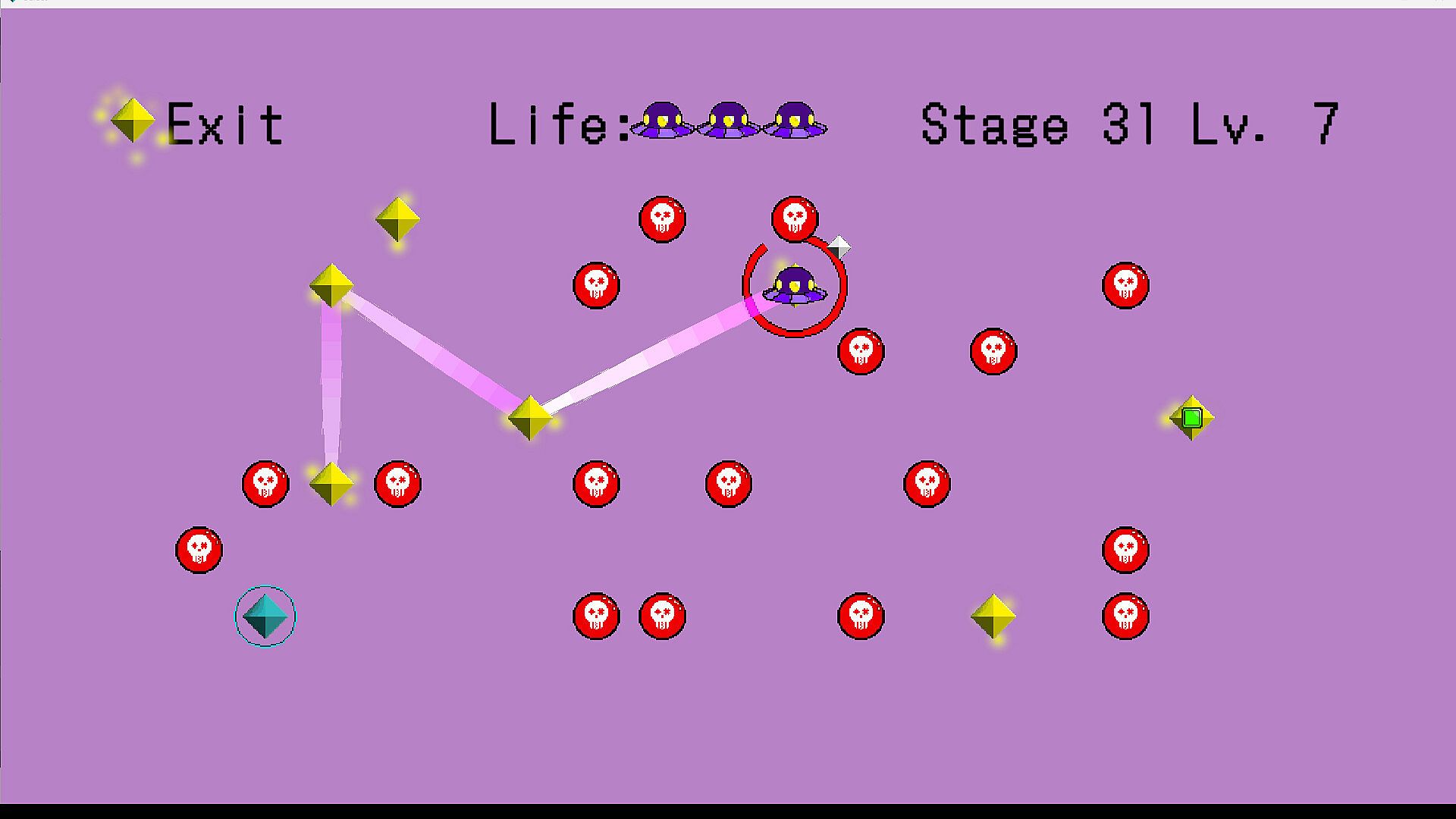
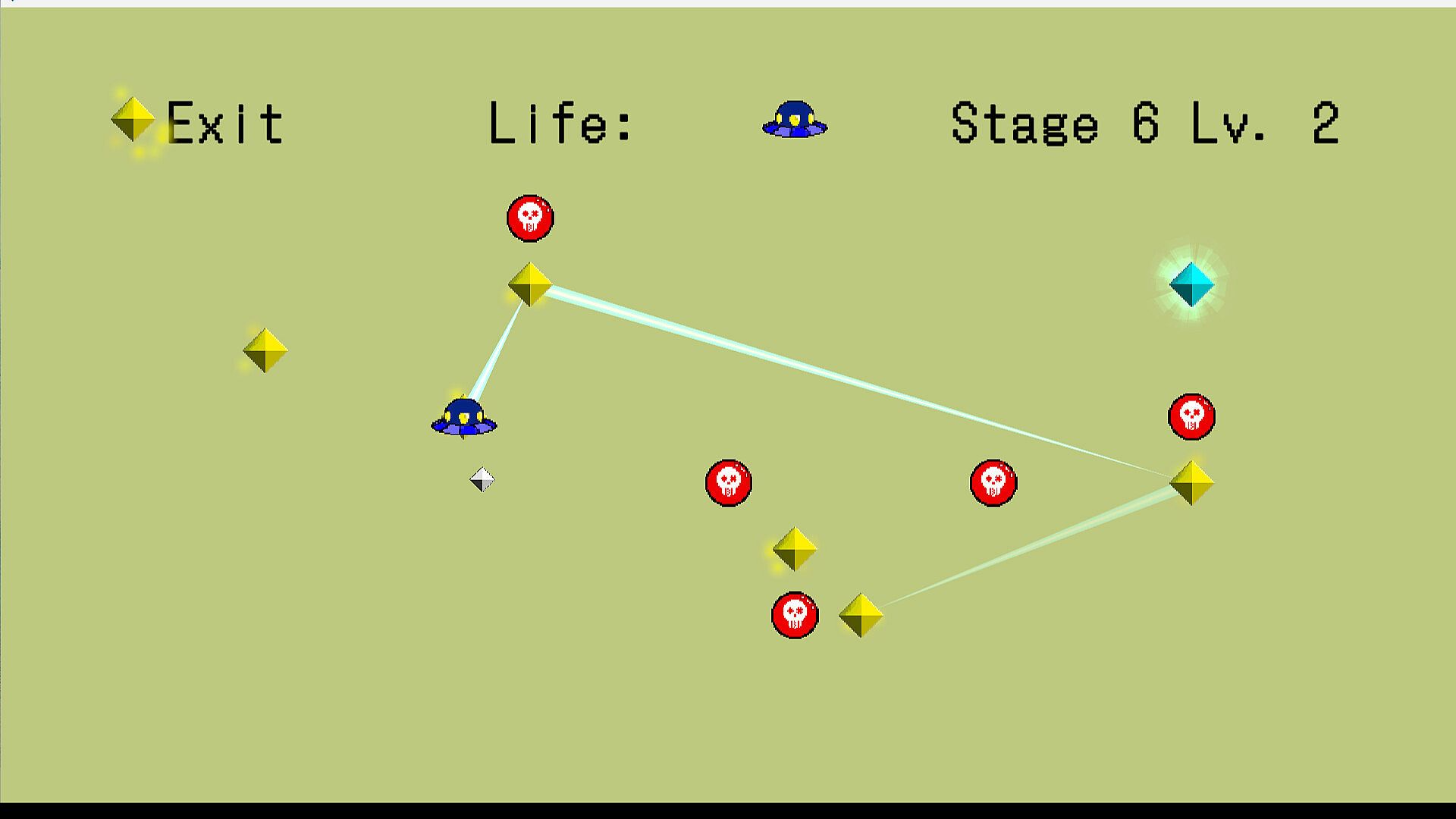
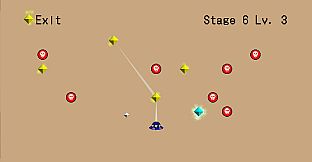
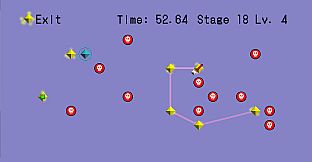
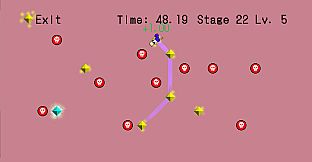
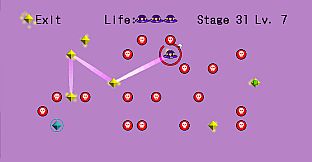
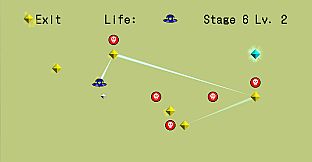
Select è un puzzle game casual per PC in single player che unisce l'interazione point-and-click a sfide di pathfinding con percorsi nascosti. Il giocatore guida un personaggio verso l'obiettivo selezionando punti visibili sullo schermo, mentre ostacoli impediscono le vie dirette e il percorso reale resta nascosto finché non si muove il personaggio.
Gameplay
Il ciclo di gioco si basa sull'osservazione di una scena statica che mostra il personaggio, gli ostacoli sparsi e i punti selezionabili chiamati Select Points. Ogni mossa consiste nel cliccare uno di questi punti per spostare il personaggio, tracciando gradualmente un percorso intorno alle barriere fino a raggiungere l'obiettivo. Poiché il collegamento resta invisibile, ogni scelta richiede di valutare possibili connessioni e vicoli ciechi che potrebbero emergere dopo lo spostamento.
Ogni volta che si entra in uno stage, il layout viene generato da zero, indipendentemente dalla modalità scelta. Questo sistema produce puzzle quasi sempre diversi tra un tentativo e l'altro, anche se configurazioni identiche possono ripresentarsi occasionalmente. Il risultato è un'esperienza in cui la ripetizione è rara e ogni nuovo stage rappresenta un esercizio autonomo di ragionamento spaziale.
Gli elementi visivi si limitano allo sprite del personaggio, alle forme degli ostacoli e ai punti selezionabili. Non compaiono sovrimpressioni né indicazioni, per mantenere l'attenzione sulle relazioni spaziali da scoprire attraverso i tentativi. L'interfaccia point-and-click gestisce tutti gli input, rendendo il gioco accessibile con semplici azioni del mouse o del touch su PC.
Modalità di gioco
La Normal Mode è la modalità base, che presenta le regole fondamentali di pathfinding senza vincoli aggiuntivi. Il giocatore avanza attraverso stage caricati in sequenza, generati all'accesso, e può proseguire senza limiti poiché il conteggio degli stage non ha un tetto prestabilito.
La EX Mode introduce un set di regole diverse applicate alla stessa struttura. Sebbene le modifiche precise dipendano dalla modalità selezionata, il sistema resta basato sui Select Points e sulla generazione casuale degli stage, permettendo ai giocatori esperti di mettere alla prova il proprio giudizio spaziale in condizioni diverse.
Entrambe le modalità condividono il sistema di generazione procedurale, quindi il pool infinito di stage vale per entrambe. Passare da una all'altra modifica solo il set di regole, lasciando invariati i meccanismi di visibilità e selezione che definiscono il gioco.
Generazione dei puzzle e rigiocabilità
La creazione degli stage avviene automaticamente all'accesso, attingendo a un ampio insieme di possibili disposizioni di ostacoli e punti. Questo approccio elimina sequenze predefinite, così i giocatori incontrano configurazioni nuove molto più spesso che ripetizioni. Il design favorisce sessioni prolungate perché ogni stage funziona come un puzzle autonomo, non come parte di una campagna lineare.
Il valore di rigiocabilità deriva dalla varietà quasi infinita. Chi torna sulla stessa modalità in un secondo momento si trova quasi sempre di fronte a layout diversi, e le rare ripetizioni servono da promemoria delle soluzioni precedenti piuttosto che da cicli prevedibili. Il formato single-player mantiene tutti i progressi e l'esplorazione all'interno di una singola sessione o di più visite brevi.
Vale la pena giocarci?
Select si rivolge a chi apprezza puzzle spaziali ponderati e navigazione point-and-click senza pressione temporale né elementi narrativi. I suoi stage procedurali e il meccanismo dei percorsi nascosti premiano l'osservazione attenta e i tentativi ripetuti in un'unica seduta.
Essendo ancora in fase pre-release con lancio previsto per il 2026, non esistono ancora feedback né statistiche di completamento. Chi è attratto da puzzle casual incentrati su pathfinding e meccaniche di selezione troverà che i sistemi descritti corrispondono a queste preferenze. Al lancio sarà disponibile solo su PC e includerà il supporto nativo agli achievement per tracciare i progressi attraverso gli stage generati.
L'interfaccia essenziale e l'attenzione alla logica di selezione lo rendono adatto sia a sessioni brevi che prolungate. Chi cerca varietà attraverso layout casuali invece che livelli fissi apprezzerà probabilmente questo approccio una volta che il titolo sarà disponibile.