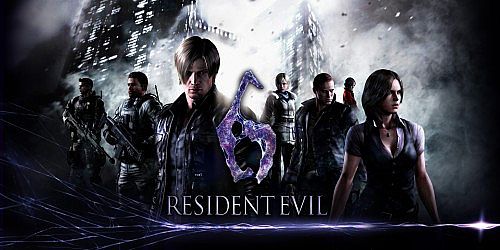



Resident Evil 6 is an action adventure game released on the Nintendo Switch. It blends third-person shooting with exploration and story sequences set against a backdrop of global threats from biological hazards. The title emphasizes coordinated movement and resource management during encounters that mix ranged combat with close-quarters interactions.
Gameplay
Players control protagonists through structured environments that require precise aiming, cover usage, and quick decisions under pressure. Health and ammunition serve as limited resources that encourage careful planning rather than constant aggression. Partner systems allow a second player to join locally or online, altering how objectives unfold based on shared positioning and timing. Environmental interactions such as climbing, sliding, and vehicle sections add variety to the movement loop without shifting focus away from combat fundamentals.
Controls prioritize accessibility on the Switch hardware, with options for motion aiming and button layouts that suit handheld or docked play. The camera follows the character closely during fights, demanding awareness of surroundings to avoid flanking threats. Inventory management appears through a quick-select wheel that pauses momentum only briefly, keeping the pace steady across longer sessions.
Game Modes
A primary campaign structure divides the experience into multiple character perspectives that intersect at key points. Each perspective offers distinct starting equipment and pacing while sharing the same overarching threats. Co-operative play supports drop-in and drop-out functionality for these sequences.
Separate challenge modes shift emphasis toward timed survival against waves of opponents or objective-based scoring runs. These modes strip away narrative elements to focus purely on mechanical execution and high-score competition. Local split-screen support appears in select modes for shared-screen sessions on the console.
Story Context
The narrative follows several agents and civilians navigating interconnected crises across different regions. Events unfold through cutscenes and in-game dialogue that reveal motivations without requiring prior knowledge of earlier entries. Branching paths within levels allow minor variations in encounters based on player choices during key moments.
Character abilities evolve slightly through the campaigns, introducing new weapons or temporary upgrades that encourage replay of the same sections from alternate viewpoints. The overall tone balances action set pieces with quieter investigation segments that highlight clues and environmental storytelling.
Technical Aspects on Switch
The port maintains stable performance in both handheld and television modes, with load times kept short for seamless transitions between areas. Visuals prioritize clarity over high resolution, rendering detailed character models and effects that hold up during intense sequences. Touchscreen elements remain minimal, reserved for menu navigation rather than core gameplay.
Online connectivity handles co-operative sessions with matchmaking that pairs players of similar progress levels. Cross-save functionality between console sessions helps maintain continuity when switching between portable and home play.
Is It Worth Playing?
Reception centers on the shift toward action-heavy sequences compared with earlier horror-focused entries in the series. Those who enjoy co-operative shooting and multi-perspective campaigns often find value in the extended playtime across different characters. Players seeking traditional survival tension may find the emphasis on mobility and firepower less aligned with their preferences.
The Switch version provides convenient access for on-the-go sessions without major compromises to the core experience. Current availability includes the full campaign and challenge content from launch, with no additional seasonal updates reported. It fits best for audiences comfortable with third-person action adventure pacing and willing to engage multiple campaigns for complete context.