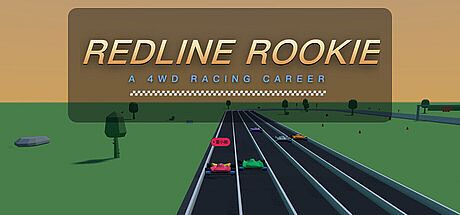


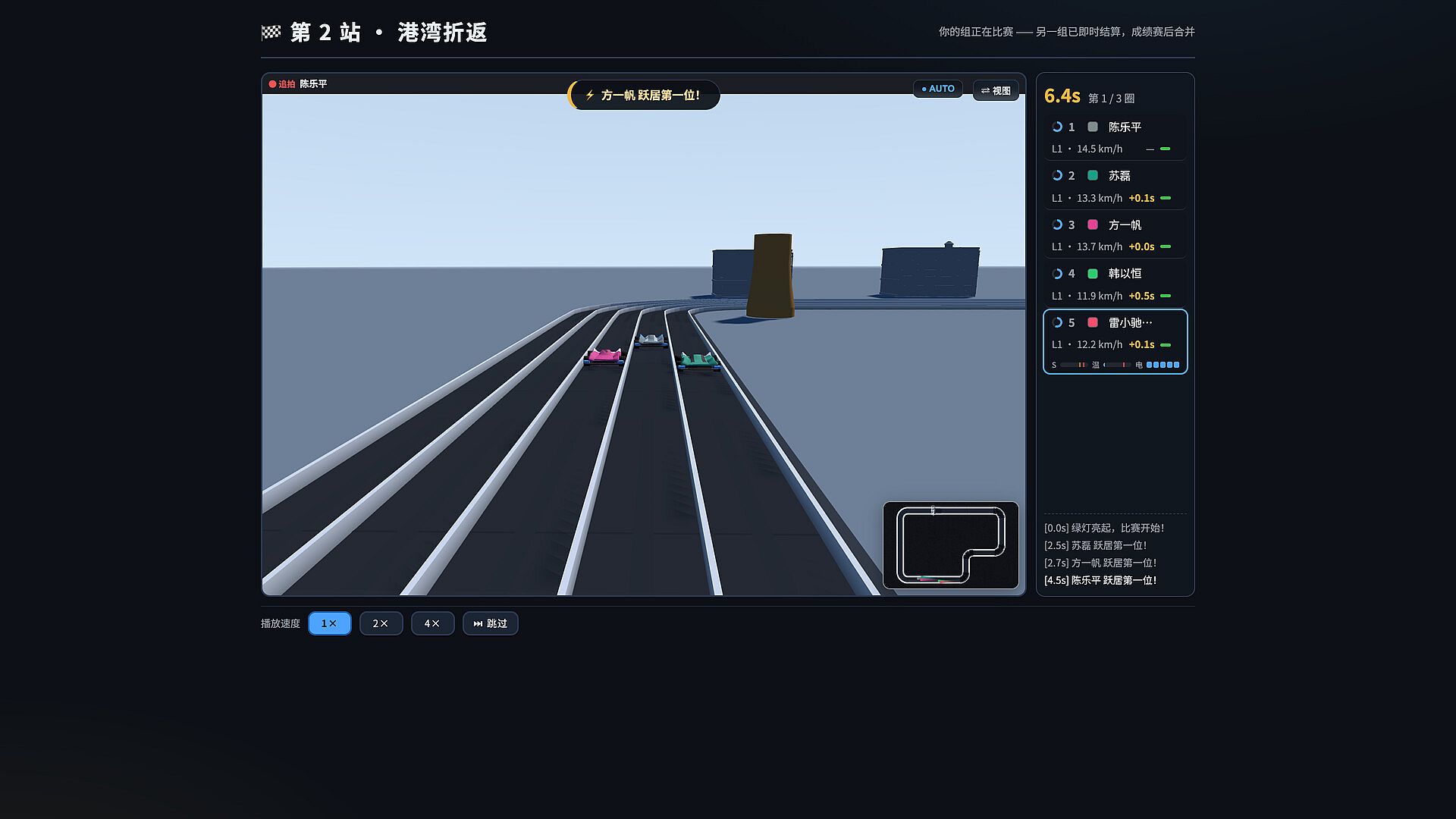

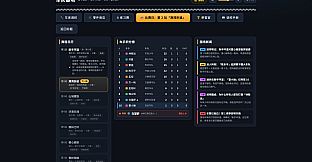
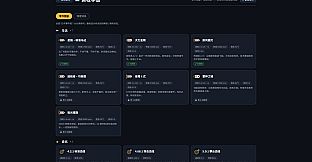
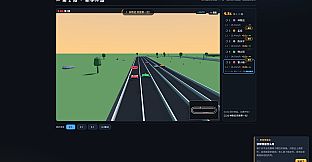

Redline Rookie: A 4WD Racing Career is a top-down simulation racing game that blends strategy, casual play, and detailed physics modeling on PC. Players build and tune miniature four-wheel-drive vehicles before each race, with no direct control once the green light signals the start. The focus rests entirely on pre-race engineering choices that determine outcomes through realistic mechanical interactions.
Gameplay
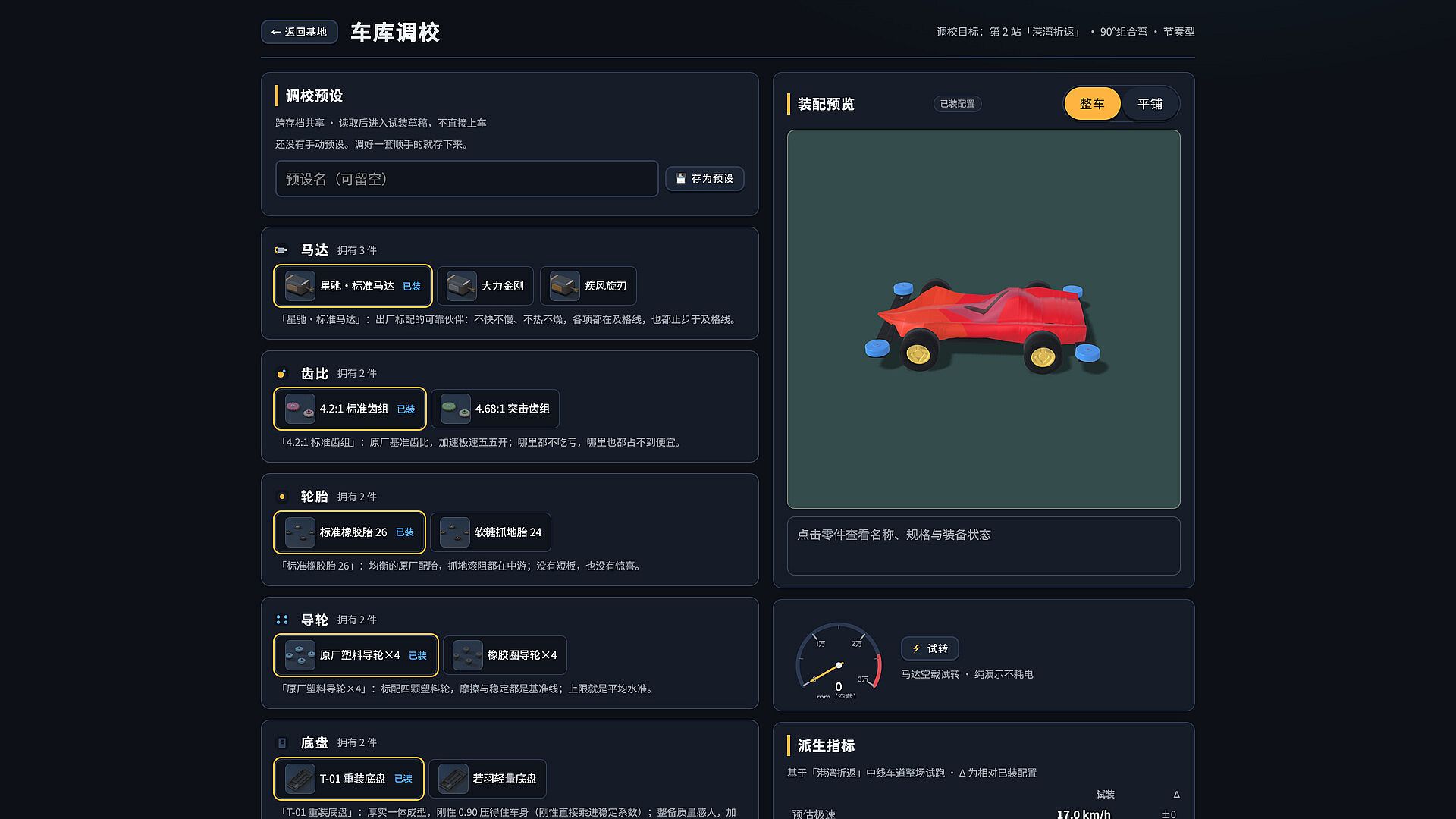
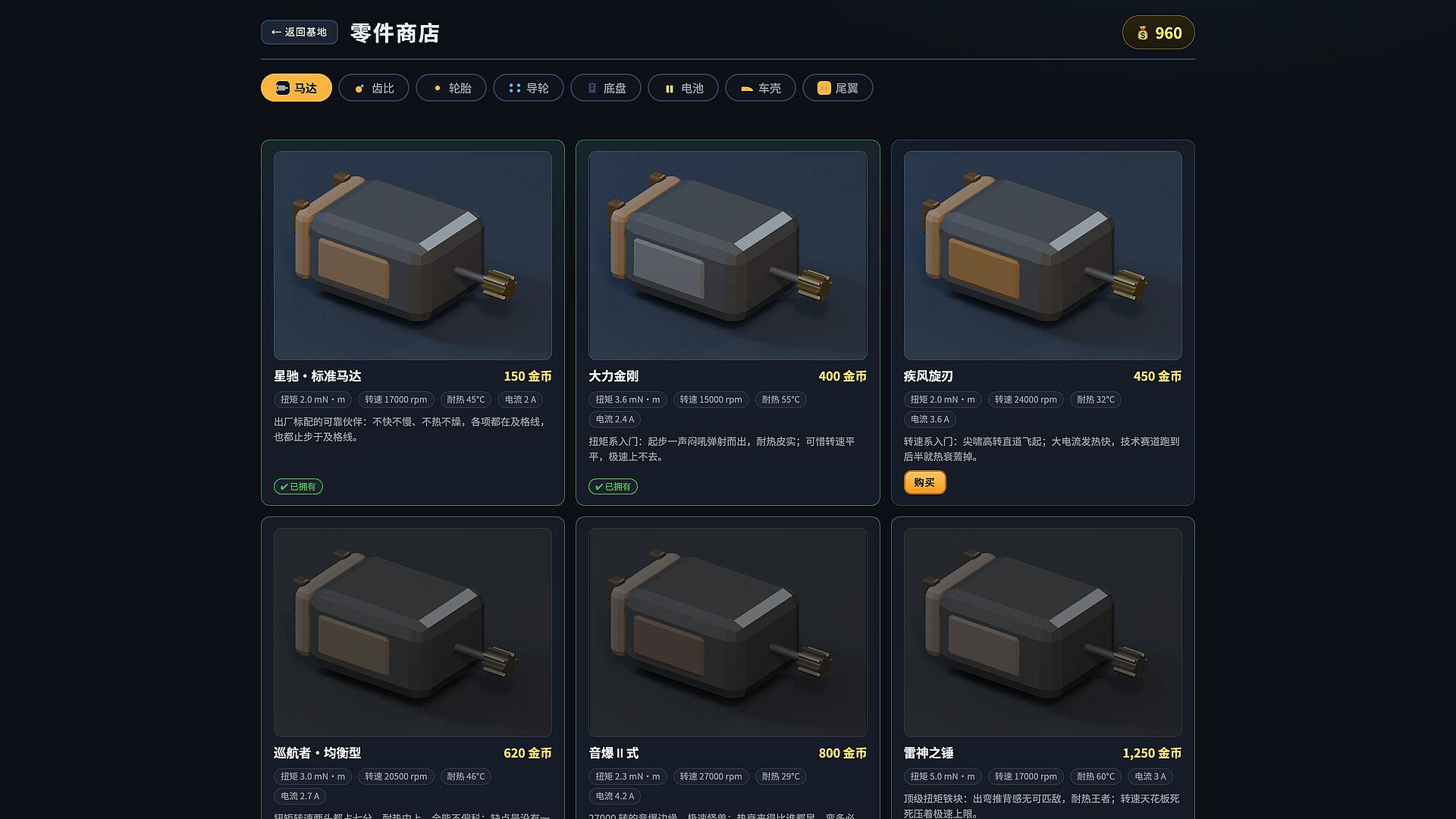
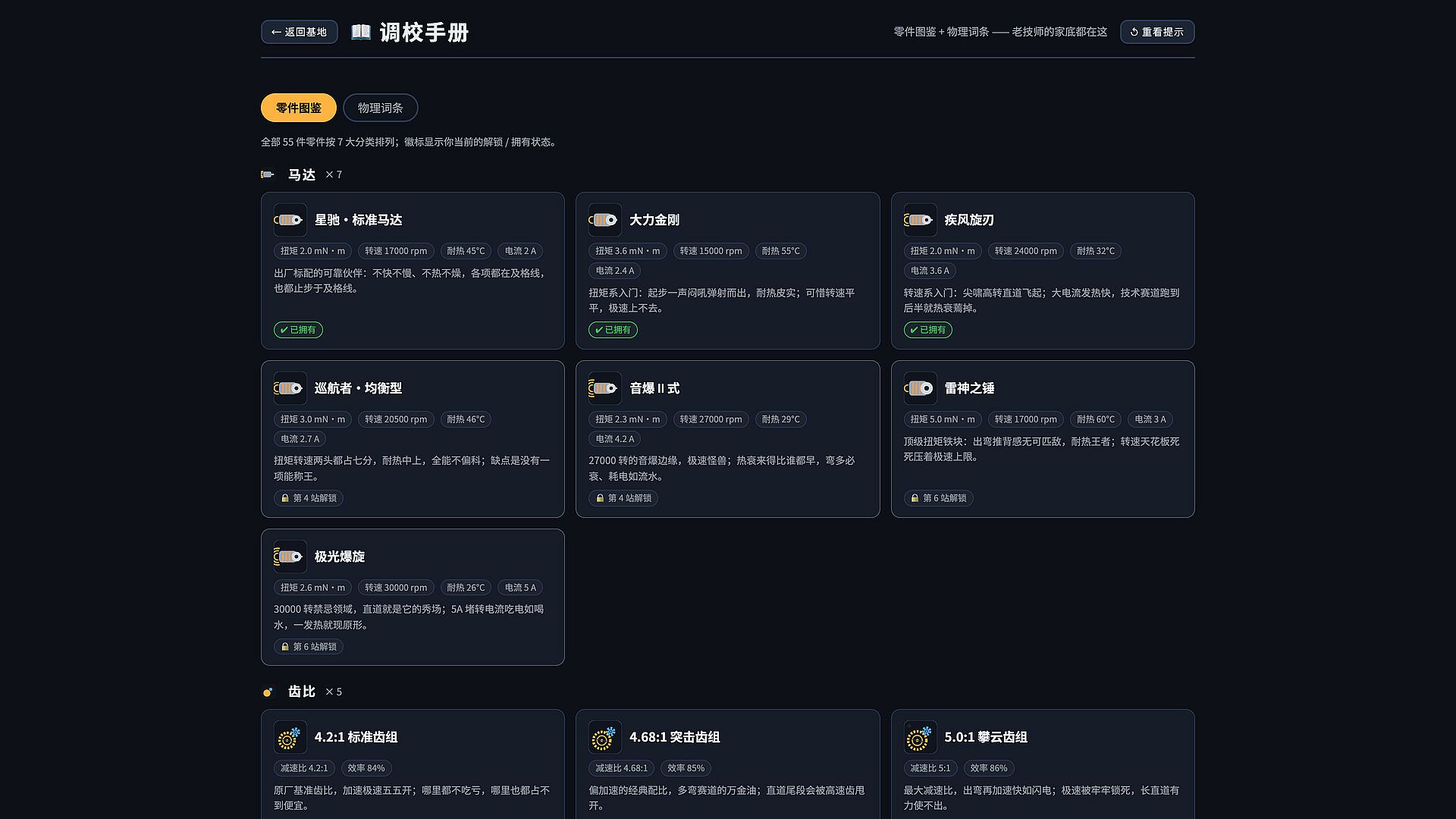
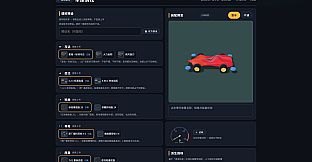
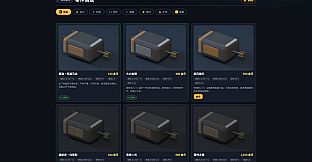
The core loop centers on the garage, where seven slots accommodate up to 55 distinct parts including motors, gears, tires, guide rollers, chassis, batteries, shells, and wings. Each component influences actual physical properties such as torque curves, drivetrain efficiency, rolling resistance, roller friction, center of gravity, and voltage sag. No abstract stat bonuses appear; every adjustment produces measurable effects visible in live derived statistics for top speed, acceleration, corner stability margins, and total weight.
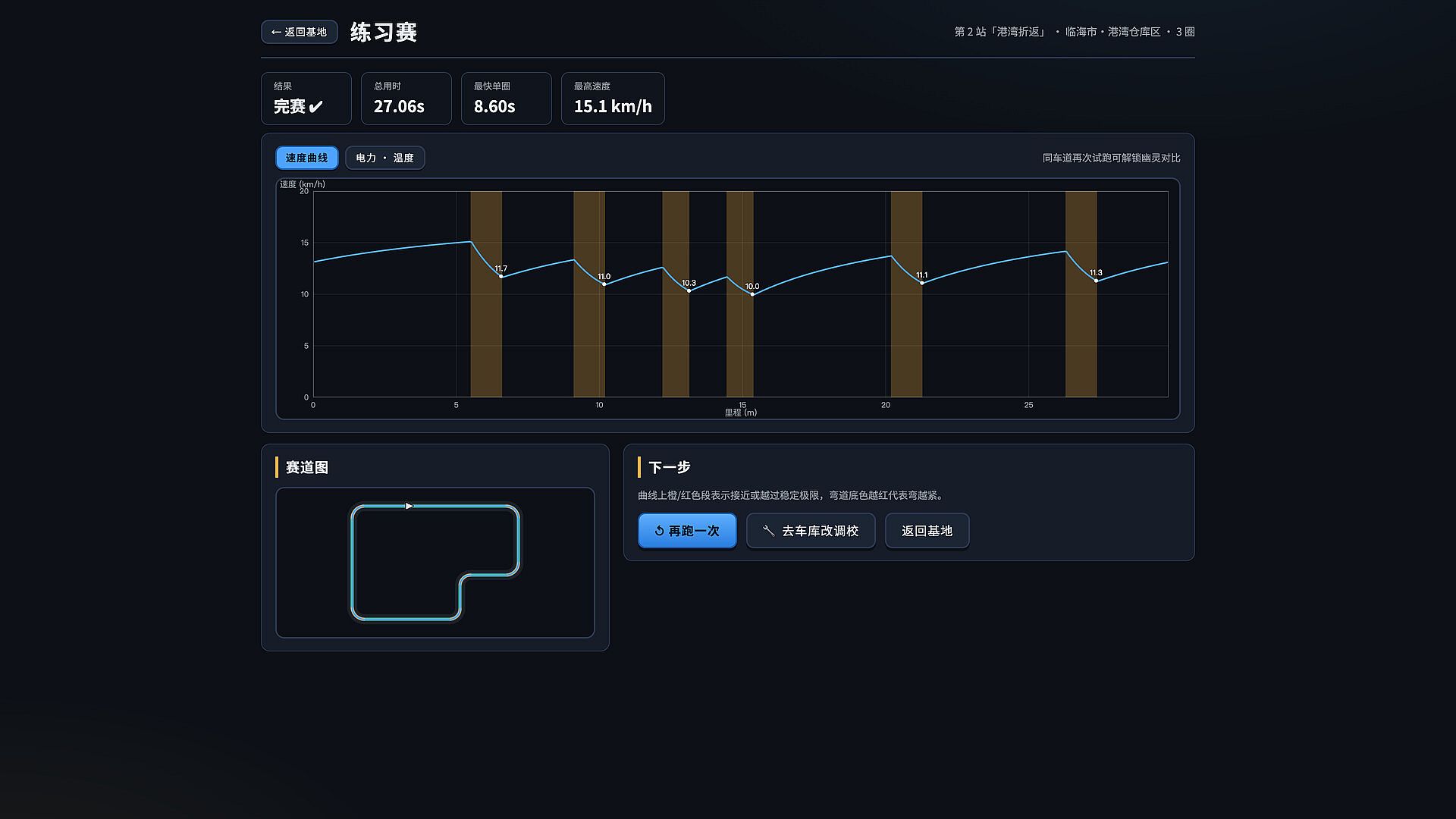
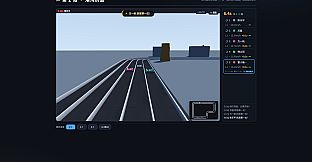
Practice sessions provide telemetry readouts including speed-versus-distance curves, minimum speeds at each corner, motor temperatures, and battery voltage levels, along with ghost comparisons against previous runs. A stability index governs handling behavior: values below 0.85 indicate solid performance, the range from 0.85 to 1.0 represents a precarious balance, and anything at or above 1.0 results in the vehicle leaving the track. These outcomes emerge naturally from a fixed-step 240 Hz physics simulation rather than preset values.
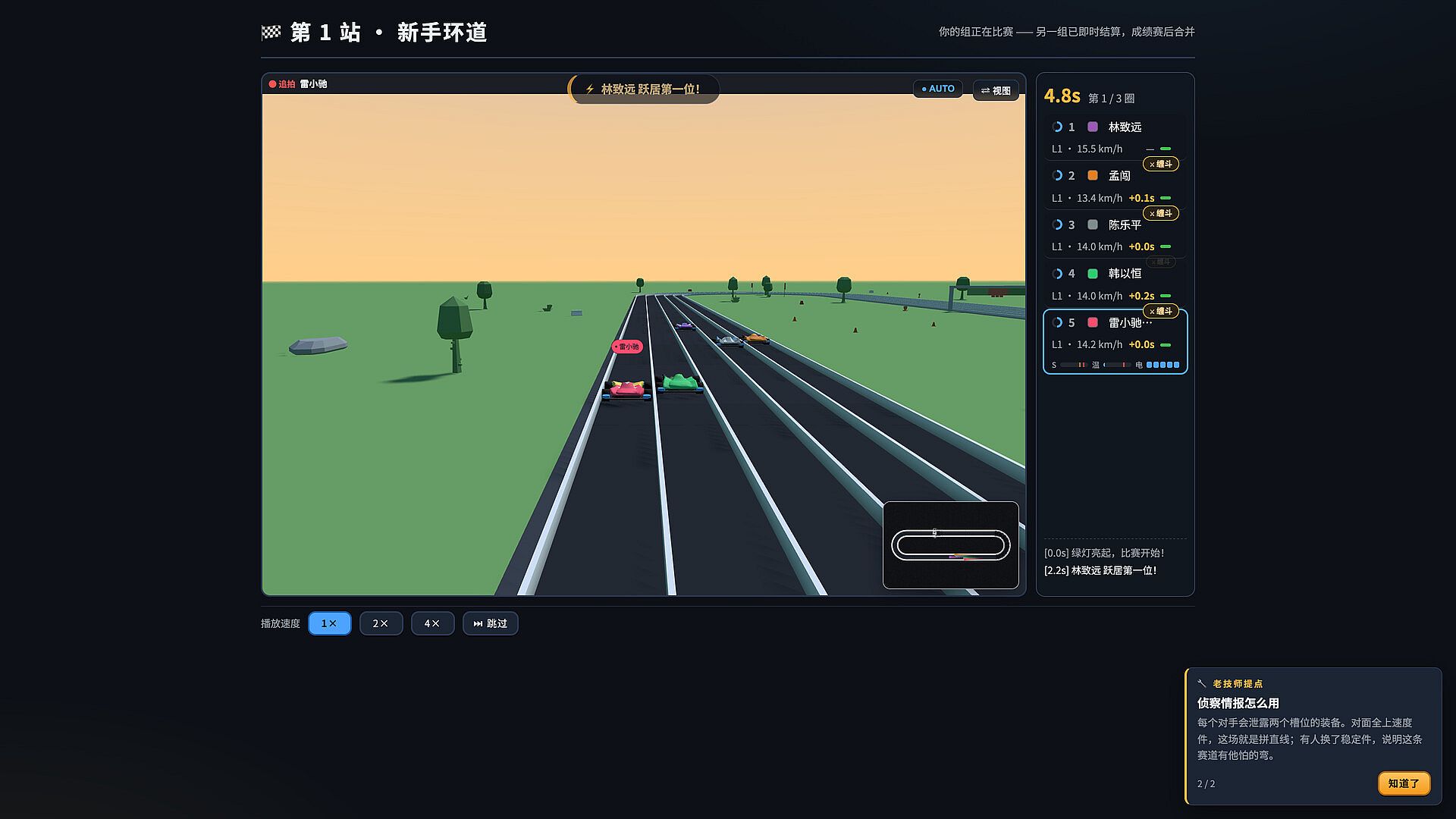
Nine AI opponents each follow distinct behavioral patterns and operate under identical rules, sourcing parts from the same available selection and managing budgets that evolve over the season. When an aggressive driver exceeds corner limits, the vehicle departs the track in line with the shared physics model.
Game Modes
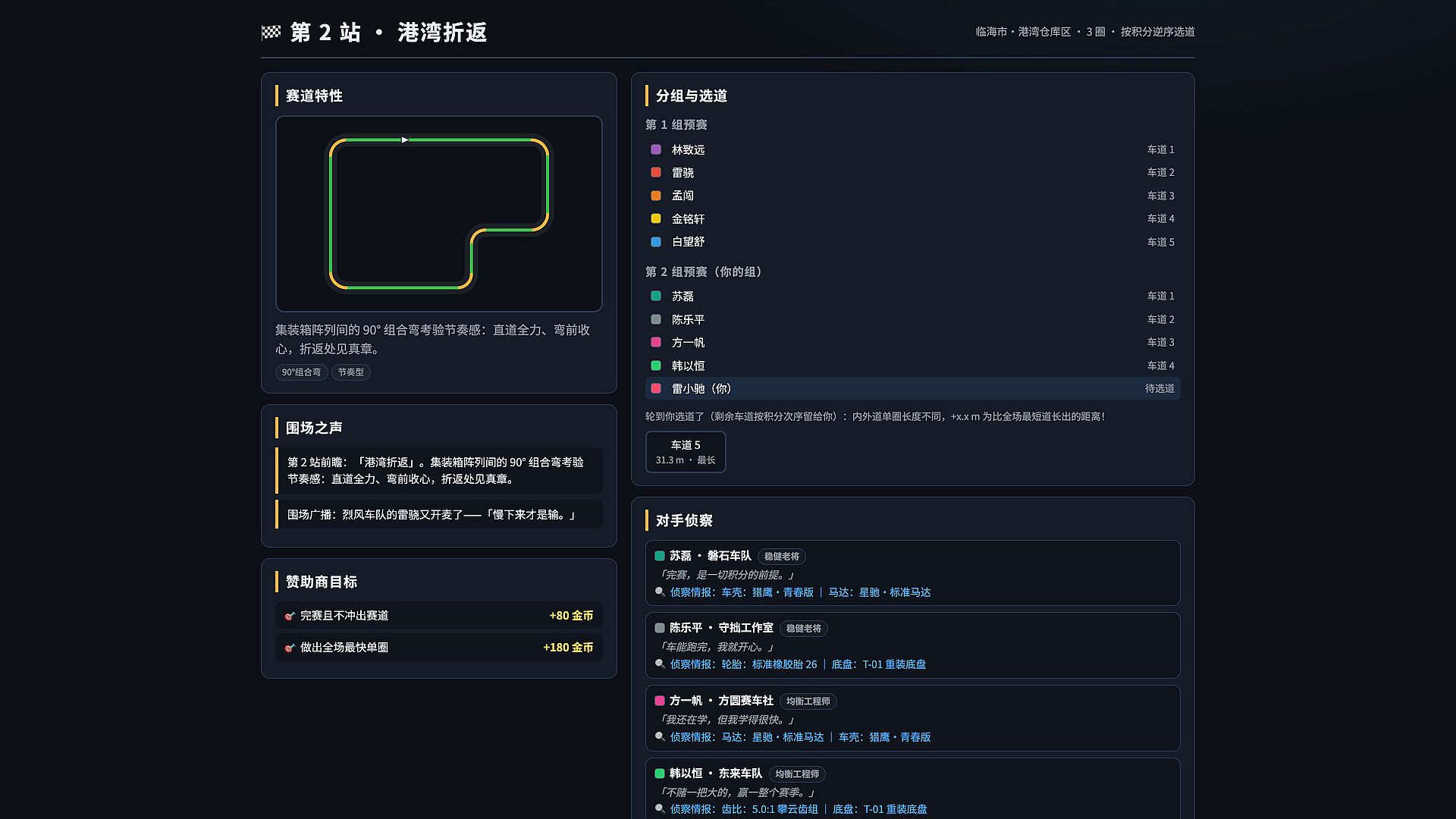
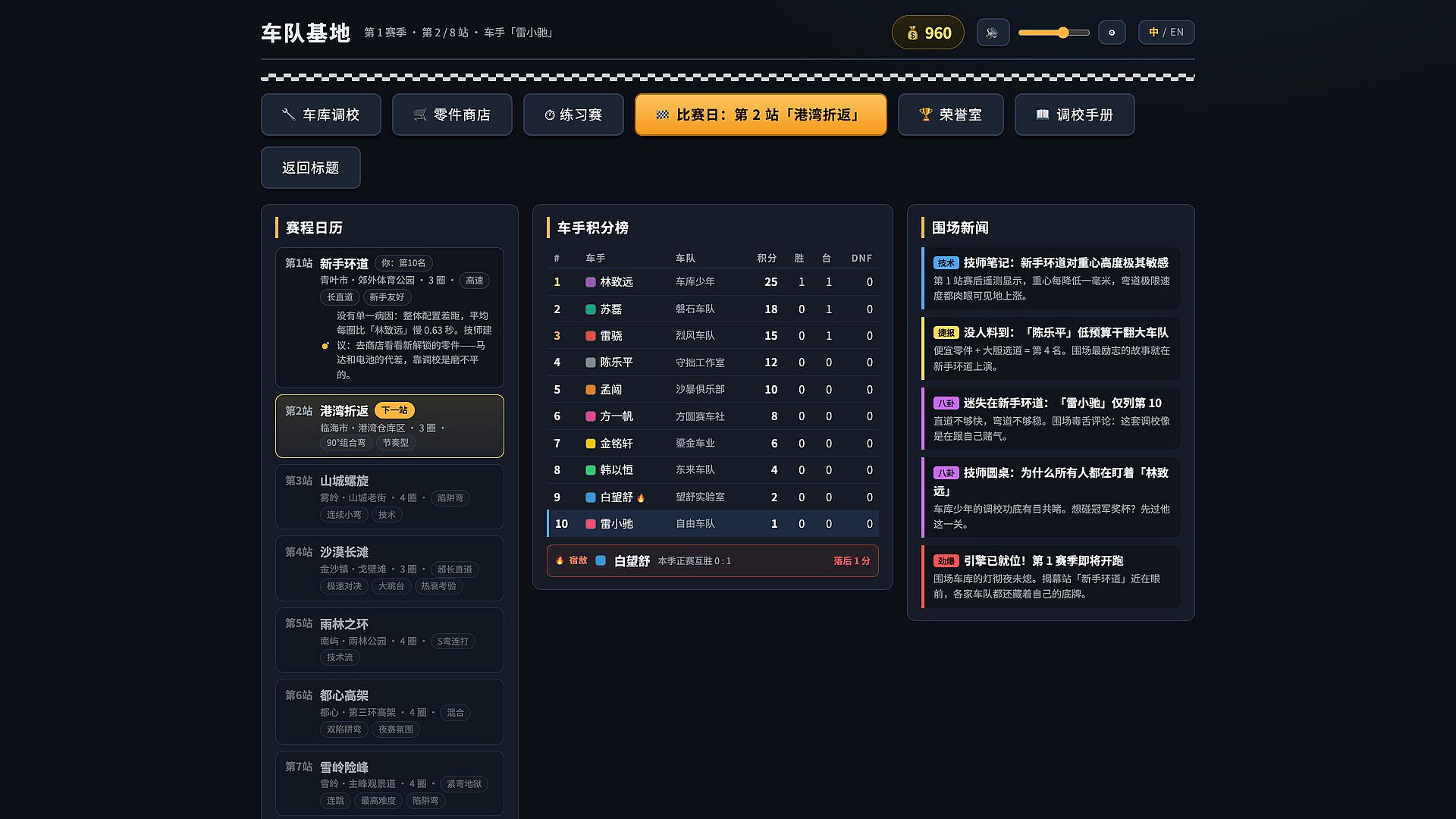
The primary experience unfolds across an eight-round season that applies Formula 1 style point scoring. Lane selection occurs in reverse championship order, granting early picks to lower-placed competitors. Sponsor objectives, prize payouts, and phased part availability create an ongoing progression where successful setups unlock advantages for later rounds.
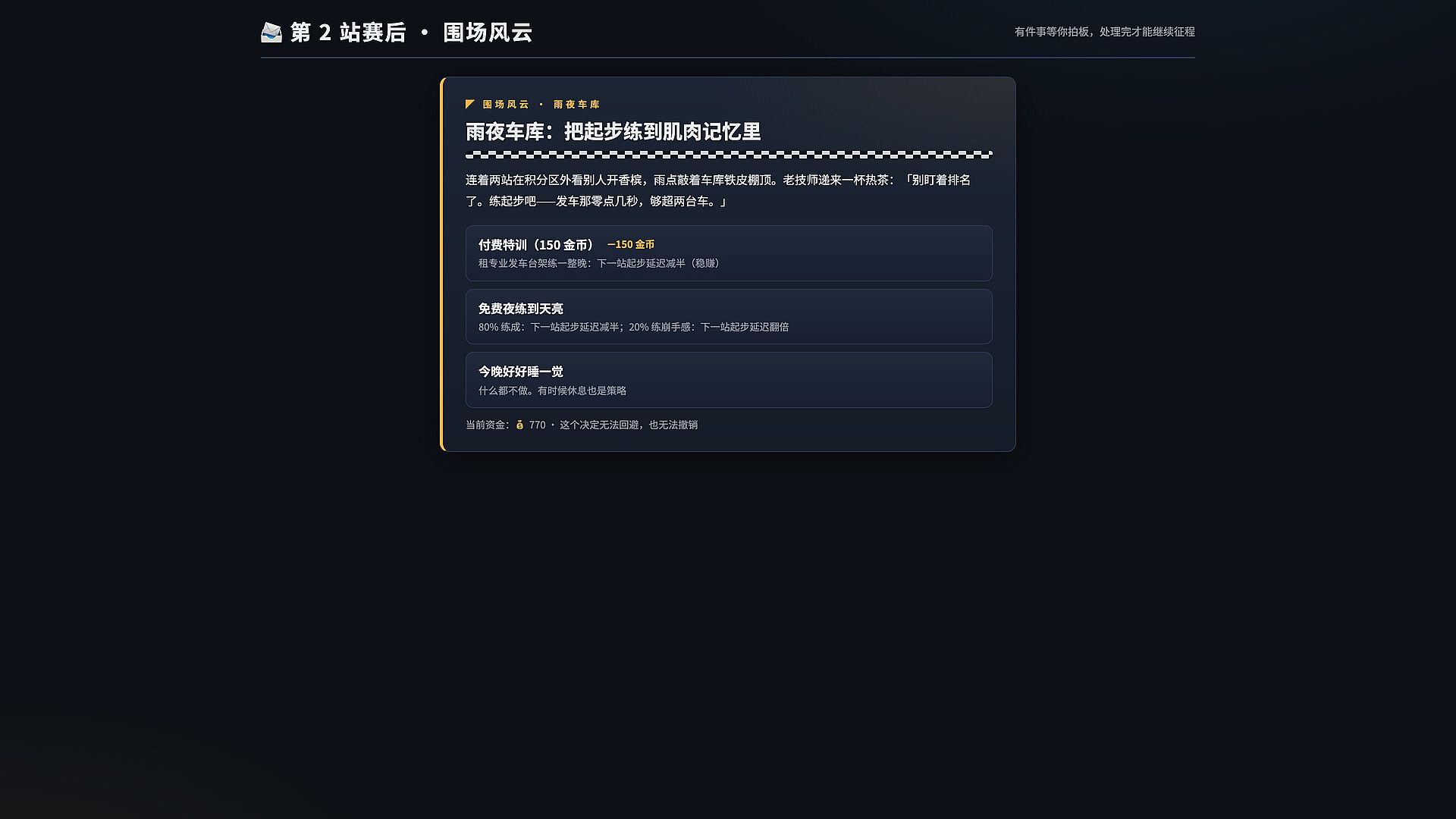
Transfer offers and paddock events introduce narrative elements that shape the season's direction, while post-race headlines reflect performance outcomes. Deterministic simulation ensures that identical setups and seeds produce identical race results frame by frame, allowing repeated attempts to isolate and correct small time losses through telemetry analysis.
Engineering Depth and Rival Dynamics
Part selection directly maps to physical behaviors without intermediary abstractions. Motor choices affect acceleration profiles and heat buildup, while tire and roller combinations alter grip and friction under varying loads. Battery selections introduce voltage sag considerations that influence sustained performance across longer straights or multiple laps. The garage interface displays real-time deltas so builders can compare configurations before committing to a race.
AI drivers mirror the player's constraints exactly, including part purchases and seasonal budget growth. This parity means rival performance stems from their programmed tendencies applied to the same physics rules, producing varied race narratives without artificial adjustments to difficulty.
Season Structure and Progression
Progression follows a structured calendar of eight events with cumulative scoring. Early rounds emphasize experimentation with limited part access, while later stages reward refined setups as more components become available. Prize money and sponsor targets provide resources for upgrades, and occasional transfer opportunities allow shifts in team affiliation that carry their own strategic implications.
The deterministic nature of the simulation supports iterative improvement. Players review detailed telemetry after each run to identify specific shortfalls, such as insufficient corner entry speed or excessive weight impacting acceleration, then adjust the build accordingly for the next attempt.
Is It Worth Playing?
Redline Rookie suits players who enjoy methodical preparation and iterative problem-solving over real-time vehicle control. The emphasis on setup optimization and telemetry analysis delivers a focused simulation experience grounded in mechanical realism. Those drawn to strategy layers within racing genres will find the pre-race decisions and seasonal progression engaging, particularly when seeking consistent results through precise engineering rather than split-second reactions. The game remains available as a complete standalone title with bilingual support in Simplified Chinese and English.