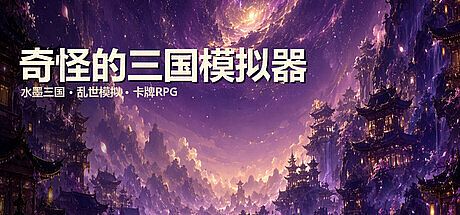





奇怪的三国模拟器 is a strategy indie RPG casual simulation title for PC that places players in an alternate version of the Three Kingdoms era. The experience centers on personal interaction with historical figures and the ability to alter key events through direct choices rather than following a fixed script.
Gameplay
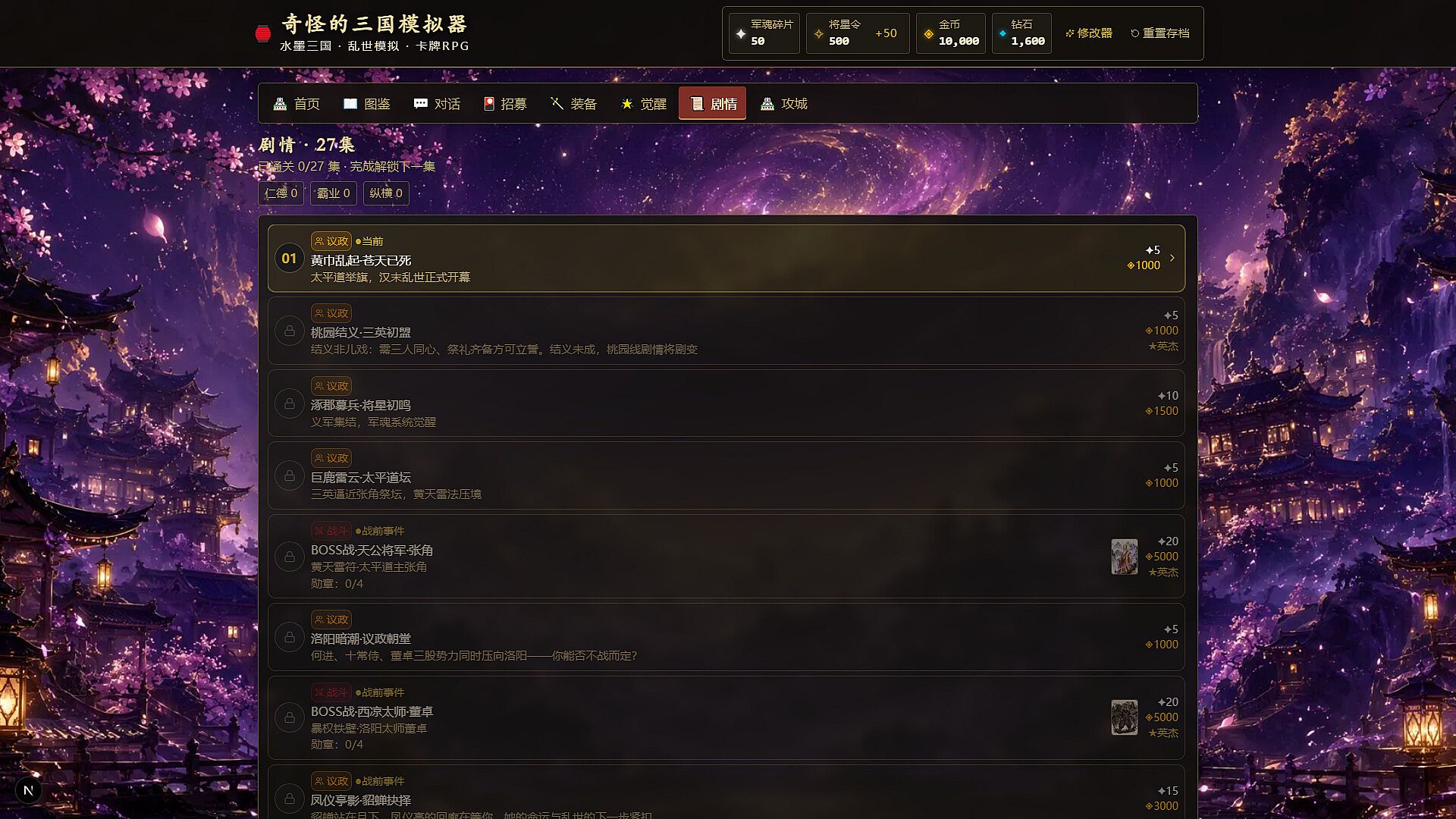
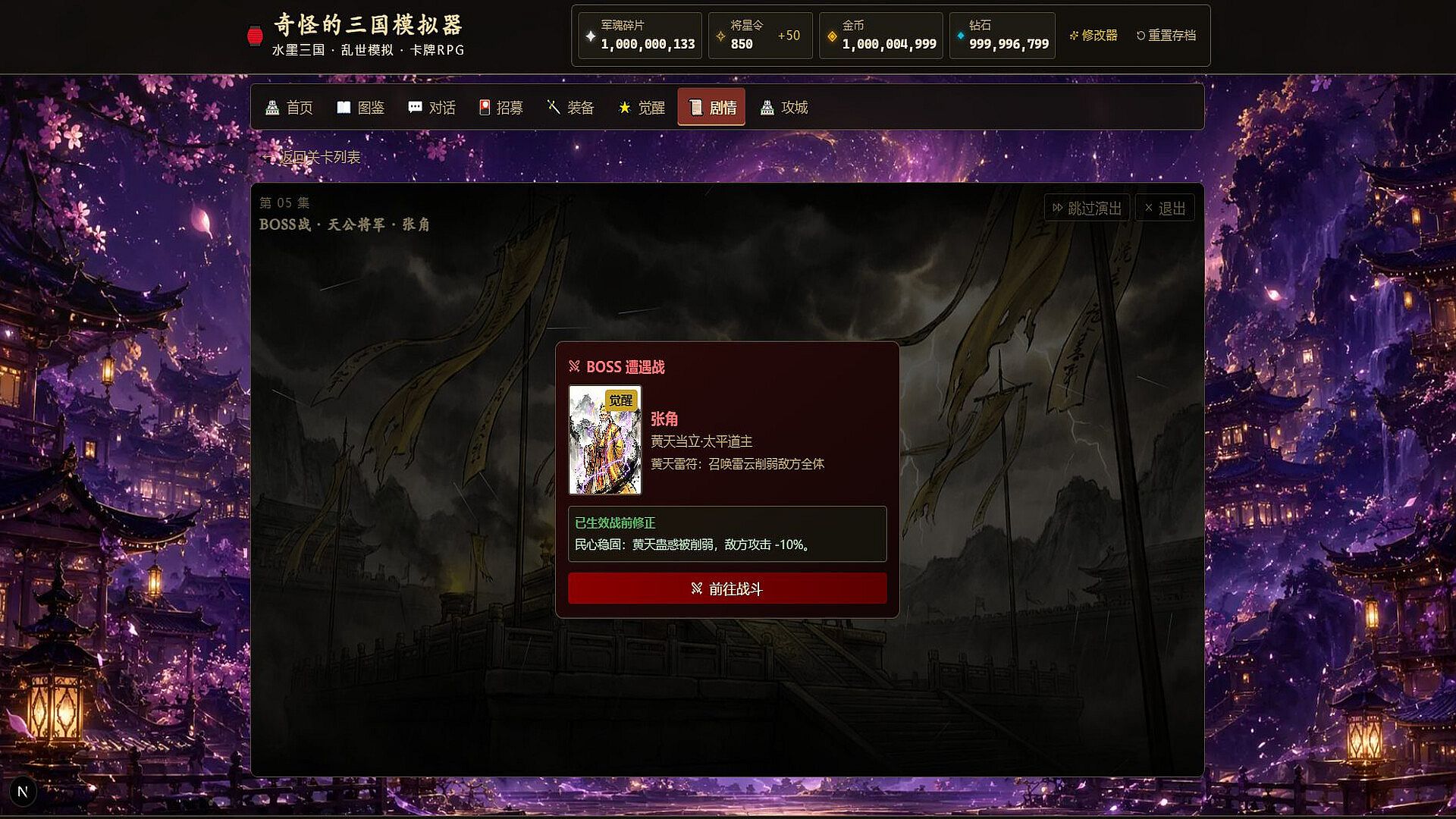
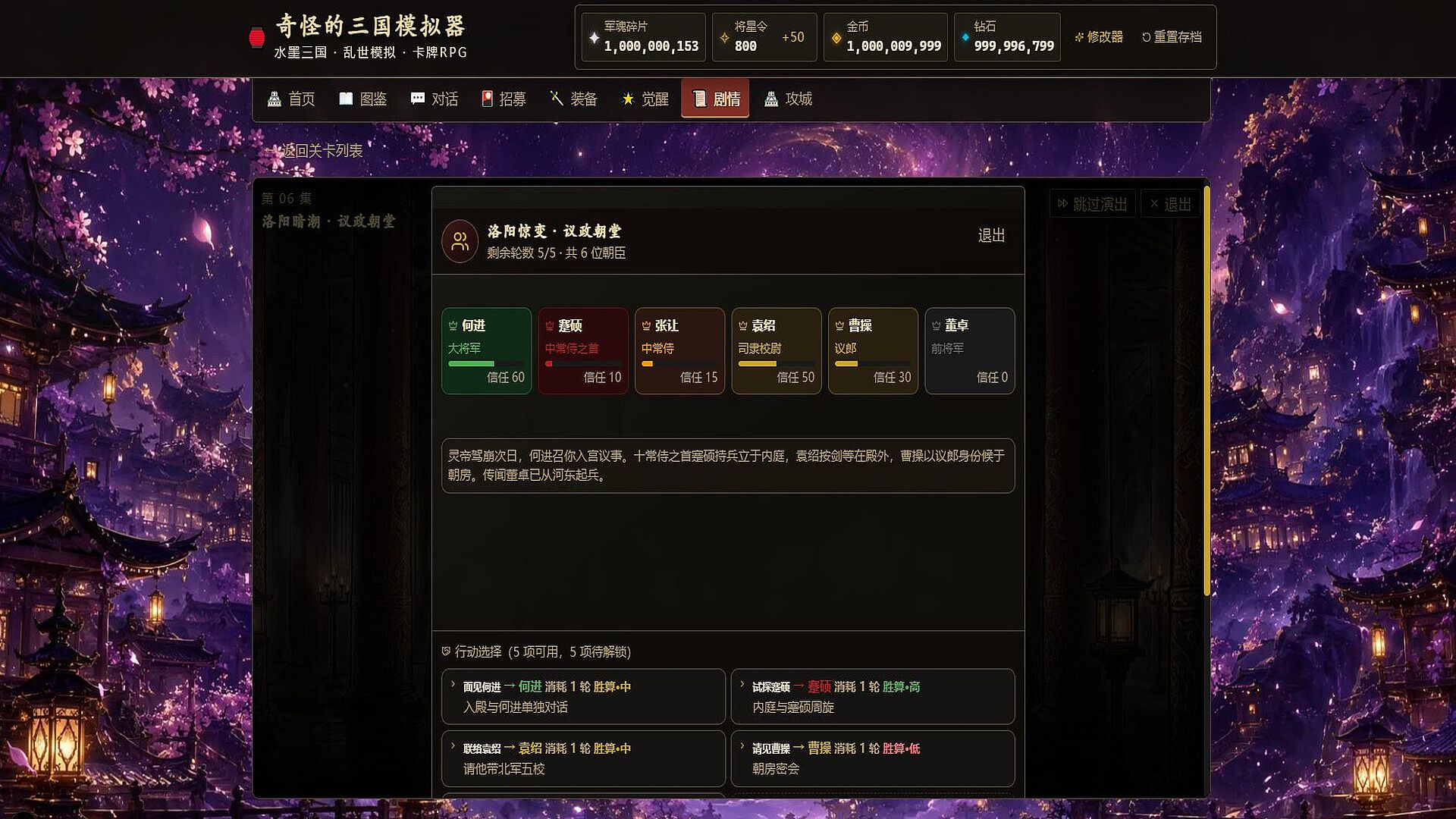
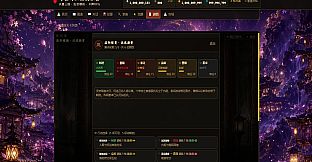
The core loop combines narrative progression with turn-based combat and resource management. Players advance through a main storyline divided into five major chapters that feature six distinct boss encounters. These battles pit the player against figures such as Zhang Jiao, Dong Zhuo, Lv Bu, Cao Cao, Zhou Yu, and Zhuge Liang. Before each fight, an AI-driven political discussion phase interprets the current situation and presents options that shape the upcoming encounter.
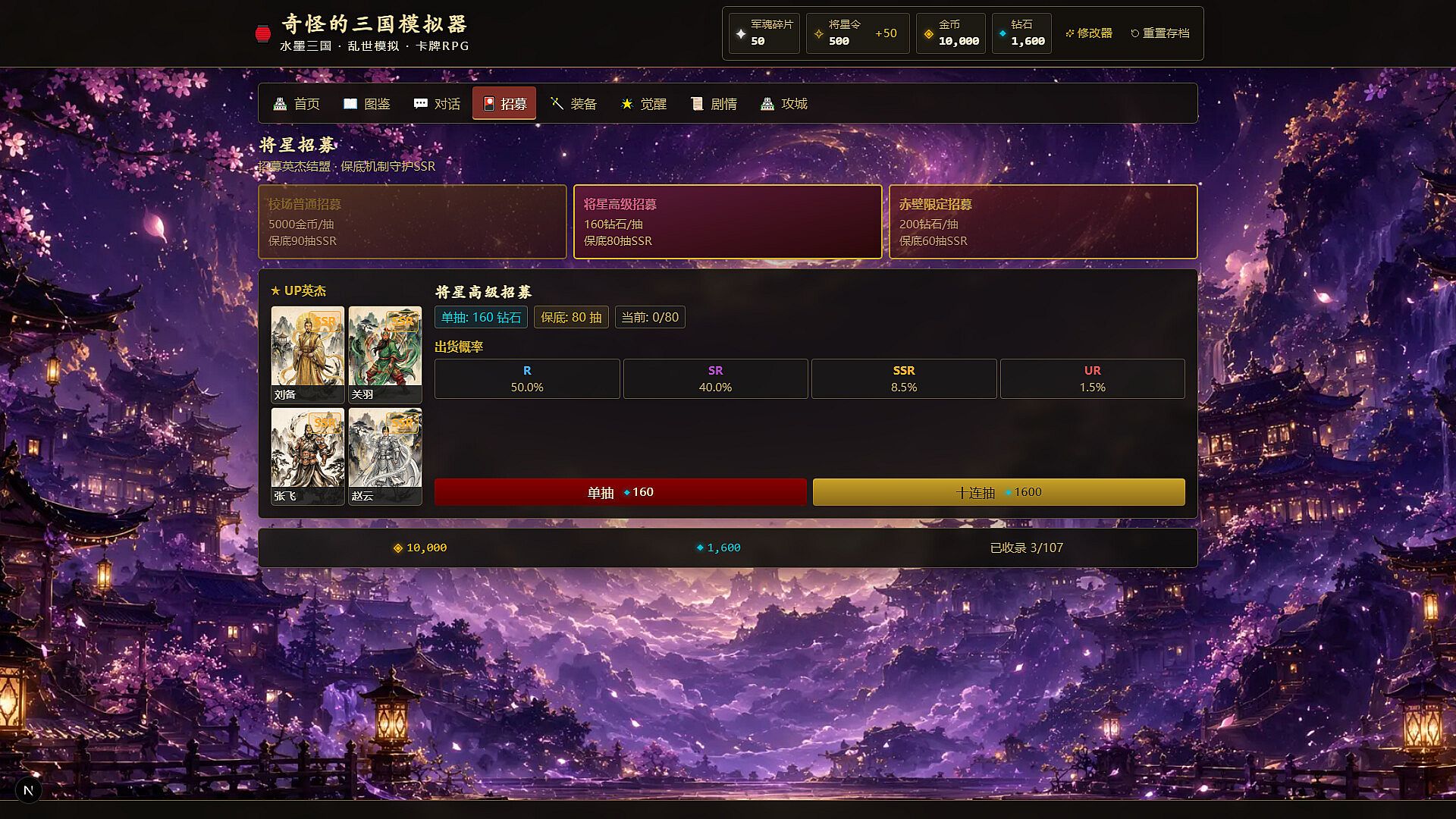
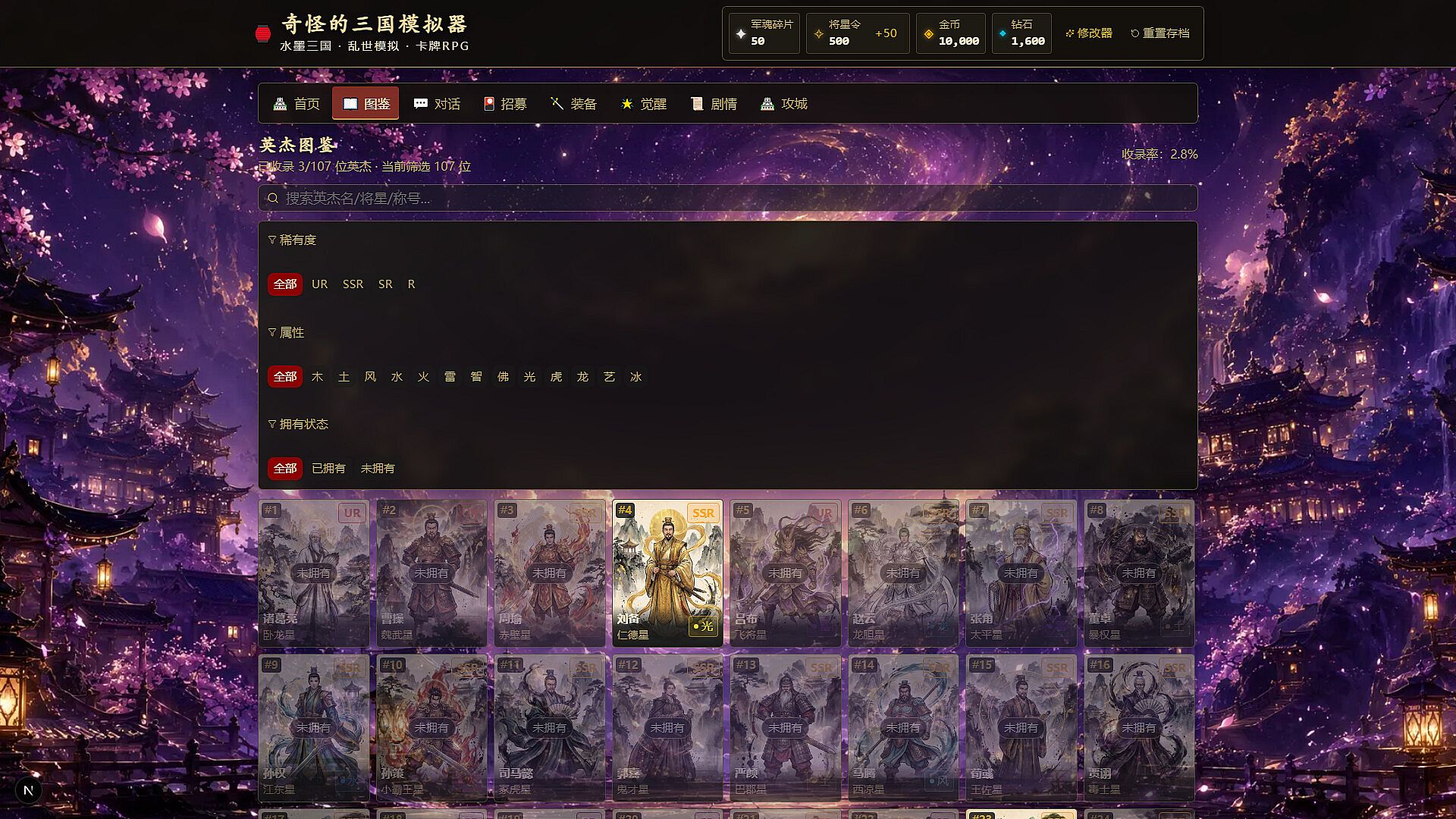
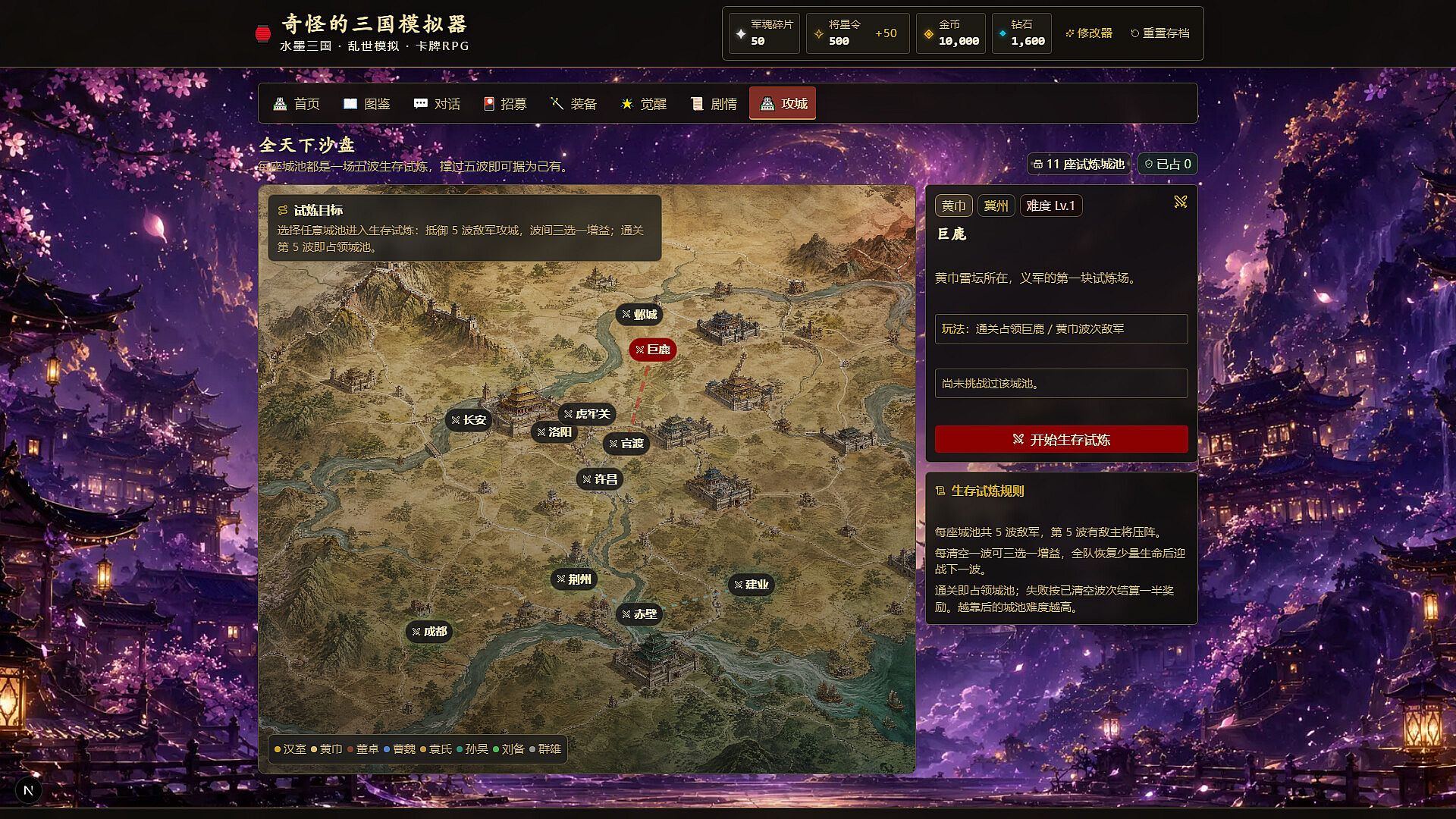
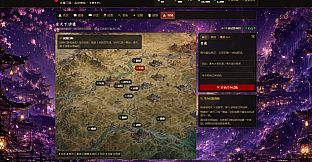
Each general brings a unique ultimate skill to the field, while bosses offer three tactical choices that affect multiple aspects of the fight. Combat unfolds in a turn-based format where positioning, skill timing, and pre-battle decisions determine outcomes. Outside of battles, players recruit from dozens of heroes, manage equipment, and engage with an awakening system that enhances character capabilities. Card drawing and a store provide additional progression layers, while a conquest campaign map offers broader strategic movement across key locations including the Oath of the Peach Garden, the Sea of Fire at Red Cliff, Hulao Pass, the Court of Luoyang, and the Altar of Julu.
Story branches arise from player decisions at pivotal moments. The sworn brotherhood at the Peach Garden may never form, Diao Chan can pursue different paths such as joining the army or serving as a diplomat, and the famous fire attack and chain strategy at Red Cliffs become subject to player control. These choices feed into an overall narrative that players actively rewrite rather than observe.
Game Modes
The primary experience follows the narrative-driven main storyline with its chapter structure and integrated boss battles. Supporting this are systems for hero recruitment, equipment upgrades, and the conquest campaign map that lets players expand influence across the historical setting. Card drawing and the store function as ongoing progression tools available alongside the campaign. The awakening system adds depth to character development across these activities. No separate multiplayer or competitive modes are present; the focus remains on single-player story alteration and strategic decision-making within the Three Kingdoms framework.
Story and Choices
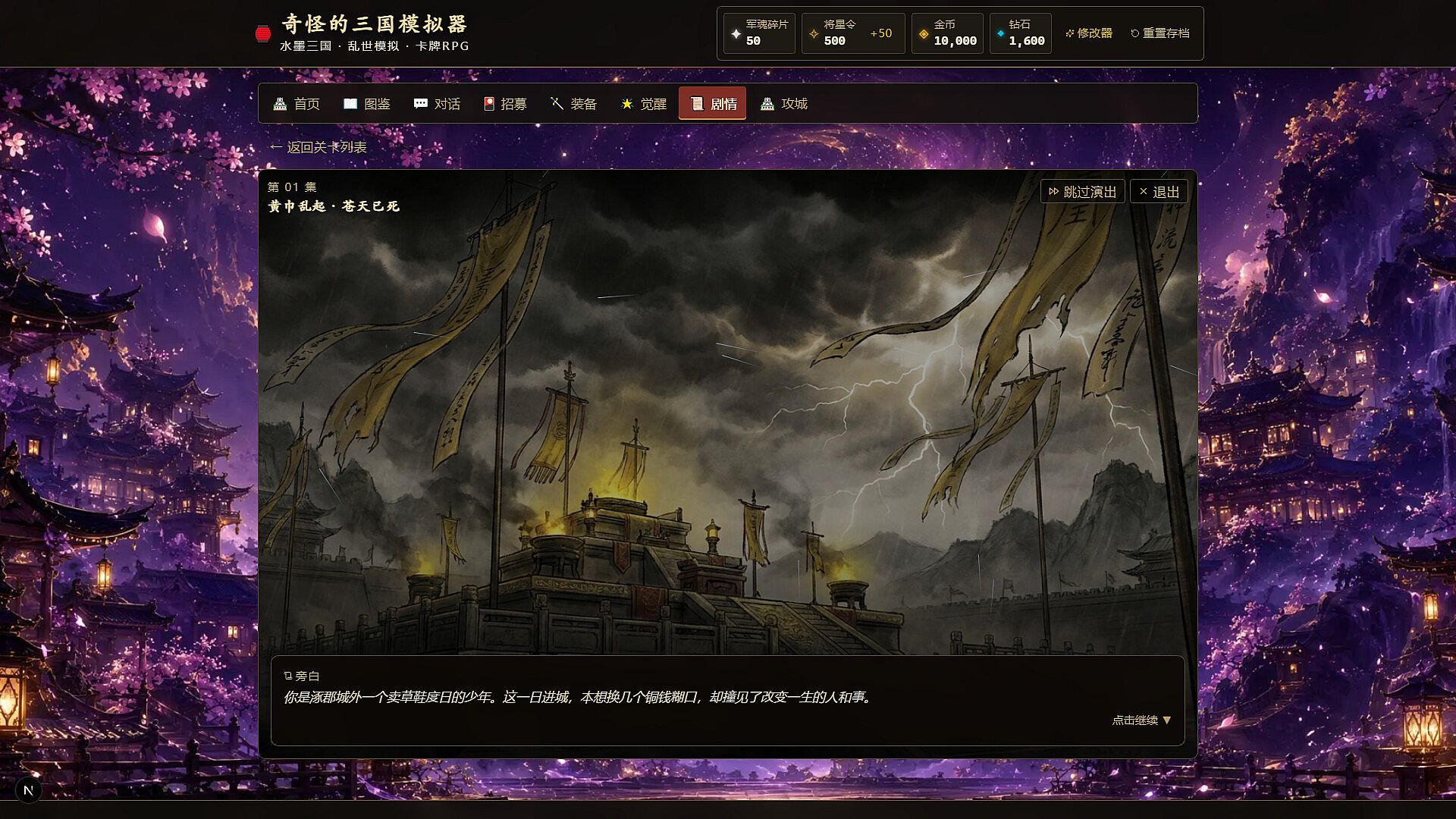
Players begin by encountering Liu Bei in Zhuo County amid the Taiping Rebellion. From there, interactions with characters determine how events unfold. The AI political discussion element adds layers to pre-battle planning by generating context-specific dialogue and options. Every major location carries its own set of branching possibilities that ultimately lead to one of multiple endings based on accumulated decisions. The game emphasizes personal agency over historical accuracy, allowing the script of the era to shift in response to player actions.
Is It Worth Playing?
This title suits players who enjoy narrative-driven strategy experiences with strong emphasis on choice and consequence. The combination of turn-based combat, hero recruitment, and AI-assisted discussions creates a focused single-player campaign that rewards experimentation with different paths. Those interested in rewriting familiar Three Kingdoms events through direct intervention will find the structure engaging. The game remains in active development with its core systems centered on the five-chapter storyline and supporting mechanics. Availability is limited to PC, and the experience targets fans of simulation and RPG elements blended with strategic card-based combat.