

Pot by Pot is a casual logic puzzle game developed for PC that centers on organizing a small plant shop through careful deduction and arrangement. Players receive sets of plants, pots, colors, prices, and other constraints, then work out the correct pairings by following clues and ruling out impossible options. The experience emphasizes thoughtful problem solving in short sessions that reward patience and logical thinking rather than speed or reflexes.
Gameplay
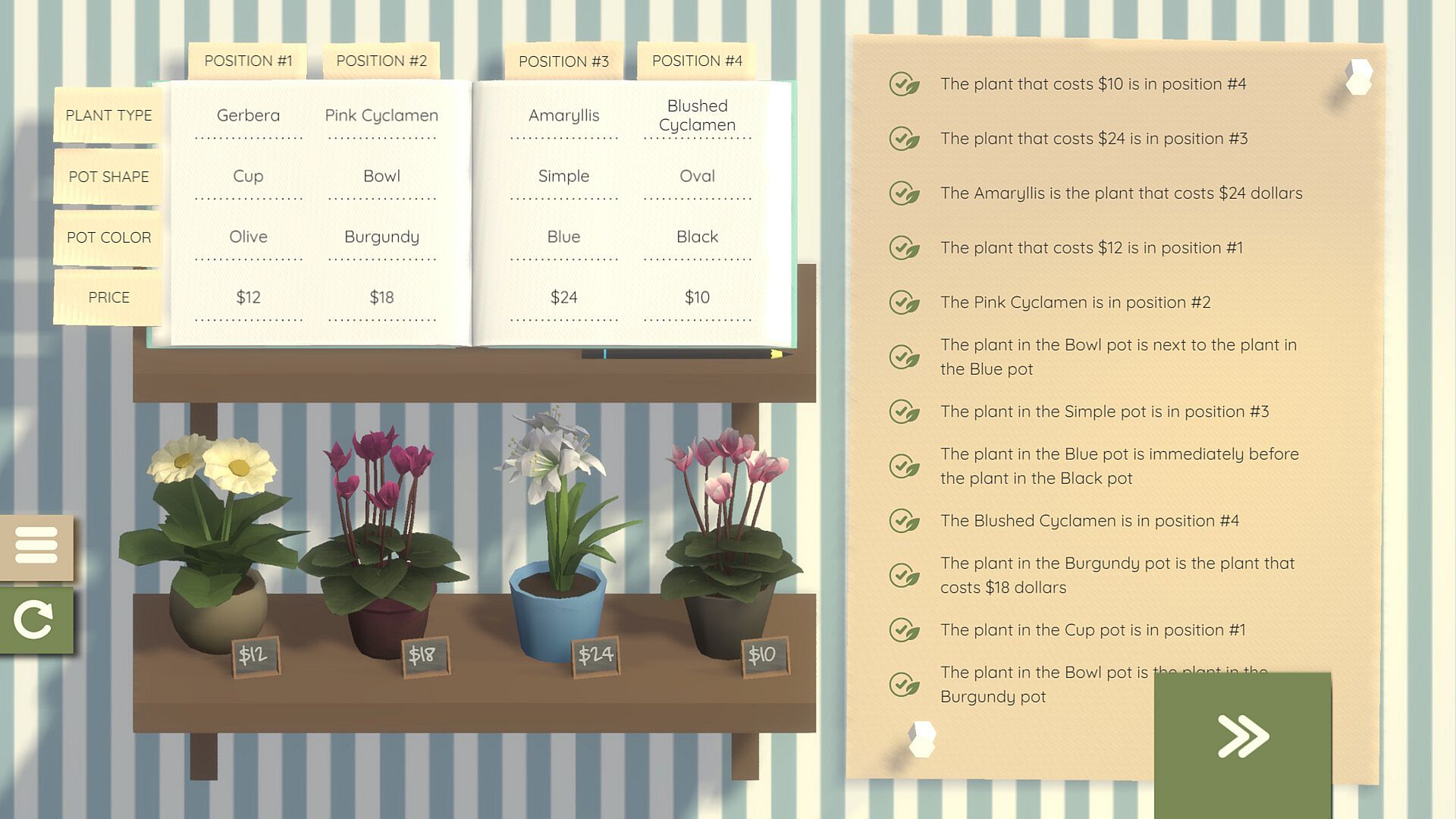
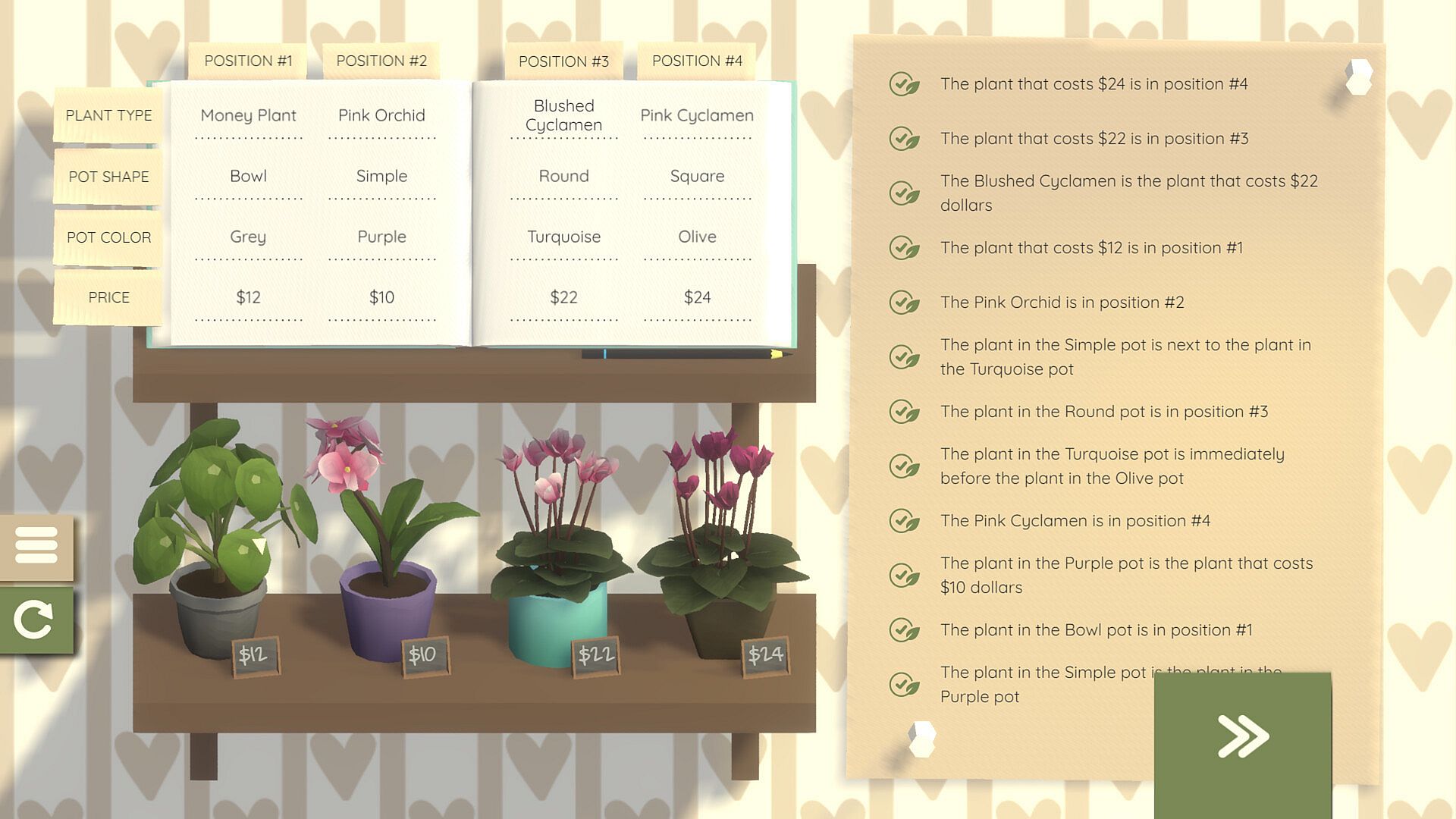
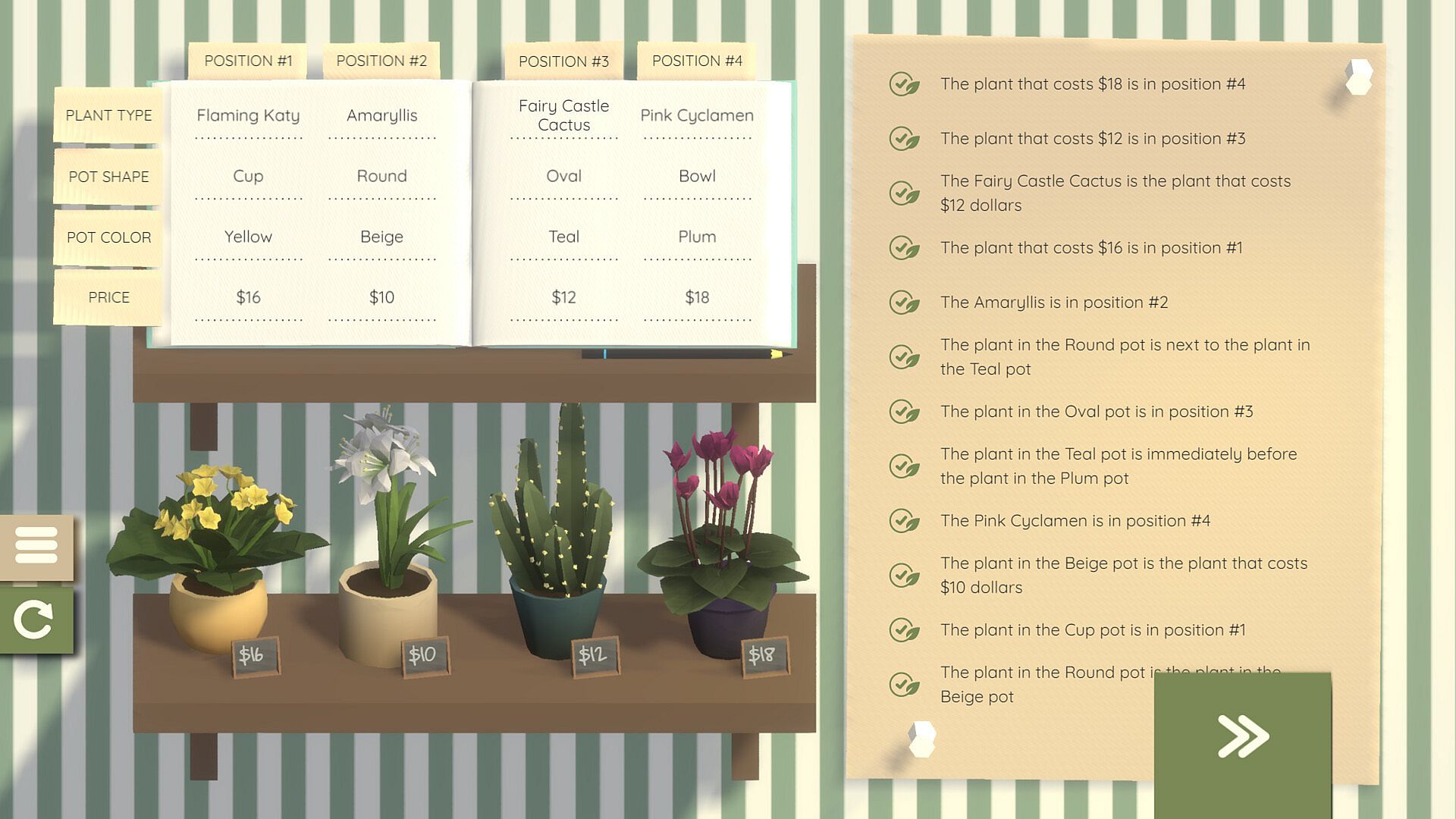
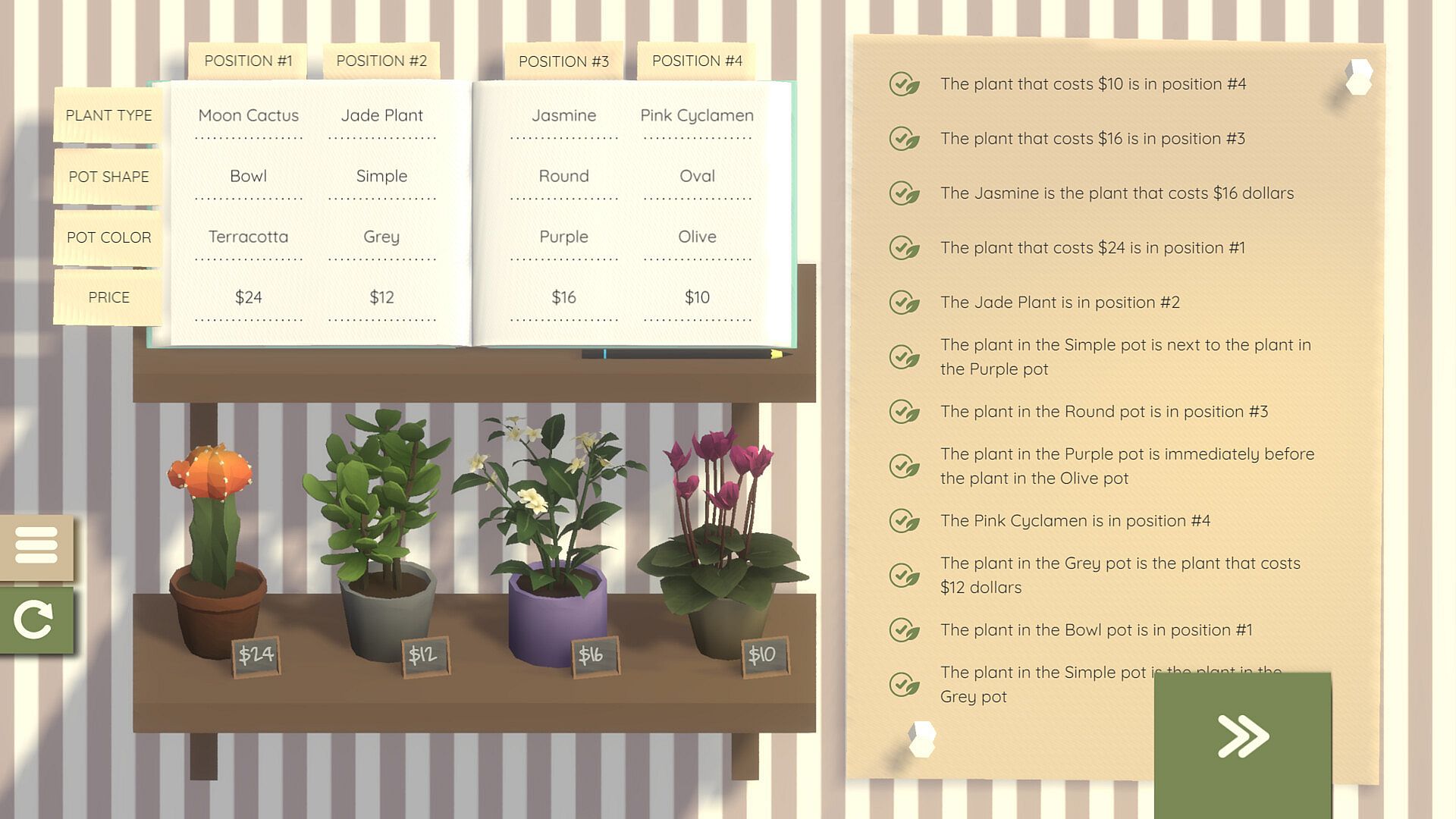
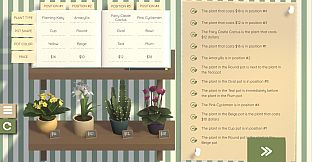
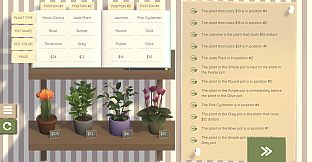
The core loop involves examining a collection of clues provided at the start of each puzzle. These clues describe relationships between plants and pots, such as color preferences, price points, or other attributes that narrow down the possibilities. Players eliminate combinations that contradict the given information until only the correct matches remain. This process creates a steady progression of insights, with each deduction bringing the solution closer and delivering a clear sense of accomplishment when the final arrangement locks into place.
Plants and pots serve as the central elements, and the game introduces new varieties as puzzles advance. Matching them correctly produces visually pleasing results that highlight complementary shapes, colors, and styles. The rules can involve multiple variables at once, requiring players to track several conditions simultaneously while cross-referencing every clue. The design keeps the focus on deduction rather than trial and error, encouraging careful reading and systematic elimination of options.
Each puzzle stands alone, allowing players to complete one or two in a single sitting before stepping away. The mechanics stay consistent across the experience, building familiarity with the clue types and deduction methods while varying the specific plants, pots, and constraints to maintain interest. Visual feedback shows the shop gradually filling with correctly paired items, reinforcing the organizational theme without adding unnecessary complexity.
Game Modes
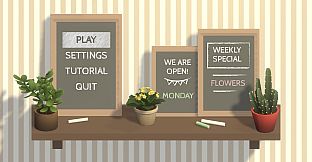
Pot by Pot presents its content as a sequence of independent logic puzzles rather than distinct named modes. Every puzzle follows the same organizational structure, giving players a fresh set of plants, pots, and rules to solve. This uniform approach means the entire game functions as a single cohesive experience built around bite-sized deductive challenges.
Progression comes from encountering new plants and expanding the range of clues rather than switching between separate gameplay styles. Players can tackle puzzles in any order they prefer, though later ones tend to incorporate more variables and require deeper connections between clues. The absence of separate modes keeps the focus squarely on the satisfying process of deduction and arrangement.
The Satisfaction of Deduction
Success in each puzzle stems from methodically narrowing possibilities until everything aligns. Players cross off invalid pairings, test assumptions against the full set of clues, and watch as the correct configuration emerges. The moment when the last piece falls into place provides a tangible reward that feels earned through careful reasoning rather than luck or speed.
The game rewards attention to detail and logical consistency. Small observations about colors, prices, or other attributes often unlock larger connections, turning what begins as a scattered collection of facts into a complete and orderly shop layout. This emphasis on elimination and confirmation creates a steady rhythm that suits relaxed play sessions.
Is It Worth Playing?
Pot by Pot suits players who enjoy logic puzzles and organizational tasks in a low-pressure setting. The bite-sized format makes it easy to pick up for short periods, while the growing collection of plants and the visual appeal of completed pairings add long-term appeal. Those who appreciate methodical deduction and the gradual resolution of constraints will find consistent satisfaction in working through the puzzles.
The game offers a focused, single-player experience centered on cozy shop management through puzzle solving. It avoids timers, competition, or complex systems, instead delivering straightforward challenges that emphasize clear thinking and incremental progress. For anyone seeking a calm yet mentally engaging title built around plants and logical arrangement, the core loop delivers exactly that without unnecessary distractions.