


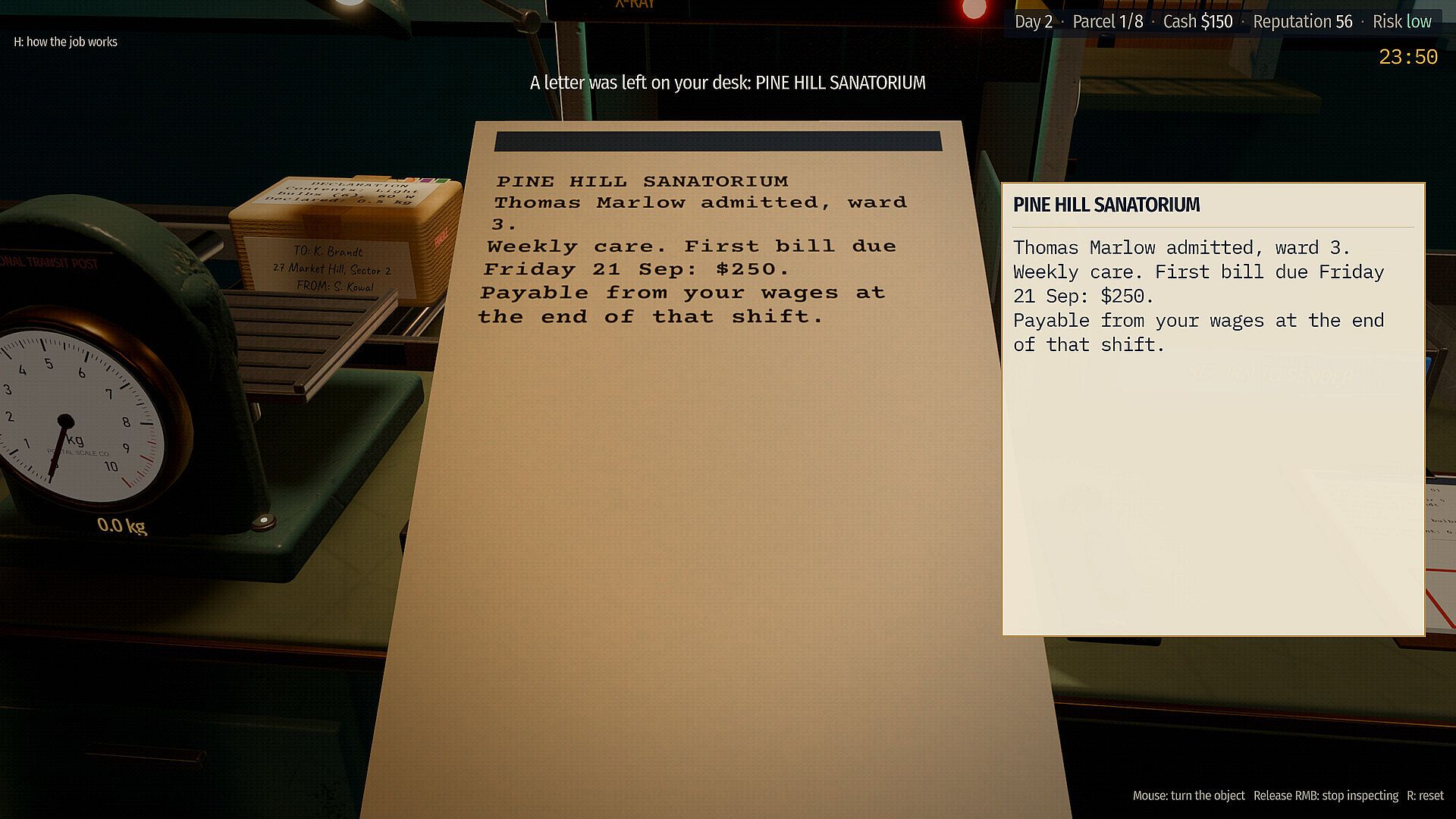
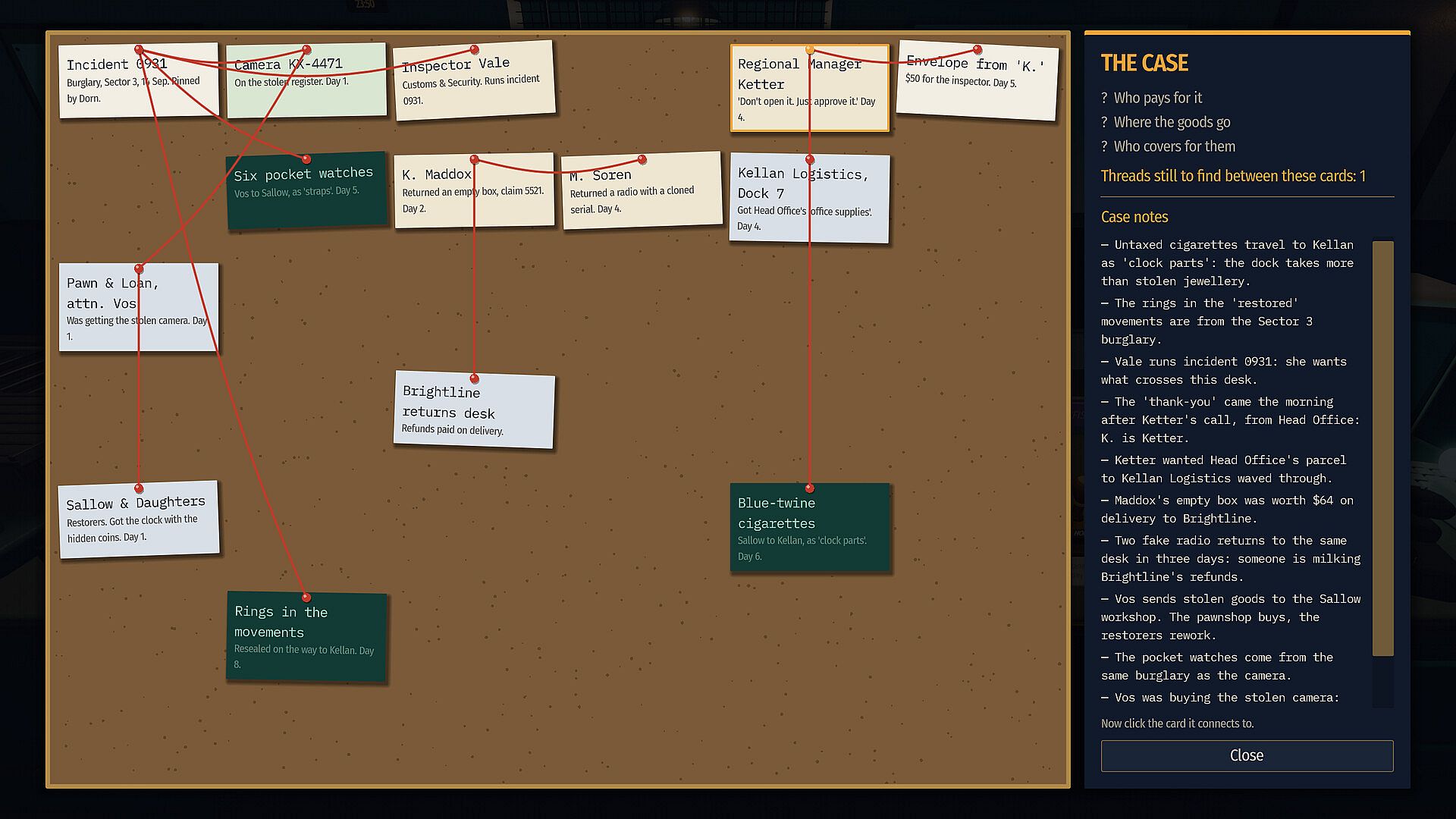

Parcel Inspector Simulator is an indie simulation game that puts players in charge of a regional parcel sorting facility on PC. The experience centers on careful inspection, rule application, and efficient routing of incoming packages, blending hands-on verification with opportunities for warehouse automation as progress continues.
Gameplay
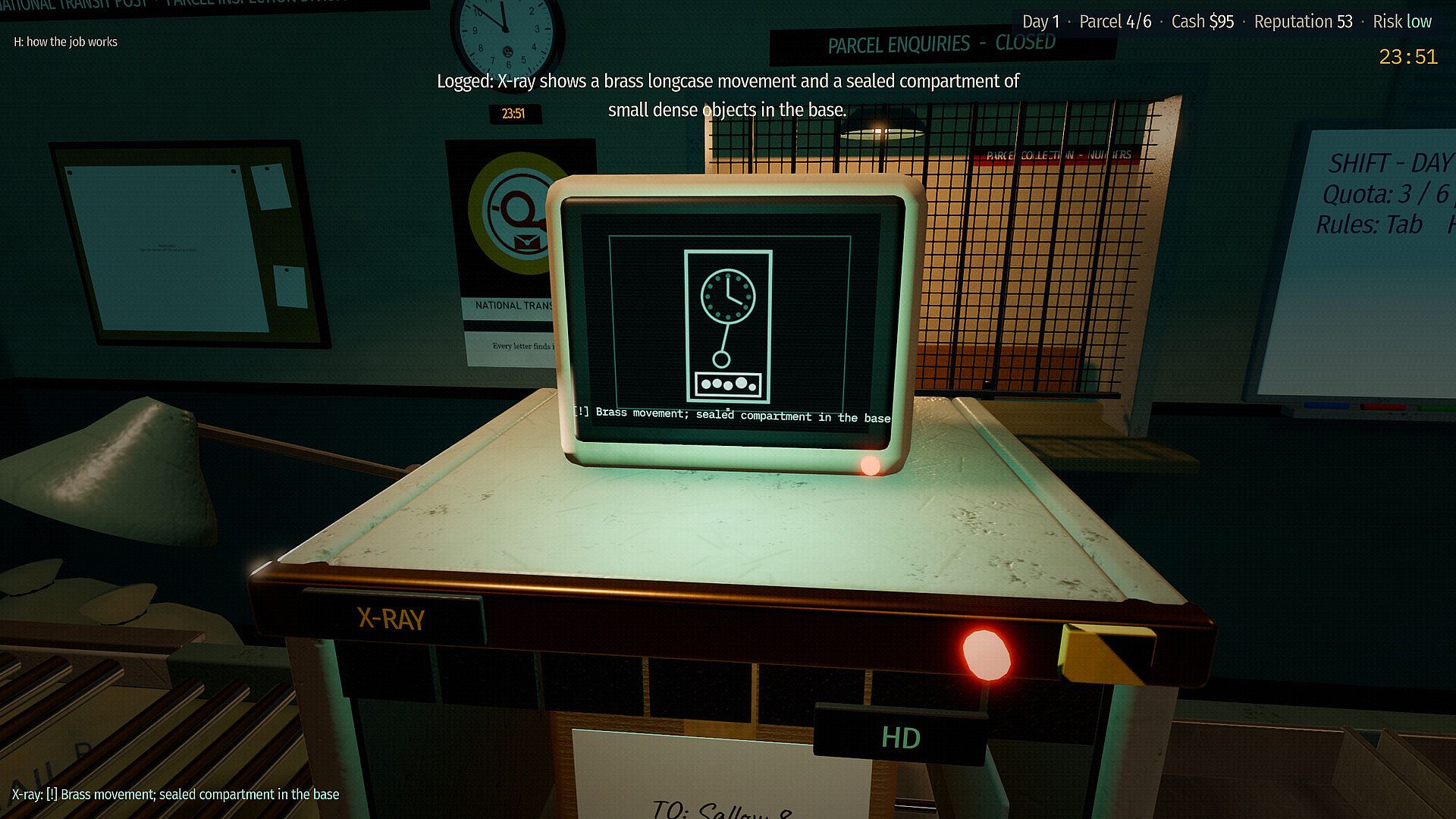
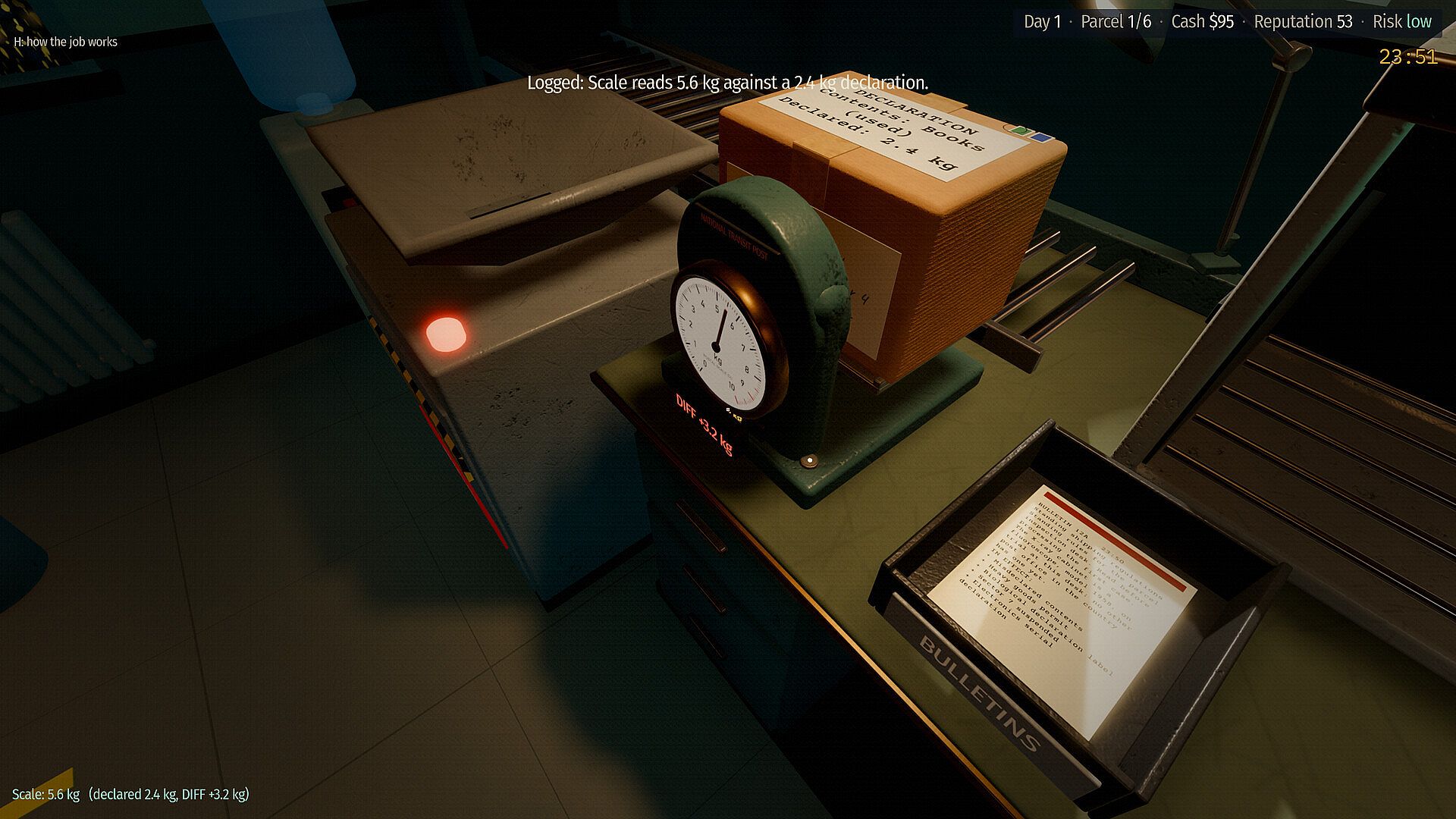
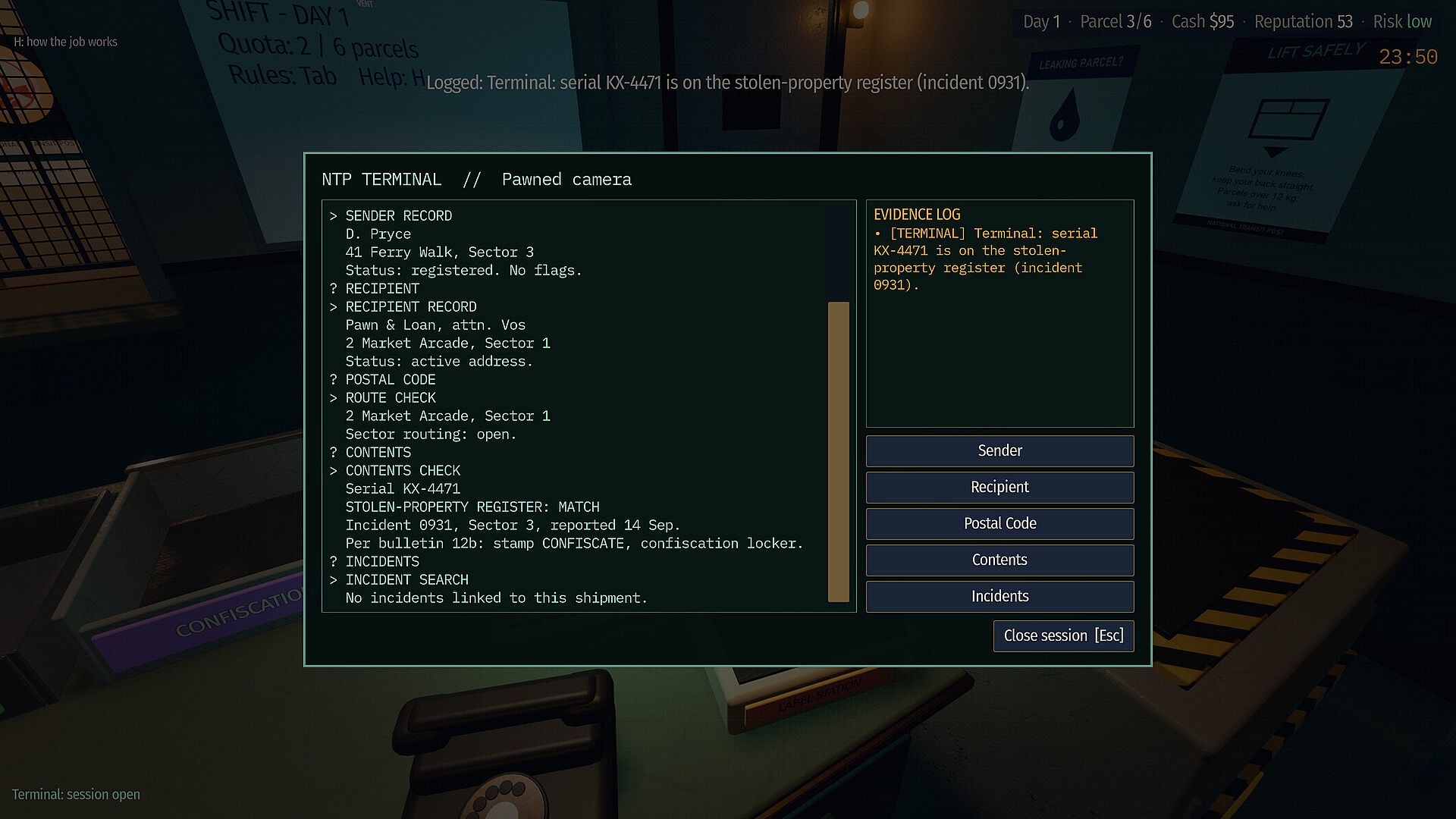
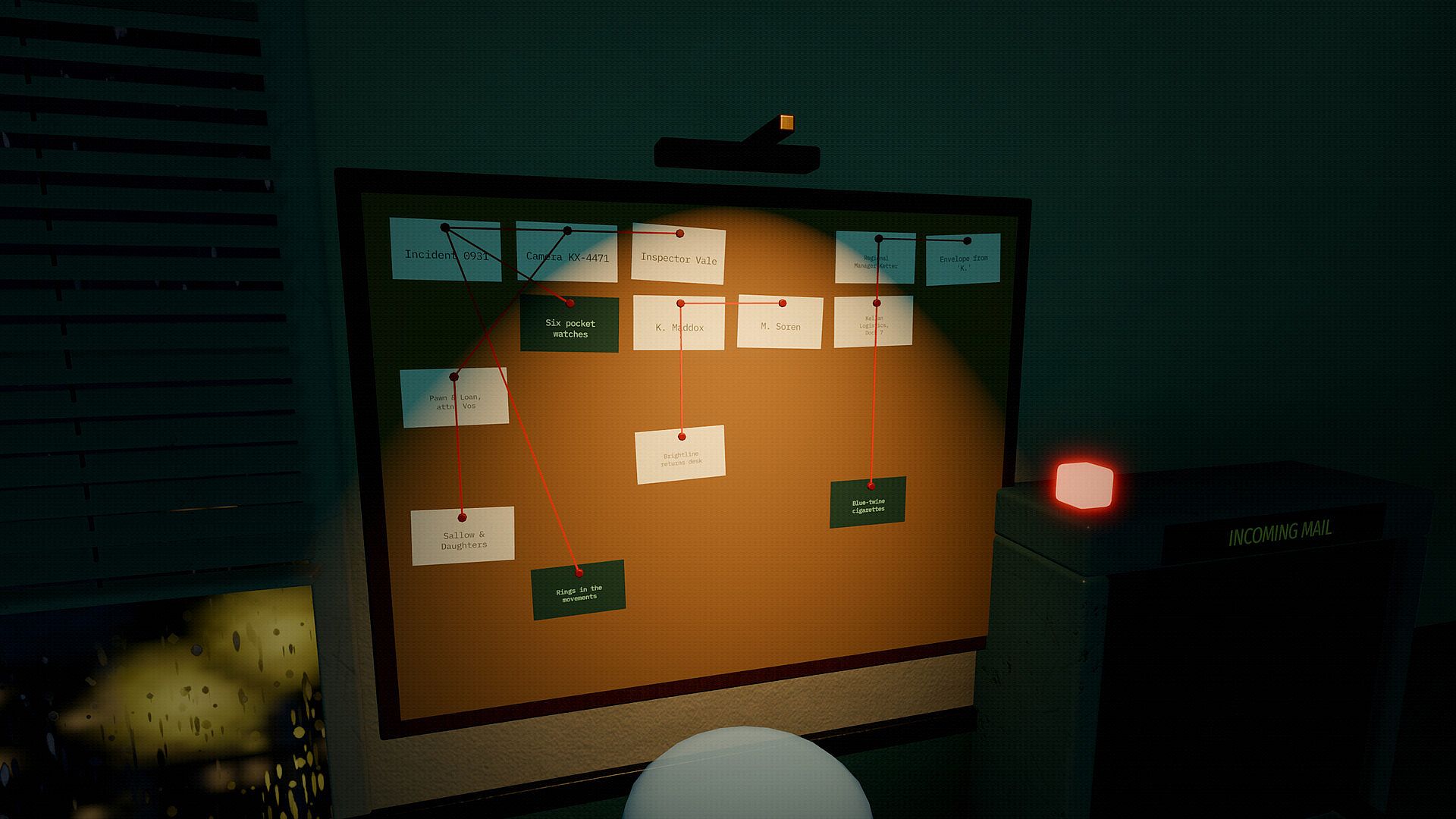
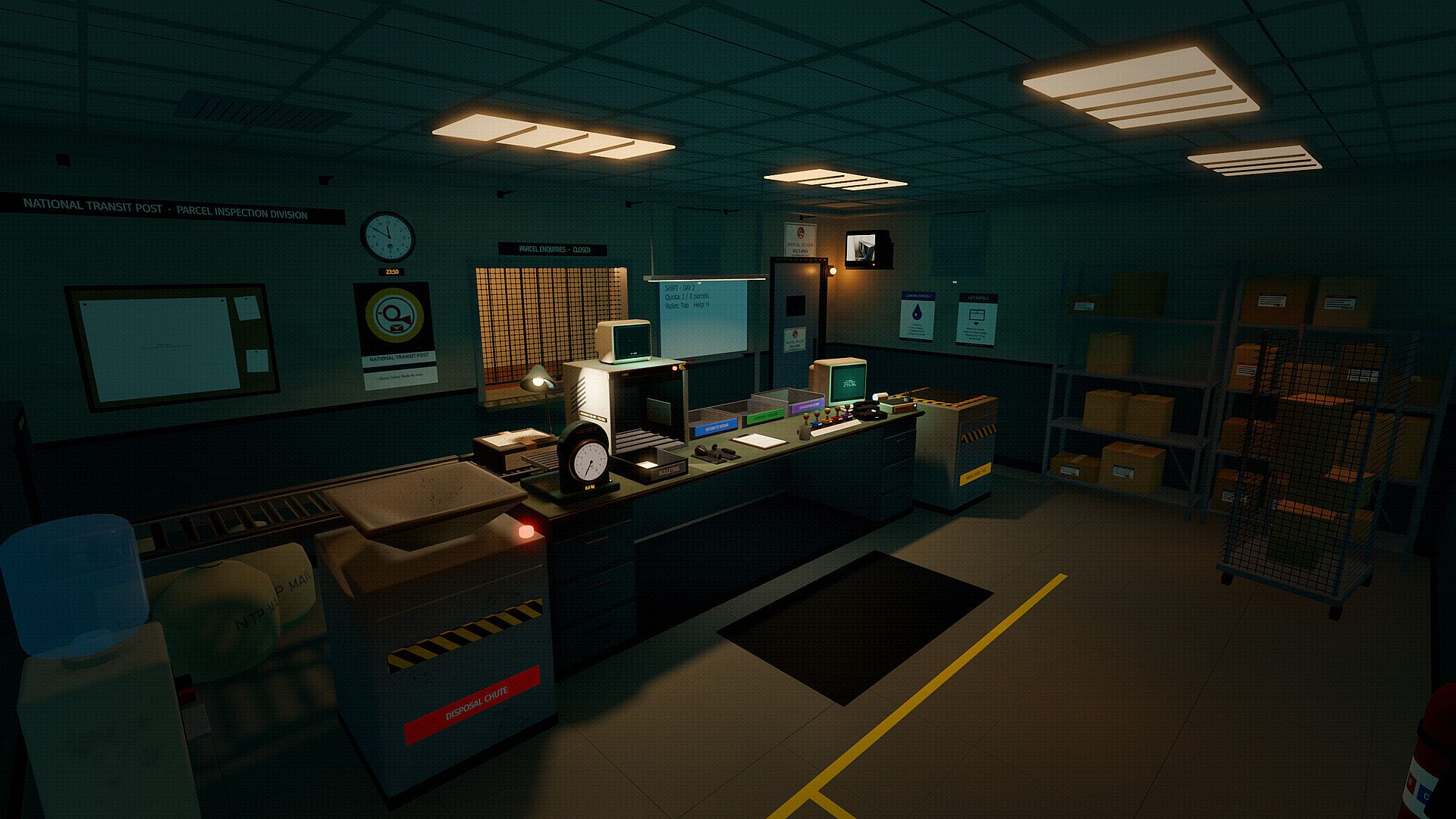
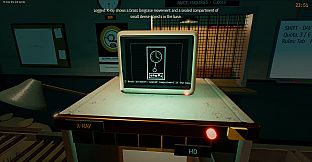
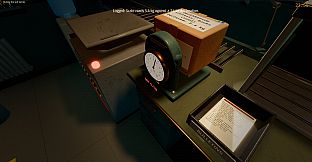
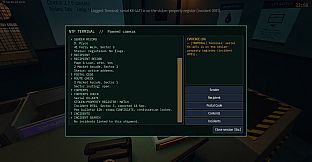
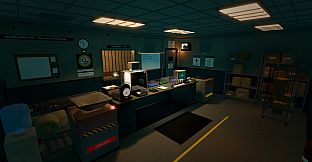
Players begin each shift at a physical desk equipped with practical tools for parcel handling. Parcels arrive on a conveyor, accompanied by declaration forms that list claimed contents, weights, destinations, and other details. Verification starts with placing each box on a scale to compare actual weight against the declared value, then using an X-ray scanner to examine internal contents for discrepancies such as hidden compartments, dense objects, or empty spaces. A terminal provides lookups for senders, recipients, postal codes, serial numbers, and any recorded incidents.
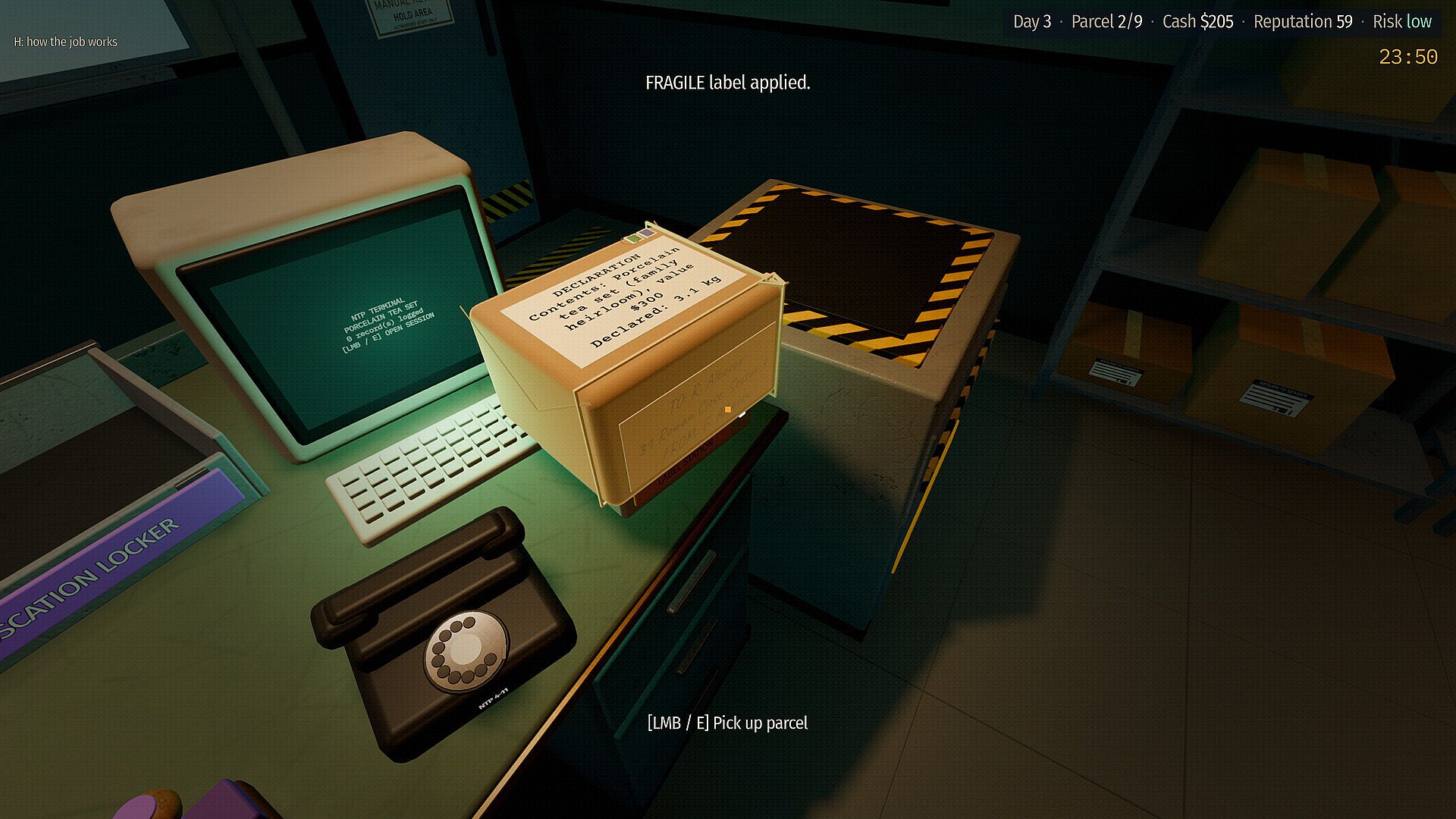
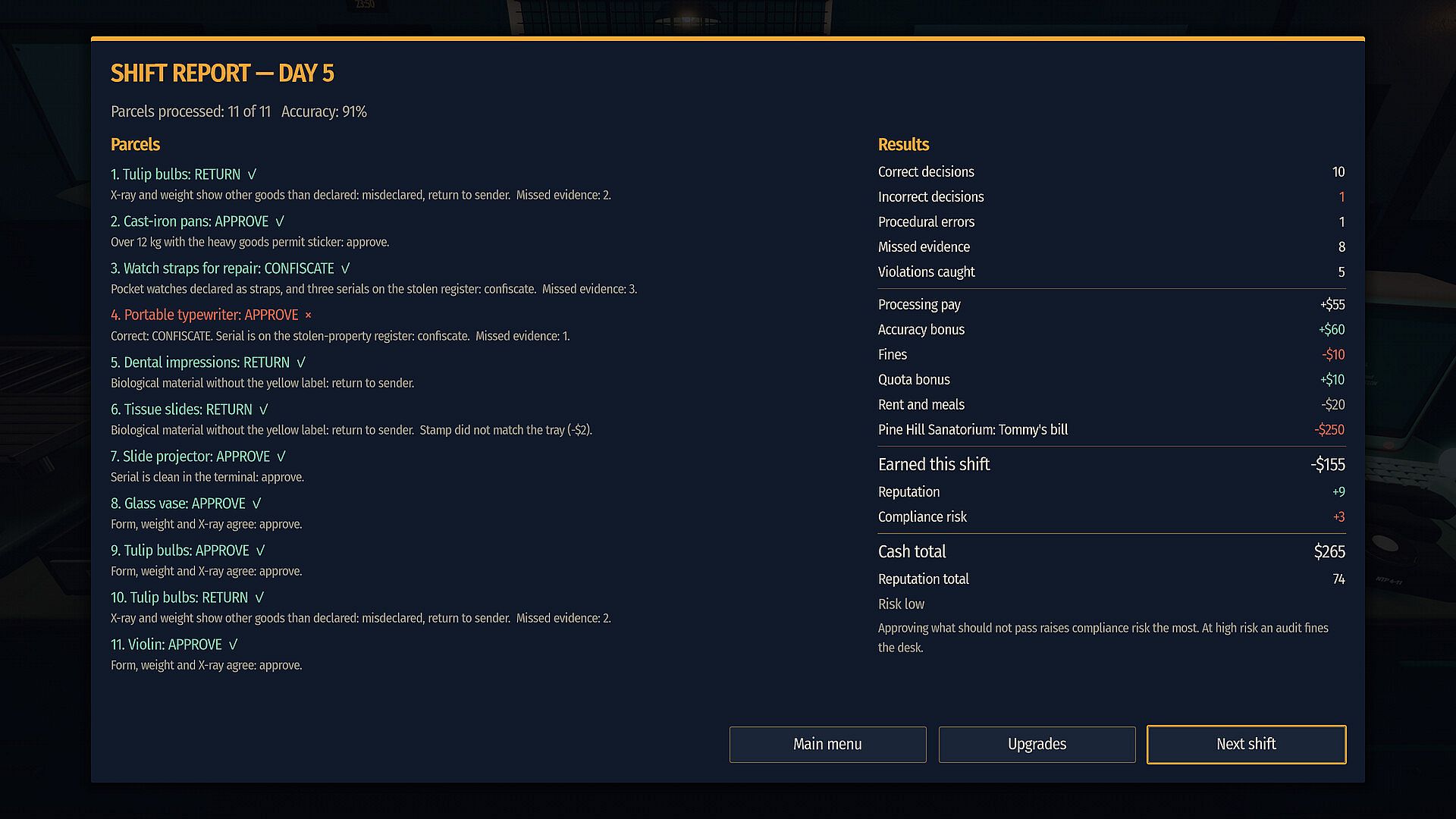
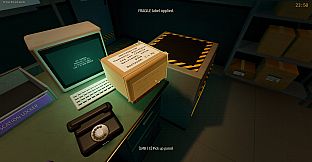
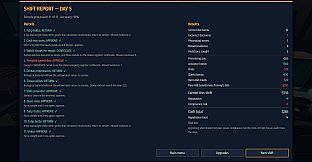
Additional steps include applying fragile labels where required, stamping forms, and directing parcels into color-matched trays. Every action involves direct physical interaction: picking up boxes, rotating them to read labels, and carrying them to the correct location. Five possible outcomes exist for each parcel: approval for forwarding, return to sender, hold for customs and security, confiscation, or routing to the disposal chute. Errors accumulate and appear in the end-of-day report, affecting fines, reputation, and compliance metrics.
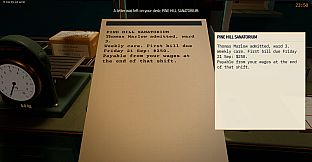
New regulations appear daily through bulletins covering topics such as return fraud, invalid addresses, fragile goods, live animals, leaking containers, lithium batteries, and counterfeits. A regulation booklet remains available for reference. The core loop expands over time as cash earned from accurate work funds upgrades including digital scale readouts, improved X-ray capabilities, expanded terminal databases, better lighting, and larger review areas. Workdays feature growing quotas alongside the end-of-day summary, with an optional tutorial available at the start.
Game Modes
The game operates as a single-player simulation without separate named modes. Progression naturally shifts from manual, detail-oriented inspection in the early stages to larger-scale automation later. Initial shifts emphasize individual parcel checks and decision-making under daily rule changes. As the facility grows through upgrades and expansions, players design conveyor systems, storage solutions, loaders, and routing setups to handle higher volumes with reduced direct intervention.
Sorting evolves to account for cargo types and, following facility expansions, additional destination-based criteria. Contracts provide optional side objectives that reward specific parcel handling. The experience remains focused on building and refining a single warehouse operation across successive days, with no multiplayer elements or distinct campaign versus sandbox divisions confirmed.
Progression and Upgrades
Facility growth occurs through earned revenue spent on equipment improvements and physical expansions. Early upgrades target inspection efficiency at the desk level. Later investments introduce automation components such as conveyor belts, storage racks, and sorting machinery that allow parcels to move and process with minimal manual input. Warehouse expansions unlock additional delivery bays and space for more complex layouts.
Players manage increasing throughput while maintaining accuracy against shifting daily criteria. Features like rebinding keys, adjustable field of view, interface scaling, subtitles, reduced camera shake, and support for reduced flashing contribute to accessibility. The game includes support for 13 languages.
Is It Worth Playing?
Parcel Inspector Simulator suits players who enjoy methodical simulation games that reward attention to detail and system optimization. The transition from hands-on inspection to automated logistics creates a satisfying sense of progression for those interested in logistics puzzles and incremental facility building. Recent updates have added larger warehouse spaces, new conveyor types, expanded sorting options, controller support, and quality-of-life improvements, indicating ongoing development.
Community reception on Steam stands at Very Positive across thousands of reviews, with praise centered on the relaxing yet engaging loop and the depth of automation possibilities. It offers no free trial or separate modes, so prospective players should consider their interest in precise, single-player simulation experiences. Those who appreciate titles blending verification mechanics with factory-style automation will likely find substantial playtime here, while others seeking faster action or narrative focus may prefer different genres.