


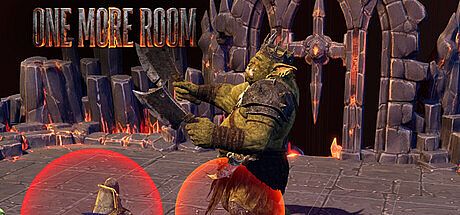


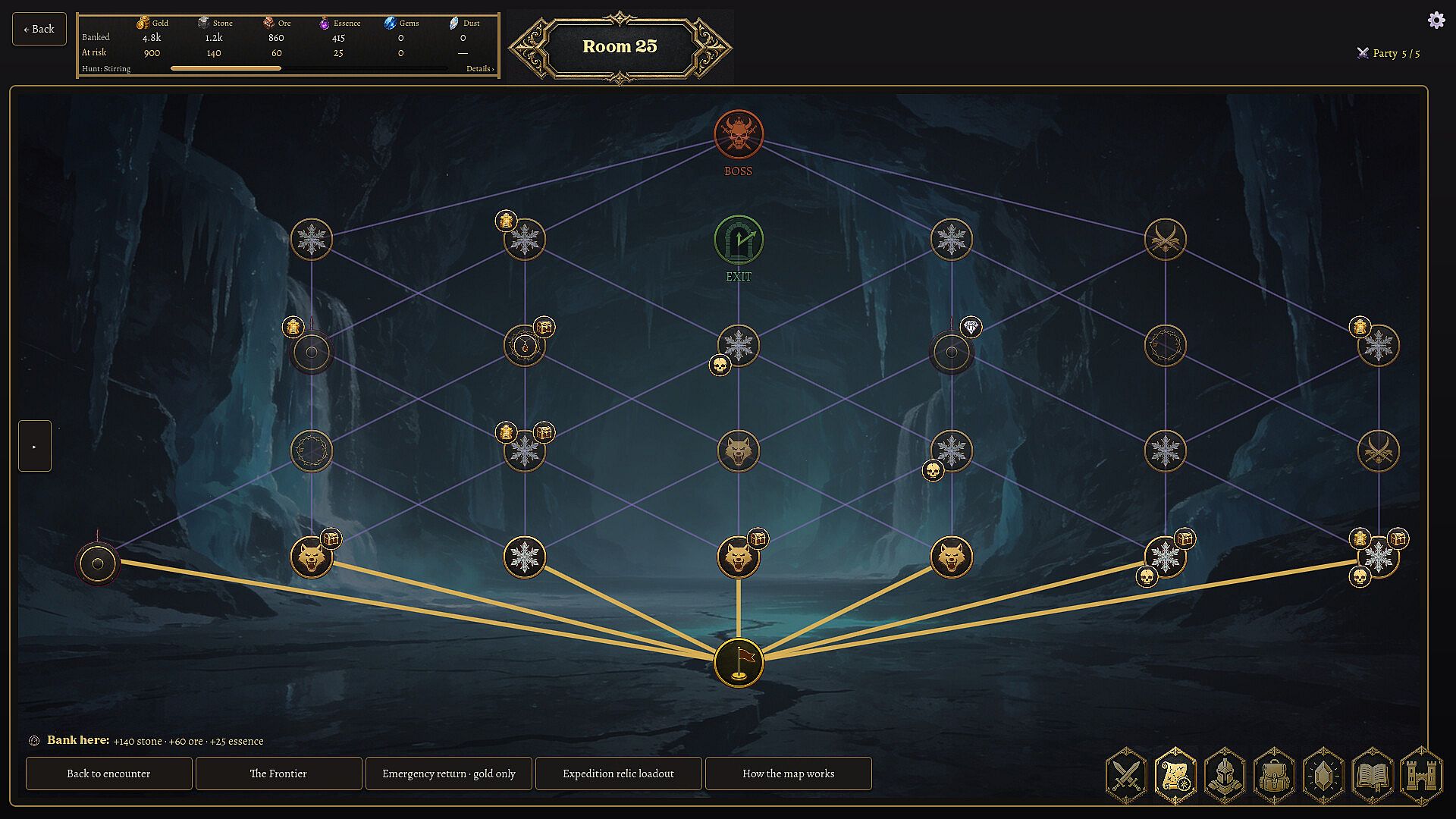
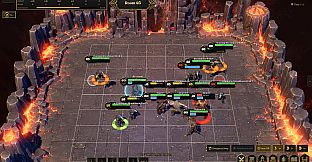
One More Room is a strategy indie RPG in early access on PC that centers on repeated expeditions through rifts into other worlds. Players manage small parties of heroes who explore room by room, gather cargo, and decide at each exit whether to bank the haul or push deeper for greater rewards while the world grows more hostile.
Gameplay
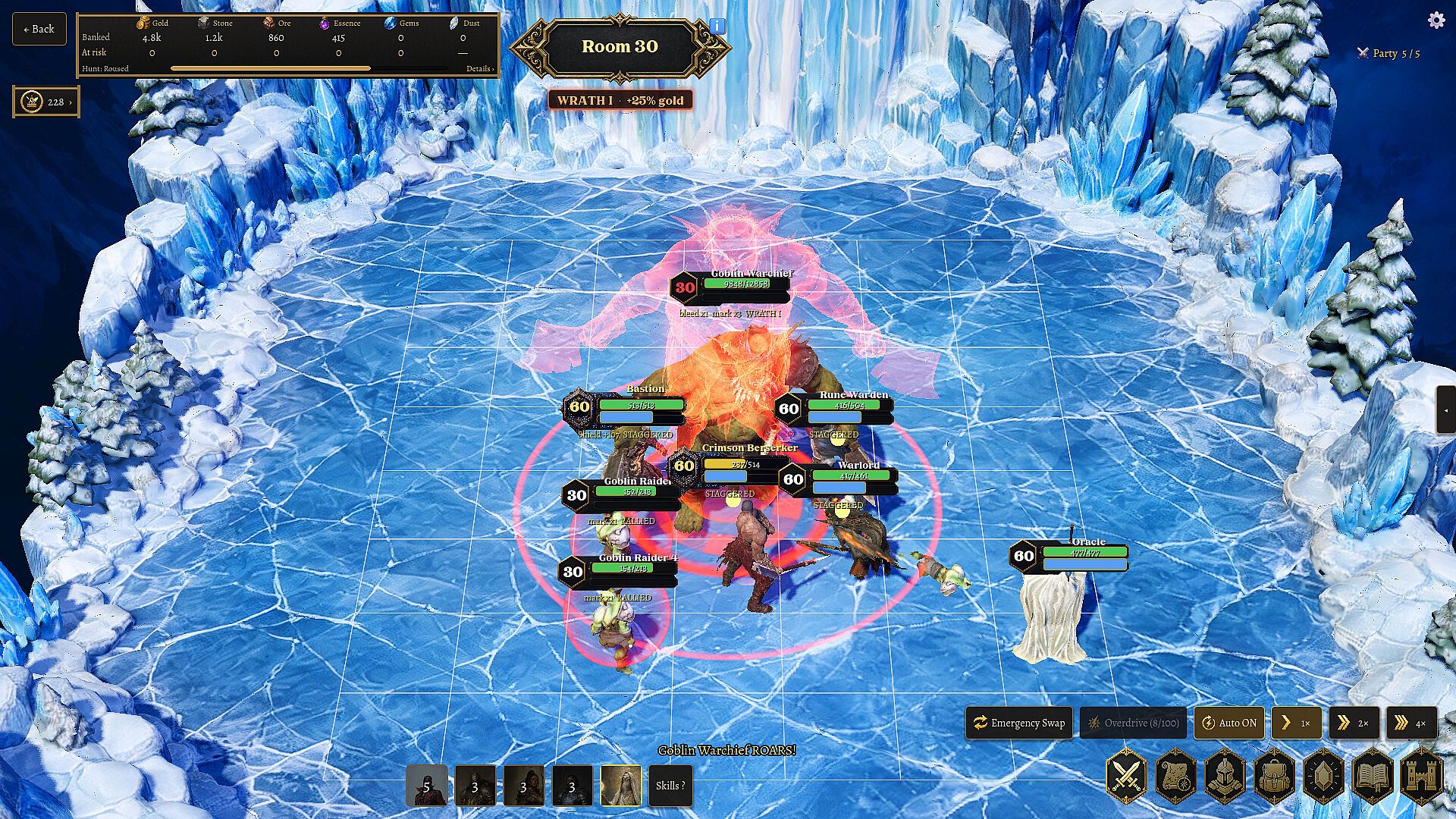
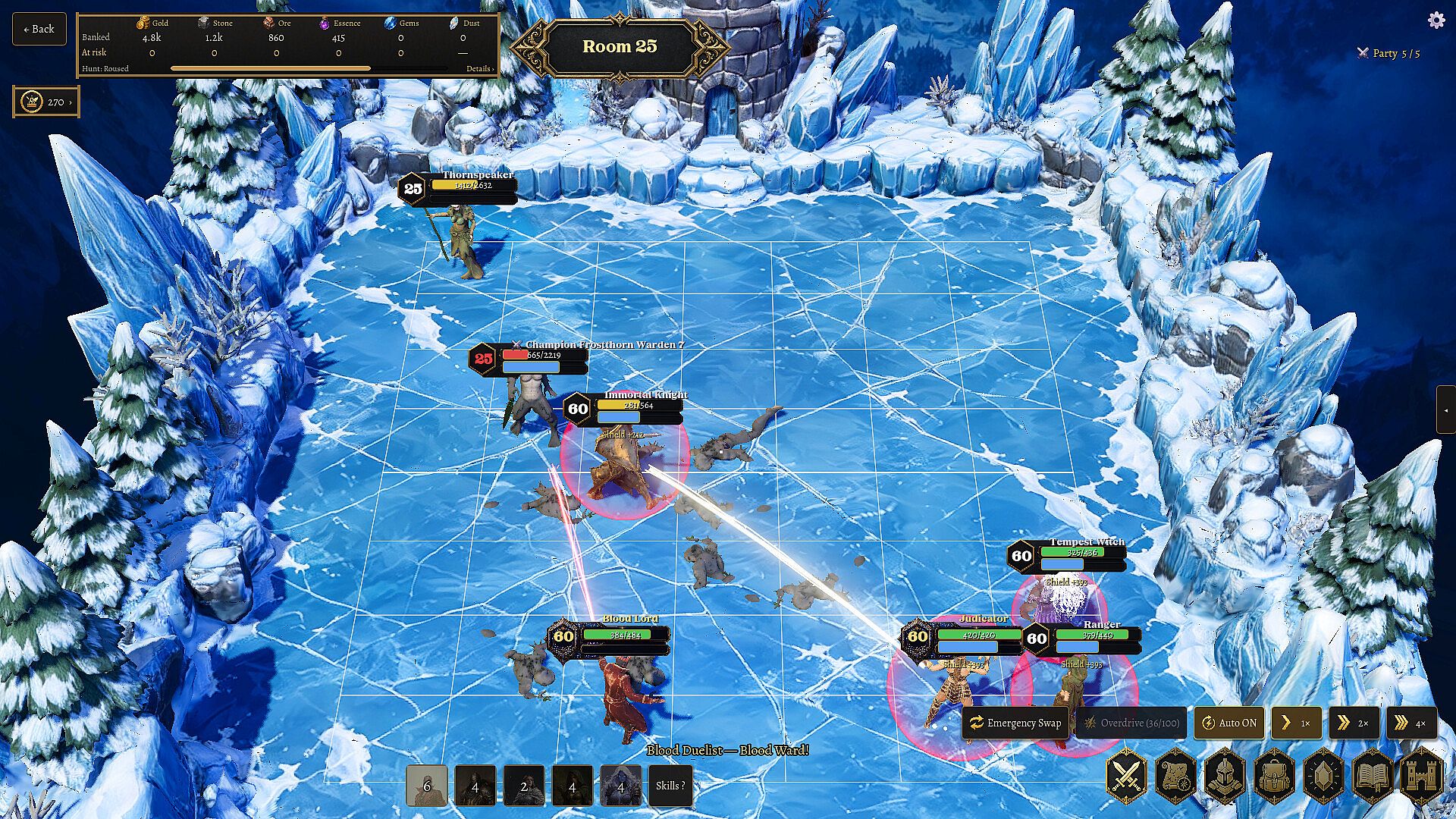
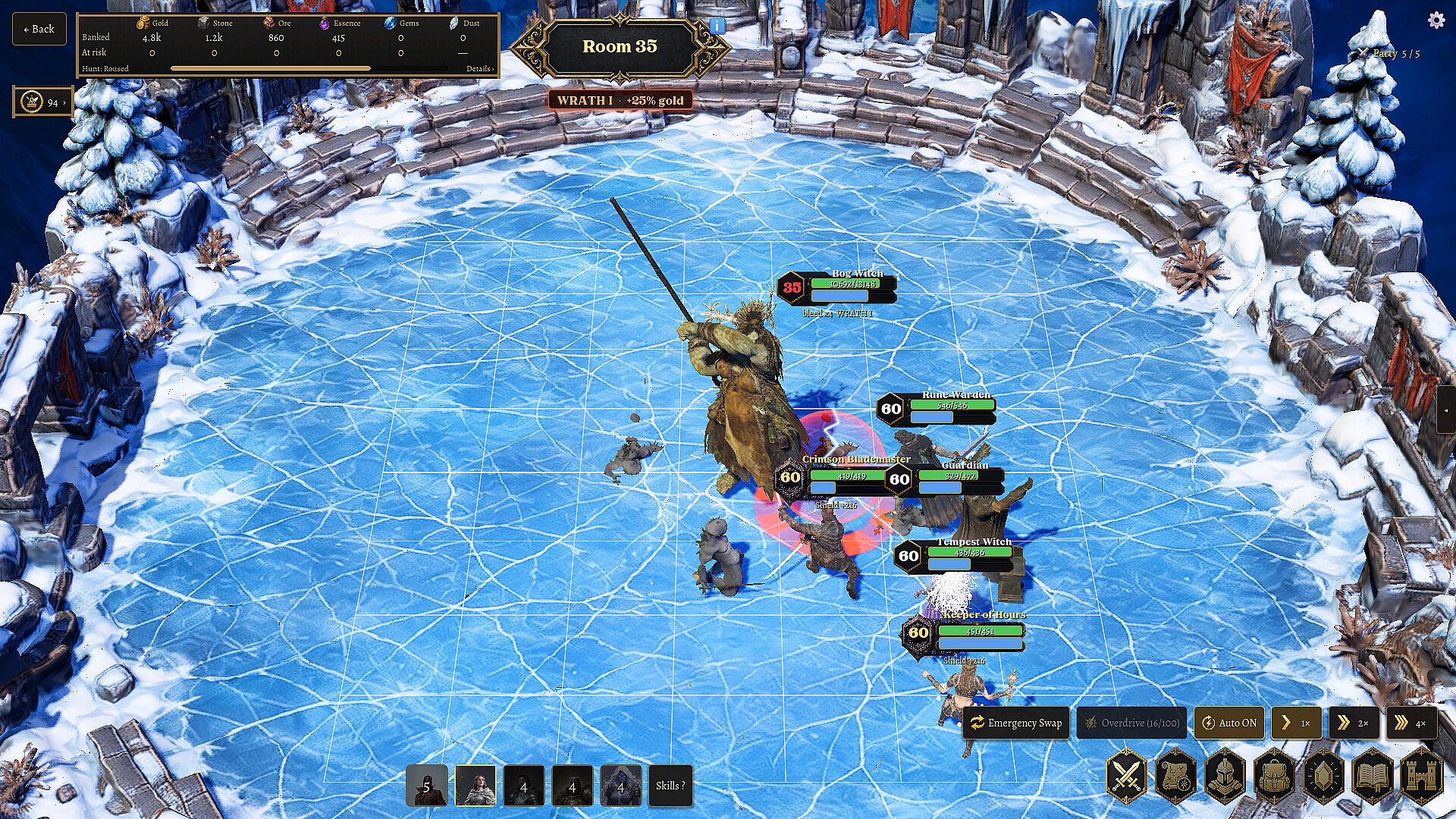
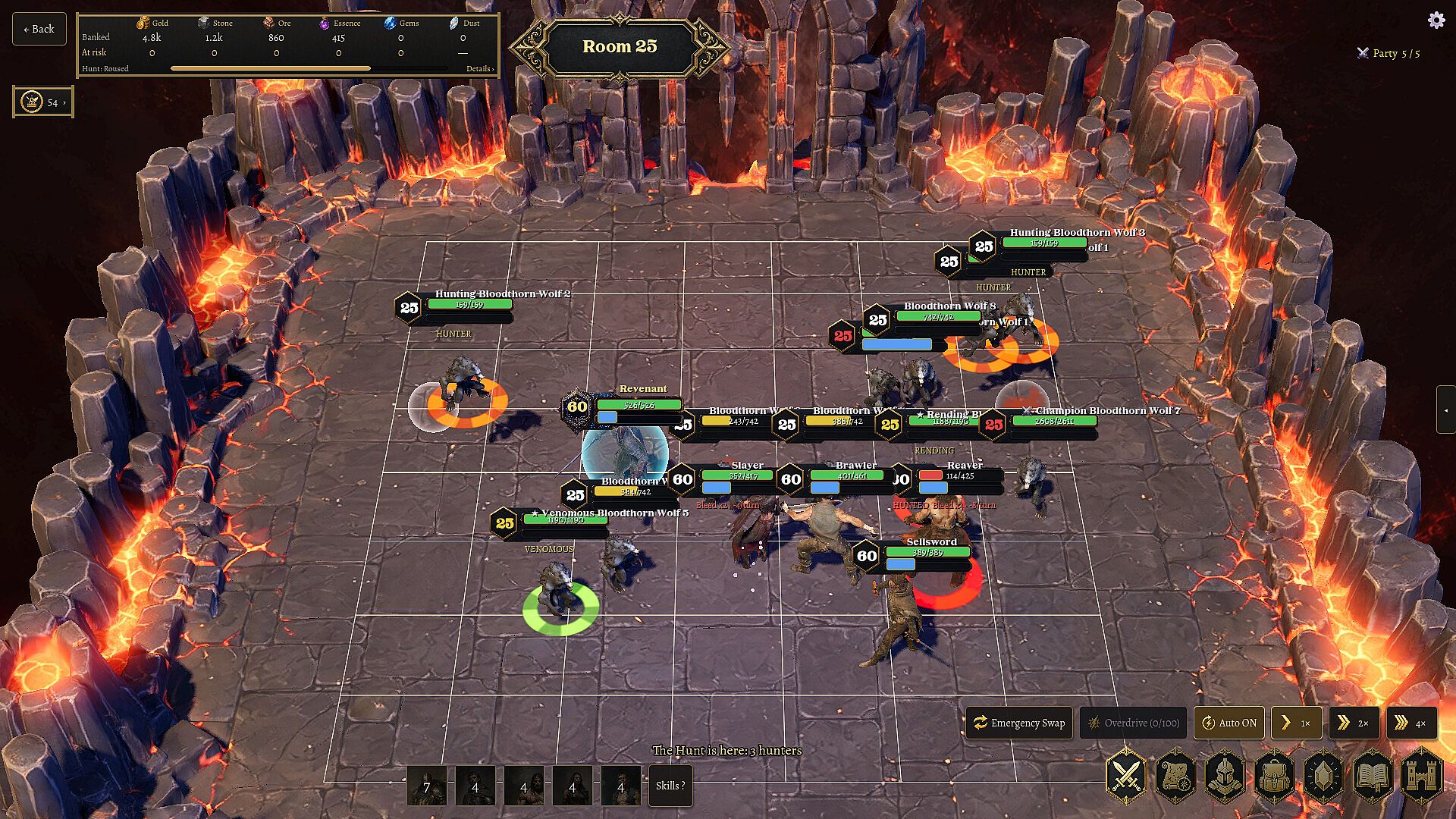
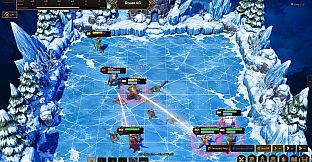
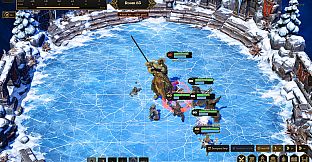
The core loop revolves around sending up to five heroes into a branching map of rooms. Heroes are placed on the board before each fight, and their positions determine who stands in front, who supports from behind, and who stays near the healer. Each hero receives a tactic such as striking the nearest enemy, the weakest target, the healer, or the strongest hitter. Skills then activate automatically, though players can seize direct control to time abilities precisely. Playback speeds of one times, two times, or four times let the action unfold at a chosen pace.
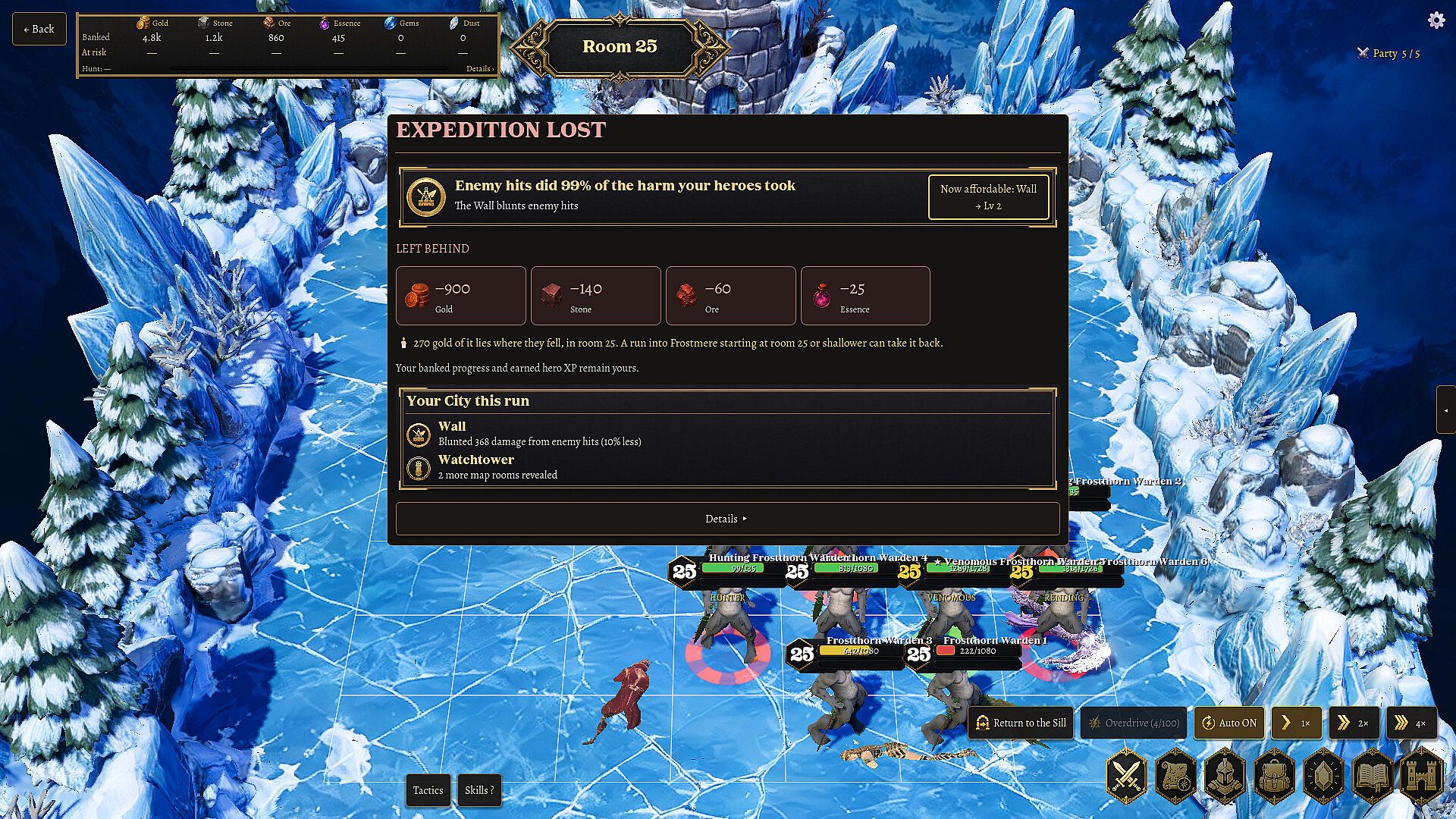
Every run builds tension through the Hunt mechanic. After the third fight the Hunt level rises from Stirring toward Converged, bringing additional hunters into battles, cursing the ground, and rousing the Warden earlier. Wardens telegraph their attacks in advance, allowing players to stun wind ups, spread formations away from slams, or break shields before they activate. At half health every Warden shifts to a second phase with new patterns. Defeating a Warden yields a Sigil that grants one of its moves to a hero and may leave behind a Pact that offers a boon with a lasting cost for the rest of the run.
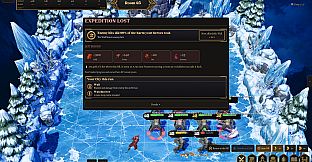
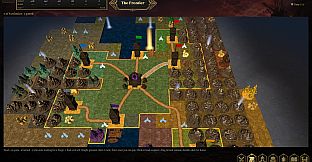
Strange rooms present moral or tactical choices such as a drowned shrine or a ring of swords. Each decision shows both the immediate payment and the long term price before the player commits. Emergency returns allow a party to walk away with only the gold already secured, abandoning any further cargo. If the party falls, everything carried on that run is lost, yet buildings, hero levels, and previously banked resources remain intact for future expeditions.
Game Modes
Six distinct worlds each feature their own resources, monsters, and battlefield layouts. Frostmere froze mid breath and preserved its contents. The Rotwood continues to grow unchecked. The Ashen Wastes still burn. The Gilded Marches host raiders who view outsiders as competition. The Hollow draws the dead to pools of essence. Ironhold maintains its garrison even after the city above collapsed. Every world supports three entry options labeled Delve, Hell, and Nightmare. These choices increase rift difficulty, enlarge potential hauls, and accelerate the Hunt progression.
Rival corps occasionally share the same rift and strip unreached rooms ahead of the player party. Elites carry descriptive names such as Warded, Thorned, Swift, Vampiric, or Undying that signal their special traits. A rematch system ensures that any Warden which wipes a party returns stronger on subsequent encounters, turning prior defeats into personal vendettas once the Warden is finally overcome.
Heroes and Progression
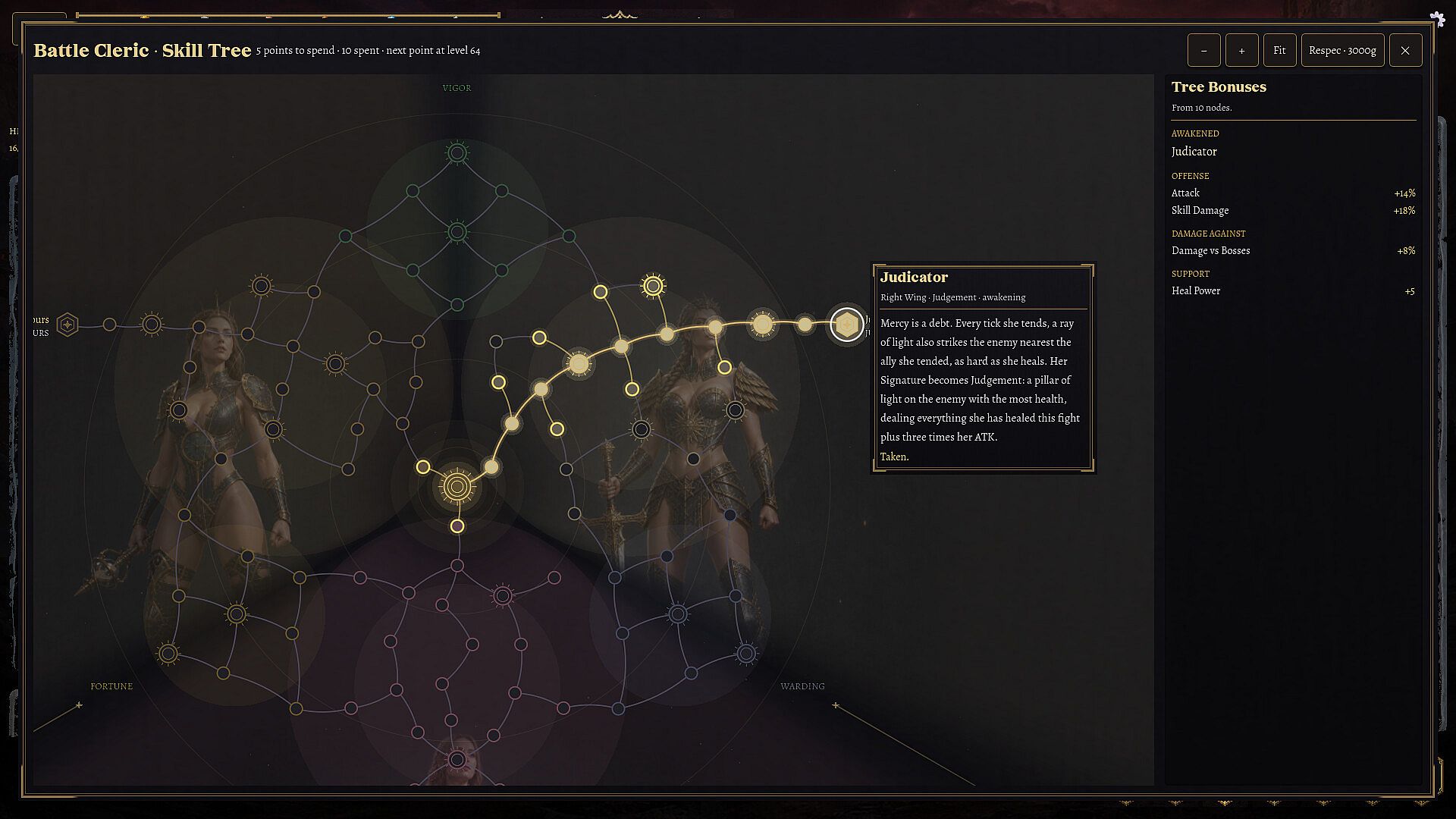
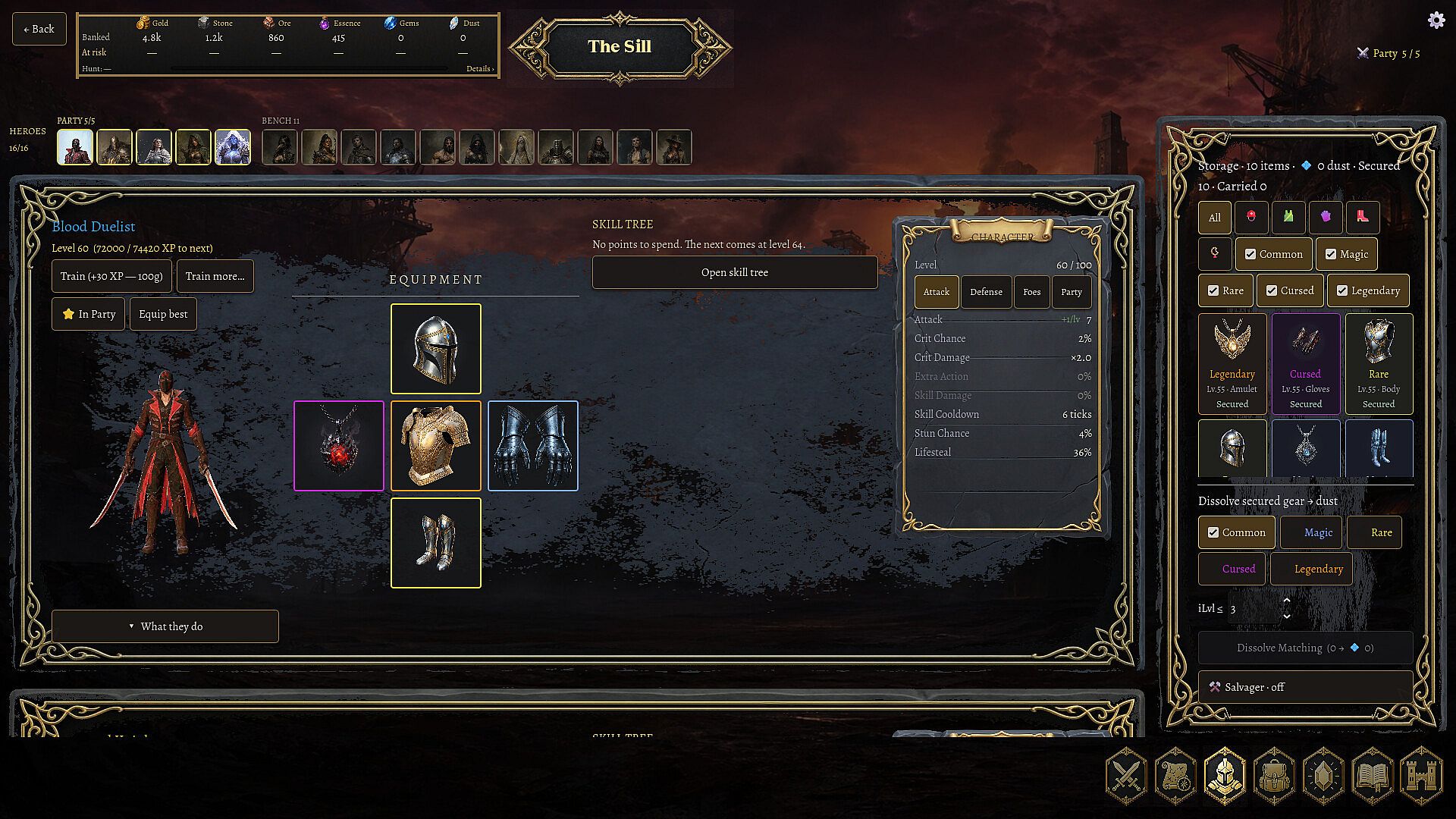
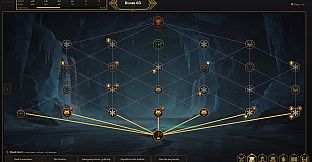
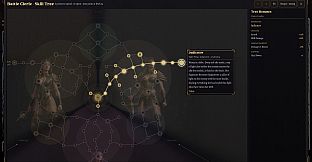
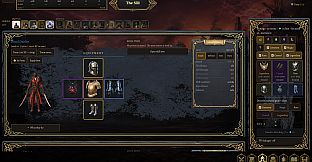
Sixteen heroes become available through specific feats. Two start unlocked while the remaining fourteen unlock after accomplishments such as defeating particular Wardens, returning hauls from certain worlds, or surviving multiple curses. Each hero possesses a skill tree whose branches conclude in awakenings that grant new forms and signature abilities. Five gear slots accept rolled affixes, set bonuses, and legendary items. A Forge allows players to improve pieces or break them down, with success odds displayed in advance. Additional modules, potions, trinkets, and familiars expand party customization beyond core equipment.
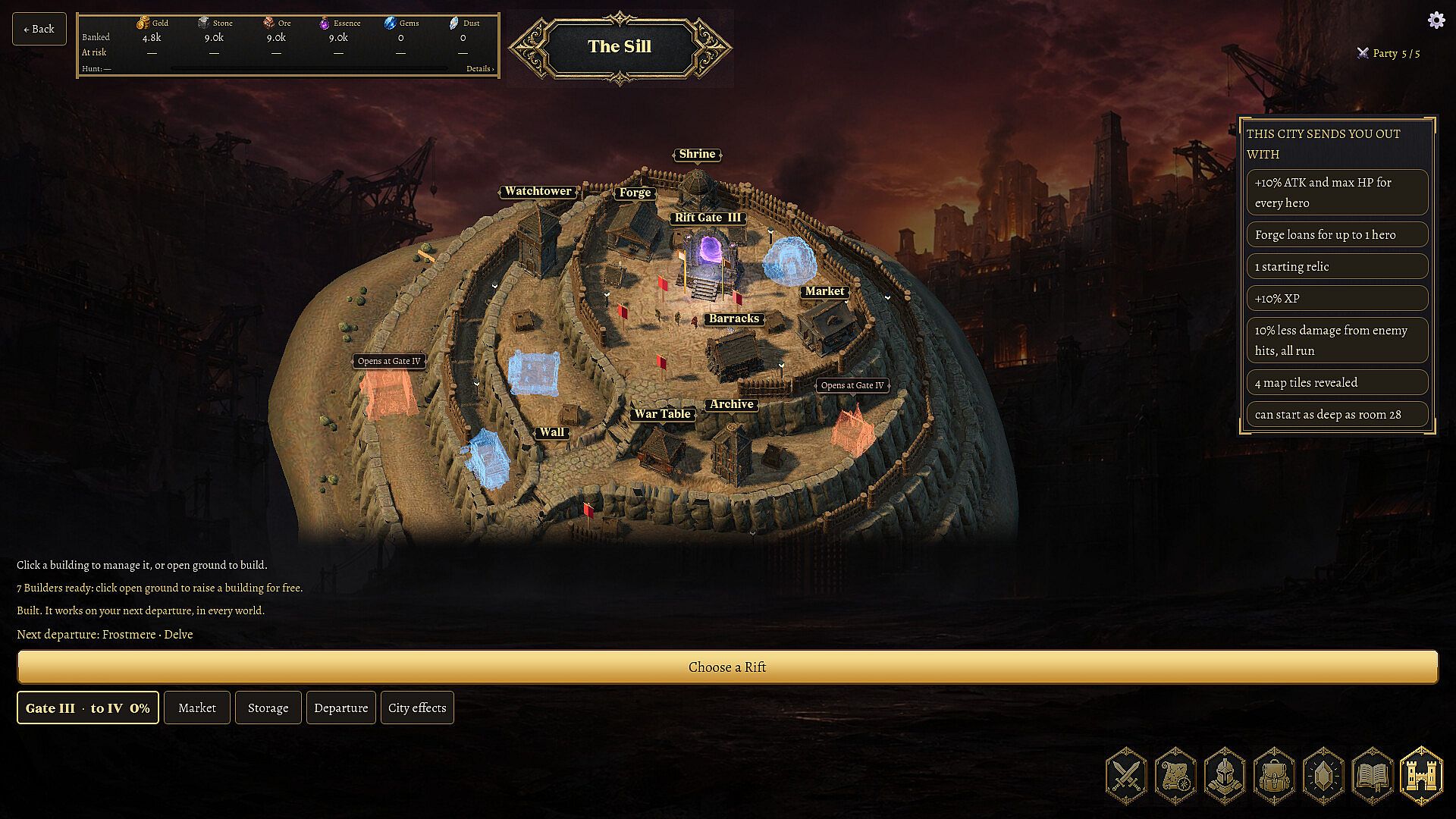
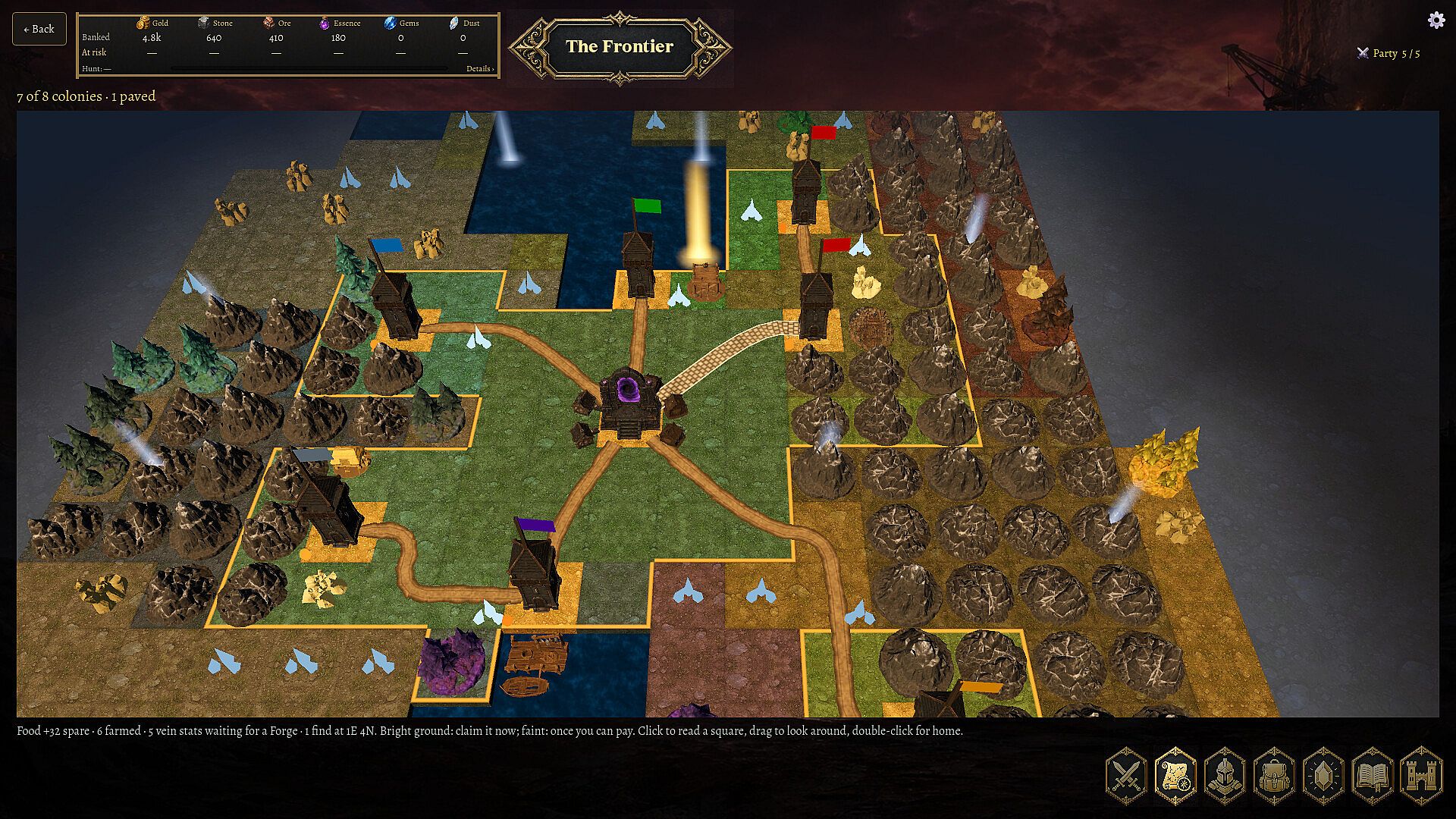
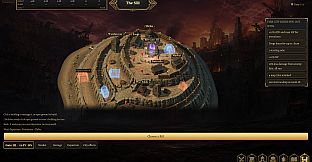
Resources brought home from successful runs convert into stone, ore, and essence that upgrade the city of the Sill. Fourteen building types each provide a single clear benefit inside every rift. The Wall reduces incoming damage, the Barracks toughens fighters, and the Watchtower reveals more of the map in advance. Projects funded through these buildings raise the Rift Gate, unlock new worlds, and permit deeper starting points. Up to eight colonies can be established in the surrounding frontier, each supplied with roads, quarries, fisheries, or lookouts that support further expeditions.
Is It Worth Playing?
The full core loop of planning parties, navigating branching maps, managing risk at exits, and reacting to escalating Hunt levels sits in the game today. Some visual assets remain placeholders, including final models for most Wardens and awakenings as well as temporary stand ins for certain enemy groups. The game currently contains no Steam Cloud saves or achievements, though both appear on the development roadmap. Players who value deliberate positioning, tactical choices, and the tension of deciding whether to stop or continue will find the risk reward structure engaging even in its present state. Those seeking polished final art across every element may prefer to wait for further Early Access updates before committing.












