








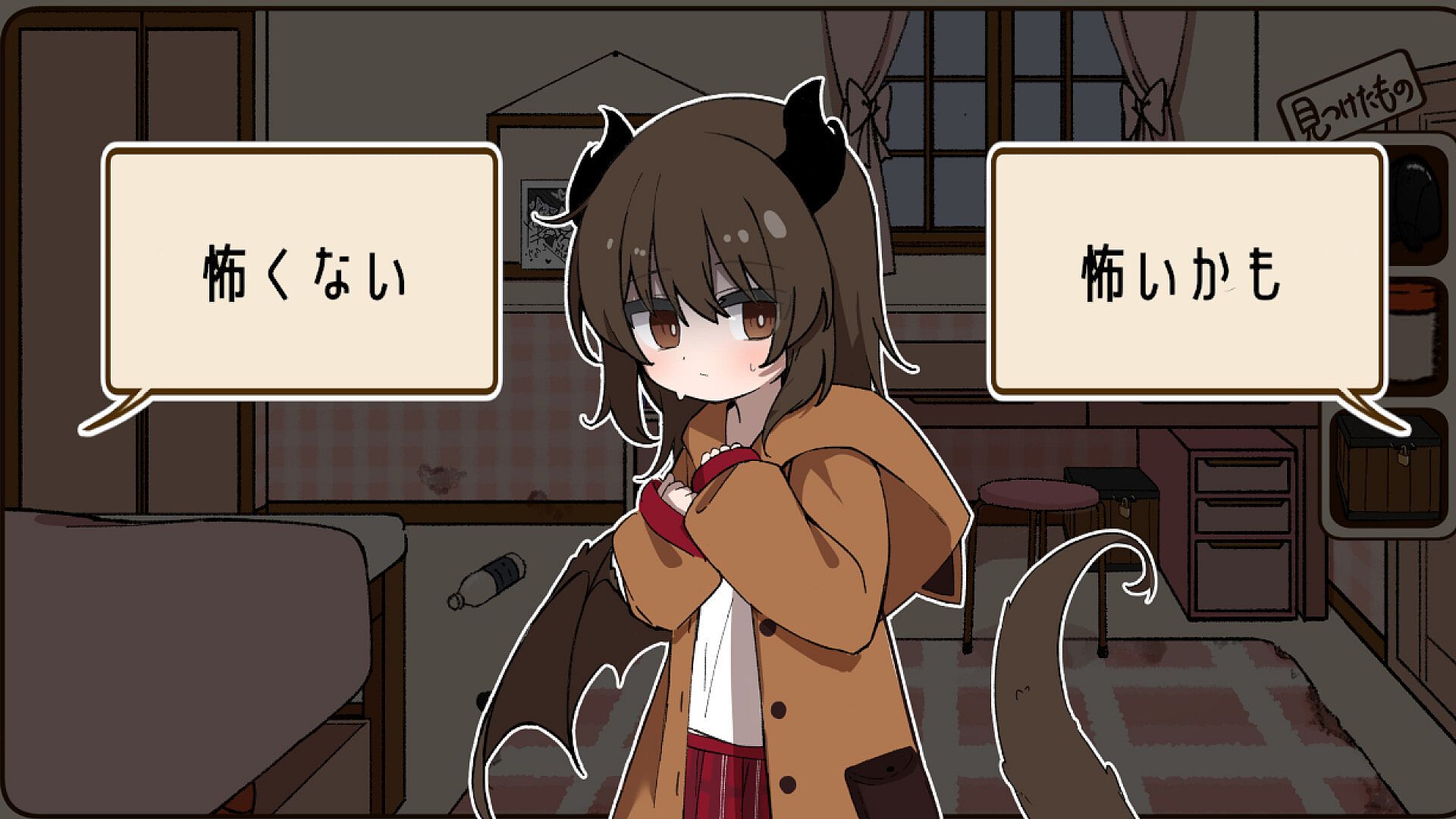
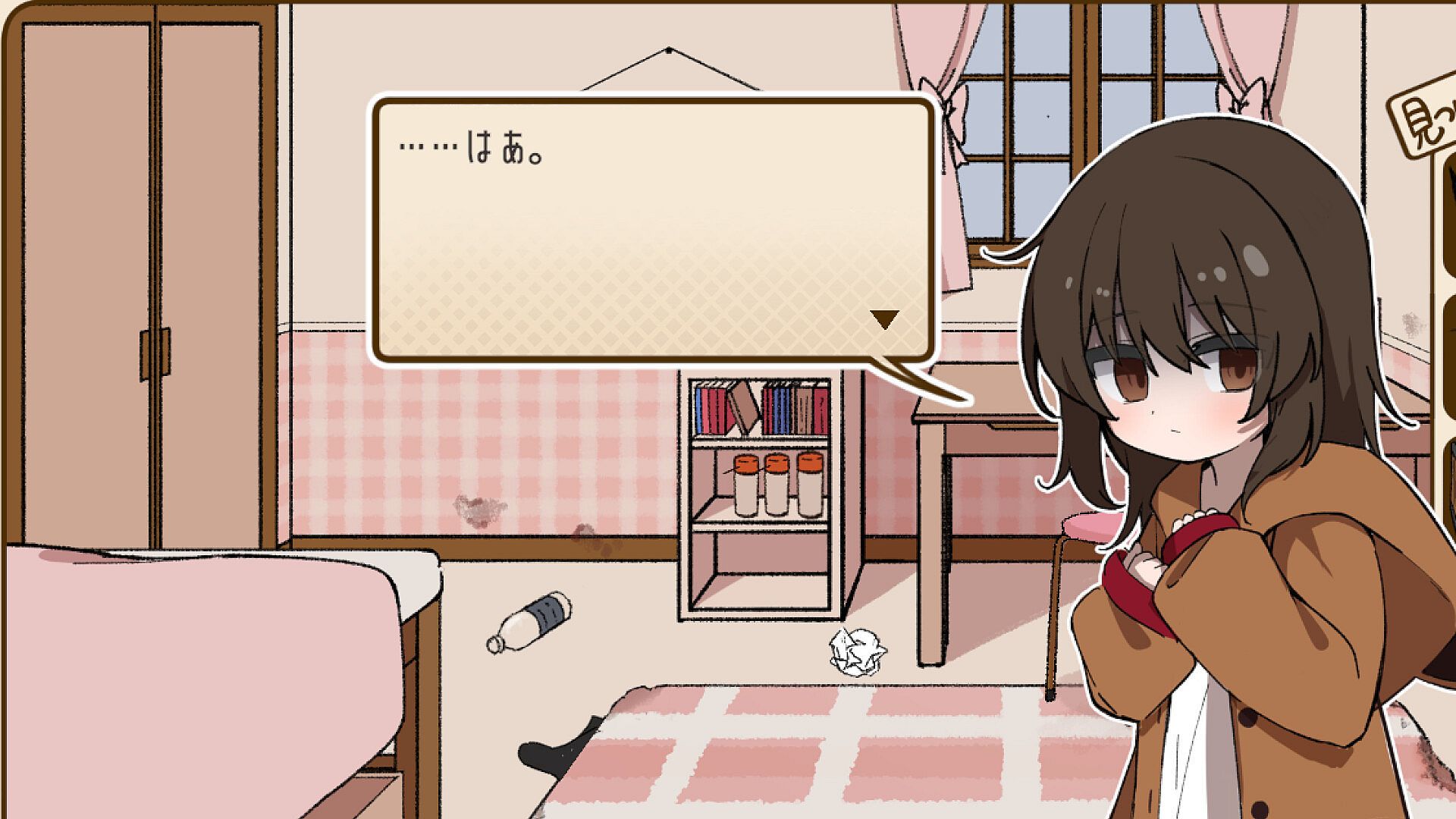
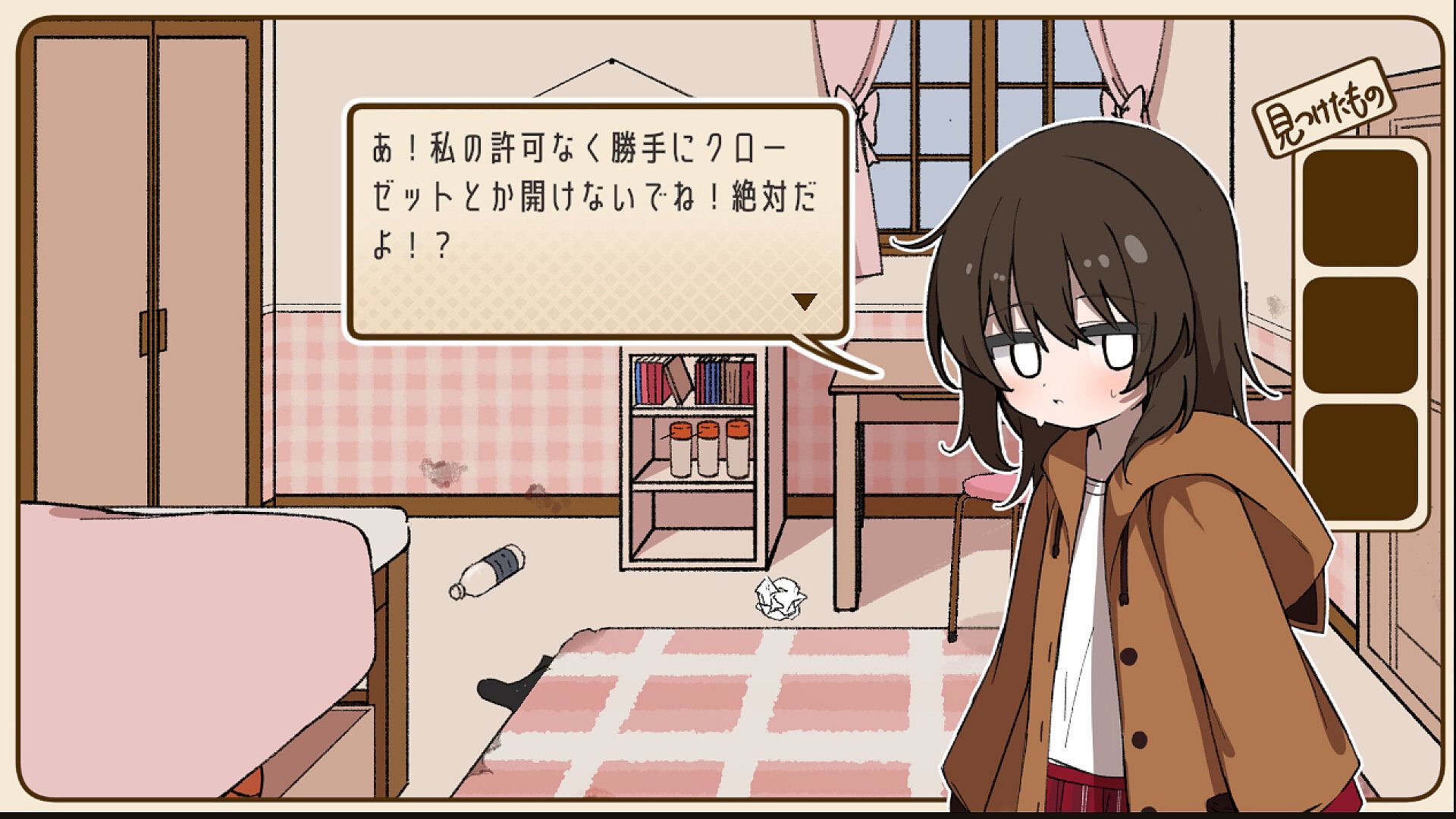
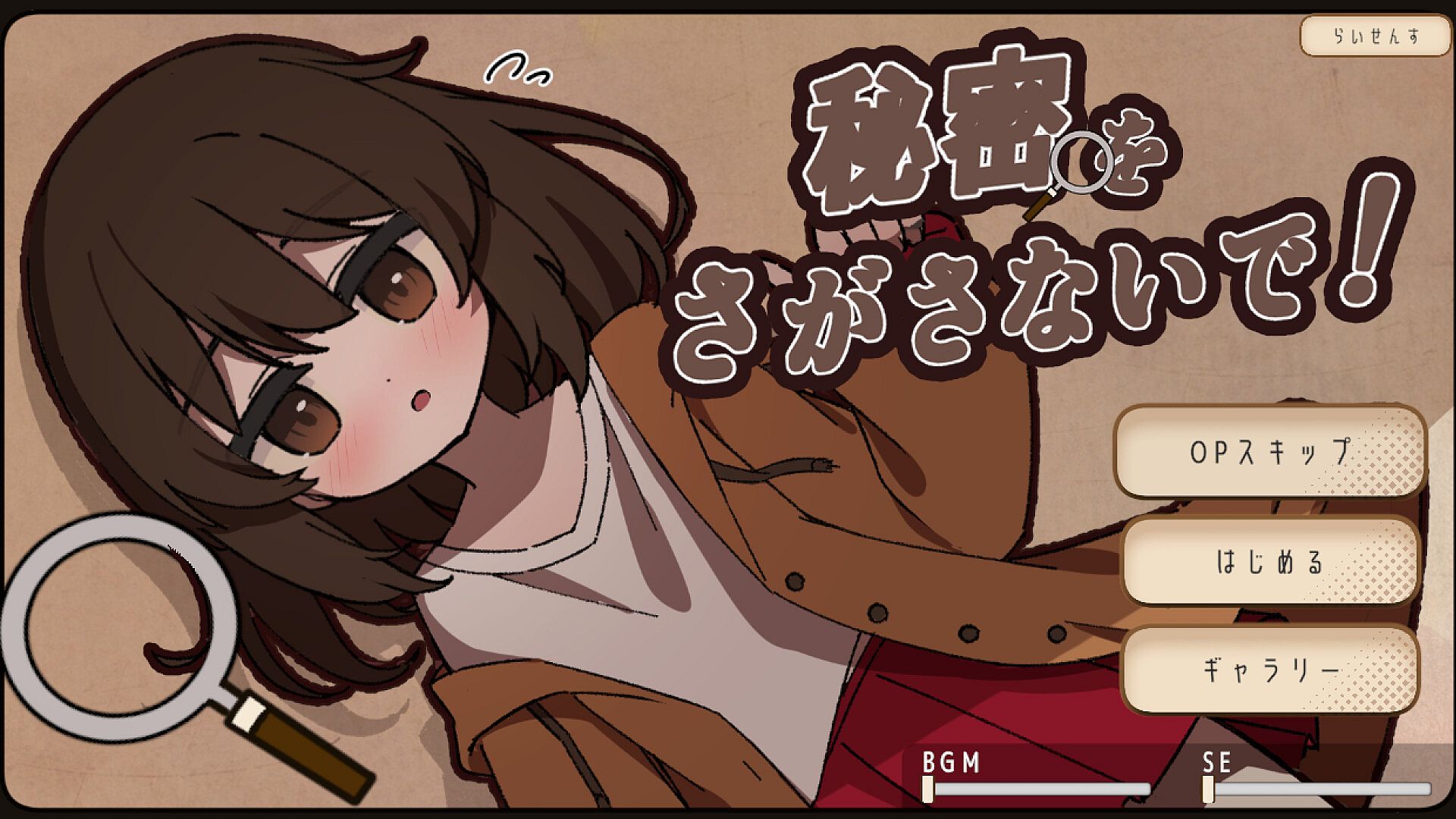


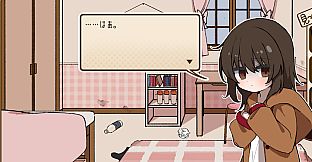
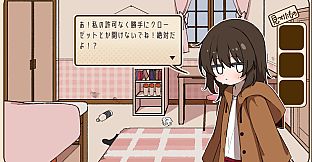

My Little Secret is a compact point-and-click adventure game developed for PC. Players take on the role of a classmate who decides on a whim to visit Tia at her home, only to find her room in disarray and full of personal details waiting to be discovered. The experience centers on exploring a single cluttered space, selecting objects that stand out, and piecing together clues that reveal one of several possible outcomes tied to her hidden aspects.
Gameplay
The core loop revolves around simple point-and-click navigation within Tia's messy room. Every session begins with the same setup: the player enters the space and scans the environment for items that catch attention. Three items are collected during each run, and the specific combination chosen determines which ending unfolds. Controls remain straightforward, requiring only mouse clicks to examine and gather objects without any timers or complex sequences.
Because the room contains numerous interactive elements scattered across the space, players naturally experiment with different selections across repeated visits. The short duration encourages this trial-and-error approach, allowing someone to complete a full playthrough and immediately start another with fresh choices. Visual details in the illustrations highlight the cluttered state of the room, making each search feel distinct even though the layout stays consistent.
Game Modes
The game offers a single primary experience built around its multiple-ending structure. Each playthrough follows the same point-and-click exploration format, yet the selection of three items creates branching results that lead to one of ten distinct conclusions. There are no separate difficulty settings, alternate campaigns, or additional layers beyond this core item-collection mechanic.
Replay value comes entirely from the variety of endings. Players return to test new combinations of objects, gradually uncovering how different groupings alter the story's direction and final revelation. The design keeps the focus narrow, emphasizing discovery through repetition rather than expanding into unrelated activities or sub-systems.
Story and Presentation
The narrative unfolds through environmental storytelling rather than lengthy dialogue. Tia's room serves as the sole setting, with objects and their placement providing the context for her secret. Illustrations by Moepu bring personality to the cluttered space, while sound design from Amebre Kizami adds subtle atmosphere without overpowering the quiet exploration.
Scenario and programming credits go to Nerub4, who crafted a concise experience that fits comfortably into brief sessions. The overall presentation stays minimal, directing attention toward the act of searching and the consequences of item choices rather than elaborate cutscenes or extended exposition.
Is It Worth Playing?
This title suits players who enjoy short, replayable point-and-click adventures centered on discovery and multiple outcomes. A single session lasts roughly three minutes, making it easy to fit into spare time while still offering enough variety across its ten endings to justify several returns. The straightforward controls and focused scope deliver a complete experience without requiring a large time commitment.
Those drawn to indie adventures that emphasize item selection and branching results will find the mechanics align closely with that preference. The game stands on its own as a self-contained title with no ongoing updates or additional content required. If the appeal lies in quick explorations that reward experimentation through different item combinations, the structure provides exactly that in a compact package.











