






Merchant Miles è un gioco single-player di strategia e simulazione incentrato sul commercio di merci tra diverse città. Il giocatore interpreta un mercante itinerante che compra a basso prezzo in una località e vende a un prezzo più alto in un'altra, gestendo risorse limitate e adattandosi alle fluttuazioni del mercato. L'esperienza unisce un ritmo rilassato a decisioni economiche più approfondite, risultando adatta a chi cerca simulazioni indie riflessive per PC.
Gameplay
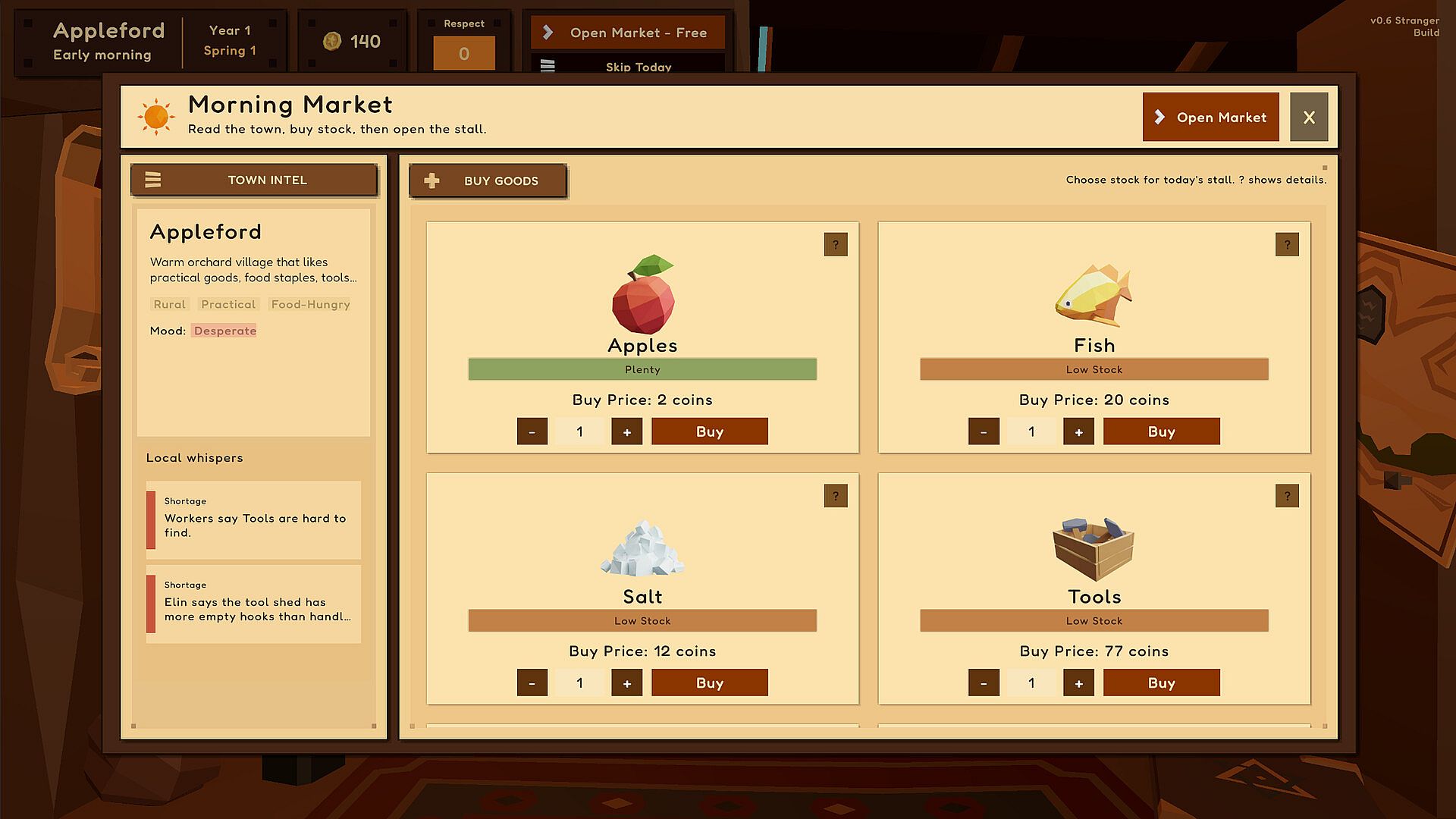
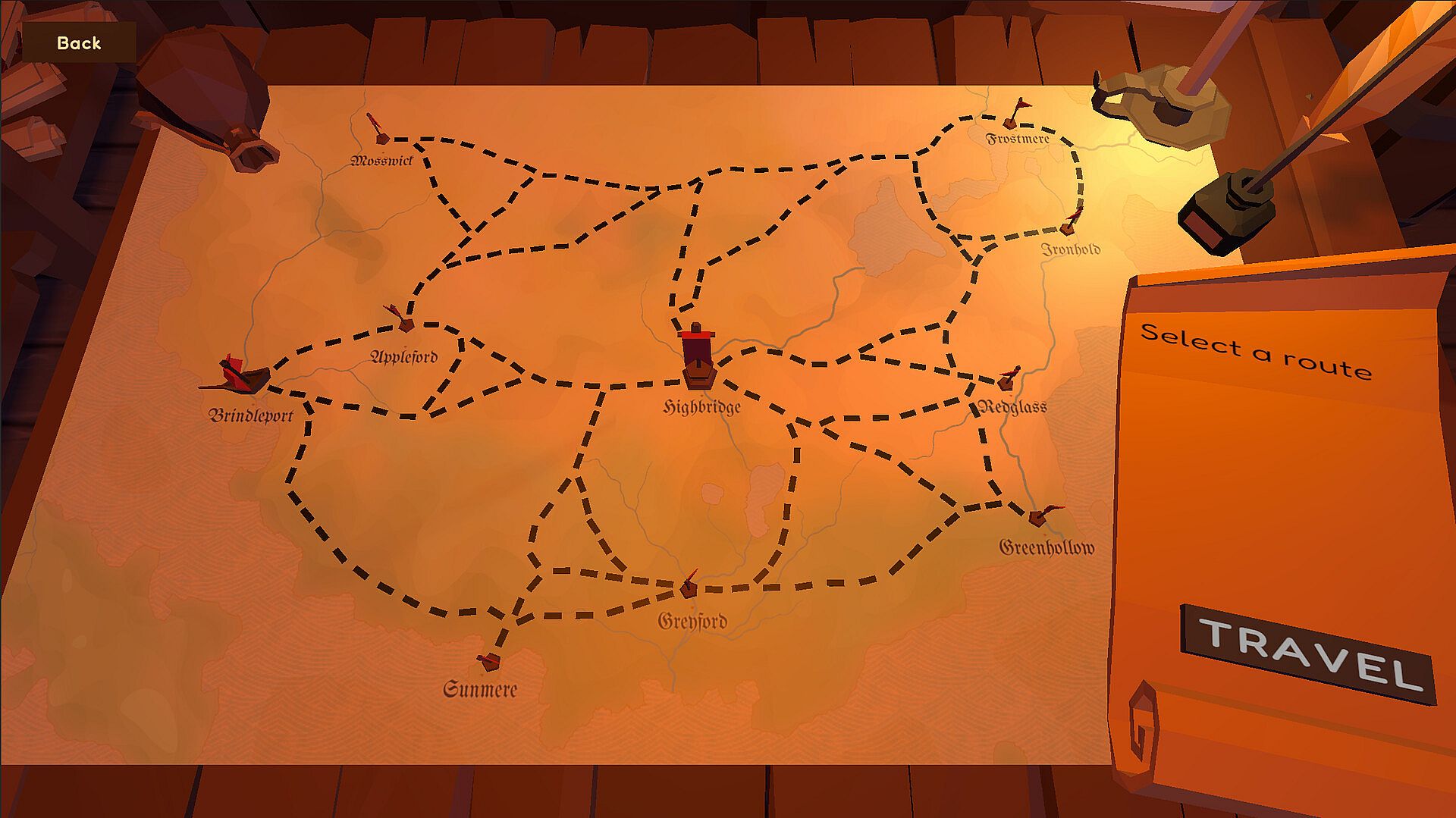
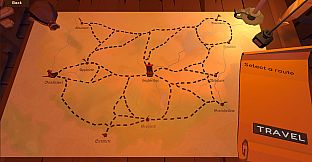
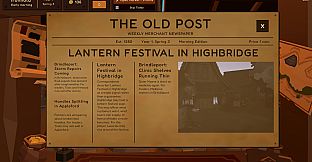
Il ciclo di gioco si basa sulla consultazione quotidiana dei mercati e sulla pianificazione degli itinerari. Ogni mattina il giocatore analizza prezzi, notizie, voci e contratti disponibili prima di decidere cosa acquistare con le monete e lo spazio limitati del carro. Il valore delle merci varia da una città all'altra in base a domanda e offerta, quindi individuare surplus o carenze diventa essenziale per ottenere guadagni. Gli spostamenti consumano tempo e risorse, rendendo fondamentale organizzare bene il carico per evitare di trasportare merce invenduta per più giorni.
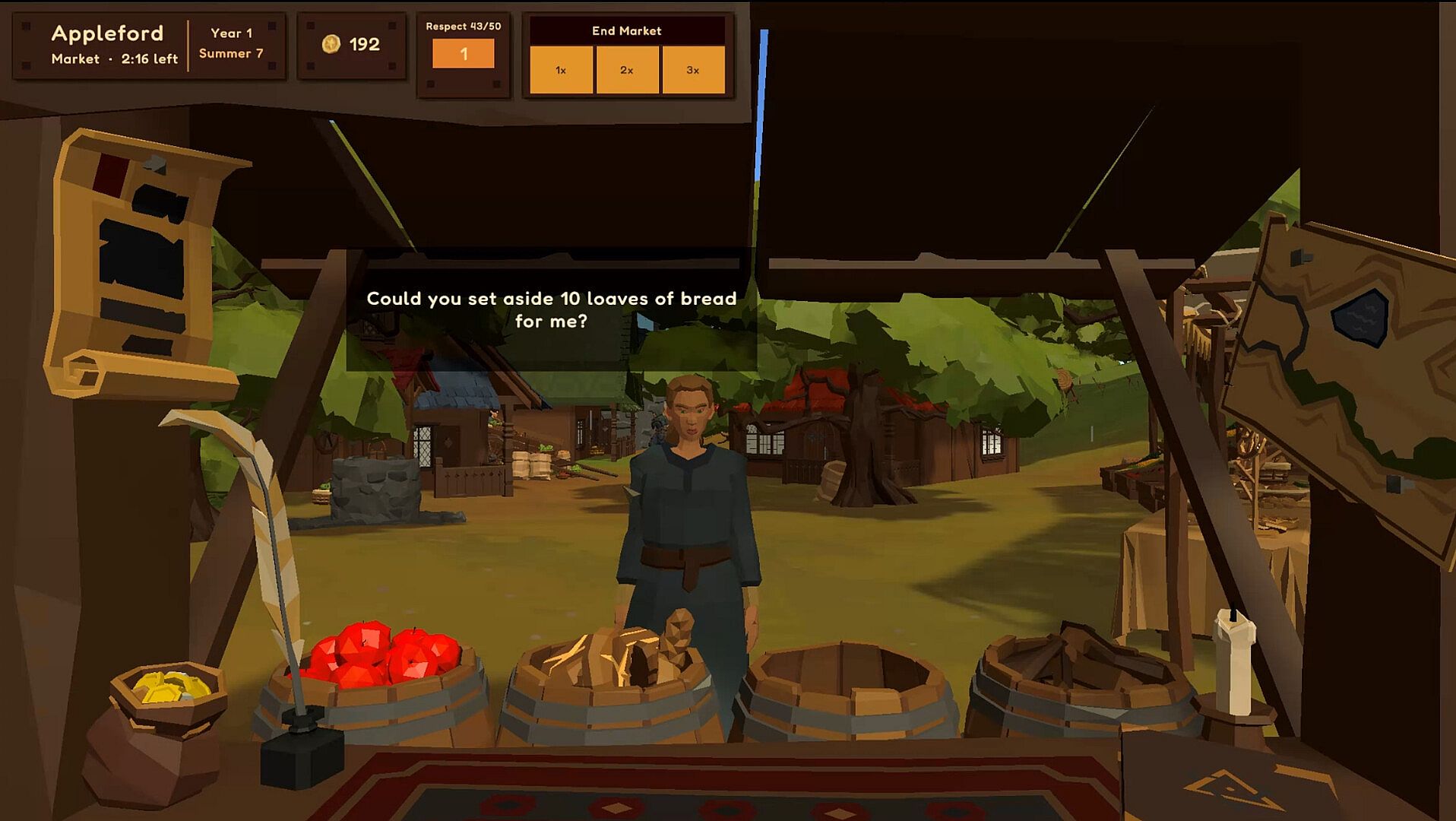
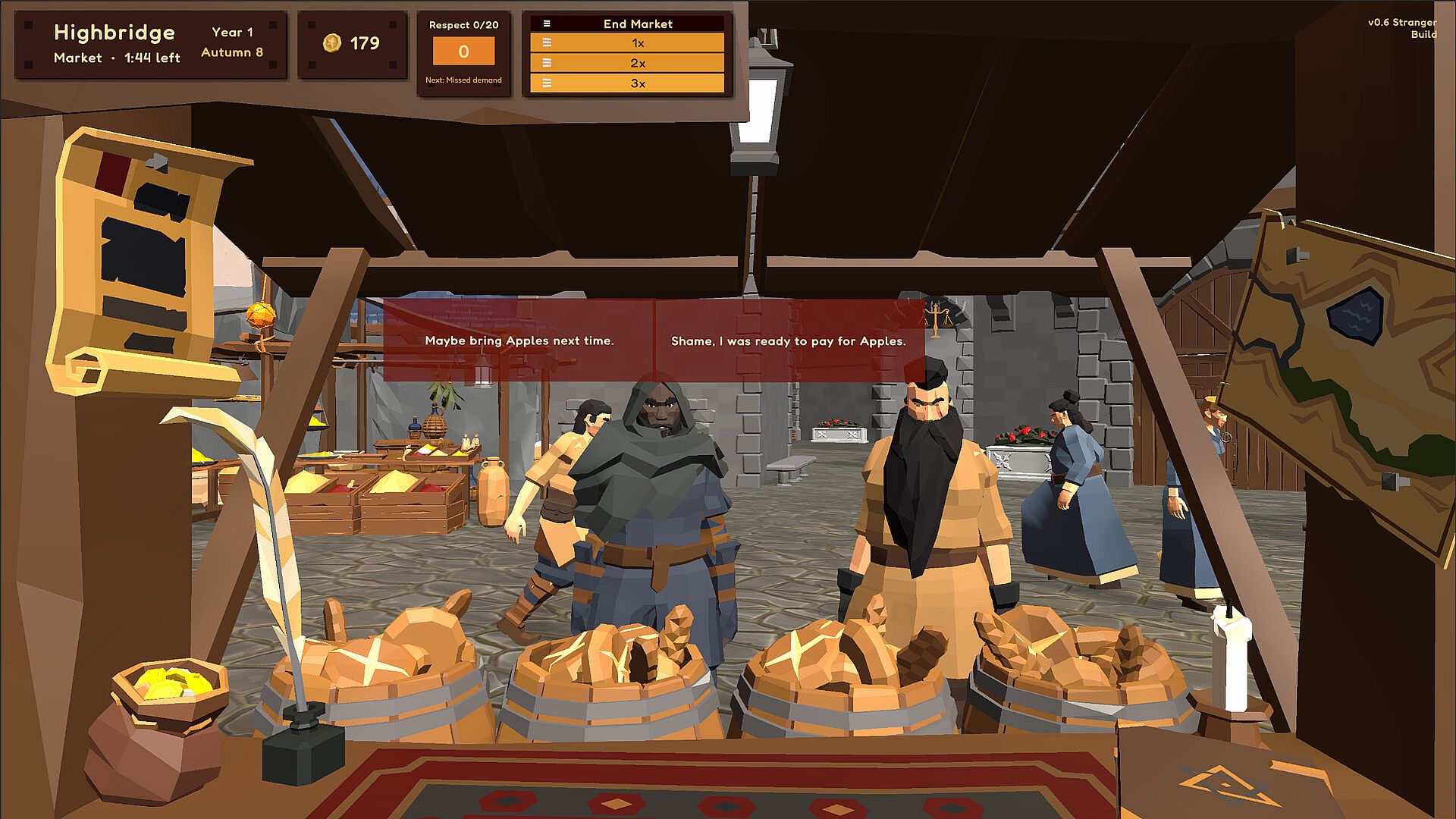
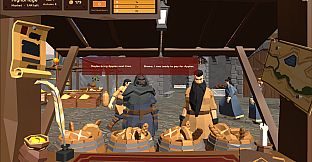
Arrivati in una nuova città, i giocatori allestiscono un banco e interagiscono direttamente con i clienti. La scelta dei prezzi è cruciale: si possono accettare offerte per guadagni sicuri, rifiutarle nella speranza di trattative migliori o lasciar andare i clienti. La reputazione influenza il comportamento dei clienti nel tempo, mentre i contratti offrono obiettivi strutturati che premiano la costanza. I resoconti serali riassumono vendite, schemi appresi e cambiamenti economici, influenzando direttamente le scelte del giorno successivo riguardo a percorsi e inventario.
La gestione riguarda monete, capacità di carico, spese di viaggio e rapporti con le diverse località. Acquisti oculati possono sbloccare nuove opportunità, mentre quelli sbagliati immobilizzano spazio e capitale. Il sistema favorisce la sperimentazione senza un percorso ottimale unico, permettendo di puntare su merci affidabili o inseguire occasioni ad alto rischio legate a carenze emergenti o voci di mercato.
Modalità di gioco
Merchant Miles è un'esperienza single-player priva di componenti multiplayer. La struttura supporta sessioni di commercio aperte in cui il giocatore sceglie liberamente percorsi, contratti e focus di mercato in base alle informazioni raccolte. La progressione deriva dalla conoscenza accumulata sull'economia di ogni città, dal miglioramento della reputazione e dall'ampliamento delle opzioni relative a merci e spostamenti. Non esistono modalità competitive o cooperative separate, mantenendo l'attenzione sulla strategia personale e sulla crescita a lungo termine del proprio commercio nel mondo simulato.
Meccaniche e sistemi principali
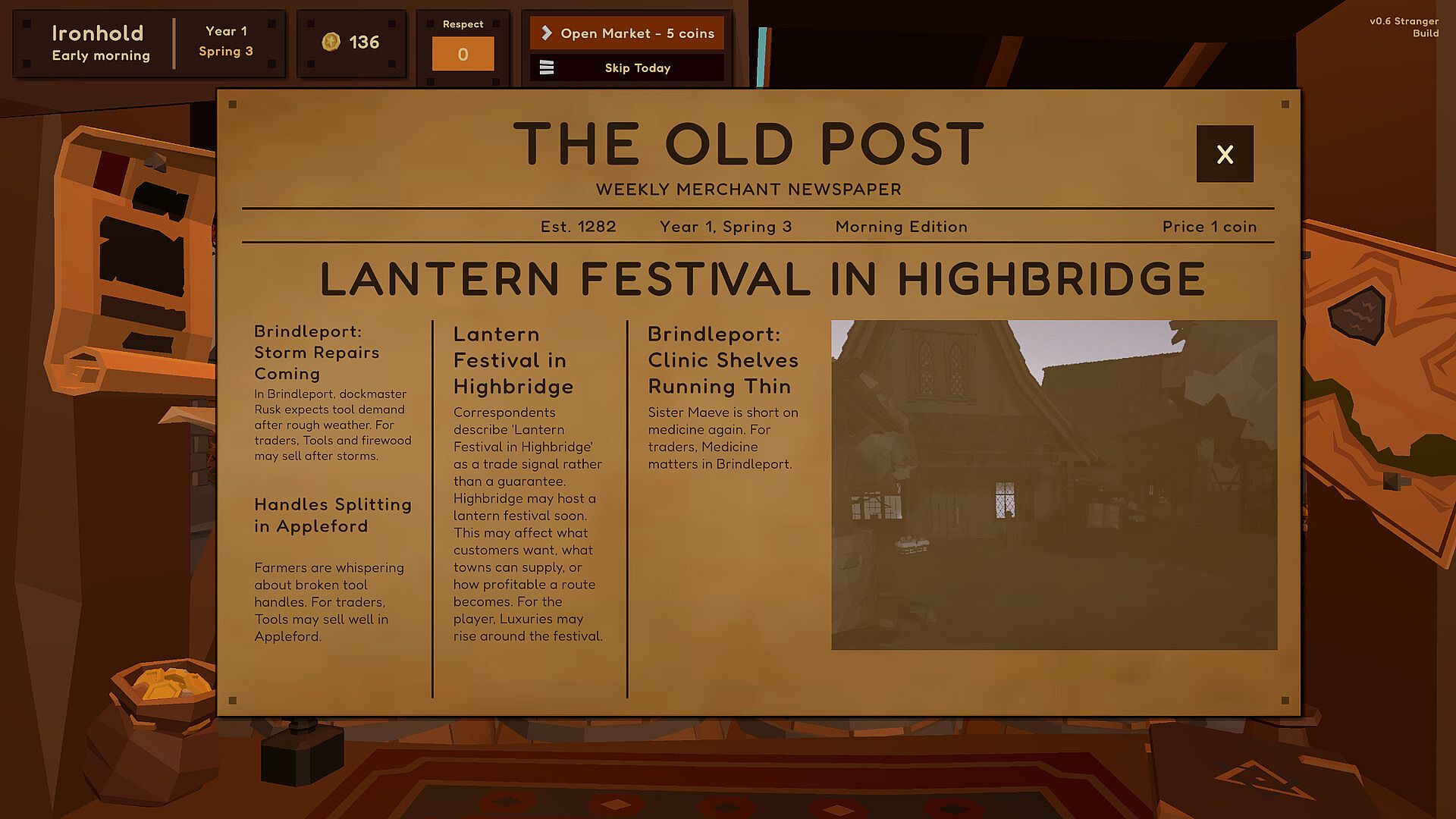
La raccolta di informazioni è un pilastro fondamentale, grazie a giornali, voci e dettagli dei contratti che rivelano opportunità o rischi. La simulazione economica traccia surplus e carenze in modo dinamico tra le città, imponendo un adattamento continuo invece di strategie statiche. La gestione del banco include elementi di negoziazione in tempo reale, dove ascoltare le esigenze dei clienti aiuta a perfezionare prezzi e decisioni sull'inventario. Reputazione e completamento dei contratti aggiungono livelli di progressione che influenzano le interazioni future e le opzioni disponibili.
I vincoli di risorse restano costanti: le monete limitano gli acquisti iniziali e lo spazio del carro determina cosa può essere trasportato. I costi e i tempi di viaggio introducono un'ulteriore variabile, spingendo a bilanciare profitti immediati con percorsi più lunghi o visite ripetute. I rapporti di mercato a fine giornata consolidano i dati sulle vendite e sulle tendenze emergenti, favorendo un miglioramento iterativo senza indicazioni esterne.
Vale la pena giocarci?
Merchant Miles si rivolge a chi apprezza le simulazioni di commercio ponderate e la risoluzione di puzzle economici in formato single-player. Il ritmo rilassato si adatta a sessioni casual, mentre la profondità dell'analisi di mercato e delle decisioni sui percorsi attrae chi cerca un coinvolgimento strategico. Come titolo in arrivo in Early Access previsto per il Q4 2026, il gioco offre già il ciclo base di acquisto, viaggio e vendita, con espansioni pianificate per città, merci e sistemi di progressione basate sul feedback dei giocatori. Chi è attratto dalle esperienze indie di strategia incentrate sulla vita del mercante troverà meccaniche in linea con il ciclo di commercio descritto, anche se l'ambito completo è ancora in fase di sviluppo. Sarà disponibile su PC tramite i principali store digitali al momento del lancio.











