


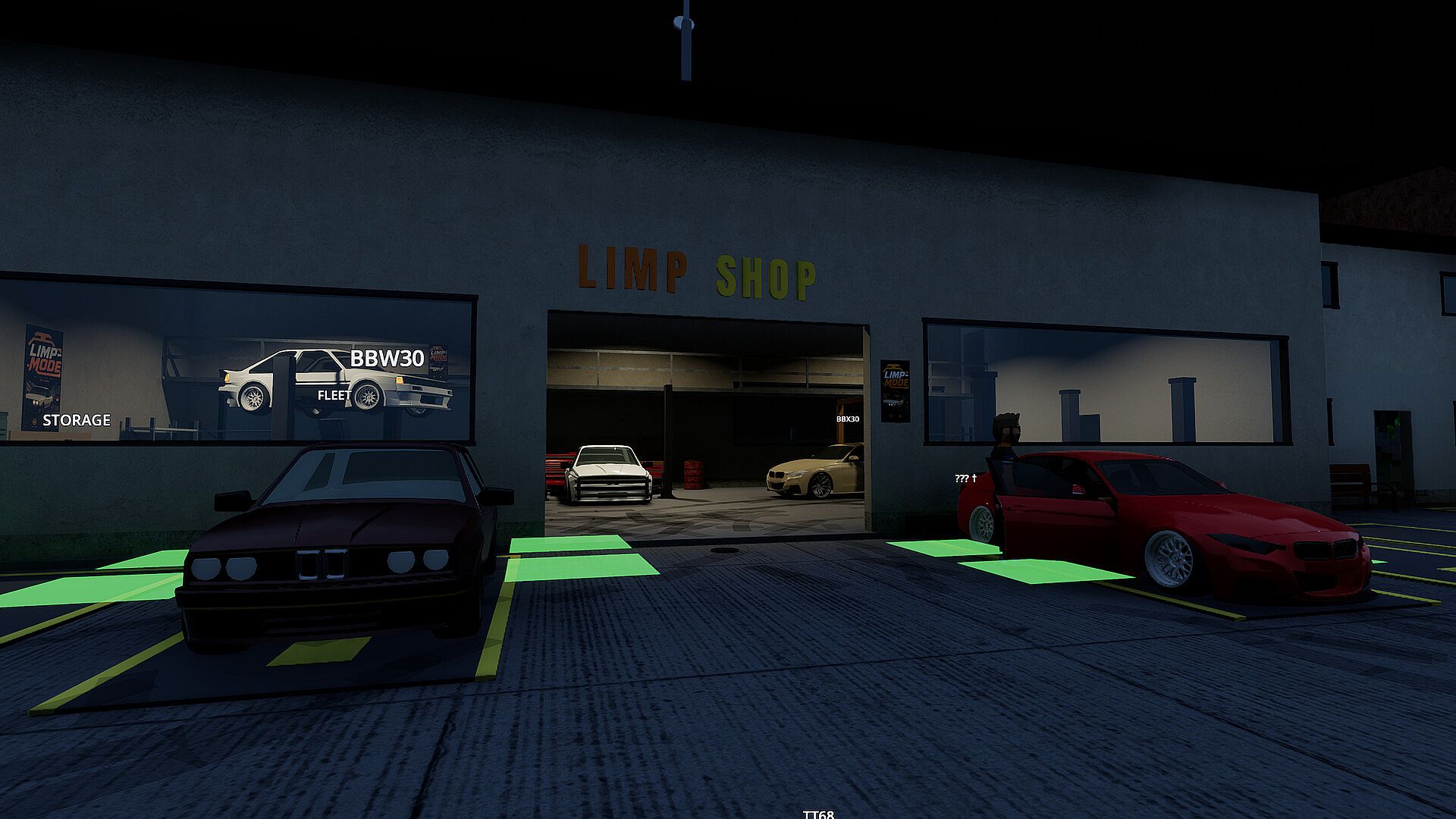
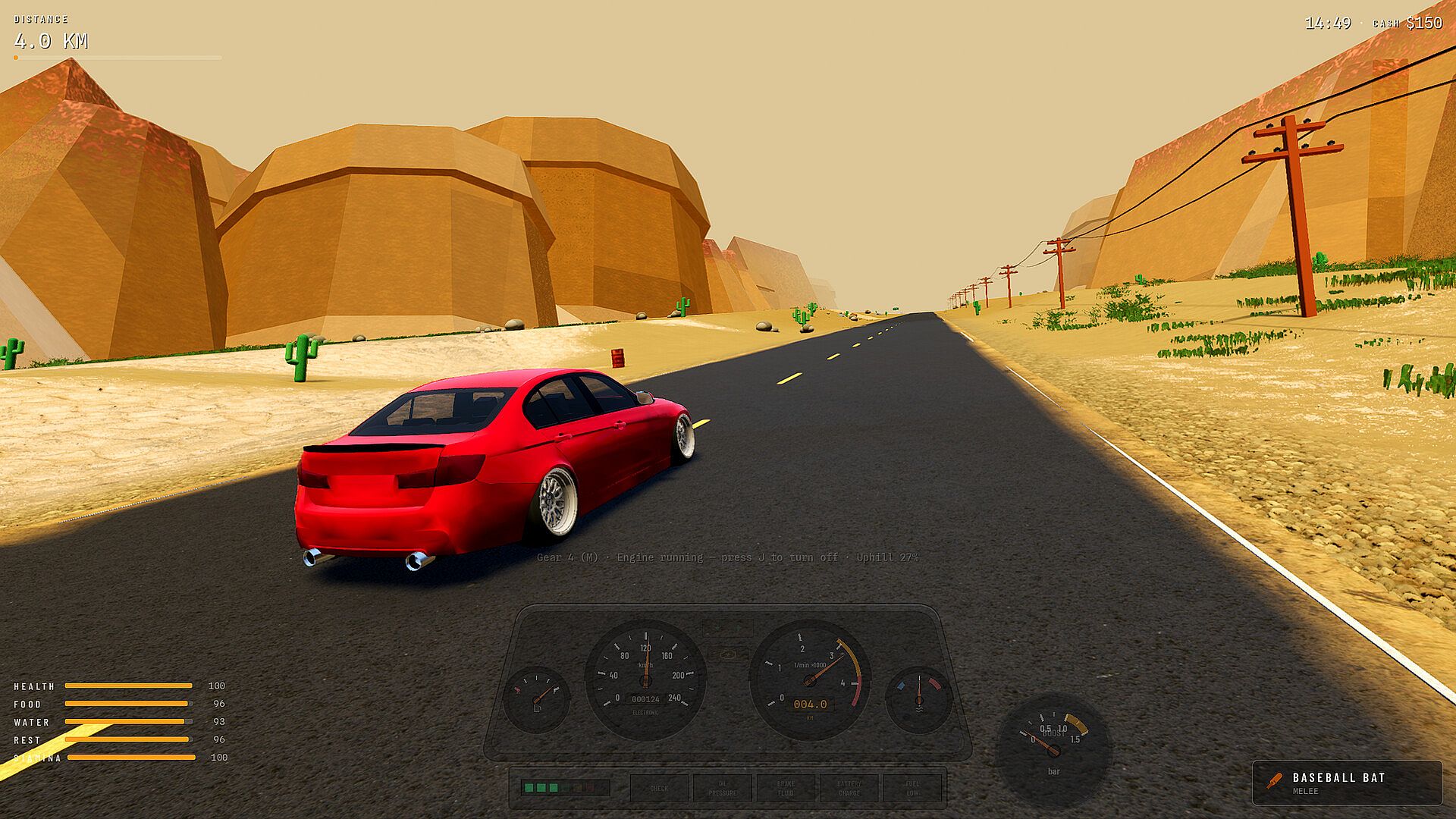
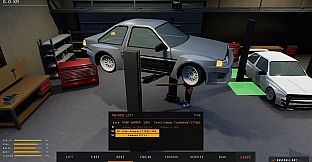
LIMP MODE is a top-down zombie survival roguelite that blends realistic car maintenance with high-stakes driving on an endless highway. Players manage a vehicle that suffers real mechanical failures while fending off the undead in an American wasteland setting. The core loop revolves around keeping the car running long enough to scavenge resources and return to base, with fuel serving as the primary timer for each run.
Gameplay
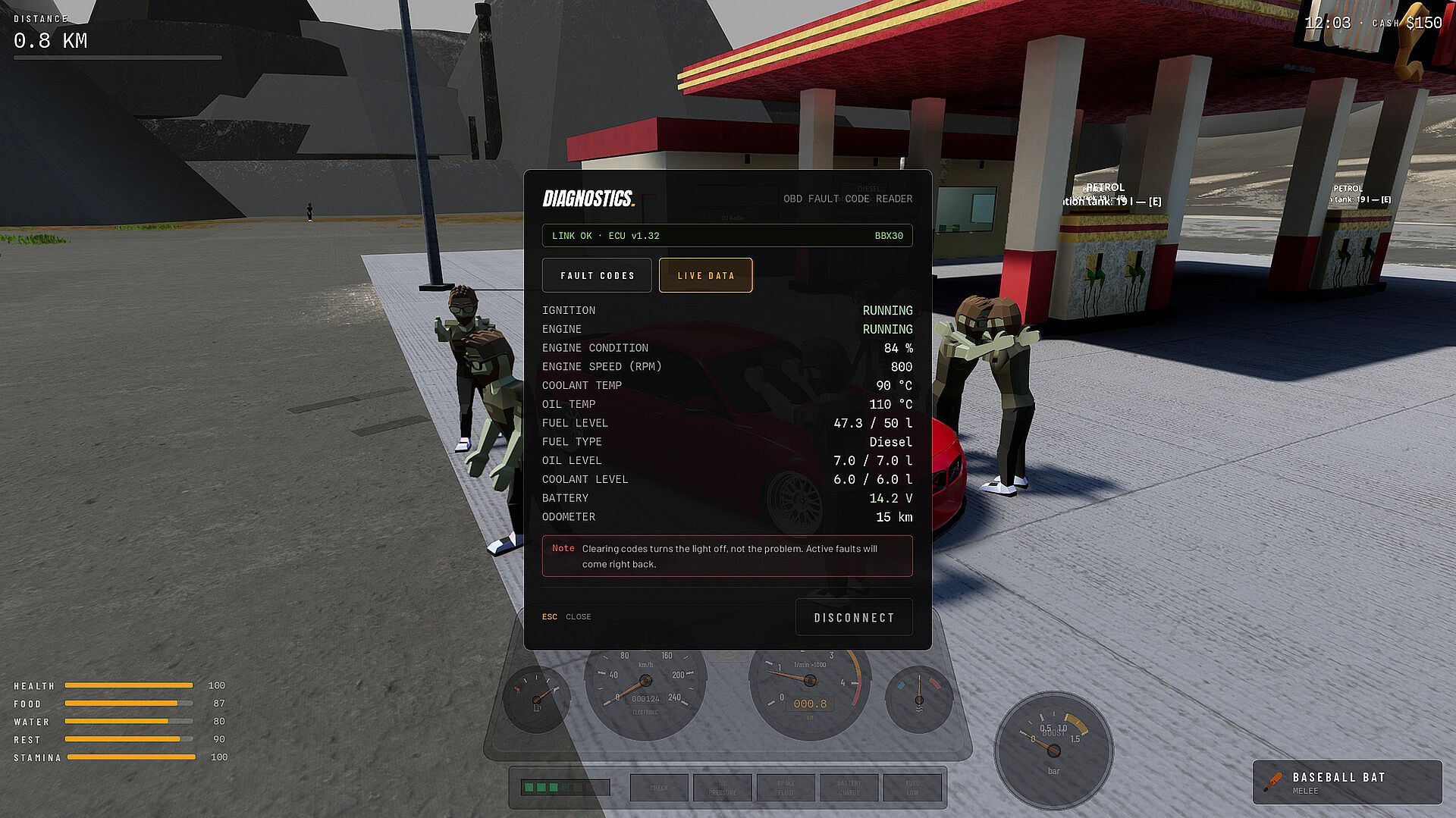
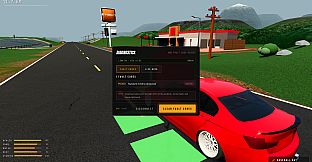
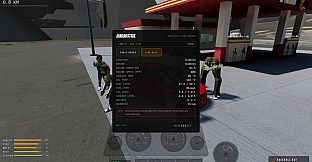
The diagnostic scanner forms the central tool for vehicle management. Players read fault codes to identify specific failing components, clear those codes to restore function temporarily, or disable systems for performance gains that carry risks such as increased noise attracting nearby threats. Each choice affects how the car behaves on subsequent stretches of road, with faults returning more frequently after repeated clears.
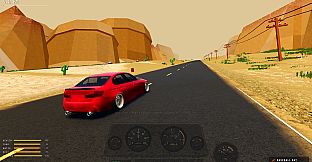
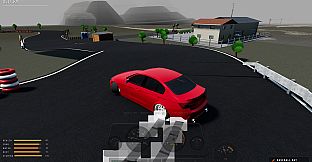
Driving emphasizes simulation physics including slip-based tire grip, weight transfer during turns, and drift mechanics developed with input from experienced drivers. A clean powerslide can clear paths through groups of zombies, turning vehicle control into a direct survival tool rather than simple movement. Parts degrade over time through normal use or damage from impacts, and players can strip components from abandoned wrecks to keep their own car operational.
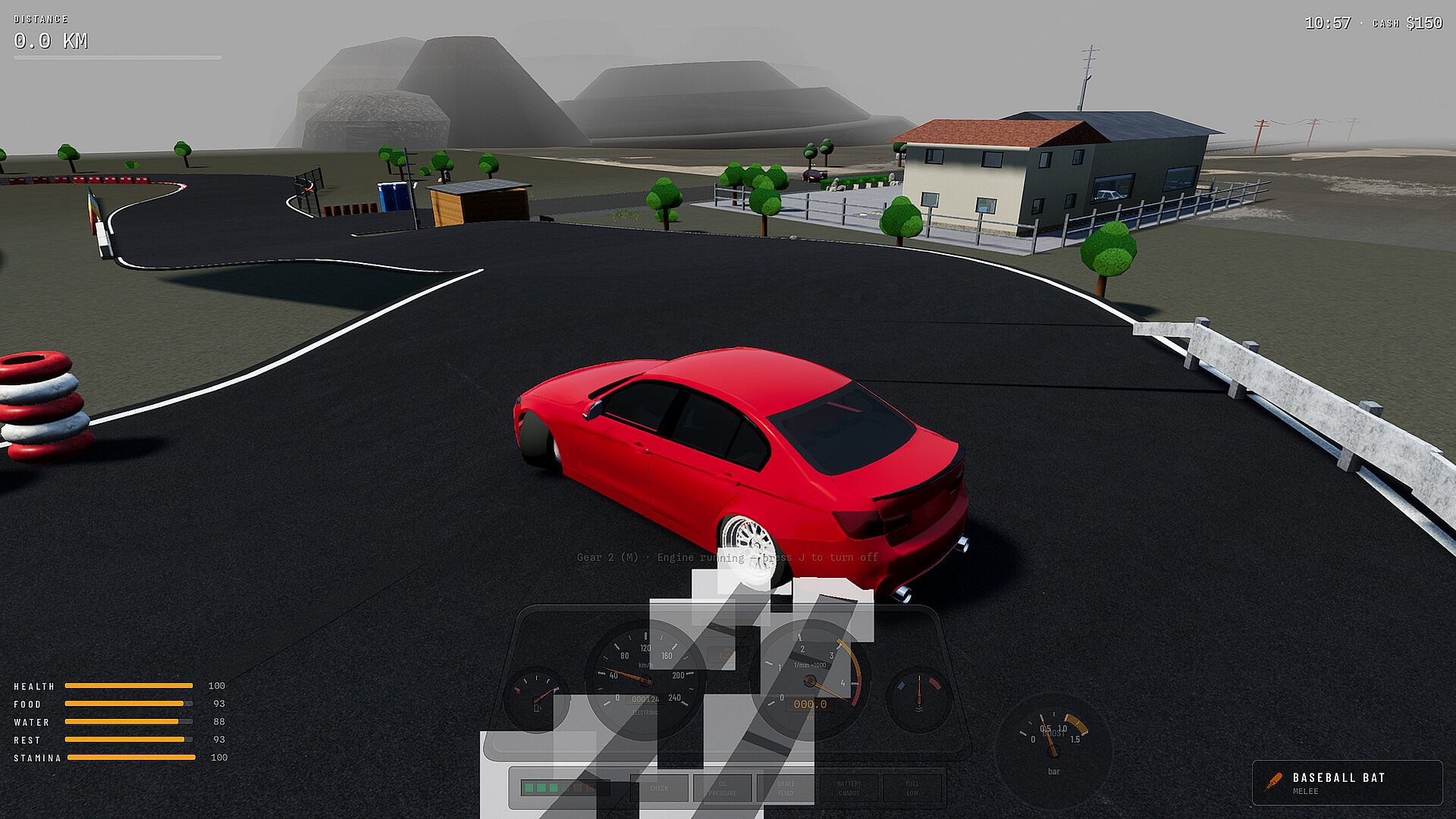
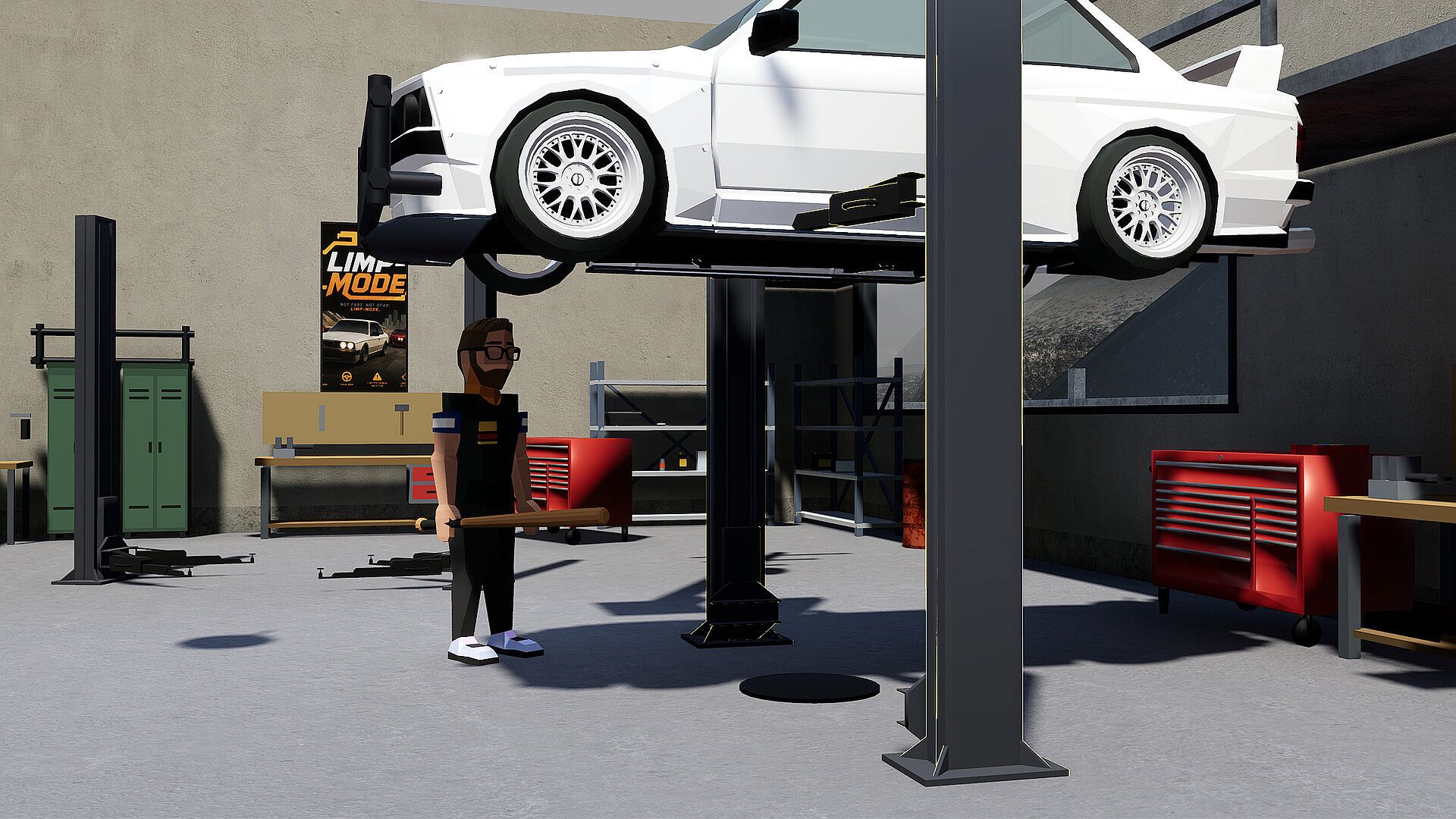
Four key consumables track vehicle health: fuel, oil, coolant, and battery charge. Real-time effects appear when systems fail, such as oil leaks creating slippery patches on the asphalt or rising temperatures forcing reduced power output. The base includes a dedicated proving ground where players lay out custom tracks to test builds and tune setups before heading back onto the main highway.
Game Modes
Runs take place on a persistent world tied to each save file. Abandoned vehicles and stripped containers remain in place across attempts, allowing players to retrieve resources or equipment on foot or with a tow truck if needed. Money and additional cars carry over between runs, supporting gradual expansion of a personal fleet and workshop upgrades.
Cooperative play supports up to four participants who share a single run starting from the host's base. Roles can split naturally with one player handling the scanner while others manage combat or driving, and the group can also use the track editor together for setup testing and tandem driving practice.
The roguelite structure means each highway excursion ends either in success or vehicle failure, after which the player returns to base to apply lessons from the previous attempt. Persistent elements encourage long-term planning around which vehicles to maintain and how to allocate limited repair resources.
Progression and Tuning
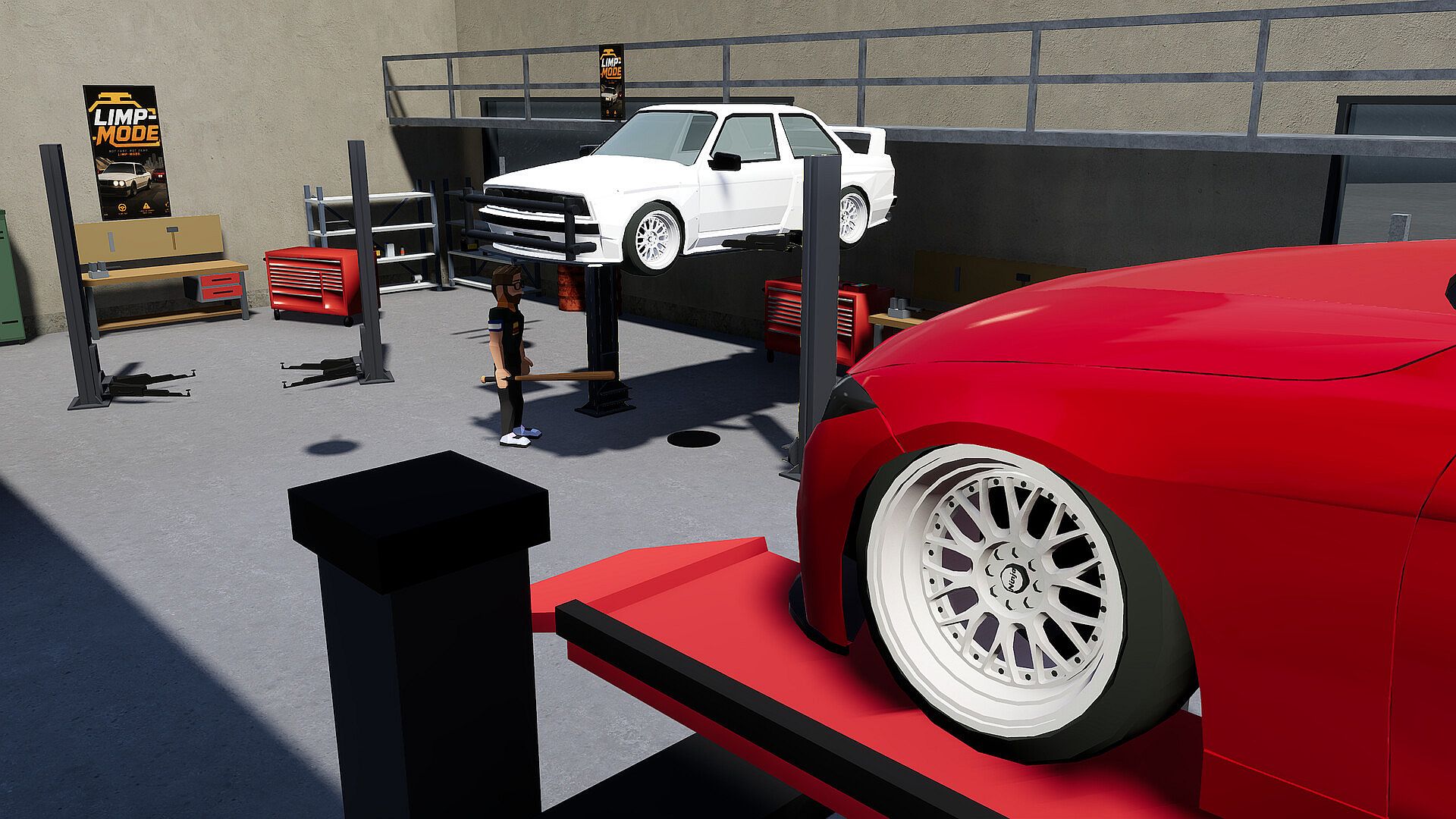
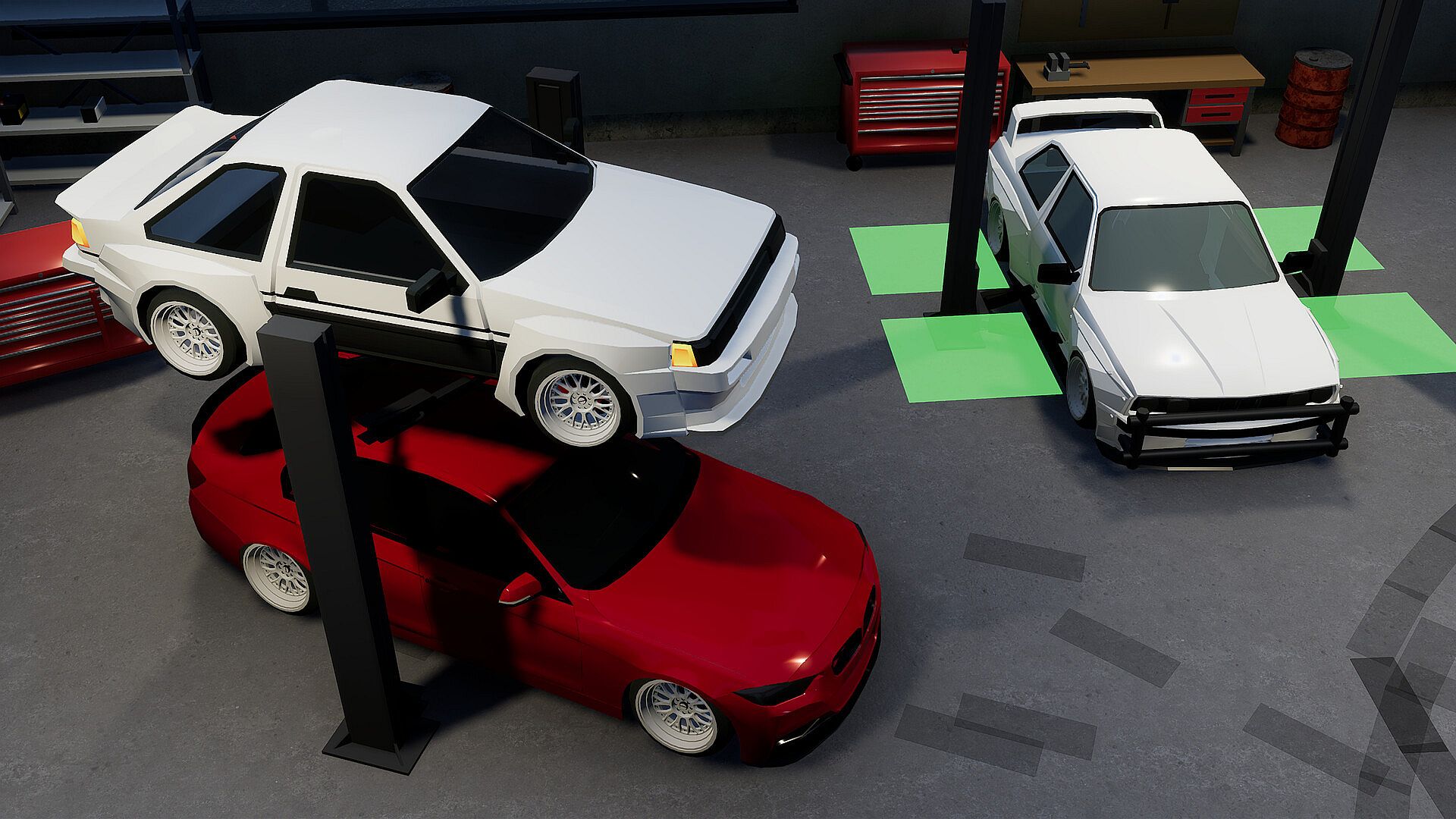
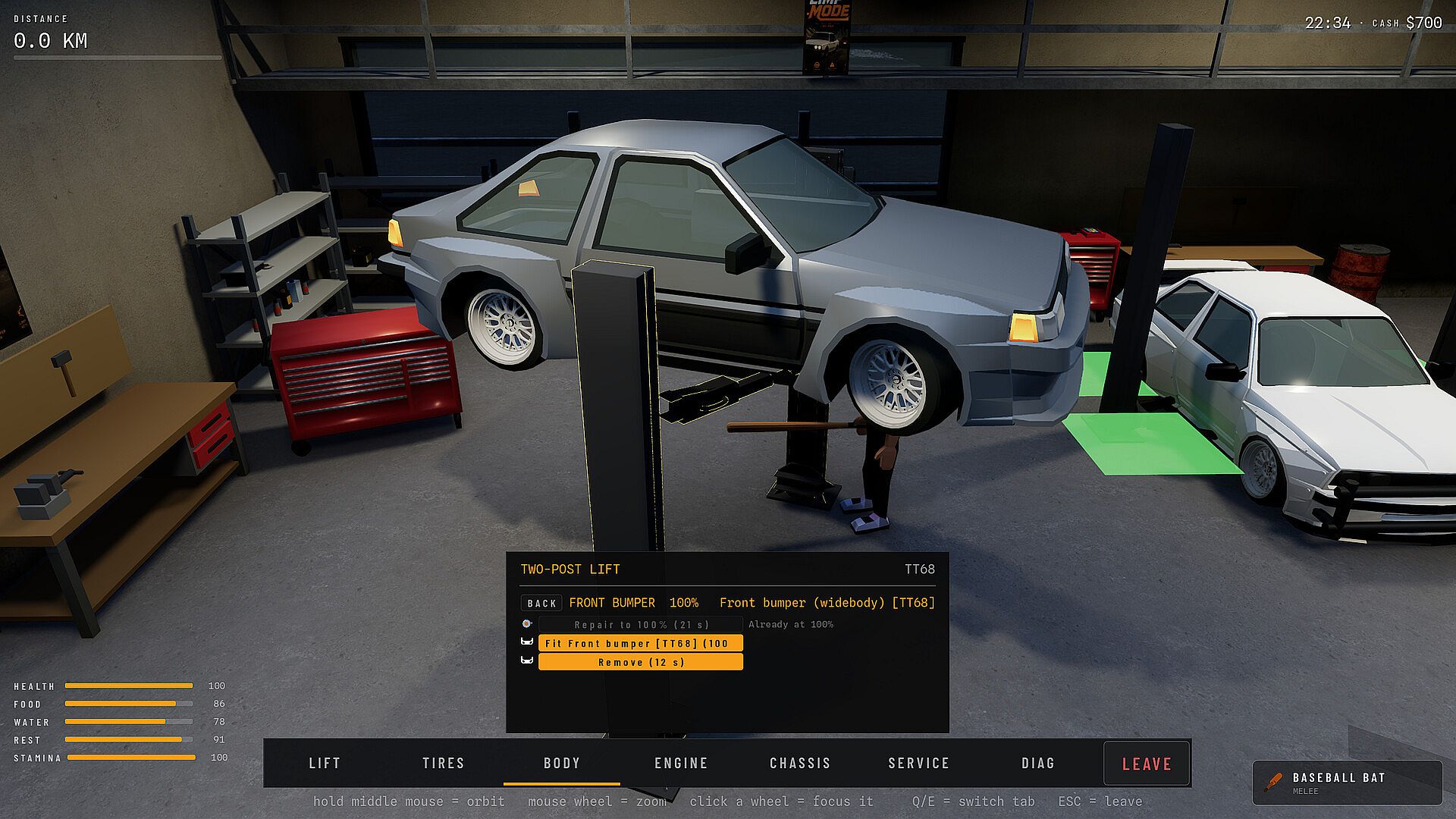
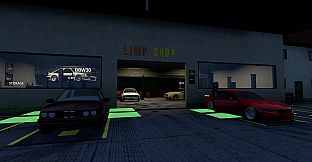
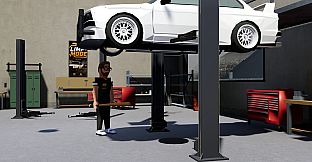
Base building focuses on practical improvements that directly aid future runs. Players repair and modify keeper vehicles with mechanical upgrades, software stages, and body modifications that alter handling or defensive capabilities. Found parts and currency allow incremental growth without resetting progress on death.
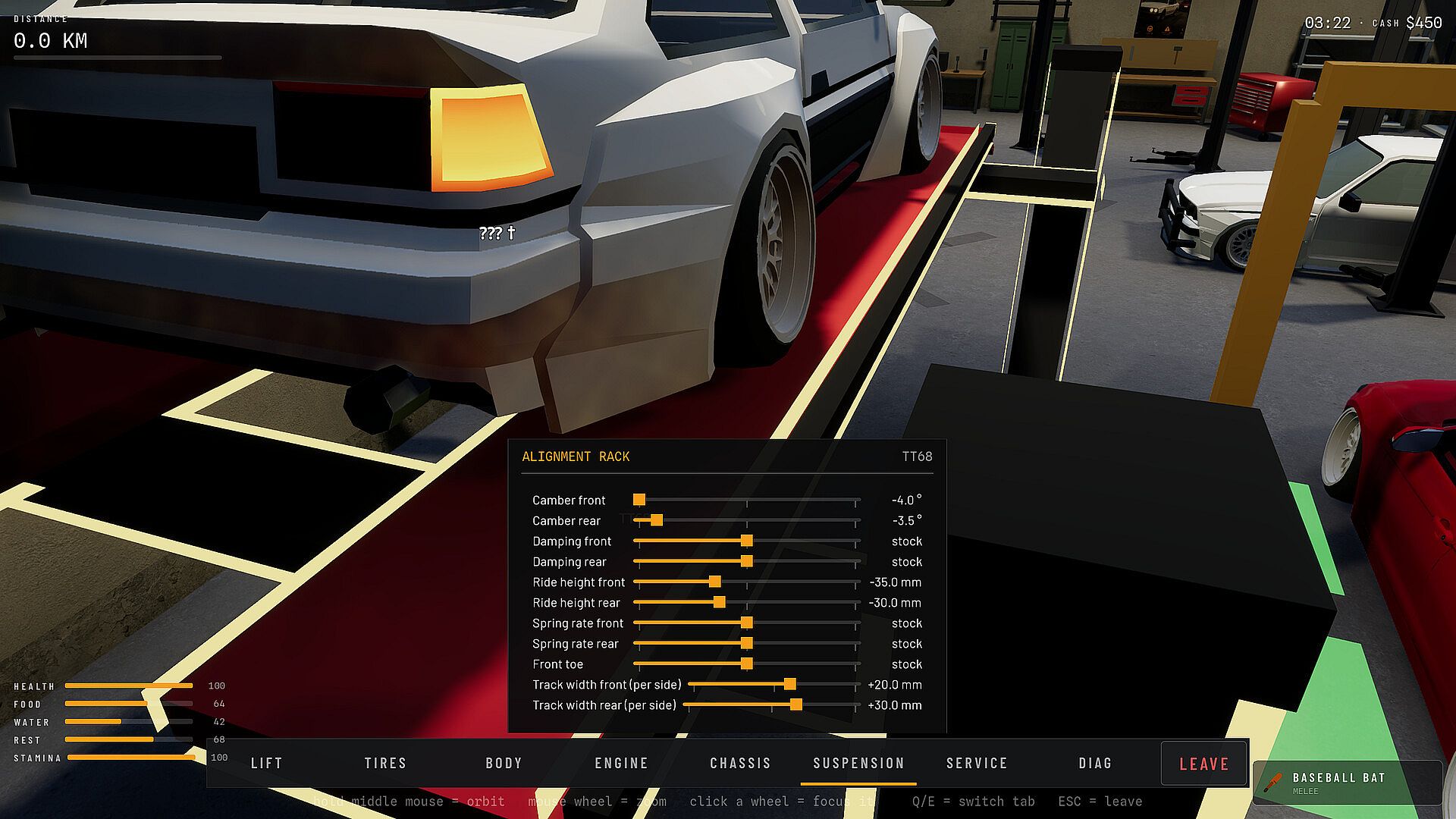
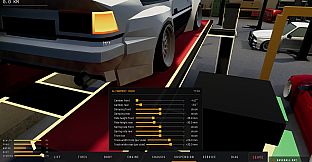
Tuning options mirror real workshop practices, including lift kits, wheel and track-width adjustments, exhaust changes, and visual customizations that provide functional benefits during encounters. The track editor behind the base serves as a safe space to refine these changes before committing them to the more dangerous highway environment.
Is It Worth Playing?
LIMP MODE remains in Early Access, so its systems continue to receive updates that refine the simulation and roguelite elements. The combination of detailed vehicle management and physics-driven driving appeals most to players who enjoy methodical resource decisions alongside action on the road. Those seeking a blend of survival tension and car customization will find the persistent world and co-op options add meaningful depth to repeated runs. The game suits singleplayer sessions focused on personal best distances as well as group play where coordination around the scanner and combat matters. Availability on PC makes it accessible for anyone interested in this specific mix of genres without requiring additional hardware.