

It Takes One To Gnome It All is an indie RPG with casual elements that places players in control of a lone gnome navigating a corrupted forest. The game combines hex-tile exploration with autobattle combat on PC, emphasizing strategic movement and resource management over direct fighting. A small gnome steps out from the village into woods that have begun turning hostile, where the core challenge lies in deciding which tiles to reveal and which risks to take as maps unfold.
Gameplay
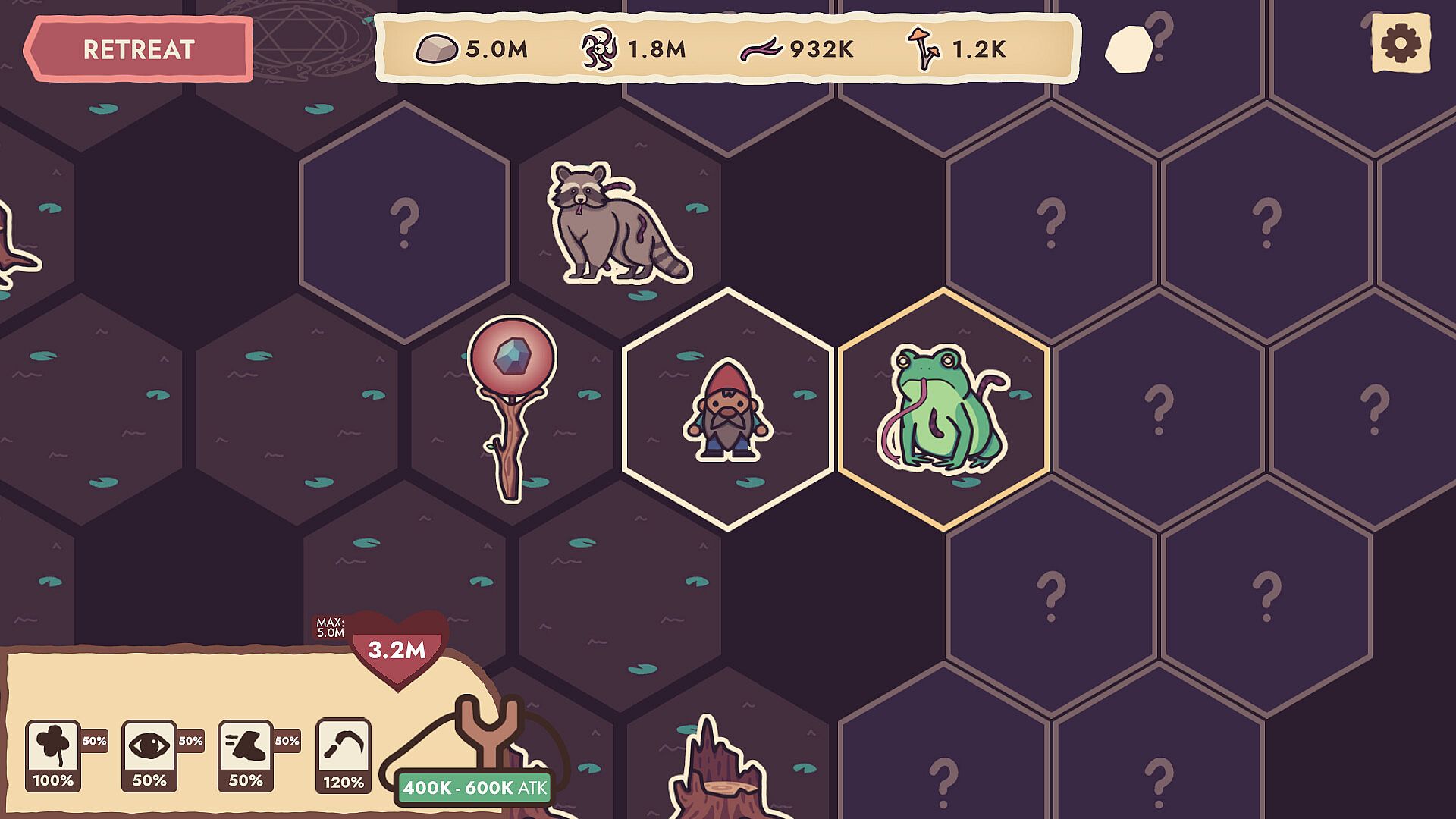
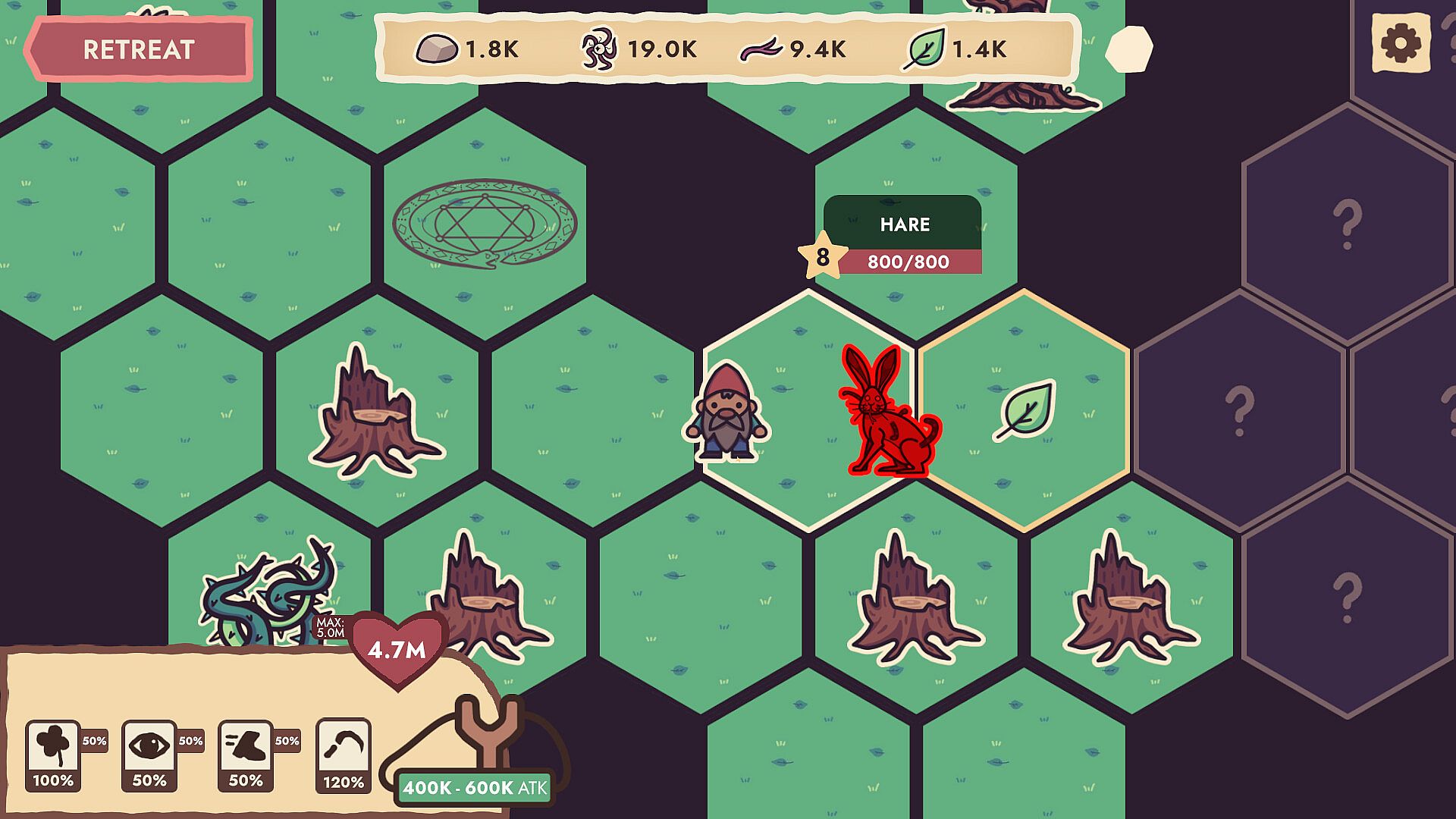
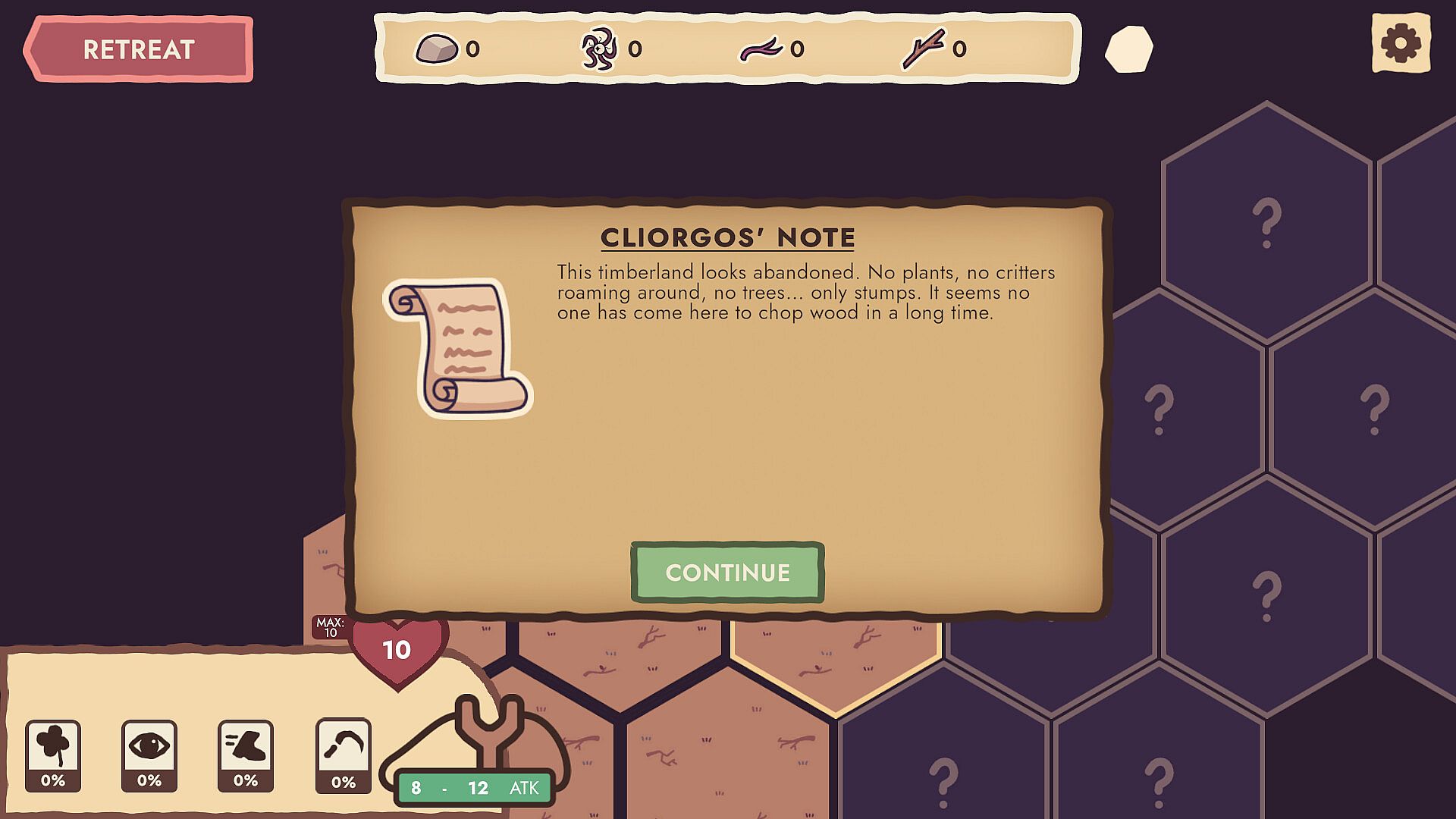
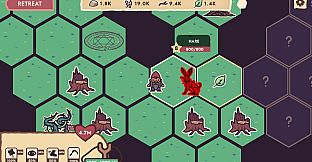
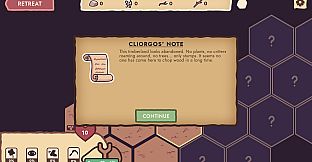
The experience centers on hidden hex-tile maps that start fully obscured. Movement reveals adjacent tiles based on the Perception stat, uncovering resources, traps, obstacles, or lore notes. Stepping onto certain tiles can trigger combat or hazards, while procedural generation ensures varied layouts across runs. Five distinct biomes each feature their own dungeon, set of enemies, and boss encounter, with ten types of forest creatures appearing overall alongside the five bosses.
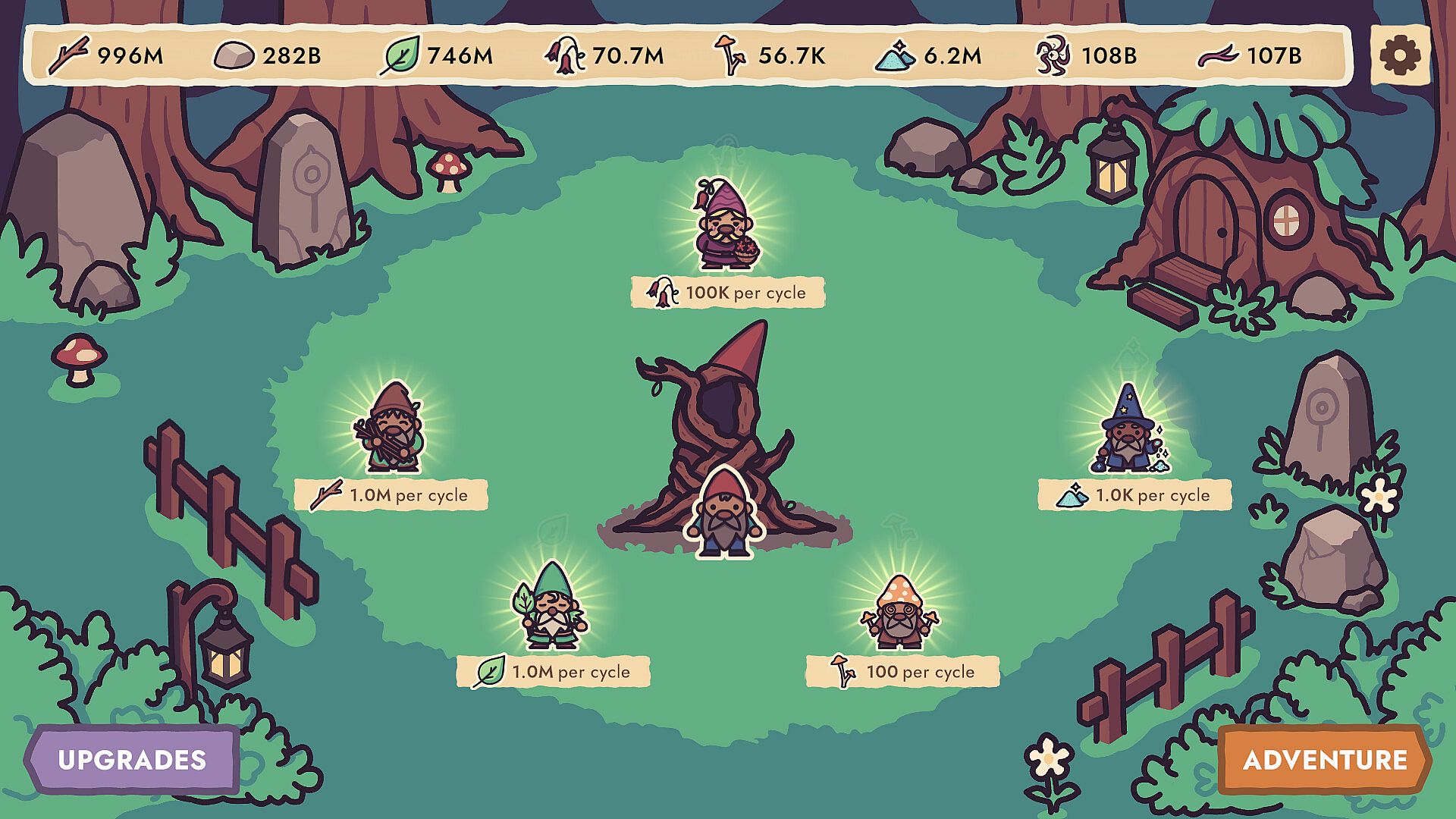
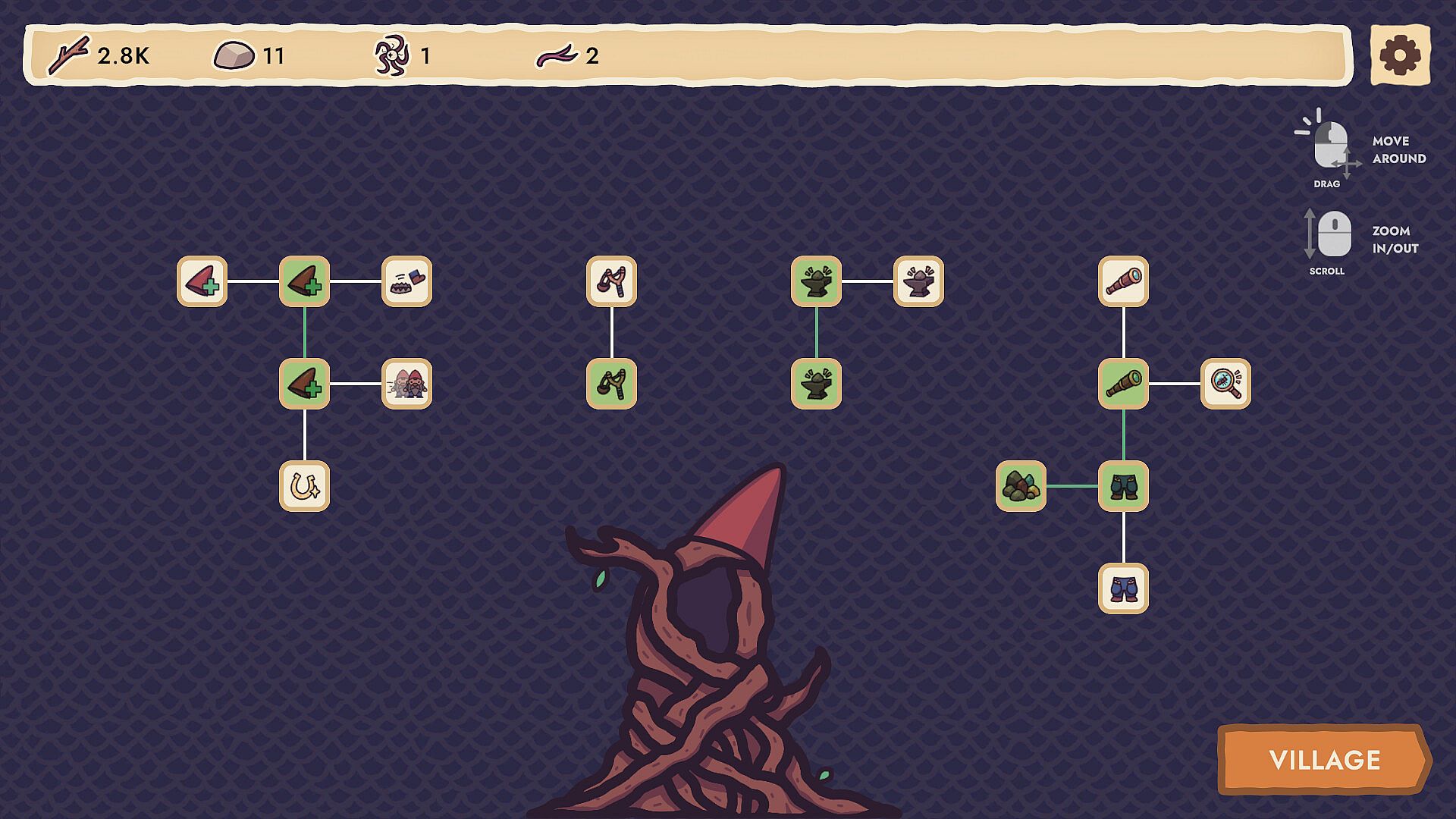
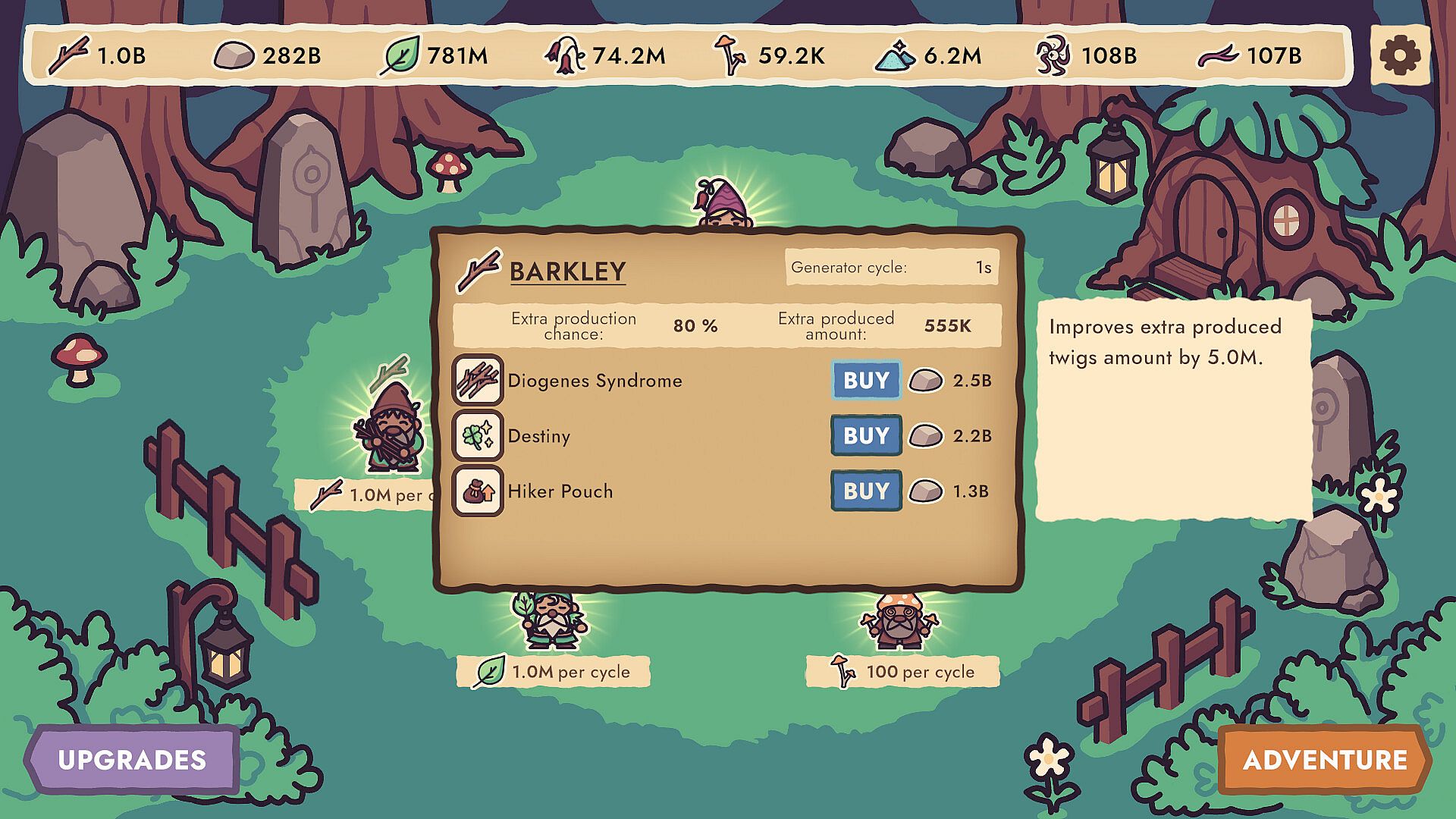
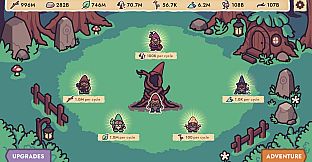
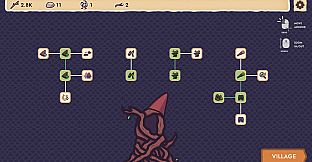
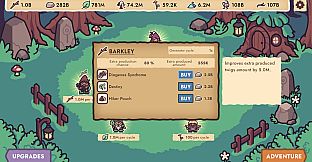
Combat resolves automatically once engaged, shifting focus to preparation through upgrades. Players allocate resources to improve evasion, health, attack power, perception, and additional stats, with more than 150 upgrade options available. Dungeons require keys to progress through floors, and eight resources support growth: basic pebbles, one unique item per biome, and two types of enemy drops. The Gnome Circle provides passive resource generation during play, allowing steady progress even while exploring.
Game Modes
The game operates as a single-player experience built around repeated exploration runs. Each session involves venturing into procedurally filled maps where decisions about pathing, risk assessment, and resource spending determine outcomes. There are no separate multiplayer or competitive modes confirmed. The structure encourages multiple attempts as players refine their gnome build and learn biome layouts, with hidden elements and traps adding replay variety without altering the fundamental single-player loop.
Exploration and Progression
Progression ties directly to map revelation and resource collection. Freeing the Gnome Circle unlocks ongoing production of materials while the player moves through the forest. Traps and obstacles force careful tile selection, and lore notes scattered across hexes provide context for the spreading corruption. Each biome introduces unique challenges through its dedicated dungeon and enemy roster, requiring tailored upgrades to handle bosses at the end of each area. The system rewards thoughtful movement and balanced stat investment over aggressive playstyles.
Is It Worth Playing?
The game suits players who enjoy deliberate exploration and build customization in a compact indie package. Its autobattle approach removes the need for real-time combat skill, instead highlighting planning and adaptation across procedural maps. With a planned release on November 6, 2026, and no user reviews available yet, interest depends on preference for hex-based roguelike elements combined with passive progression systems. Those drawn to casual RPGs focused on discovery and incremental gnome strengthening will find a focused loop here, while others seeking direct action or multiplayer features may want to wait for launch feedback.