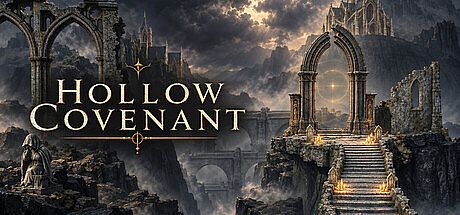


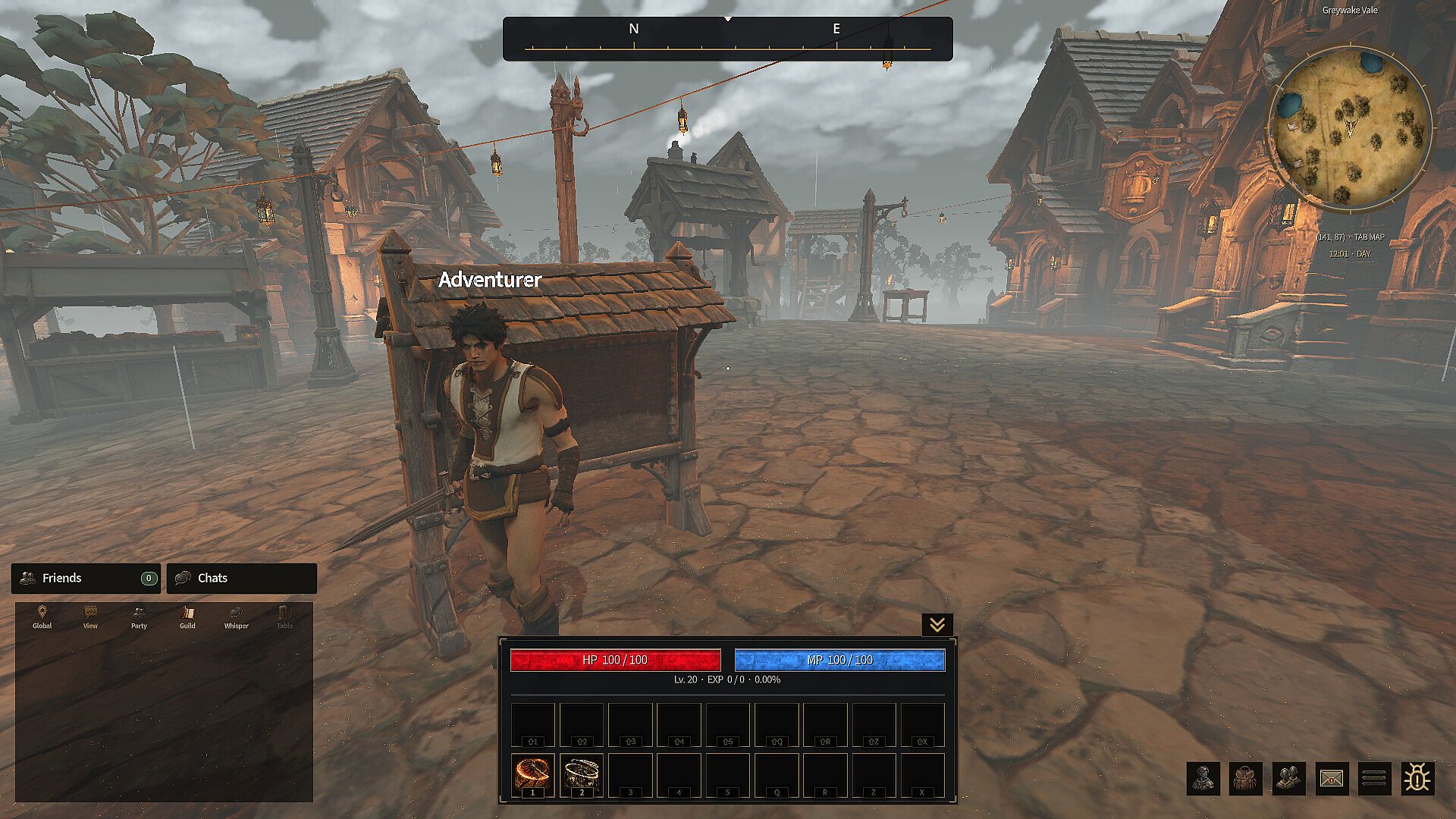
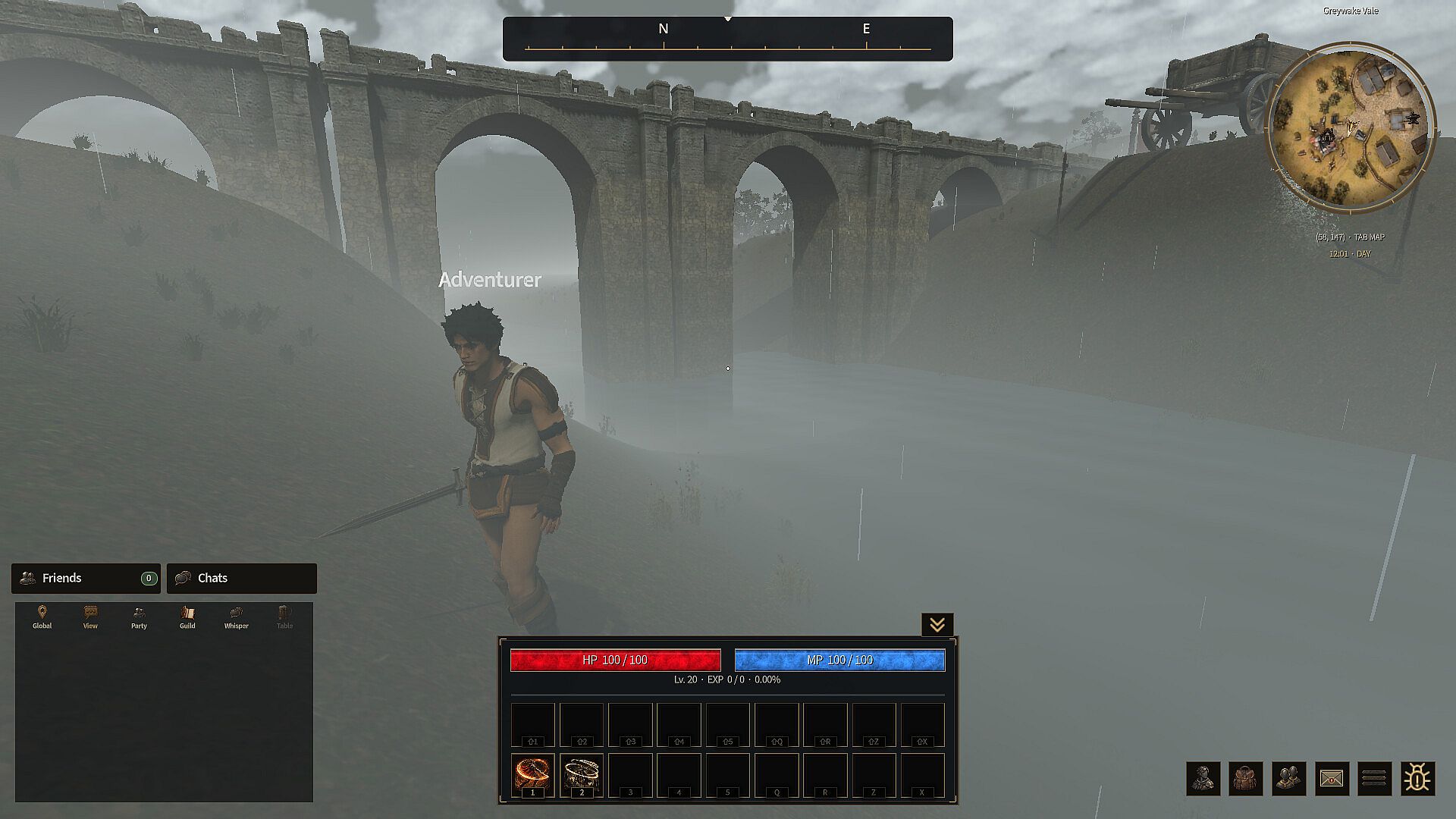
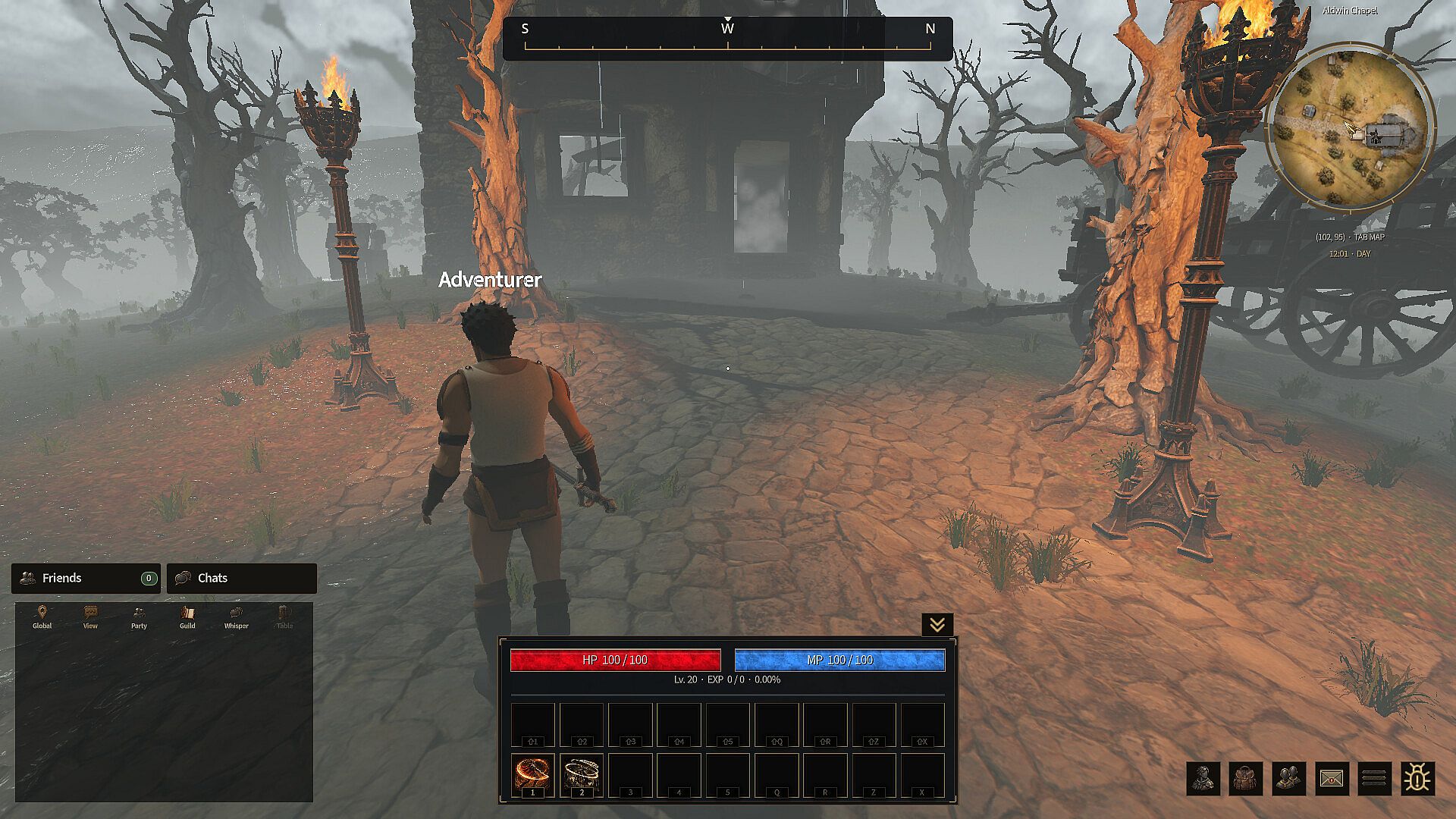
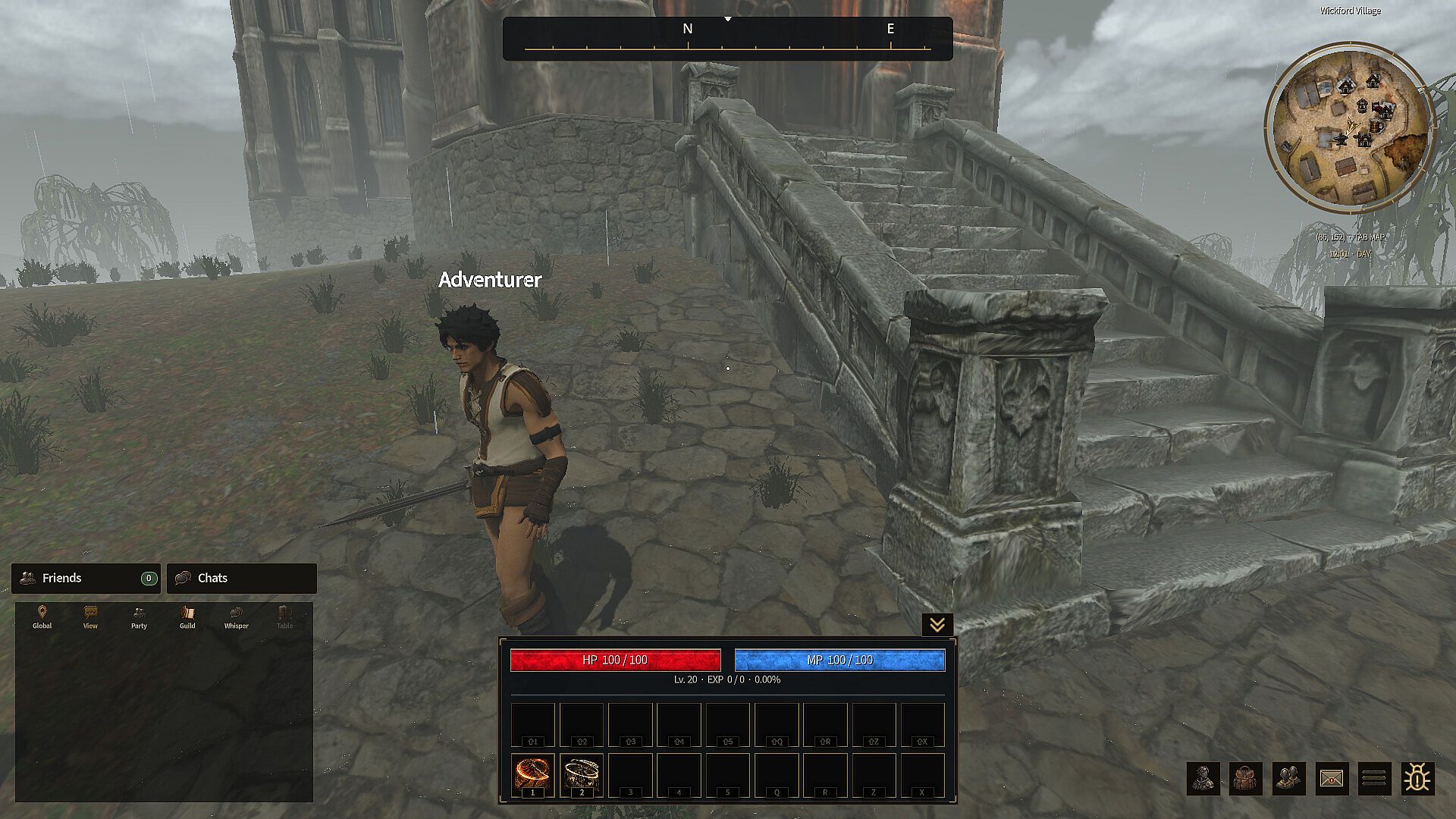
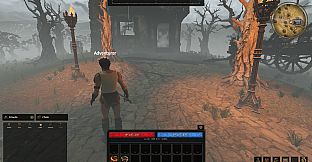
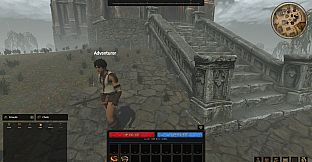
Hollow Covenant is a free to play indie MMORPG that places players in a persistent world shaped by an old agreement between gods and mortals. The Hollow Covenant keeps a wound beneath reality closed through divine power and mortal prayer, yet the same system now erodes the gods themselves. Memory has hardened into censorship, craft into compulsory perfection, and justice into fanaticism. Players begin without prophecy or special bloodline. Three days ago the family home in Greywake Vale burned, the father lies in the ground, and the killer still walks free. That personal stake is enough to enter the world.
Gameplay
Tab target combat forms the core of encounters, with skills, buffs, party roles, cooldowns, positioning, and build craft all legible to coordinated groups. Movement and timing feel responsive without turning every fight into a personal duel. An ordinary wolf remains a routine threat rather than an elaborate boss. Classes function as disciplines learned from mentors rather than fixed destinies chosen at character creation. Equipment serves as visible identity, appearing on the character from a patched leather jerkin to relics that deliberately break the world's rules. Leveling carries weight because the world during the climb constitutes the actual game rather than a formality before endgame content.
Progression ties directly to the environment. Gear changes appearance in every slot, consumables matter, and character growth unfolds over real time. The economy operates through merchants, repairs, crafting, player trading, personal stores, and a vault. Authored quests feature branching dialogue while NPCs follow their own daily routines. A persistent server authoritative world uses layered maps and streamed terrain to support open world player versus player encounters that incorporate party and guild allegiance.
Game Modes
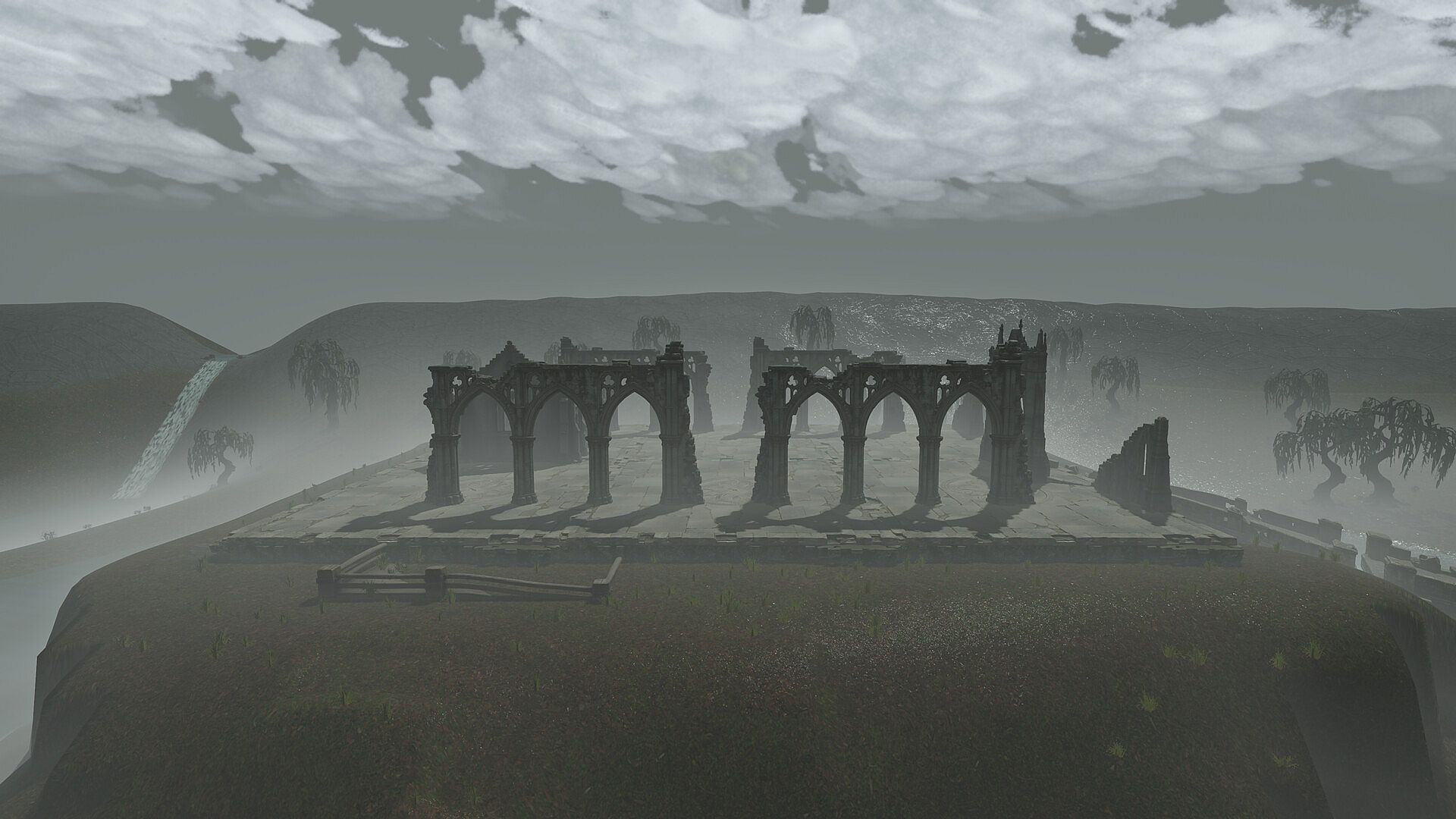
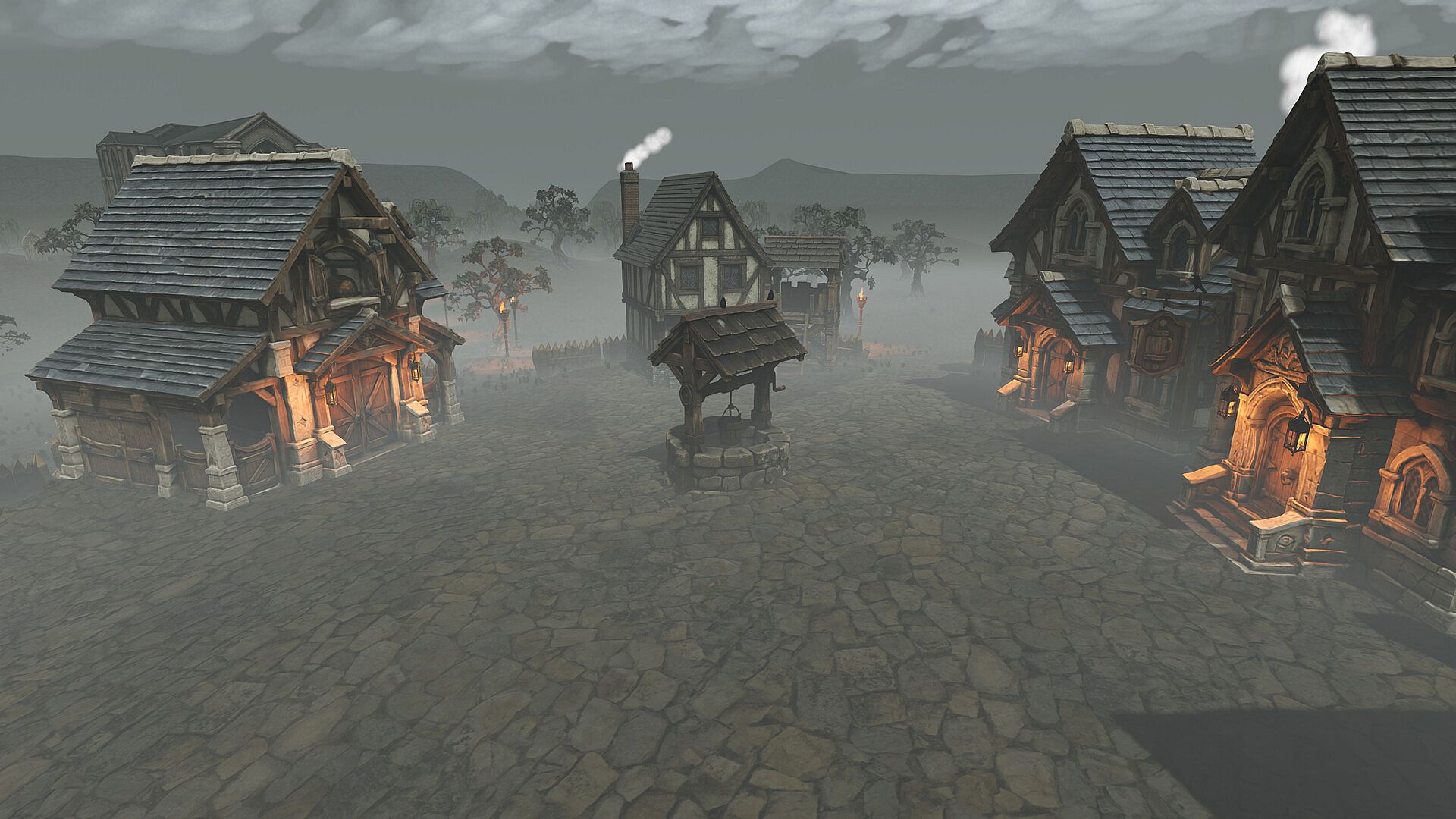
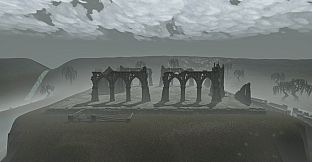
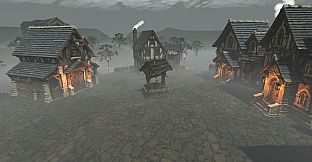
The game centers on a single persistent world divided into six regions, each deformed by a different virtue taken too far. Greywake Vale carries mud and grief, Blackglass Reach holds mirrors and archives, the Emberdeep Dominion burns with furnaces, Mourntide contains drowned tombs, the Red Bough features bleeding forests, and Oathspire serves as the failing cathedral capital. Guilds, churches, magistrates, smugglers, and laborers already run these places and will continue regardless of individual success.
Players purify, slay, or bind fallen gods that function as regional problems rather than simple health bars with loot tables. Each choice repairs one aspect of a region while breaking another, altering who remains alive, who holds power, and what people may say openly afterward. Open world player versus player occurs alongside party and guild systems. Friends lists, chat, and guild features support coordinated play. The rite of shelter at a threshold grants temporary protection from corrupted gods without granting authority or leaving a permanent mark.
World and Story
The setting predates any player arrival. No one waits for newcomers to save the day. The Hollow Covenant has held for centuries, yet the same pact now destroys the gods it sustains. Memory, craft, mercy, renewal, and justice have all twisted under its weight. Players enter through personal loss rather than destiny, crossing into a place where guilds and institutions already shape daily life. Six distinct regions reflect virtues pushed past their limits, creating environments that feel occupied rather than staged for arrivals.
Judgments made against fallen gods produce lasting regional changes. Survivors, leadership, and open speech all shift based on prior decisions. The world maintains its own momentum through NPC routines and established power structures that operate independently of any single adventurer.
Is It Worth Playing?
Hollow Covenant suits players who prefer an online world that functions as a lived in place instead of a checklist of activities. Tab target combat with clear roles and positioning rewards party coordination without requiring constant high speed movement. Visible equipment and mentor based class progression give tangible identity and growth that unfolds during leveling rather than after it. The economy and quest systems support both solo and group play through crafting, trading, and branching dialogue.
Those who enjoy persistent worlds with open world player versus player, guild systems, and consequences that alter regional states will find the structure familiar yet focused on older MMO sensibilities. The early access state means core systems such as combat, economy, and regional judgment mechanics are present and playable. Players seeking a free to play experience centered on deliberate choices and a world that continues without them may find the approach rewarding. Those preferring fast paced action or heavily scripted single player narratives may prefer other titles.