


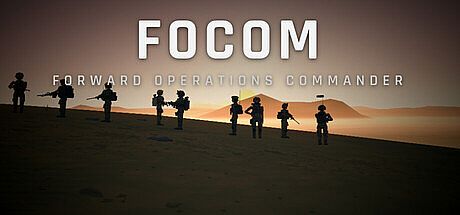



FOCOM: Forward Operations Commander is a strategy and simulation game in early access on PC that places players in the role of a regional security force commander establishing control in a contested district. The experience emphasizes detailed unit management and persistent world simulation on a single map with a day and night cycle that continues without reset.
Gameplay
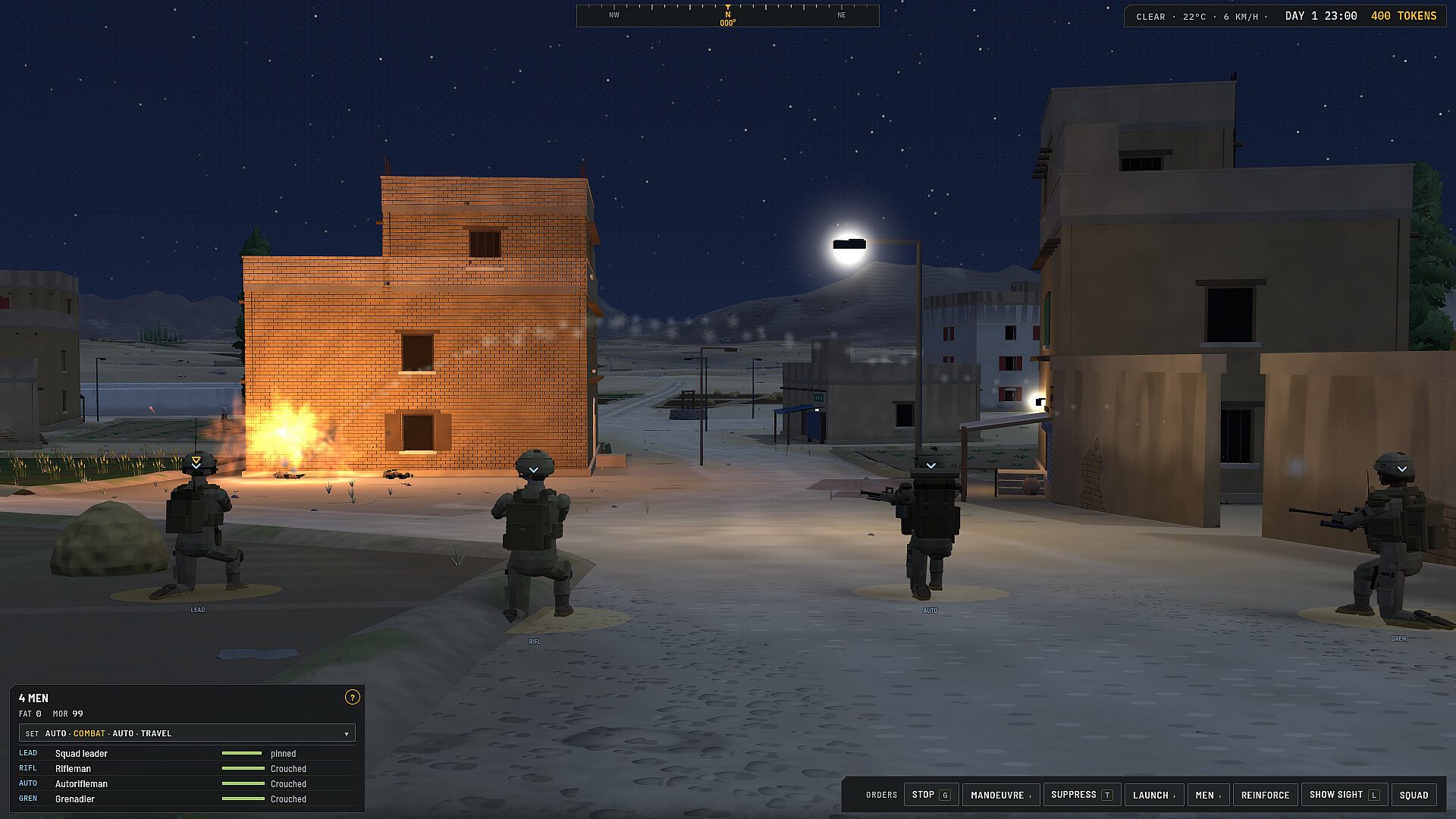
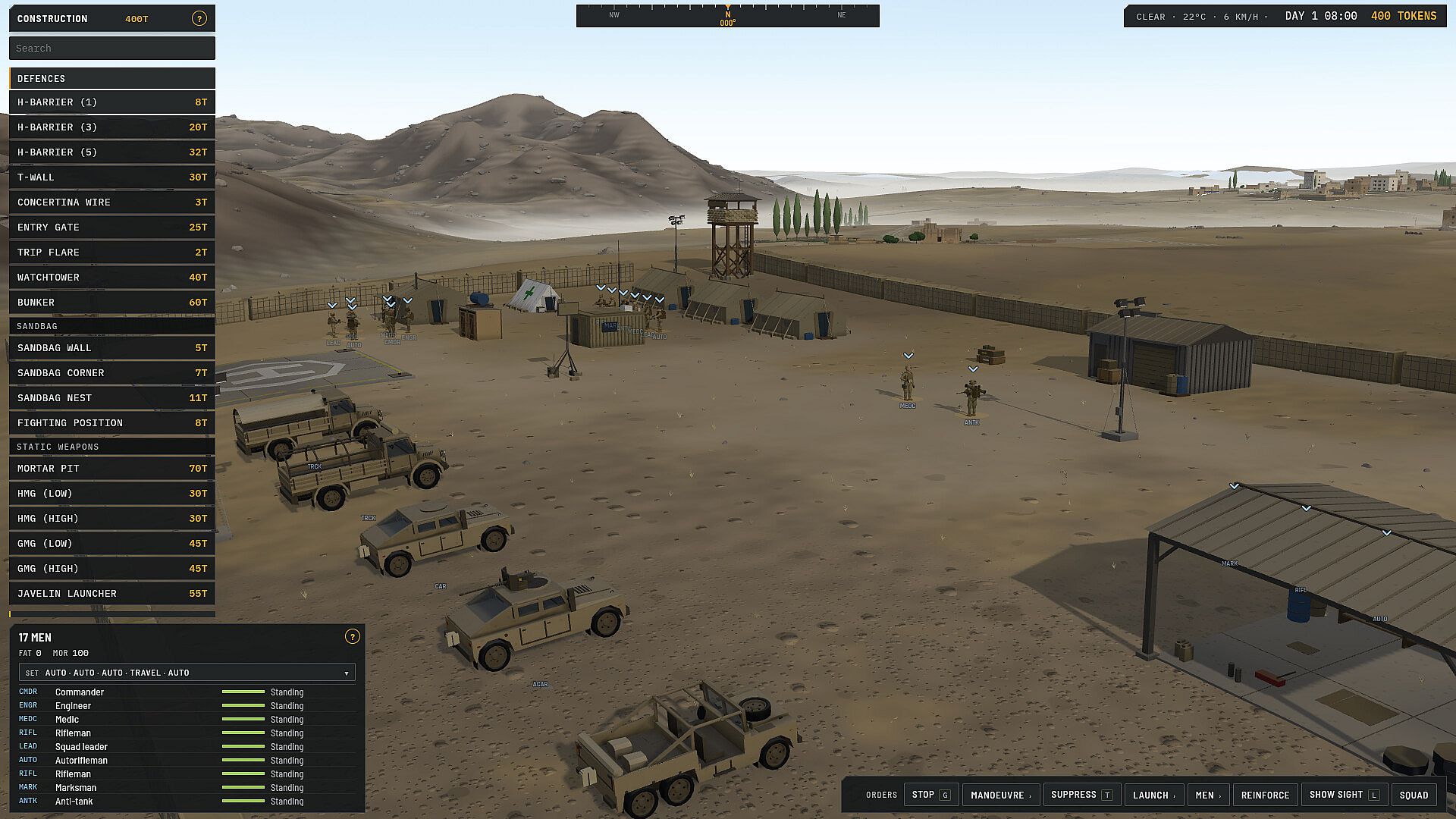
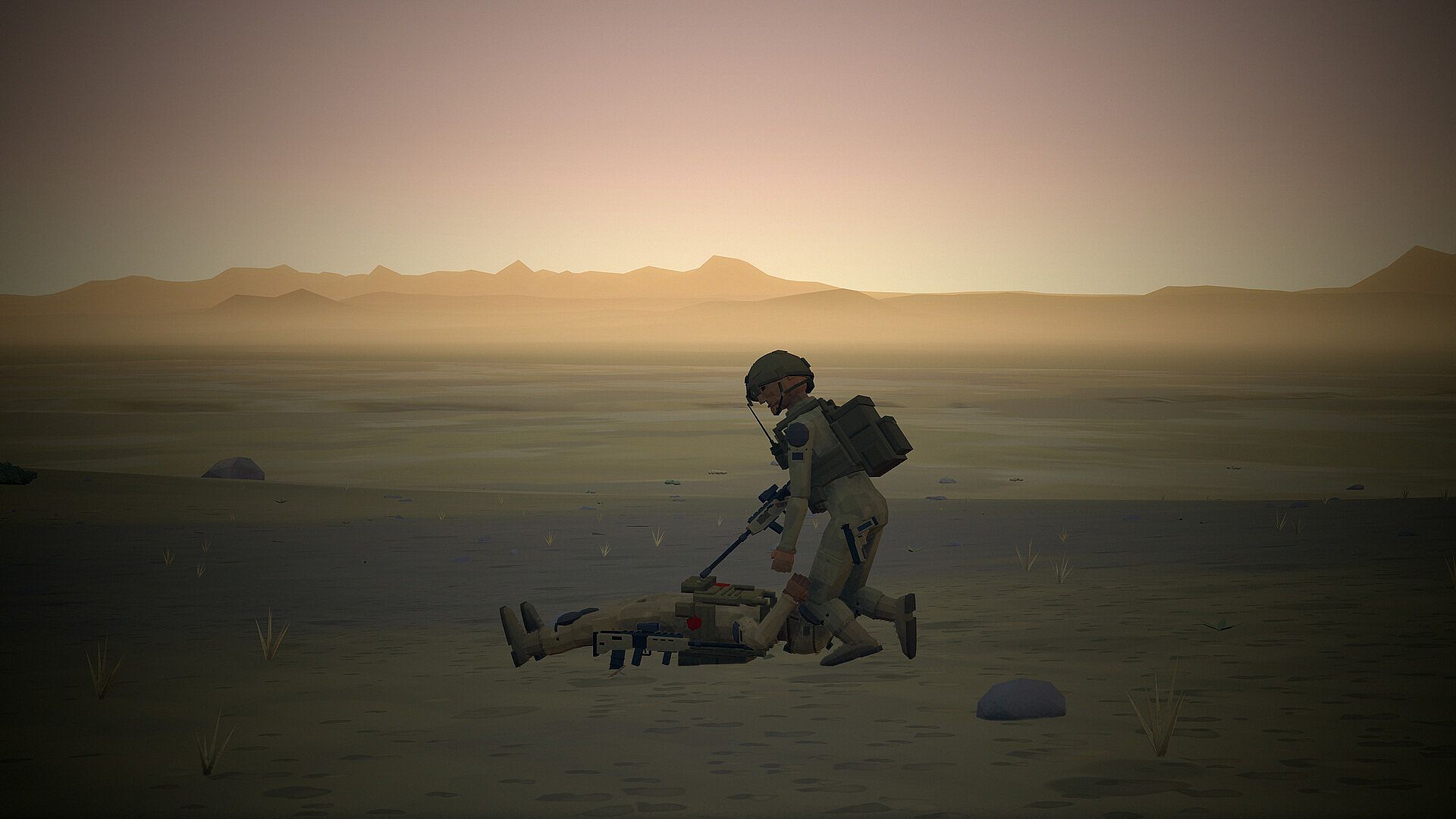
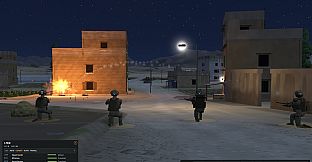
Players direct individual soldiers and vehicles across the map, where fatigue, injuries, and casualties directly affect performance and morale. Units require recovery or evacuation to maintain effectiveness, and every action occurs in real time with full persistence. Control scales from single soldiers to formed squads, allowing assignment of stances, combat modes, and movement paces along with queued orders. Squads can advance by bounds, rush positions, clear rooms in buildings, garrison structures, suppress enemy lines, or extract wounded personnel under fire.
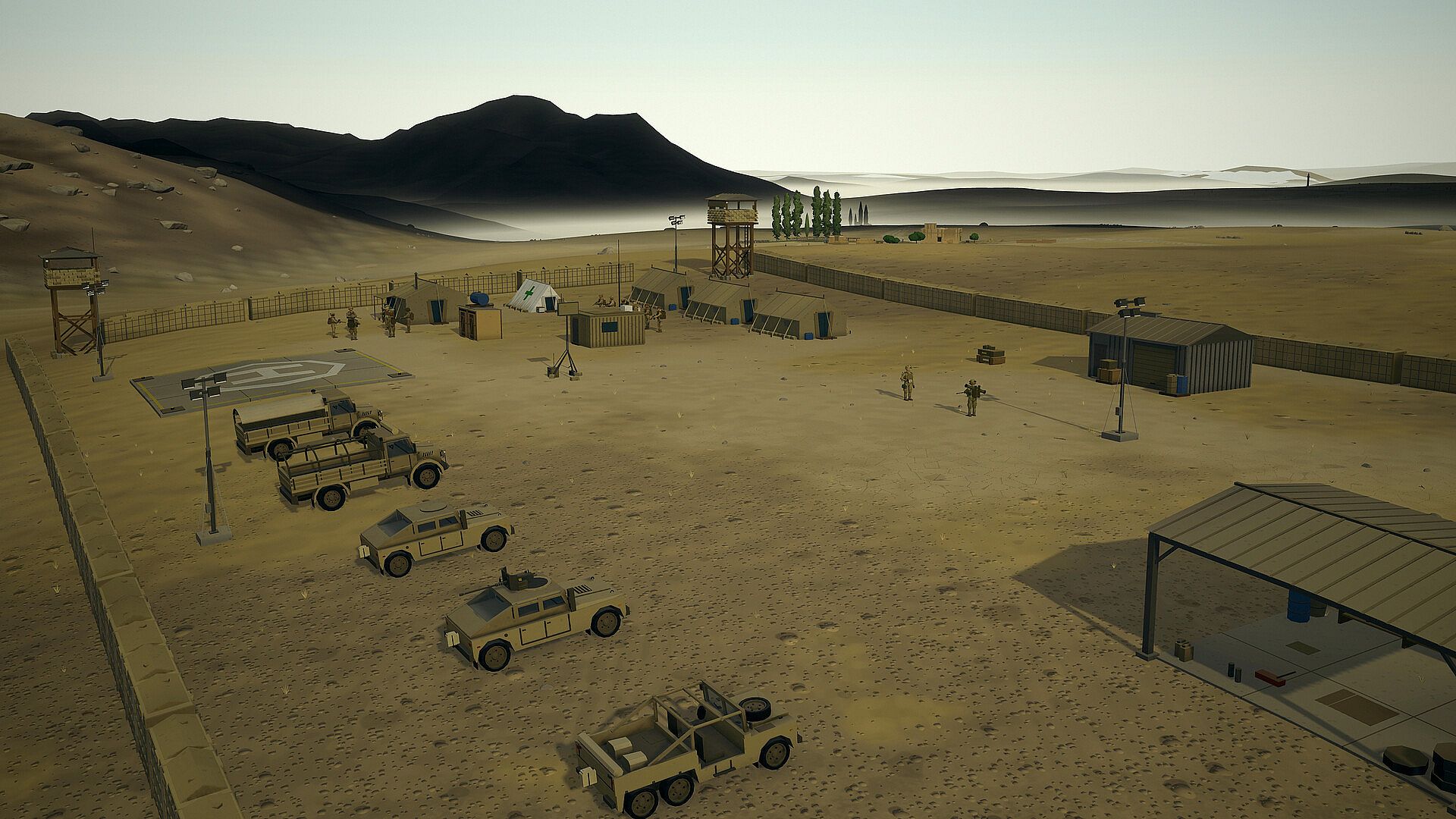
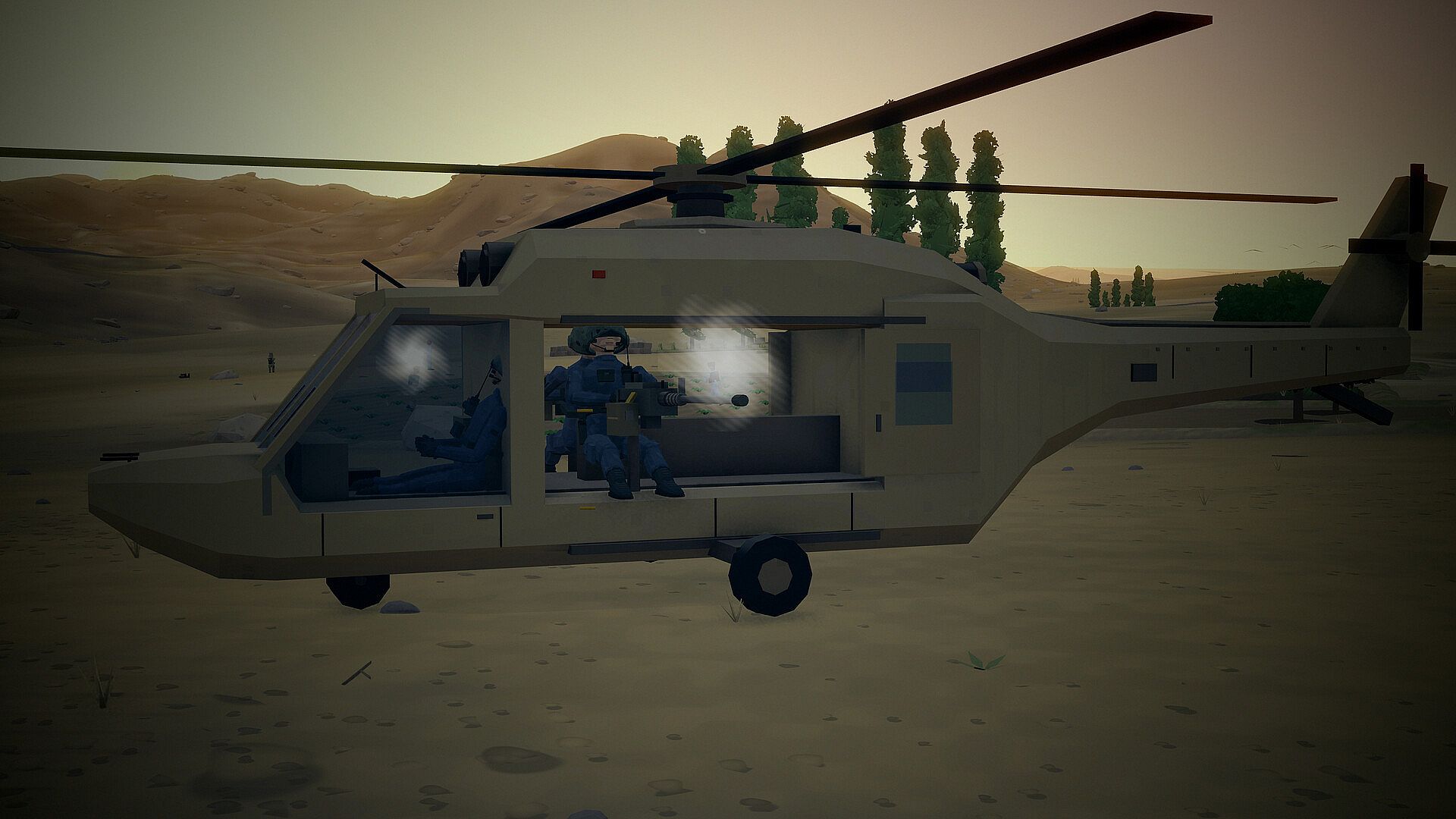
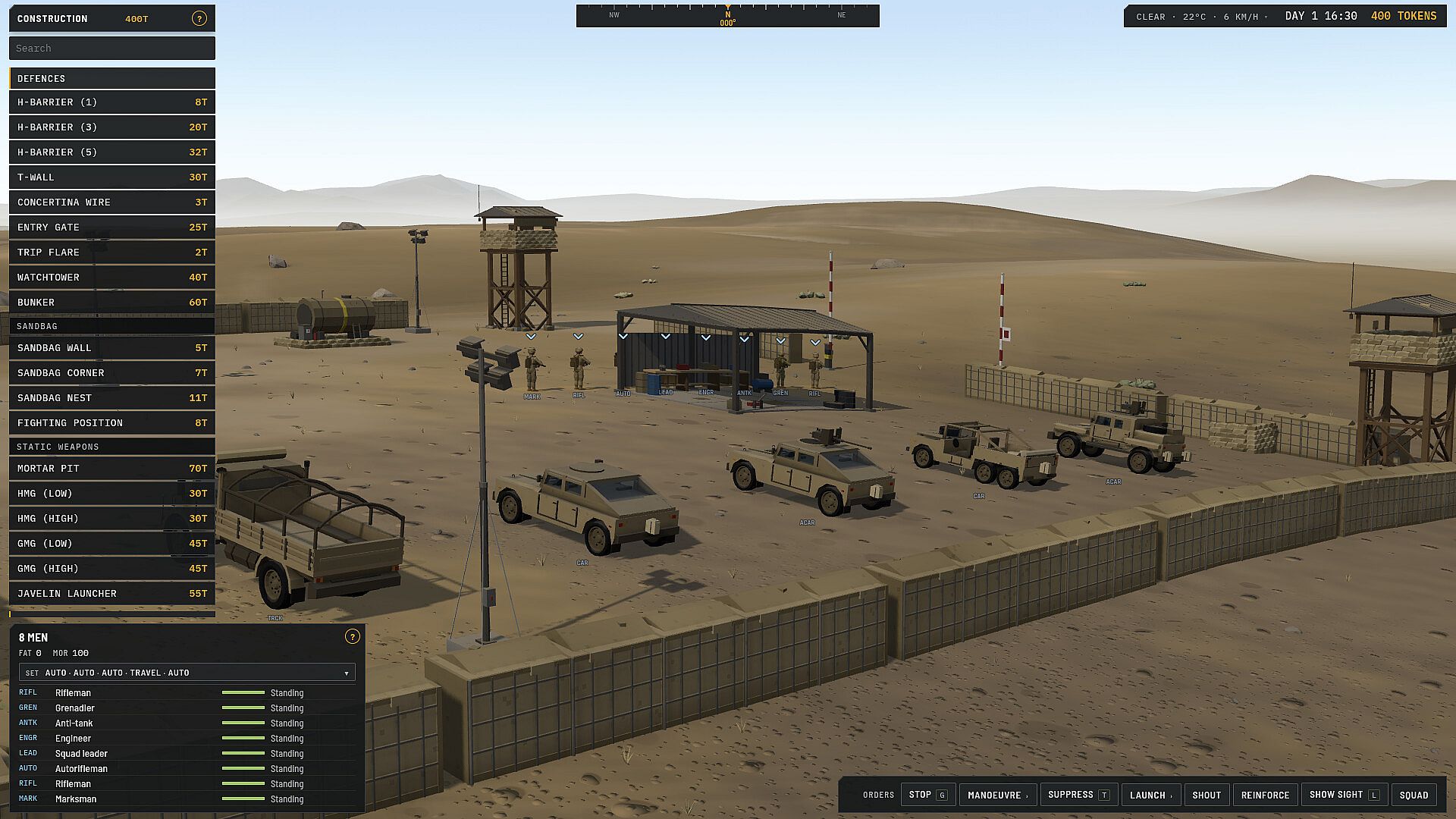
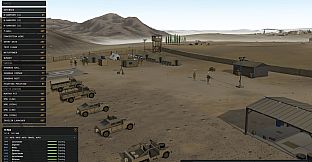
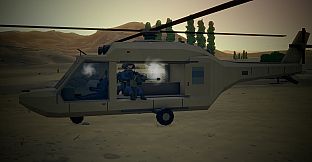
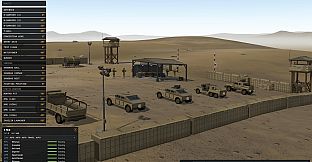
Patrol routes can be drawn on the map for soldiers or vehicles to follow autonomously, responding to contacts and reporting while the commander focuses elsewhere. The forward operating base expands through construction of additional patrol bases on secured ground, connected by supply lines and roads. Requisitions bring in fresh soldiers, specialists, and vehicles by air. Vehicles range from unarmored transports to MRAPs resistant to roadside bombs, supported by route clearance teams, while helicopters handle medical evacuation or heavy lift duties. Maintenance of fuel, ammunition, and repairs keeps assets operational, with options for formation driving, dismounting under threat, and setting overwatch positions.
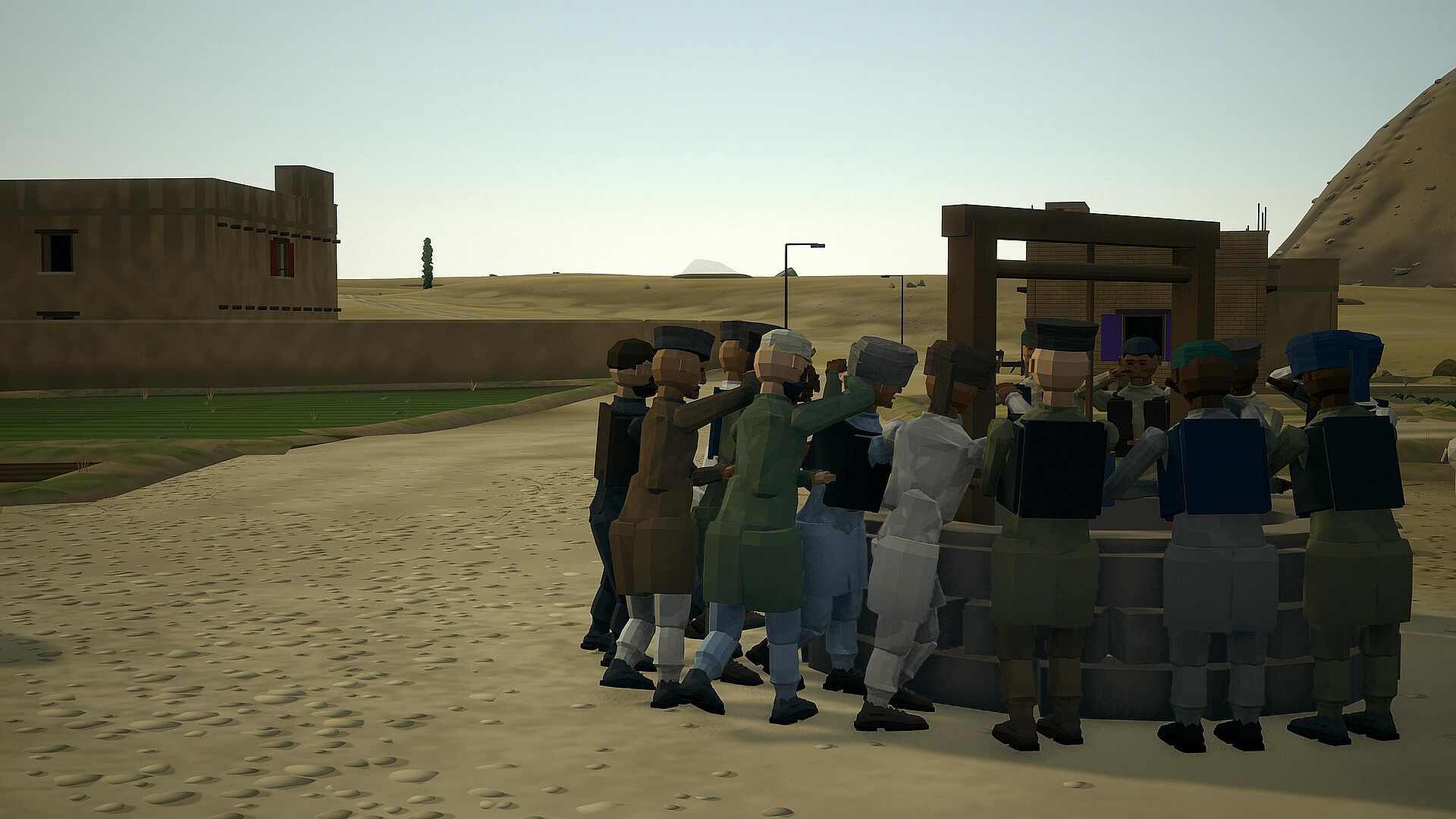
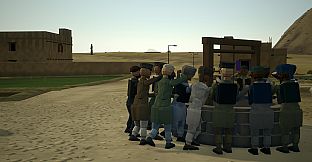
Settlements maintain independent relations that shift based on actions taken. Meeting local elders, constructing infrastructure such as wells or clinics, training local forces, and securing roads improves standing and yields intelligence on insurgent locations. Neglect or damage erodes trust and can lead to information flowing the other way. Insurgents operate with their own initiative, occupying positions, emplacing IEDs, conducting ambushes and raids, using terrain for flanking, and recovering their own casualties or surrendering when overwhelmed. Their awareness depends on spotter reports rather than perfect knowledge.
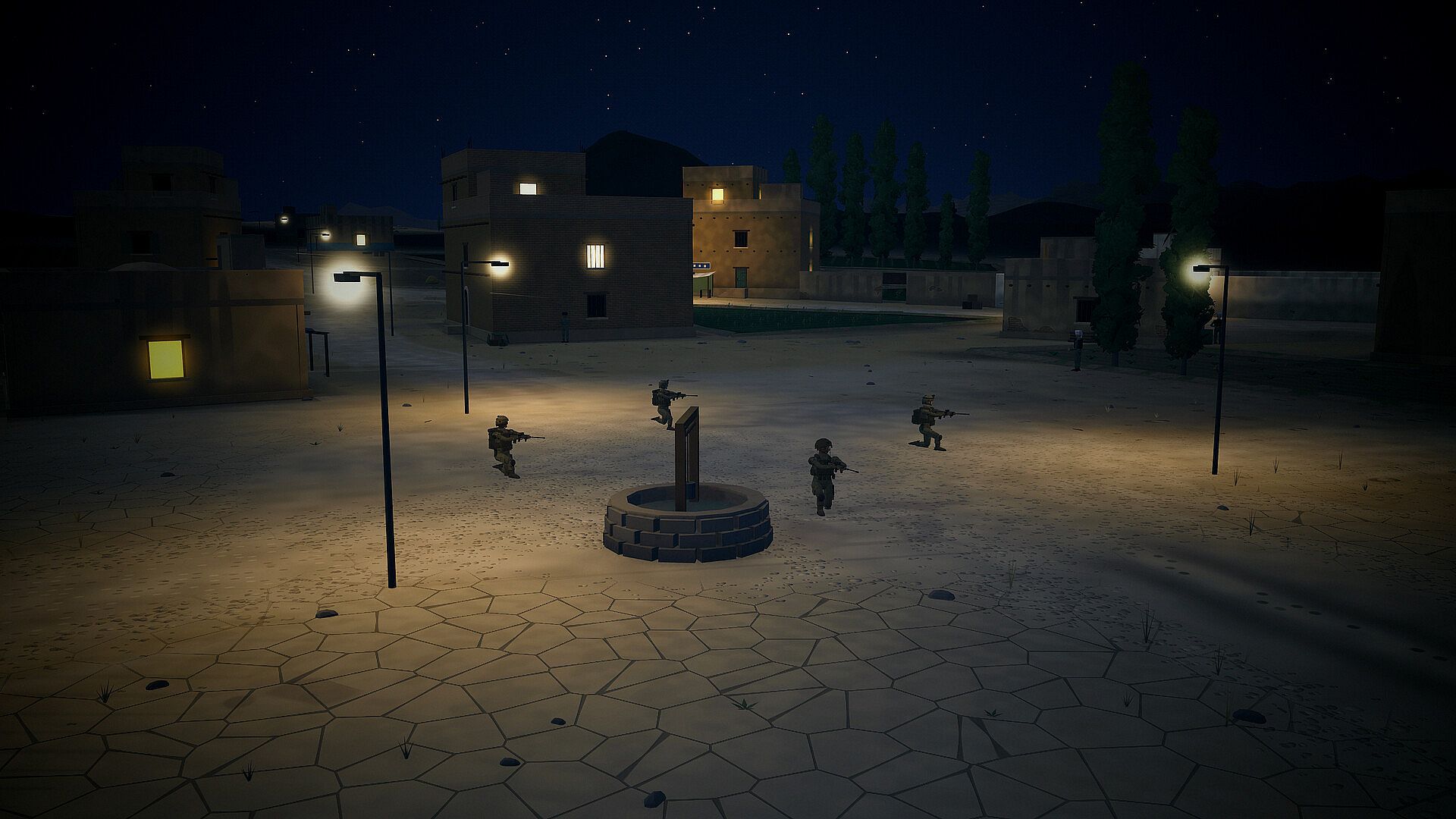
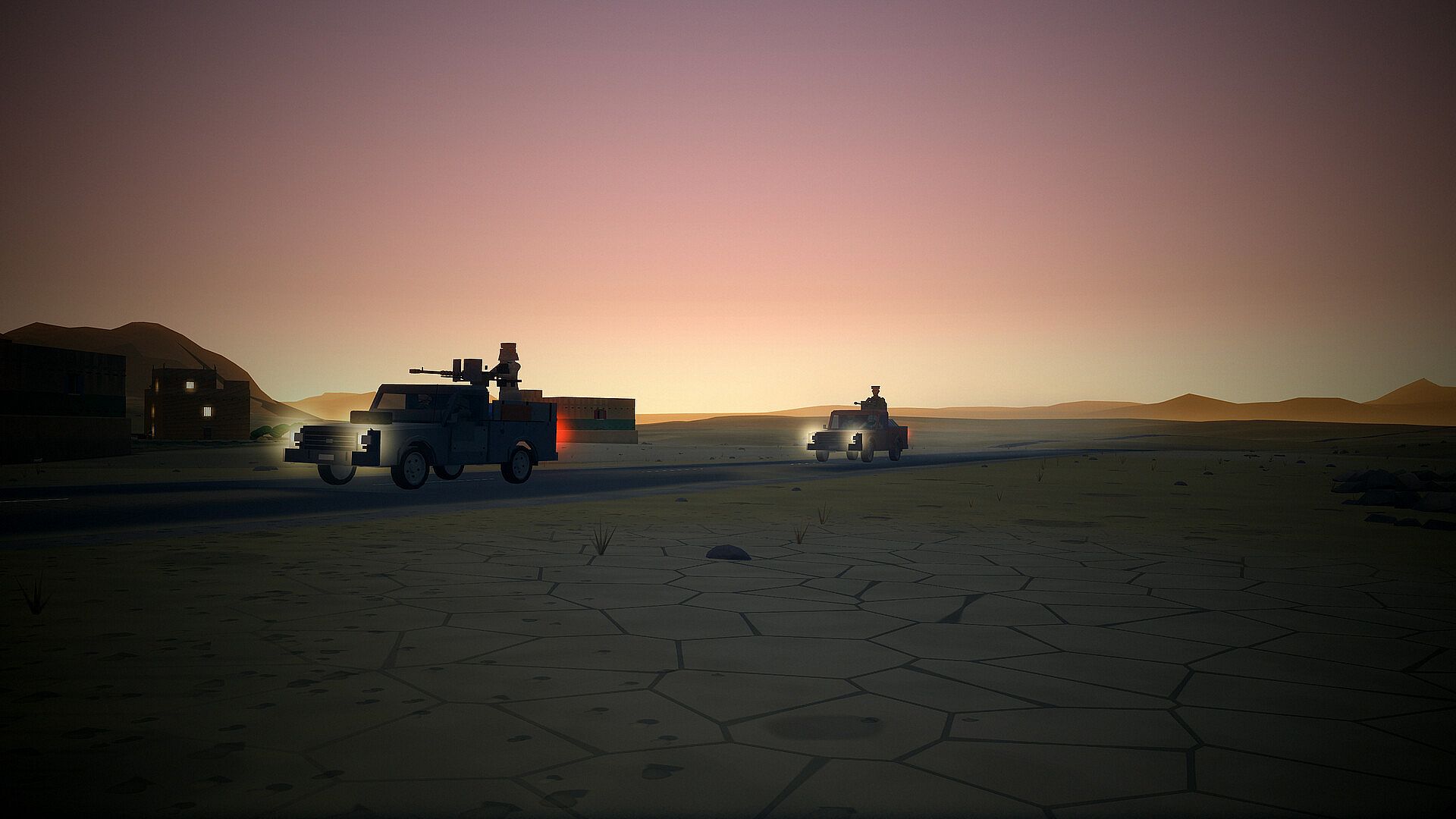
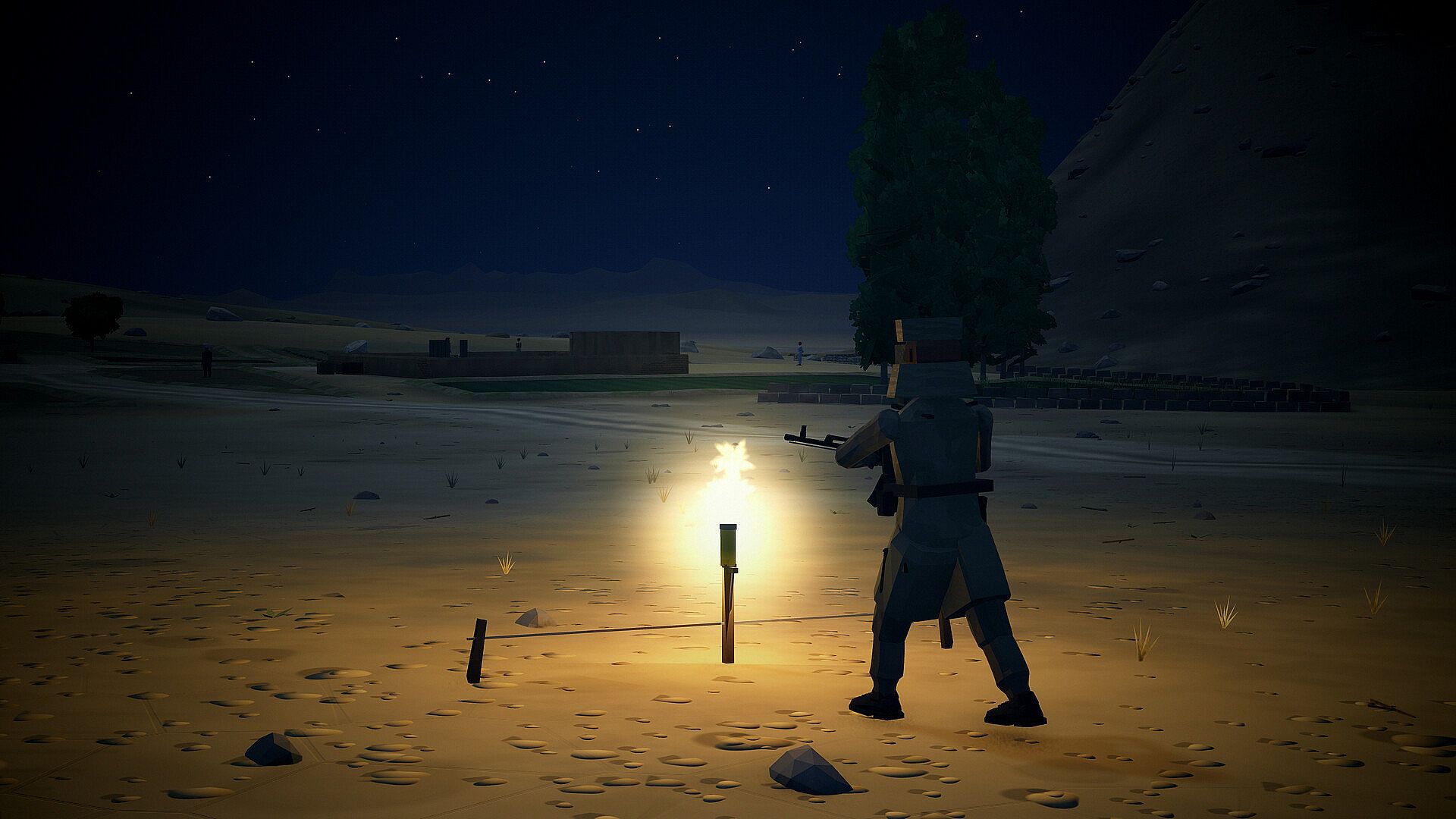
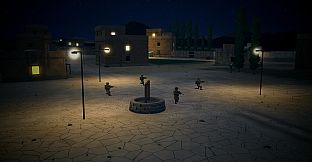
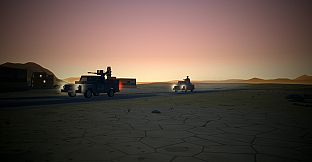
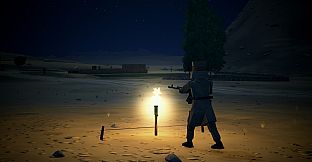
The environment remains active at all times. Villagers follow daily routines and return home after dark, creating opportunities and constraints for operations. Engagements can occur in low light at dawn, under trip flares at night, or amid dust storms and rain that reduce visibility. Twelve tutorial missions introduce mechanics progressively from basic movement to full firefights, accompanied by contextual hints and an in-game guide. Each campaign run offers easy, medium, or hard difficulty settings.
Game Modes
The core experience centers on a persistent campaign conducted on one evolving map. Tutorial levels serve as structured entry points that teach core systems before transitioning into the main campaign. Difficulty selection applies per campaign, allowing players to adjust challenge level without altering the underlying simulation rules. No separate skirmish or multiplayer modes appear in the available features.
Key Mechanics and Features
Unit persistence and individual soldier modeling form the foundation, with fatigue and injury carrying forward across operations. Base building and logistics tie directly into territorial control, as new facilities and supply connections enable further expansion and reinforcements. Faction relations with towns create branching consequences for intelligence and security. The insurgency responds dynamically to player presence through ambushes, IED placement, and base raids. Environmental factors such as time of day and weather influence detection, movement, and combat effectiveness. Native Linux support runs without additional layers, and a full controller layout includes trackpad pointer functionality alongside Steam Cloud save support.
Is It Worth Playing?
This title suits players who enjoy detailed command simulations and incremental base expansion in a living environment. The combination of man-by-man unit control, persistent consequences, and reactive insurgency creates a focused single-player loop centered on planning, logistics, and adaptive decision making. Those seeking quick matches or large-scale multiplayer will find the scope narrower, while fans of realistic simulation elements and tutorial-supported learning will appreciate the structured progression and environmental interactions. The early access status means ongoing development shapes the final experience.











