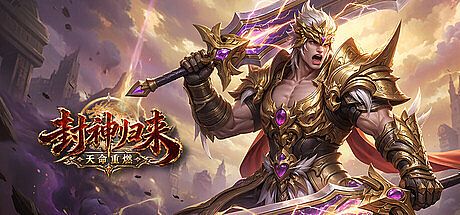










Fengshen: Immortal Reborn is a free-to-play MMORPG on PC set in the turbulent era following the Shang-Zhou war. Players step into a world shaped by the events of the Fengshen list, choosing from four distinct classes that draw on ancient bloodlines and rival sects. The game emphasizes character progression through interconnected systems that blend equipment enhancement, companion management, and large-scale conflict.
Gameplay
The core loop revolves around selecting a class and advancing through layered progression mechanics. Wind Dancers are female characters who inherit the lineage of Hou Yi. They excel with whips and bows while summoning divine beasts for support. Their skills emphasize fluid movement and visually striking attacks that shift based on weapon choice.
Berserkers are male warriors descended from Shang dynasty generals. They master both agile swords and heavy axes, treating weapons as extensions of their own strength. This class focuses on direct, powerful melee combat without reliance on external aids.
Divine Transmission Taoists, male disciples of the orthodox sect born near Shouyang Mountain, wield staffs and flying wheel artifacts. They split into spiritual cultivation or orthodox magic paths, delivering balanced support and offensive abilities rooted in righteous techniques.
Evil Spirit Warlocks, also male and originating from Longmen Village, serve the heterodox sect. They command orbs and flying swords with greater raw power than their Taoist counterparts. Specialization splits into secret arts or curse-based paths, favoring aggressive and slightly darker spellcasting.
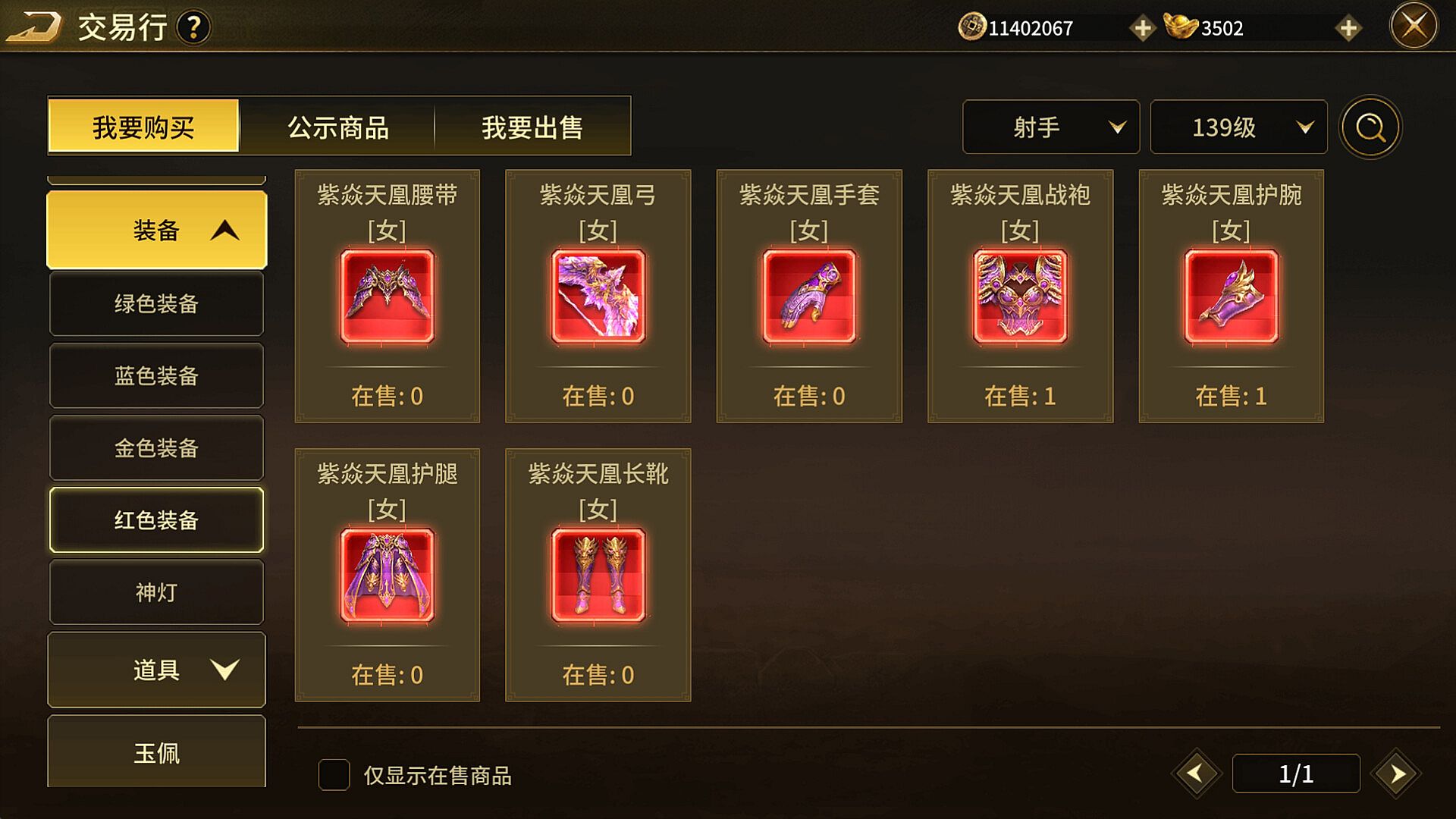
Progression ties into multiple dedicated systems. The refining system improves gear attributes. The artifact system lets players craft and upgrade powerful treasures. The divine beast system involves raising and evolving companions that assist in battle. Formation and deification systems add strategic depth through group tactics and ascension mechanics. National war elements introduce faction-based competition on a grand scale.
Game Modes
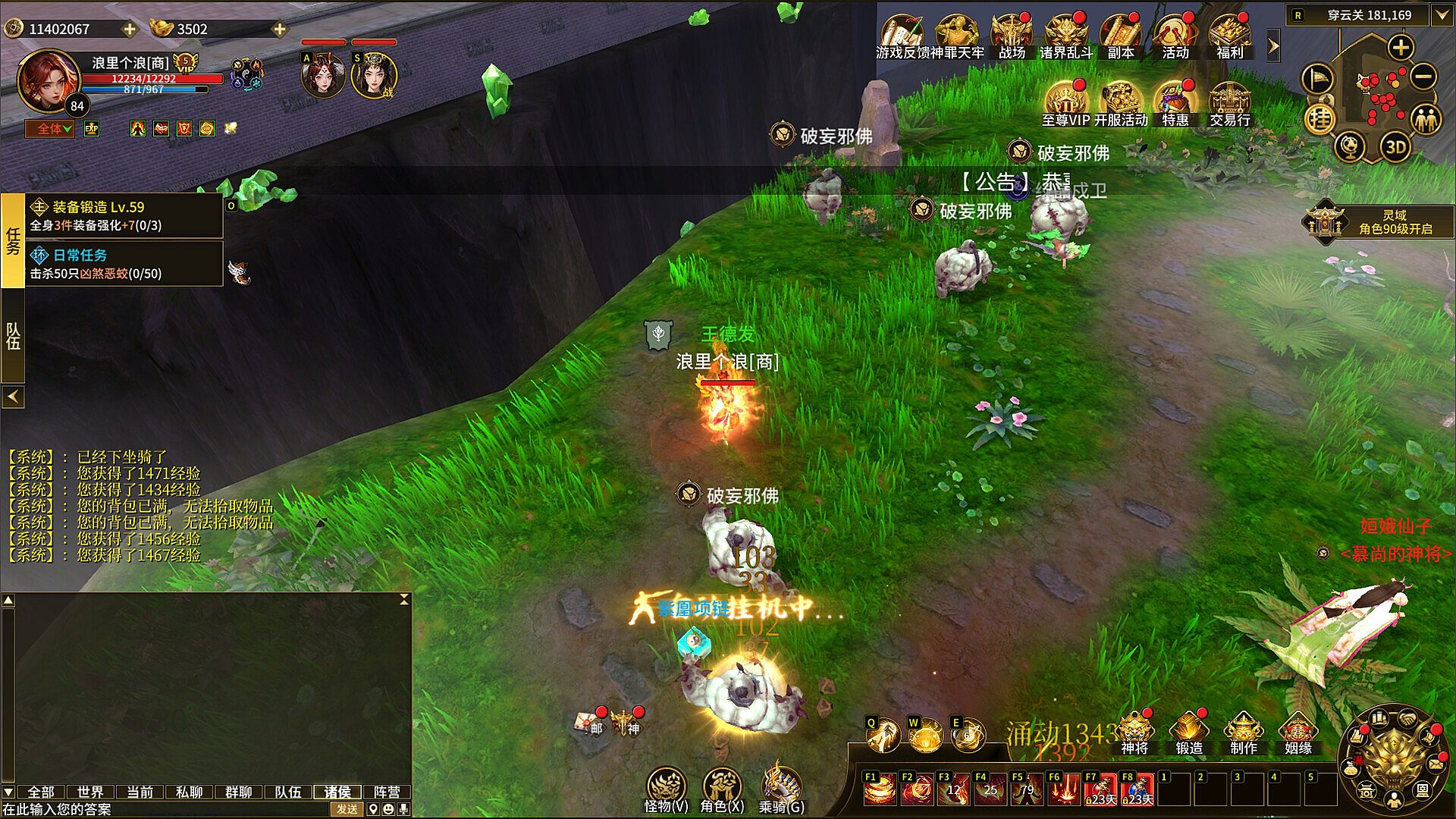
Players engage in a mix of solo and group activities centered on the listed systems. Exploration and combat feed into refining and artifact enhancement loops. Divine beast management requires dedicated care and integration into fights. Formation setups support coordinated play, while deification offers long-term character evolution goals.
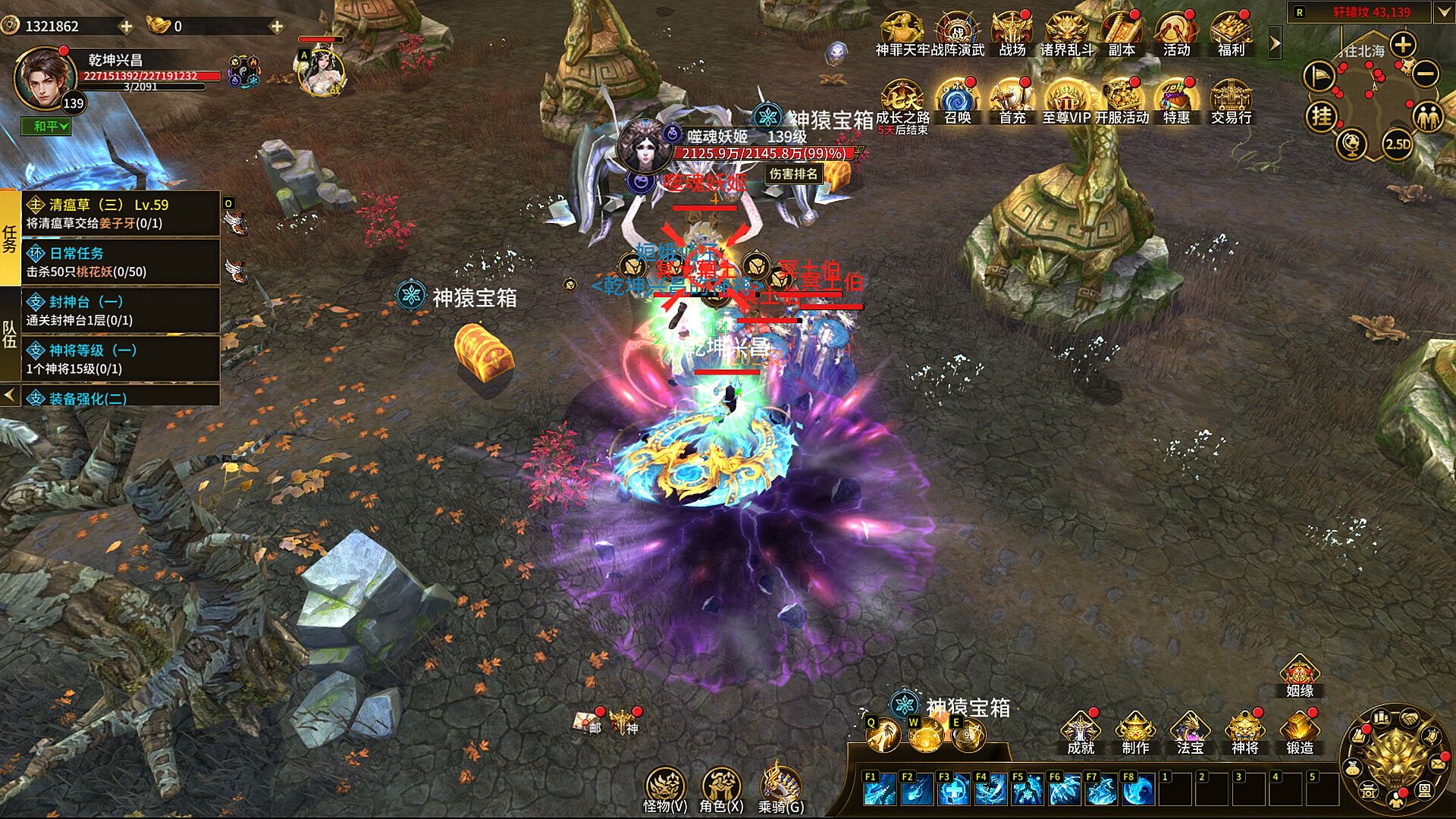
National war content drives large-scale player interactions, pitting groups against one another in territory or faction conflicts. These elements encourage both individual optimization and collective strategy. The early access phase means additional modes and refinements continue to roll out as development progresses.
Class Synergies and Progression
Each class offers branching growth paths tied to weapon or artifact selection. Wind Dancers gain versatility through beast companions that complement ranged or whip-focused builds. Berserkers prioritize raw physical output with minimal dependencies. Taoists and Warlocks contrast orthodox stability with heterodox potency, allowing players to lean into support, damage, or hybrid roles.
Systems interconnect to reward consistent play. Refining and artifact upgrades improve base stats, while divine beasts provide tactical options in encounters. Formations enhance group efficiency during national war events. Deification serves as an endgame milestone that reshapes character capabilities over time.
Is It Worth Playing?
Fengshen: Immortal Reborn suits players who enjoy deep progression in a free-to-play MMORPG framework with Chinese mythological themes. The four classes provide clear mechanical differences, and the suite of systems offers ongoing goals beyond basic leveling. National war and deification content add multiplayer focus for those who prefer group or competitive play.
As an early access title, the experience evolves with updates that expand on existing mechanics. Those drawn to class customization, companion raising, and large-scale conflicts will find substantial depth in the current systems. Availability on PC makes it accessible for testing the core loop without upfront cost.