




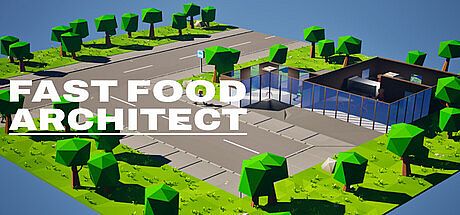


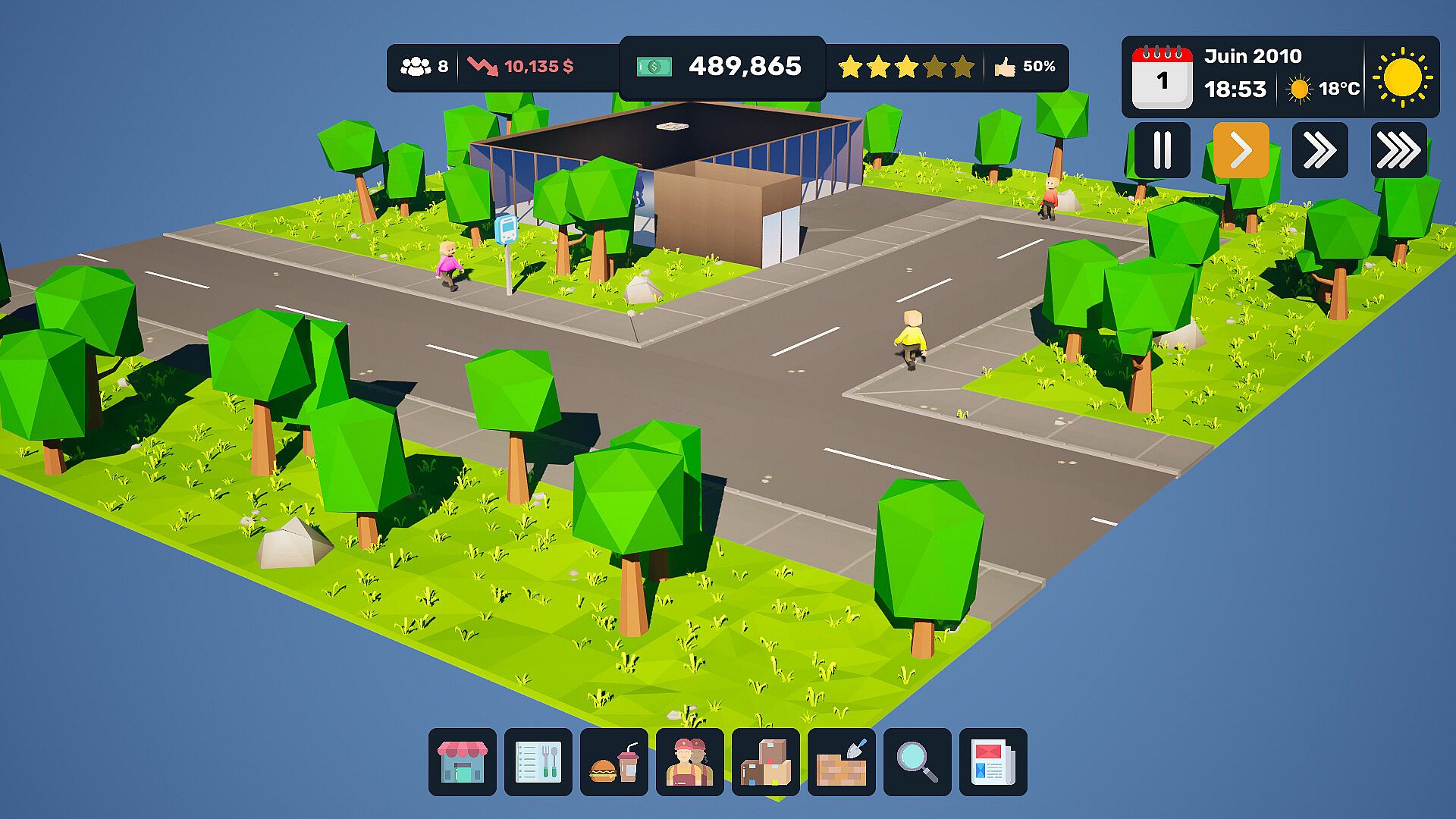
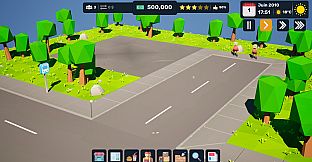
Fast Food Architect è un gioco di strategia e simulazione in cui i giocatori gestiscono la costruzione e la gestione di un locale di fast food personalizzato, partendo da zero. Sviluppato come titolo indie per PC, è previsto in Early Access nel 2027 e ruota attorno a sistemi interconnessi di costruzione, progettazione dei prodotti, coordinamento del personale e controllo finanziario. Ogni scelta sull'impianto, sulla selezione degli ingredienti e sui prezzi influisce sull'efficienza del flusso degli ordini in cucina, sulla soddisfazione dei clienti e sulla redditività dell'attività.
Gameplay
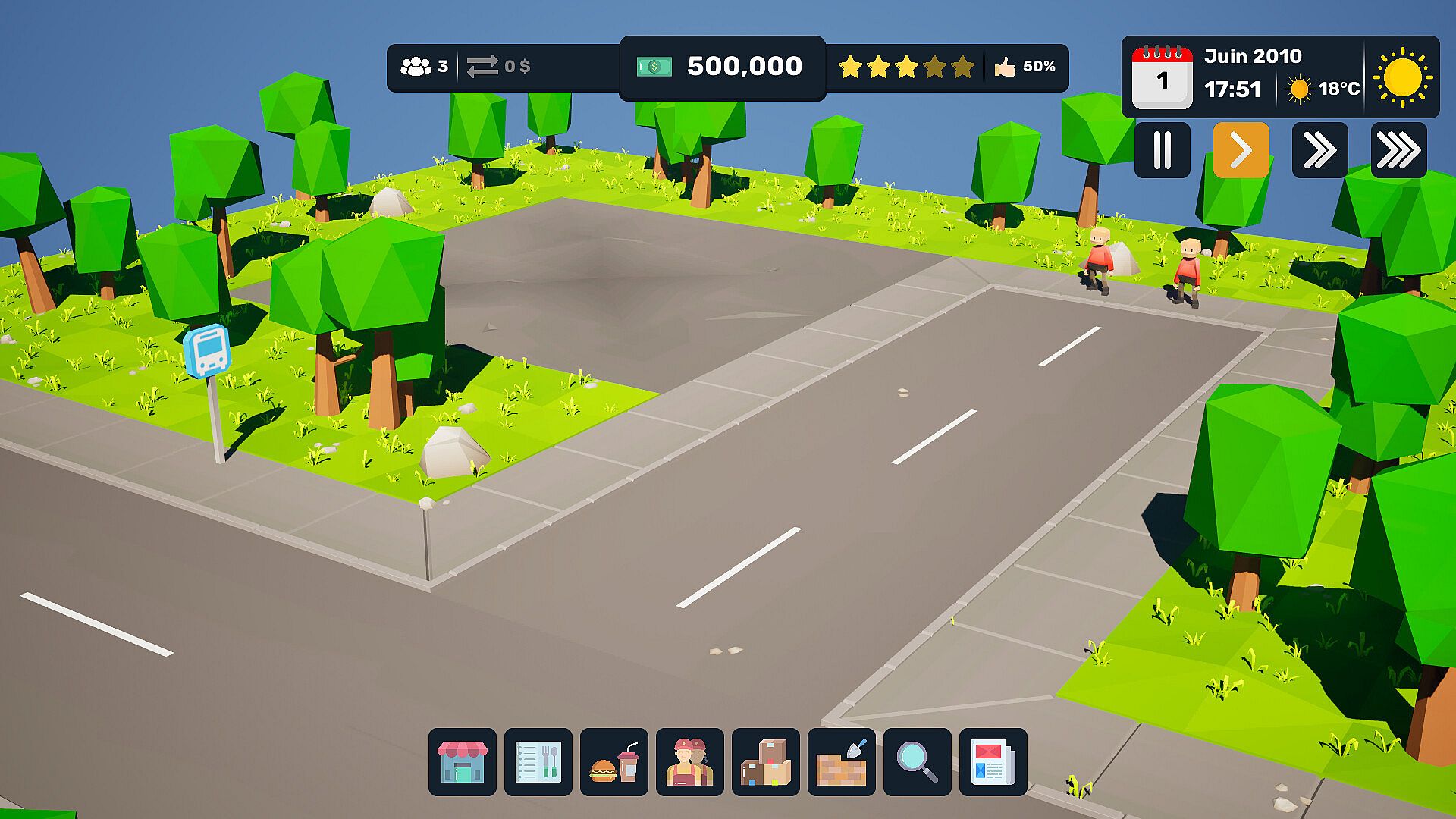
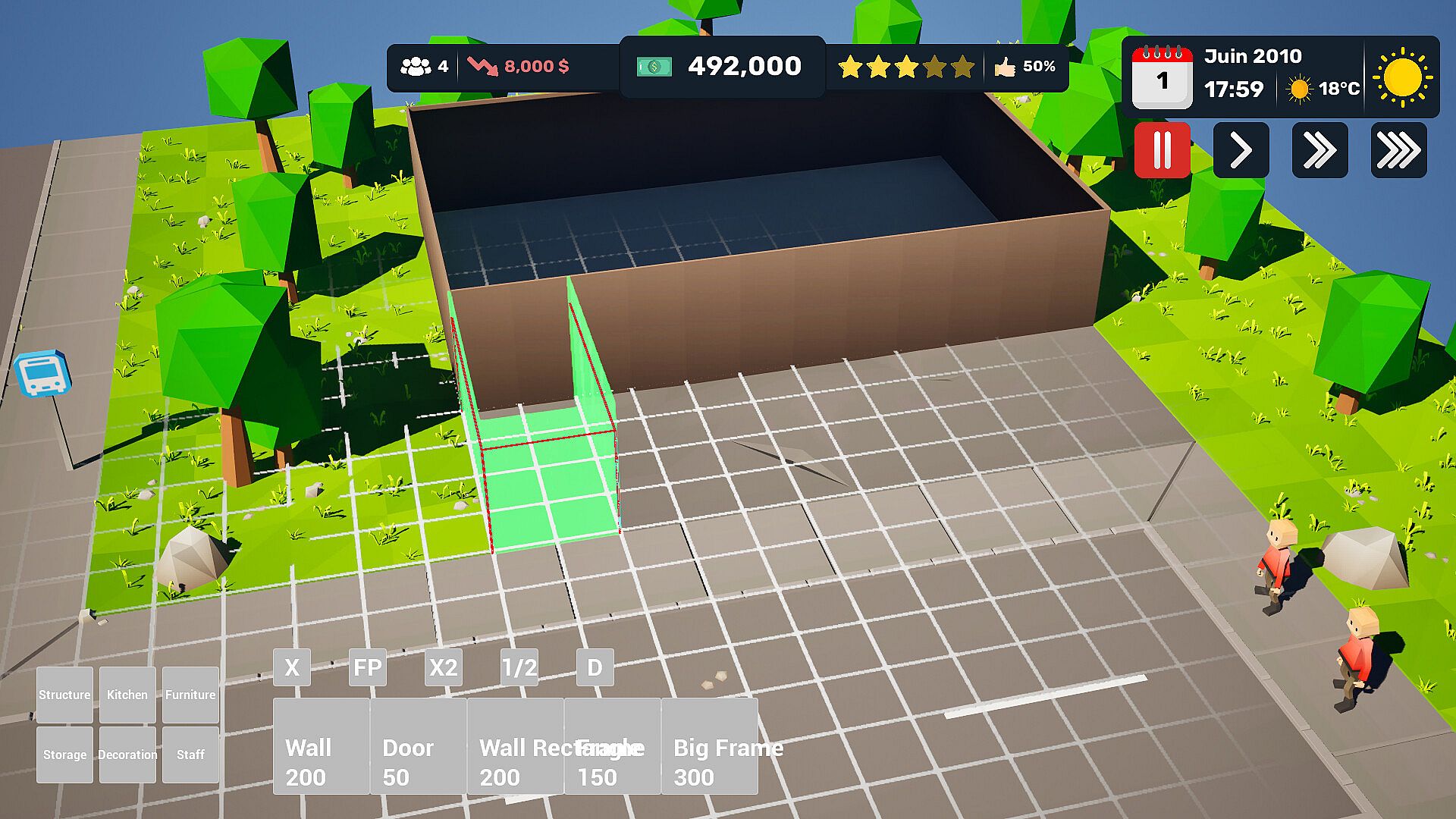
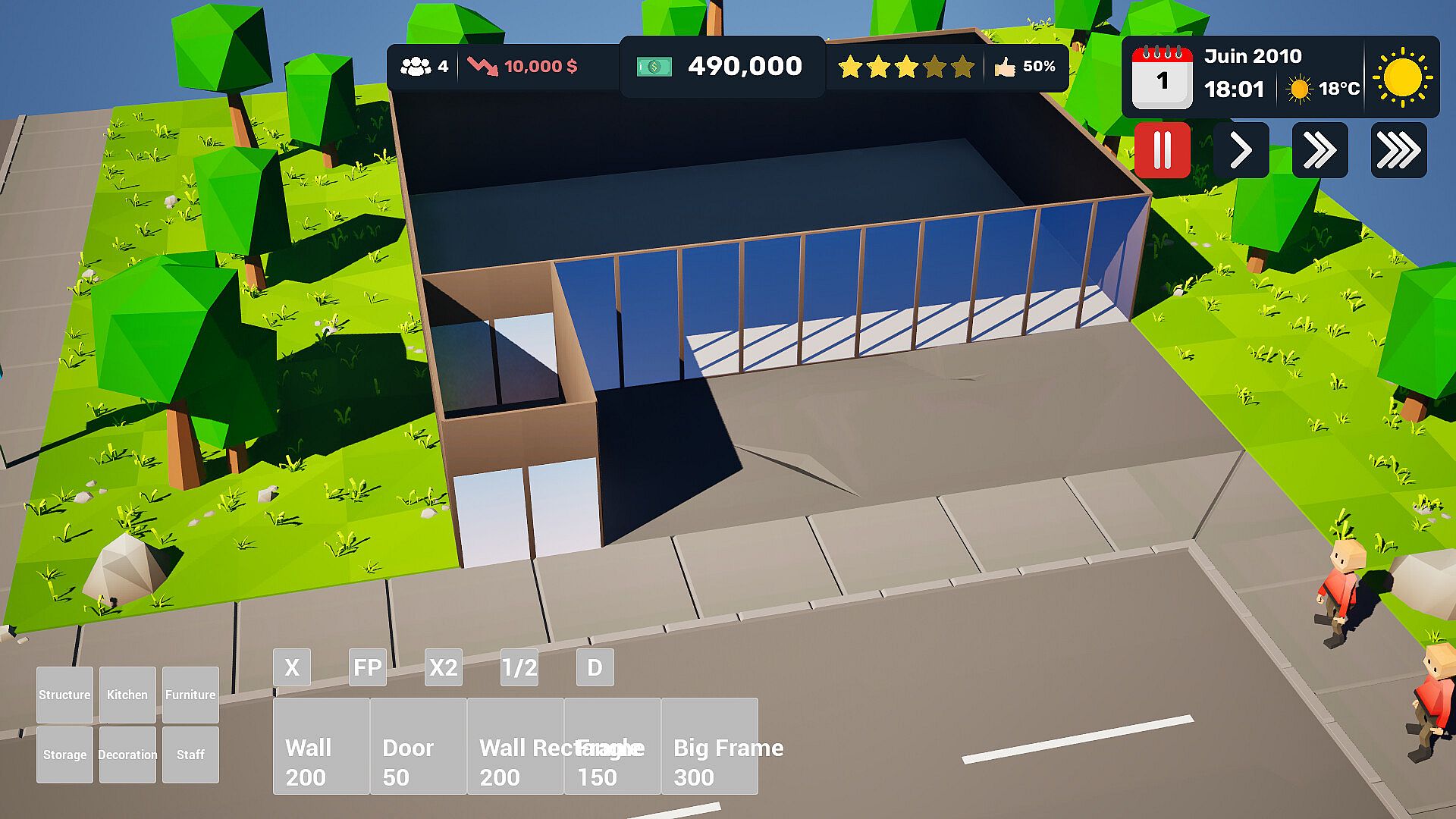
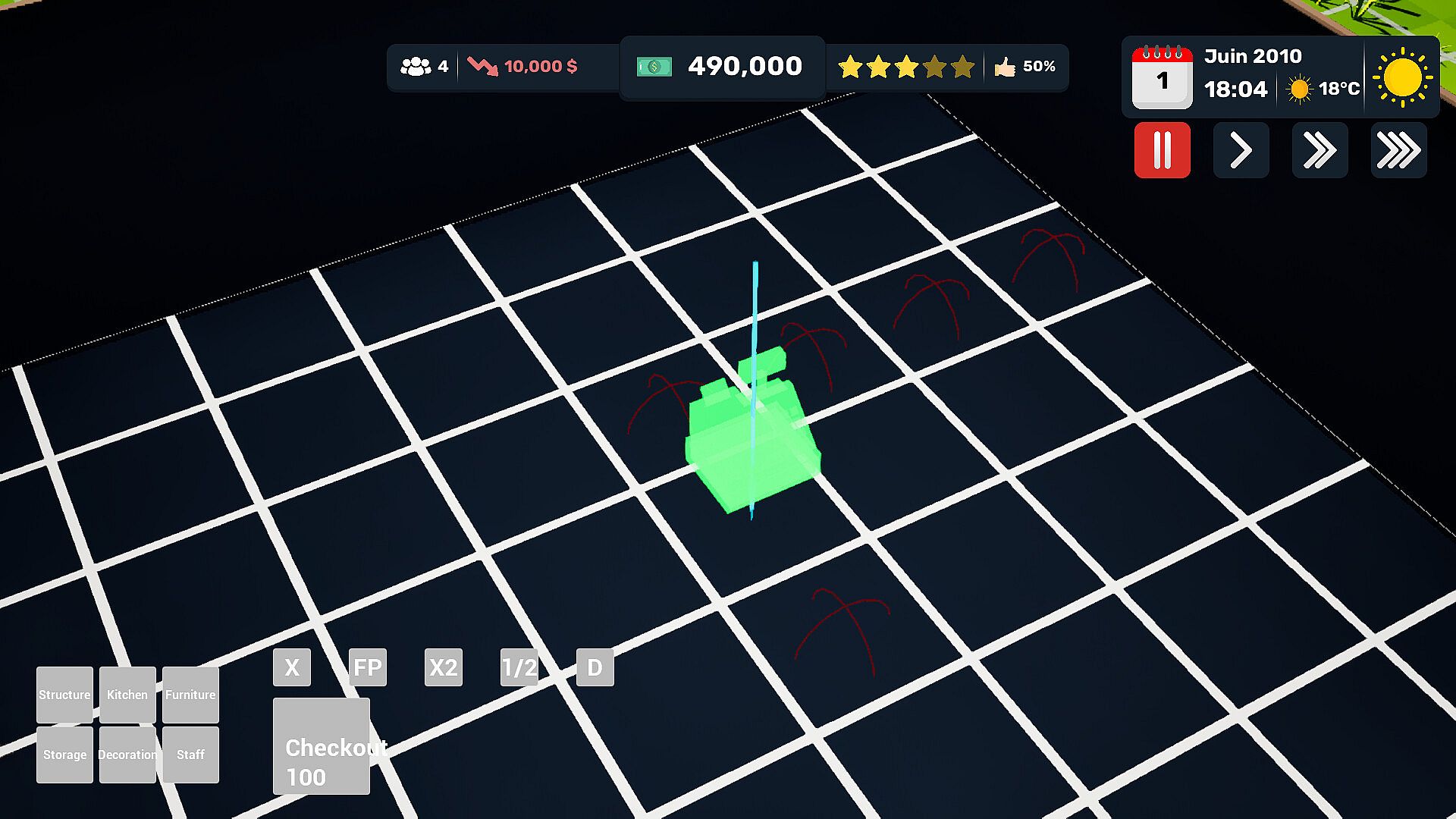
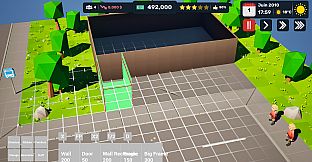
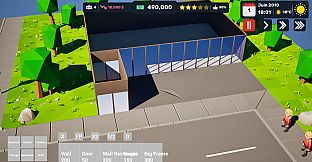
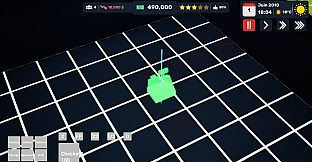
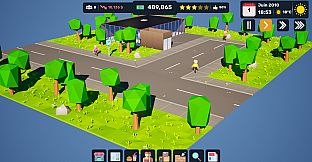
Il ciclo di gioco inizia da un lotto vuoto, dove i giocatori progettano gli ambienti, posizionano le attrezzature e organizzano le postazioni di lavoro per ridurre gli spostamenti del personale. Una cucina compatta può accorciare il tragitto tra magazzino e zone di preparazione, consentendo di completare più ordini nelle ore di punta. Anche la disposizione delle attrezzature incide sulla velocità di preparazione, quindi testare configurazioni diverse diventa fondamentale per far crescere l'attività.
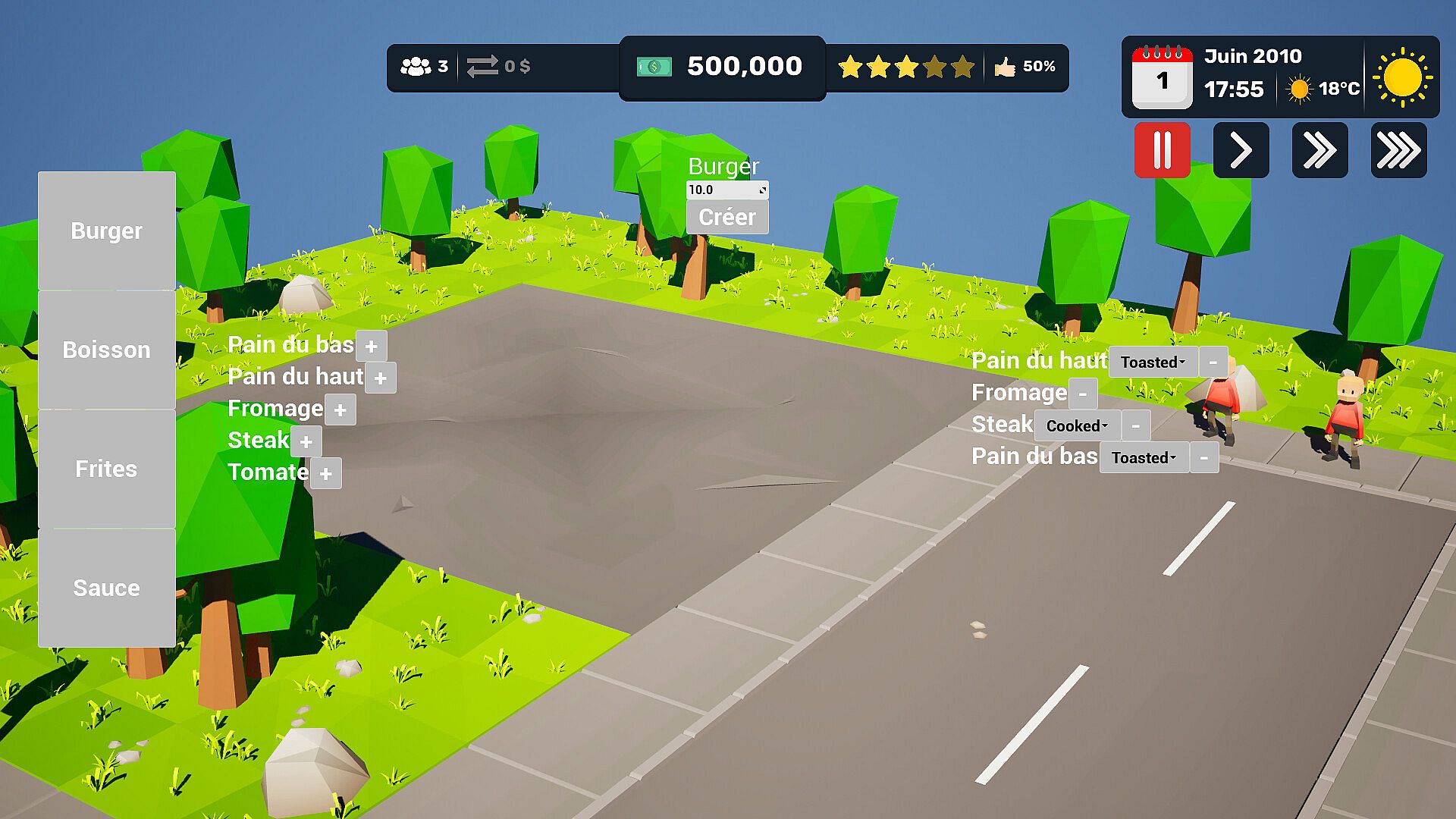
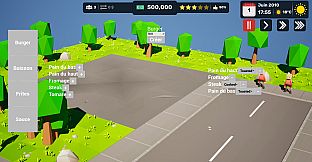
La creazione dei prodotti rappresenta un altro pilastro: i giocatori scelgono ingredienti e metodi di preparazione per ogni voce del menu, poi regolano i prezzi per bilanciare costi di produzione e attrattiva per i clienti. Trovare combinazioni redditizie richiede attenzione ai margini, senza perdere di vista l'appetibilità delle proposte. Questi prodotti si integrano direttamente con le operazioni quotidiane, poiché preferenze e volume degli ordini variano in base a qualità e convenienza.
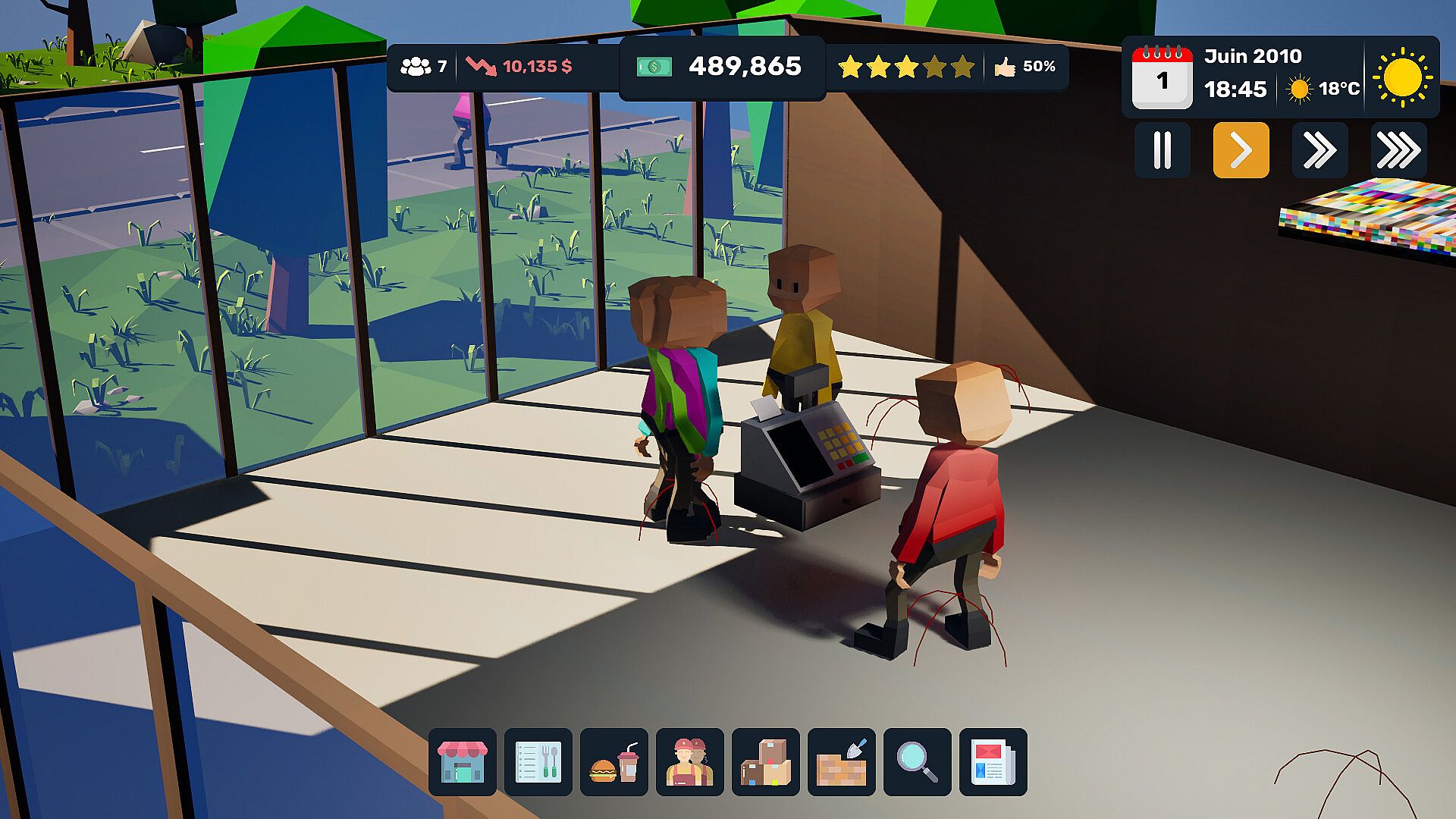
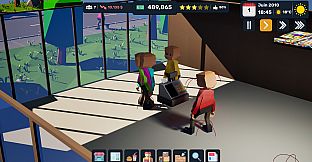
Gestione del personale e monitoraggio finanziario collegano i vari sistemi. I giocatori assegnano ruoli, controllano il flusso degli ordini e reagiscono alle variazioni del numero di clienti durante la giornata. Report su entrate e uscite mettono in luce i colli di bottiglia, come linee di preparazione lente o postazioni sottodimensionate, spingendo a reinvestire in ampliamenti o miglioramenti. La simulazione punta sull'adattamento, con flussi di clientela che cambiano in base all'orario e a fattori esterni.
Modalità di gioco
Fast Food Architect è un'esperienza single-player incentrata sulla gestione di un unico locale al lancio. La modalità principale prevede il ciclo completo di costruzione, sviluppo dei prodotti, operazioni e crescita finanziaria all'interno di quel singolo punto vendita. I giocatori progrediscono affinando l'impianto, ampliando il menu e aumentando il personale per far fronte alla domanda crescente.
Al momento non sono previste modalità competitive o multiplayer. L'attenzione resta sul miglioramento iterativo di un'unica attività attraverso giornate di servizio ripetute, con regolazioni tra un turno e l'altro. Futuri aggiornamenti durante l'Early Access potrebbero aggiungere profondità a questa struttura di base, ma la versione iniziale punta sulla complessità di un solo locale piuttosto che su scenari multipli paralleli.
Meccaniche chiave e progressione
L'ottimizzazione dell'impianto è al centro della componente strategica. Riorganizzare mobili e attrezzature in tempo reale permette di sperimentare l'efficienza dei flussi senza dover ricostruire da capo. Percorsi più brevi per il personale si traducono in un servizio più rapido e in una maggiore capacità di gestione durante i momenti di maggiore afflusso.
I sistemi finanziari premiano la pianificazione accurata. Monitorare entrate e costi giornalieri evidenzia quali prodotti o decisioni sul personale generano i rendimenti migliori, orientando i reinvestimenti. Le scelte iniziali si accumulano nel tempo: un'attività redditizia può permettersi di espandere attrezzature o personale.
Il flusso dei clienti introduce variabilità. Le fluttuazioni legate all'orario richiedono risposte flessibili, come modificare i turni del personale o l'enfasi sul menu per allinearsi ai picchi di domanda. Questa variabilità mantiene vivo l'interesse del ciclo di gestione per più giornate simulate.
Vale la pena giocarci?
Fast Food Architect si rivolge a chi apprezza le simulazioni di gestione dettagliate, dove layout, economia e operazioni si intrecciano. Il focus single-player su un solo locale permette un coinvolgimento profondo nelle sfide di ottimizzazione, senza la distrazione di espansioni su larga scala. Poiché il titolo è ancora in fase di sviluppo e il lancio in Early Access è previsto per il 2027, i giocatori interessati possono seguire gli aggiornamenti attraverso i canali ufficiali man mano che i sistemi si espandono.
Chi è attratto dai titoli indie di strategia che premiano la sperimentazione sull'efficienza degli impianti e sulla progettazione del menu troverà il ciclo di gioco in linea con i propri interessi. L'assenza di recensioni in questa fase pre-release significa che le aspettative devono basarsi sulle meccaniche descritte, non su feature definitive e rifinite. I sostenitori dei cicli di sviluppo a lungo termine potranno apprezzare l'opportunità di influenzare bilanciamento e aggiunte attraverso il feedback della community.











