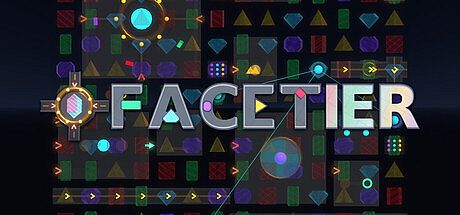


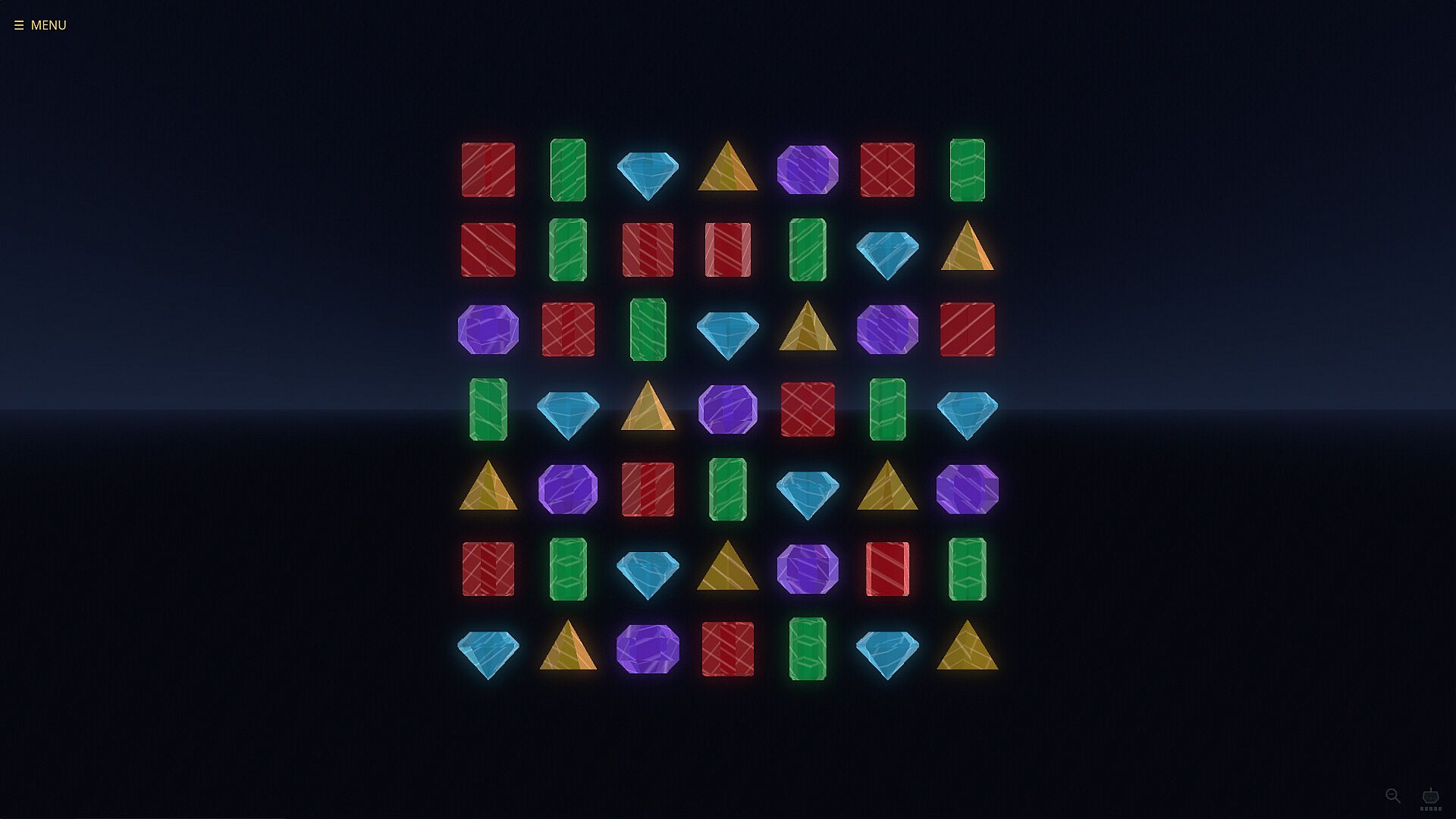
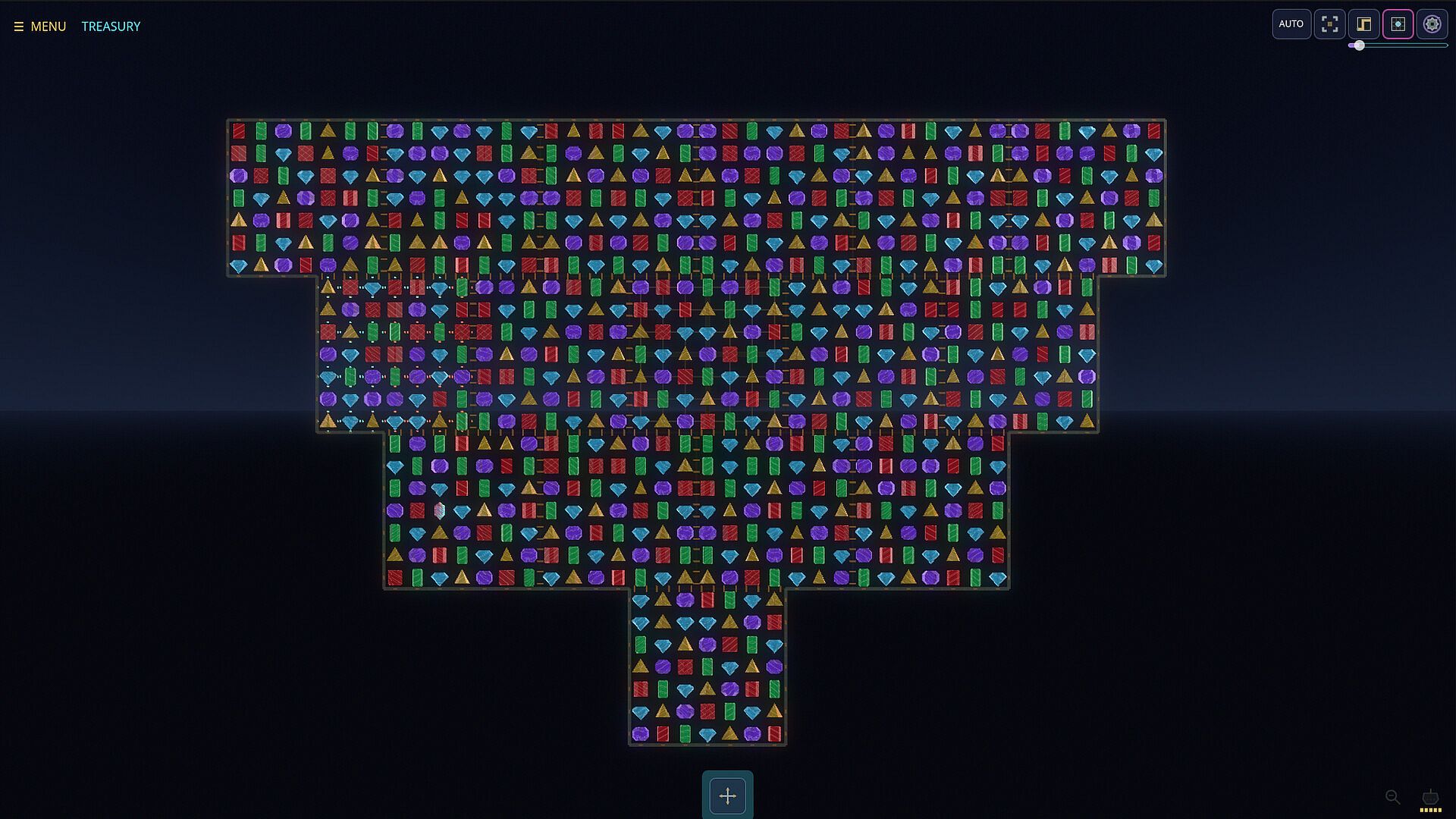
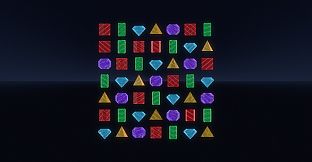
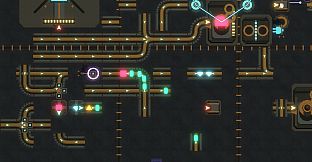
Facetier is a casual match-3 game built around resource management and automation systems. Players clear gems on boards that connect into a single continuous world, turning each match into usable materials for building and sustaining machines.
Gameplay
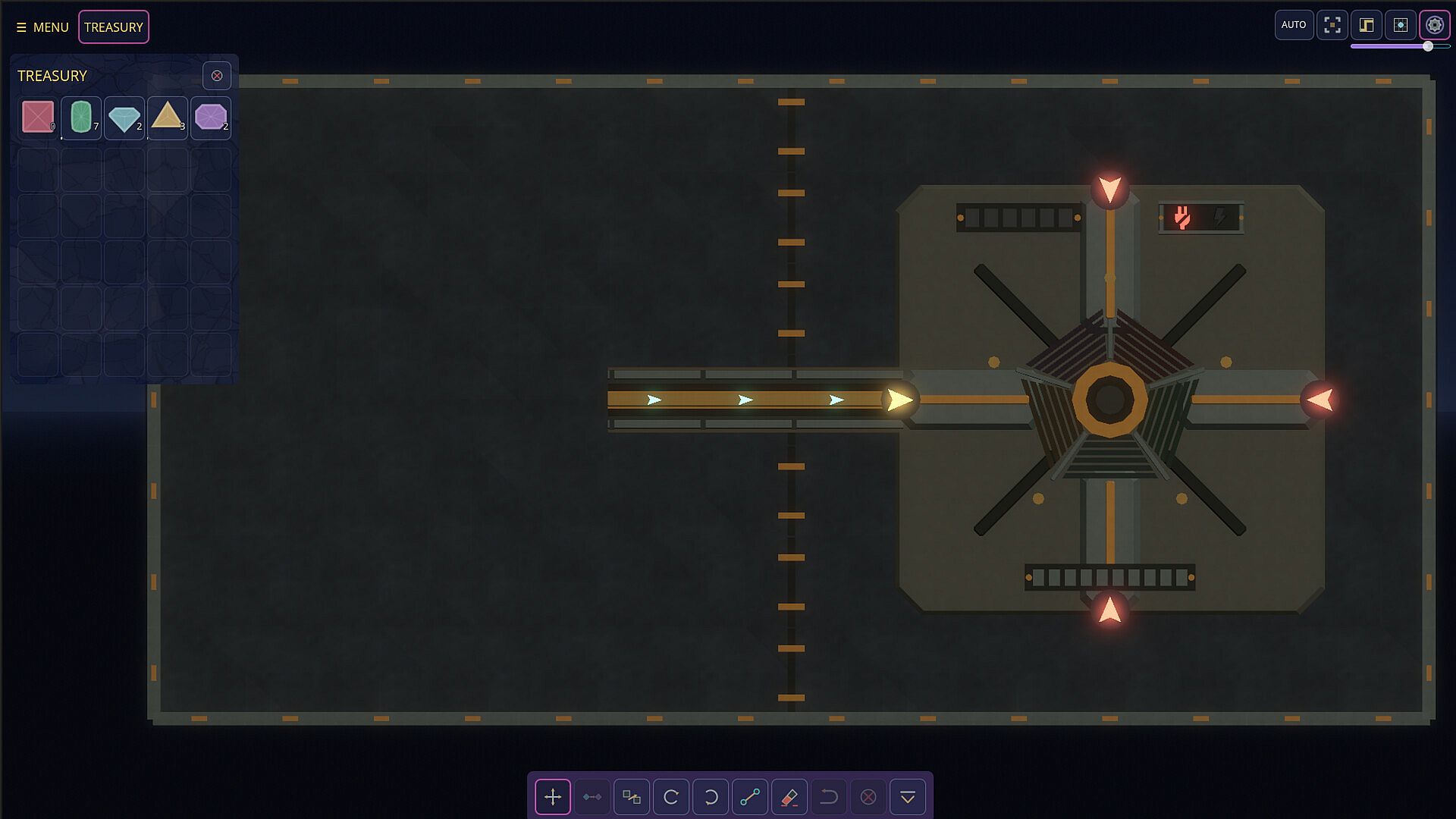
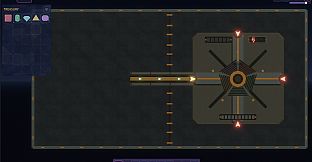
The core loop centers on matching gems to gather resources. Every cleared gem becomes a stored item that players can sort, route, and direct toward different machines. These machines process the gems to produce more resources or to handle matching automatically. Gems also serve as fuel to keep the machines operating, creating a cycle where collection feeds production and production supports further collection.
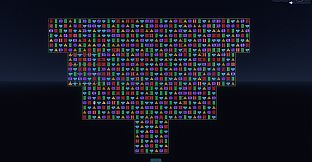
Boards link together seamlessly, allowing movement across a larger play area without loading separate levels. Players decide how to organize inputs and outputs for each machine, deciding which gems go where and how automated matchers fit into the setup. New powered gems can be crafted from the resources, adding layers to what can be produced or consumed.
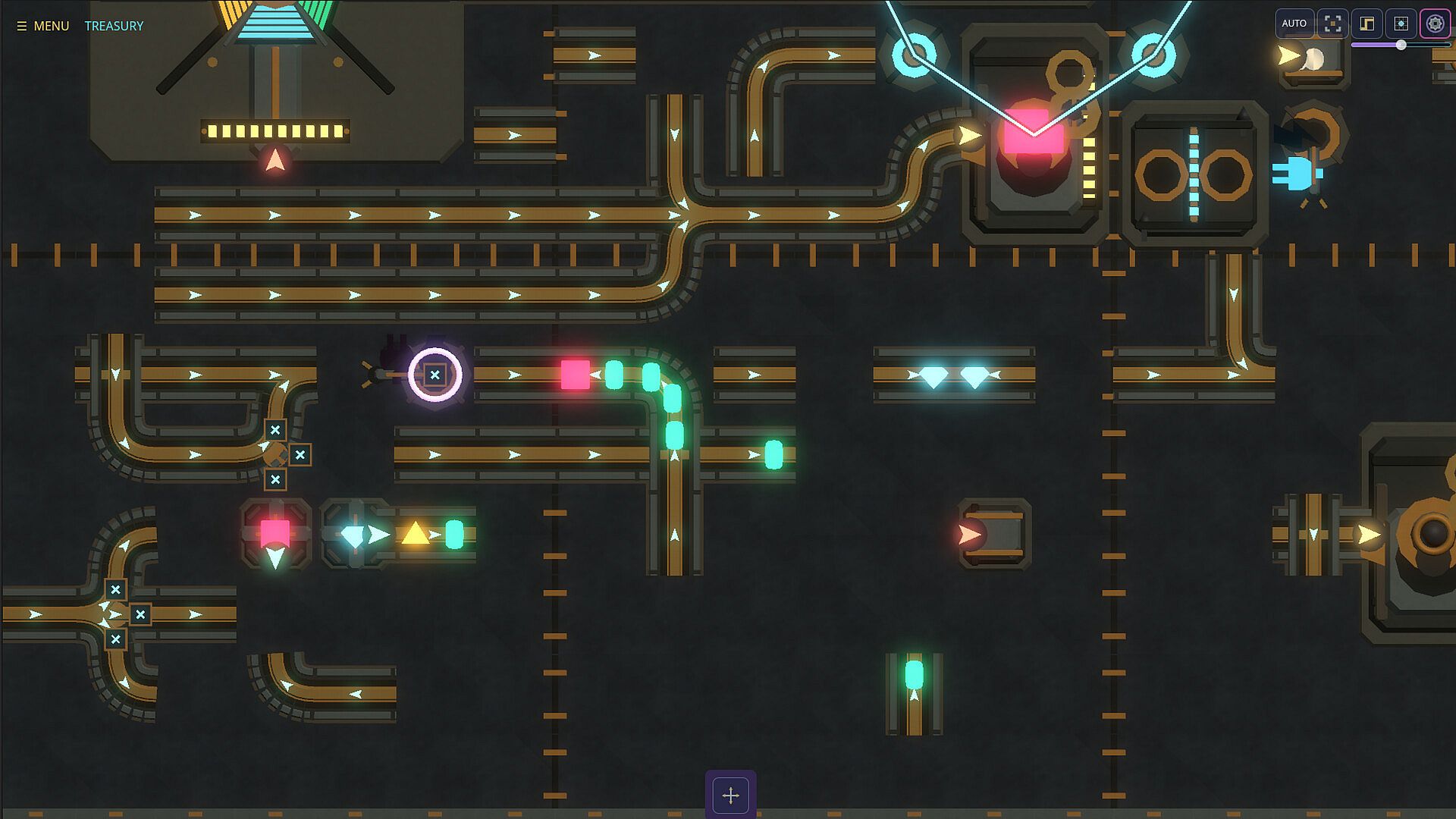
The automation elements let players build systems that handle routine matching while they focus on higher-level decisions about storage, routing, and machine placement. This turns simple gem clearing into a management task where efficiency comes from how well the automated parts integrate with manual play.
Game Modes
Play revolves around a single connected world of tiled match-3 boards rather than separate modes. The emphasis stays on building and refining automation setups within that shared space. Players progress by expanding their machine networks, improving resource flow, and experimenting with different routing and crafting choices.
Because the boards form one continuous area, the experience blends exploration of new sections with ongoing management of existing systems. There are no distinct competitive or story-driven modes confirmed, keeping the focus on the automation and resource loop across the entire play area.
Key Systems and Mechanics
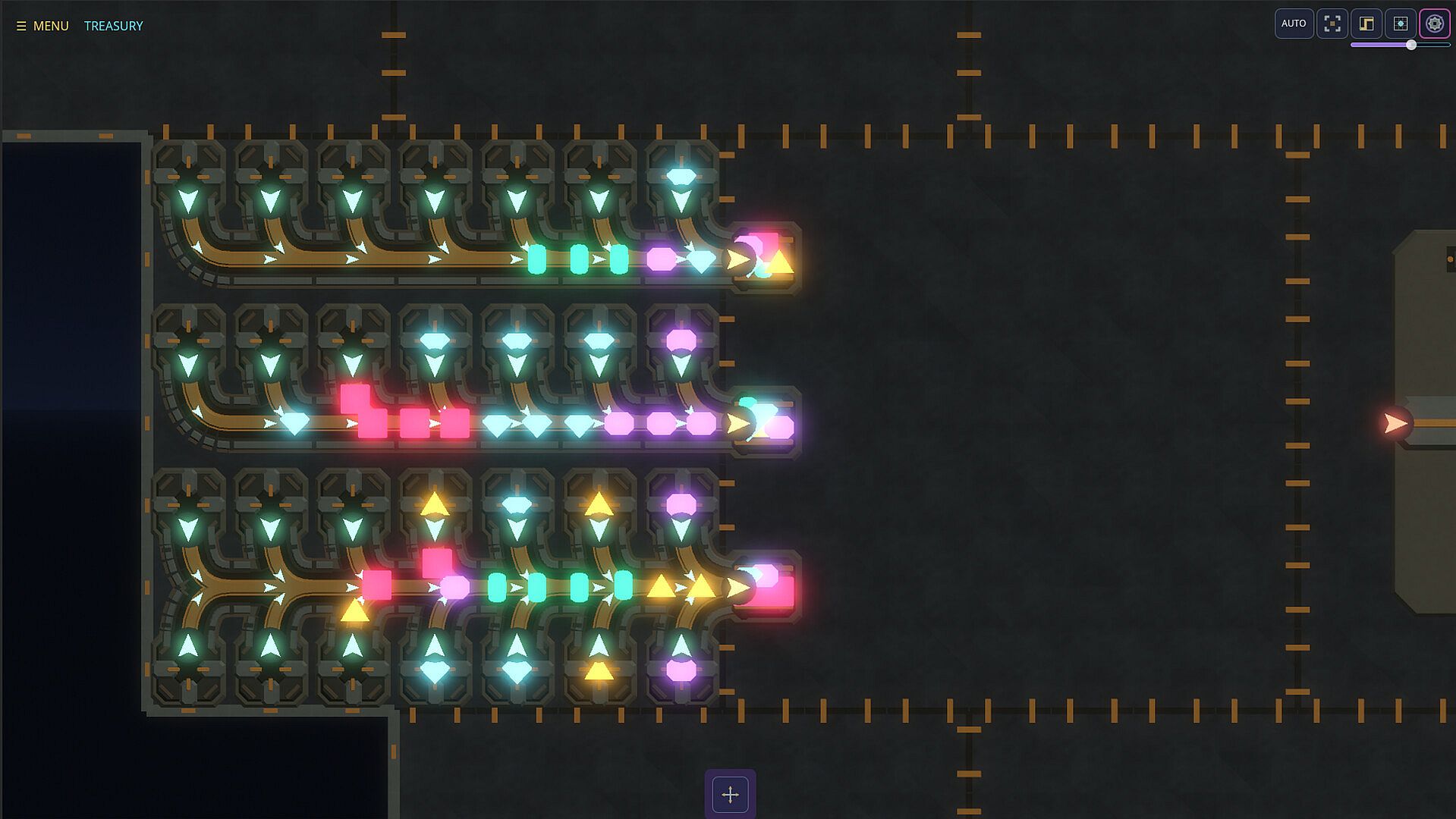
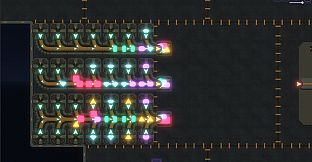
Resource handling forms the backbone of progress. Gems move from the board into storage, then get directed to machines for extraction, crafting, or fuel use. Automated board matchers can be crafted and placed to handle matching without constant player input, freeing attention for planning larger setups.
Machine management requires balancing inputs and outputs so that production stays steady. Players choose how to sort gems and route them, which affects how quickly new powered gems appear or how reliably machines stay fueled. The continuous world supports this by letting systems span multiple connected boards.
Everything runs on Windows and Linux, with full compatibility for Steam Deck controls and display. The design keeps the interface focused on the match-3 grid and the connected automation tools.
Who the Game Appeals To
Facetier suits players who enjoy match-3 puzzles but want more depth through building and managing systems. Those interested in automation games will find value in setting up efficient gem flows and machine chains. Casual players can start with basic matching and gradually add automated elements as they learn the routing and crafting options.
The single-player focus and lack of time pressure make it approachable for relaxed sessions, while the management layer offers ongoing optimization for those who like refining setups over longer playtimes.
Is It Worth Playing?
The game delivers a match-3 experience centered on resource automation rather than high scores or timed challenges. Players who like turning simple mechanics into complex production chains will find the core loop engaging. Availability on Windows, Linux, and Steam Deck broadens access without requiring specific hardware beyond standard PC setups.
Because development details and player feedback remain limited at this stage, the decision rests on interest in the described systems. Those drawn to crafting automated matchers and managing gem resources across a connected world will likely enjoy the steady progression. Others seeking traditional match-3 scoring or multiplayer elements may find the automation focus narrower than expected.