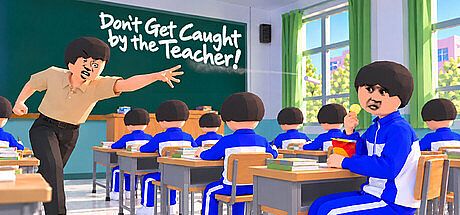


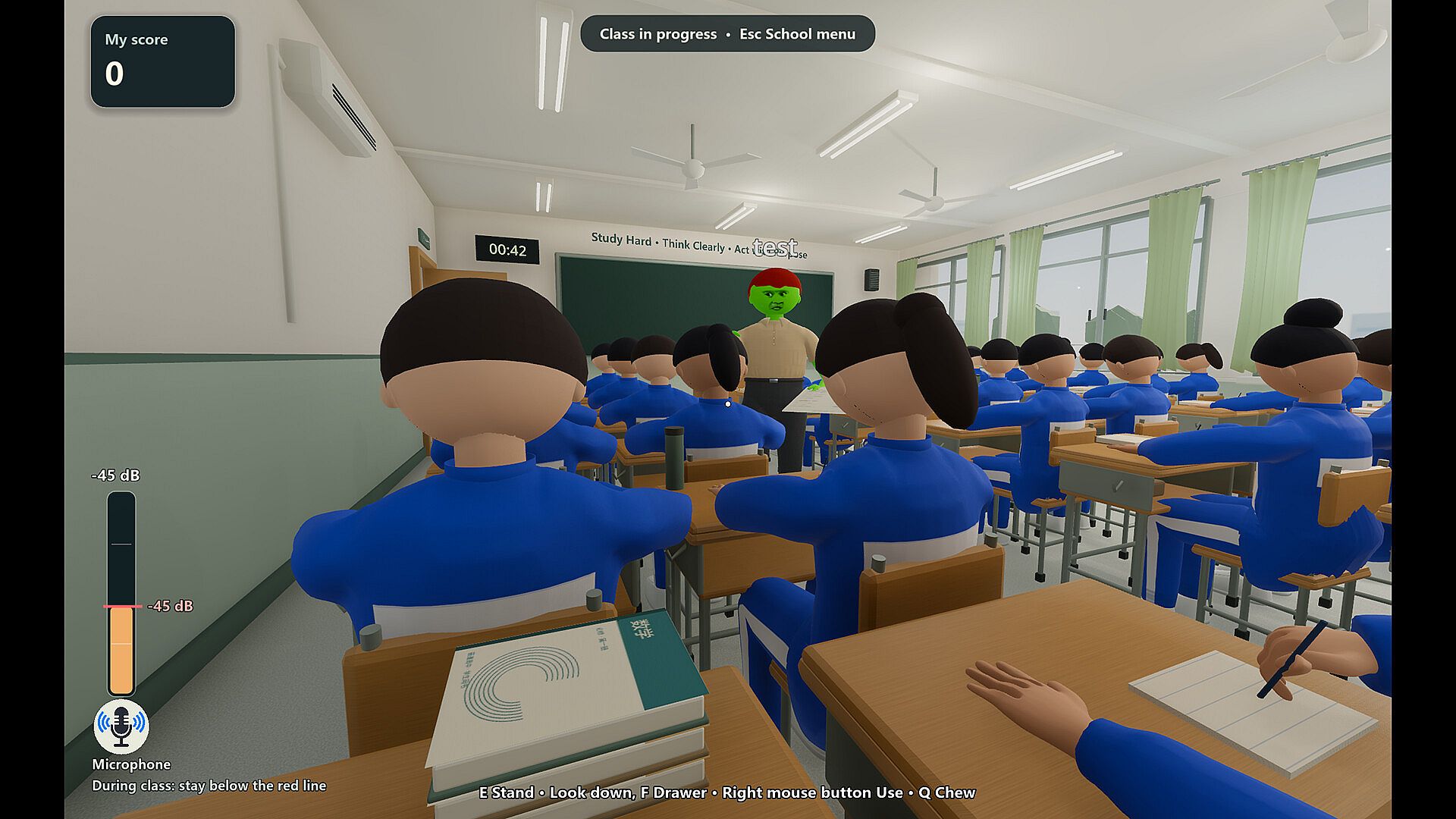
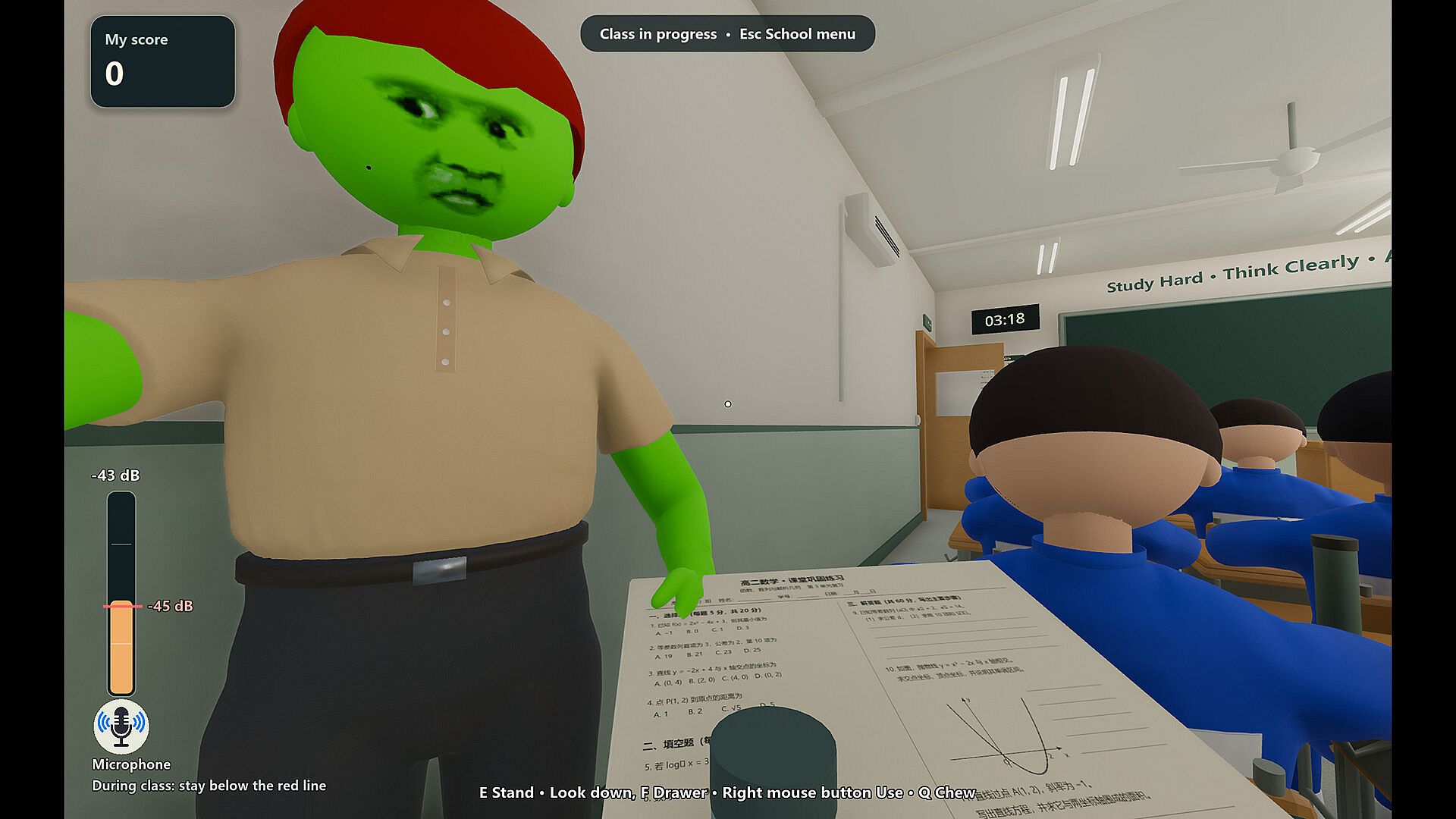
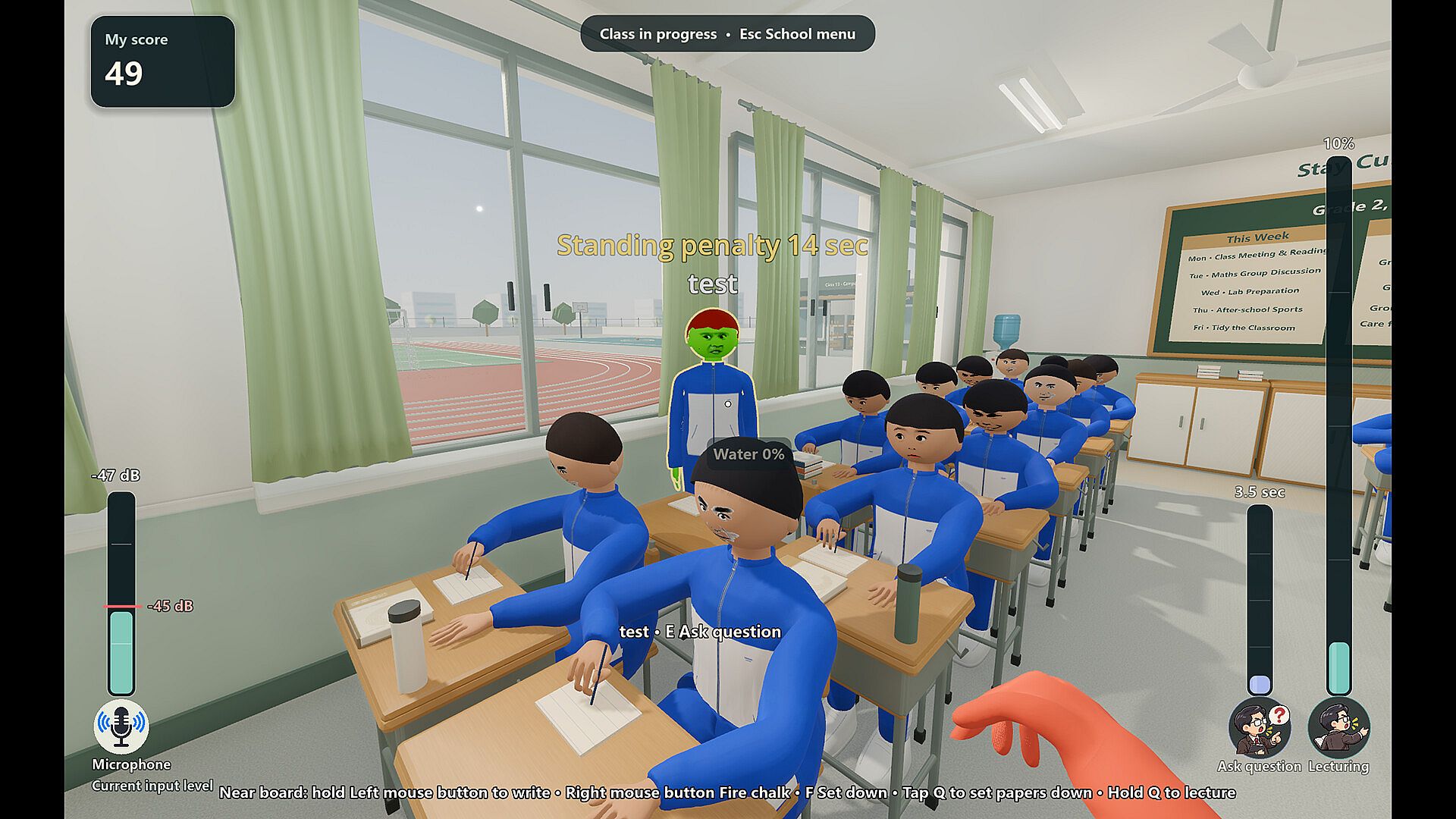
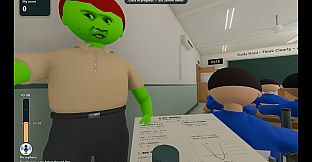
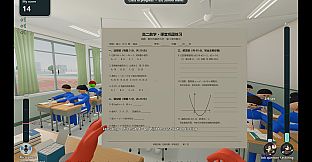
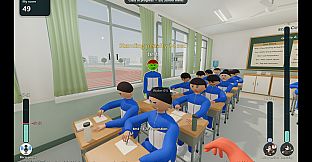
Don't Get Caught by the Teacher! is a first-person asymmetric multiplayer party game that blends indie creativity with RPG, casual, and simulation elements on PC. One player assumes the role of the teacher managing lessons, while the others act as students focused on consuming snacks without detection. The core loop revolves around risk management, timing, and social deduction in a classroom setting that rewards careful play while punishing overambition.
Gameplay
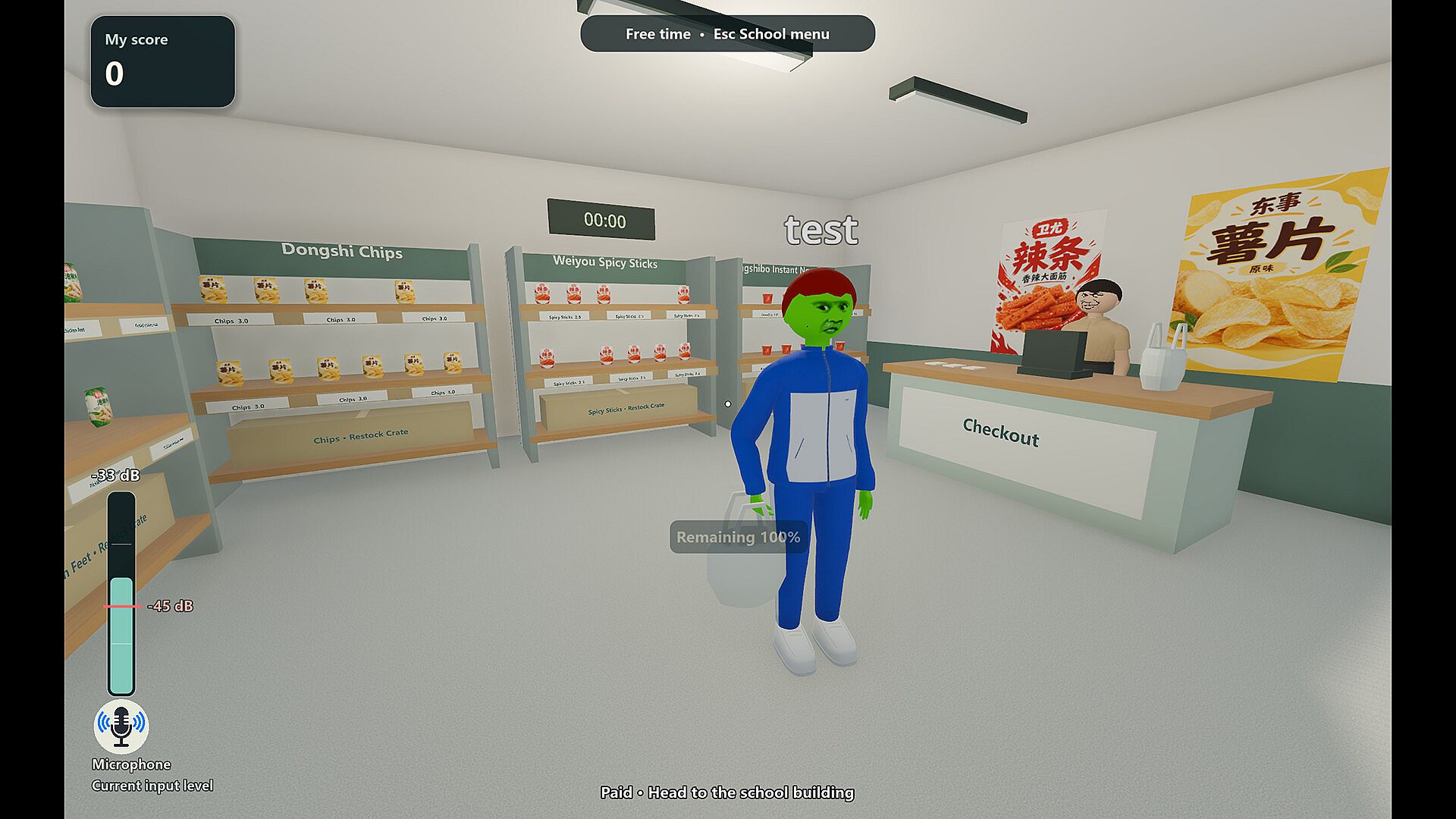
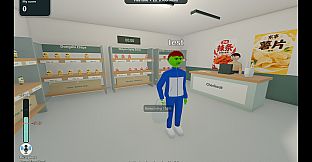
The experience centers on sneaking food during class. Students select snacks at a school shop before the bell rings, with each item carrying distinct eating times, noise levels, and point values. Consuming a snack requires multiple stages including opening the package, eating, chewing, and swallowing. Food remains in the mouth until fully swallowed, leaving players vulnerable throughout the process. Higher-reward options demand longer exposure and generate more sound, forcing decisions between safe low scores and risky high ones.
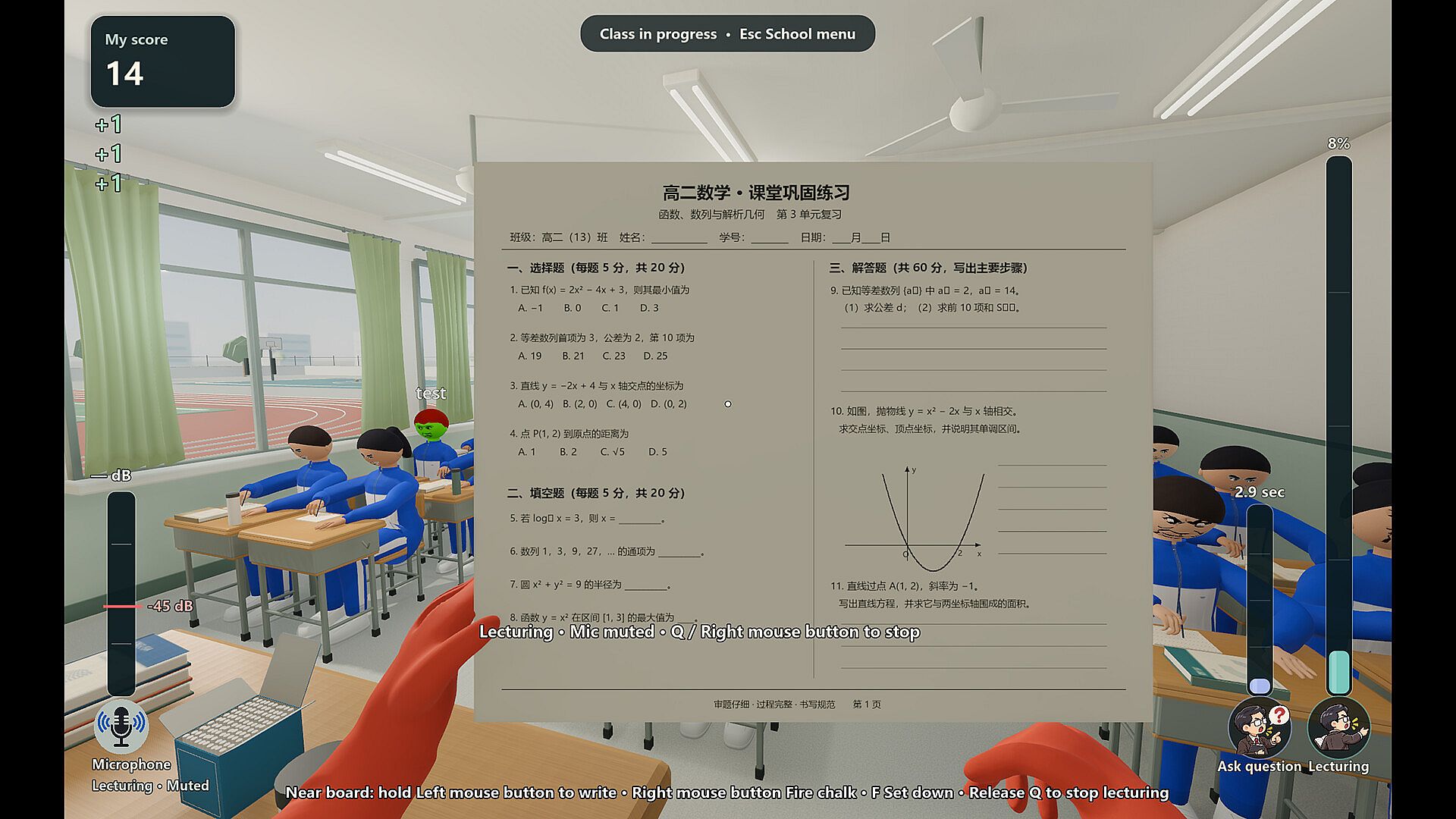
Sound plays a central role in detection. Package rustling, chewing, and even voice chat can alert the teacher. Players may speak to coordinate or distract, but volume matters because the teacher listens. When called on, a student with food in their mouth must respond verbally without raising suspicion. The teacher divides attention between advancing lesson progress and monitoring the room, turning away from the class to write on the board and creating brief windows for action. Throwing chalk serves as an active tool, though only accurate hits on active snack-eaters count as valid catches, and false accusations carry penalties.
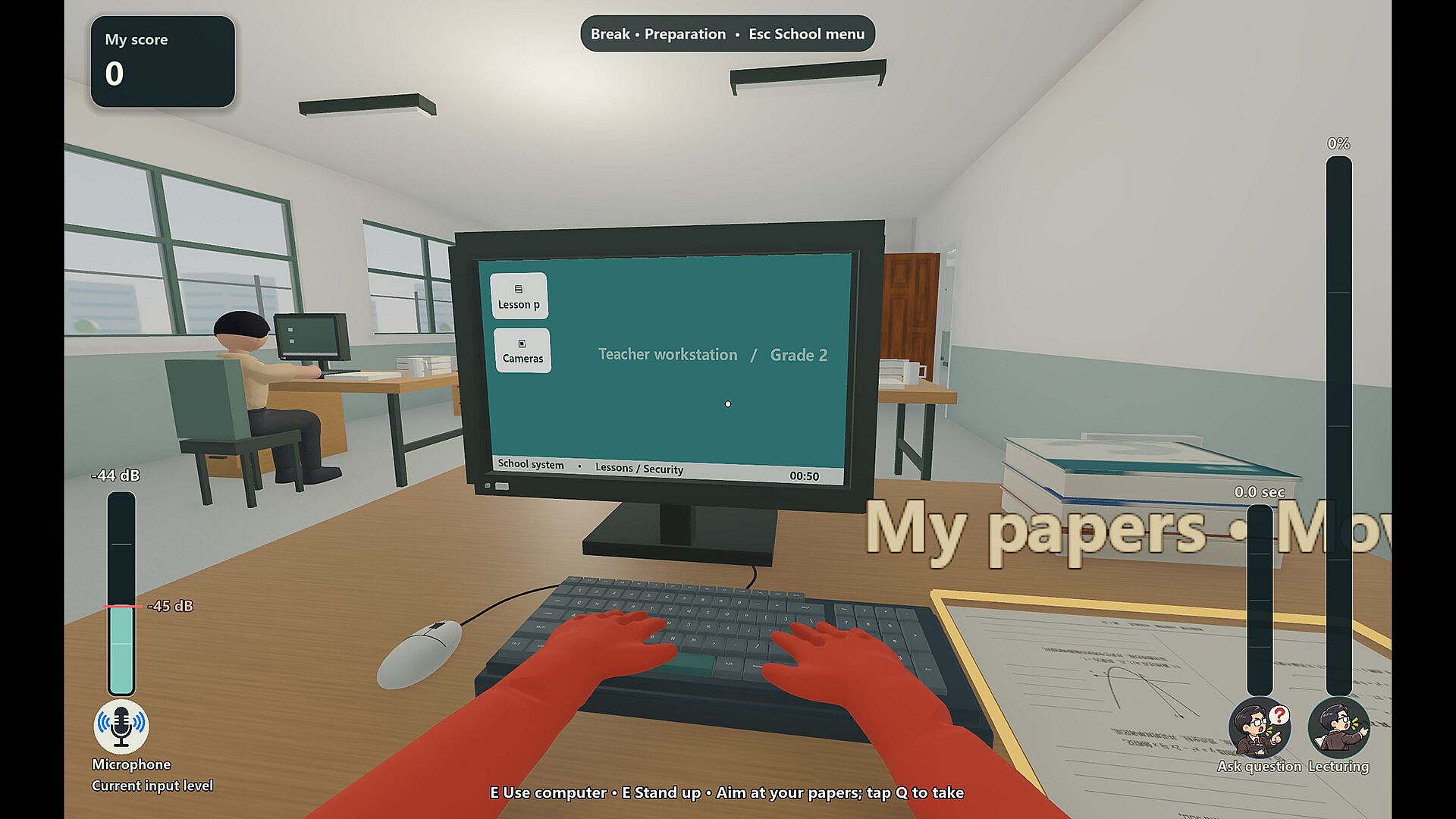
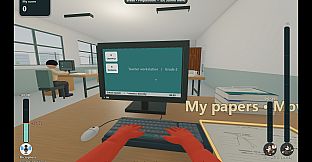
Students interact with each other through snack passing and distractions that shift the teacher's focus. These mechanics create shifting alliances where teammates may assist or interfere depending on individual score goals. The teacher can shorten or extend lessons during recess via a computer, altering pressure and potential rewards for everyone involved.
Game Modes
The game operates around a single core asymmetric setup without separate named modes. Matches begin with shop selection, move into seated classroom play, and incorporate teacher adjustments during breaks. The structure emphasizes one versus many dynamics where the teacher balances teaching duties against enforcement, while students balance personal scoring against group coordination and betrayal opportunities. Recess phases add strategic depth by letting the teacher modify upcoming lesson length, which directly influences pacing and scoring potential.
Snack Selection and Risk Management
Choosing snacks sets the tone for each round. Safer items produce less noise and shorter eating sequences but deliver modest points. Riskier selections offer greater rewards at the cost of extended vulnerability and louder audio cues. Players weigh these trade-offs knowing that any unfinished food in the mouth can lead to immediate detection if the teacher investigates or calls on them. The shop phase encourages experimentation across multiple rounds as players learn which combinations suit aggressive or conservative approaches.
Is It Worth Playing?
This title suits players who enjoy asymmetric multiplayer experiences with strong emphasis on timing, audio cues, and light social deduction. The classroom theme delivers consistent tension through divided attention mechanics and the constant threat of being caught mid-bite. Groups that appreciate party games with betrayal elements and variable risk levels will find repeated play value in testing different snack strategies and teacher tactics. Those seeking traditional competitive balance or extensive progression systems may prefer other options, as the focus remains tightly on the snack-eating loop and teacher-student interactions. The game remains in active development based on available information, with its unique premise providing a fresh take on the genre for interested audiences.