

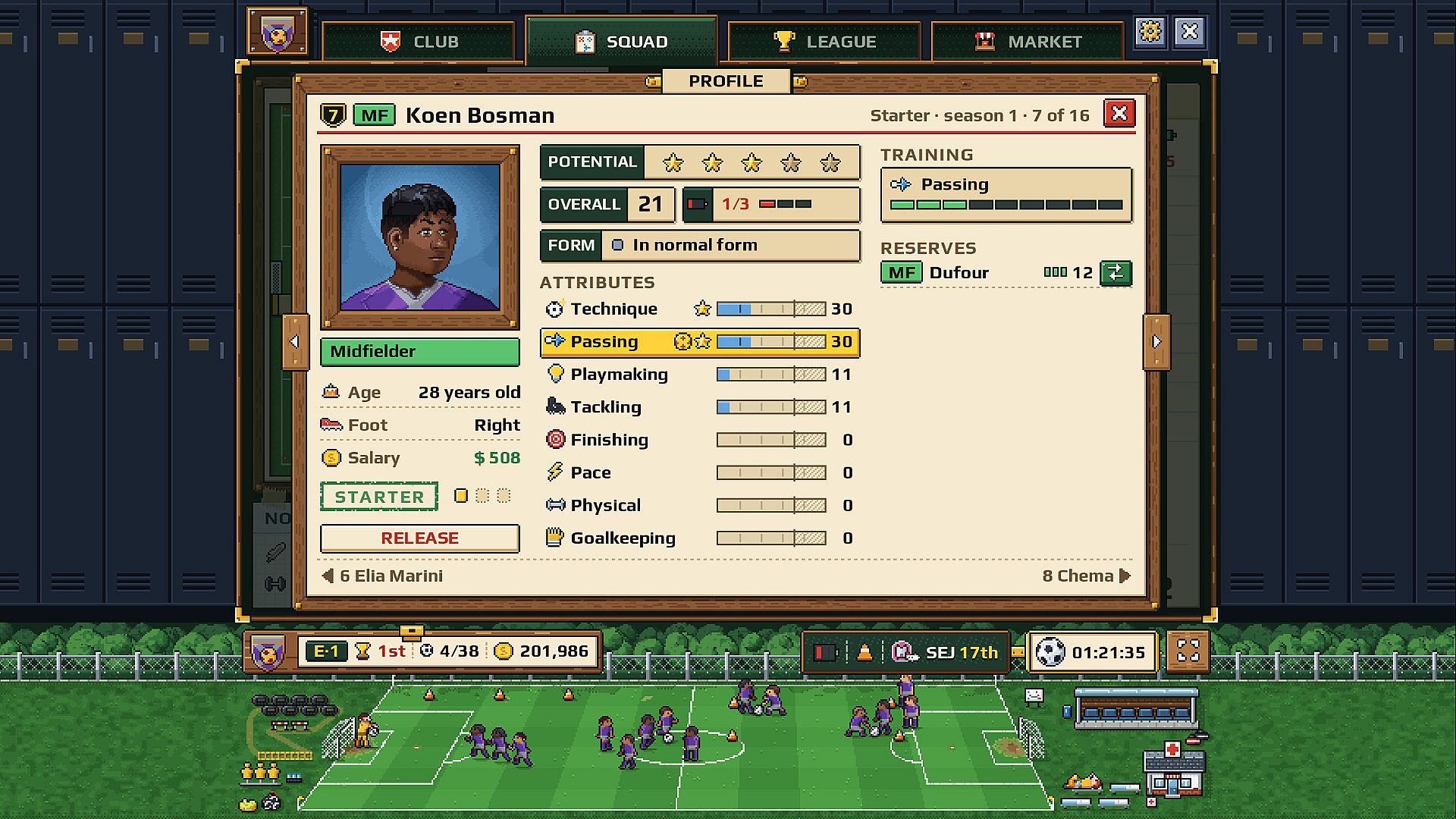
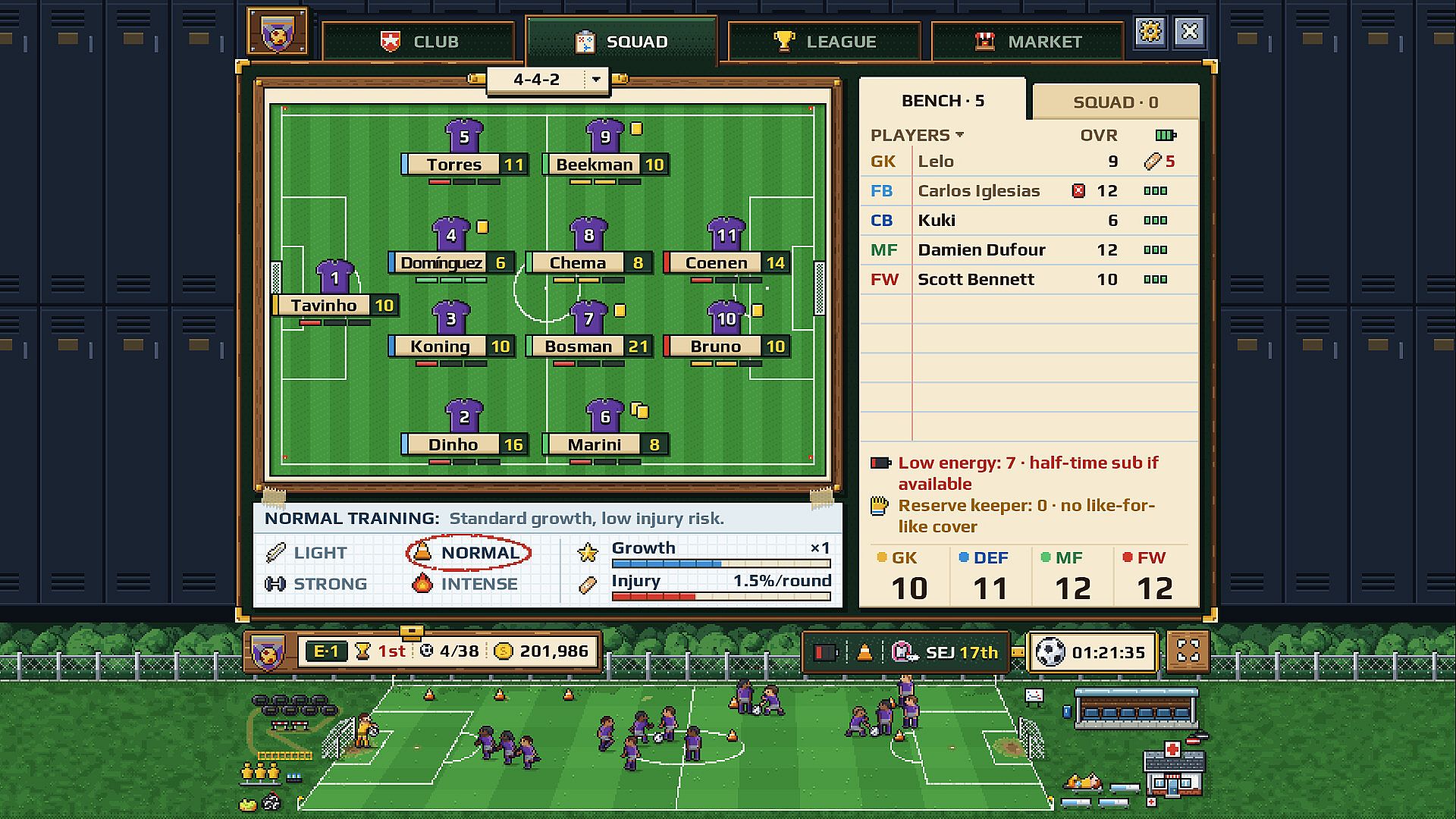
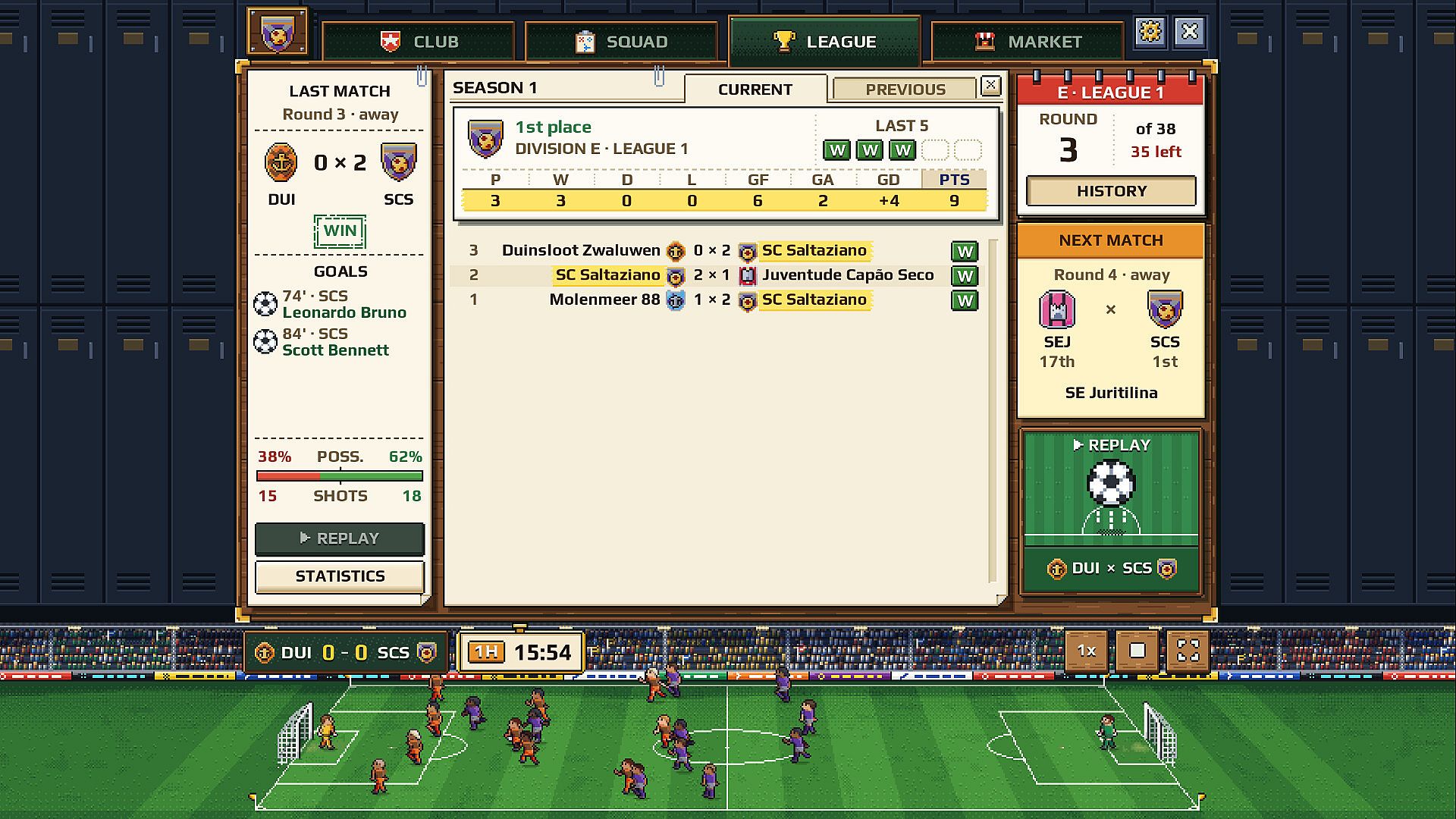
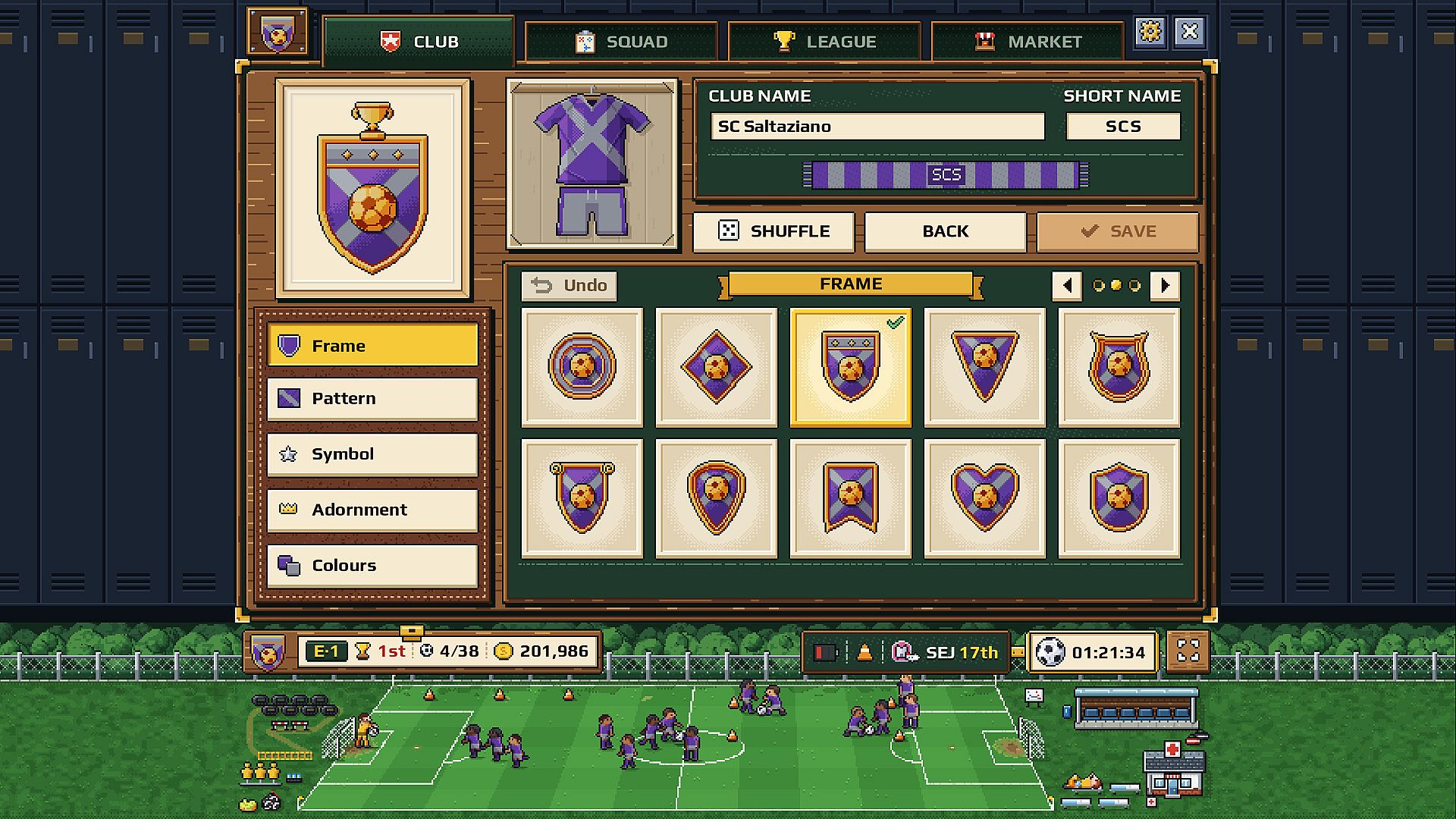
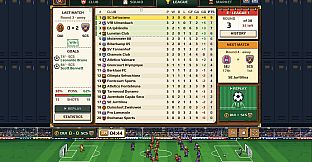
Desk Top Soccer is a pixel art football management game in the strategy, indie, casual, simulation and sports genres for PC. Players build and run a club through squad management, formation choices and ongoing decisions while matches unfold automatically in staged sequences.
Gameplay
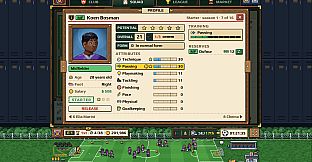
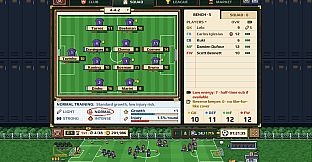
The core loop centers on squad construction and club development. Players select formations, assign starters and substitutes to positions, and pair teammates whose traits work well together for improved performance. Individual player attributes include position, preferred foot, age and special traits. Form ratings influence on-pitch results, while aging, contract renewals and retirements require regular squad refreshment.
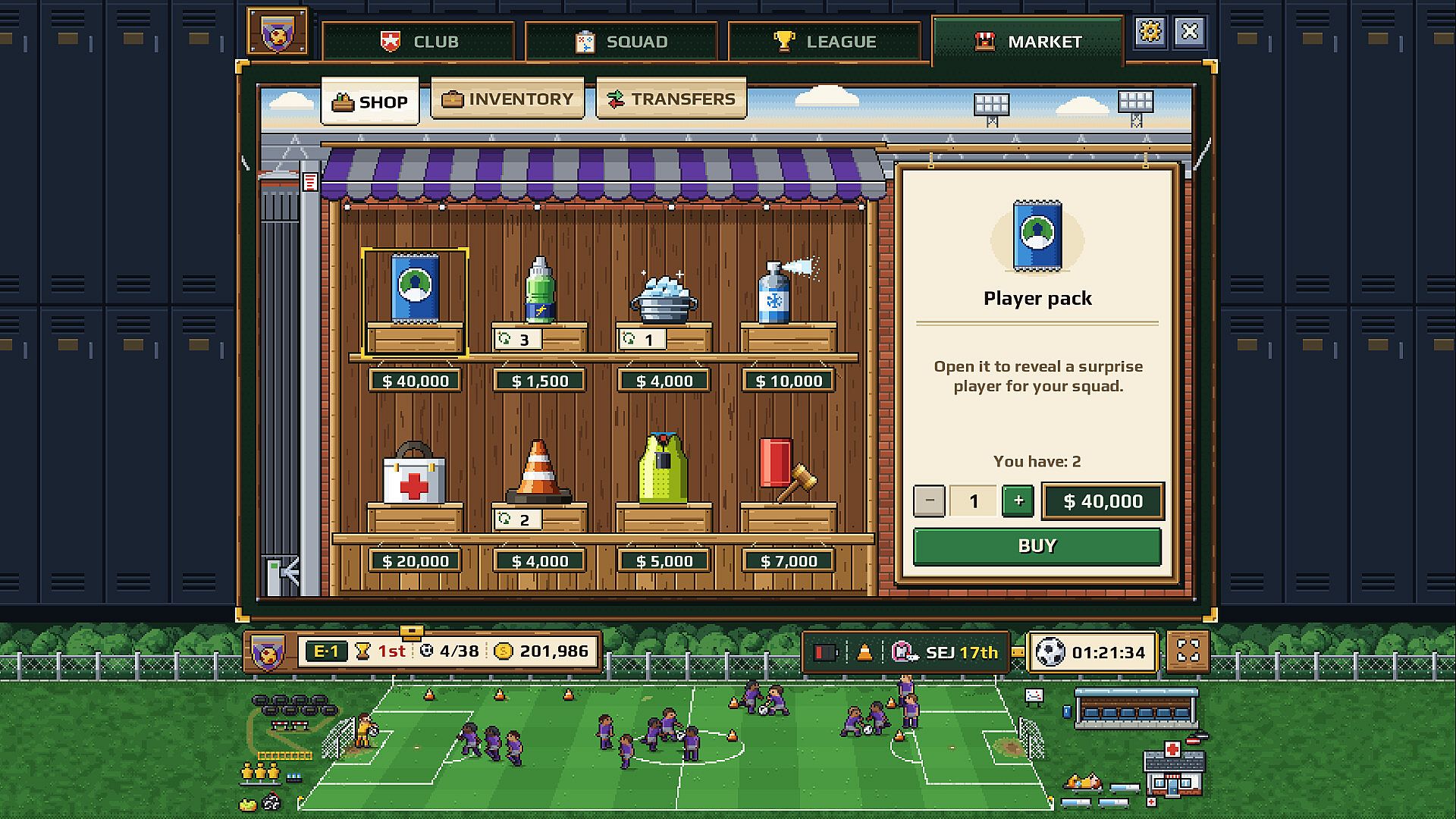
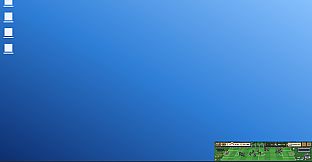
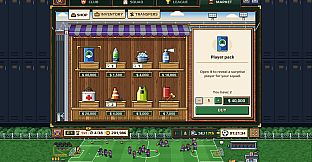
Training occurs between matches in the desktop strip view. Managers assign development focuses for each player and manage energy levels, with rest periods restoring tired squad members. Injuries and suspensions disrupt plans, and items such as sports drinks, ice baths, medical kits and training cones help with recovery and preparation. A strong medical centre shortens downtime for injured players.
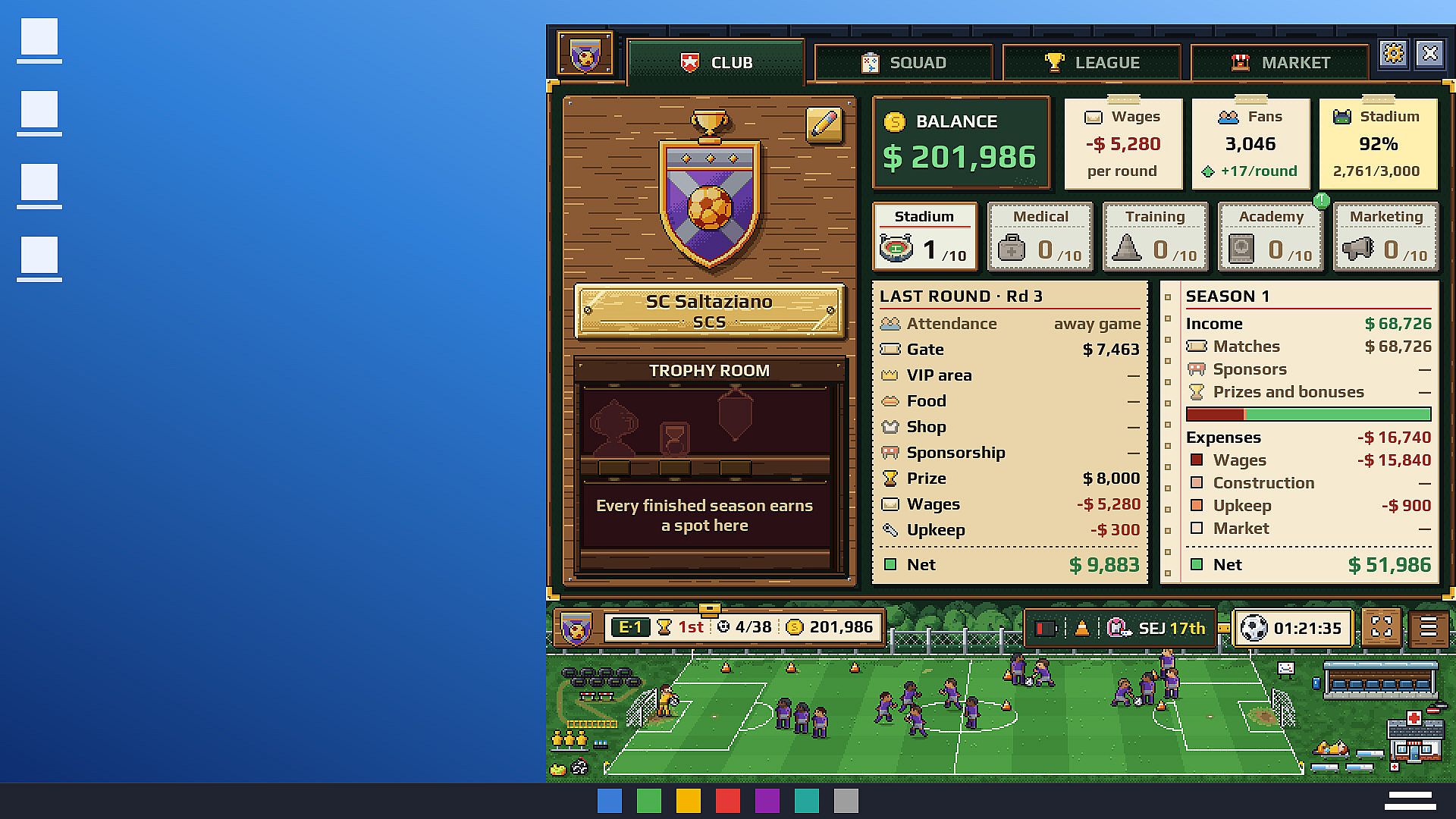
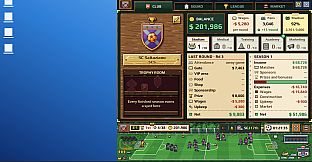
Club infrastructure expands through targeted investments. Stadium upgrades increase capacity and add revenue streams like VIP areas, food courts and club shops. The training ground supports individual sessions, squad work and match analysis. Marketing efforts involve sponsor selection, media spending and events to grow the fan base. An academy with scouts and youth teams supplies new talent. Financial balance is essential, as gate receipts, wages and sponsorship income must cover costs or performance suffers.
Game Modes
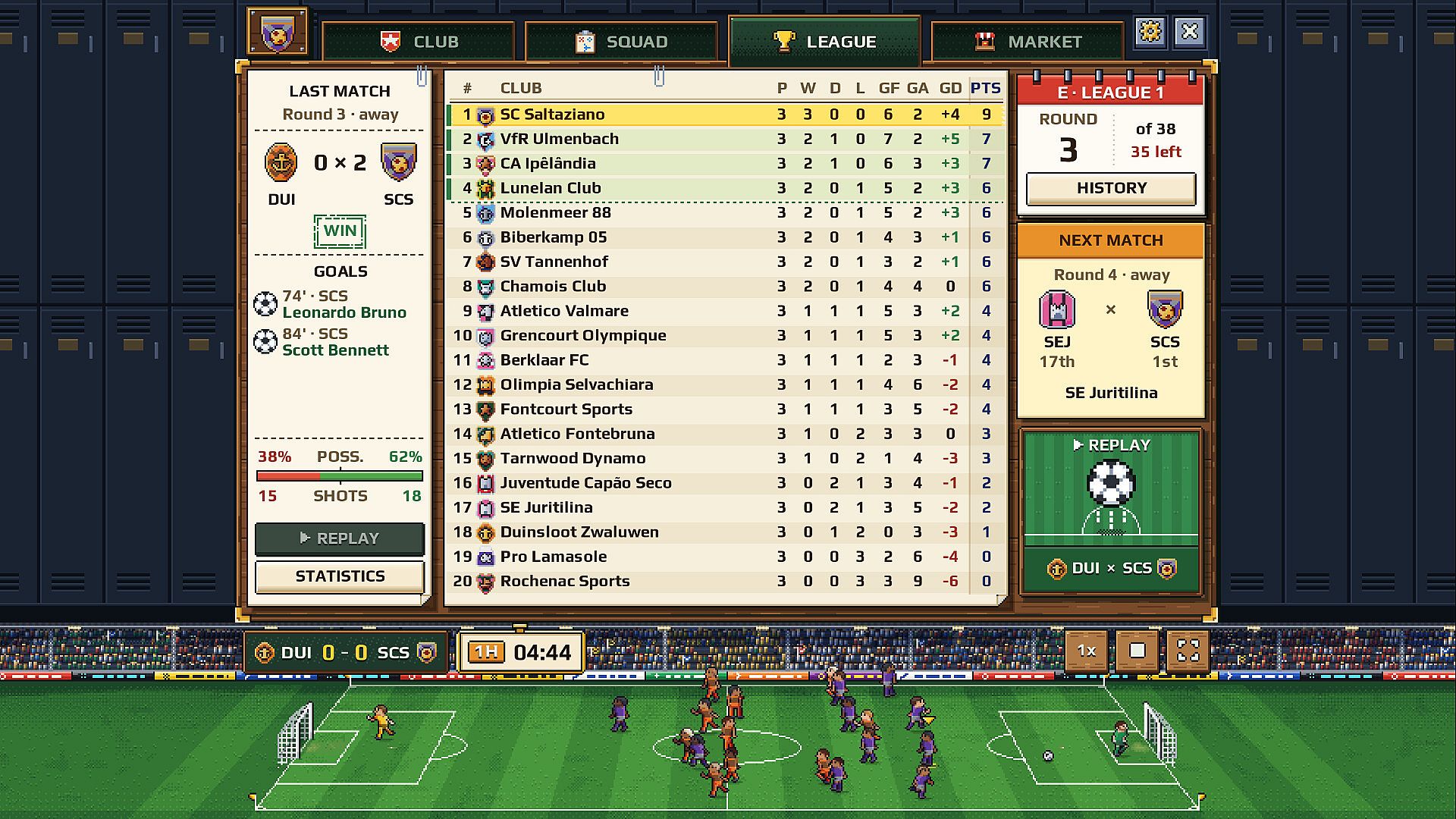
Career mode lets managers start with a bottom-division club and aim for promotion through a pyramid of divisions. Every match can be watched in full, sped up, skipped to the result or reviewed later in replay. Seasons progress at the player's pace with training, pack openings and squad adjustments between rounds. The top three teams in each league earn medals, and achievements appear in the club's trophy room.
Multiplayer mode connects managers worldwide in a shared environment where leagues advance simultaneously. Teams continue competing even when the game is closed. Players obtained from packs become tradable items on the Steam Market, allowing managers to buy or sell talent from others.
Matches and Squad Building
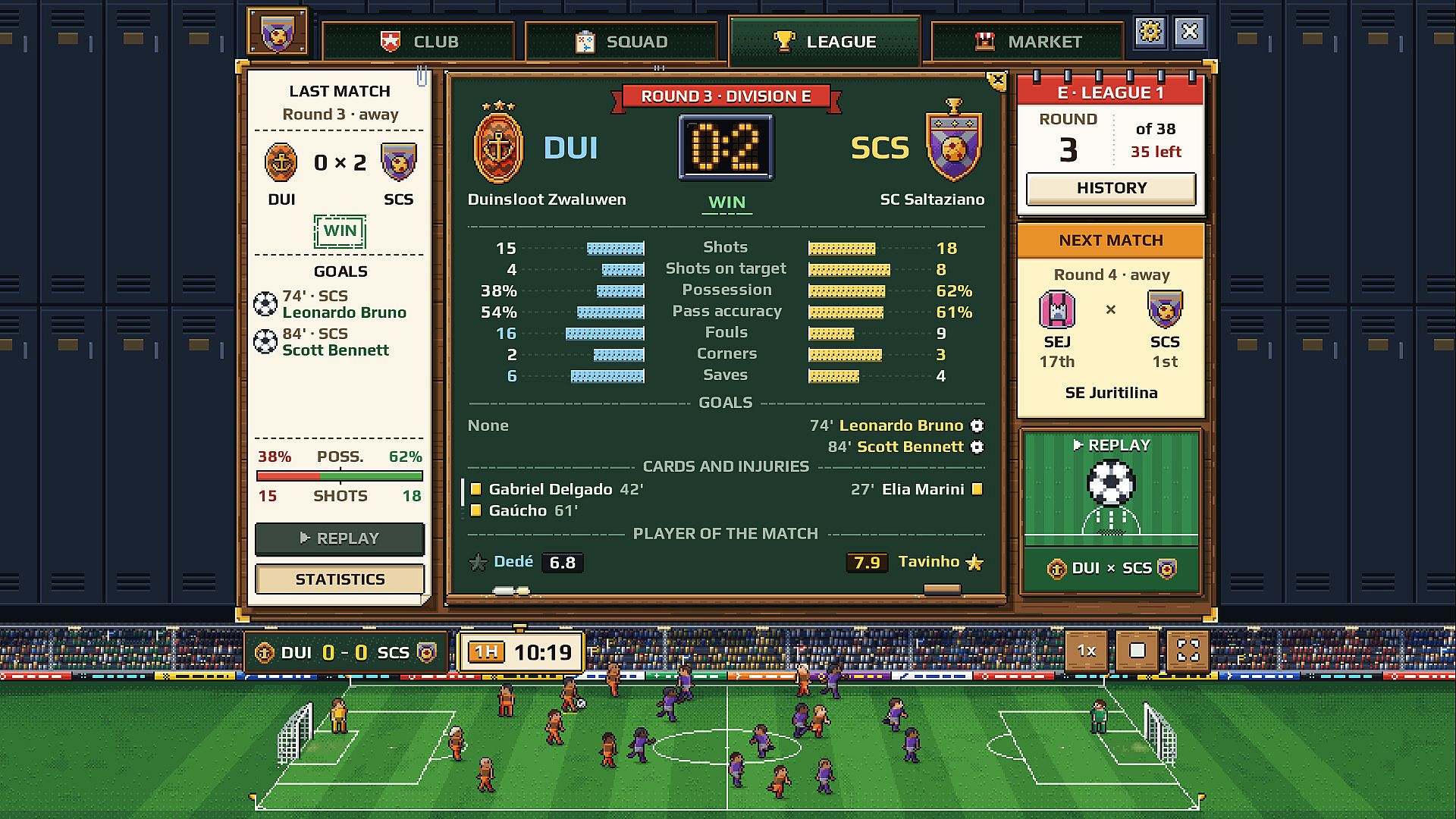
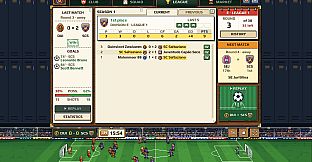
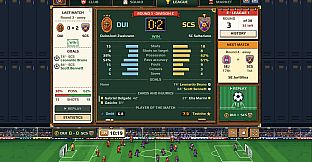
Matches play out move by move with realistic events including goals, dribbles, fouls, cards, corners, penalties, injuries and substitutions. Goal and half-time sequences plus highlight cut-ins provide visual feedback. Options include speeding up play, jumping to the final score or watching a full replay. Detailed match reports, broadcast-style statistics and season histories track progress.
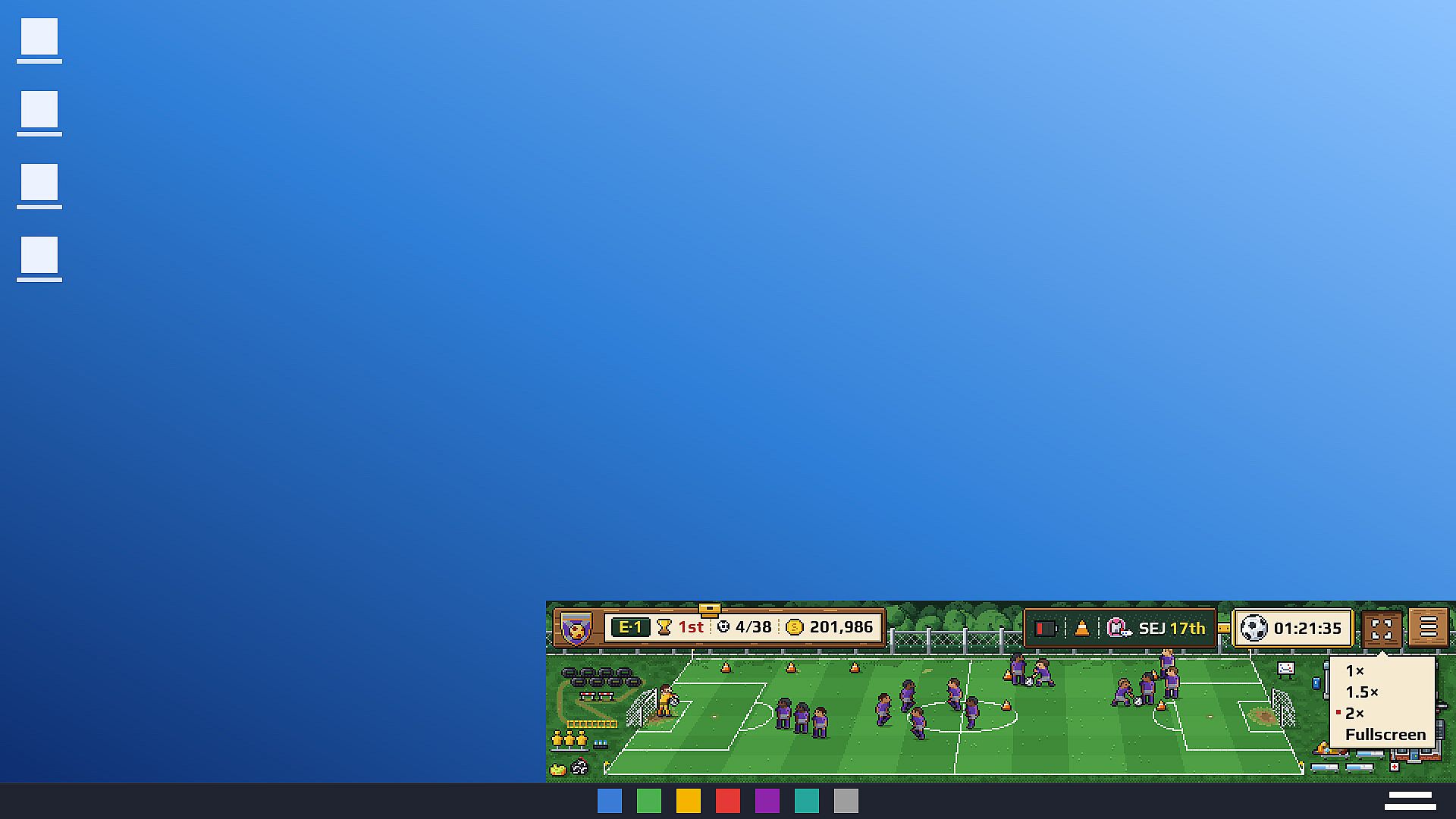
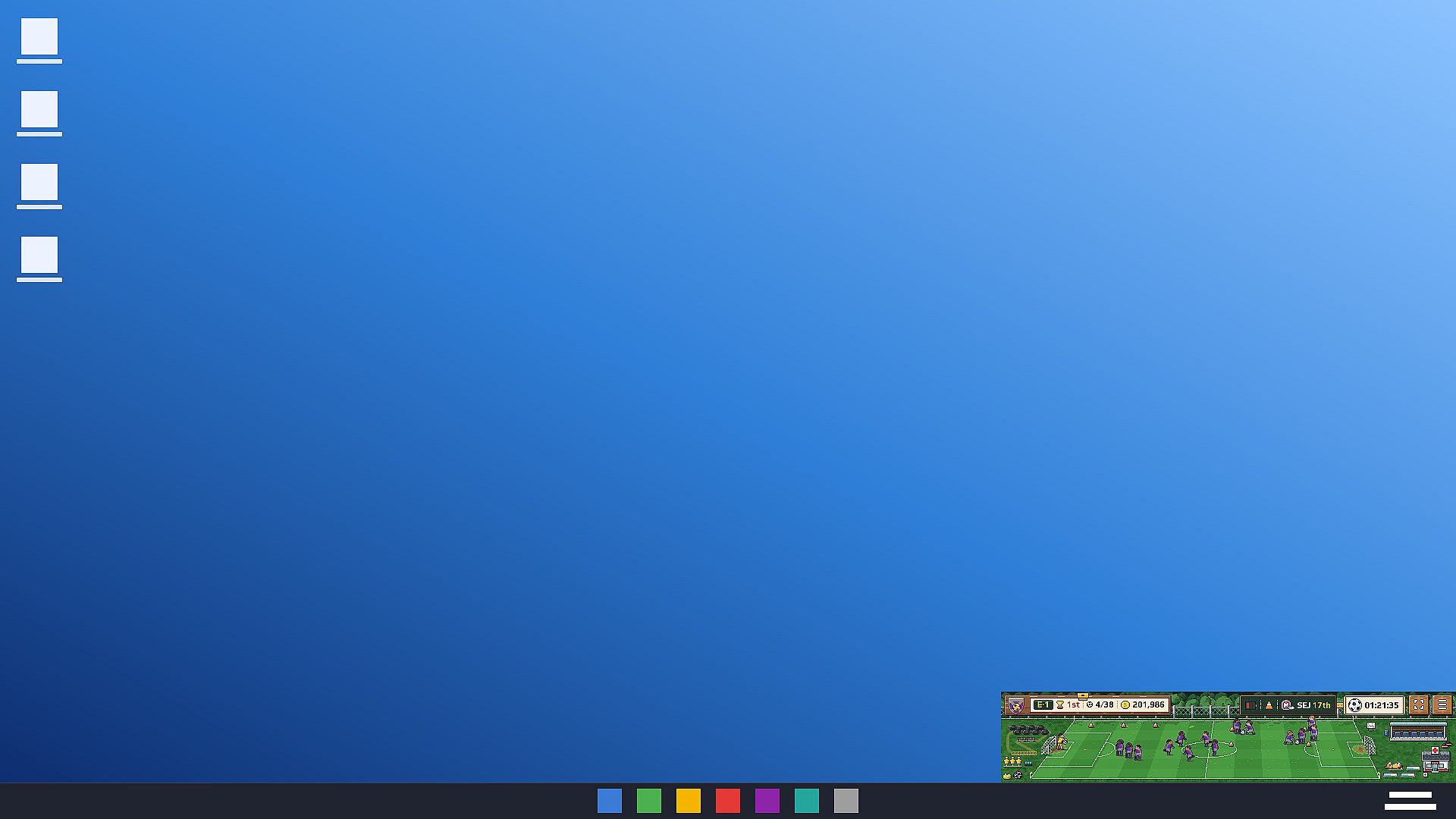
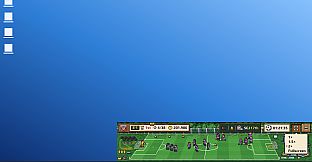
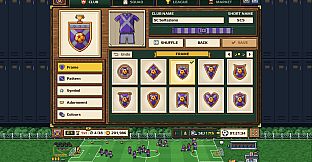
Squad building relies on opening animated player packs that reveal new additions ranging from one to five stars. In multiplayer, these players enter the Steam inventory for trading. Custom team identity comes from choosing names, short names and crests. The game supports multiple languages and runs as a lightweight transparent strip on the desktop that stays on top if desired, or switches to fullscreen. Several window sizes and multi-monitor support keep it accessible during other tasks.
Is It Worth Playing?
Desk Top Soccer suits players who enjoy management sims with a casual twist and pixel art presentation. The desktop strip format allows progress during work or study, while fullscreen delivers deeper engagement with match viewing and club decisions. Career mode offers steady progression through divisions at any pace, and multiplayer adds a persistent shared world with trading elements. Those seeking hands-off match resolution combined with squad and club customization will find the systems align closely with that preference. The game remains available on PC with ongoing support for its core features.