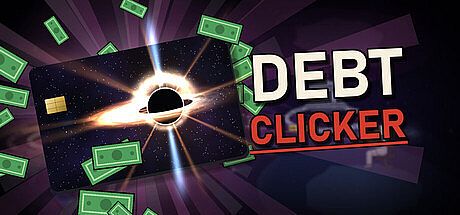






Debt Clicker is a casual singleplayer clicker game for PC that flips the usual idle formula on its head. Instead of building wealth, the objective centers on accumulating as much debt as possible through repeated borrowing and spending cycles. The experience satirizes consumer culture with a straightforward loop that rewards escalation rather than restraint.
Gameplay
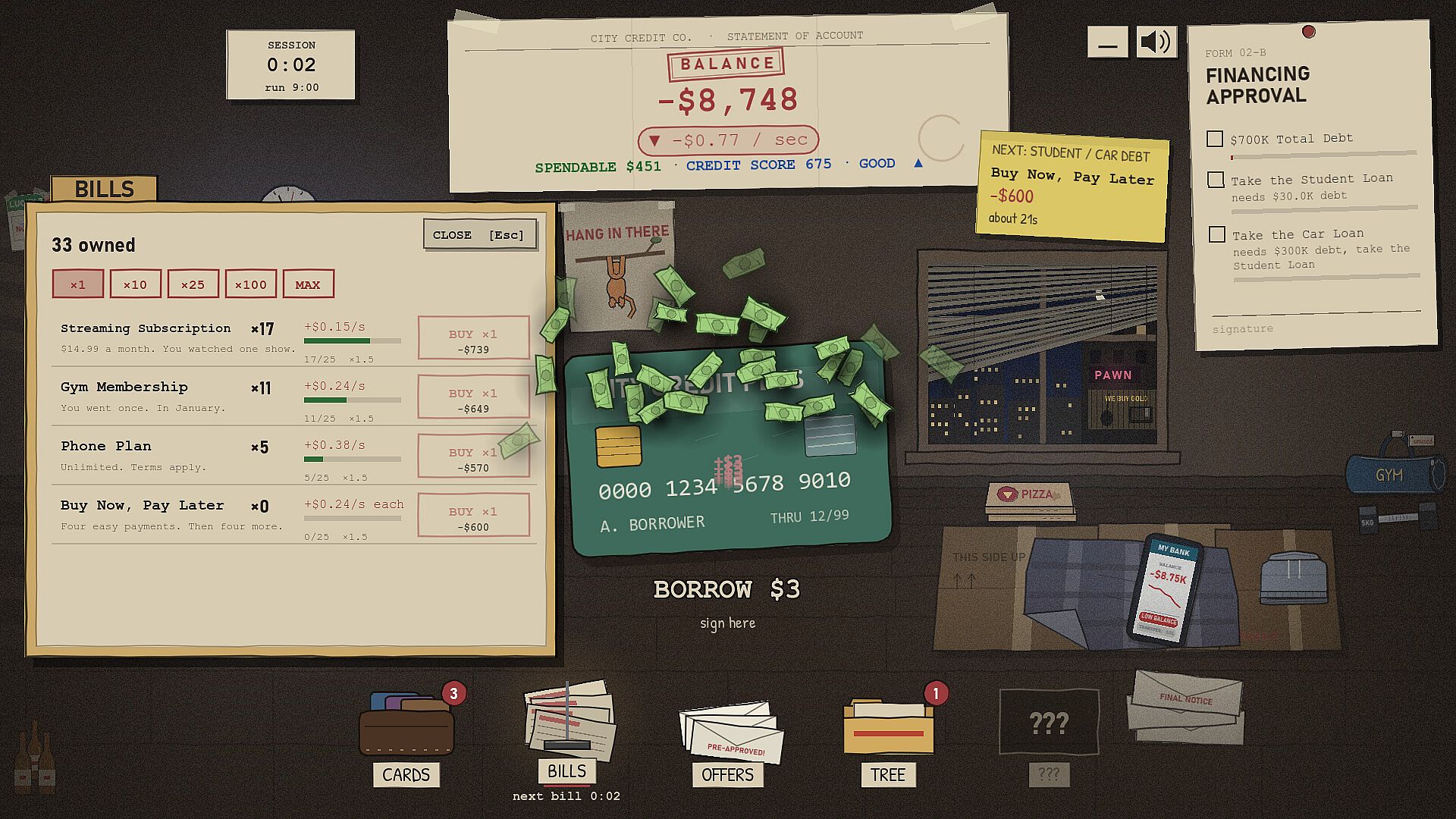
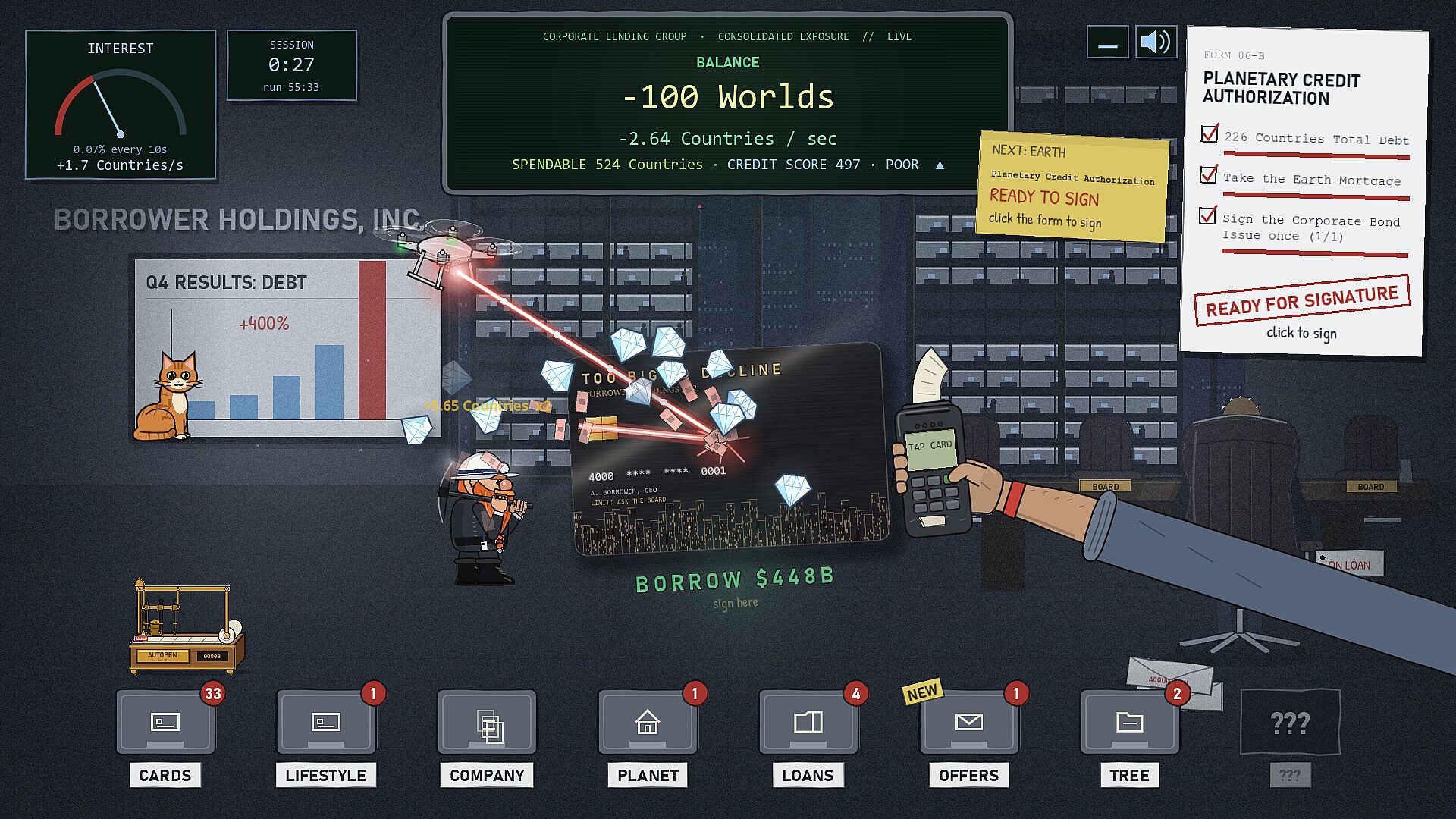
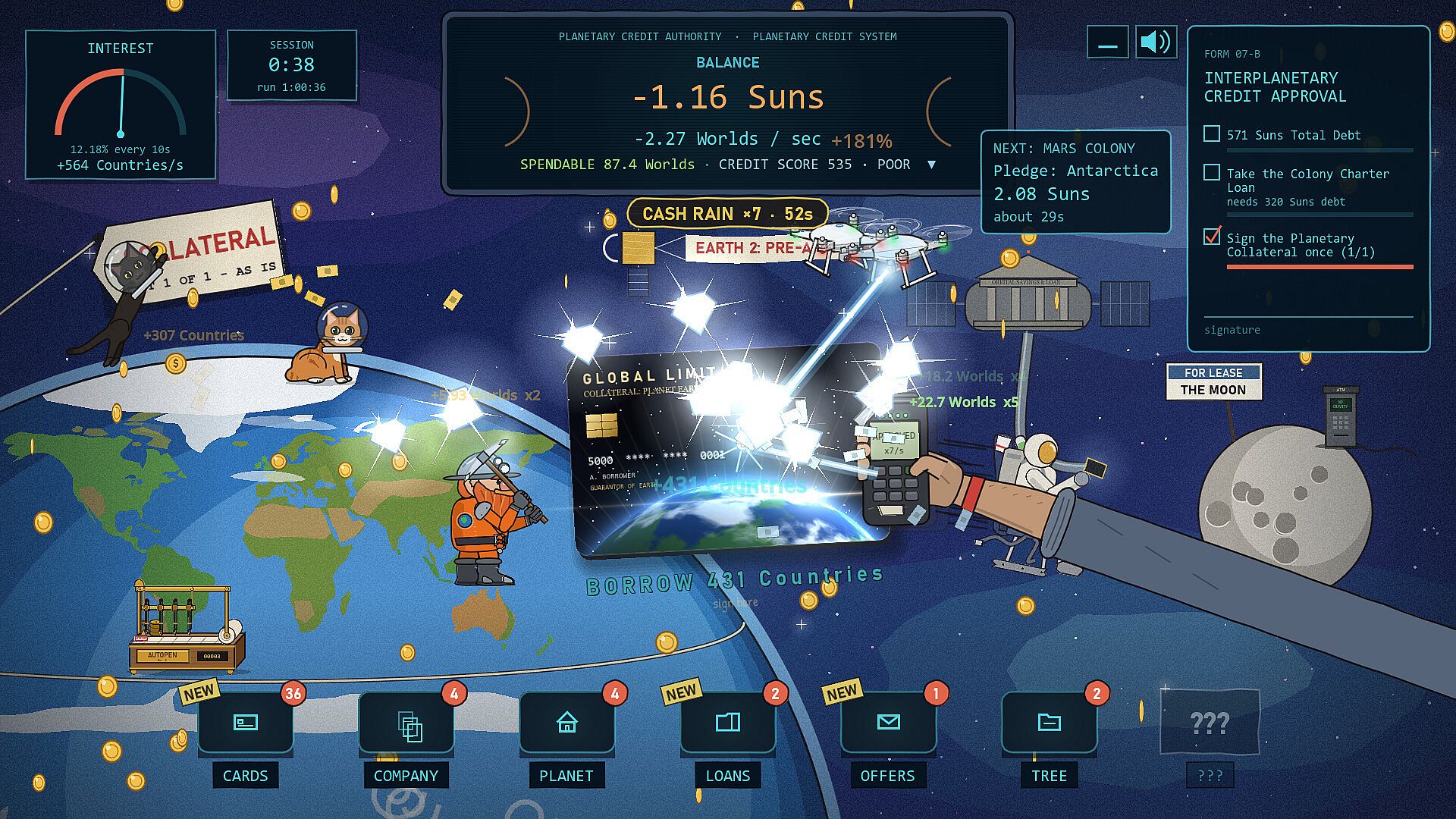
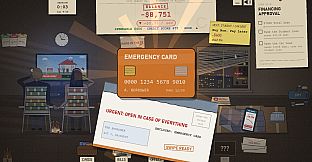
Players begin in a minimal rented room and interact primarily by clicking a credit card to borrow funds. Each click adds to the balance, which then funds ongoing expenses such as streaming subscriptions, gym memberships, and buy-now-pay-later arrangements that deduct automatically over time. The balance only increases, creating a deliberate downward spiral that drives further borrowing.
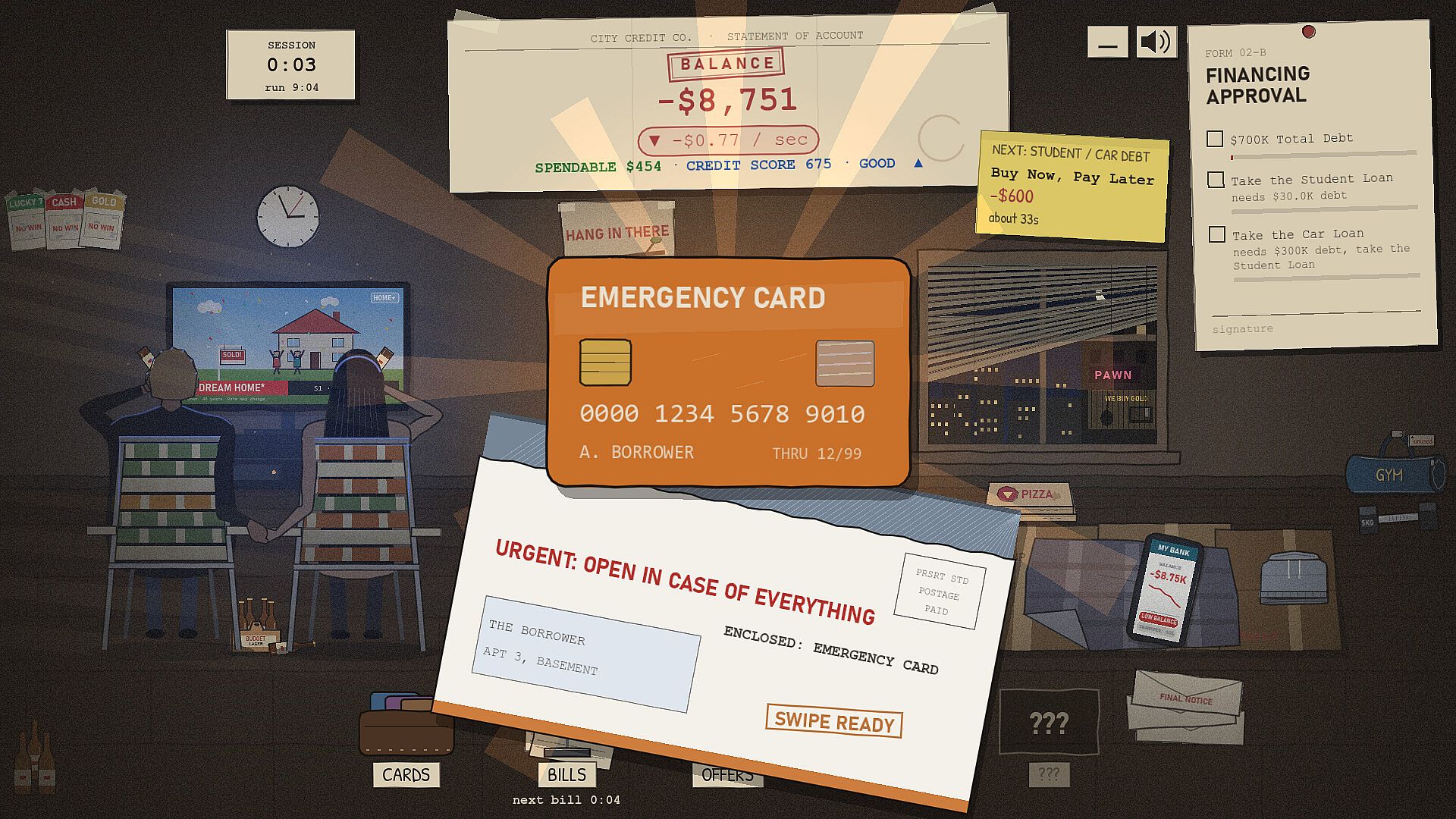
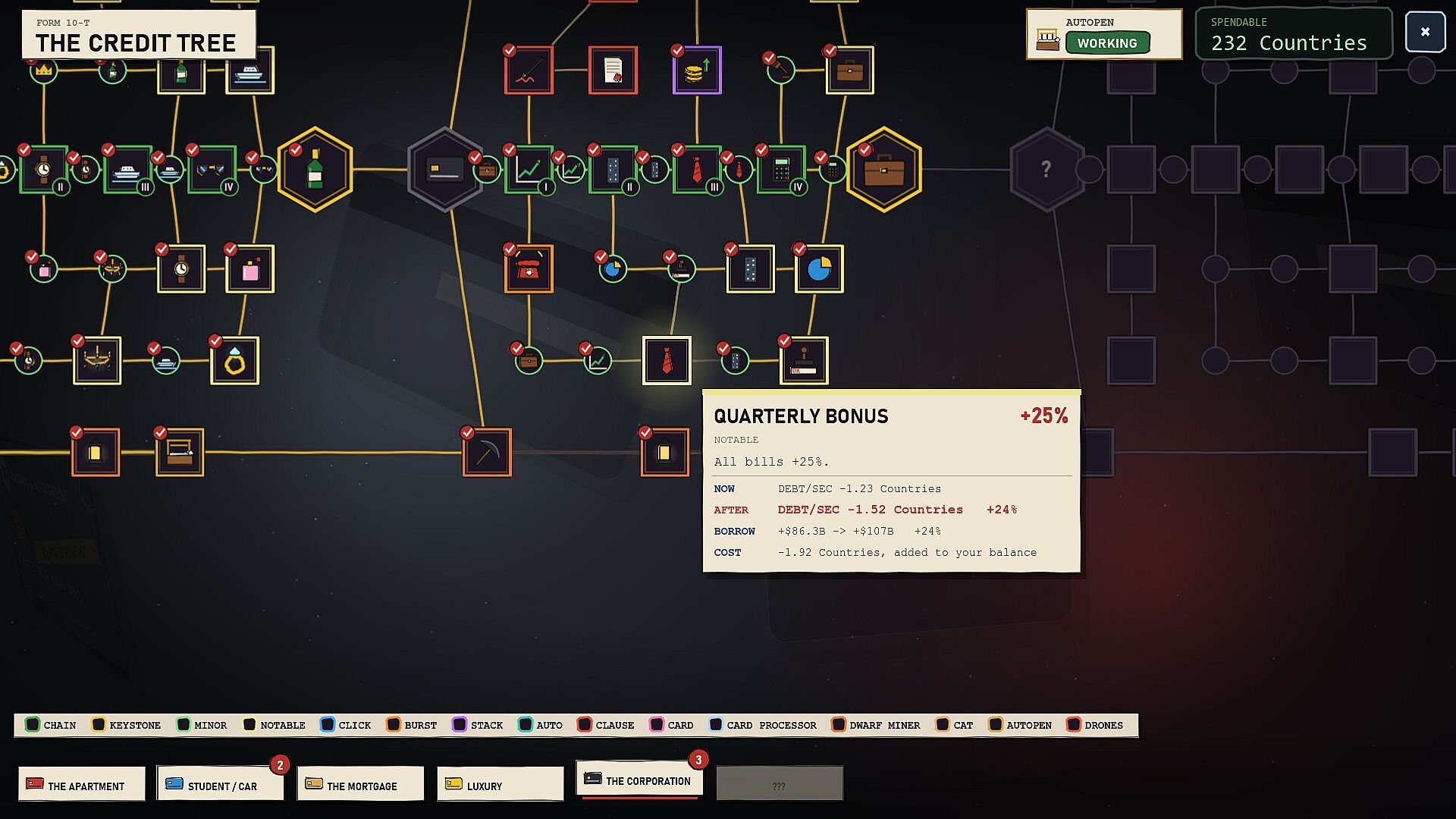
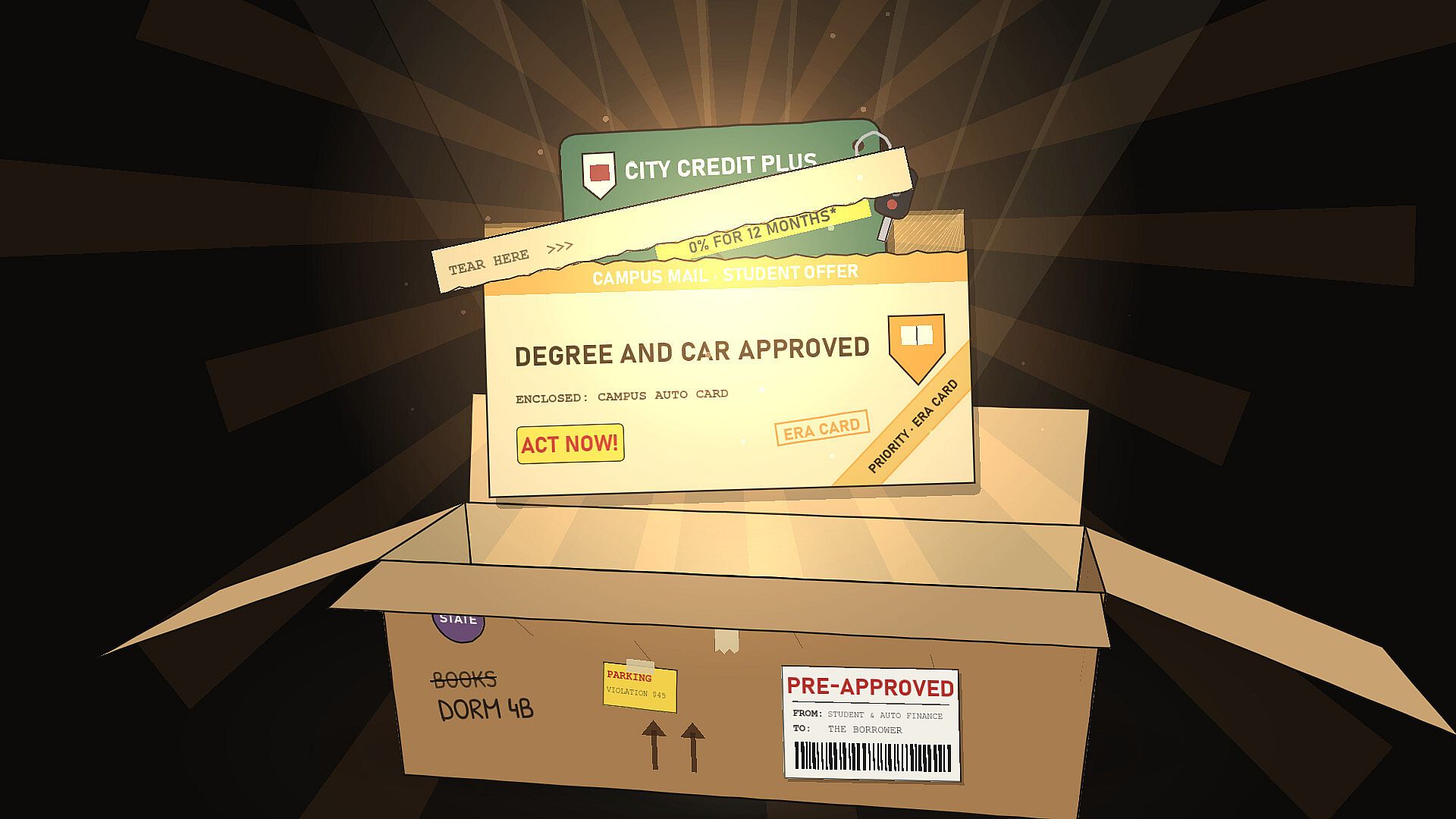
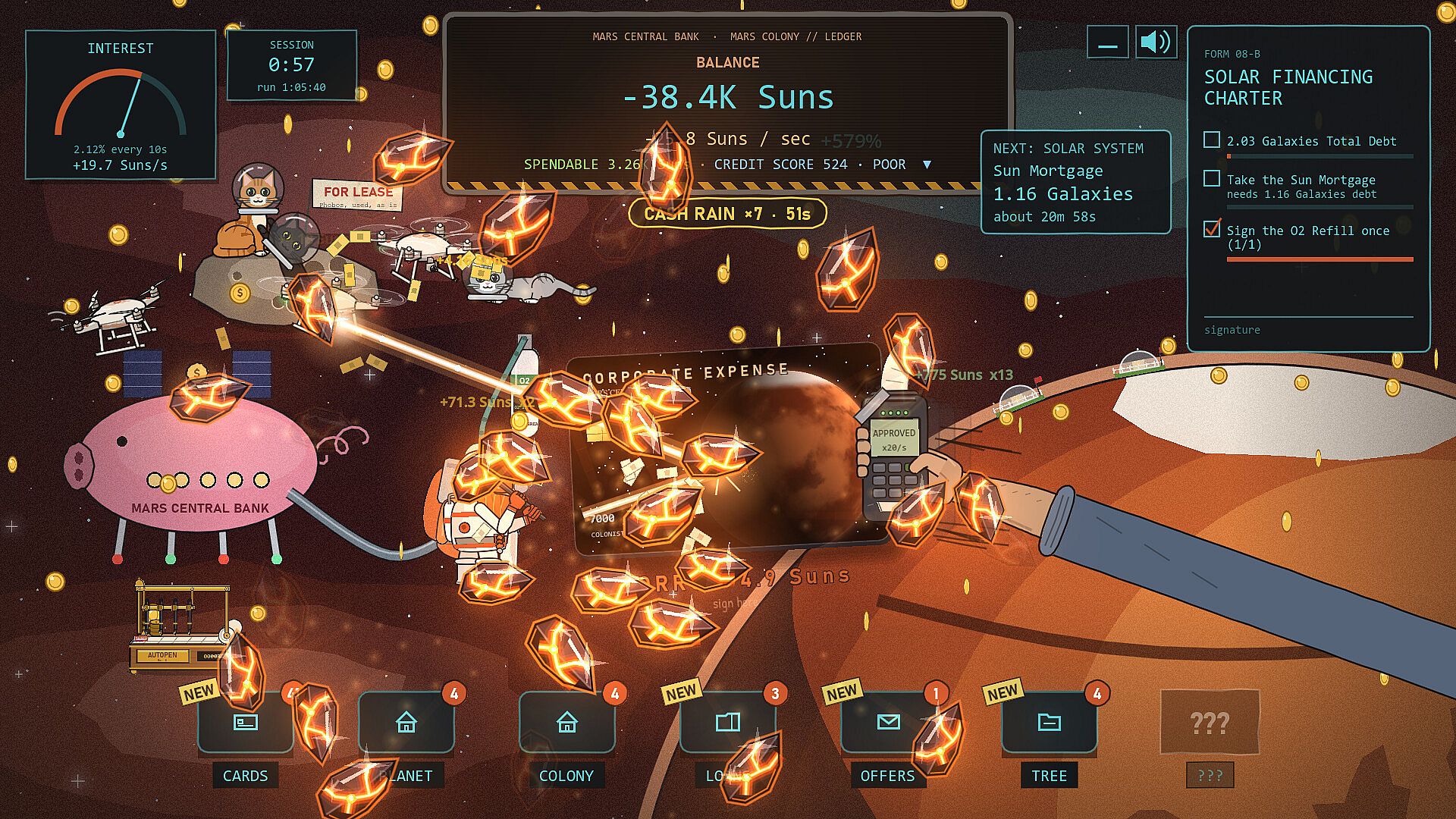
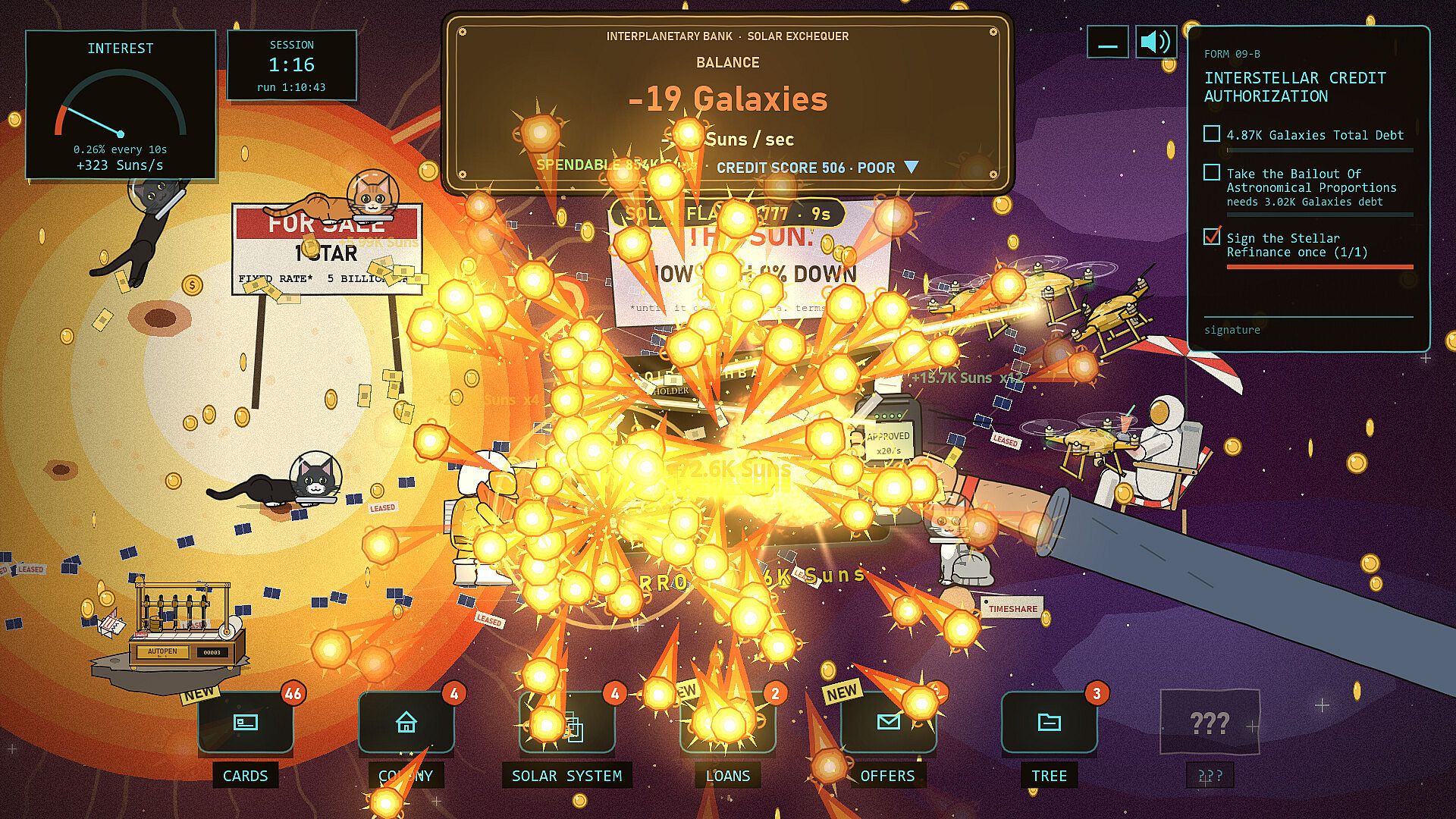
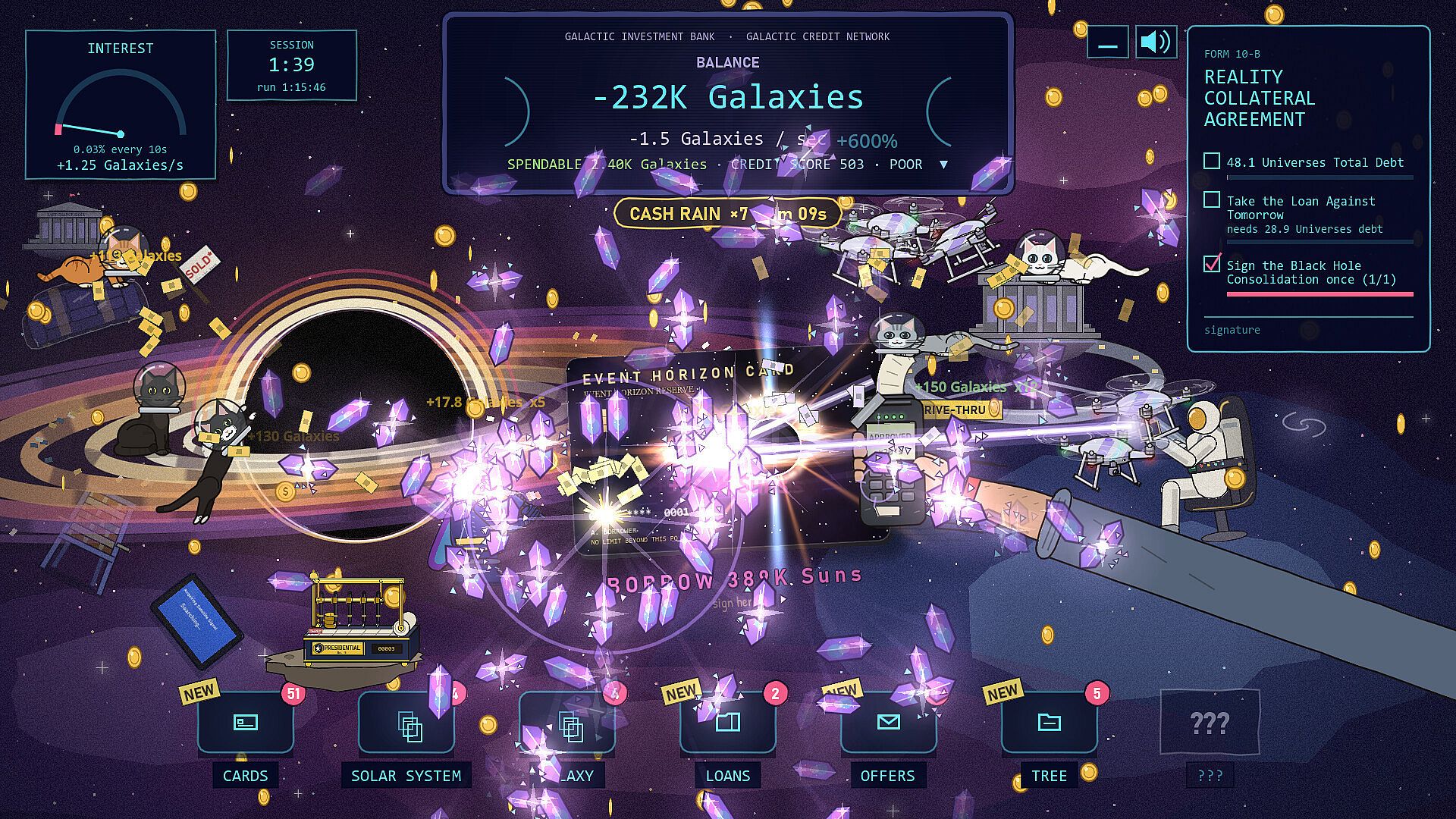
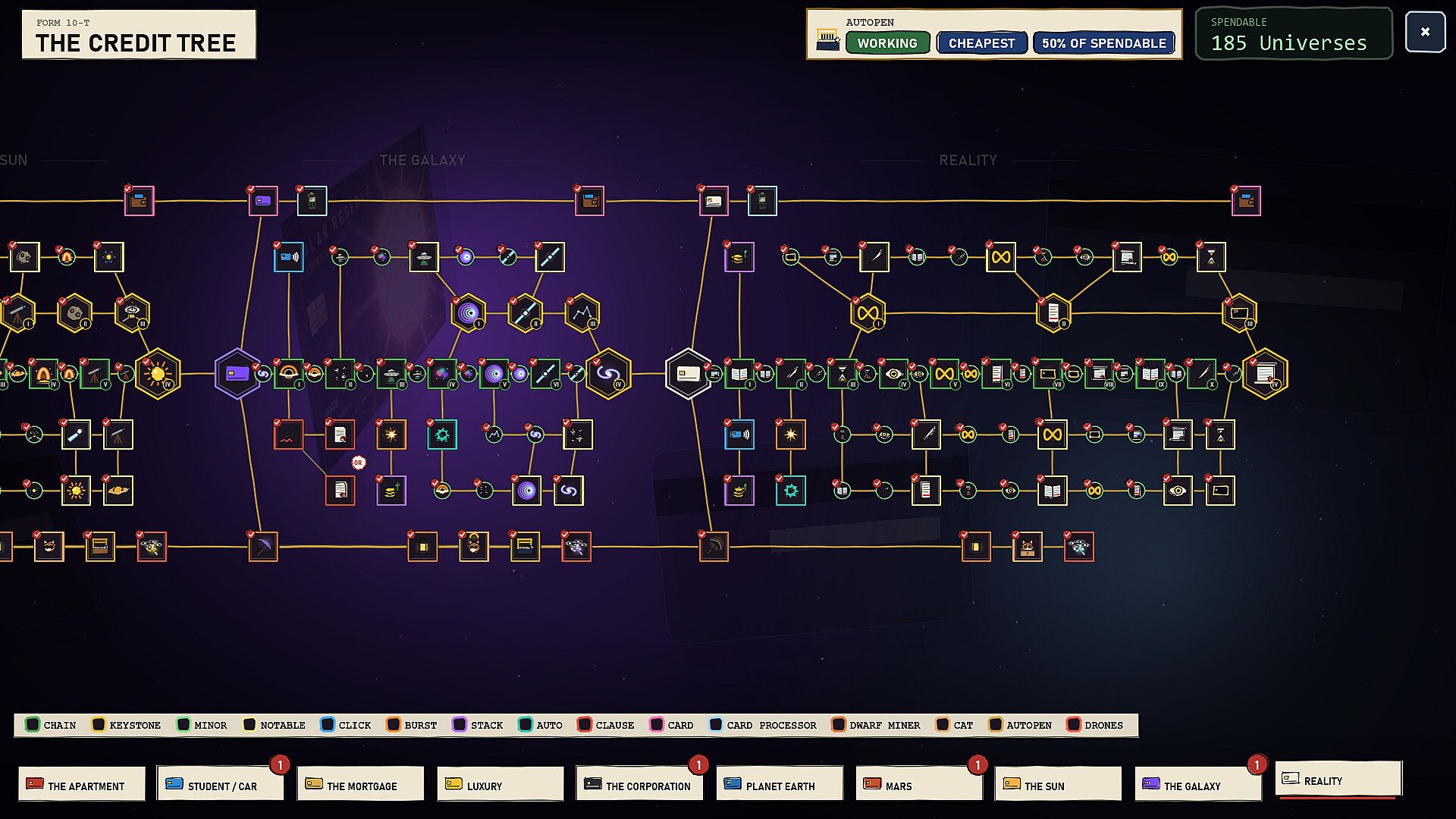
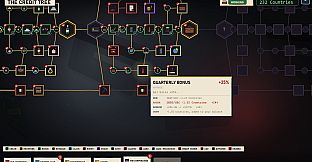
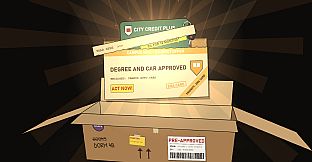
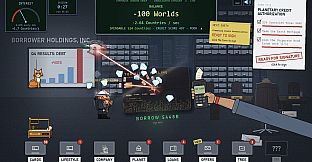
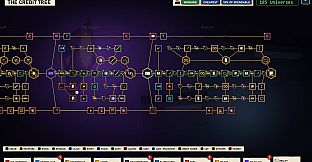
New credit cards arrive periodically in envelopes that players open manually. Collecting these expands options and alters debt mechanics in distinct ways. A central Credit Tree system offers hundreds of upgrades spread across multiple stages, allowing multipliers on spending, automation of clicks, and temporary burst events that amplify borrowing rates significantly. Helpers appear as the tree advances, performing actions like processing cards or catching special rain events without constant input.
Progression moves through a sequence of themed stages, each introducing new bills, loans, and environmental details while maintaining the core debt-accumulation focus. A credit score mechanic influences access to larger loans, and numbers scale dramatically, shifting from everyday figures to cosmic scales. The game supports background play through a minimized window that keeps the card visible for continued interaction.
Game Modes
The experience operates as a continuous singleplayer progression without separate competitive or cooperative options. Players advance sequentially through ten distinct worlds, each presenting fresh cards, bills, and loan opportunities that build on prior choices. The Credit Tree serves as the persistent upgrade layer that carries benefits forward, encouraging repeated runs to explore different upgrade paths and clause combinations.
Bursts such as cash rain or click frenzies provide short-term intensity within the main loop, while automation features allow passive debt growth once helpers and upgrades are in place. The structure emphasizes long-term escalation over quick sessions, with an estimated full playthrough spanning several hours from initial clicks to the final card collection.
Progression and Systems
Forty bills and twenty-seven loans appear across the stages, ranging from basic living costs to extravagant or absurd financing deals. Envelopes deliver ninety-five additional upgrades, and sixty achievements track milestones like specific debt thresholds or helper levels. The credit score rises or falls based on activity, gating access to bigger opportunities in later worlds.
Five distinct helpers assist with automation once unlocked through the tree, each with unique visual and functional roles that reduce manual effort. Events like solar flares multiply borrowing impact temporarily, adding rhythm to the otherwise steady accumulation. The satirical tone remains consistent, framing every mechanic around increasing obligations rather than relief.
Is It Worth Playing?
Debt Clicker targets fans of idle and clicker games who appreciate a humorous reversal of typical progression systems. Its singleplayer focus and lack of ads or transactions keep the experience self-contained. With no player reviews available prior to release, expectations rest on the detailed mechanics described, including the extensive upgrade tree and world variety. Those who enjoy watching numbers grow through automation and strategic spending will find a complete loop here, while players seeking traditional financial simulation or competitive elements may look elsewhere. The game suits short or extended sessions depending on how deeply the tree is explored.