


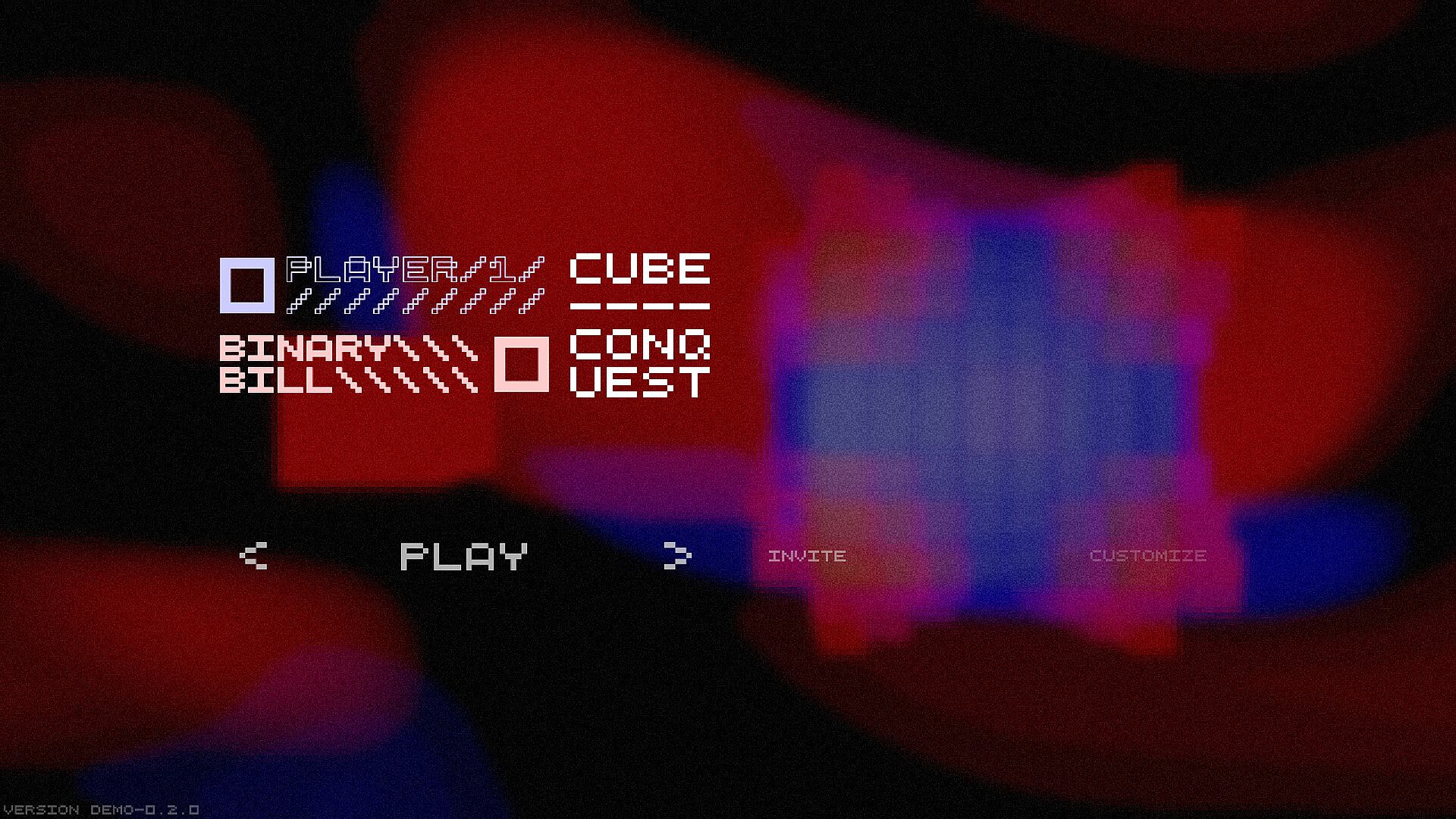
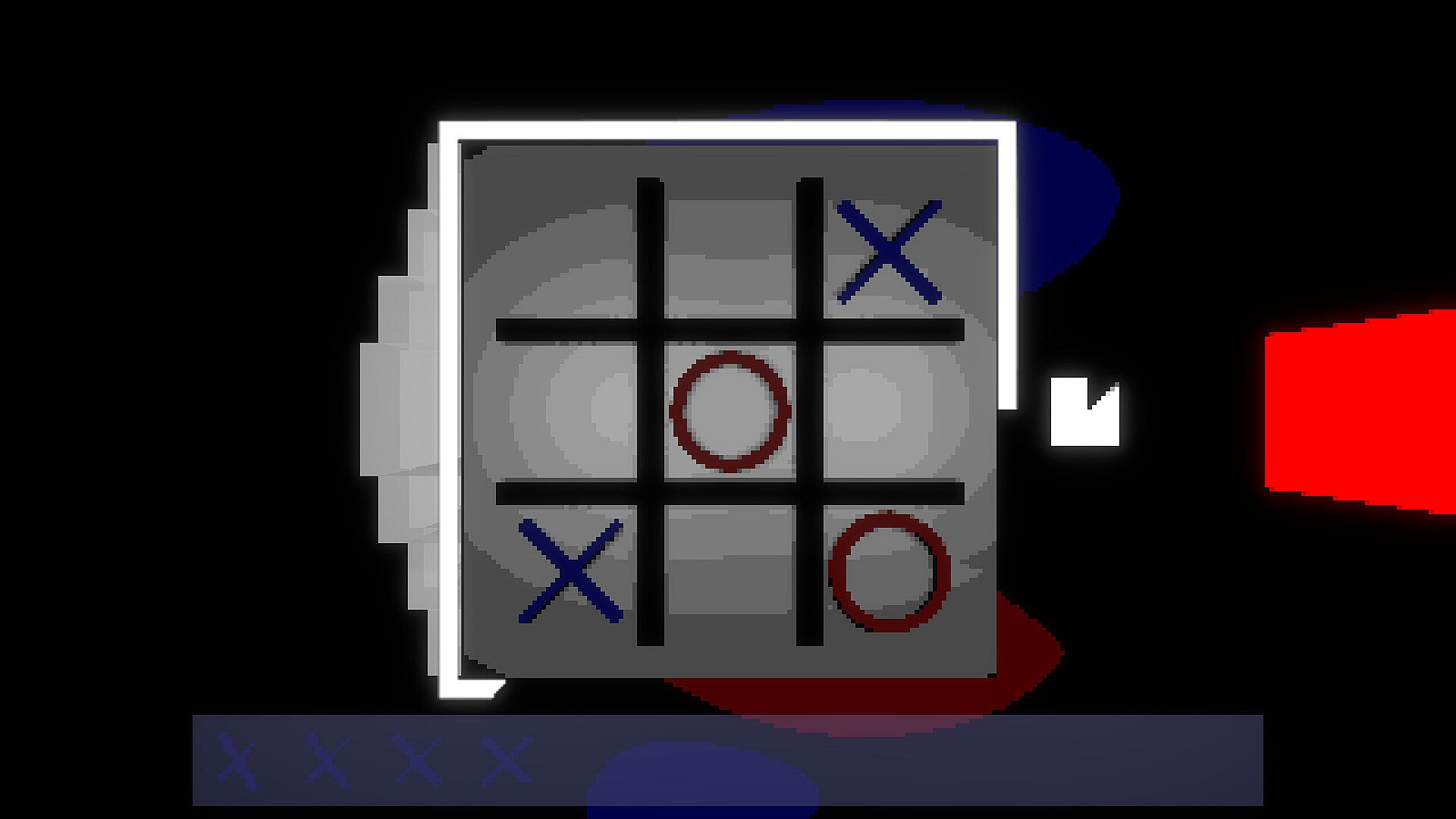
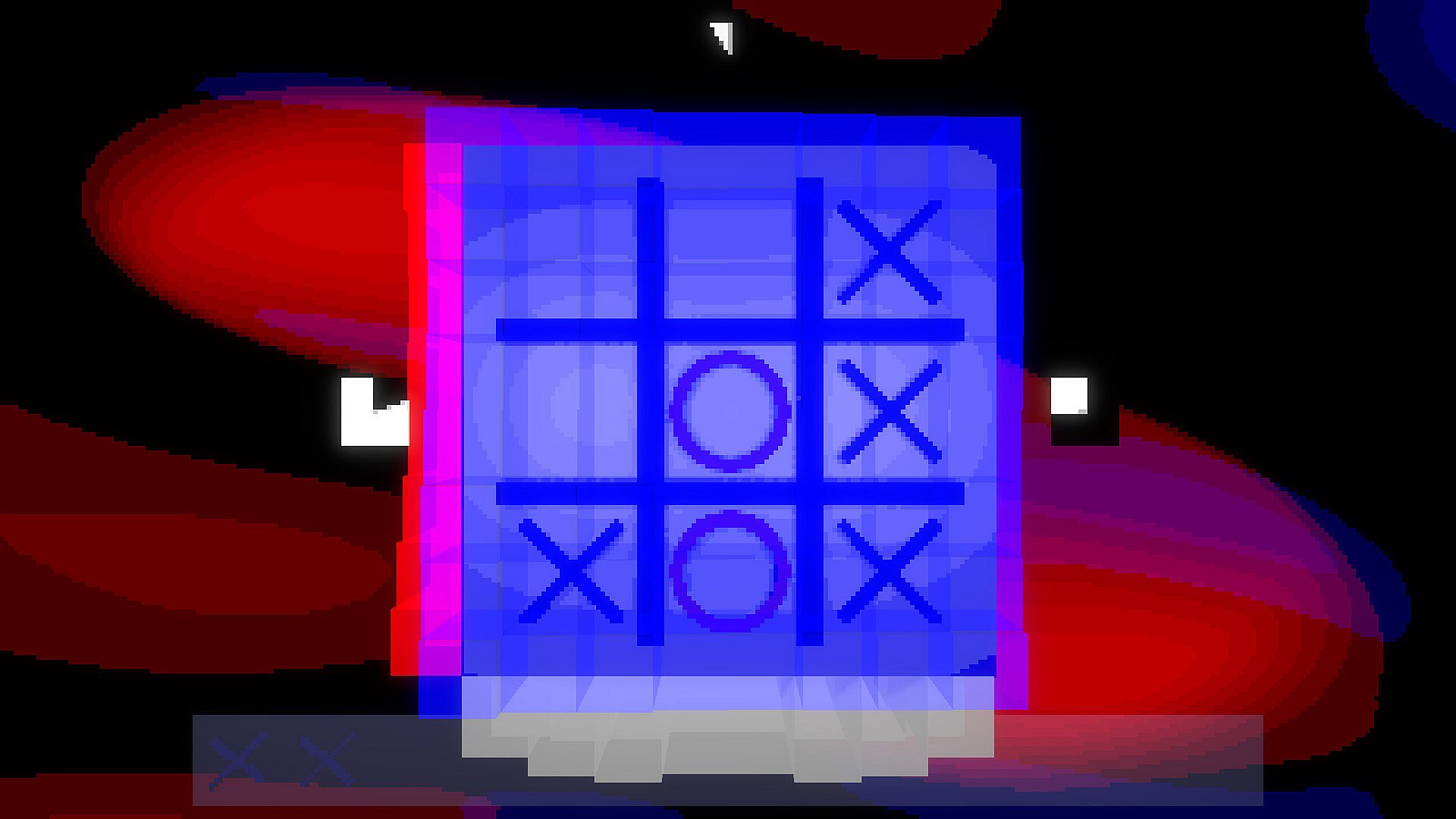
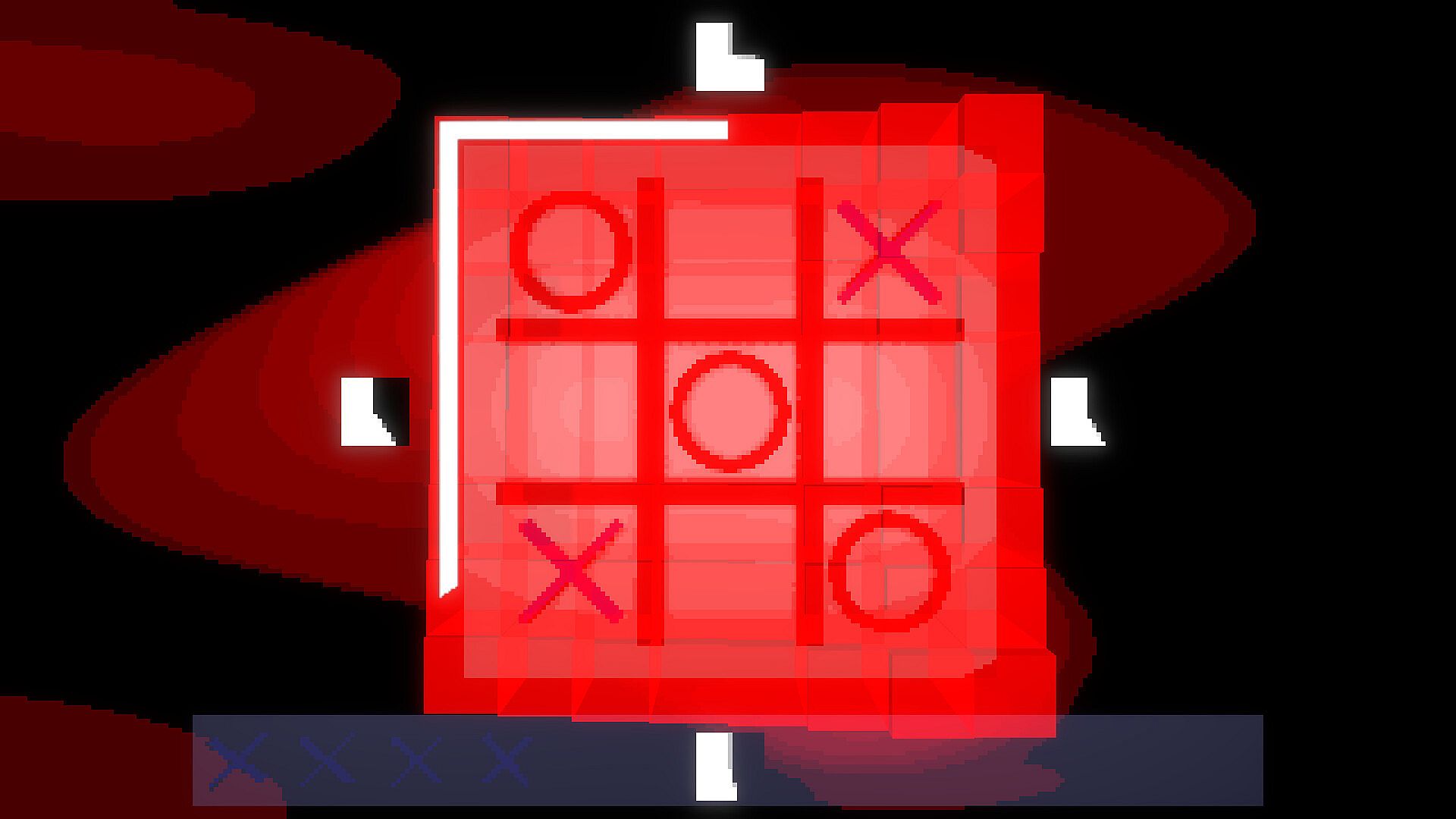
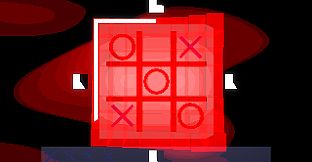
Cube Conquest è un gioco di strategia che trasforma il Tris in una sfida tridimensionale distribuita sulle sei facce di un unico cubo. Sviluppato come titolo indie per PC, unisce un approccio immediato a meccaniche di gestione delle risorse più articolate. I giocatori si contendono il controllo del maggior numero di lati piazzando e spostando un pool condiviso di pezzi, con ogni mossa che influisce su più partite in corso contemporaneamente.
Gameplay
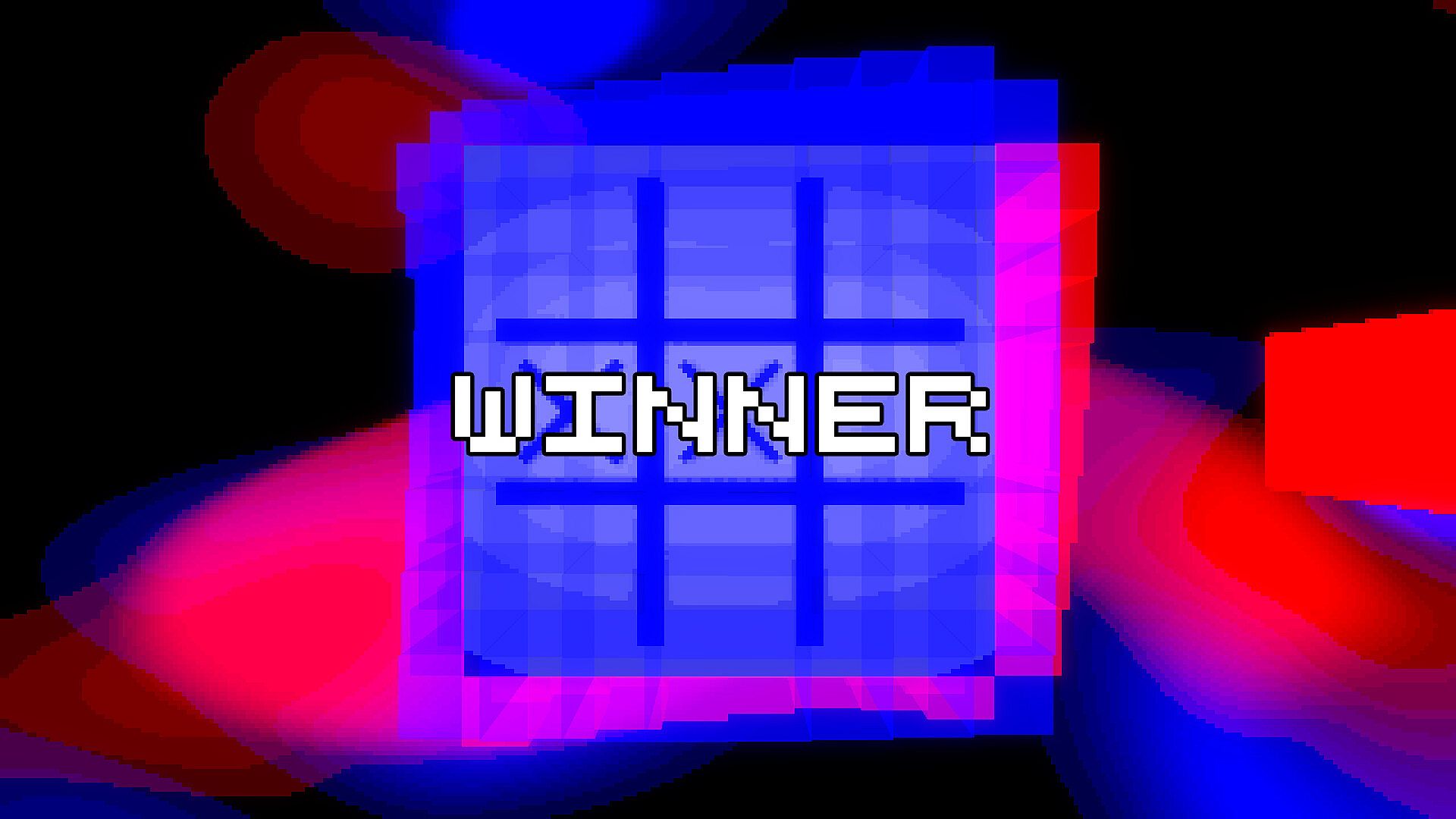
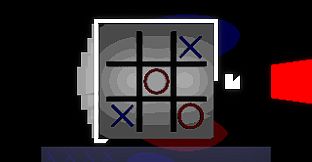
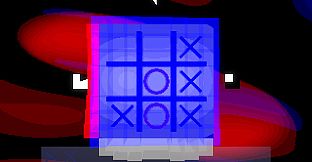
Ogni faccia del cubo funziona come un tabellone di Tris indipendente e resta attiva per tutta la durata della partita. I giocatori si alternano nel piazzare o recuperare pezzi da qualsiasi faccia, rispettando un limite di tempo che impone decisioni rapide. Realizzare una linea su una faccia garantisce il controllo di quel lato, ma il pool condiviso di pezzi significa che investire troppe risorse su un solo tabellone può lasciare gli altri esposti. Recuperare un pezzo da una faccia controllata rischia di rompere una linea già formata, permettendo all'avversario di conquistarla. Vince chi ottiene il controllo della maggioranza delle sei facce al termine della partita.
Il ciclo di gioco ruota attorno all'allocazione oculata di un numero limitato di pezzi su più tabelloni simultanei. Un'azione su una faccia può rafforzare la posizione lì e al tempo stesso indebolire un'altra, creando un continuo bilanciamento tra difesa ed espansione. I turni a tempo aumentano la pressione, obbligando a valutare le minacce su tutto il cubo anziché concentrarsi su singoli tabelloni.
Modalità di gioco
La versione attuale include partite in singolo contro l'IA. In questa modalità l'attenzione è concentrata sulla padronanza delle meccaniche del pool condiviso e sull'adattamento alle risposte dell'IA su tutte e sei le facce. Il supporto al multiplayer è previsto per un futuro rilascio su Steam, che consentirà di competere direttamente con altri giocatori per il controllo del cubo.
Meccaniche e strategia
La gestione delle risorse è alla base di ogni partita. Con un numero fisso di pezzi a disposizione di entrambi i giocatori, impegnarne troppi su una sola faccia può causare carenze altrove, costringendo a recuperare pezzi da tabelloni già controllati con il rischio di perderli. Il gioco premia la capacità di mantenere configurazioni flessibili in grado di resistere a recuperi o contromosse. Nessuna faccia è mai al sicuro in modo permanente: rompere la linea dell'avversario sposta immediatamente il controllo e modifica il punteggio complessivo.
La profondità strategica deriva dall'interconnessione dei tabelloni. Difendere un vantaggio su più facce richiede di anticipare dove colpirà l'avversario, mentre un'espansione aggressiva impone di bilanciare nuove conquiste con quelle già ottenute. Il timer impedisce analisi prolungate e spinge i giocatori a interpretare intuitivamente lo stato complessivo del cubo.
Vale la pena giocarci?
Cube Conquest si rivolge a chi apprezza i giochi di strategia astratta con un twist sulle regole classiche. La modalità in singolo contro l'IA offre un modo concreto per imparare i sistemi in attesa dell'arrivo del multiplayer. L'enfasi sul bilanciamento delle risorse e sulla consapevolezza multi-tabellone garantisce longevità a chi cerca titoli indie di strategia che valorizzano la pianificazione attenta più che la rapidità o i riflessi. Poiché il gioco è ancora in fase di sviluppo e non sono ancora disponibili recensioni, chi è interessato al concept può seguire gli aggiornamenti in vista del rilascio completo, che amplierà le opzioni e introdurrà elementi di progressione come tipi di pezzi differenti. Le regole accessibili unite a decisioni stratificate lo rendono adatto sia a sessioni occasionali sia a un allenamento più competitivo contro l'IA.