

Botlands is a free to play indie simulation sports game on PC where players build and refine custom bots to compete in player-created minigames instead of controlling the action directly. The core loop centers on designing a bot's decision-making graph, deploying it across various sports challenges, and iterating based on match outcomes against other users.
Gameplay
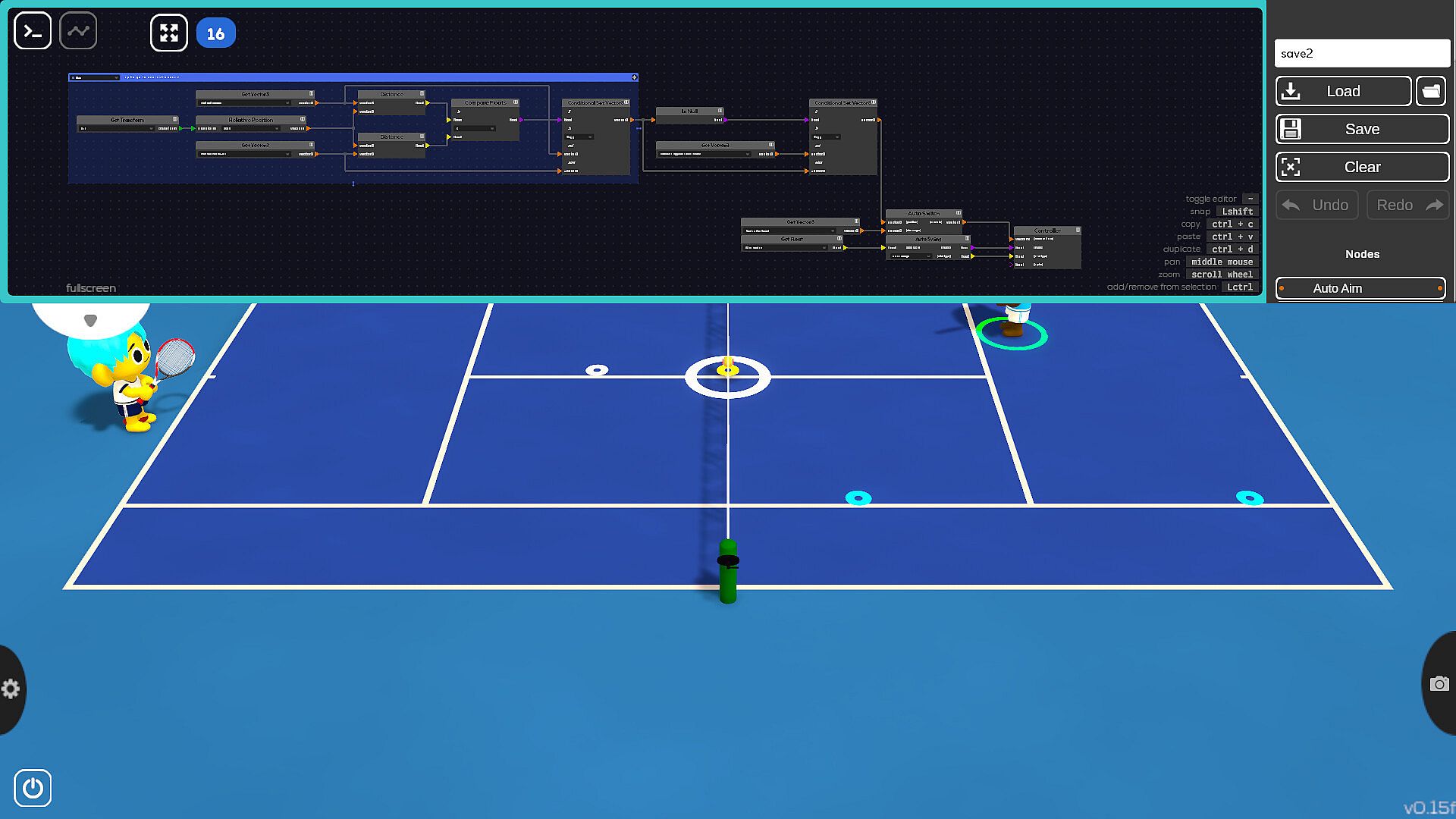
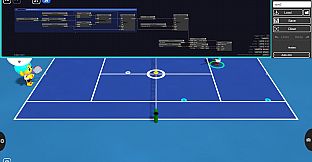
Players start by constructing a bot's brain through a node-based graph system. Each node adds complexity and determines the bot's weight class, which influences rewards from victories. A lighter, efficient graph can outperform heavier ones if the logic holds up under pressure. Matches unfold automatically once the bot is set, allowing observation of performance in real time or through asynchronous results.
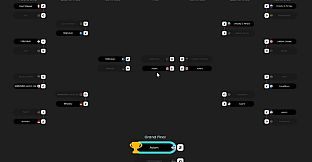
Progression involves earning Unicoins from successful competitions. These resources expand the inventory of available components and refinements. Social elements appear in a central hub where players interact between sessions. Real-time challenges test immediate adjustments, while asynchronous play supports ongoing rivalries without requiring simultaneous logins. Elo ratings track overall performance and shift with each win or loss, emphasizing consistent improvement over raw power.
The system rewards clever design choices. Beating a more complex opponent yields higher payouts, encouraging experimentation with compact yet effective graphs rather than simply stacking nodes.
Game Modes
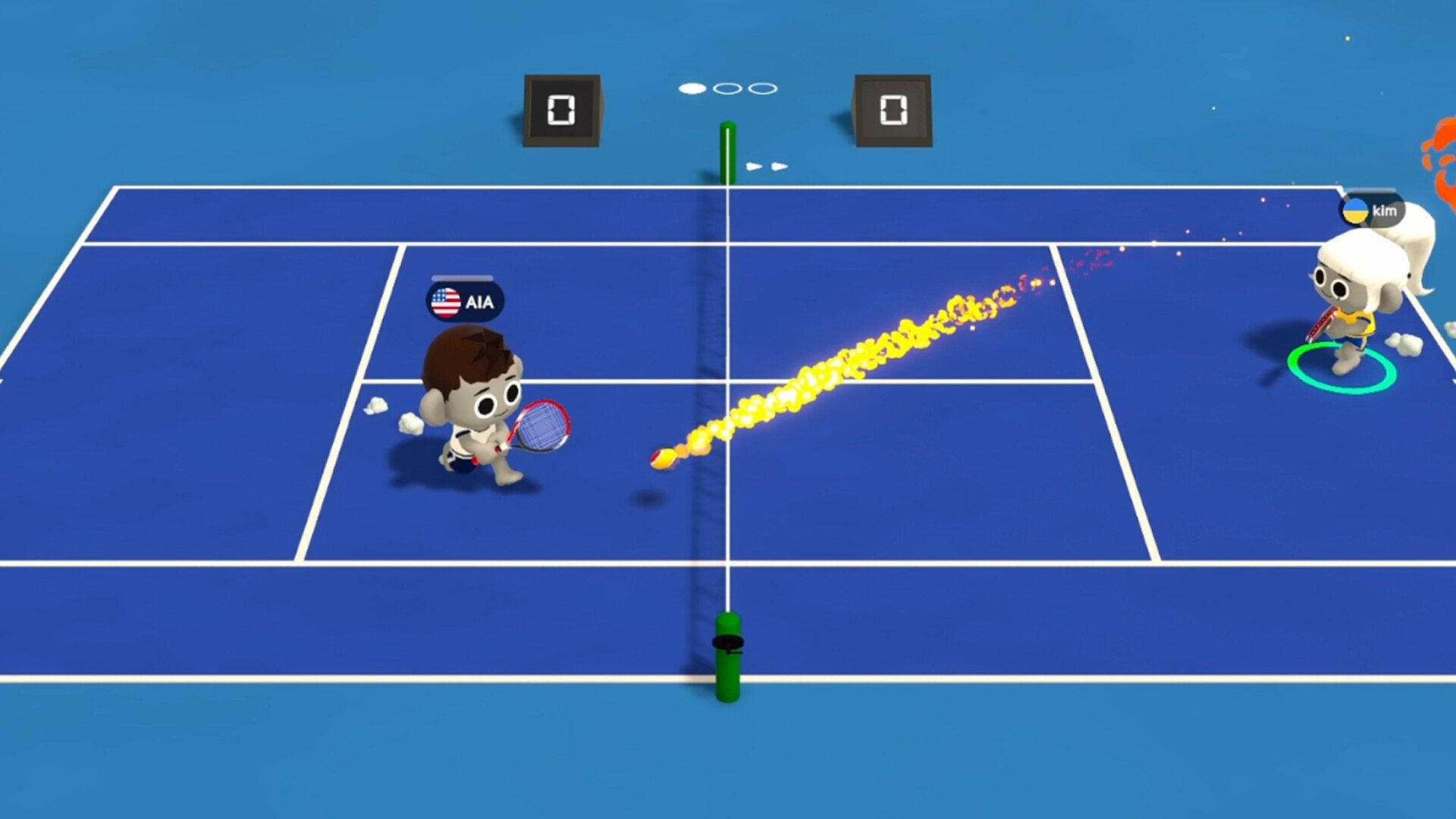
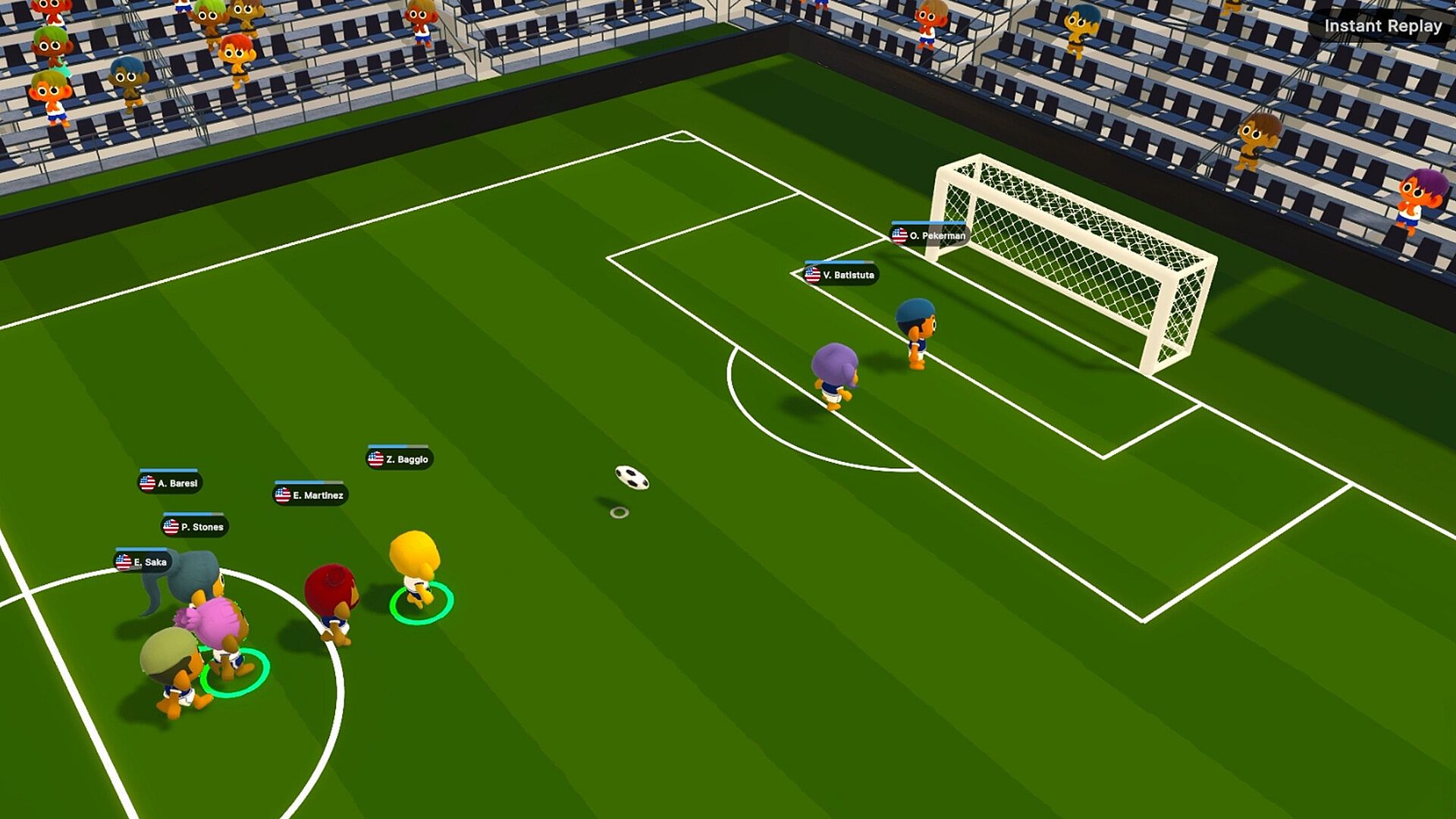
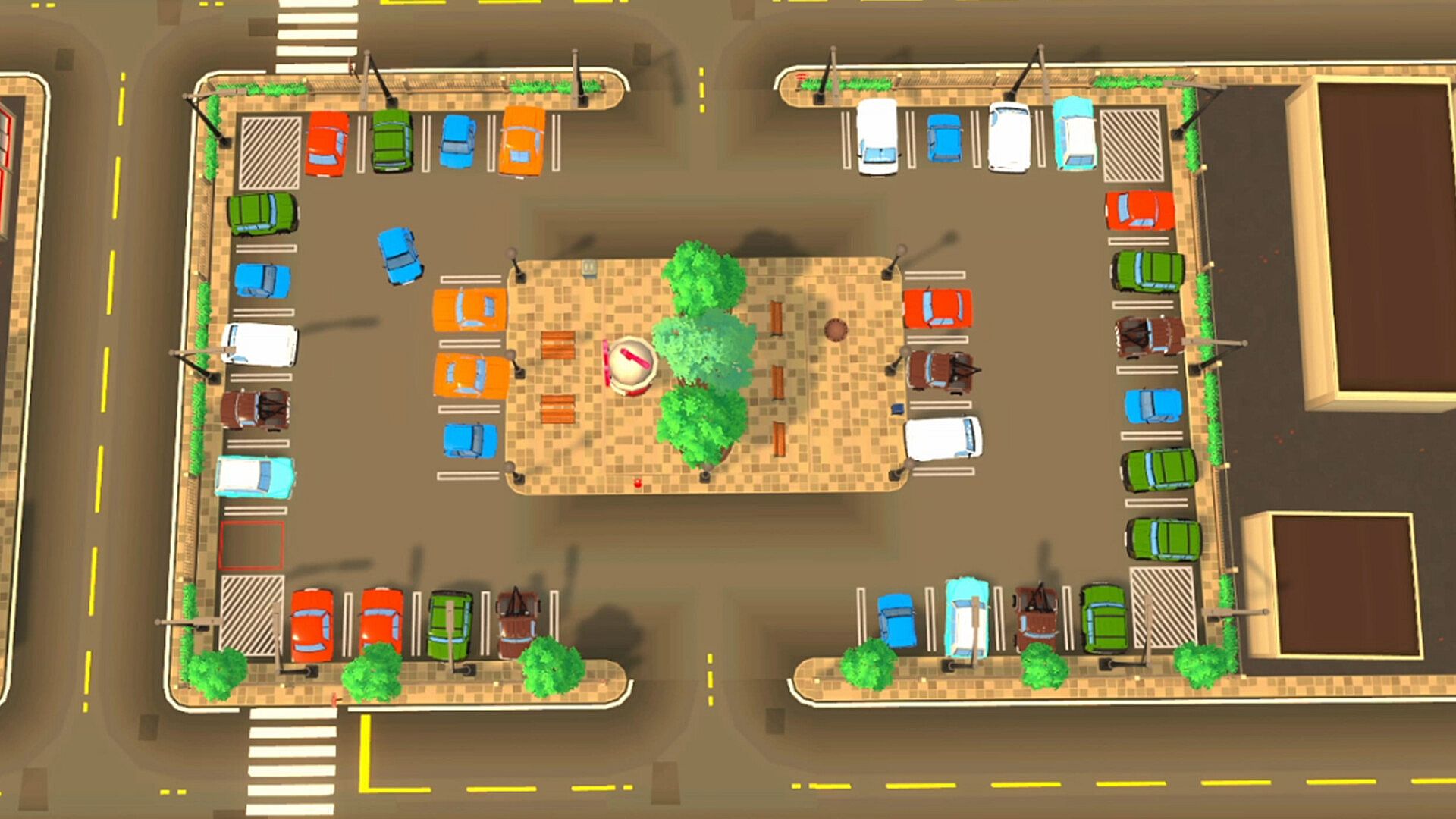
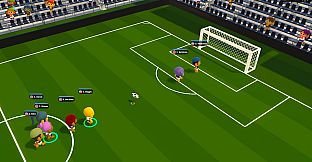
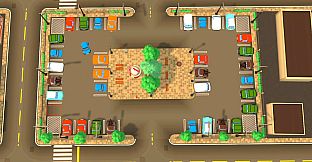
Botlands features an island of distinct minigames built and shared by the community. Tennis tests precision and positioning logic. Soccer focuses on team coordination and goal-scoring strategies. Racing emphasizes pathfinding and obstacle avoidance. Volleyball requires timing and aerial decision trees. Parking challenges spatial awareness and maneuvering sequences. Demo Derby rewards aggressive collision handling and survival instincts. Survival pits bots against prolonged endurance scenarios.
Each mode operates independently, so a bot tuned for one sport often needs tweaks before performing well in another. Players publish updated graphs after reviewing match footage, creating a cycle of observation, refinement, and redeployment.
Multiplayer and Progression Systems
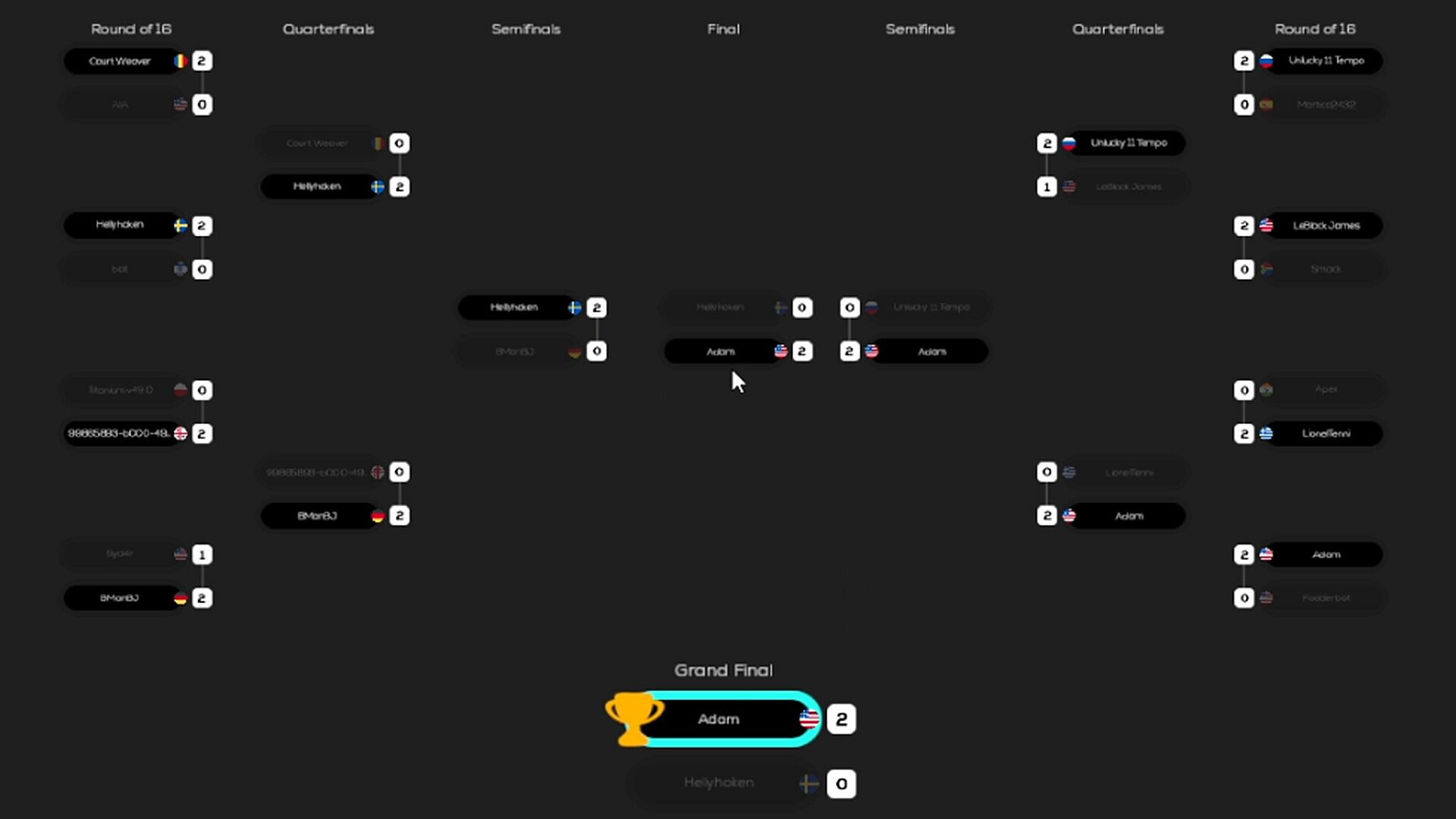
Competition occurs through both real-time direct matches and asynchronous challenges against stored defenses or setups. The Elo system provides ranked progression that accounts for opponent complexity. Unicoins serve as the primary currency for unlocking new graph elements and expanding capabilities. The hub acts as a social space for sharing ideas and observing top performers before entering matches.
Weight class mechanics add strategic depth. Heavier graphs with more nodes offer potential advantages but risk inefficiency, while streamlined designs can exploit openings in bulkier opponents. This balance keeps matches engaging across skill levels without favoring one approach exclusively.
Is It Worth Playing?
Botlands suits players who enjoy creative problem-solving in a simulation sports context. The free to play model removes barriers to entry, and the focus on bot design rather than manual control appeals to those interested in automation and iterative improvement. Real-time and asynchronous options accommodate different schedules, while the variety of minigames provides ongoing variety.
Success depends on willingness to analyze match results and adjust graphs accordingly. Those drawn to indie titles with strong multiplayer experimentation and simulation elements will find the systems rewarding. The game remains accessible for casual sessions yet deep enough for dedicated refinement of bot behaviors across multiple sports challenges.