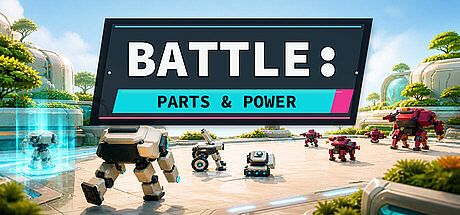


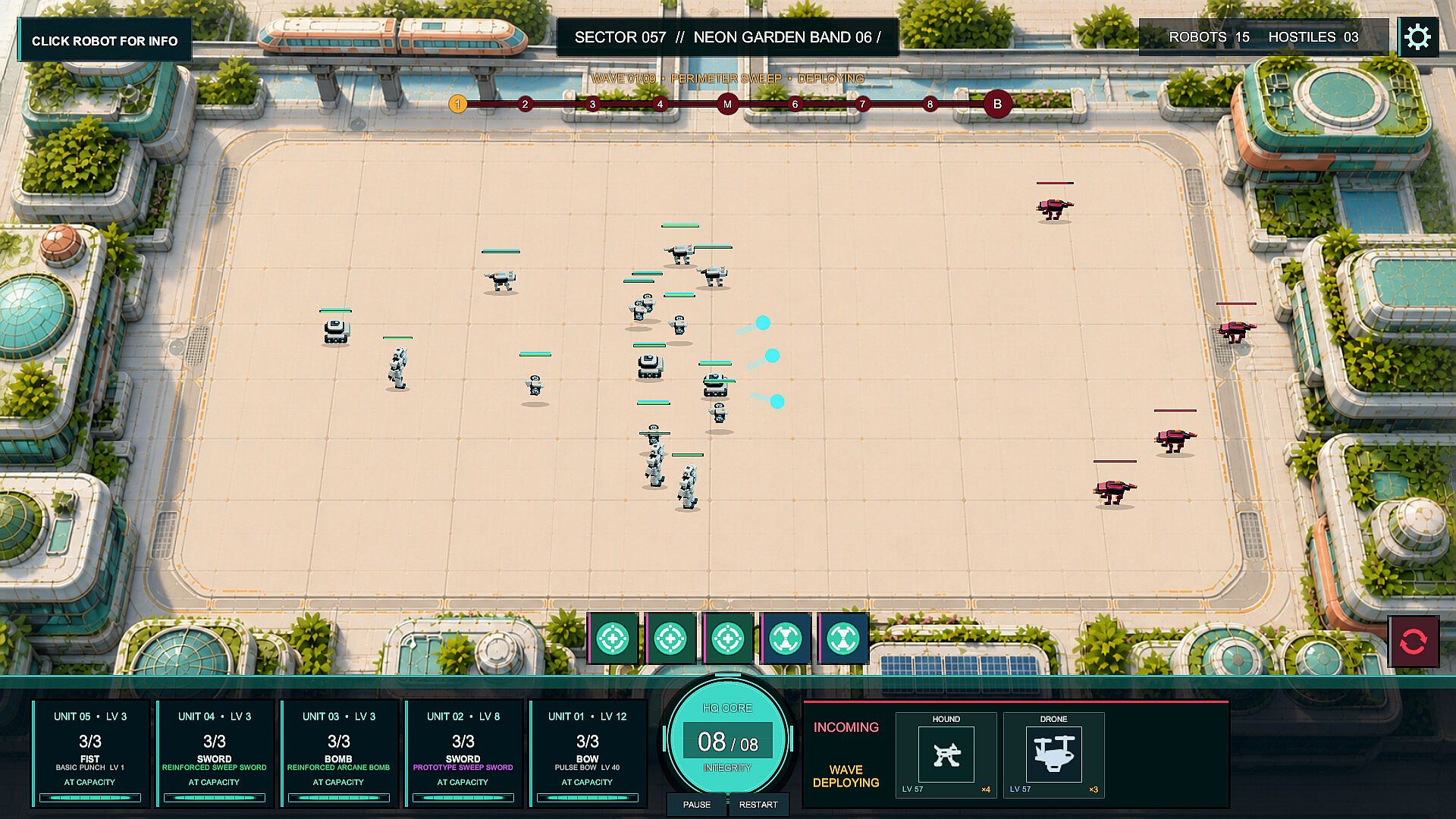
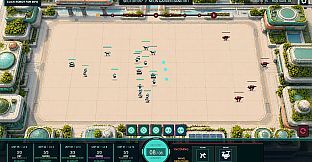
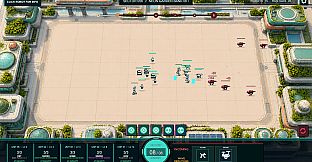
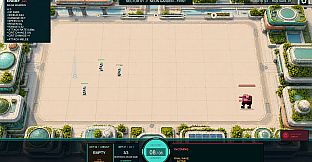
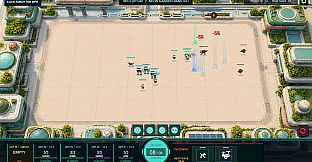
BATTLE: PARTS & POWER is a 2D idle auto battler that blends strategy, indie, casual, and simulation elements on PC. Players engineer and produce robots to defend a headquarters from waves of hostile machines through automated combat shaped by deliberate design choices.
Gameplay
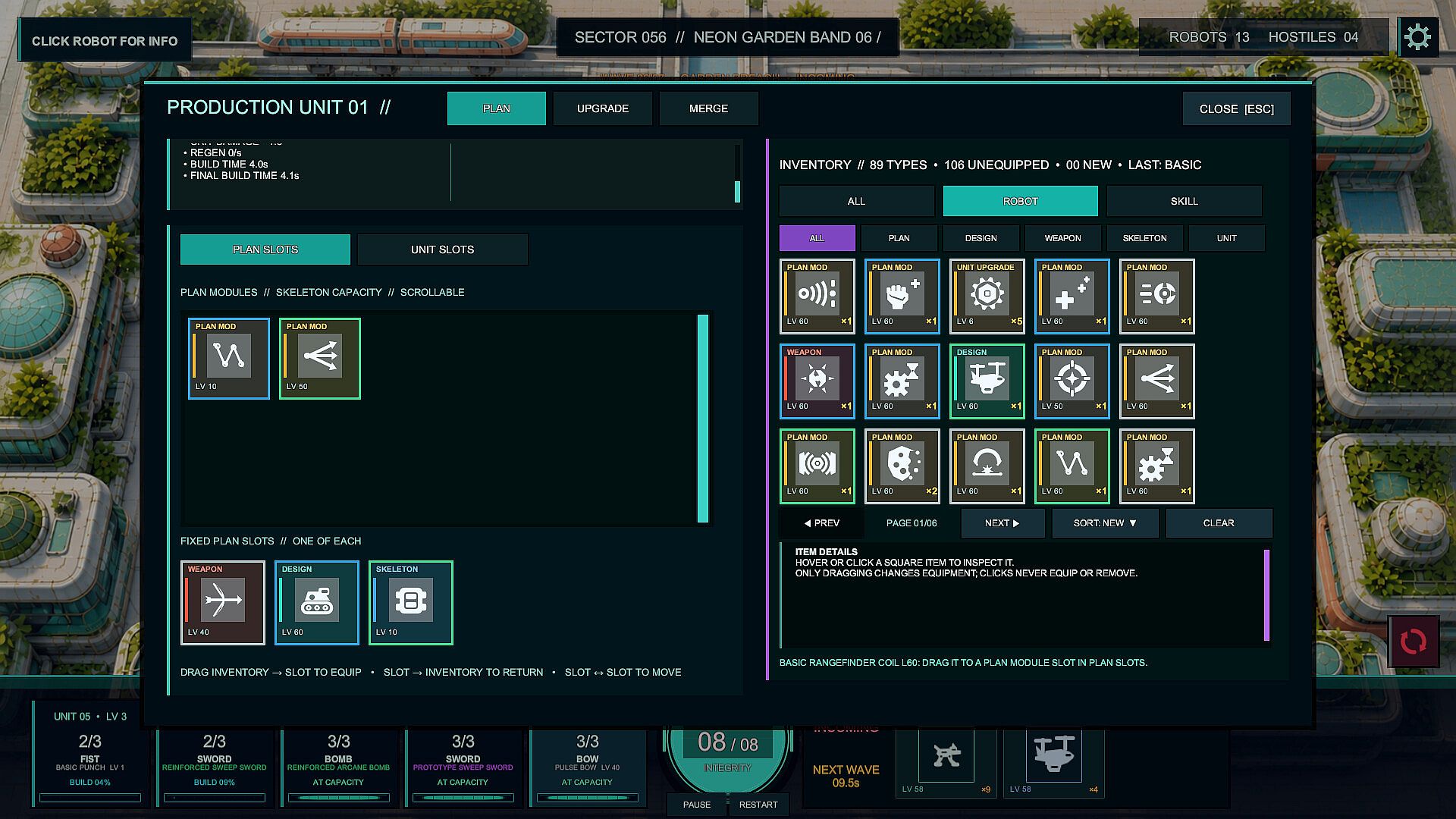
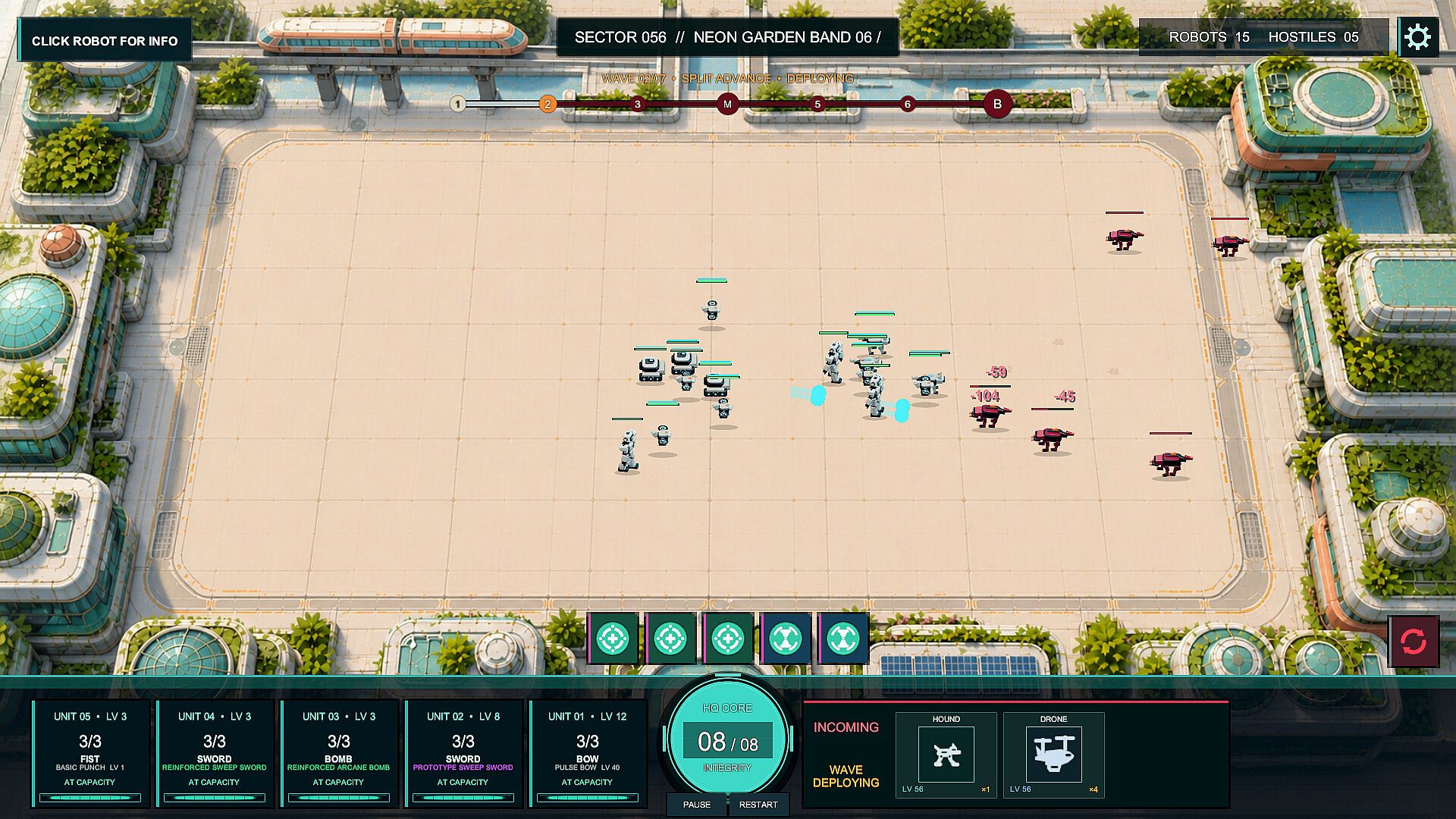
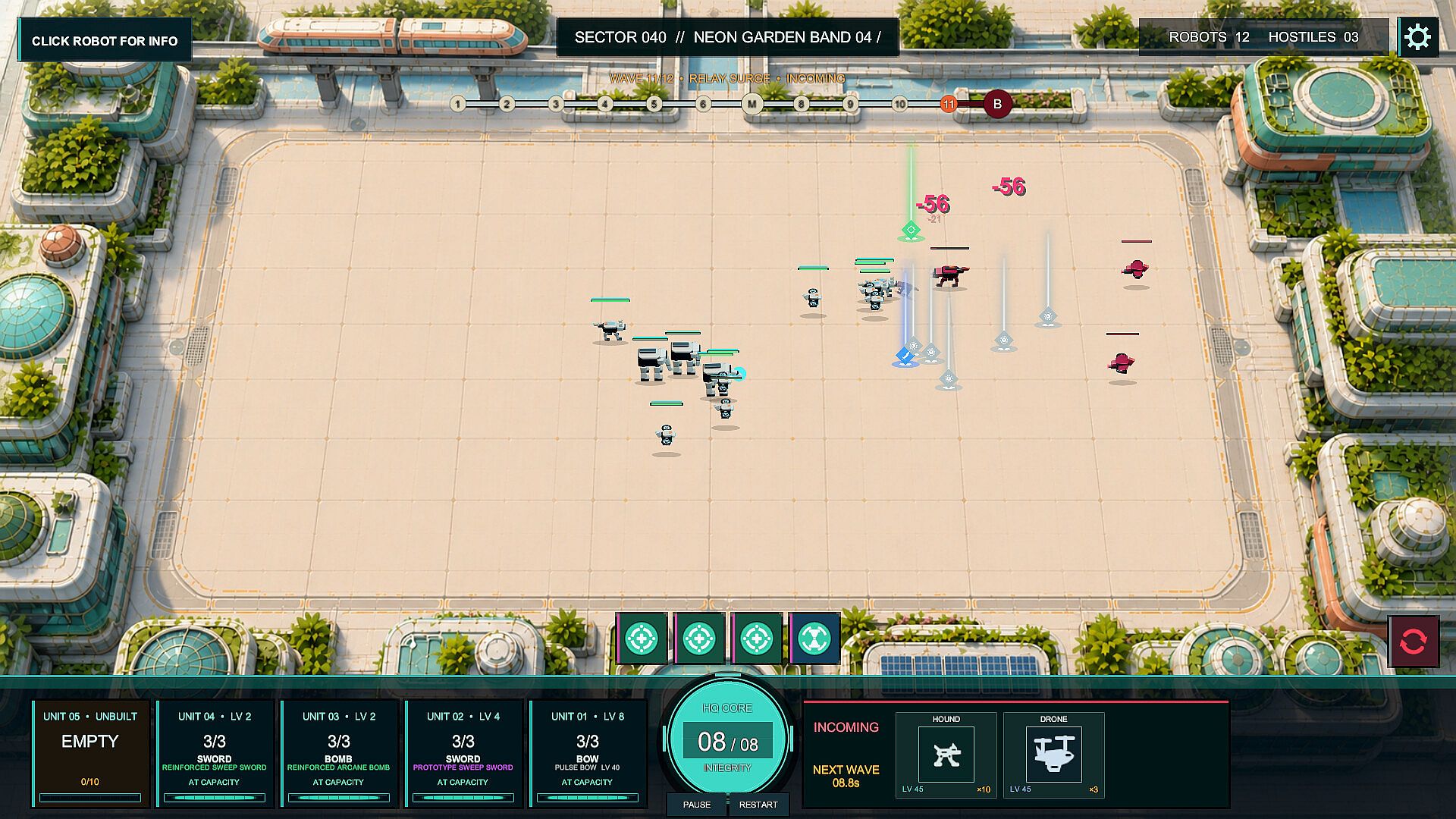
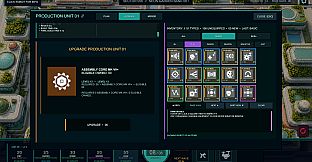
The core loop centers on constructing and refining robot production lines that generate units for battle. Up to five independent factories can operate at once, each assigned its own blueprint that determines the robots it creates. Combat runs automatically once units deploy, yet every decision about parts directly influences performance on the field.
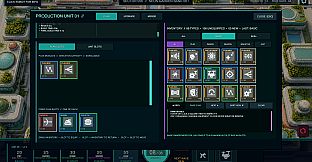
Customization happens through four main categories for each blueprint: weapon selection, body design, skeleton frame, and additional modules. These choices affect key attributes including damage output, attack speed, range, movement capabilities, health, shields, regeneration rates, and overall build time. Adjustments to a factory take effect only for newly produced robots, leaving units already deployed unchanged.
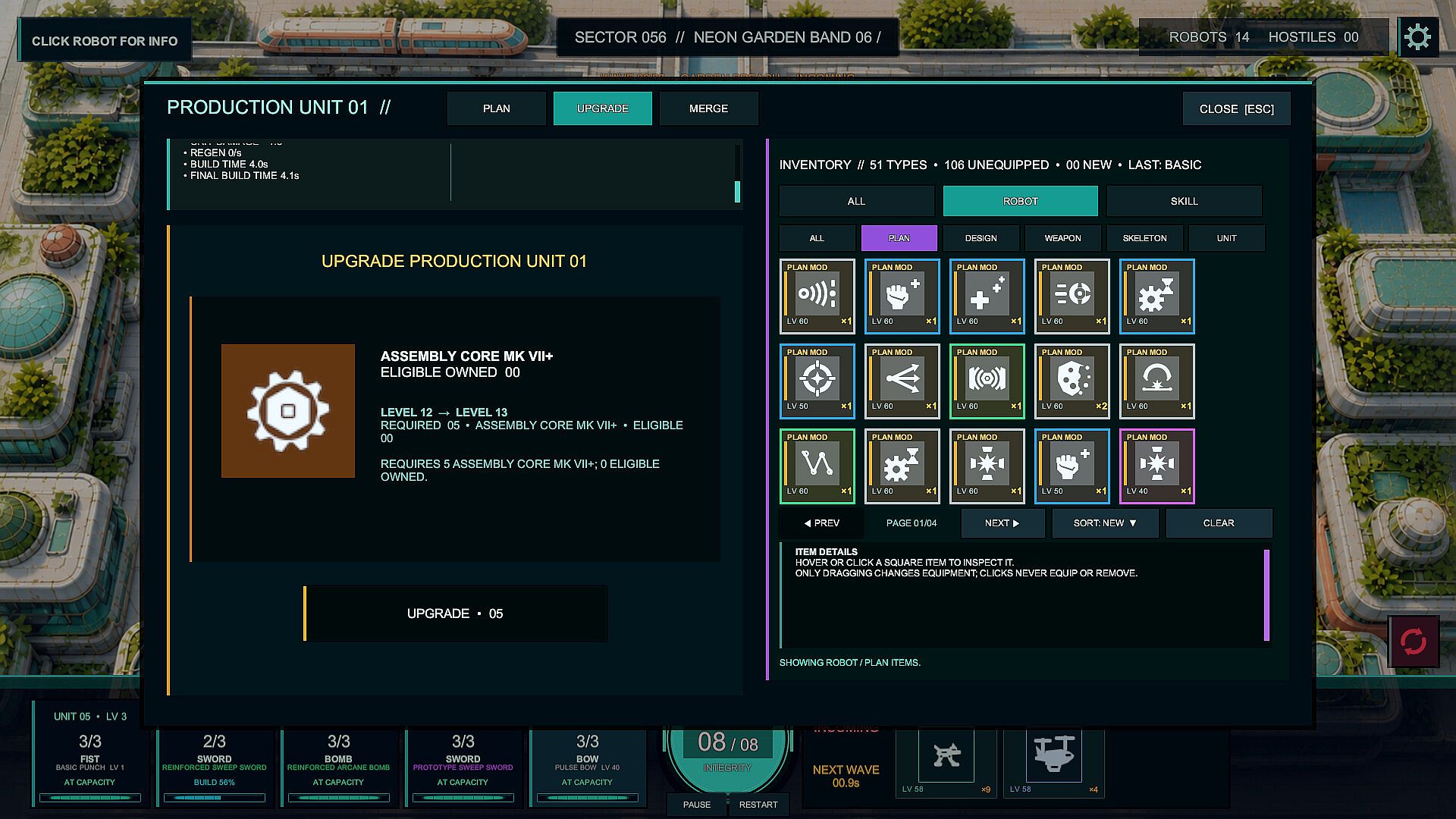
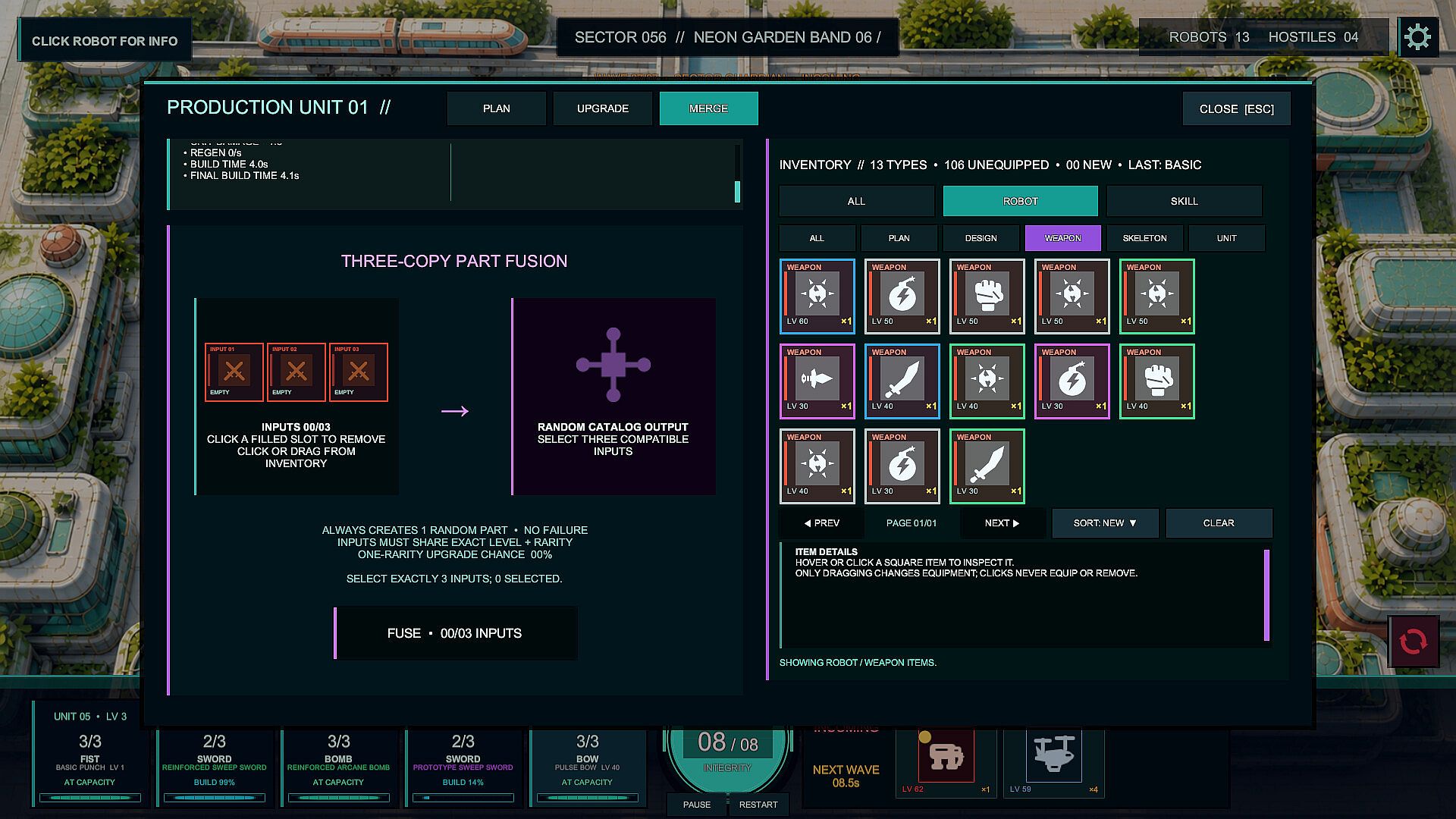
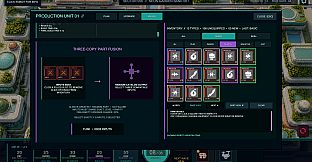
Resource management extends beyond initial builds. Enemies drop components such as weapons, designs, skeletons, modules, Assembly Cores, and active skills at varying levels and rarities. Collected items can be equipped immediately or stored, with an inventory system that supports merging three identical pieces to create an upgraded part with potential rarity improvement.
Active skills tied to factories provide moments of direct influence during otherwise hands-off fights. These abilities activate on command at critical points, such as when enemy groups cluster or when defensive lines need reinforcement. Preparation through blueprint refinement sets the foundation, while timely skill use offers opportunities to shift momentum.
Game Modes
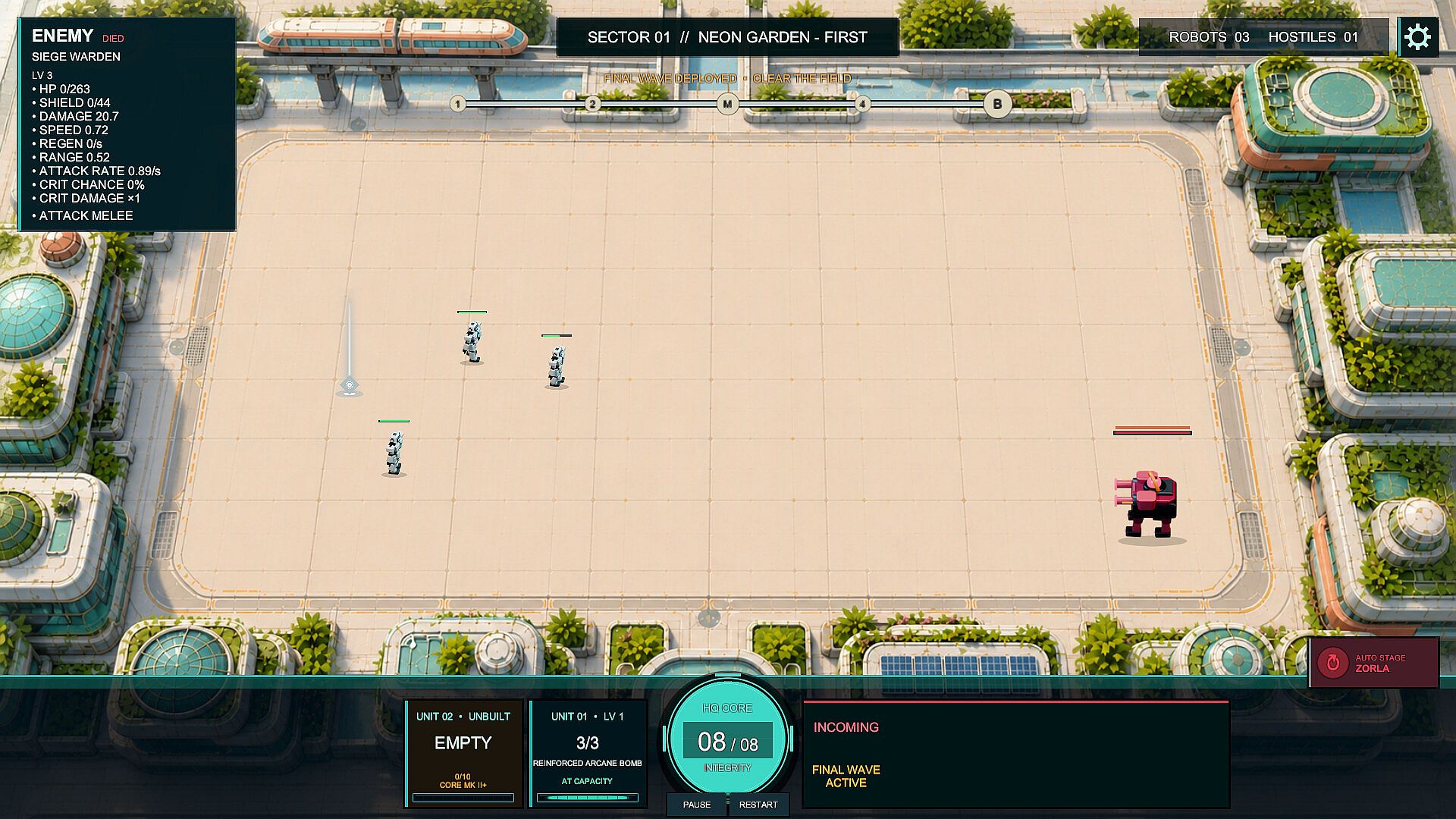
Progression unfolds across 100 stages, each presenting escalating waves of enemies along with minibosses and dedicated stage bosses. The structure encourages repeated attempts as factory levels, blueprints, inventory contents, and overall unlocked progress carry forward between runs.
Auto Stage modes support different approaches to advancement. One option repeats a completed sector automatically once stability is achieved. Another allows stepping back to an earlier stage after a loss. A third permits incremental forward pushes one stage at a time. These modes accommodate both steady farming of resources and focused attempts to reach new milestones without constant manual oversight.
The emphasis remains on long-term planning rather than moment-to-moment control. Factories continue production even during active battles, enabling parallel development of new designs while existing units engage threats.
Core Mechanics and Progression
Inventory organization plays a central role in sustained growth. Parts gathered from the field must be sorted and prioritized for immediate use or future merging. This system rewards careful collection across multiple stages and rarities, turning enemy drops into incremental improvements for future blueprints.
Balance considerations appear throughout customization. Increasing one attribute often requires trade-offs in others, such as trading build speed for higher damage or range for improved health. Successful configurations emerge from testing how different combinations perform against specific enemy compositions encountered in later stages.
The simulation aspects shine in the persistent nature of upgrades. Factory levels and unlocked content remain available, allowing players to refine strategies over time without resetting prior gains. This creates a steady sense of advancement even when individual attempts end in defeat.
Is It Worth Playing?
BATTLE: PARTS & POWER suits players who enjoy idle and auto-battler formats combined with deep customization and light management. The automated combat removes the need for constant unit control, while blueprint decisions and factory upgrades provide ongoing strategic depth suitable for both short sessions and longer planning periods.
Those drawn to strategy and simulation genres will find value in the loot-driven progression and the ability to experiment with robot configurations across repeated stage attempts. The single-player focus on defending headquarters against escalating threats offers a self-contained experience without reliance on multiplayer elements.
The game rewards methodical building and adaptation through its merge mechanics and multi-factory system. Players comfortable with incremental improvement and automated outcomes rather than direct intervention are likely to appreciate the steady loop of design, production, and observation.