



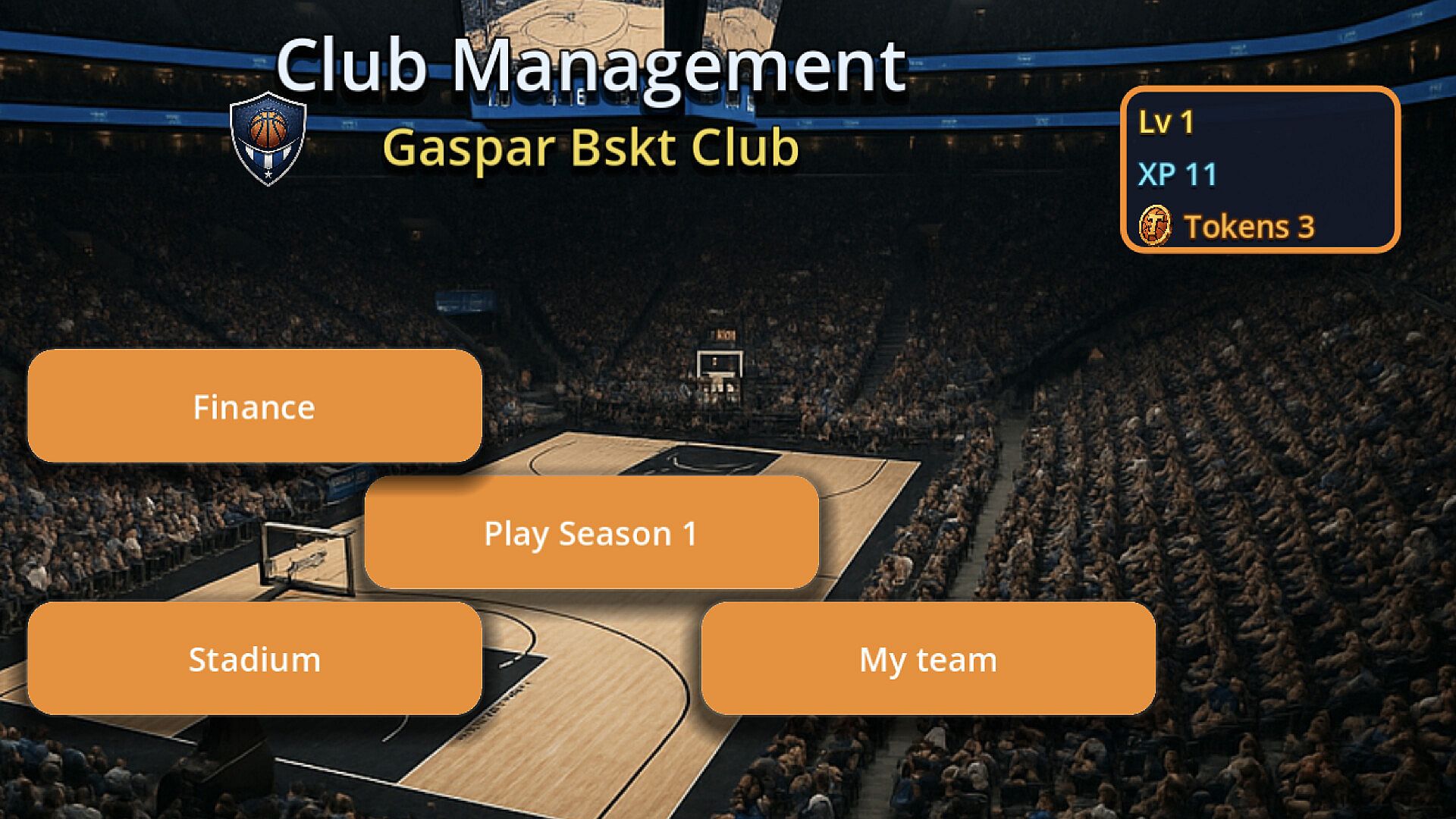



Basket Corp. is a basketball club management simulation and strategy game for PC where players take on the role of building and leading a modest team toward long-term success. The experience centers on off-court decisions that shape roster construction, financial stability, and competitive results without direct control over on-court actions.
Gameplay
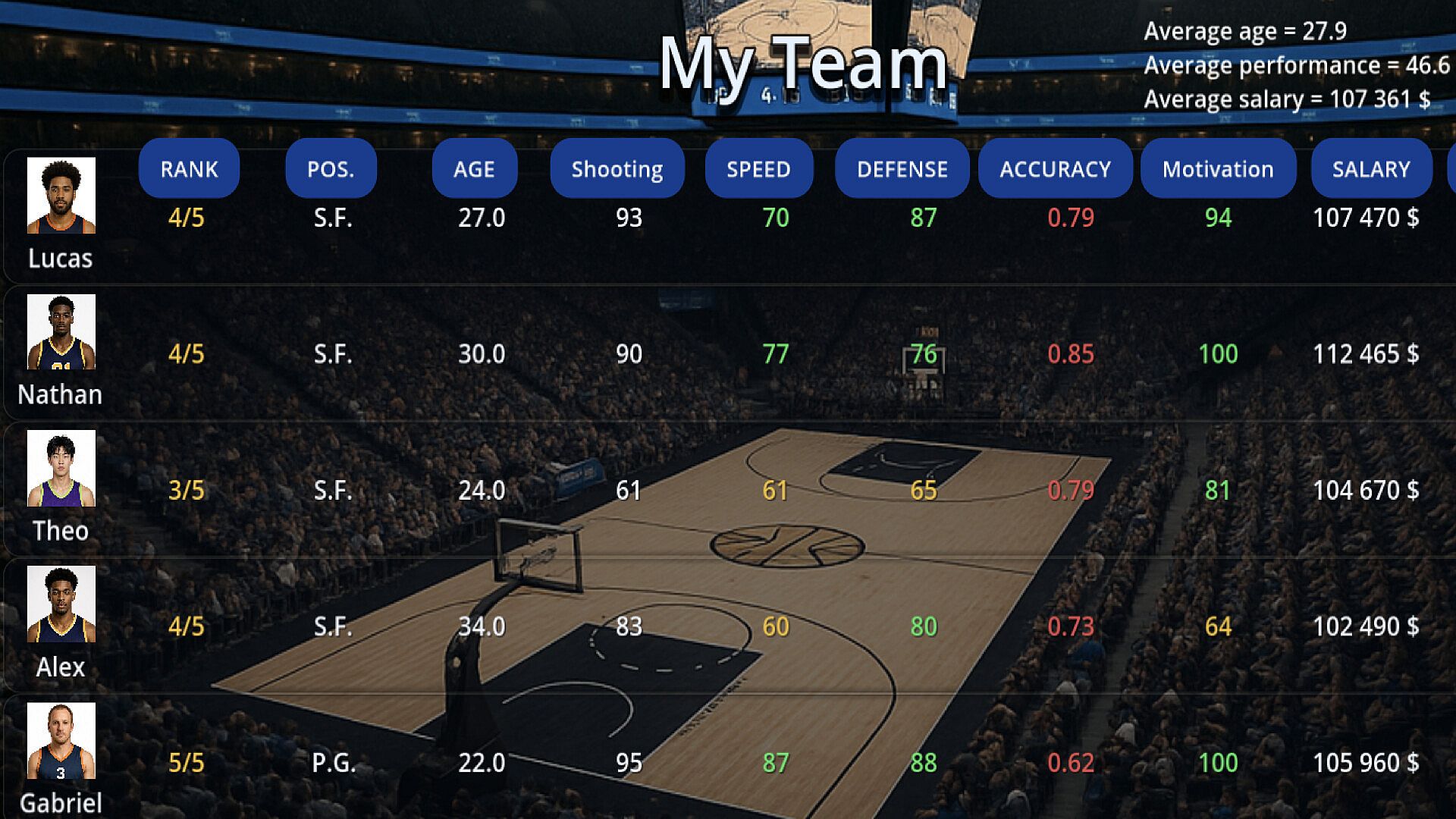
Players begin with a struggling club and focus on recruitment, lineup selection, and contract negotiations to create a competitive roster. Decisions about which players to sign, how to allocate playing time, and when to part ways with underperformers directly influence team performance. Matches then simulate minute by minute, with every point, victory, or defeat reflecting the cumulative impact of those choices across an entire season.
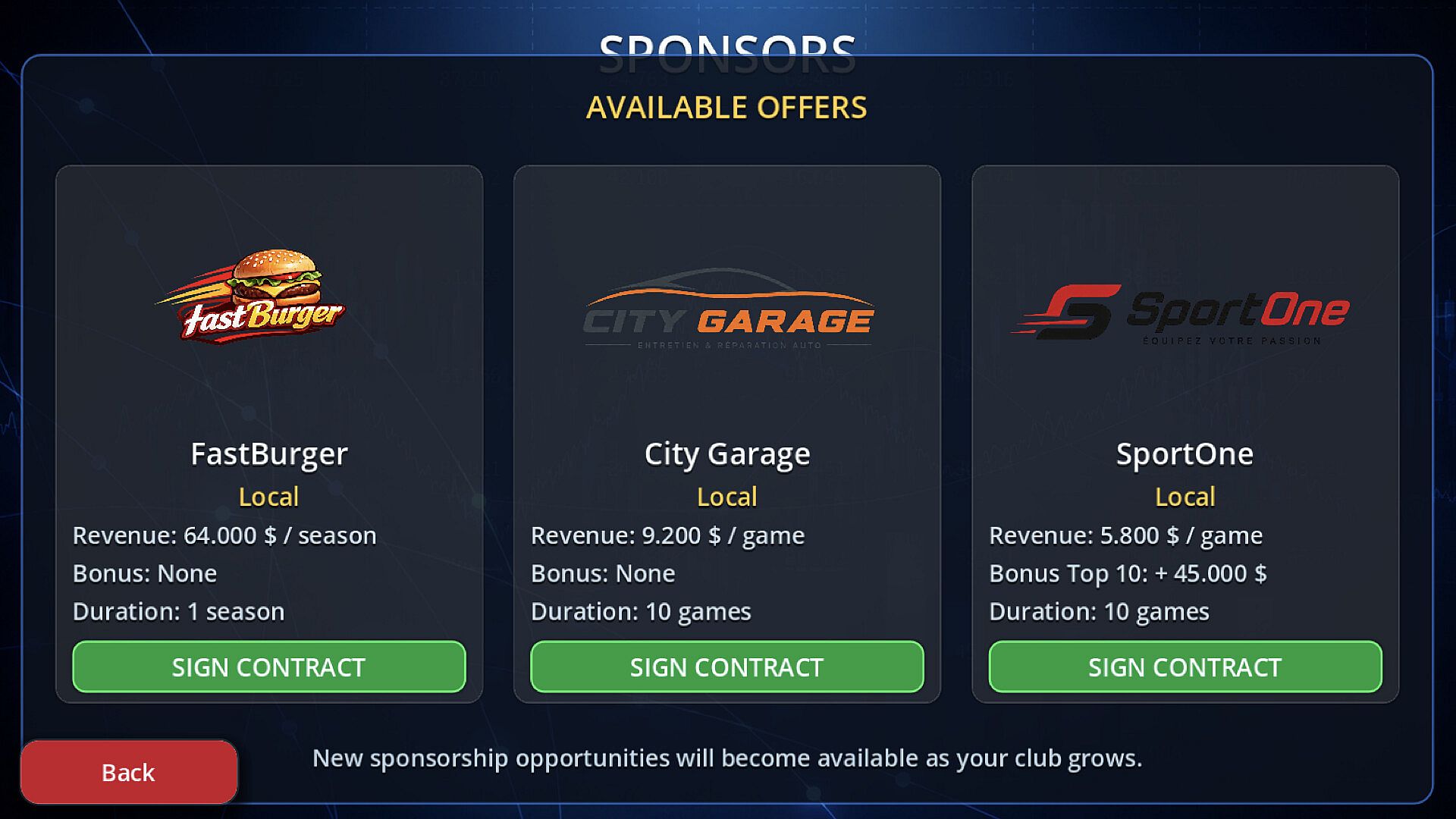
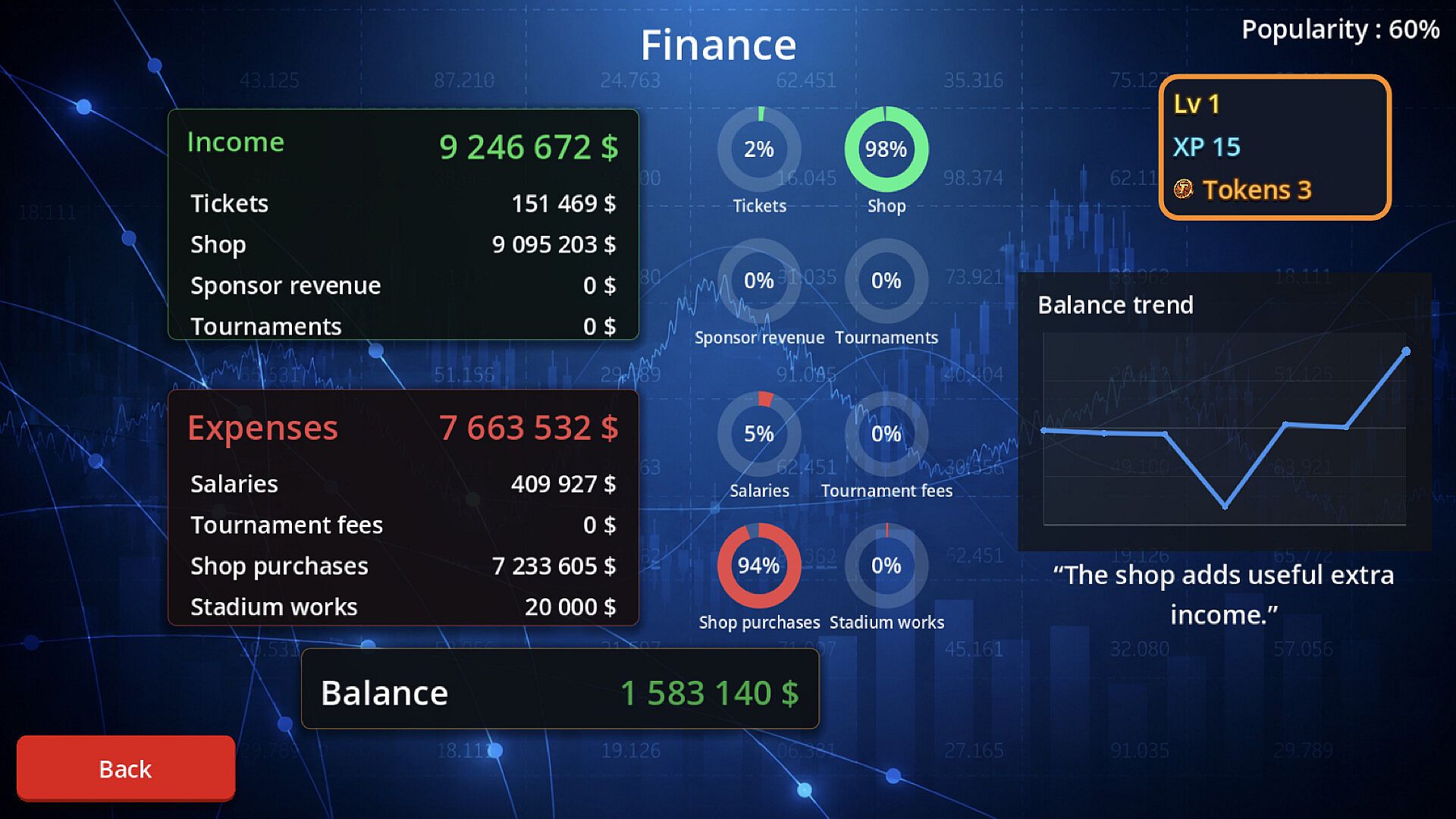
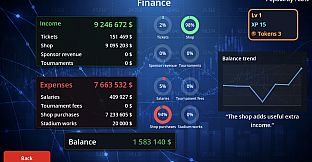
Financial systems add another layer, requiring careful oversight of sponsor deals, ticket pricing, merchandise revenue, and operating expenses. Investments in stadium improvements or talent development can expand future budgets, while poor spending risks limiting options in subsequent campaigns. The loop emphasizes balancing short-term results against sustainable growth, with each season presenting new opponents and opportunities to refine the club's identity.
Game Modes
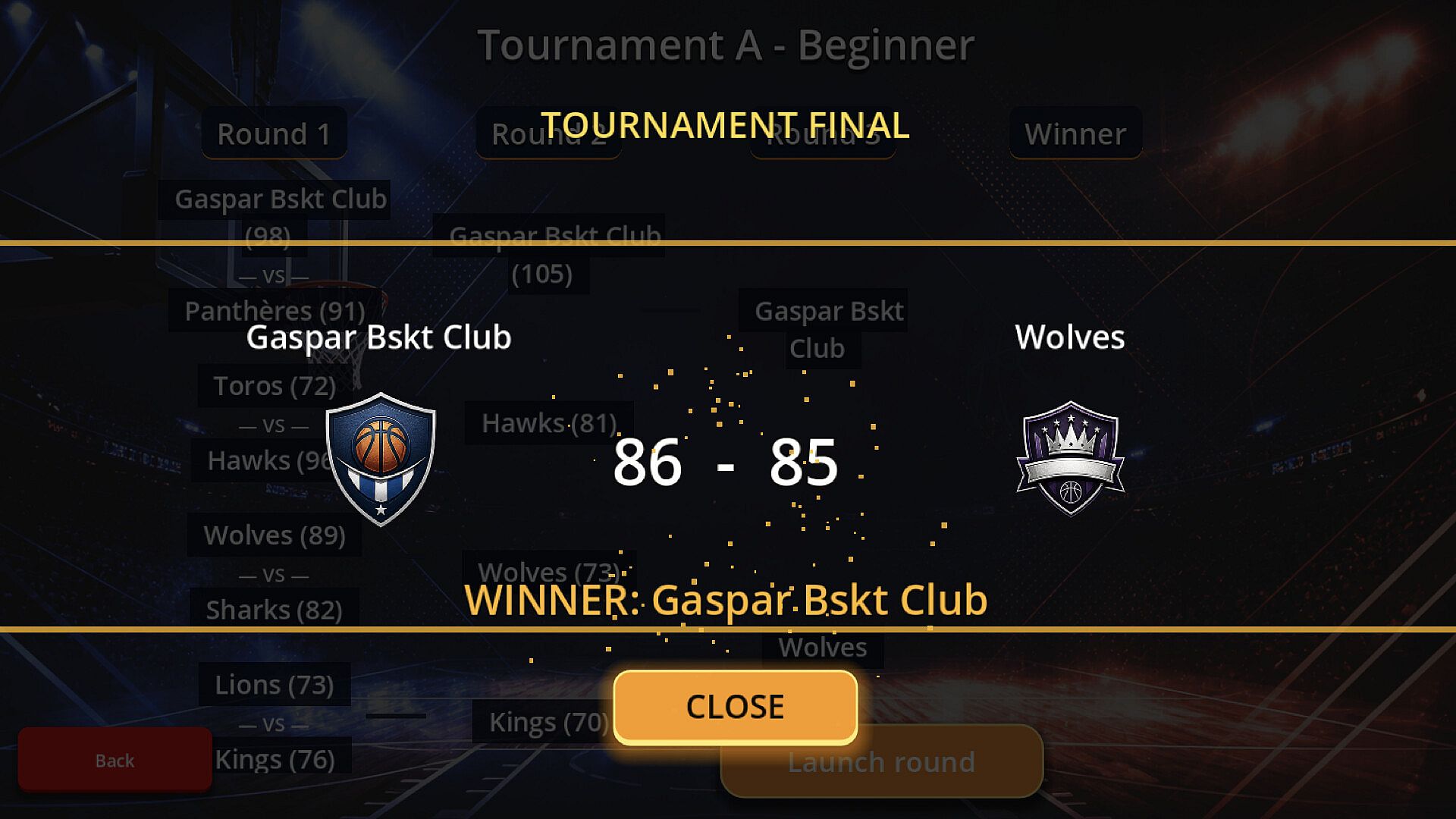
The core experience revolves around full seasons of simulated matches, where managers guide their club through regular competition and strive for titles. Tournaments provide additional challenges that test roster depth and strategic adaptability. Global leaderboards allow comparison of results with other managers, highlighting how individual decisions translate into overall club rankings over multiple campaigns.
Progression unfolds across successive seasons, with victories unlocking new prospects and setbacks prompting adjustments to roster or budget strategies. The structure rewards consistent planning rather than isolated wins, as reputation and resources accumulate gradually.
Club Building and Roster Management
Recruitment forms the foundation, letting managers take calculated risks on emerging talent while managing salary pressures and performance expectations. Some signings deliver immediate impact, while others require patience or eventual replacement. Lineup decisions extend beyond starters to include rotation adjustments that influence match outcomes in the simulated games.
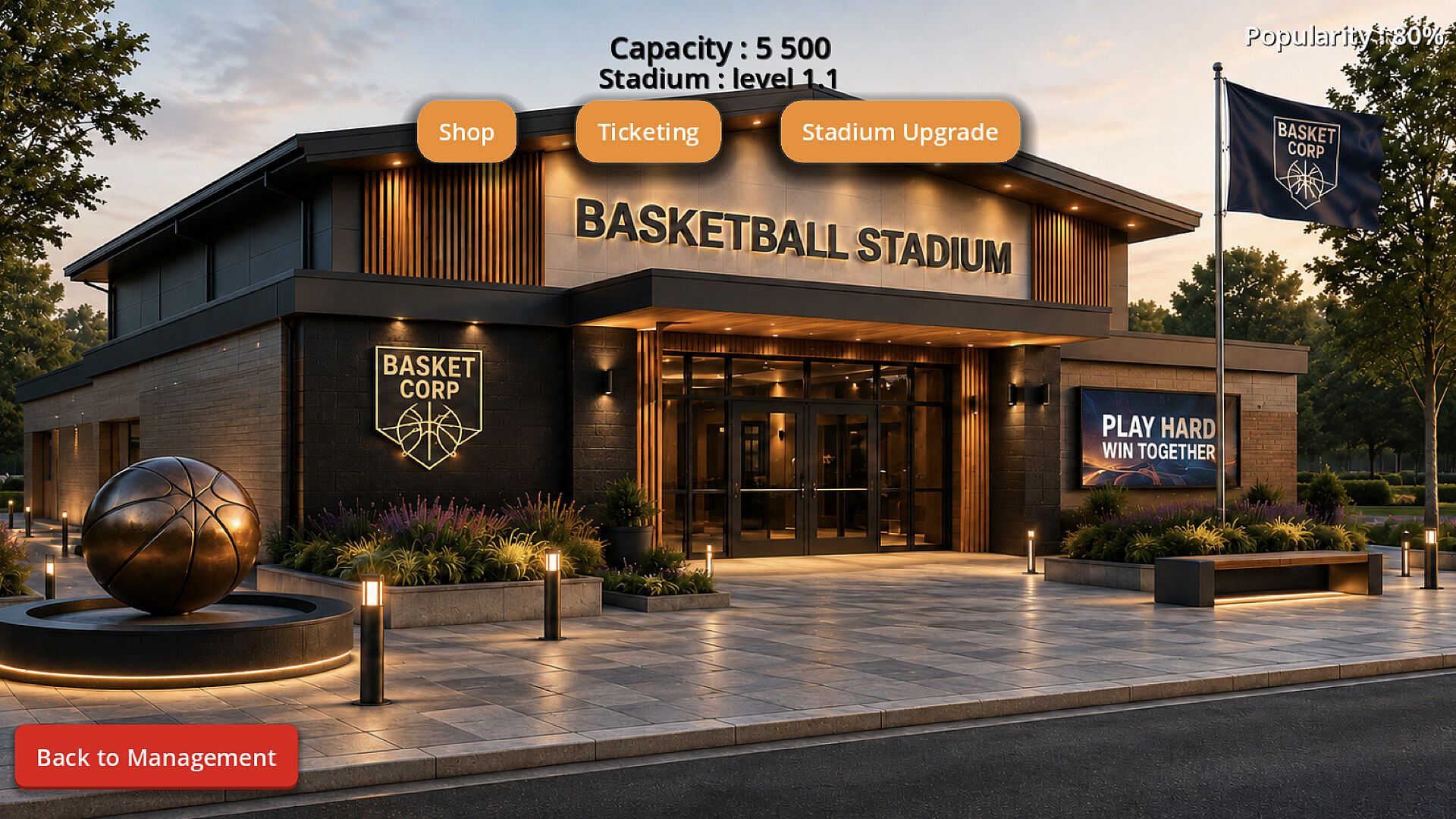
Over time, the club evolves through these choices, developing a distinct style and fan base. Stadium upgrades and popularity gains feed back into revenue streams, creating momentum for larger investments. The process turns an uncertain beginning into a more ambitious operation through deliberate, season-long planning.
Financial Management and Business Decisions
Revenue streams from tickets, sponsors, and the team shop must cover expenses while funding growth initiatives. Managers evaluate multiple sponsor options and set pricing to maximize attendance without alienating supporters. Monitoring cash flow determines when the club can afford roster upgrades or facility improvements that strengthen future performance.
Every financial choice carries forward consequences, either building reserves for aggressive moves or constraining options during lean periods. This system integrates tightly with on-court results, as stronger teams generate more income that supports further development.
Is It Worth Playing?
Basket Corp. suits players who enjoy deliberate sports management simulations focused on long-term strategy and consequence rather than real-time action or direct player control. The emphasis on roster construction, financial oversight, and simulated season outcomes delivers a thoughtful loop for those drawn to building a basketball dynasty from modest beginnings.
Features such as full-season simulation, global leaderboards, and multilingual support indicate ongoing refinement since its release. The game appeals particularly to fans of management titles who value decision-making depth and the ability to compare progress with others. Those seeking immediate on-court gameplay or multiplayer matches may find the pace slower, but the structure rewards patient club development across multiple seasons.