






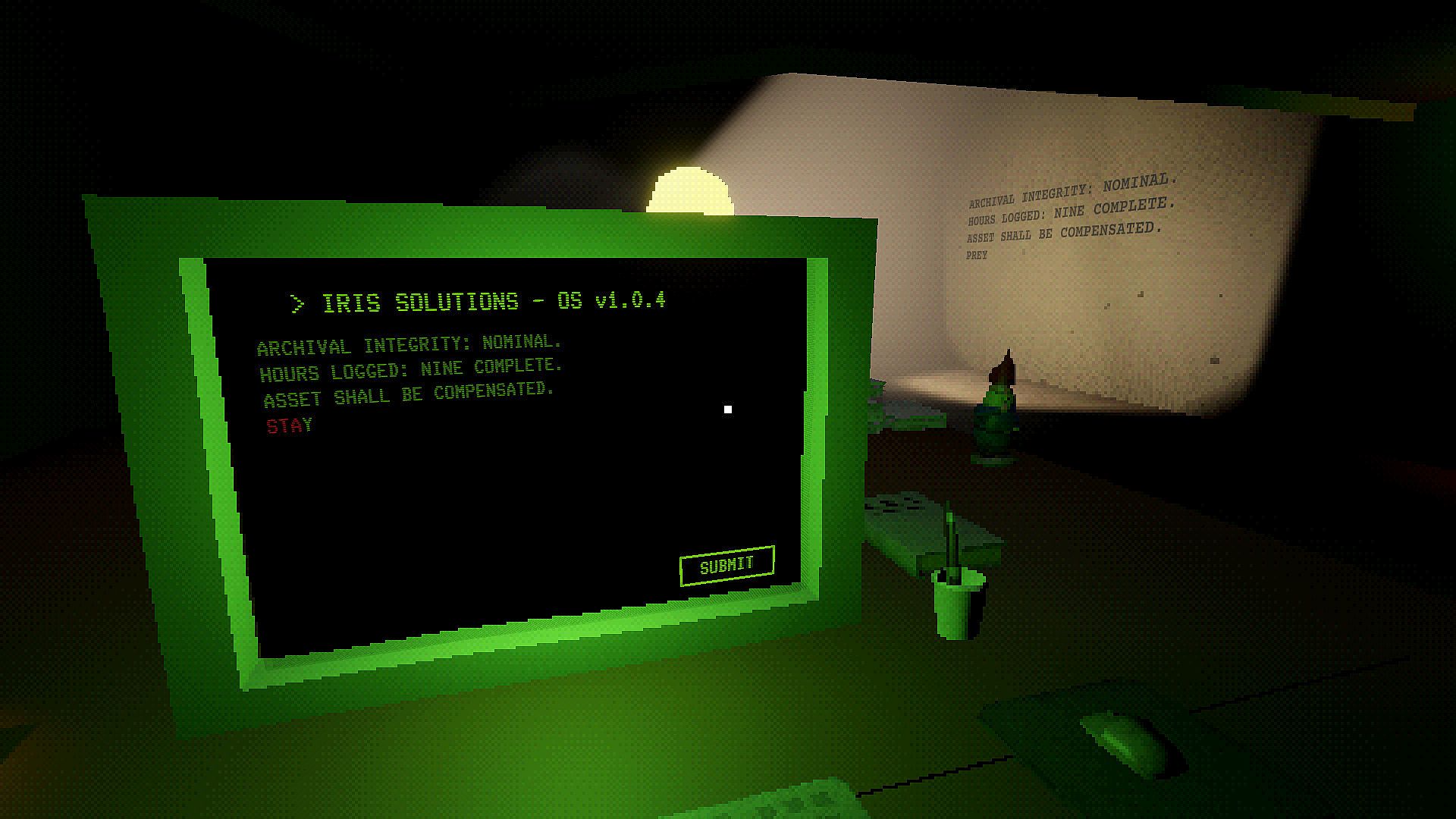
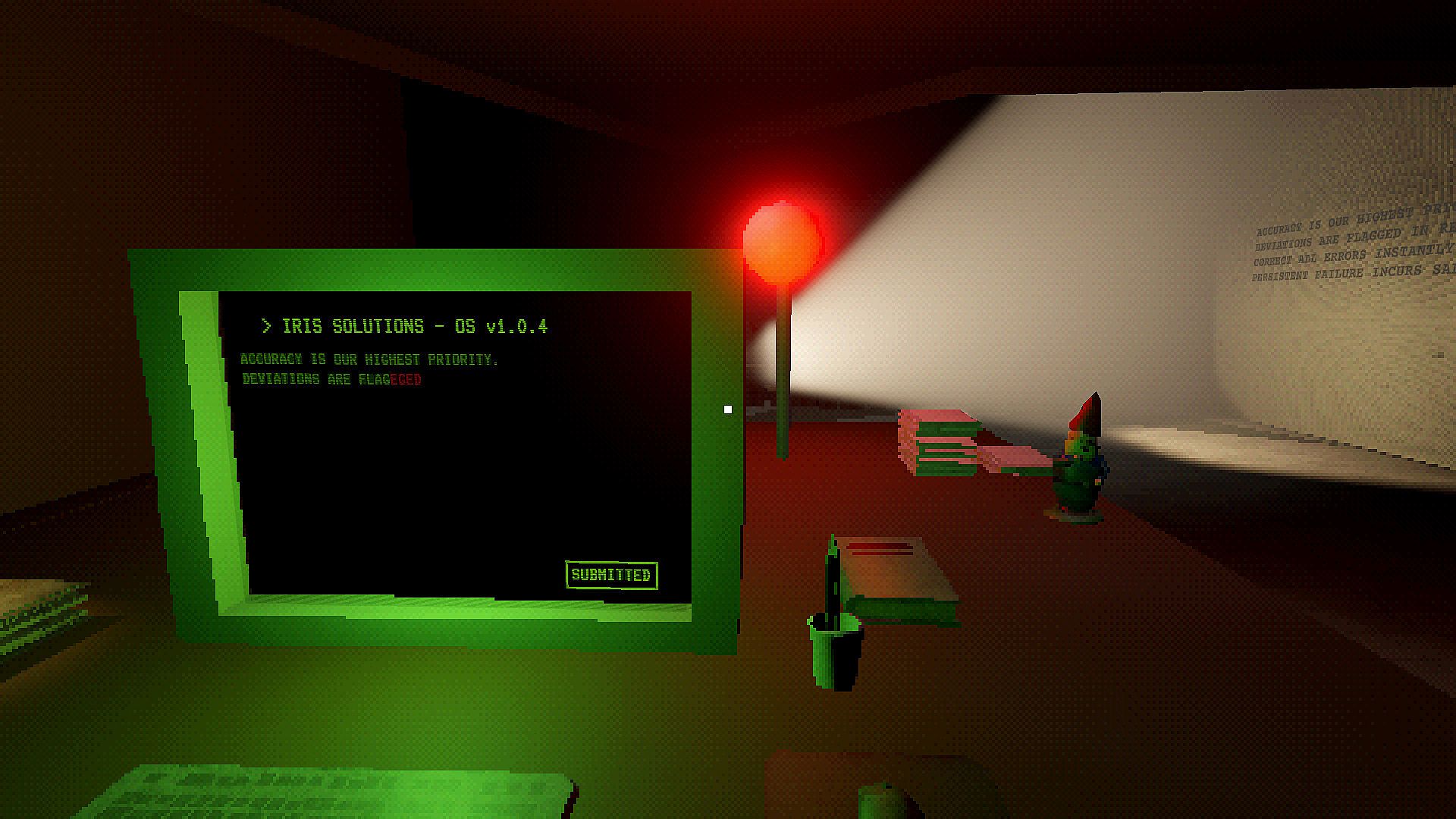
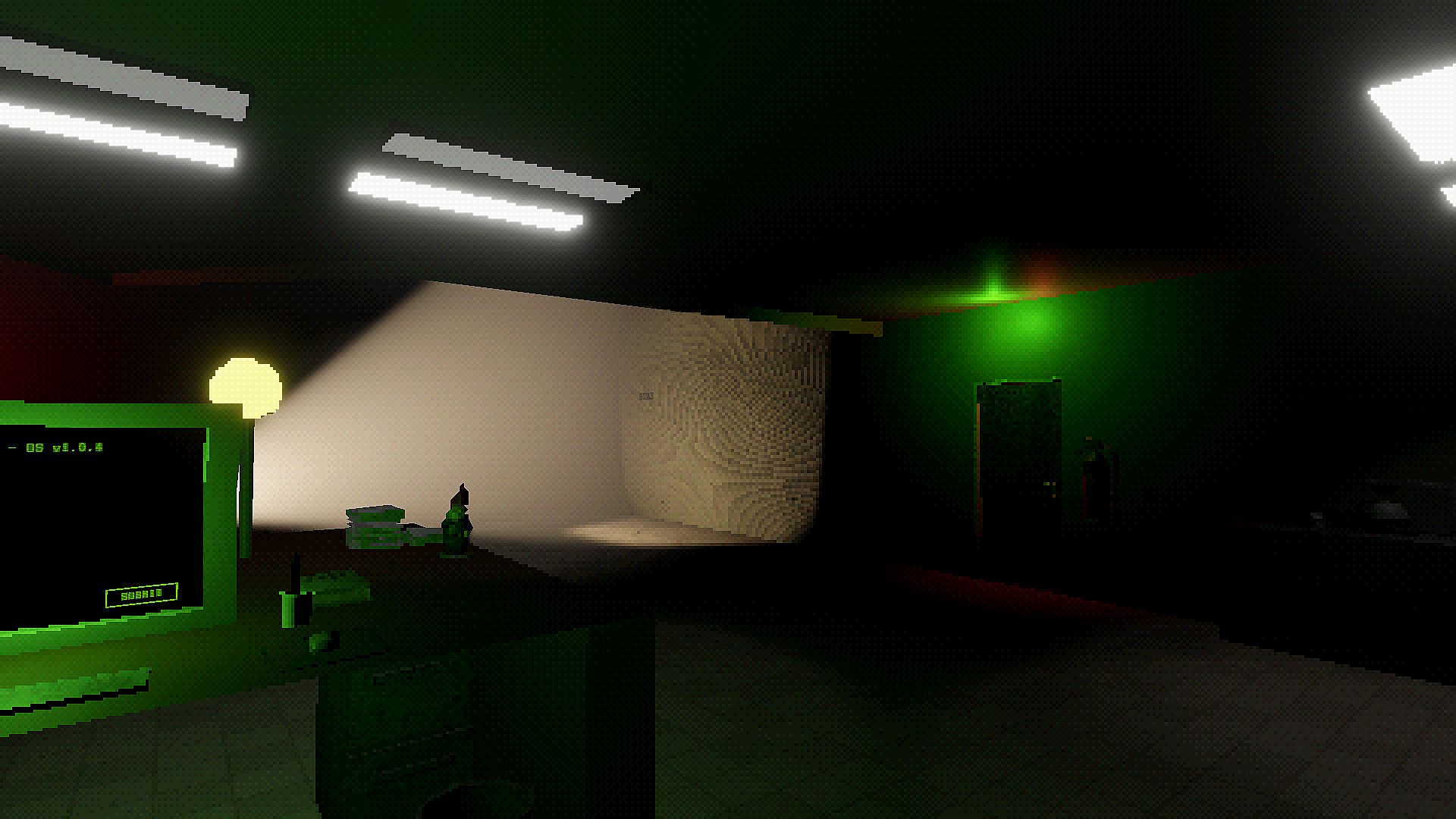
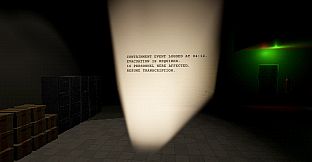

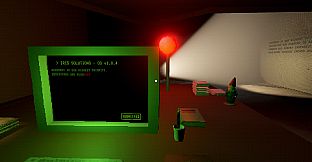
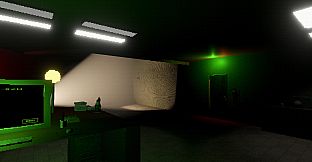

Archival Security is an indie adventure game centered on psychological horror. Players take on the role of a new transcriptionist at Iris Solutions in the Department of Archival Security, where the core task involves copying projected slides word for word into a terminal during fixed shifts.
Gameplay
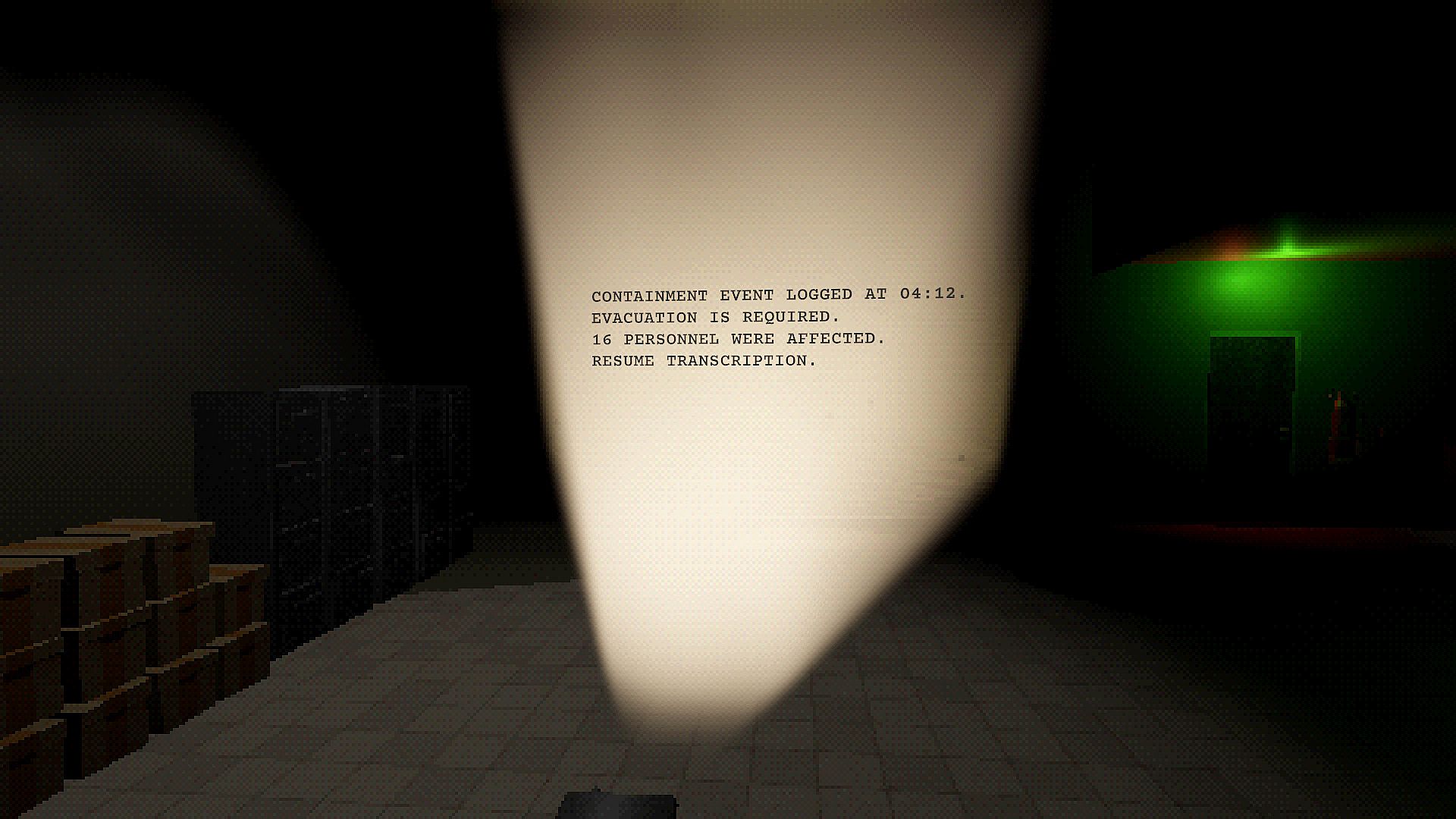
The experience unfolds through a deliberate, methodical loop of transcription. Projected text appears on slides, and the player must enter it exactly as shown without deviation. The process lasts a precise eight hours per shift, though perception of time can stretch or contract based on events in the room. Procedural audio layers respond directly to typing rhythm, pauses, and hesitations, creating an evolving soundscape that reflects individual input patterns.
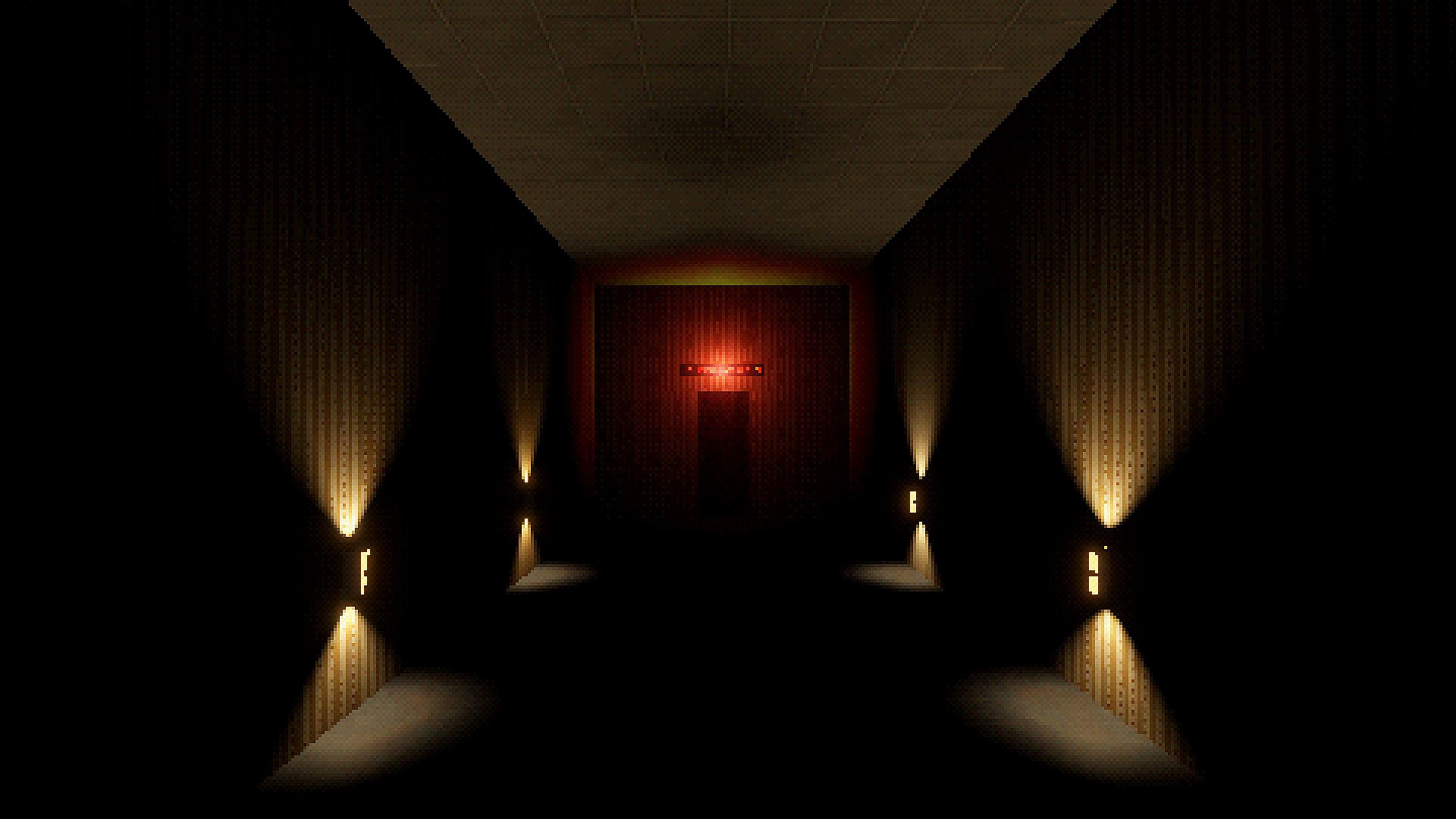
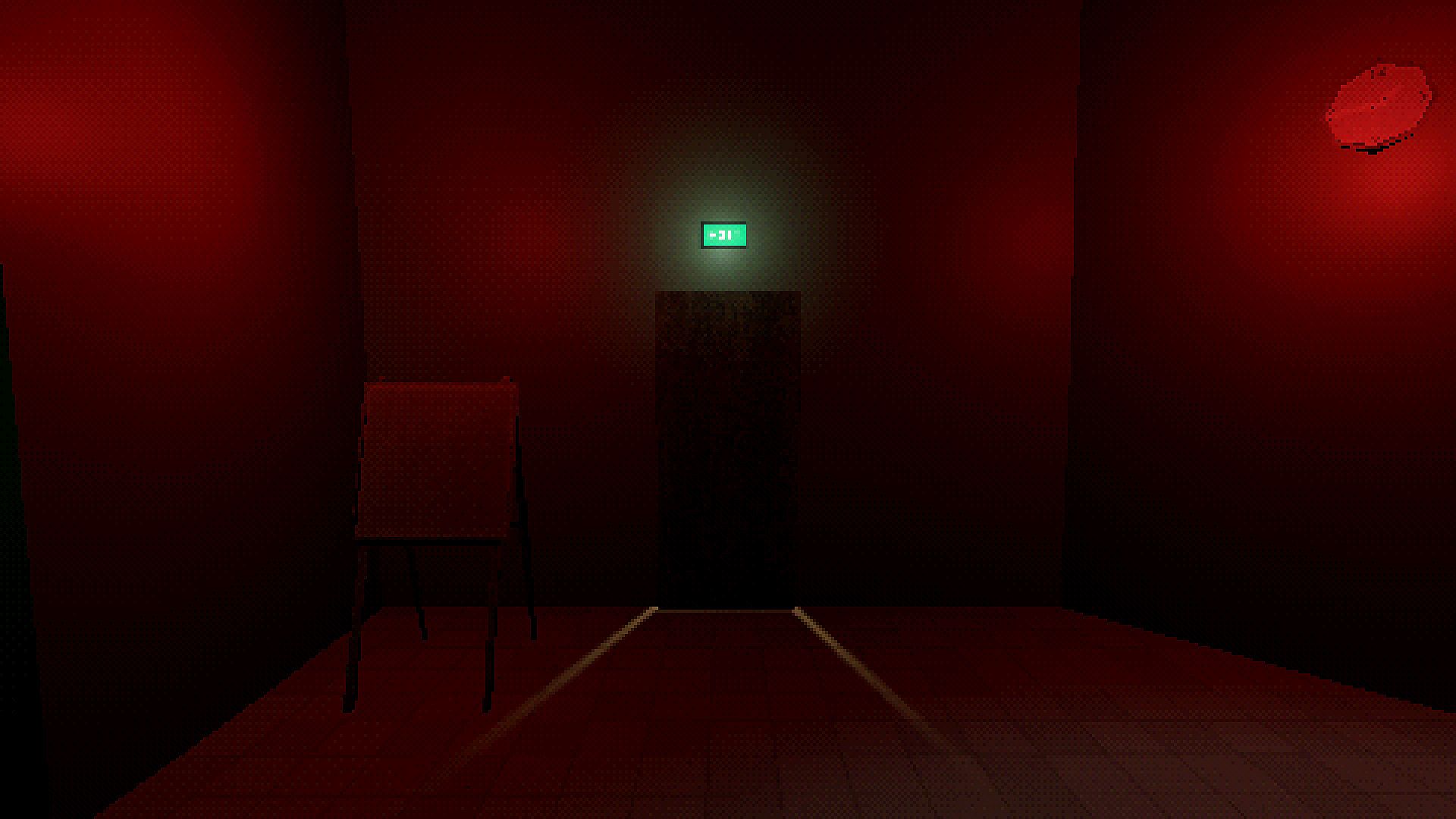
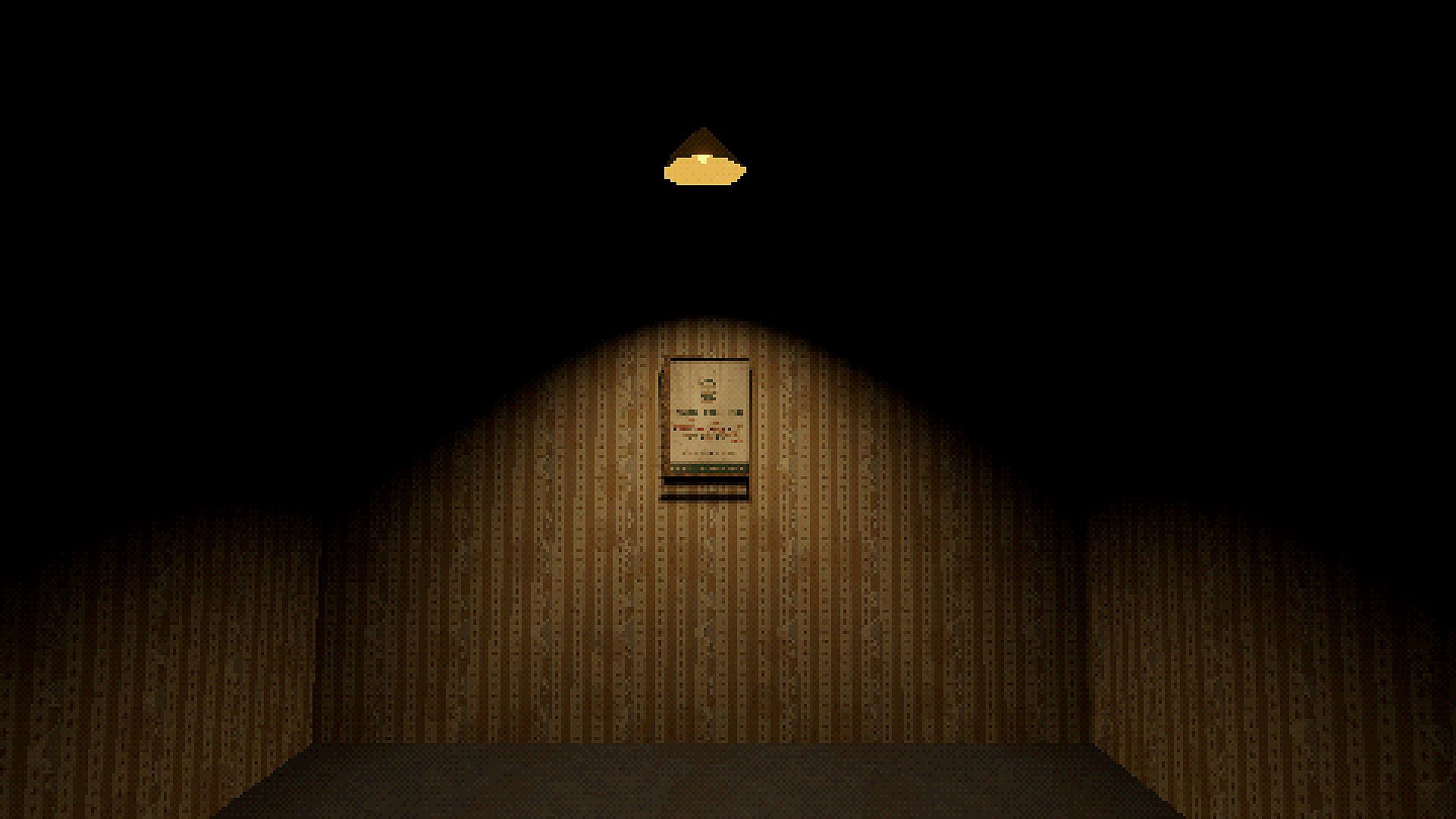
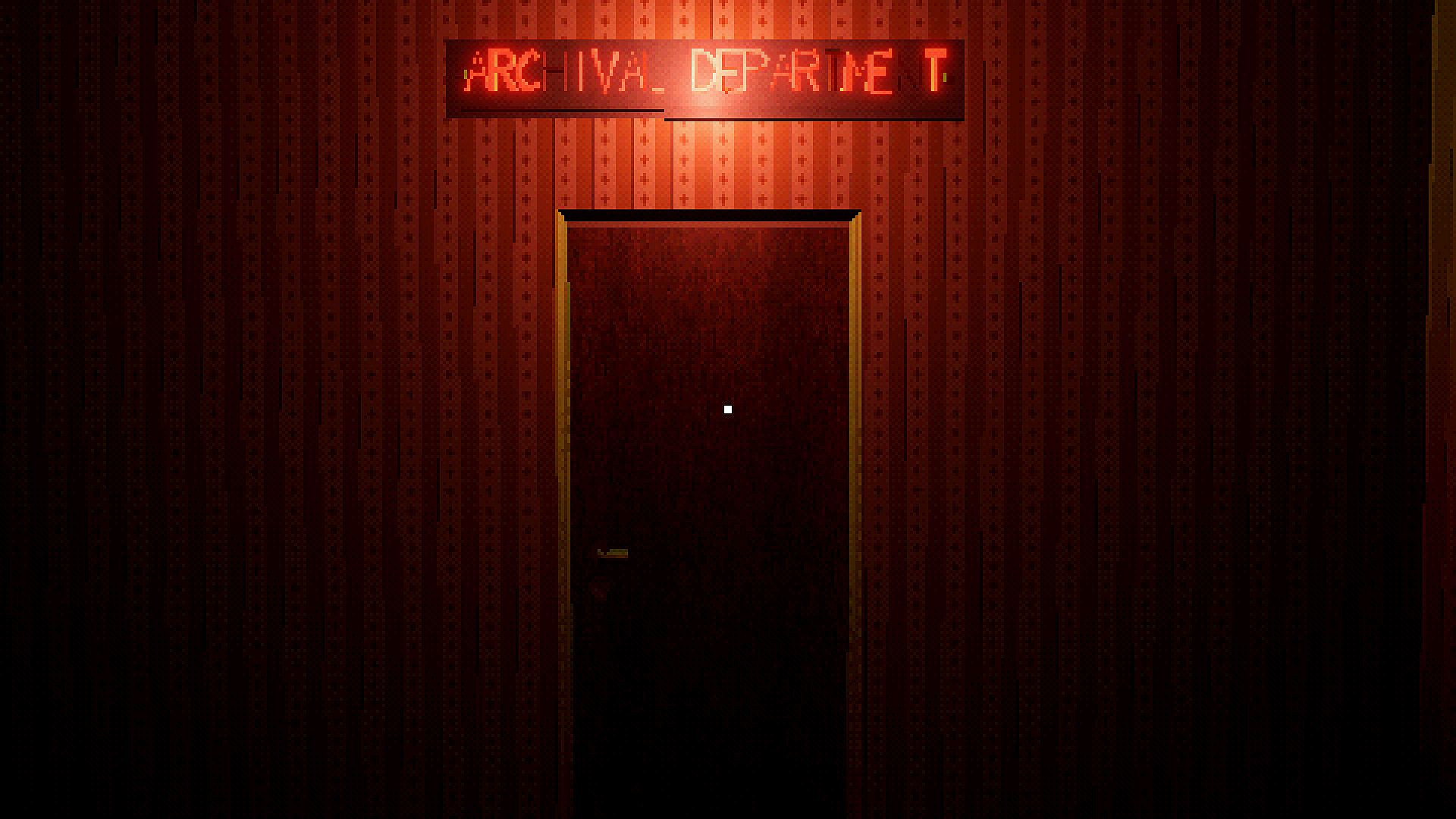
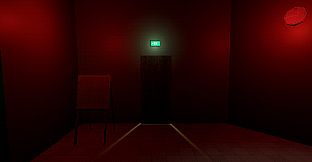
The environment itself shifts gradually. The projection room changes in subtle ways across multiple shifts, with no explicit commentary on the alterations. Rules govern behavior at all times, including instructions not to respond if the text appears to pose questions and never to approach the door at the far end of the space. Personal details from the player's own life may surface in the transcribed content, yet the directive remains to continue working without interruption. Power failures require transcription from memory alone.
Deviations from exact copying are noted by the system but do not halt progress. This design emphasizes quiet persistence over traditional challenge or failure states, allowing the narrative and atmospheric pressure to build through repetition and subtle environmental decay.
Game Modes
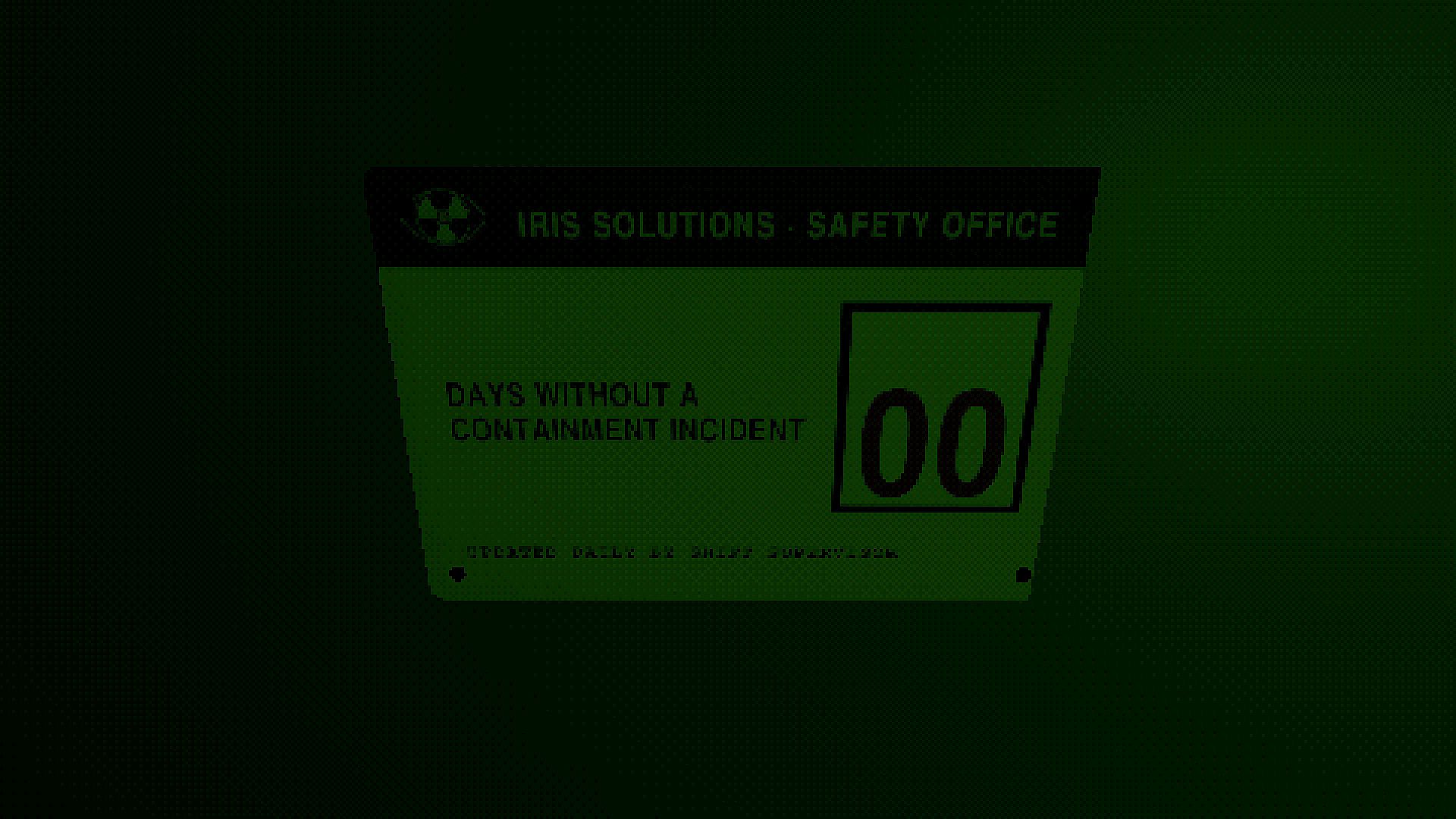
Archival Security operates as a single-player experience focused on sequential shifts within the same core activity. There are no separate competitive or cooperative modes. The structure centers on completing the assigned transcription duties across three shifts, with progression tied to adherence to containment procedures and the gradual unfolding of the room's changes.
Mechanics remain consistent throughout, relying on precise input, attention to procedural audio cues, and navigation of time-distortion elements that affect how long each session feels. The absence of branching paths or alternate objectives keeps the focus narrow on the transcription task and its psychological effects.
Atmosphere and Narrative
The game builds tension through its restrained presentation. Entity S9782 appears as the subject of the projected manuscript, described with a redacted hazard level. The text itself seems to observe the transcriber, growing more invasive with each page copied. This creates a slow erosion of boundaries between the job and the player's sense of self.
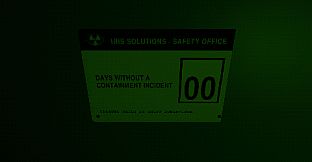
Visual and auditory details reinforce isolation. The office degrades without fanfare, and mandatory rules reinforce a sense of containment. Time operates according to payroll logic rather than physical reality, allowing shifts to register as days, weeks, or months depending on perception. These elements combine to produce a contained yet unsettling psychological pressure that rewards close attention to the rules and the evolving space.
Is It Worth Playing?
Archival Security targets players who enjoy deliberate, atmospheric single-player experiences in the psychological horror genre. Its mechanics reward patience and precision in a transcription-focused loop, with procedural elements that personalize the audio feedback. The game remains in development with a planned release in Q1 2027 and currently has no user reviews available.
Those drawn to slow-burn narratives, rule-based systems, and environments that change without direct explanation will find the most alignment with its design. The emphasis on exact adherence and the consequences of perception make it a niche title best suited to fans of introspective indie adventures rather than action-oriented or fast-paced games.











