

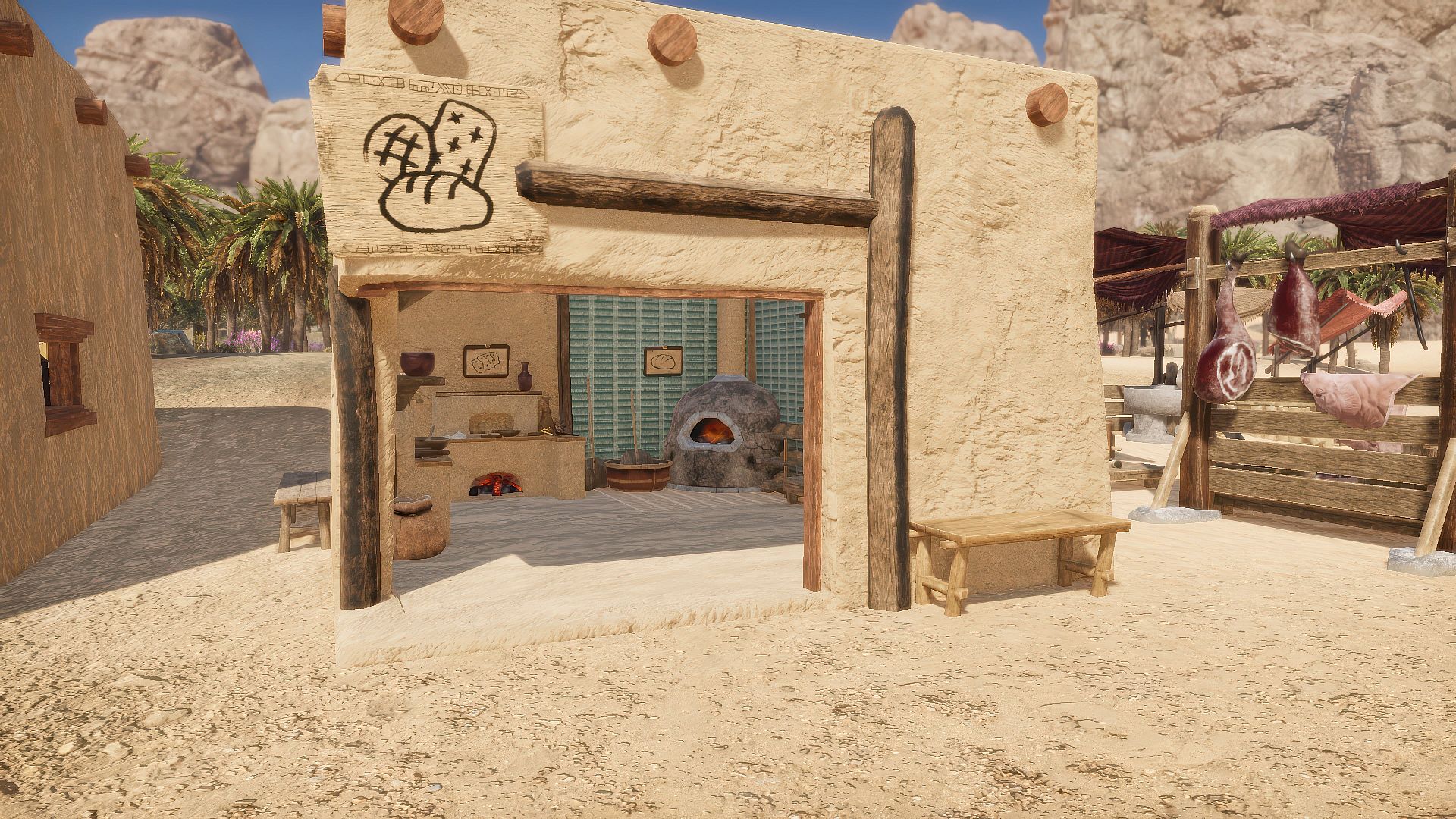
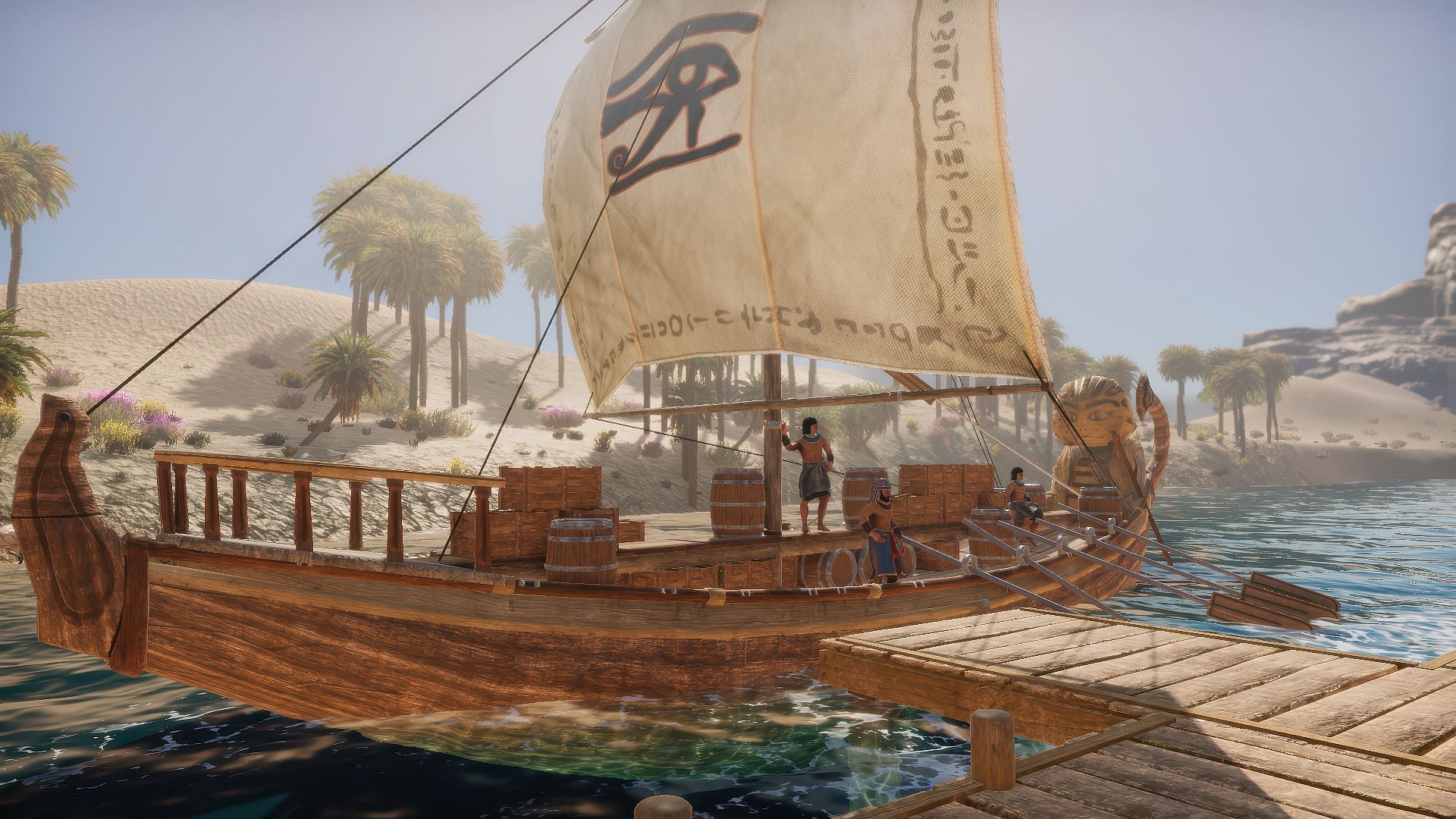
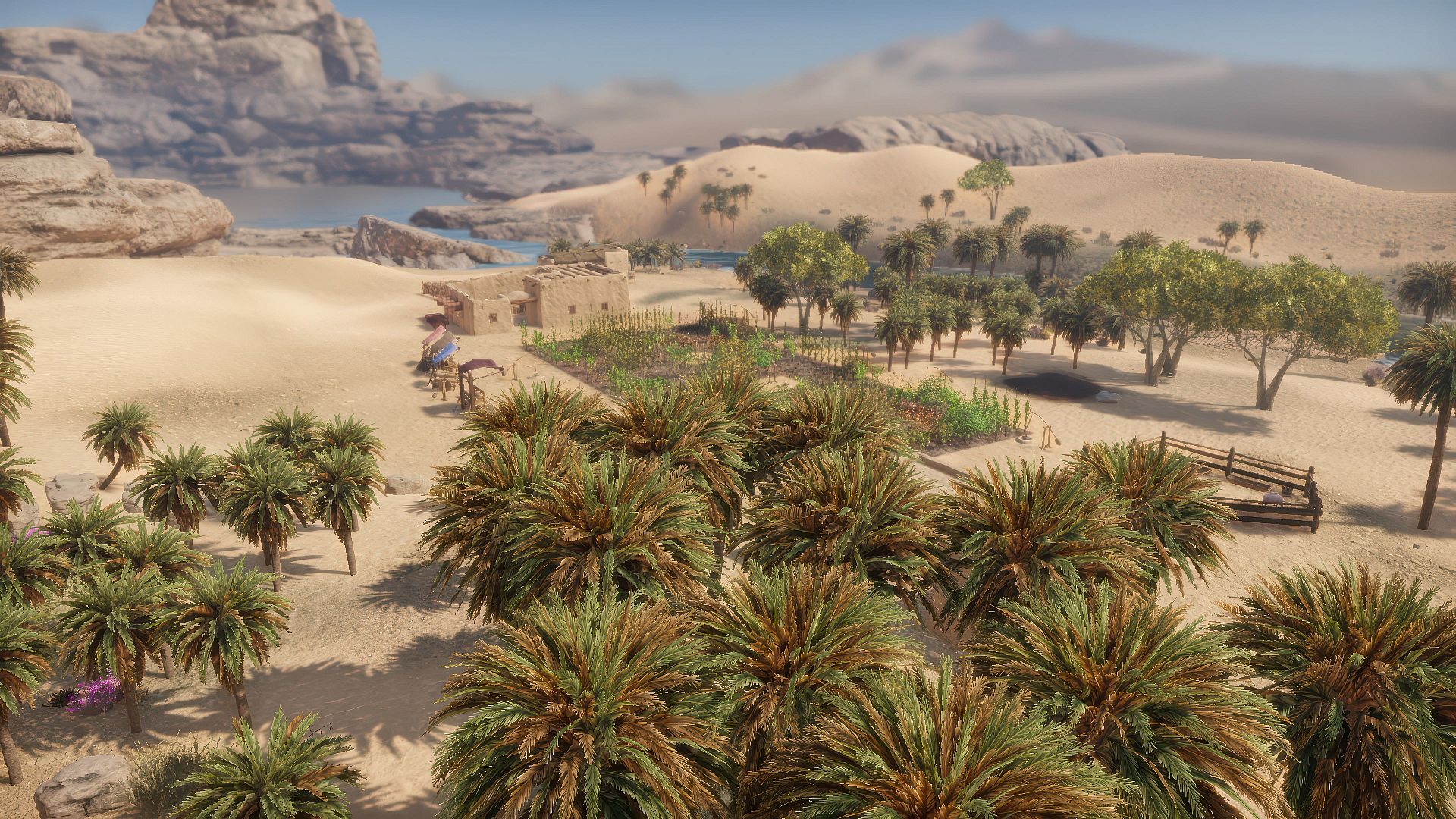
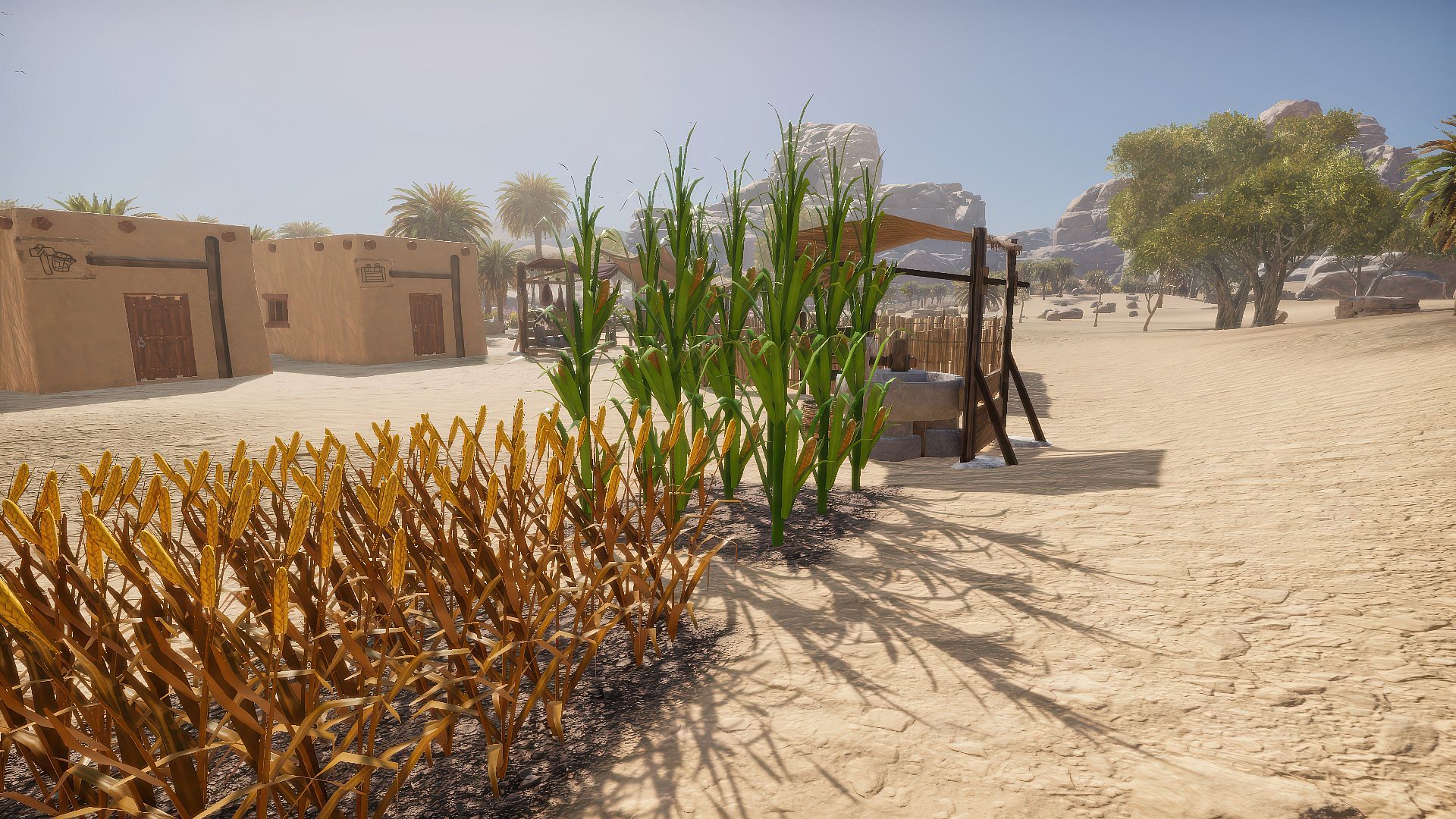
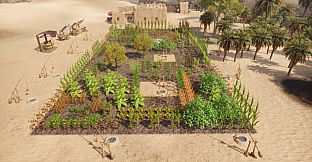
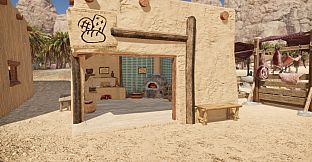
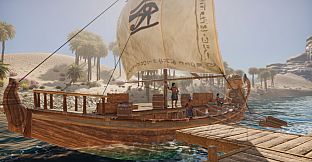
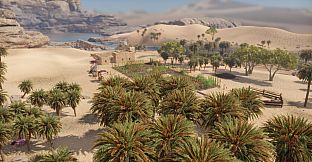
Ancient Farm is a casual simulation game that places players in the role of a farmer building a settlement in ancient Egypt through manual effort alone. Set against the backdrop of the Nile and its surrounding lands, the experience emphasizes deliberate, hands-on work with period-appropriate tools rather than modern conveniences or automated systems. Players begin with bare ground and basic implements, gradually shaping the environment into productive fields, animal enclosures, and structures through direct interaction.
Gameplay
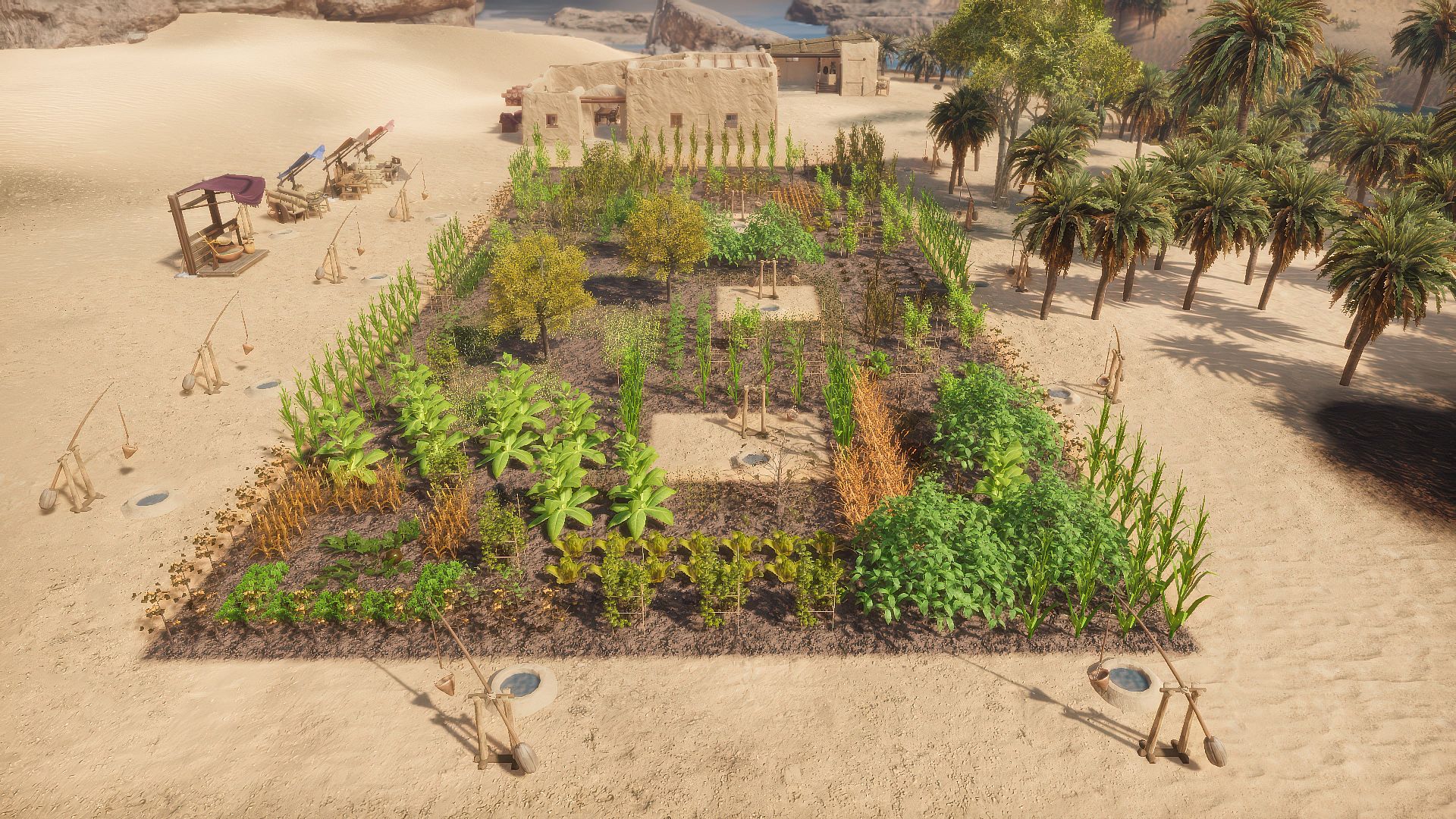
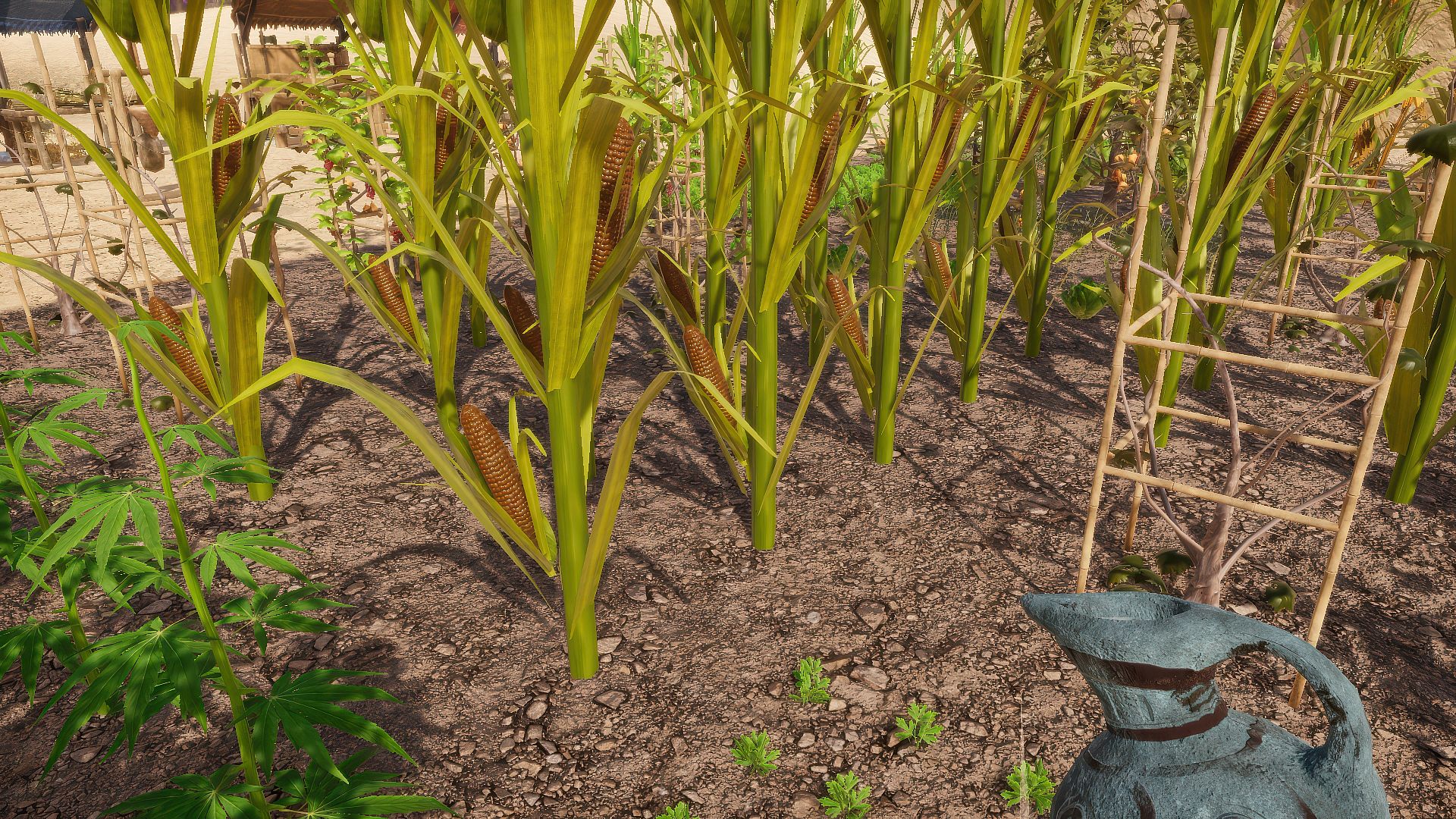
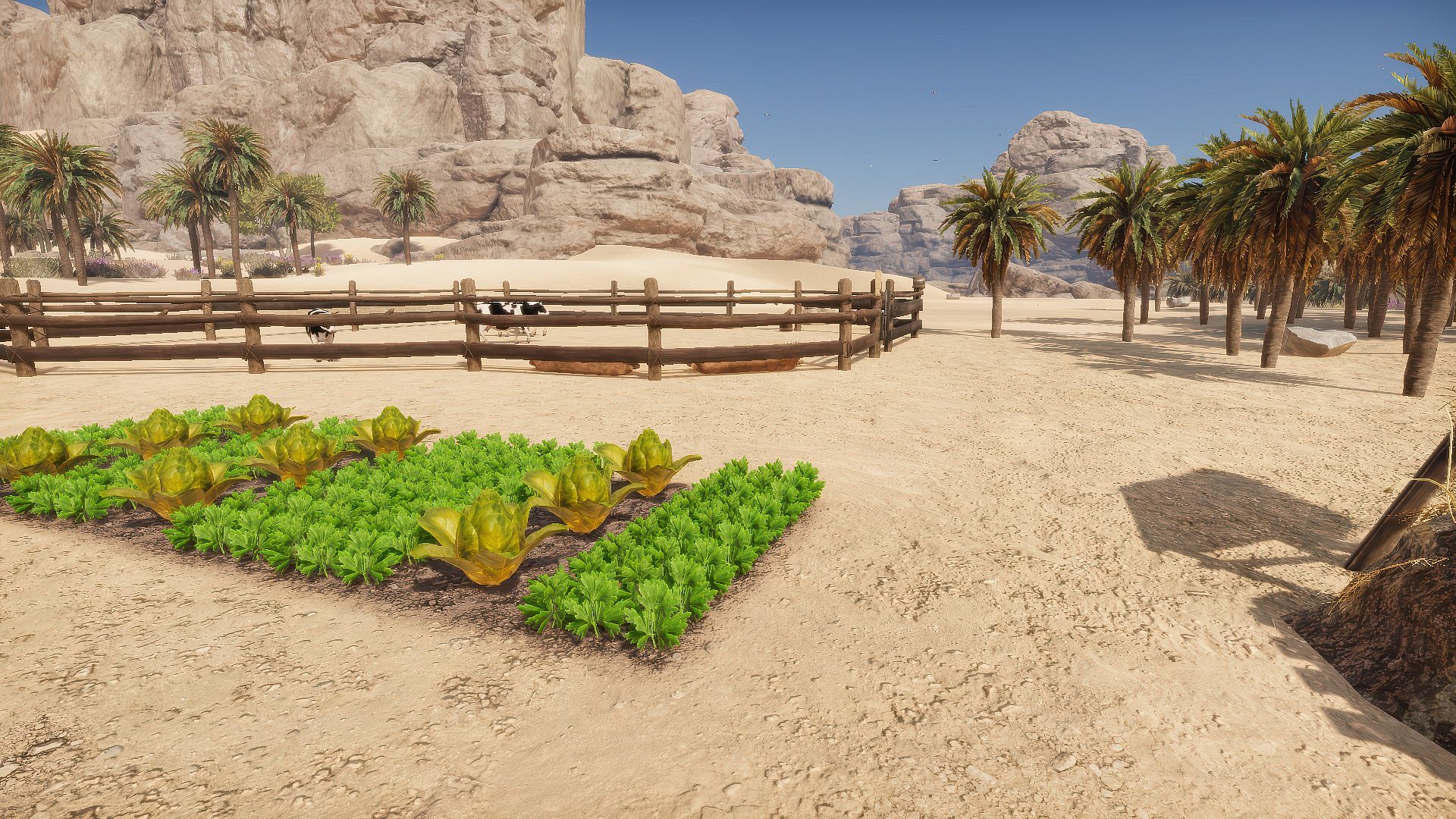
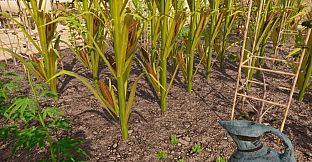
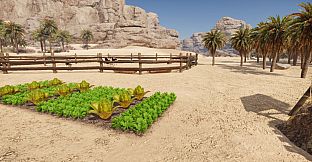
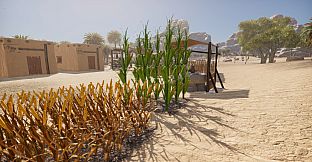
The core loop revolves around transforming wild terrain into fertile ground using simple implements for clearing, plowing, planting, watering, fertilizing, and harvesting. Crops progress through visible growth stages, and timing matters because neglect can lead to withering or decay. Players manage a selection of plants suited to the setting, including grains, fibers, papyrus, sugar cane, and fruit trees that offer repeated yields over time. Riverside areas support specific vegetation that influences farm layout decisions.
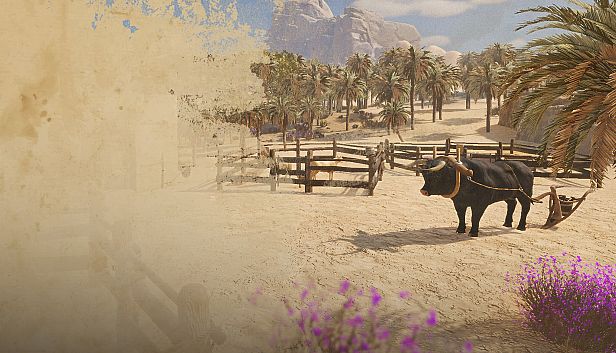
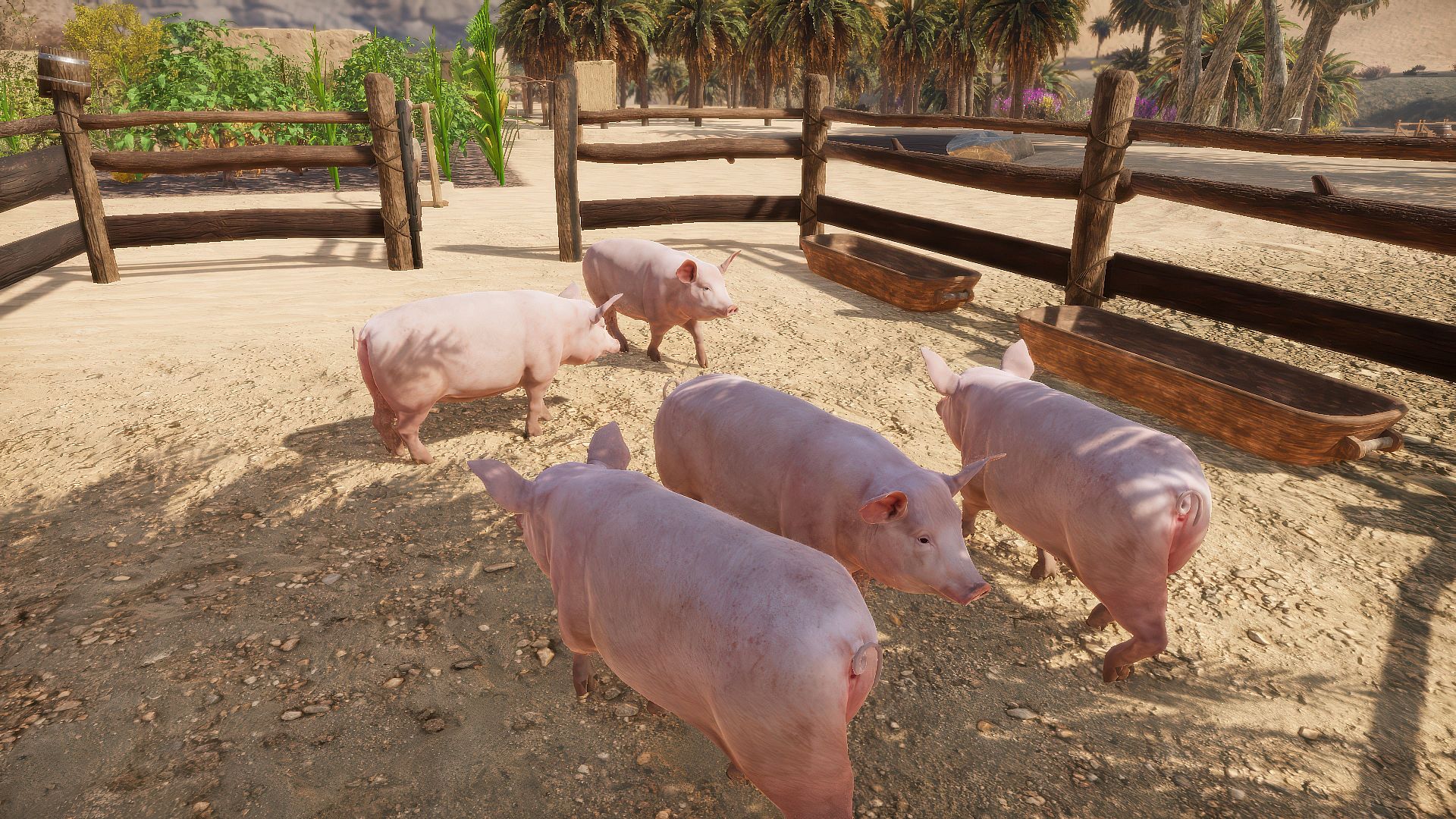
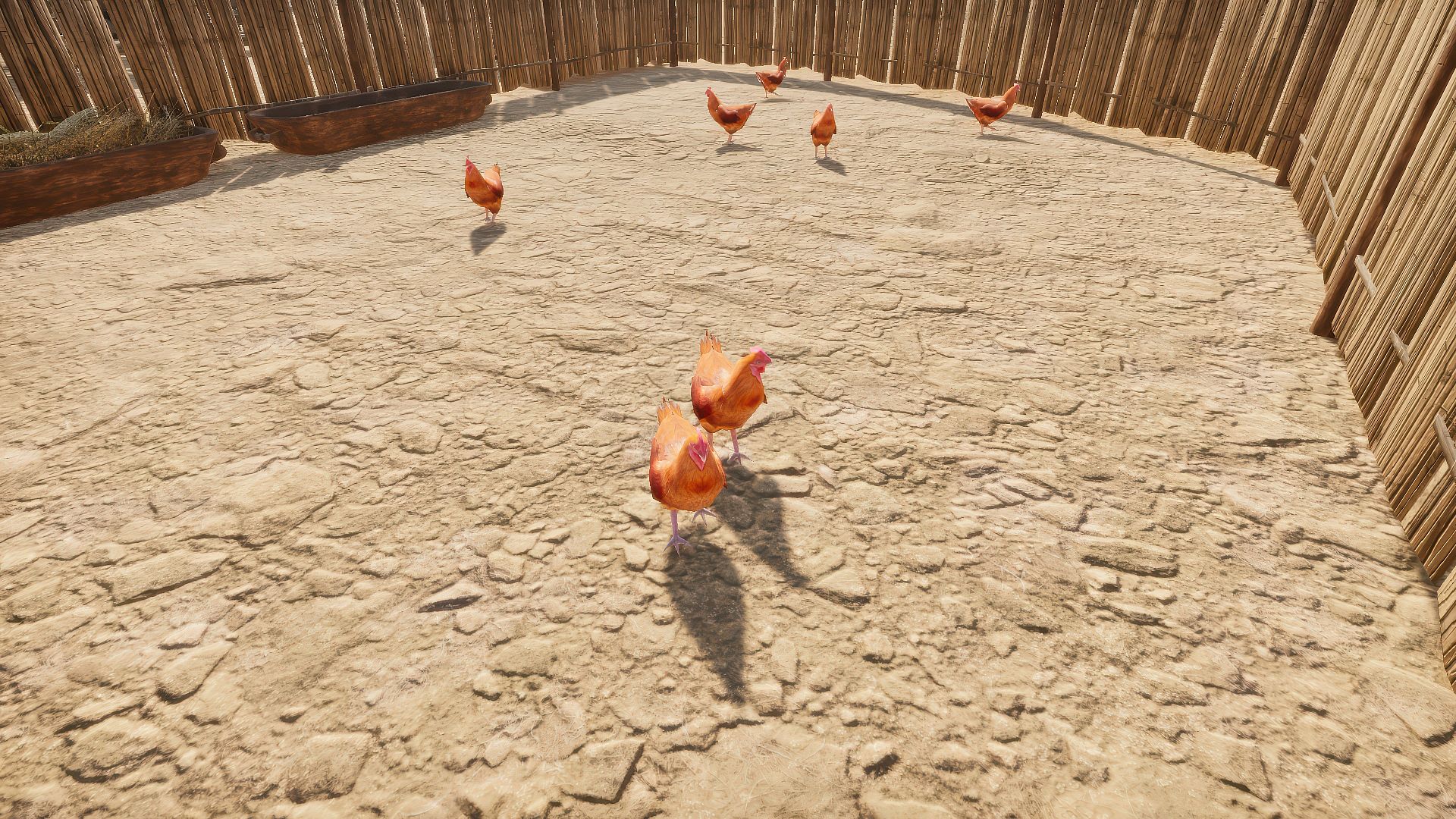
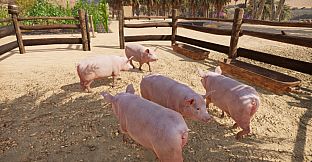
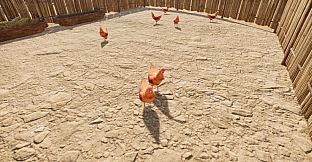
Livestock adds another layer, with animals such as cows, sheep, pigs, and hens providing ongoing resources once housed and cared for. Oxen assist with heavier plowing tasks after appropriate buildings are constructed. Resource gathering extends beyond crops to include wood, stone, and clay, which feed into crafting tools and constructing everything from basic barns to more advanced workshops and production facilities. Processing raw materials into finished goods like meals, oils, or other trade items supports expansion, while trading with merchants brings in new seeds or blueprints for further development.
Building progression follows a blueprint system unlocked through effort and commerce, allowing the settlement to evolve from humble beginnings toward larger complexes. Seasonal cycles affect conditions and planning, encouraging players to adapt routines across different periods of the year. The first-person perspective keeps all actions immediate and physical, with no shortcuts that remove the player from the labor.
Game Modes
Ancient Farm operates as a single open-ended sandbox experience. There are no separate competitive or story-driven modes, and the game imposes no time limits or failure conditions. Players control the pace entirely, deciding when and how to expand fields, introduce animals, or pursue new constructions in a persistent world that grows with their choices. This structure supports relaxed, self-directed sessions focused on incremental progress rather than structured objectives or multiplayer interactions.
Progression and Features
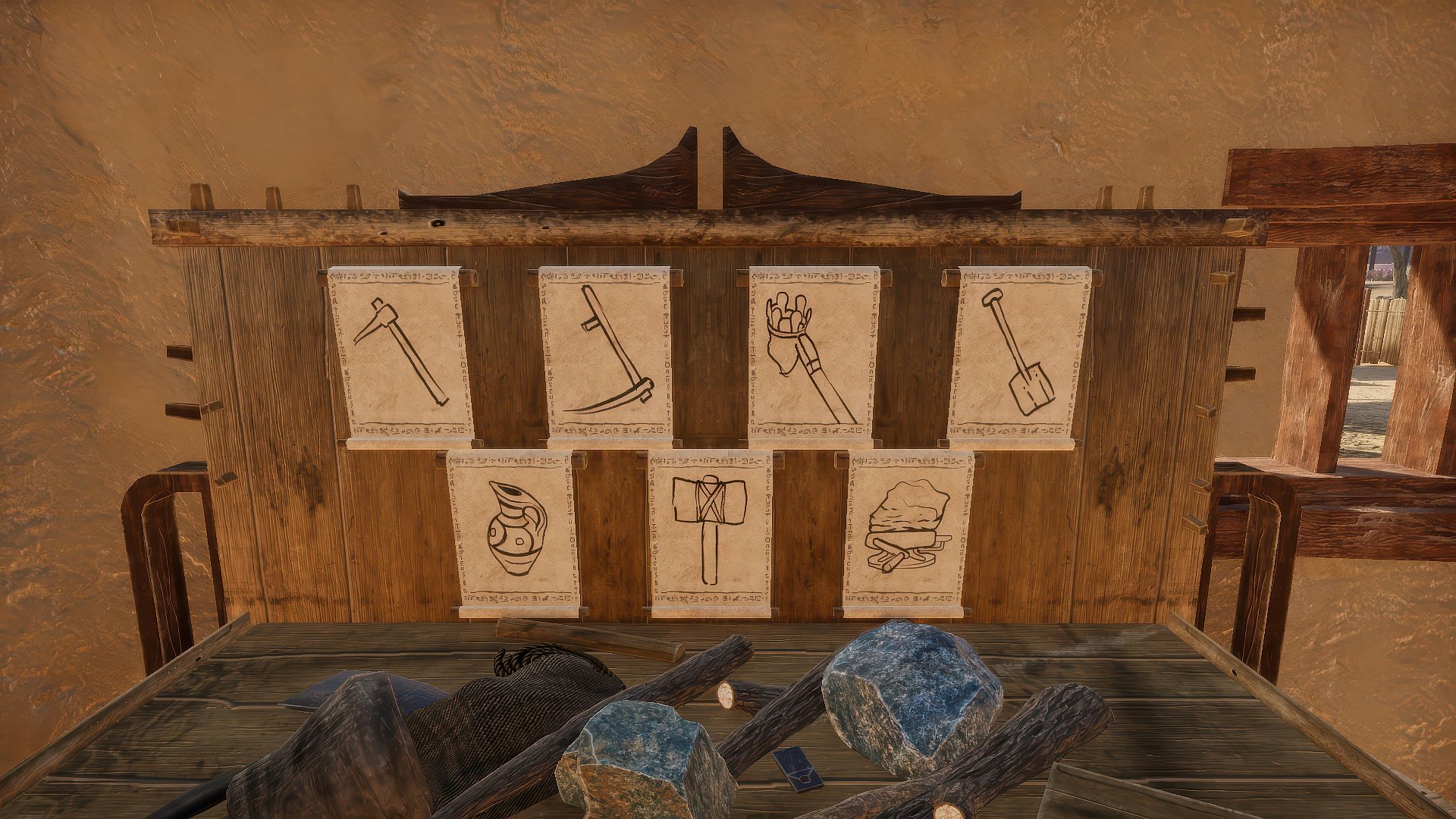
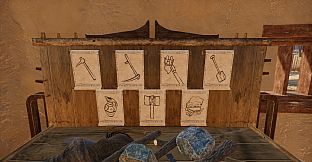
Advancement comes through practical milestones such as unlocking new tools, erecting production buildings, and establishing trade routes. Early emphasis falls on basic survival and field management, while later stages introduce layered systems like cooking, material refinement, and temple construction. Fourteen distinct tools handle specific tasks, from digging irrigation to processing resources, and these items require maintenance as they wear out. The absence of automation means every expansion demands ongoing player involvement, rewarding consistent planning and attention to detail across the farm's many interconnected systems.
Is It Worth Playing?
Ancient Farm suits players who appreciate methodical simulation games that prioritize manual processes and steady, visible results over fast-paced action or complex narratives. Its single-player sandbox format delivers a calm, self-paced environment where progress feels earned through direct effort. Reviews describe the experience as satisfying for those drawn to detailed farming loops and historical theming, though some note it can become repetitive once core systems are mastered. The game launched on PC in early 2026 with a mixed reception, and its PS5 version arrives later in the year. Those seeking a focused, low-pressure farming simulator without automation or external competition will find the most value here, while players preferring varied modes or quicker feedback may want to consider alternatives.