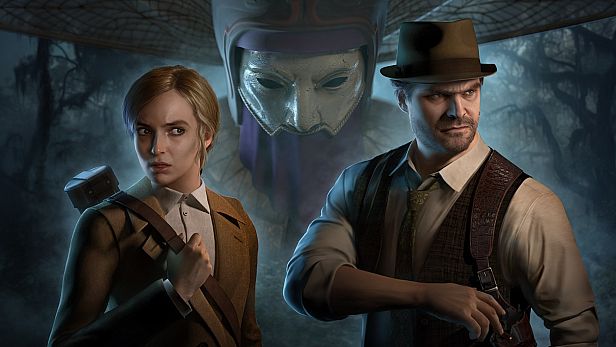







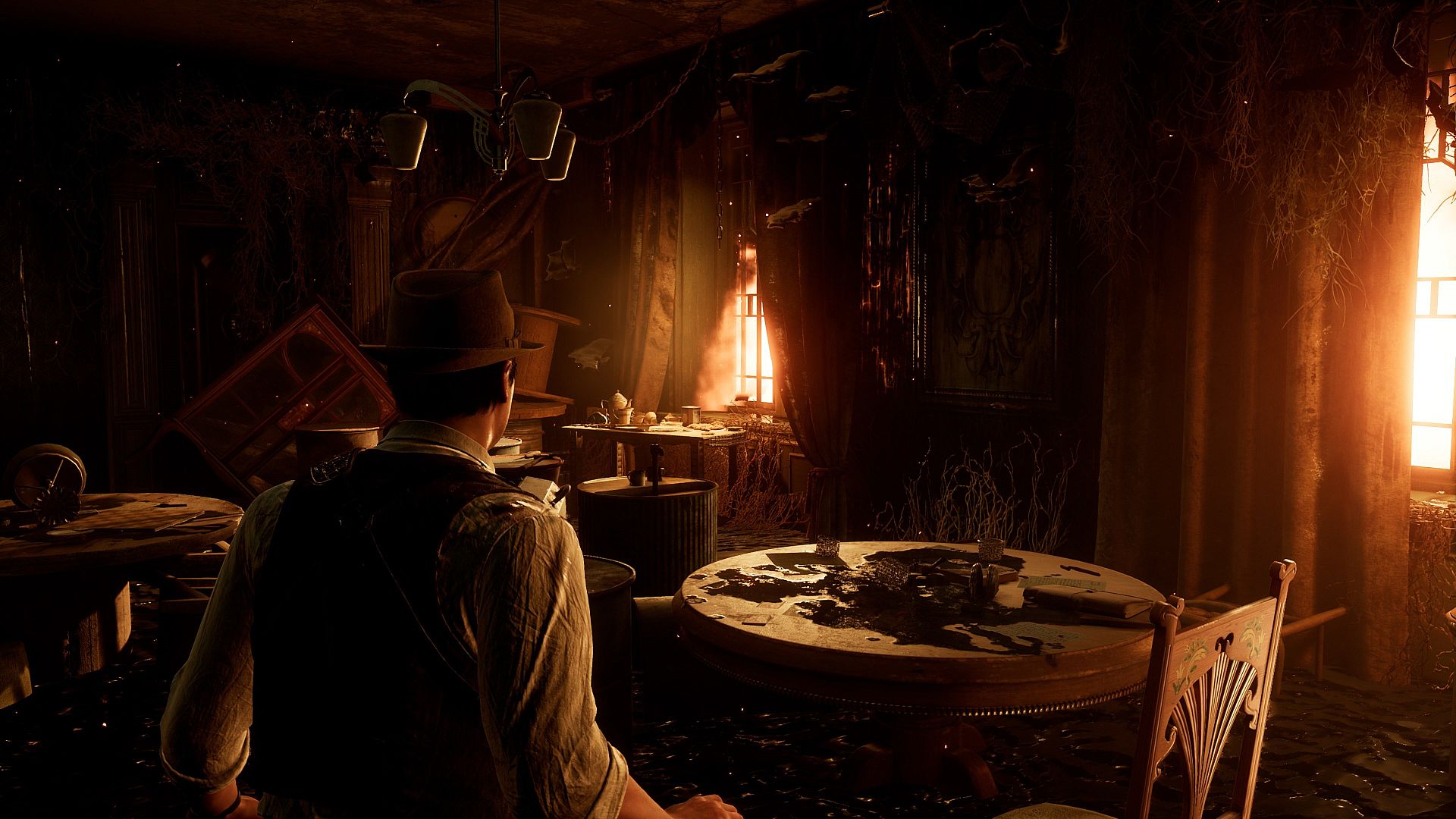
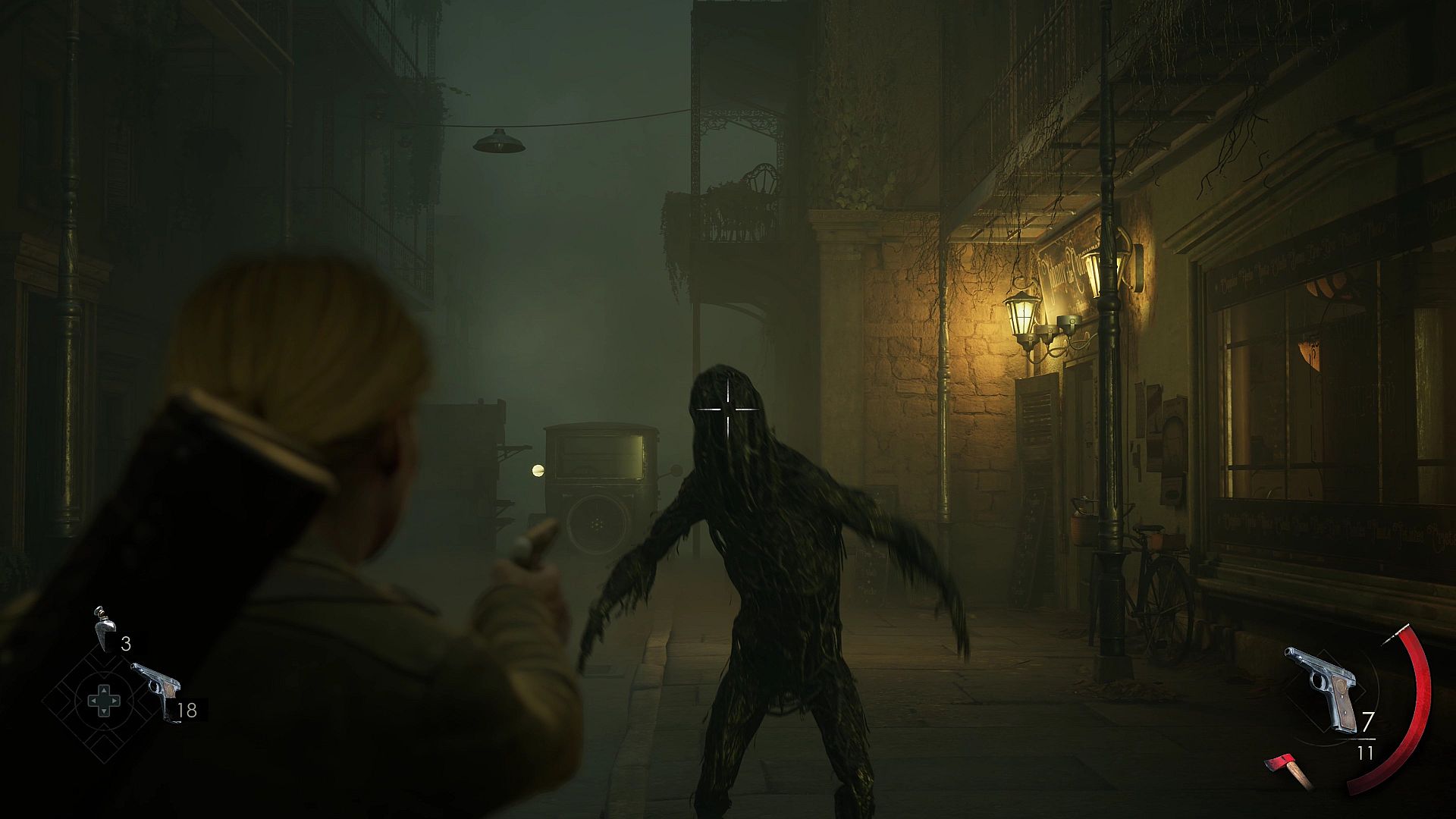
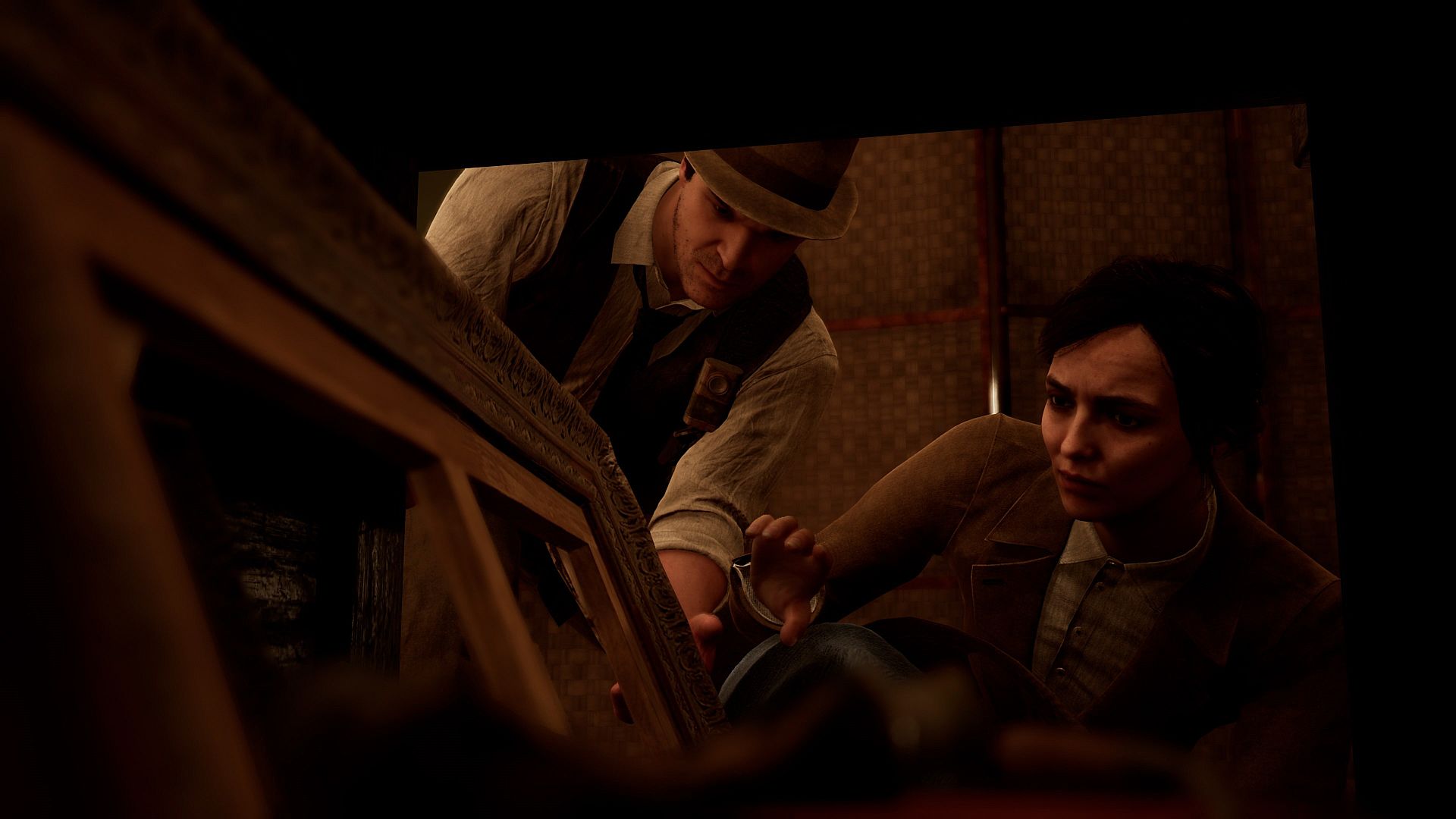
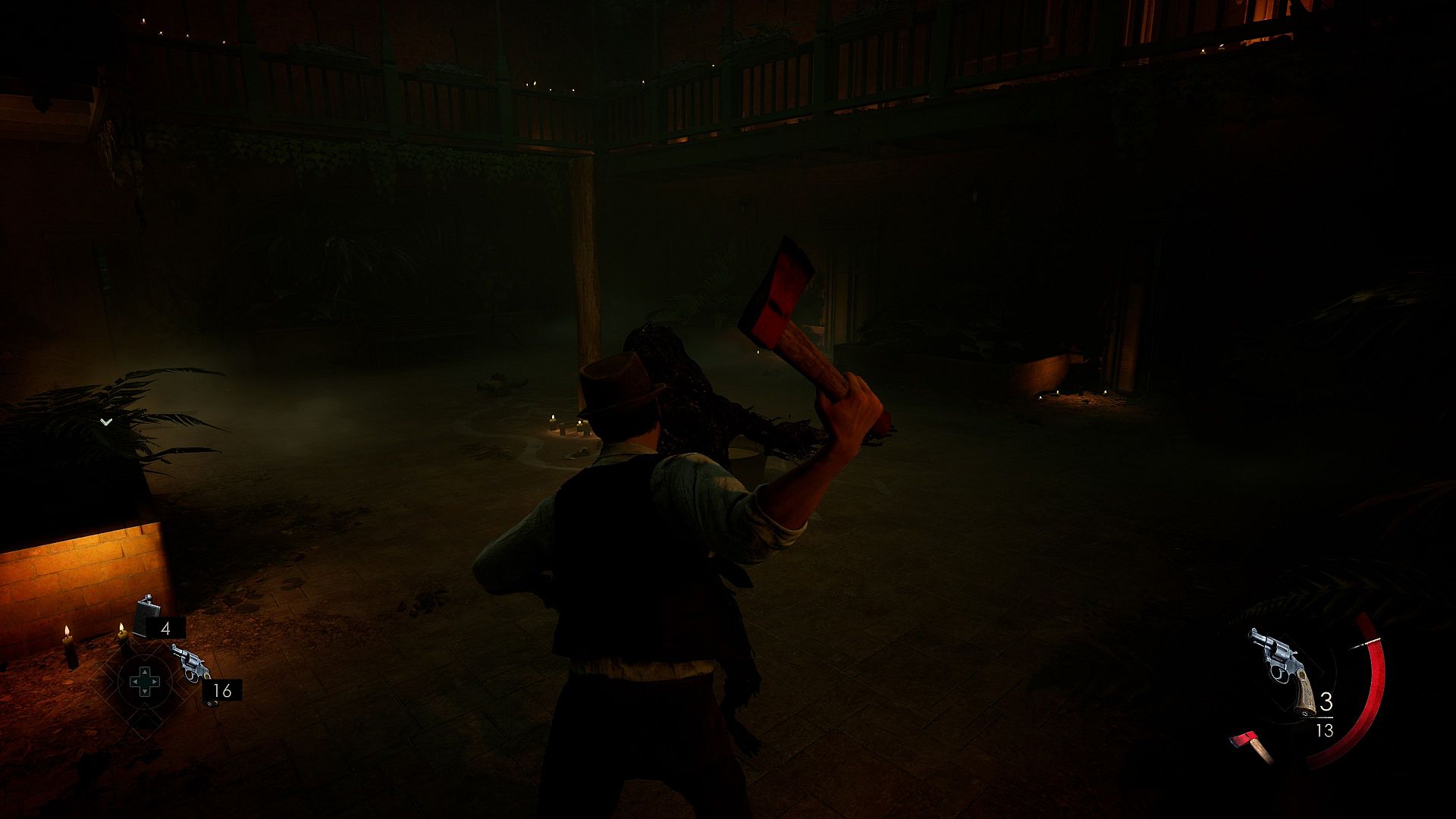
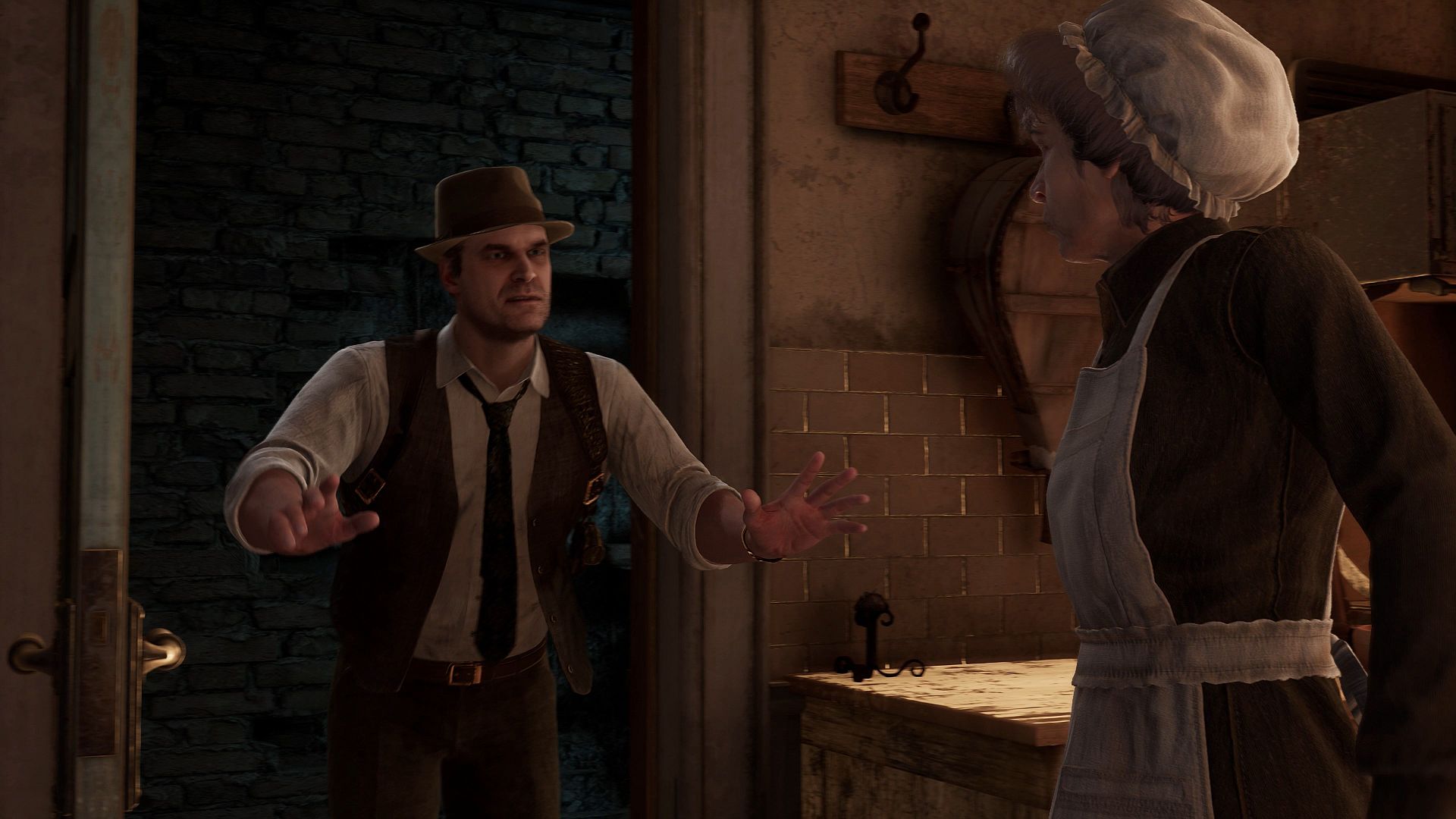
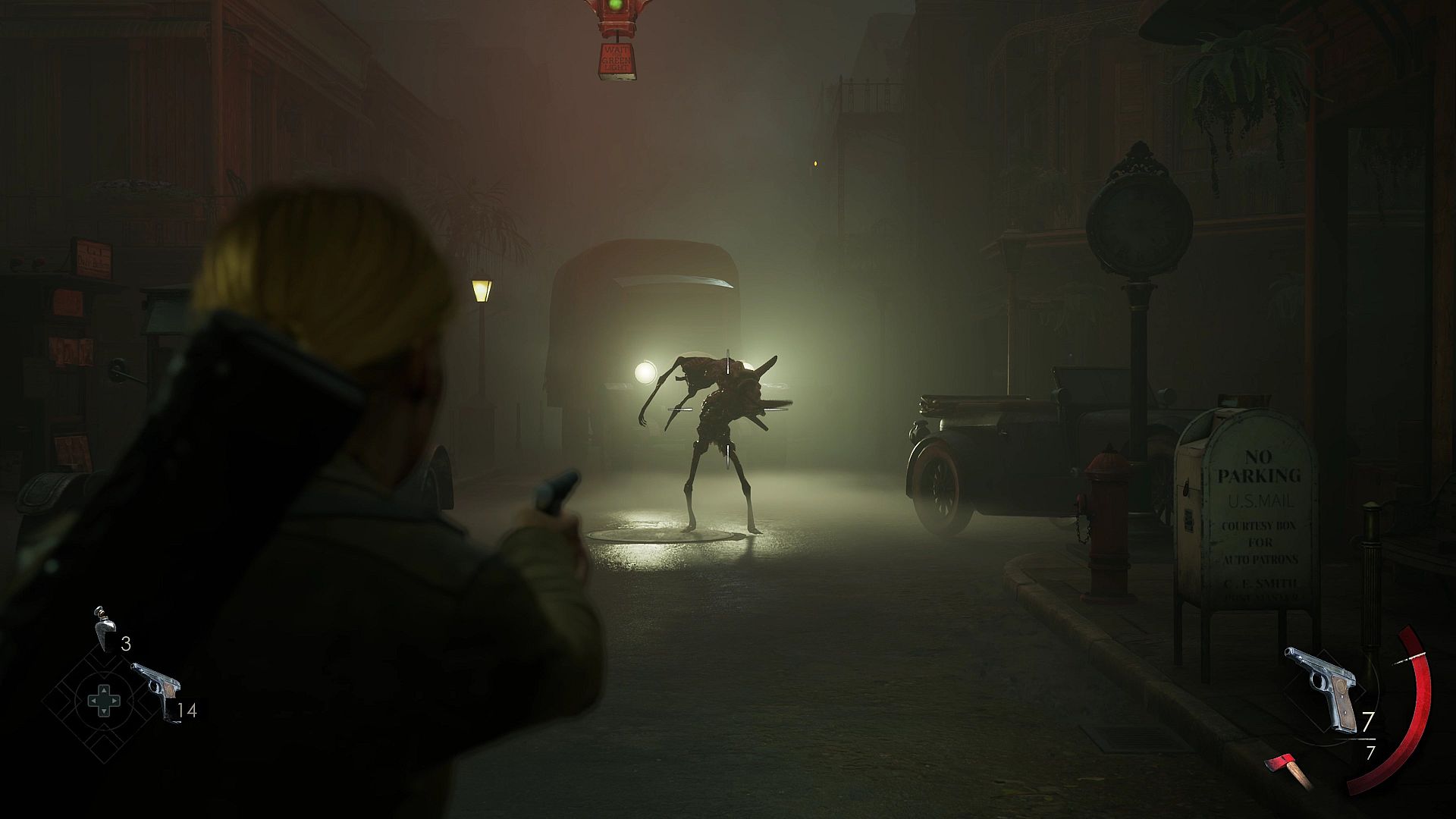
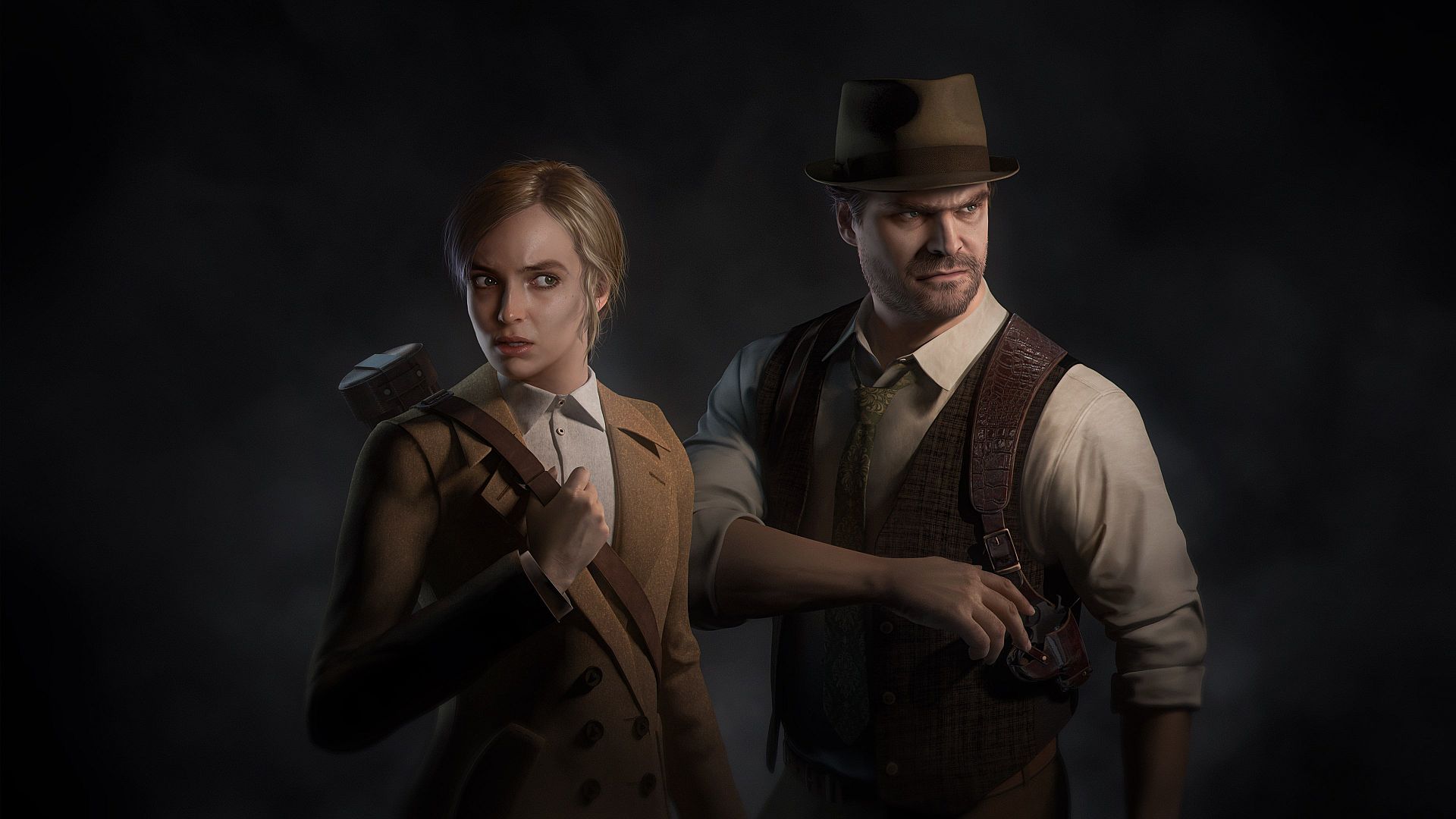
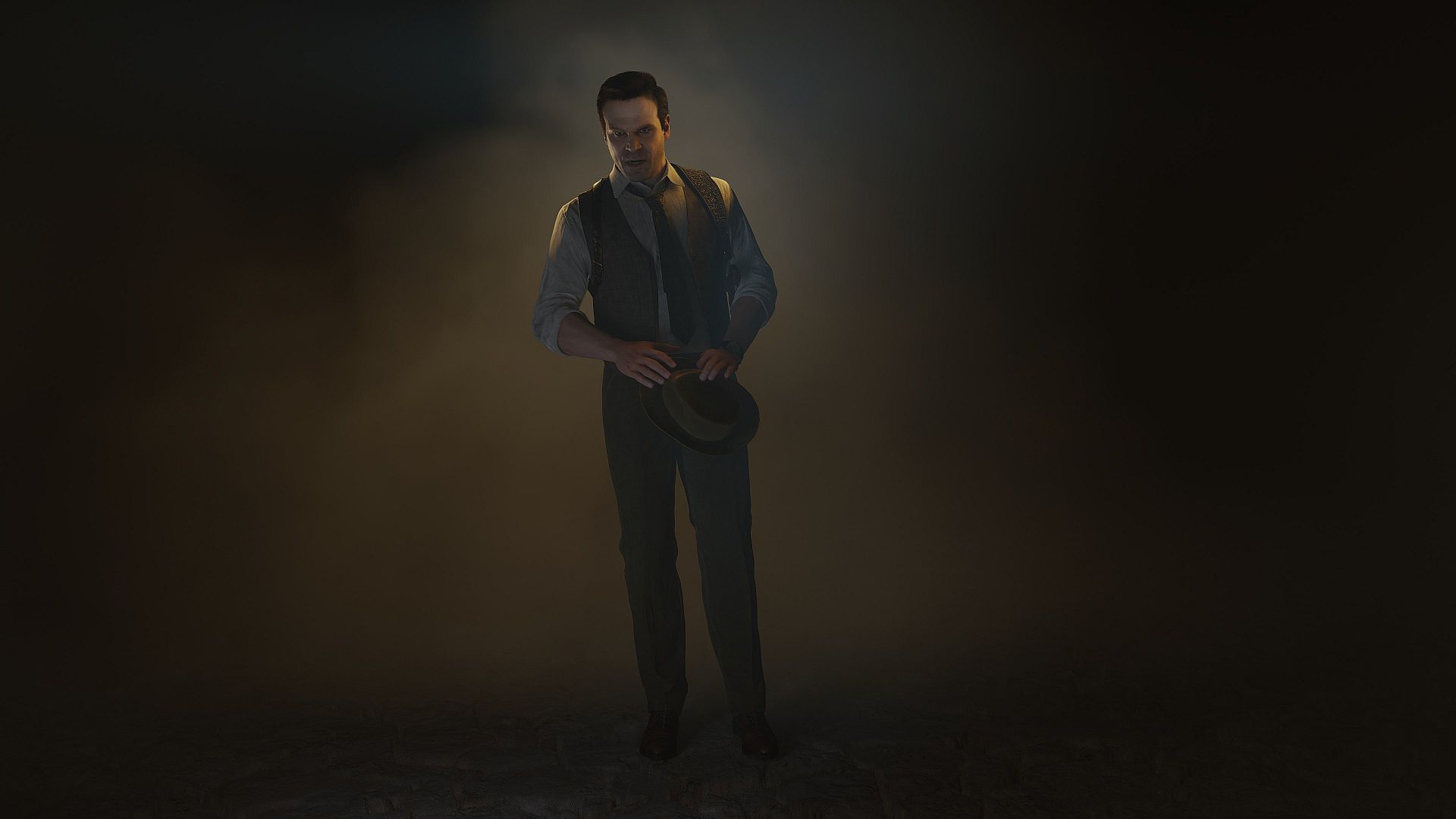
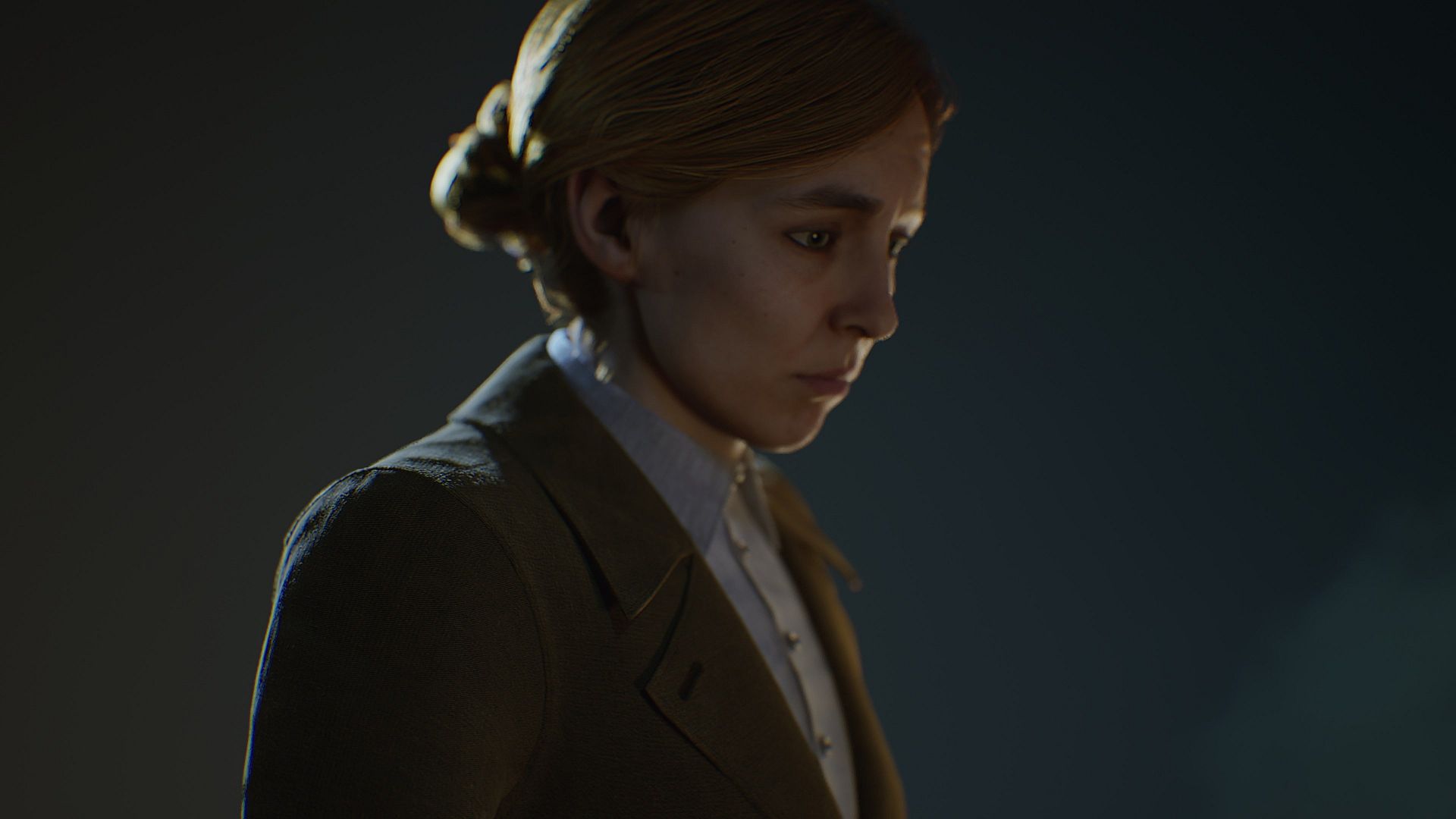
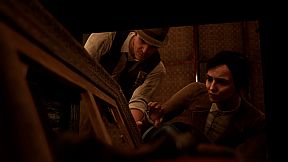
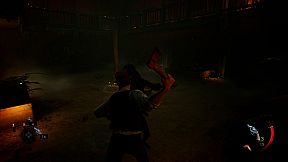
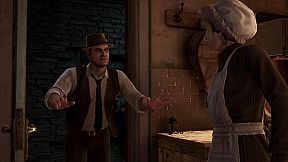
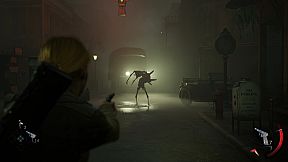
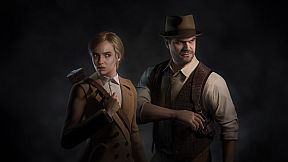
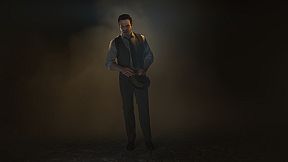
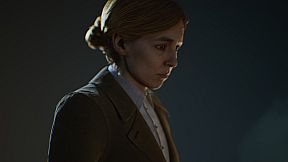
Alone in the Dark è un survival horror single-player che ripropone il classico del 1992 puntando su tensione psicologica, enigmi e scontri disperati all'interno di un decadente scenario Southern Gothic. Il giocatore assume i panni dell'investigatore privato Edward Carnby o della cliente Emily Hartwood, chiamati a svelare i misteri che circondano Derceto Manor nella Louisiana degli anni '30. L'esperienza privilegia l'esplorazione e la scoperta narrativa rispetto all'azione frenetica, relegando il combattimento a un'ultima risorsa da usare con cautela.
Gameplay
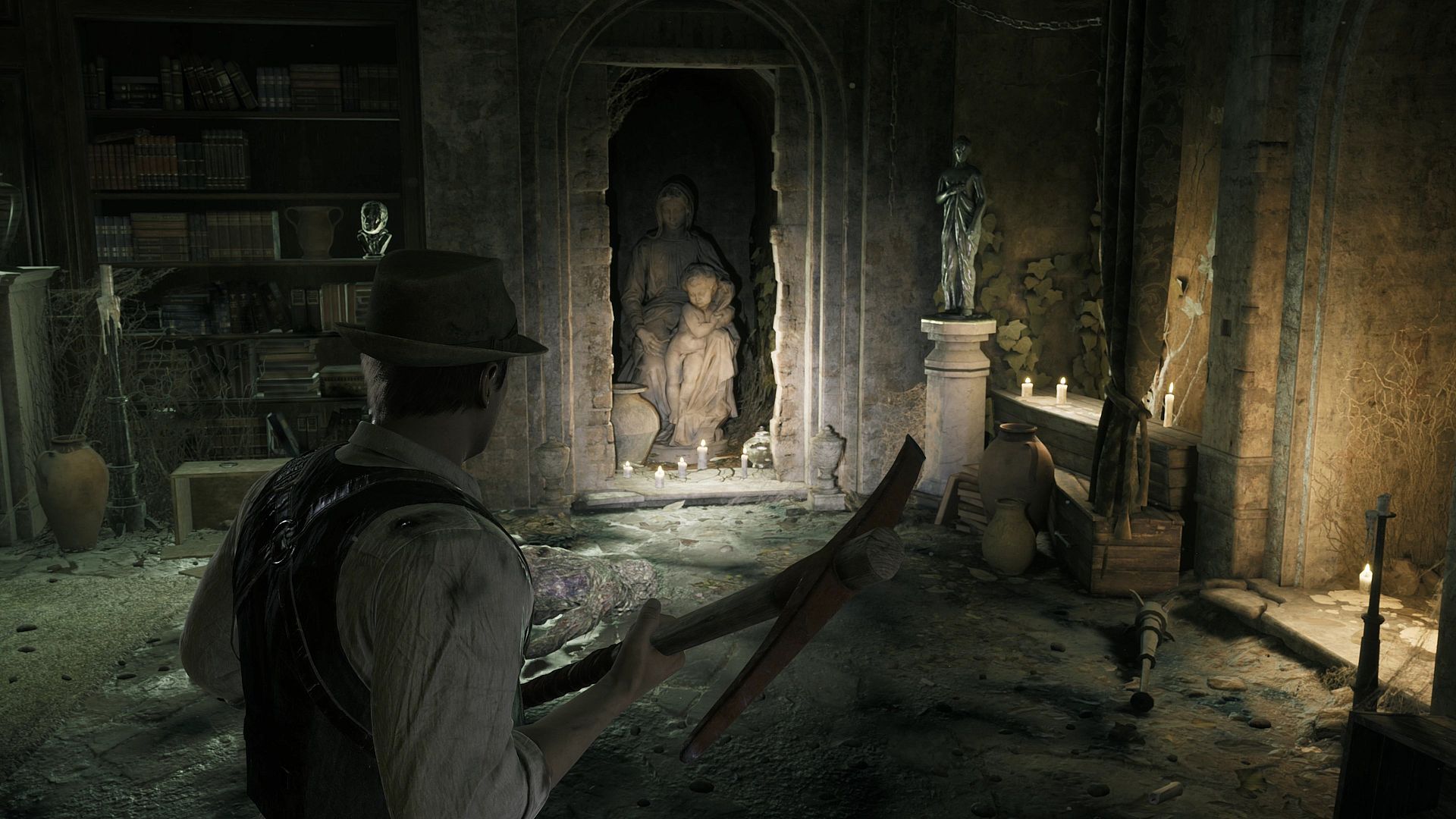
Il ciclo di gioco ruota attorno a un'indagine metodica all'interno e nei dintorni di Derceto Manor. Il giocatore cerca indizi, chiavi e documenti risolvendo puzzle ambientali come serrature a combinazione, oggetti da disporre in ordine e passaggi nascosti. La gestione delle risorse è fondamentale: munizioni e armi da mischia sono limitate e ogni incontro comporta un rischio concreto. Il combattimento prevede armi da fuoco, attacchi ravvicinati, oggetti da lanciare e, occasionalmente, l'uso di trappole ambientali contro creature grottesche. La visuale in terza persona over-the-shoulder consente un movimento libero attraverso la villa e le zone circostanti, rendendo l'esplorazione deliberata e ricca di atmosfera. Tre livelli di difficoltà (Easy, Standard e Hard) regolano l'aggressività dei nemici e la disponibilità di risorse, mentre le opzioni di guida permettono di personalizzare ulteriormente l'esperienza controllando il livello di assistenza per la navigazione e gli obiettivi.
Modalità di gioco
Il titolo offre una campagna single-player che può essere affrontata due volte per completare la storia. Scegliere Edward Carnby o Emily Hartwood sblocca scene, dialoghi, varianti di puzzle e una sequenza unica nel finale per ciascun personaggio. I due sistemi di guida rappresentano stili di gioco distinti: la modalità Modern fornisce mappe interattive, indicatori di obiettivo e suggerimenti più chiari, mentre la modalità Old School rimuove quasi ogni aiuto e richiede un'attenta lettura di appunti e dettagli ambientali. La difficoltà del combattimento rimane indipendente da queste scelte. Non sono presenti componenti multiplayer né altre modalità oltre a quelle single-player.
Story and Setting
Ambientato nella Louisiana tra le due guerre, il racconto fonde l'atmosfera Southern Gothic con elementi di cosmic horror. Derceto Manor funge da manicomio e prigione per un terribile segreto, spingendo i protagonisti a confrontarsi con traumi, fede e la natura stessa della realtà. Le interpretazioni di Jodie Comer e David Harbour, realizzate con motion capture e doppiaggio, danno corpo alla vicenda. I temi della fuga dal dolore passato e del confronto con forze antiche si sviluppano lungo le due campagne, e completare entrambi i percorsi offre un quadro più completo degli eventi. La scrittura si ispira alle tradizioni classiche dell'horror, rinnovando l'eredità del gioco originale con tecniche narrative moderne.
Technical Presentation
La presentazione visiva e sonora di nuova generazione sostiene il tono horror grazie ad ambienti dettagliati che si trasformano e rivelano nuove minacce. La villa stessa agisce come un puzzle vivente, con architettura e arredi che celano indizi e pericoli. Effetti sonori e illuminazione intensificano la tensione durante l'esplorazione e gli scontri. Il gioco è disponibile su Xbox Series X|S con modalità Performance e Quality per bilanciare fluidità e qualità grafica.
Vale la pena giocarci?
Le recensioni sono contrastanti: l'ambientazione, la progettazione degli enigmi e le interpretazioni dei protagonisti ricevono elogi, mentre il combattimento viene spesso criticato per risultare basilare e meno curato rispetto ad altri survival horror. La struttura a doppia campagna offre un buon valore di rigiocabilità per chi è interessato alla narrazione. Chi apprezza un'esplorazione ponderata, la raccolta di indizi e l'horror psicologico troverà l'esperienza gratificante, soprattutto con la guida Old School per un'immersione maggiore. Chi cerca un combattimento d'azione rifinito o aggiornamenti frequenti potrebbe restare deluso. Il gioco è stato lanciato come titolo single-player completo, senza stagioni né contenuti post-lancio, rendendolo un acquisto diretto per gli appassionati del genere che privilegiano storia e atmosfera.