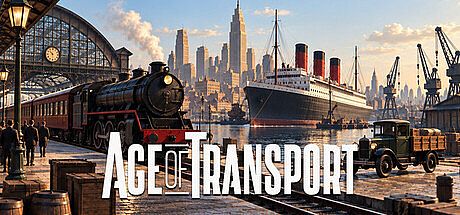


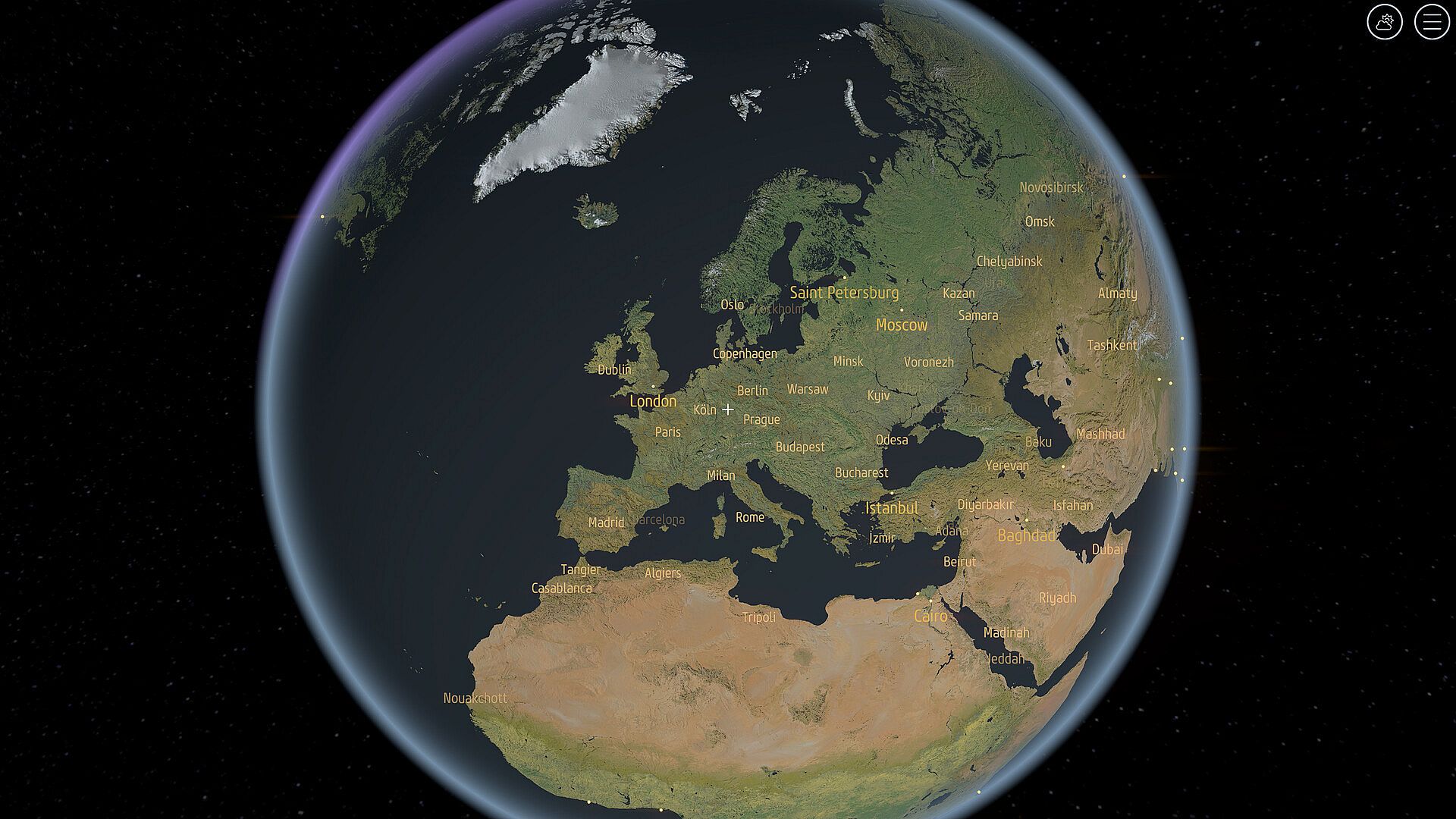
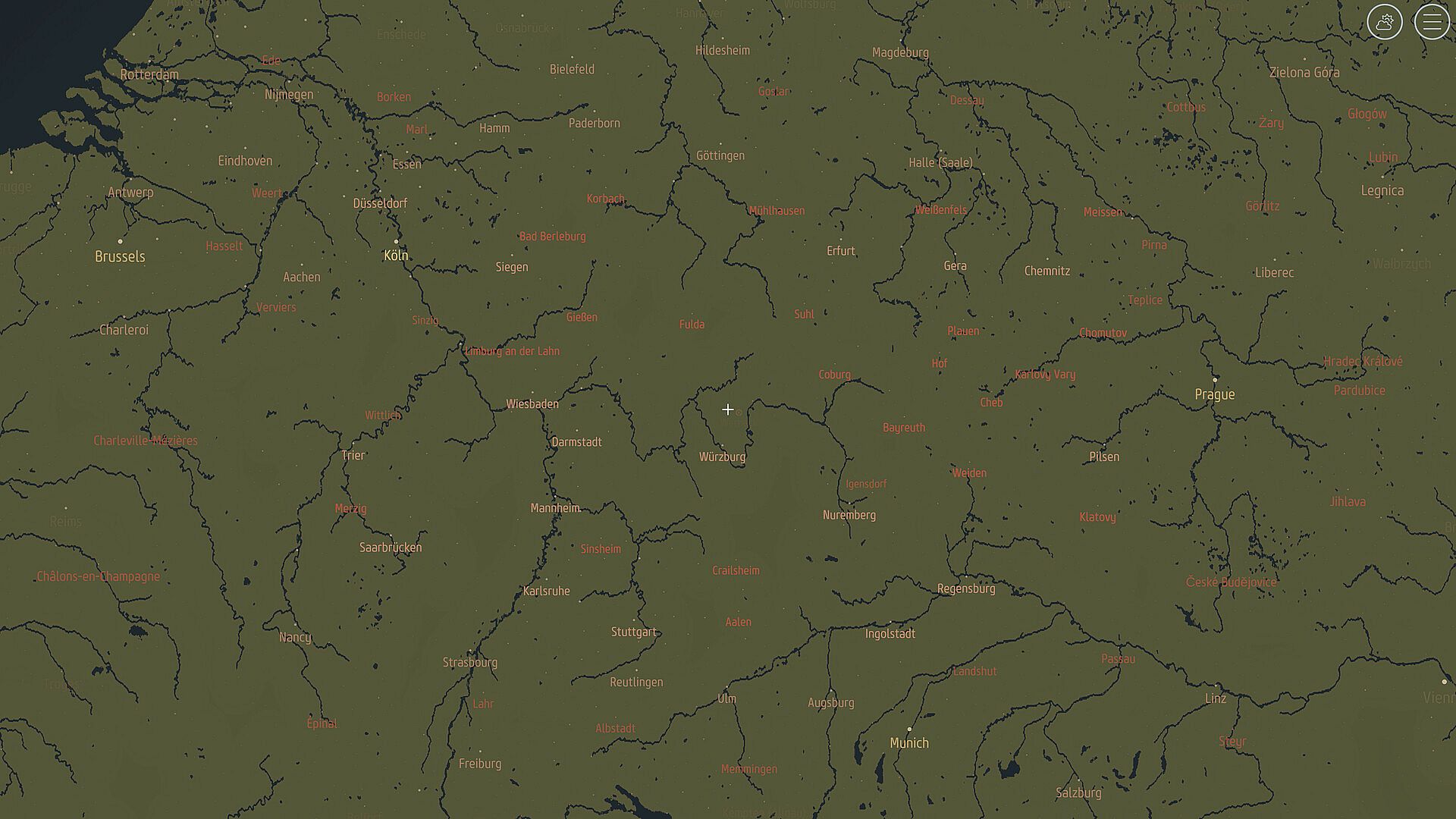
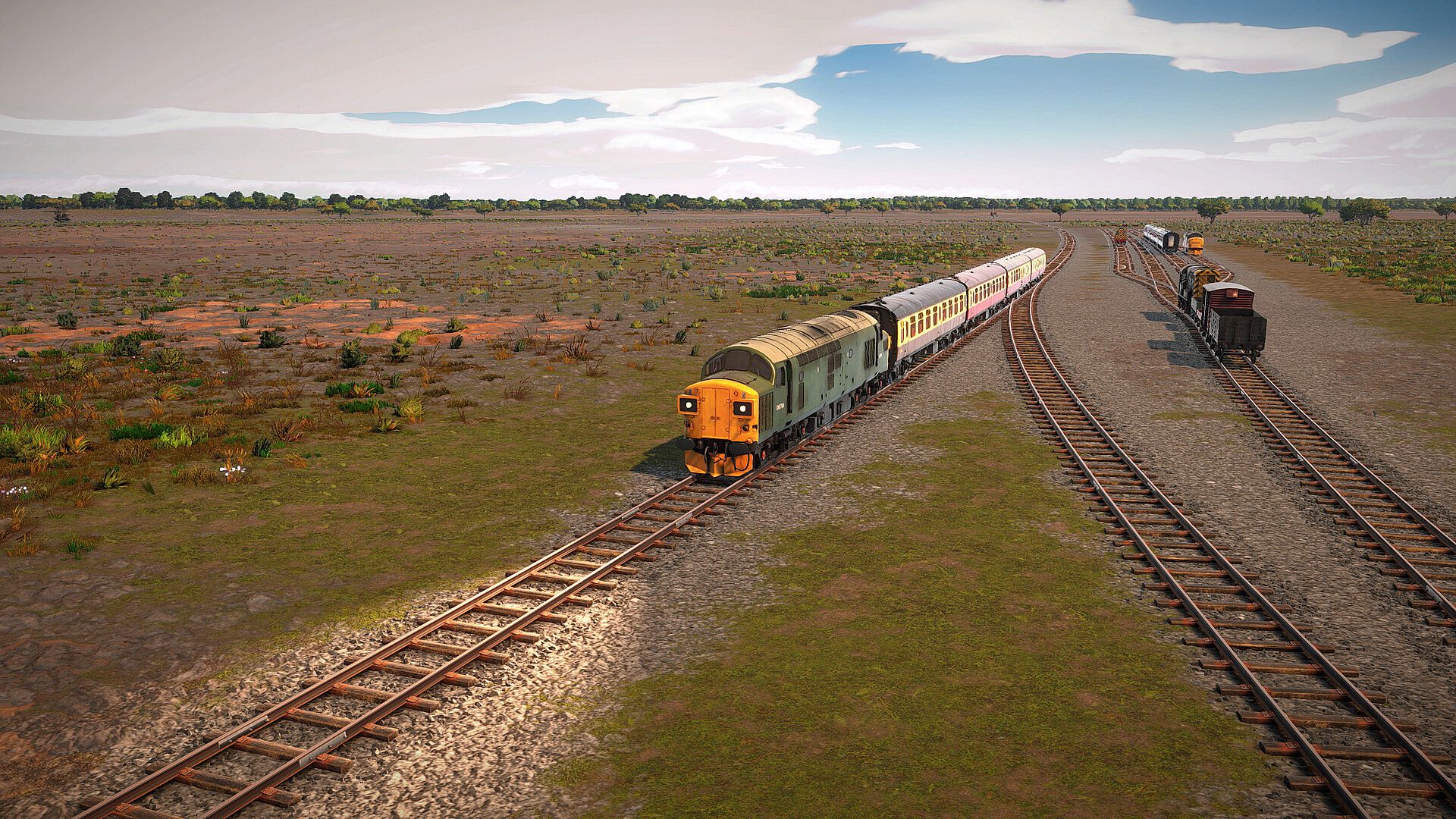
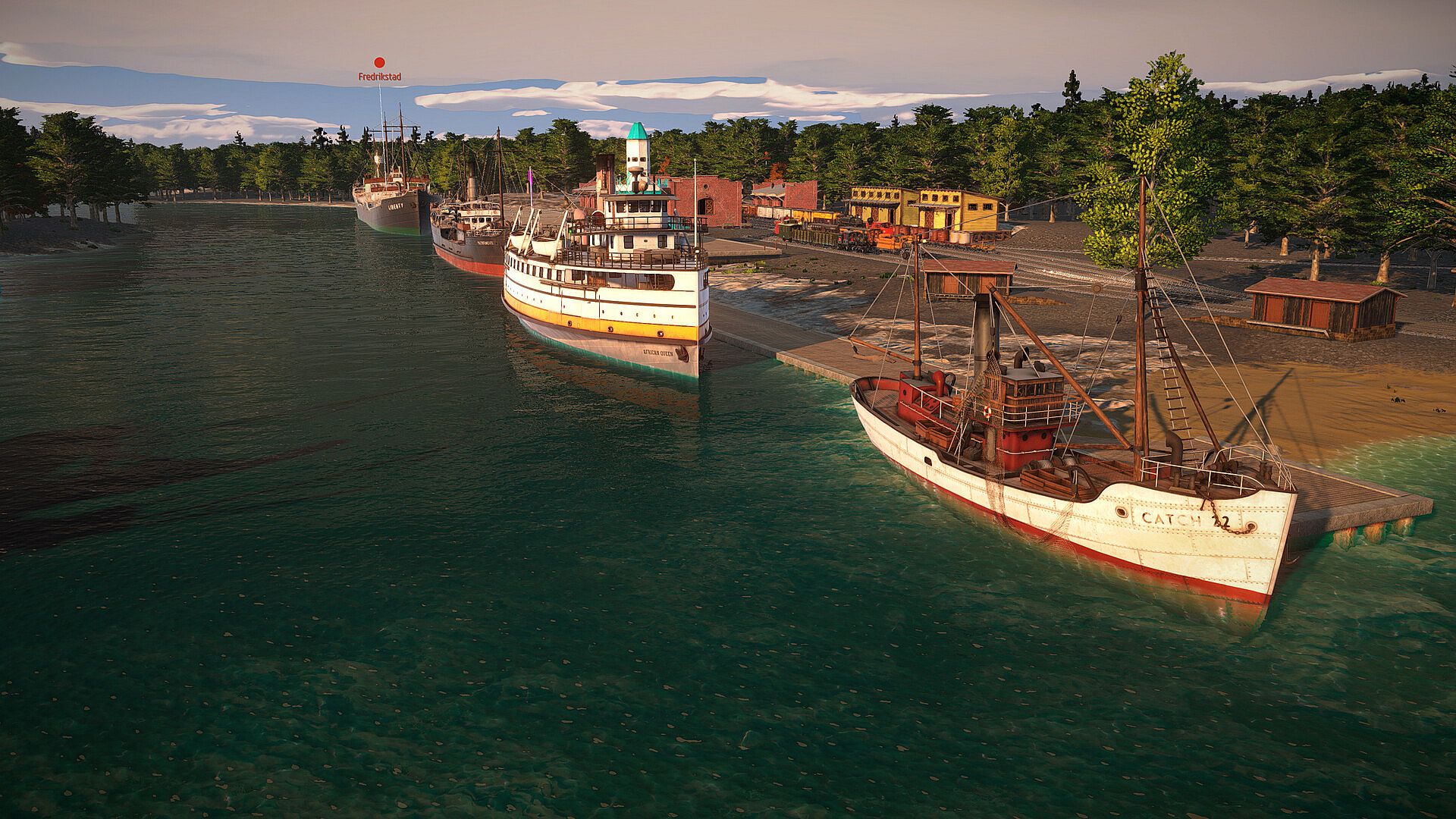
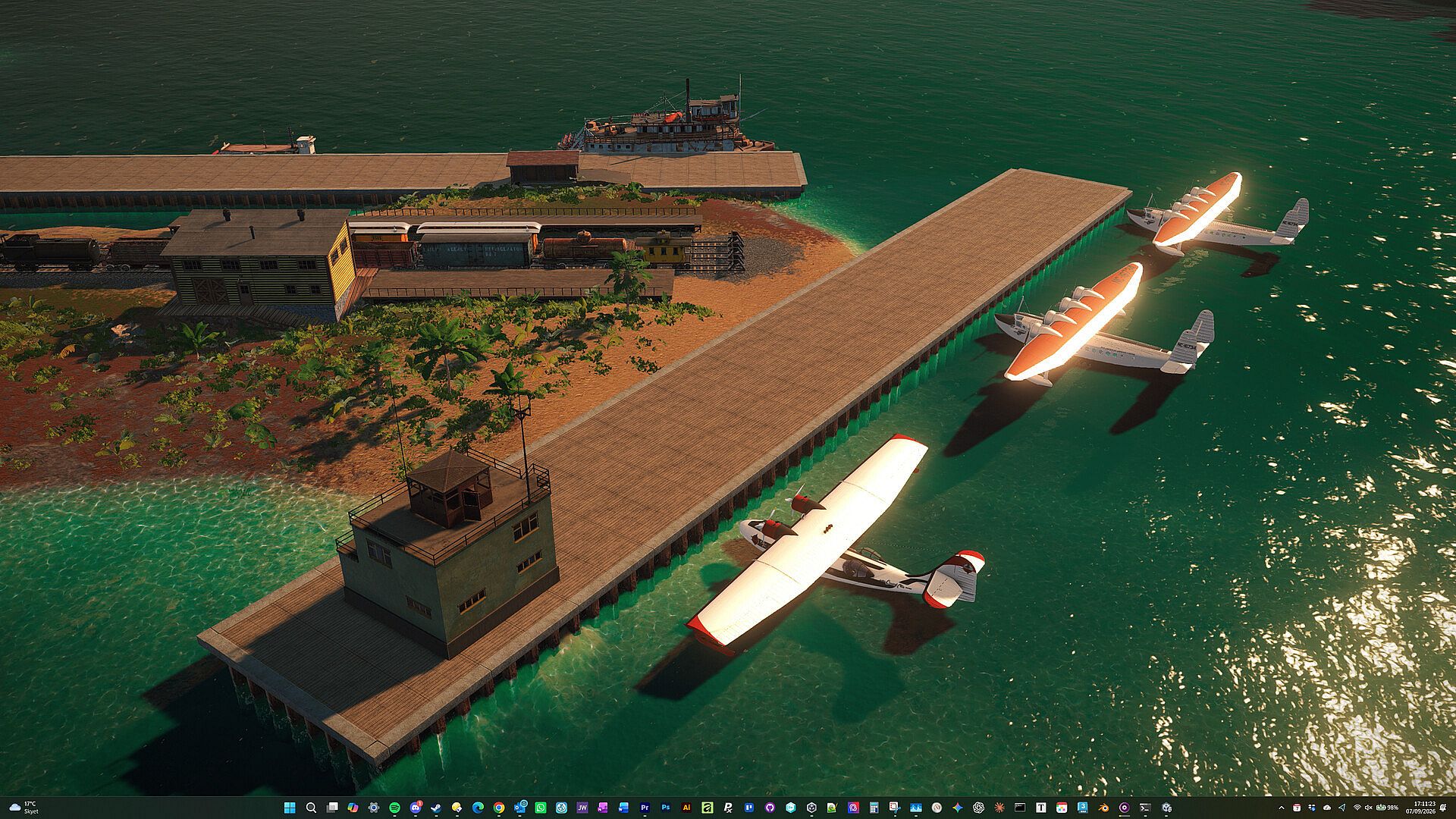
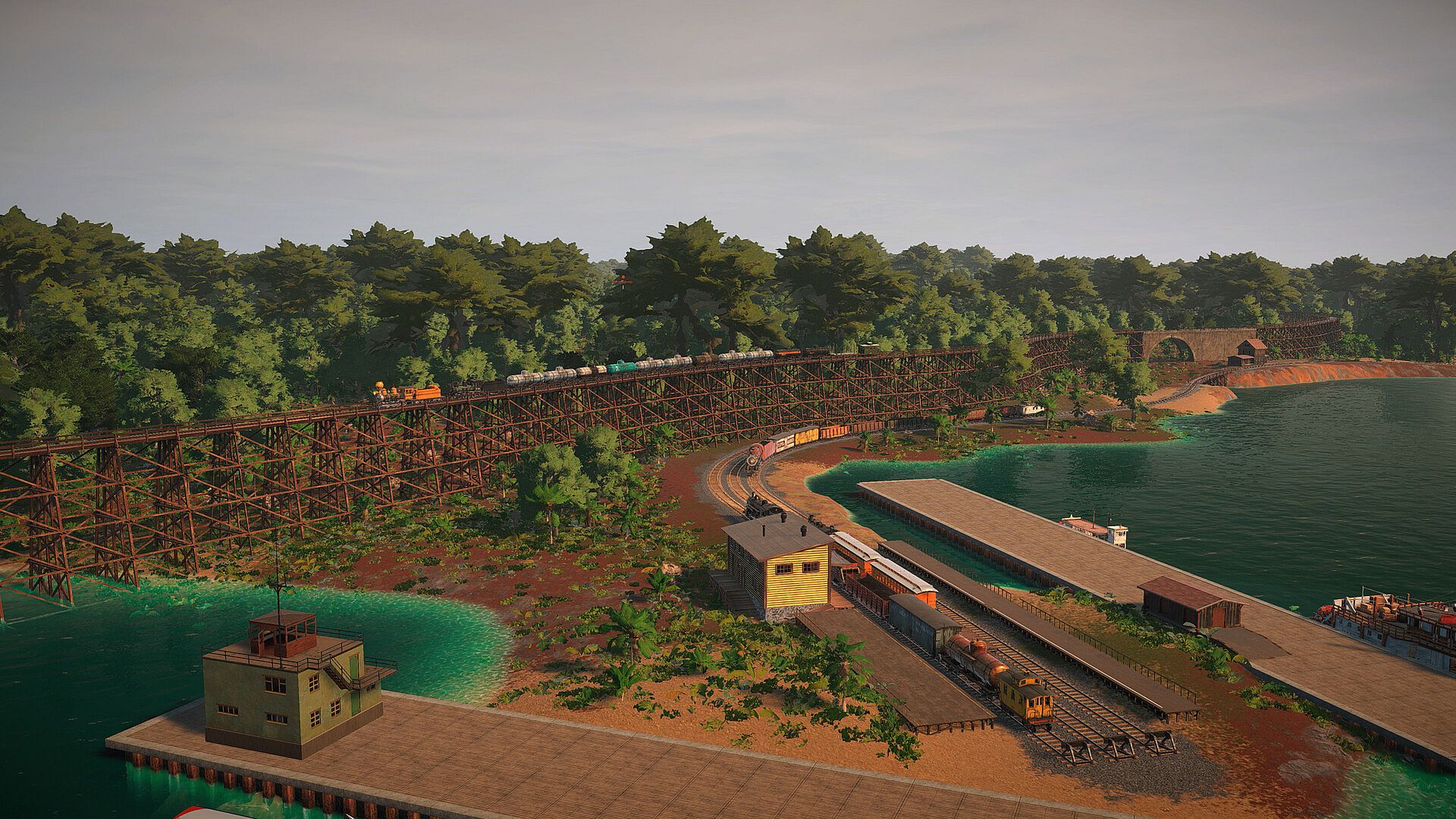
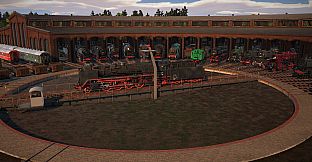
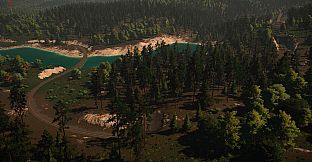
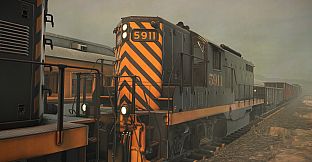
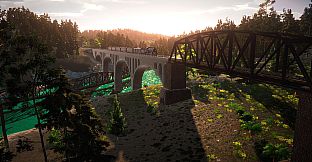

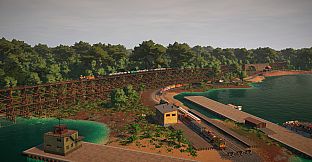
Age of Transport - Blue Marble is a simulation game focused on building and operating a global transport network across rail, sea, and air. Set on a 1:4 scale model of Earth with more than 70,000 real cities, the title emphasizes realistic logistics, production chains, and persistent world management rather than traditional tycoon profit mechanics.
Gameplay
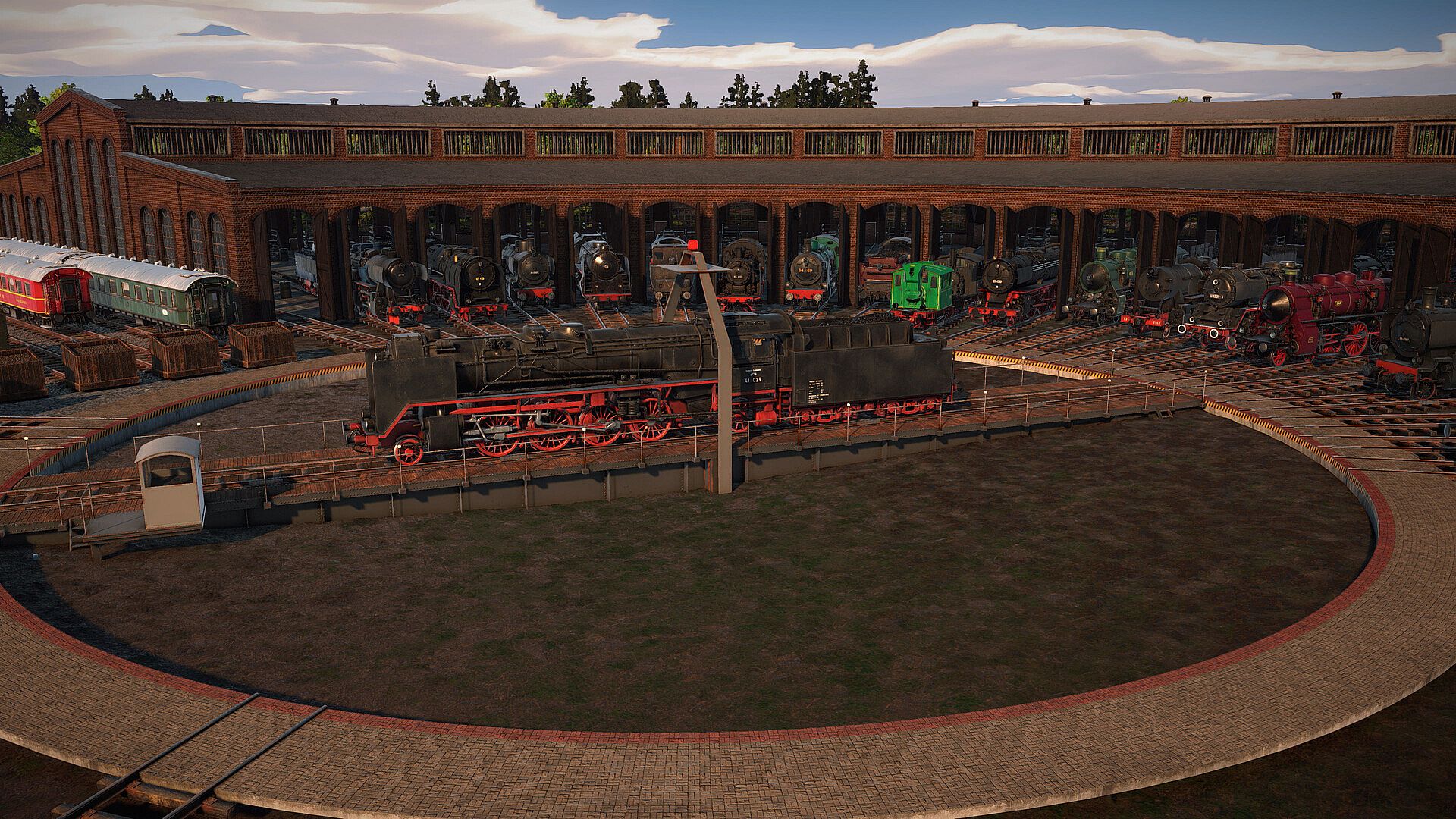
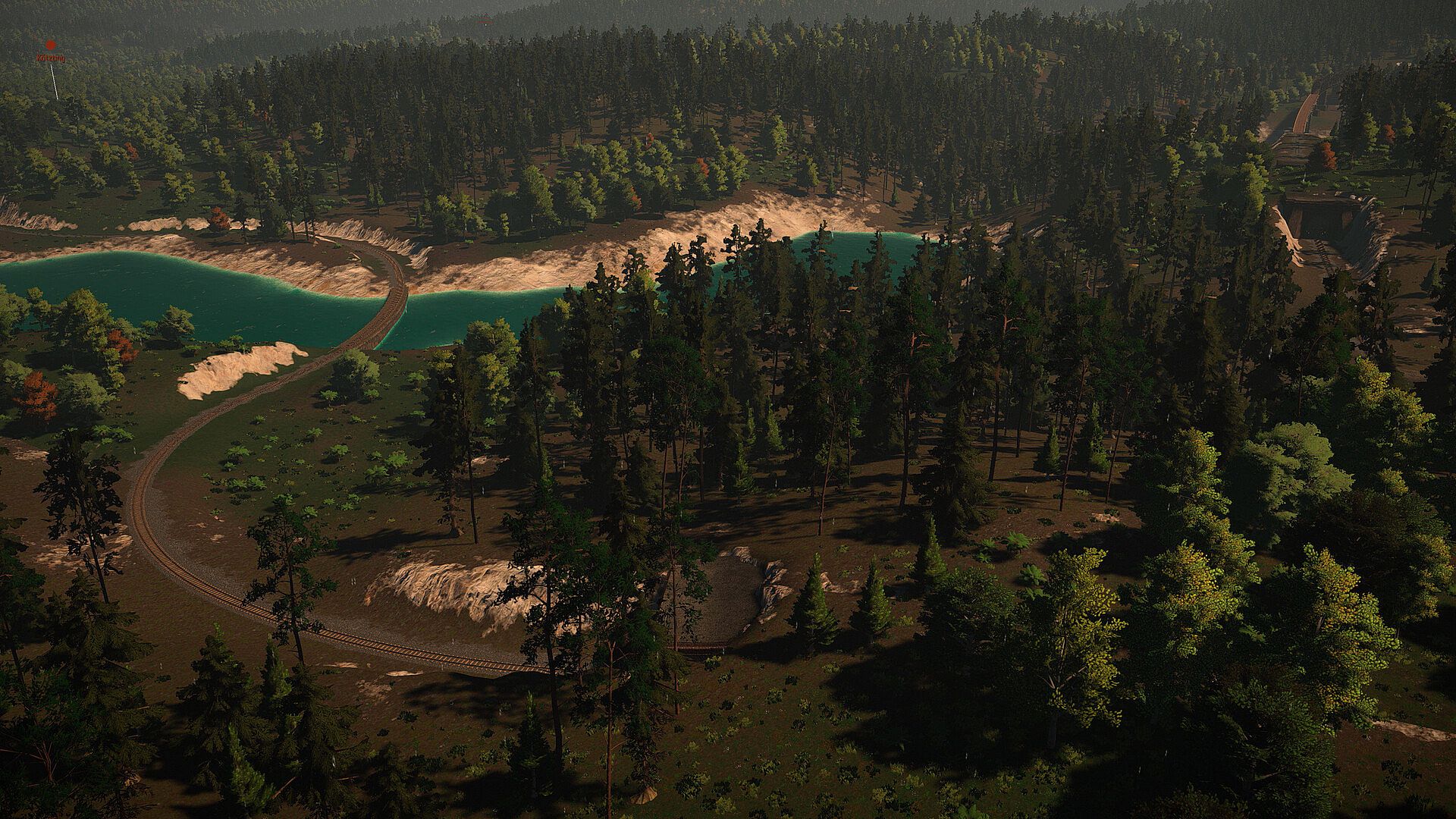
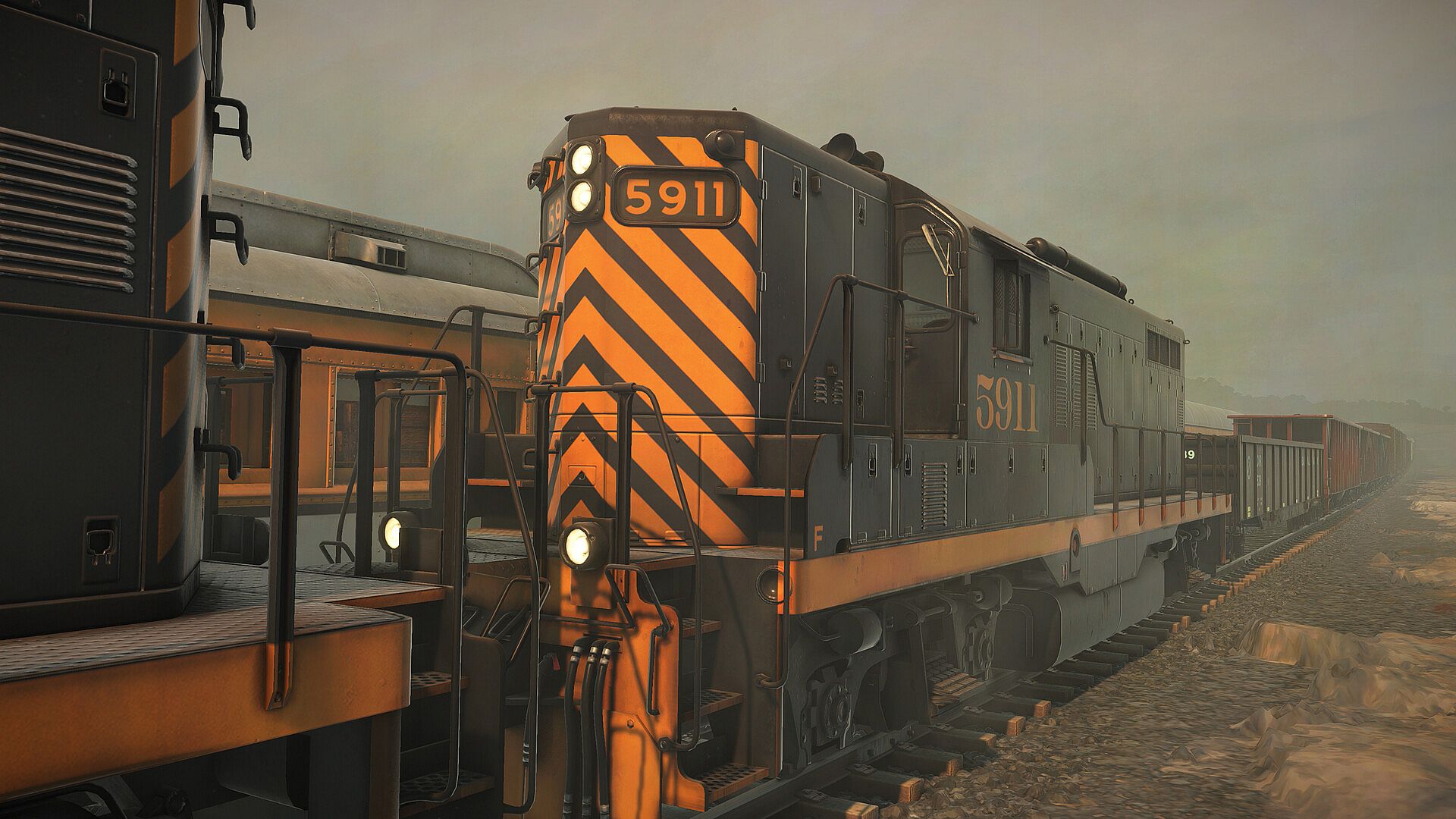
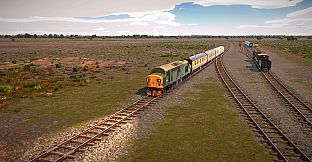
The core loop centers on constructing infrastructure and managing operations without currency as the driver. Players build mines, factories, power stations, and cities while laying track, operating yards, and coordinating multi-modal transport. Track construction involves four components-rail, sleepers, fastenings, and ballast-with line quality limited by the weakest element. Trains operate under dispatch rather than fixed routes, with yards handling hump sorting and consist building. Production chains reach nine steps deep, from raw ores to finished vehicles and goods, and every vehicle must be manufactured from hauled materials in active workshops.
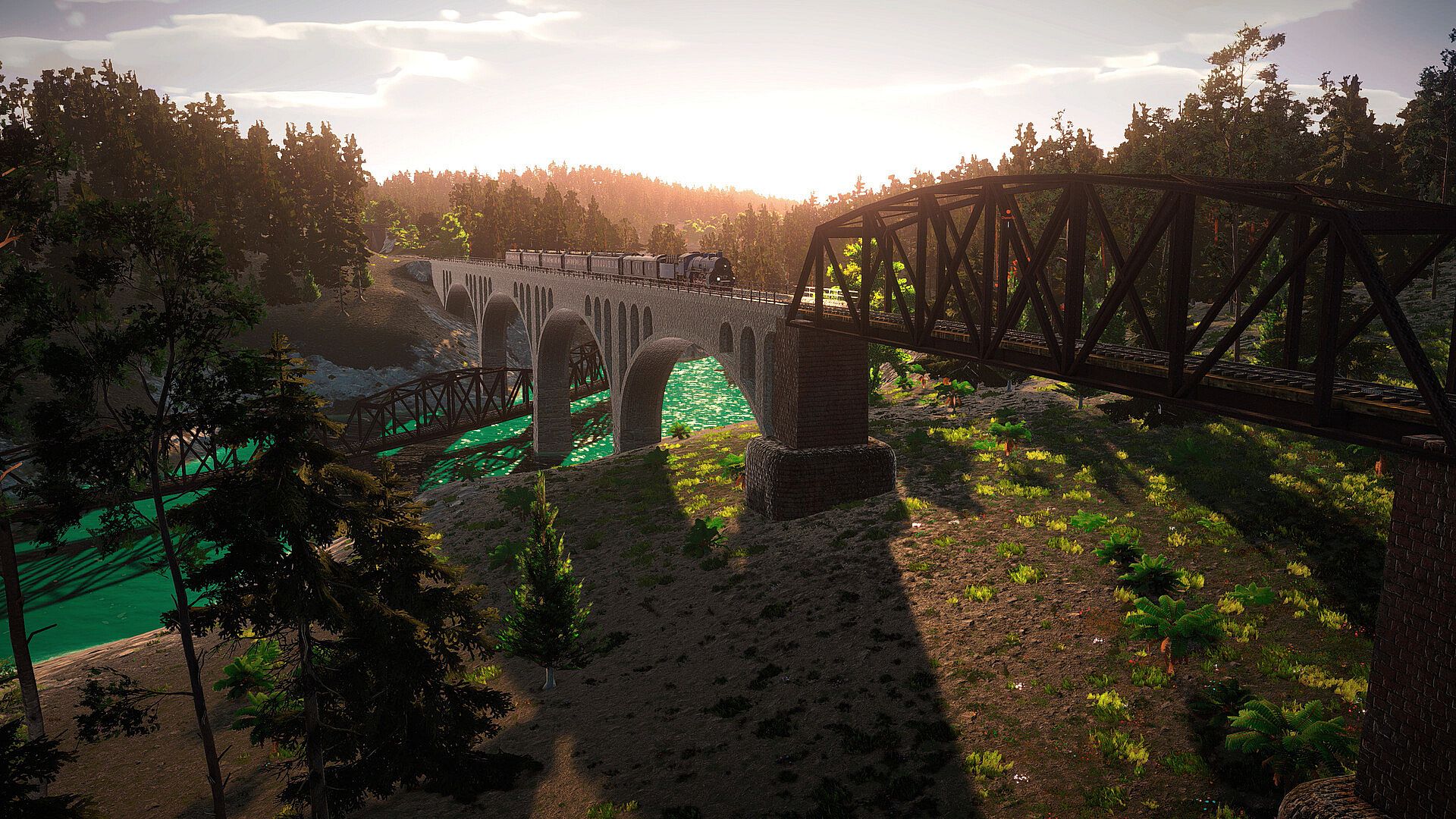
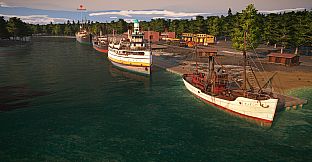
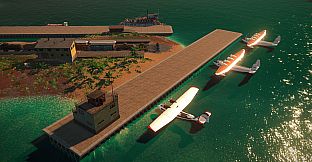
Physical constraints shape strategy across modes. Ships alone cross oceans, seaplanes serve areas without runways, and early aircraft cannot clear major mountain ranges until pressurization arrives in the late 1930s. Cities function as populations with tiered needs-food first, then comforts and medicine-and growth depends on consistent delivery. Educated cities unlock high-tech industry placement. Power grids and fuel infrastructure close the loop, as steam locomotives require water and coal, electrics need catenary, and aircraft demand apron fuel.
Twelve eras span the 1830s to the present. Decisions carry forward, turning early triumphs into later bottlenecks. Research unlocks capabilities that apply across the vehicle roster rather than individual entries. More than 2,500 rail vehicles appear alongside ships and aircraft, with the tech tree remaining compact at around 130 entries while the catalogue expands through combinations.
Game Modes
Single-player allows one persistent world and company, playable alone indefinitely with no wipes. Multiplayer supports up to 255 companies sharing one running world on dedicated servers, with hundreds of concurrent players possible. Other players act as customers and suppliers, creating interdependence once self-sufficiency ends. Visitors can spectate, found companies, or join as associates, with camera locking for real-time observation.
Charters provide direction in the open world. Undertakings cover large historical projects with deadlines, trials test network performance, surveys reach unexplored areas, routes enforce specific services, and developments grow regions. The largest charters gate era progression. Telegrams deliver timed world events drawn from history.
World and Progression
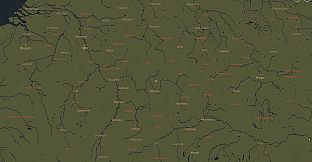
The map installs fully with the game and covers 35 million square kilometers of real terrain, including mountain passes and rivers. Industry placement follows real resource locations, such as cryolite in Greenland for aluminum or Chilean saltpetre for early dynamite. Cities come under player control through infrastructure and service quality, with five tiers where megacities demand more but deliver greater returns through vehicle sales and scrap.
Time advances continuously across eras without restarts. A single company inherits all prior choices, and the pace reflects real operations-a high-speed New York to San Francisco run takes hours of real time in the modern era. Spotter mode automates camera movement to favorite elements like steam locomotives, yards, or harbors based on player sliders.
Is It Worth Playing?
The simulation runs end to end in its current state, with all eras, economy systems, research, and the vehicle catalogue functional for single-player and basic multiplayer. Persistent worlds never wipe, and one purchase covers all future content with no microtransactions or DLC planned. This approach suits players seeking deep, long-term transport simulation where logistics and physical constraints matter more than financial spreadsheets. Those who enjoy managing complex networks, historical progression, and shared persistent environments will find substantial depth. The title remains in development ahead of Early Access, so expectations should align with an evolving experience shaped by community input on balance, charters, and server tools.