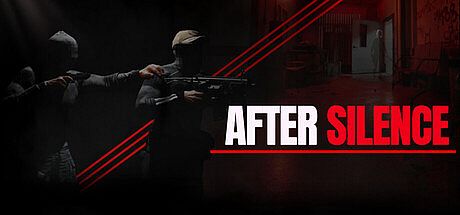












After Silence is a third-person survival horror hybrid that combines tactical combat with a focused narrative experience. Set in a decaying dystopian city under the control of the corrupt Black Protocol, the game follows a mother's desperate struggle to protect her son amid the ruins of Evergreen and the secrets of Compound Z. Built in Unreal Engine 5, it emphasizes realistic weapon handling, physical interactions with the environment, and the personal stakes of every decision in a world stripped of mercy.
Gameplay
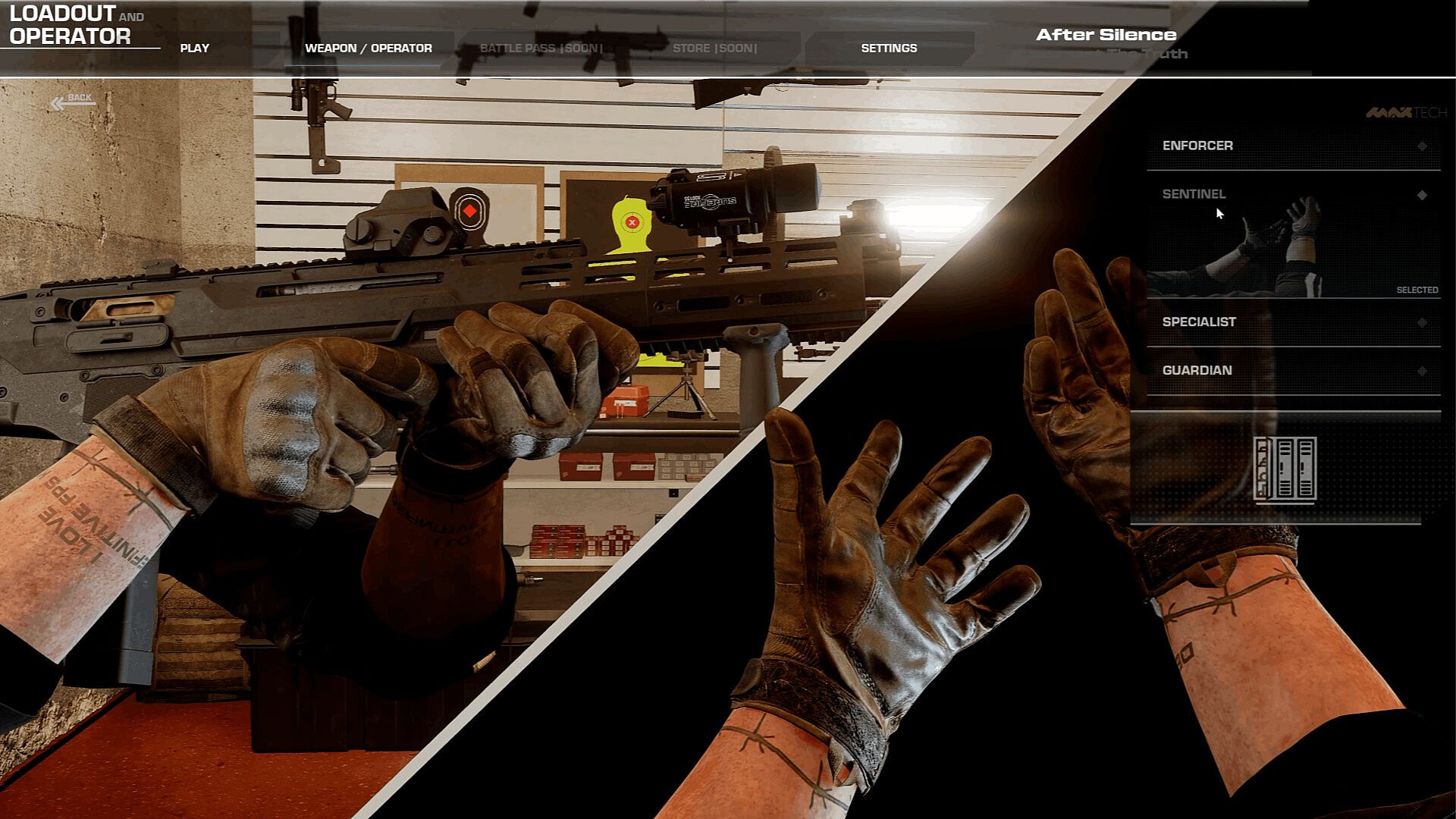
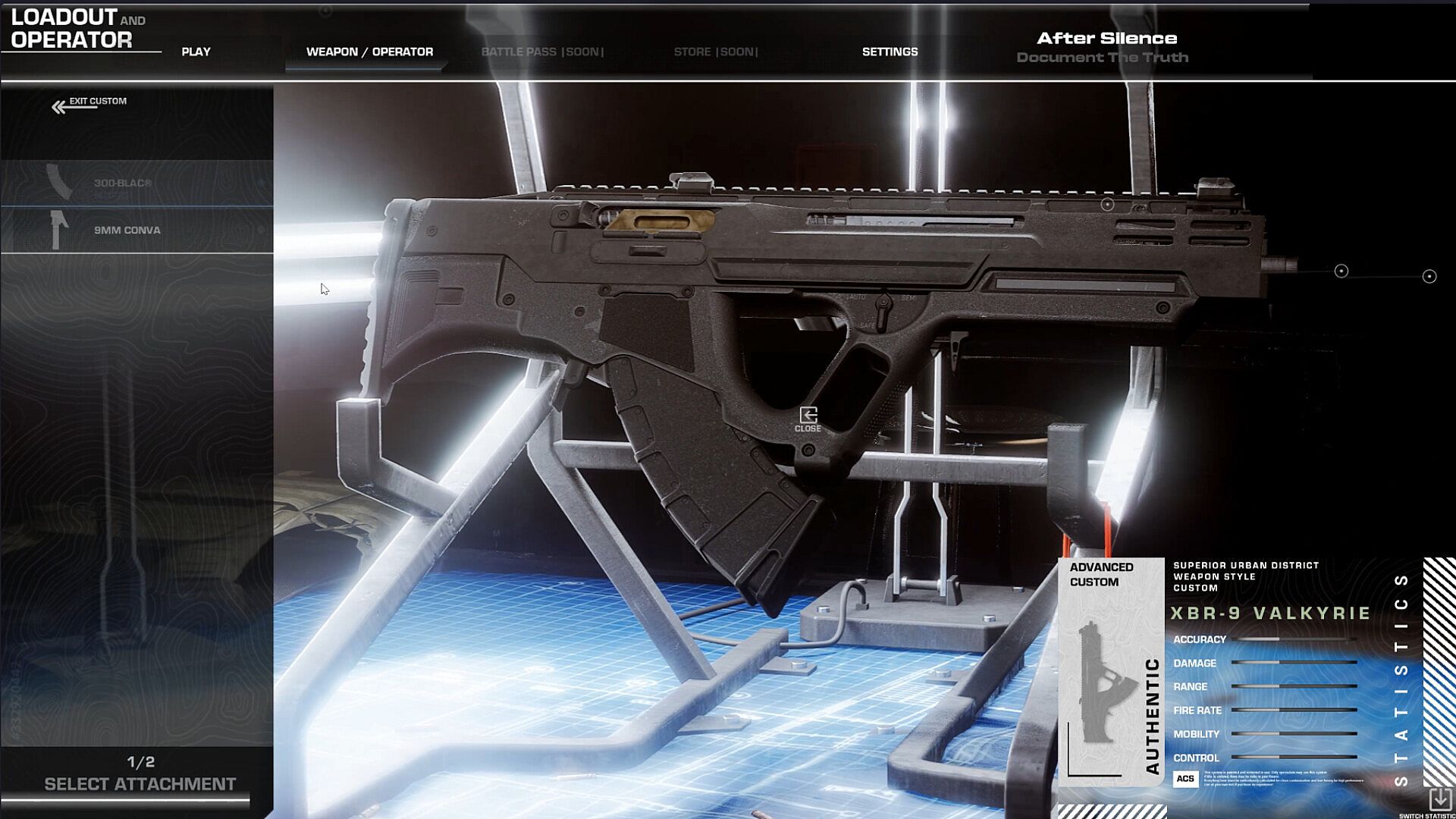
The core loop centers on survival through precise, high-stakes engagements. Players navigate multi-level industrial and subterranean spaces using physics-based movement that includes vaulting, sliding, and climbing. These mechanics turn traversal into a deliberate part of combat, where positioning and momentum directly influence outcomes. Weapon customization runs deep through a gunsmithing system that lets players alter barrels, optics, grips, and ammunition to change recoil patterns, handling, and damage output. High-impact recoil and realistic ballistics make every shot count, with a lethal time-to-kill that rewards careful aim and loadout choices over spray-and-pray tactics.
Object interactions add another layer of realism, allowing players to manipulate the environment during fights or exploration. The experience blends third-person perspective with bodycam-style tension, keeping the focus on grounded, unforgiving combat rather than arcade-style action. Operator selection provides variety, as different operatives offer unique traits and starting loadouts that shape tactical approaches. The narrative threads through these systems, making each firefight feel tied to the larger story of resistance against Black Protocol forces.
Game Modes
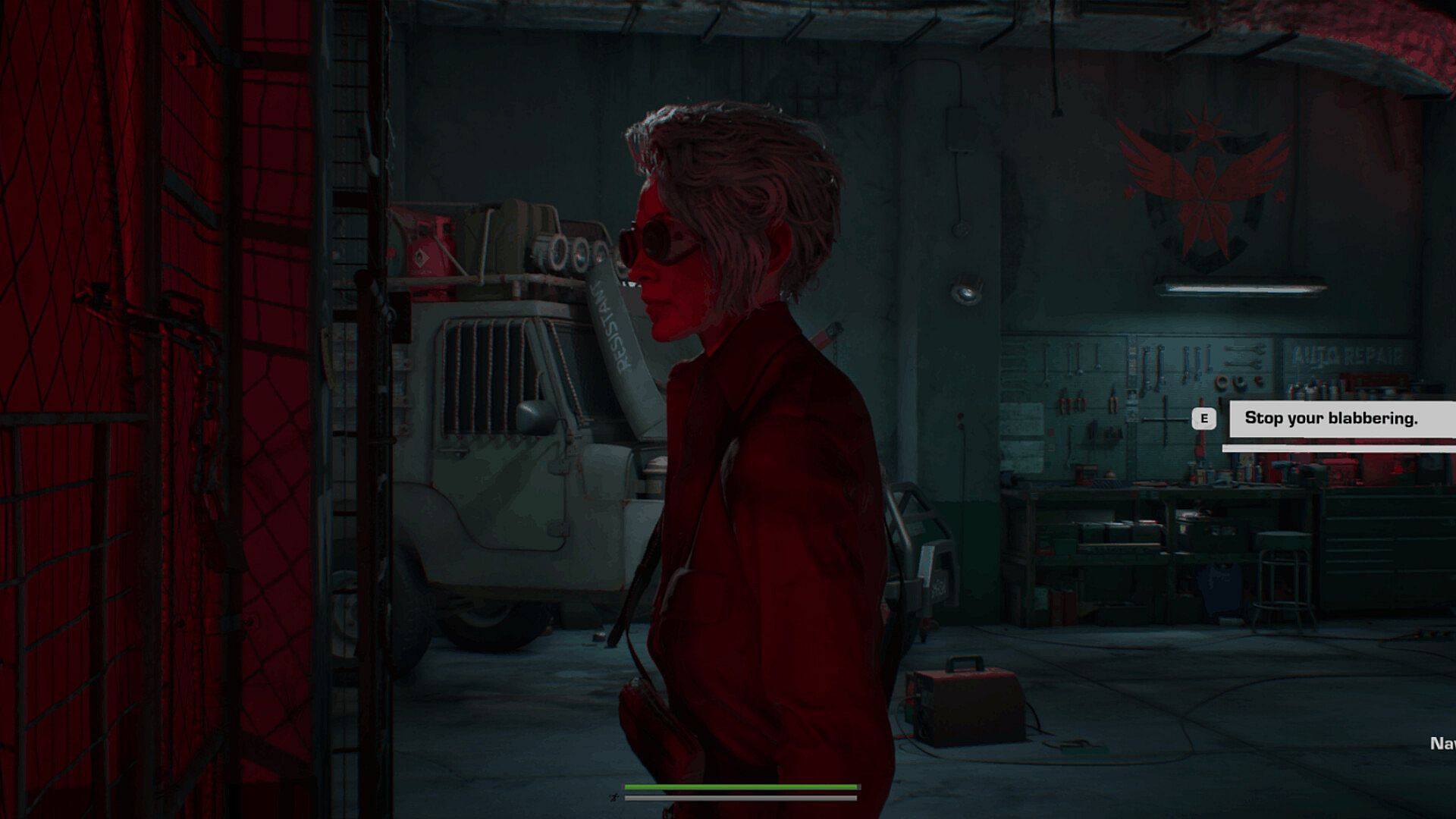
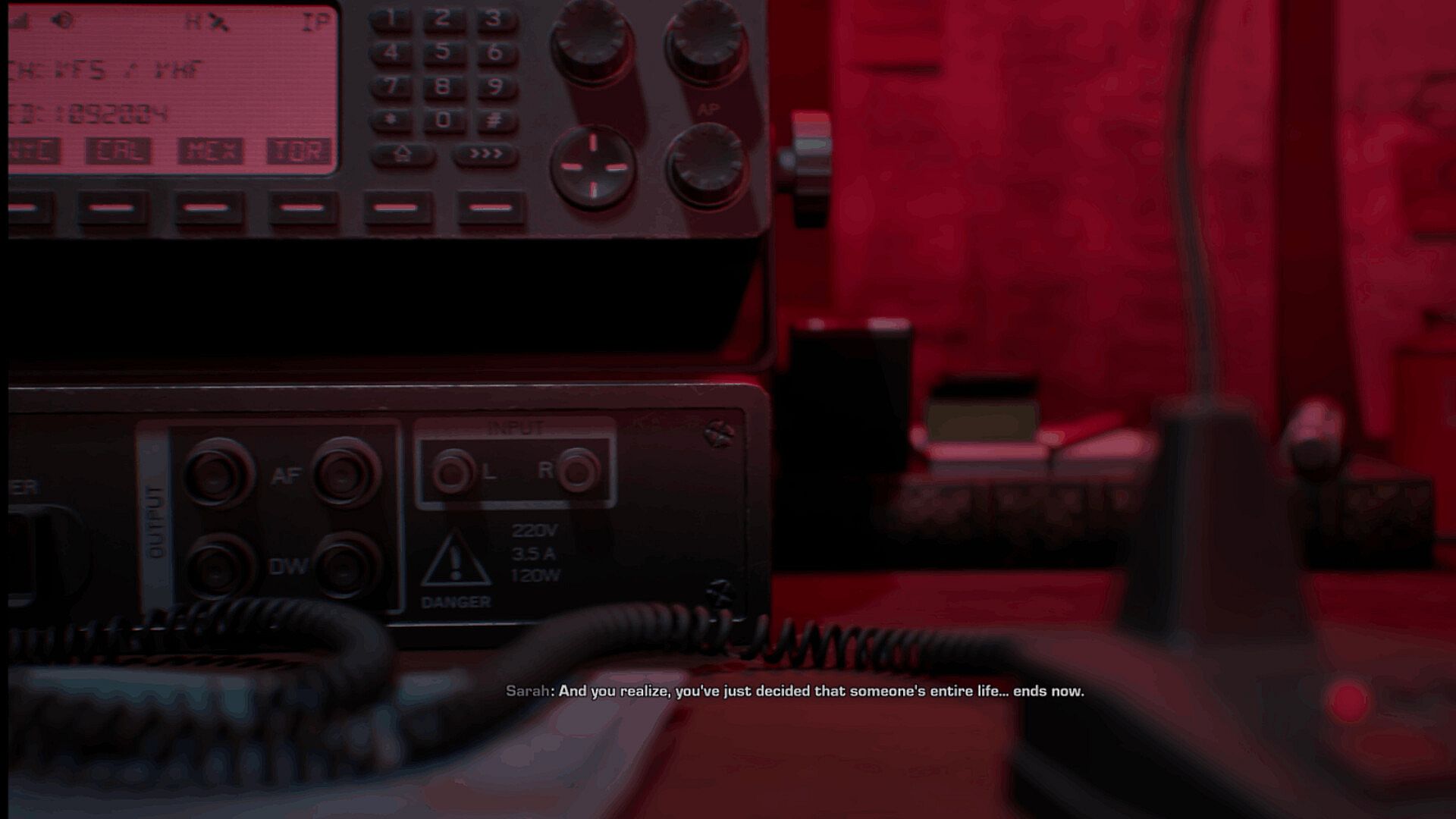
Two primary modes define the available experiences at launch. Story Mode delivers the opening chapters of the campaign in a cinematic, narrative-driven format that establishes the world and Sarah's personal fight. Players progress through key sequences while engaging with the combat systems in context.
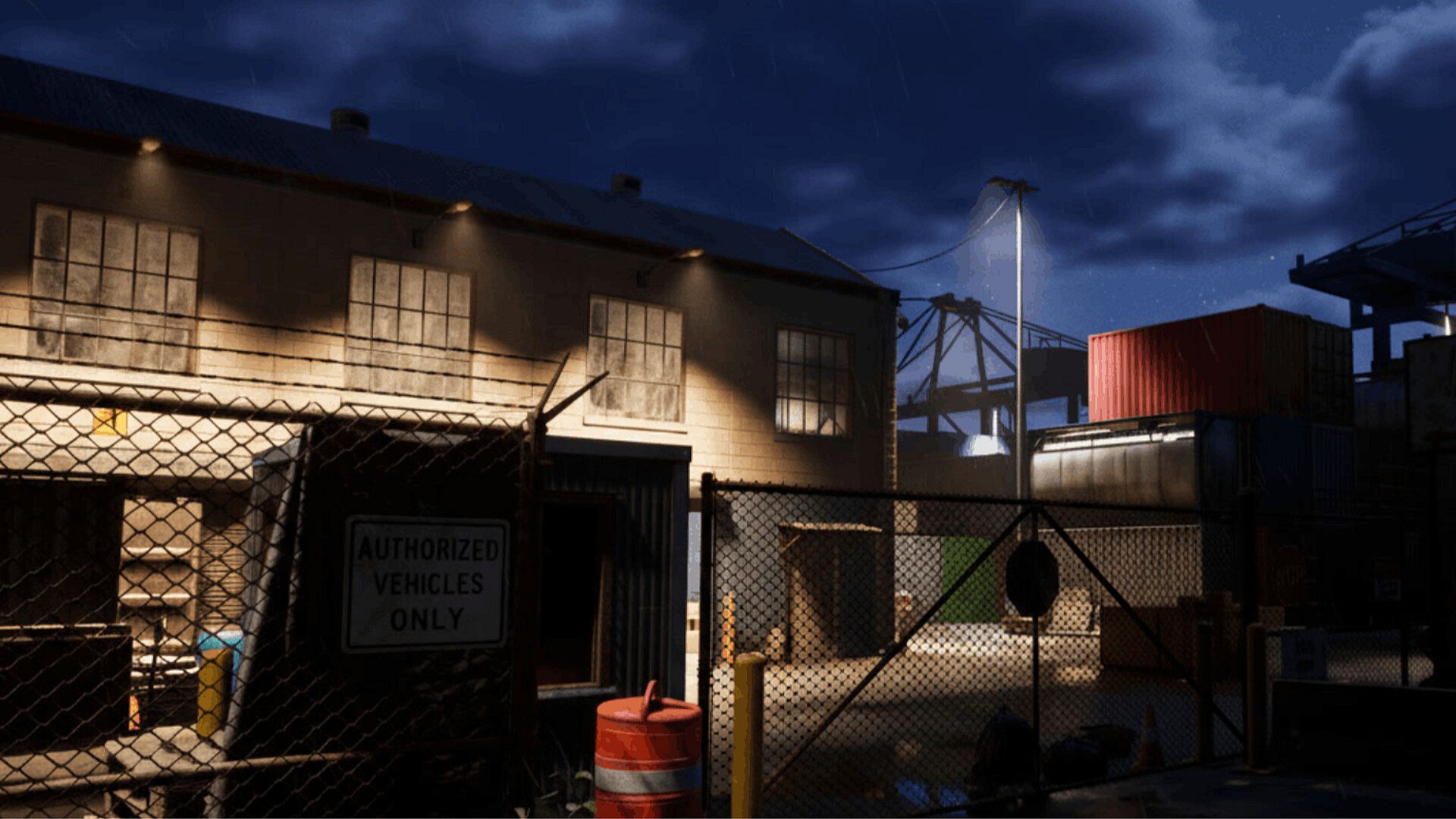
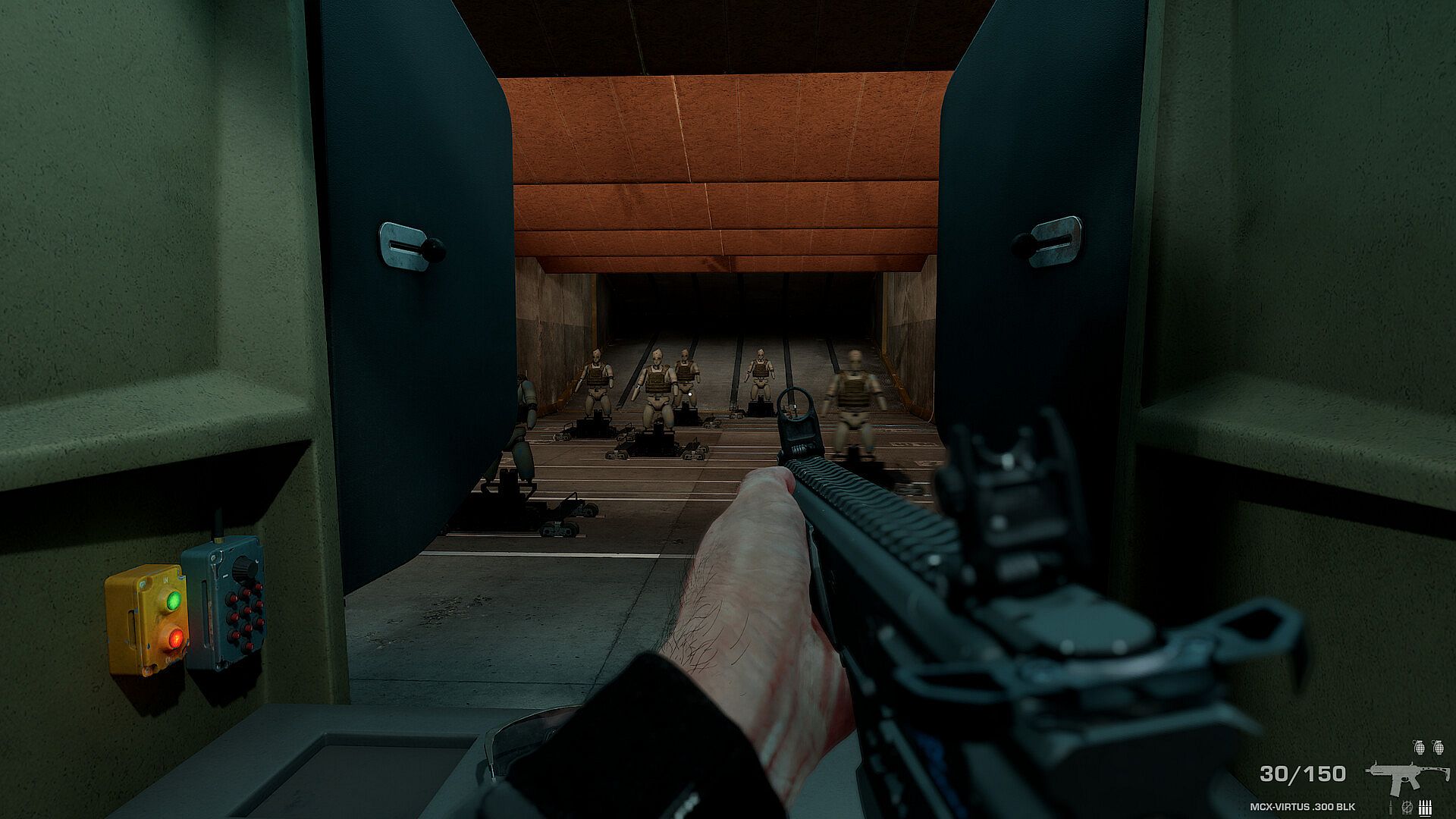
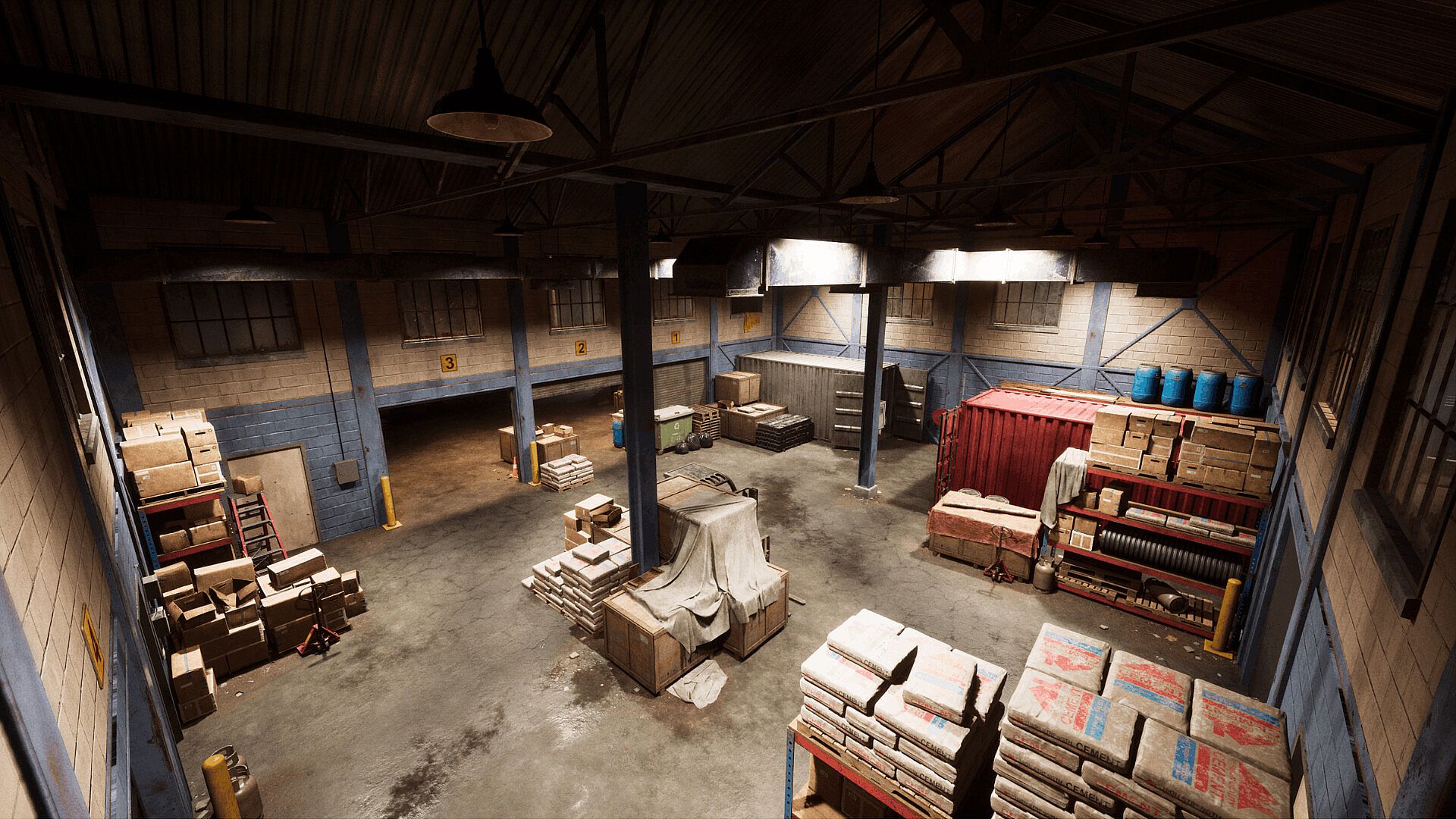
Tactical FPS Mode offers standalone combat scenarios focused on survival against waves of Black Protocol Cleaners and Hollowed threats. This mode supports loadout testing and mechanical refinement in replayable sessions. A dedicated Shooting Range serves as a sandbox for practicing weapon ballistics, attachment combinations, and recoil control before entering active combat. Two maps support the FPS Mode: the claustrophobic Container Yard with its stacked shipping containers and catwalks, and the atmospheric St. Elias Hospital featuring sterile corridors, ruined sub-basements, and emergency-lit wards.
Narrative and World
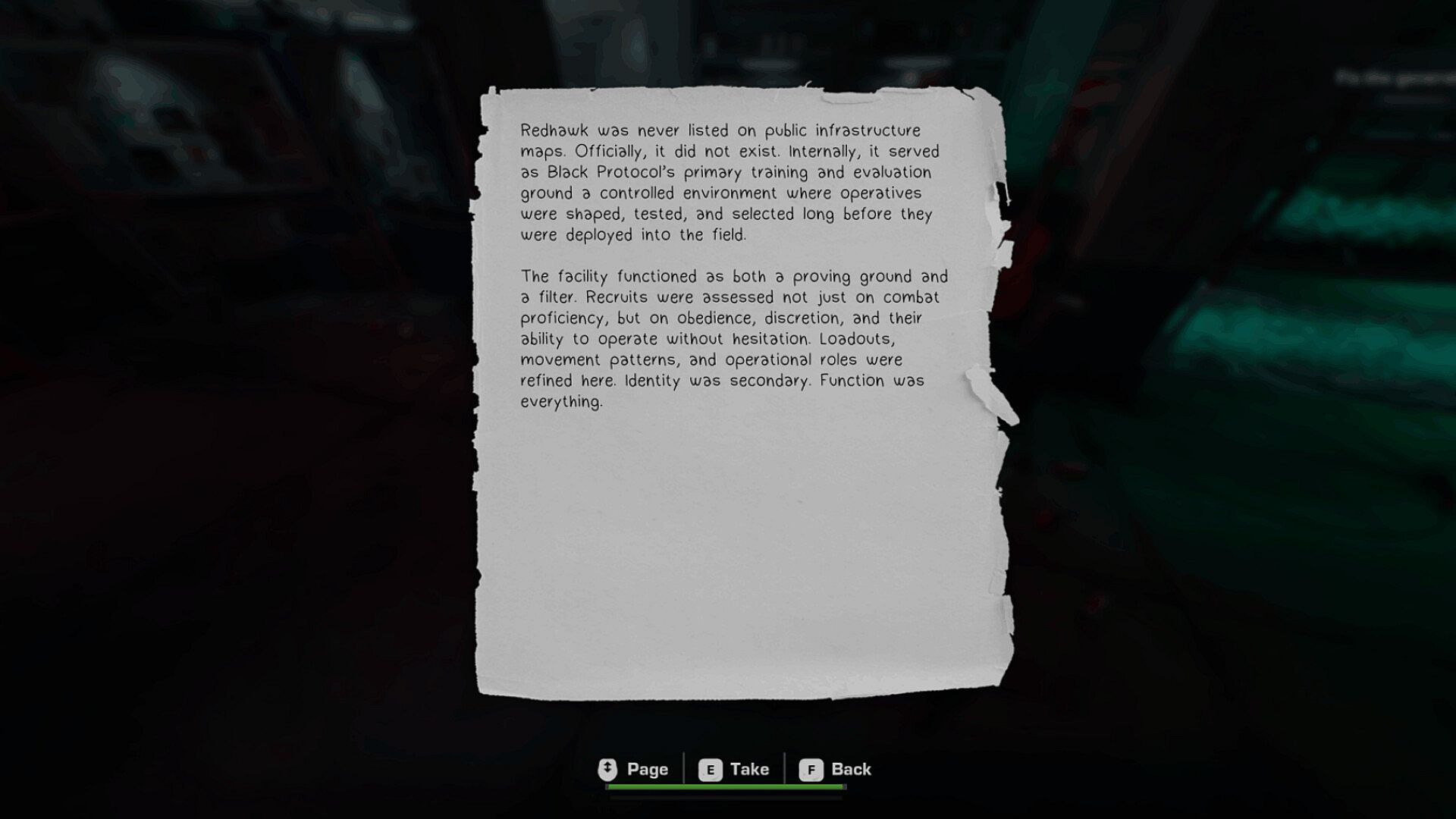
The story originates from an extensive novel written prior to development, providing a literary foundation for the game's events. Sixteen chapters explore the collapse of Black Protocol through multiple perspectives, highlighting morally complex characters and the human cost of survival in this dystopian setting. Environmental details and in-game elements reinforce the grim atmosphere without relying on external references. The focus remains on how tactical choices intersect with the protagonist's motivations, turning combat into an extension of the personal stakes rather than isolated action sequences.
Is It Worth Playing?
After Silence targets players who seek a single-player experience that prioritizes narrative weight alongside demanding tactical combat. The Early Access version includes the core shooting mechanics, gunsmithing, physics traversal, and initial story chapters, with plans for regular updates that expand environments, refine enemy behaviors, and add progression elements based on community input. No user reviews are available yet, as the title is not released. Those drawn to story-driven survival hybrids with realistic weapon systems and a dystopian setting will find the foundation here, though the full scope will develop over the planned 12-to-18-month Early Access period. The game suits individuals comfortable with ongoing development and feedback-driven changes rather than a complete release from day one.