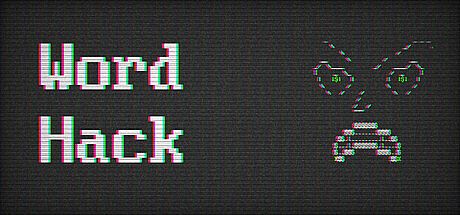


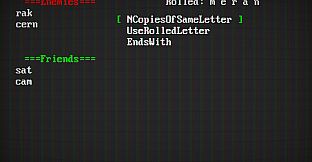
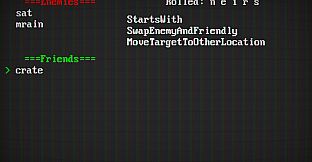
Word Hack is a single-player roguelike deckbuilder simulation game developed for PC. Players assume the role of a hacker who exploits patterns in enemy names to breach defenses through a terminal user interface. The core loop revolves around building and refining a collection of programs while navigating procedurally generated environments.
Gameplay
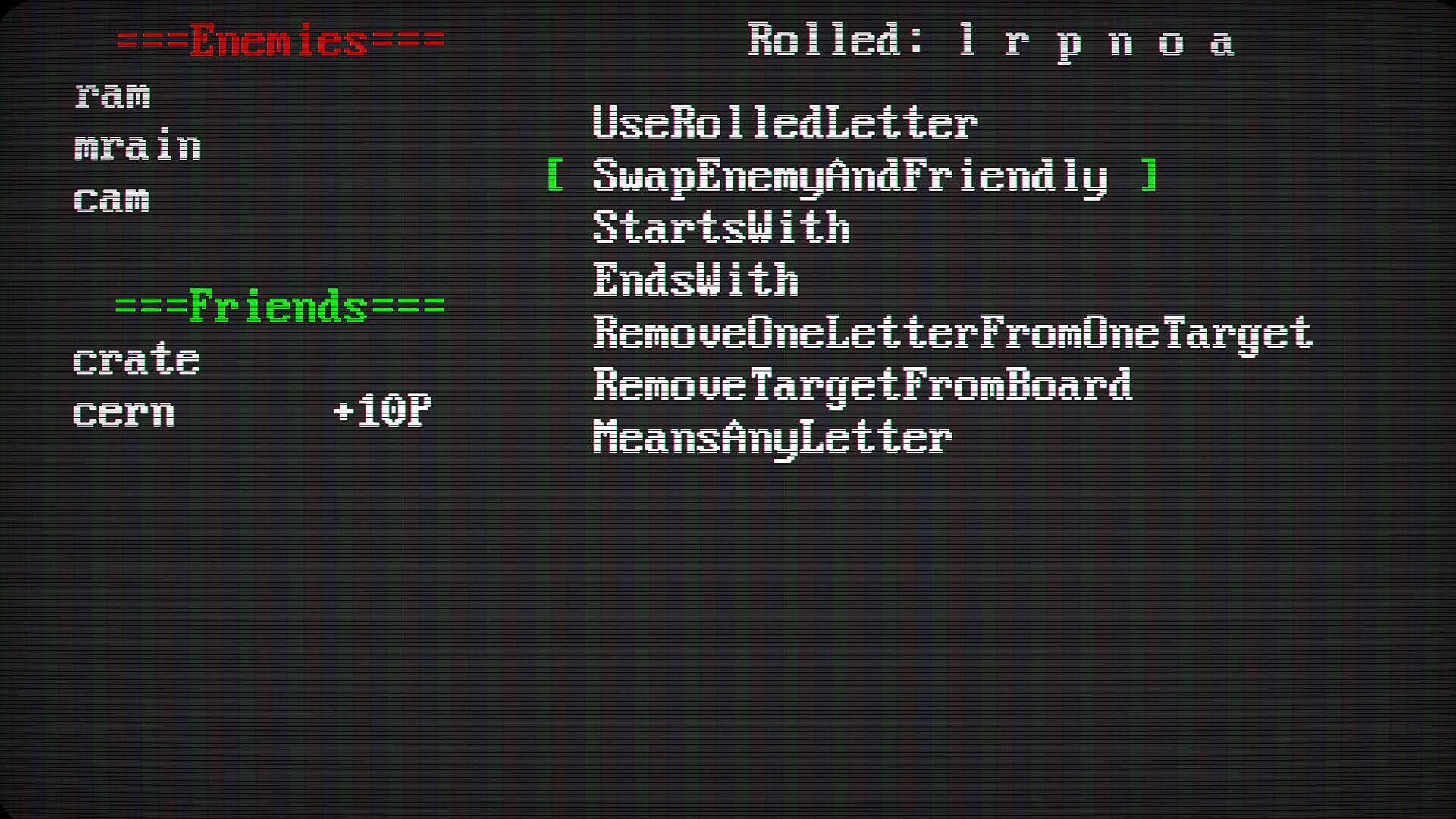
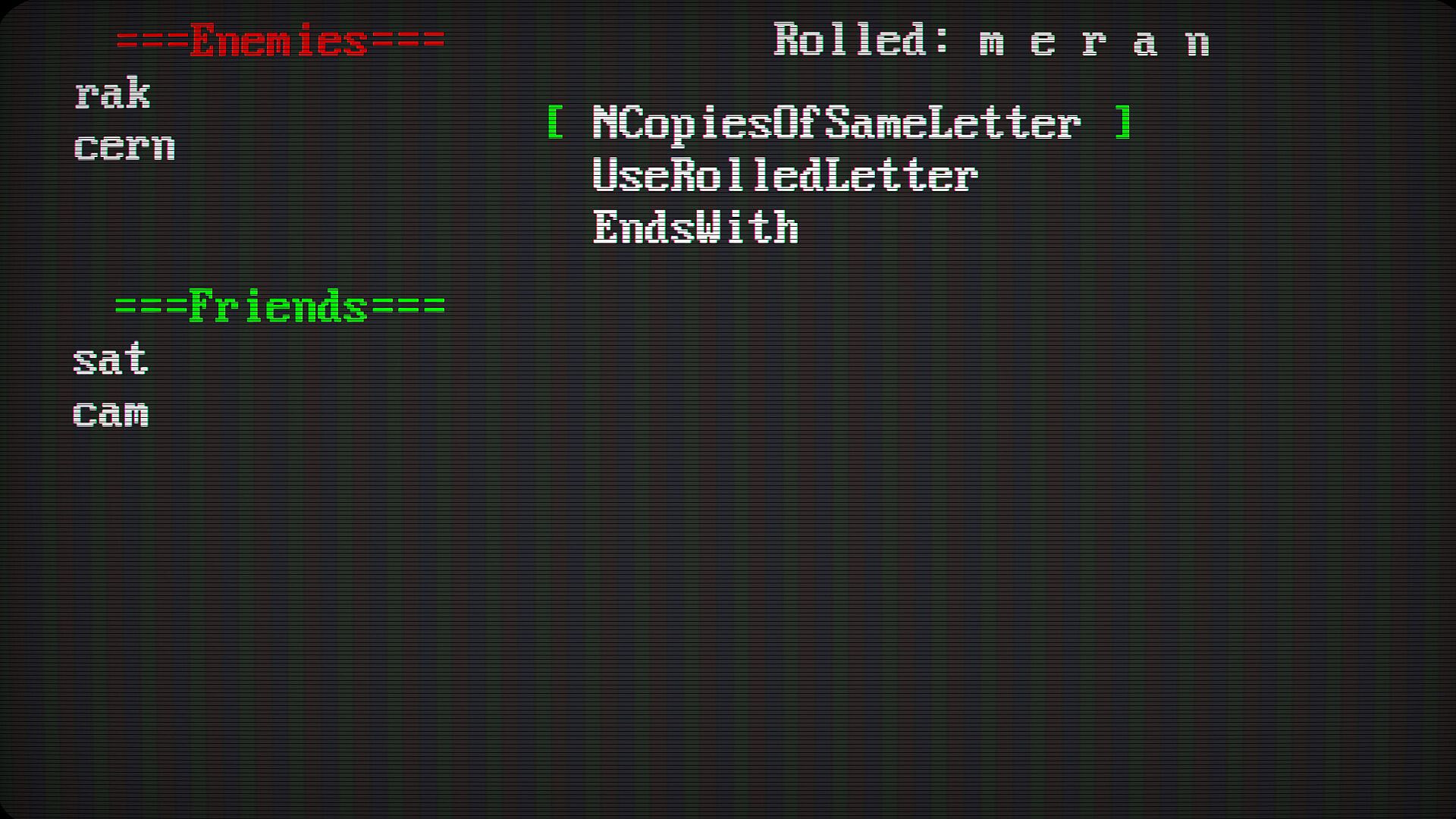
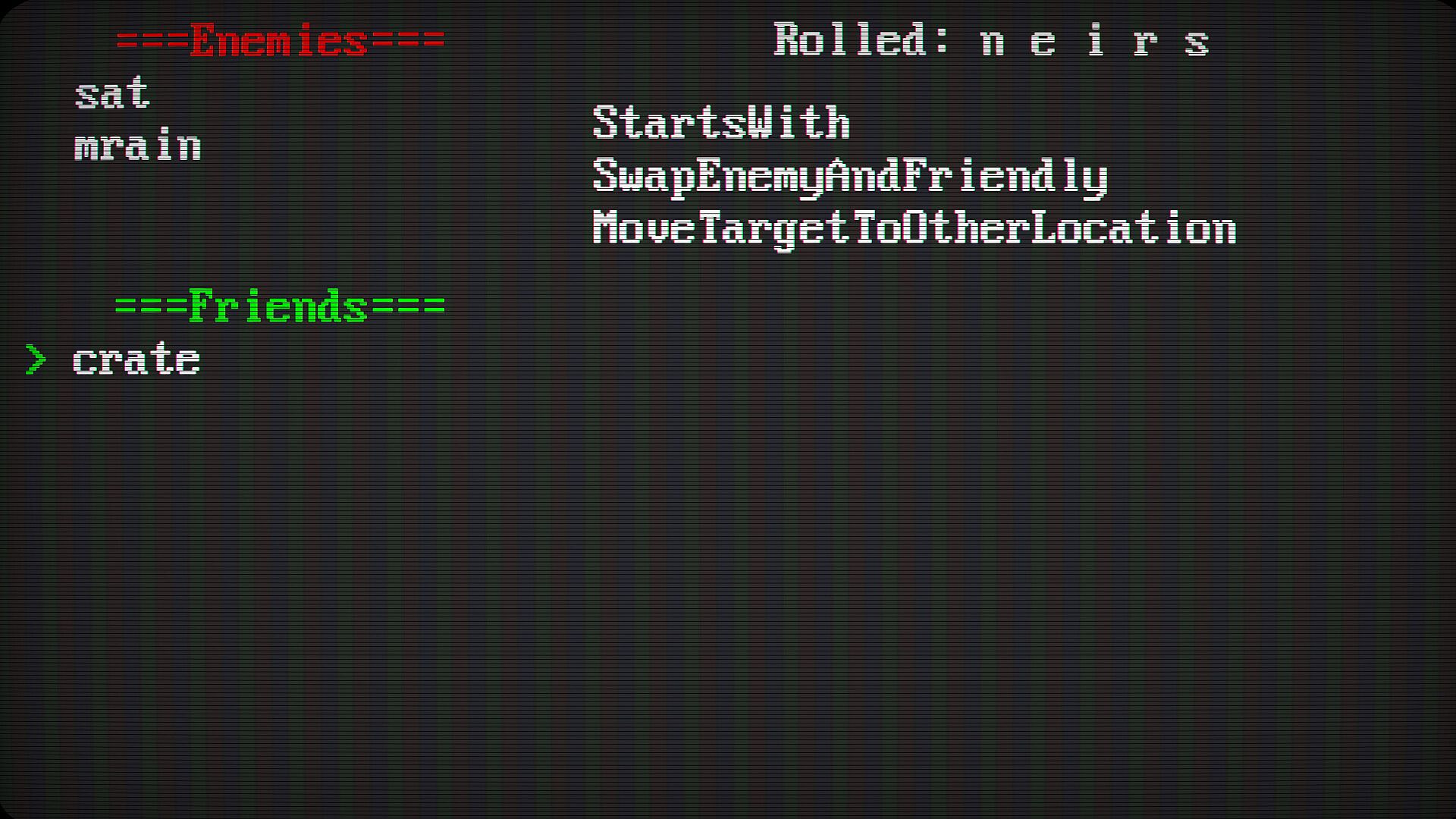
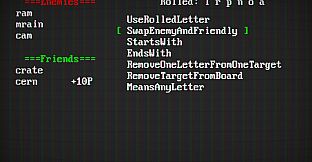
The gameplay centers on identifying letter patterns within enemy designations to execute hacks. Each encounter requires strategic selection and combination of programs drawn from a growing deck. Prestige serves as the primary currency, earned through successful breaches and spent to acquire new capabilities or enhance existing ones. Trading programs adds another layer of decision-making, allowing players to exchange assets for better synergies suited to specific challenges.
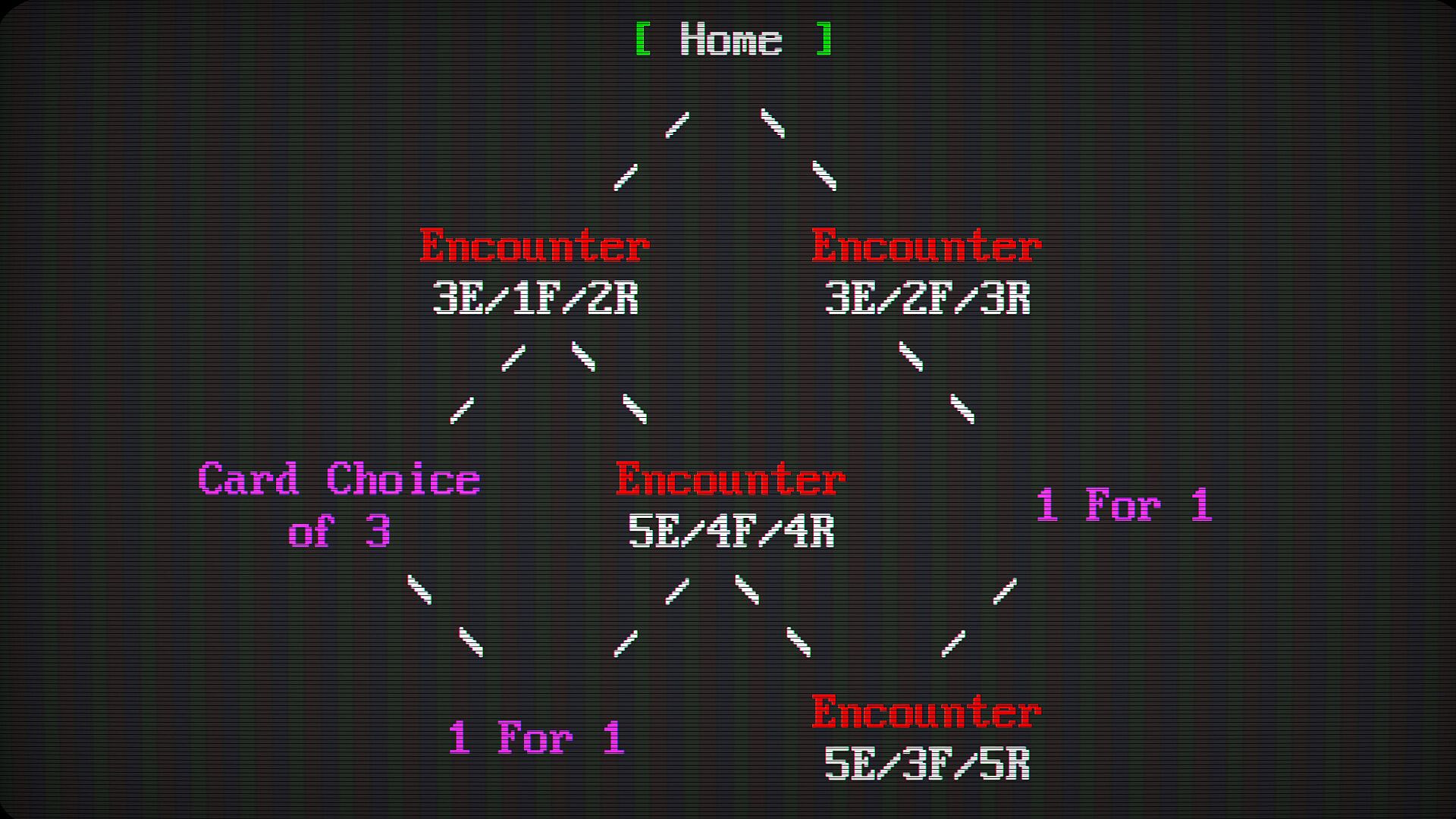
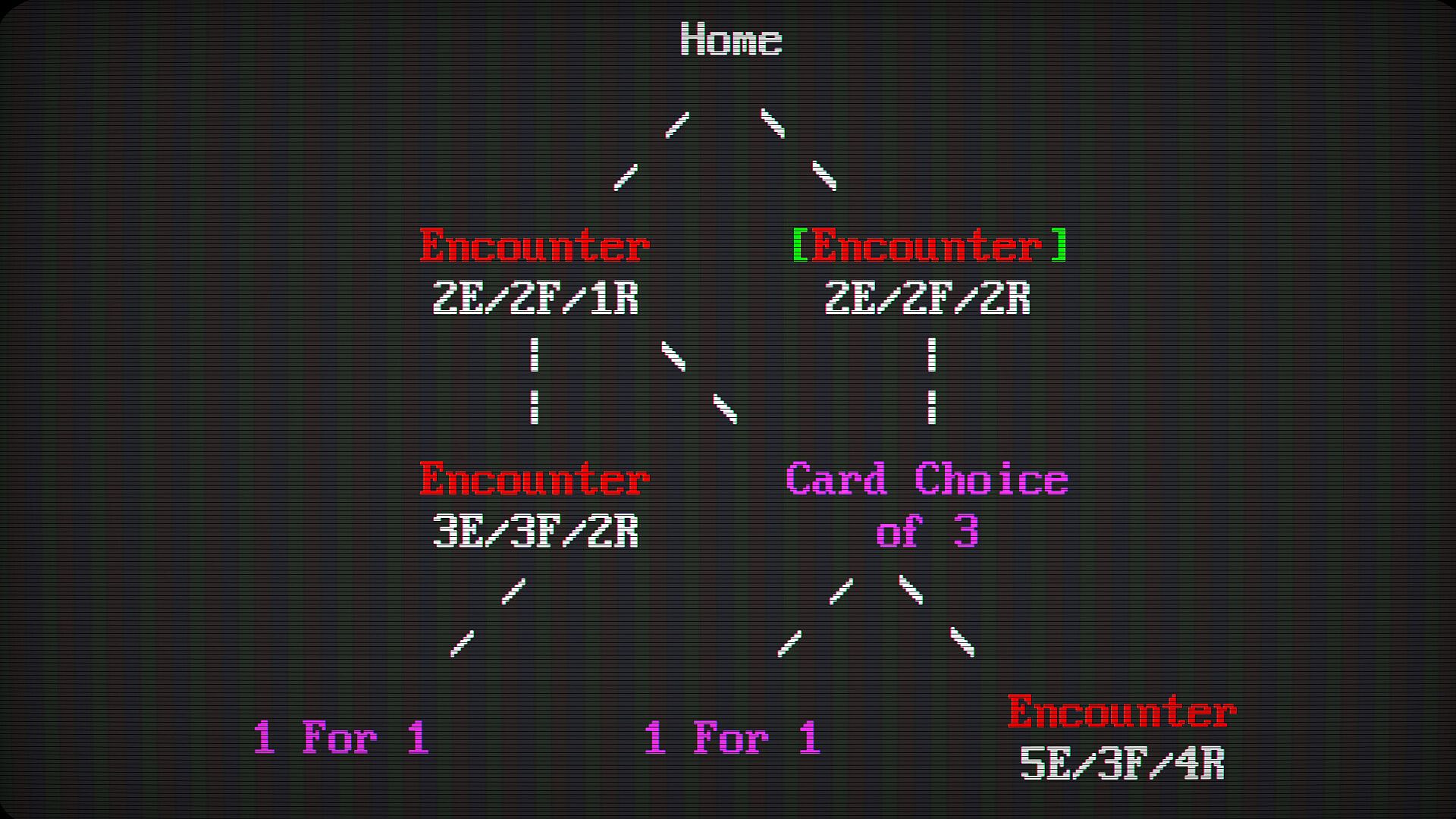
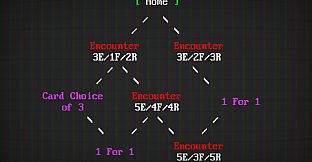
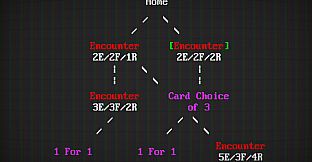
Random map generation ensures varied layouts on every run, forcing adaptation to new configurations of obstacles and targets. The terminal presentation emphasizes text-based interactions, where commands and outcomes appear in a retro-style interface that prioritizes clarity and immersion in the hacking process. With more than ten distinct programs available, players experiment with different combinations to optimize their approach against increasingly complex threats.
Game Modes
Three difficulty modes provide structured progression options that scale the challenge level. These modes adjust parameters such as enemy resilience, resource availability, and map complexity while preserving the fundamental roguelike structure of runs that emphasize planning and adaptation. Random map generation integrates across all modes, creating fresh scenarios that reward repeated playthroughs with new strategic opportunities.
Players can select a mode at the start of a session to match their preferred intensity. Lower difficulties offer more forgiving conditions for learning program interactions, while higher ones demand precise management of prestige and trades to overcome tougher name-based patterns and defensive setups.
Progression and Systems
Progression builds through repeated runs where earned prestige funds upgrades and program acquisitions. The trading mechanic encourages careful evaluation of current deck composition against upcoming threats. Programs function as modular tools that players combine in sequences to exploit vulnerabilities revealed in enemy names.
Map generation introduces variability in encounter placement and resource distribution, influencing route choices and risk assessment. This setup supports a loop of exploration, confrontation, and refinement that unfolds entirely within the terminal interface.
Is It Worth Playing?
Word Hack delivers a focused single-player experience tailored to fans of roguelike deckbuilders who appreciate linguistic strategy and terminal aesthetics. The verified features, including random map generation, a selection of over ten programs, and three difficulty modes, create replayable sessions centered on pattern recognition and resource management.
Those drawn to simulation-style games with deckbuilding elements will find the prestige economy and program trading system engaging for short or extended play sessions. As an upcoming title with no public reviews available at this stage, its appeal rests on the distinctive integration of name-based hacking mechanics within a cohesive roguelike framework. Players seeking a PC title that blends vocabulary insight with strategic depth may find it a worthwhile addition once released.