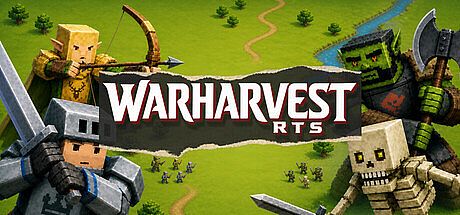


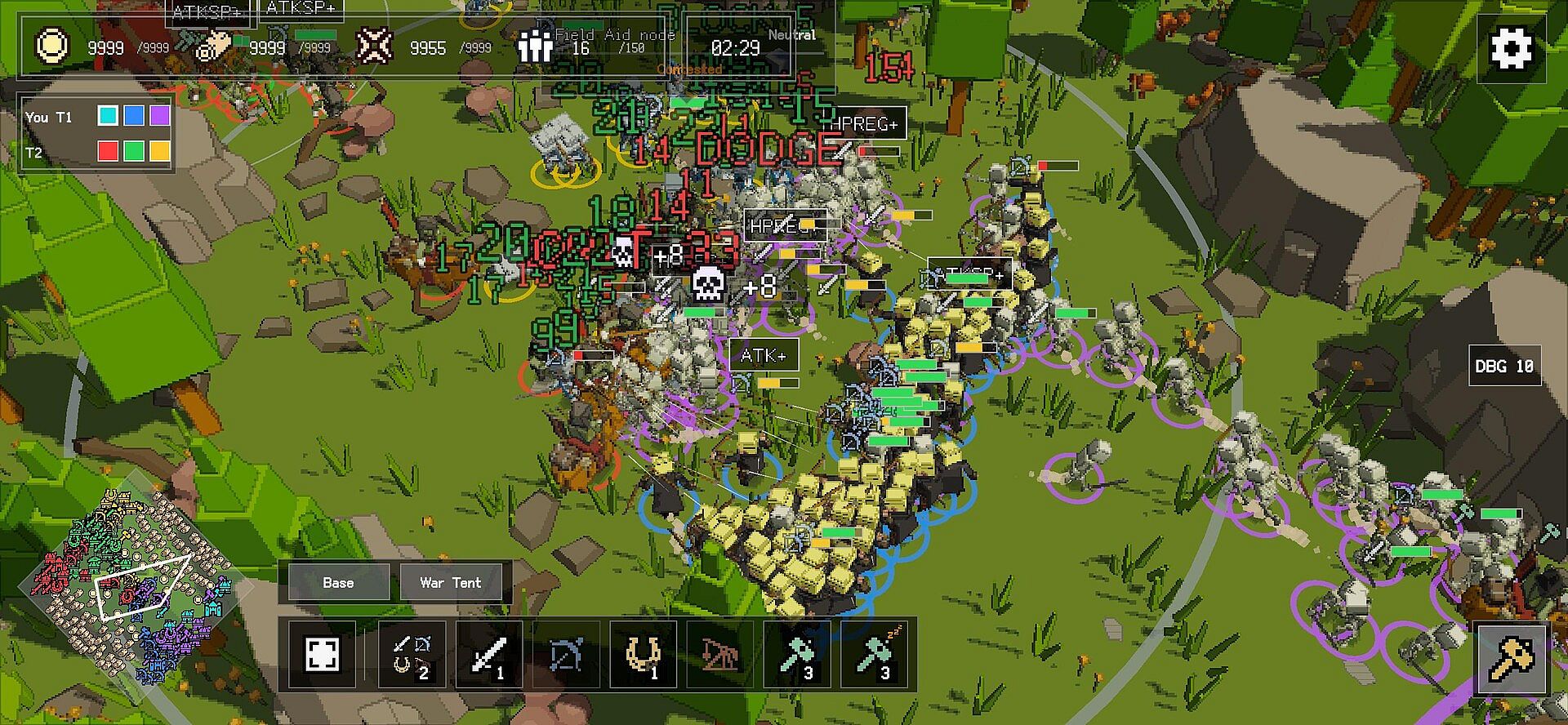
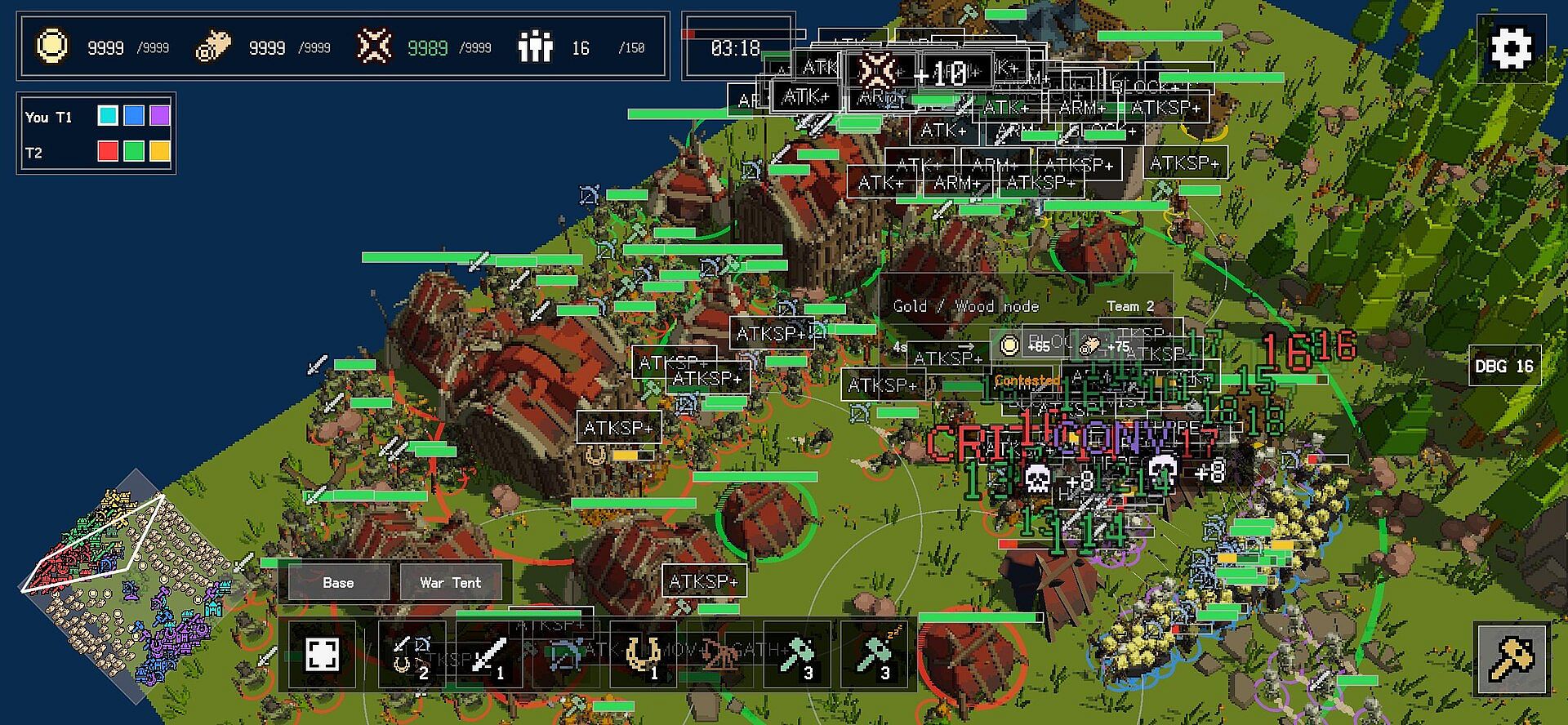
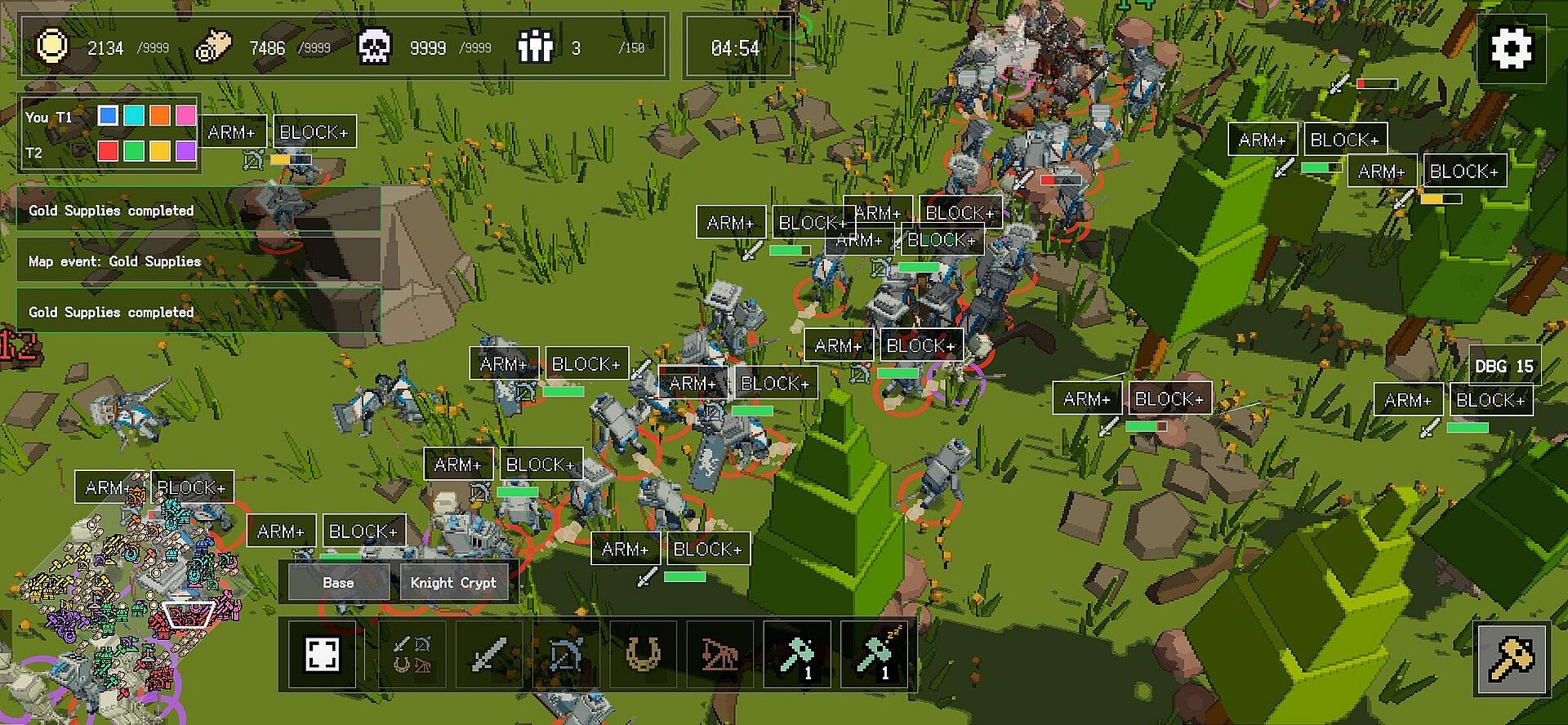
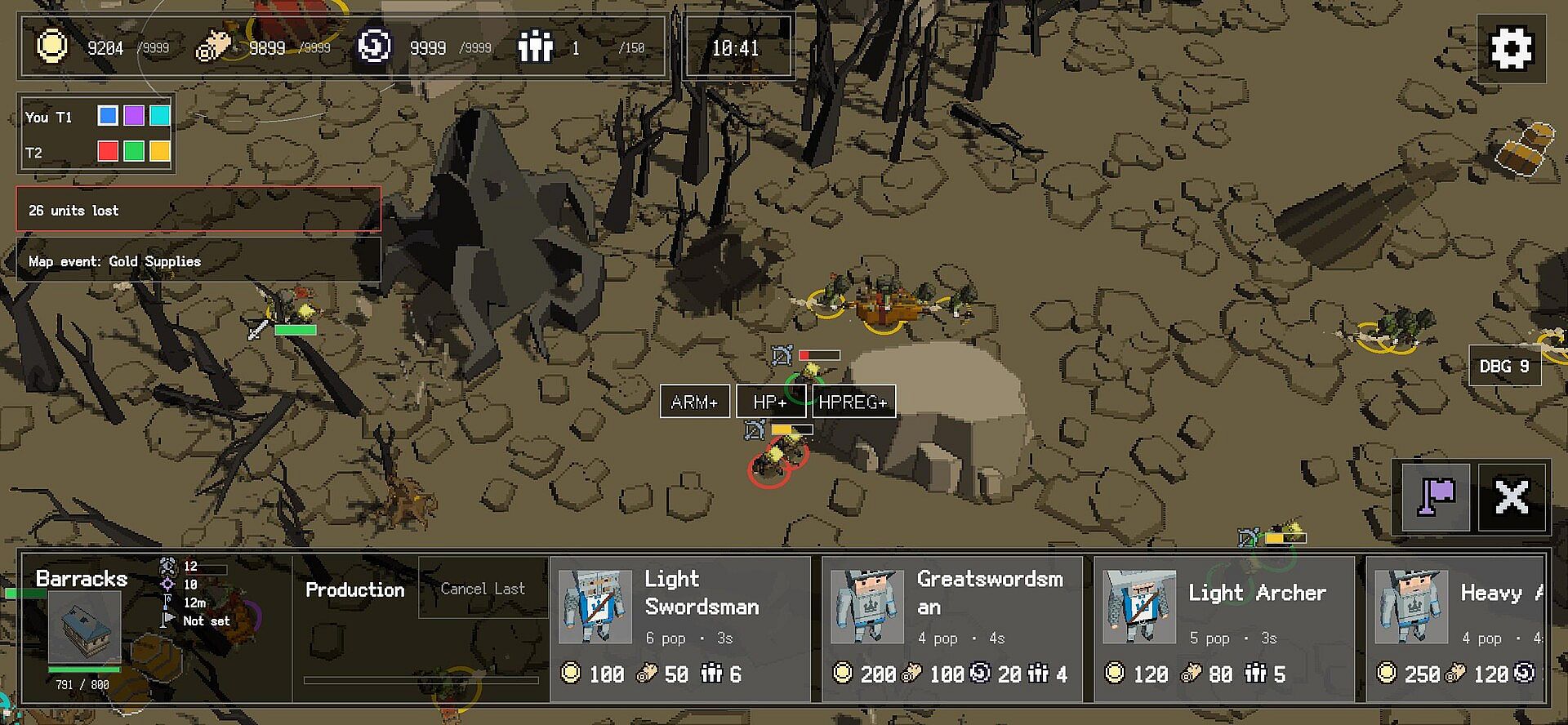
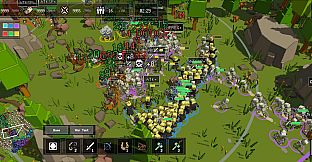
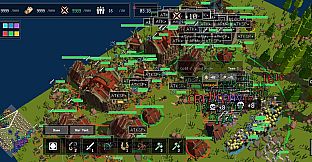
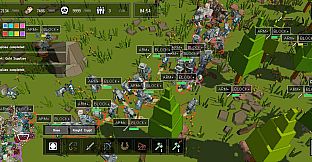
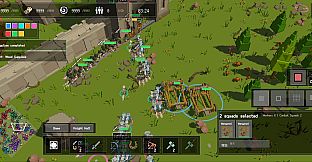
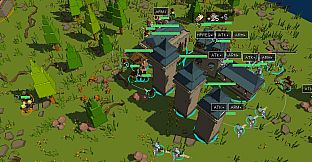
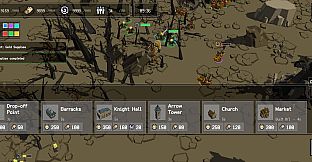
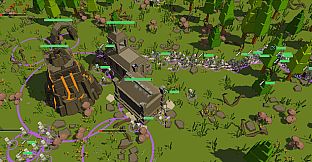
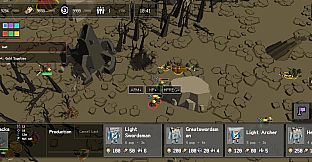
Warharvest RTS is a strategy game that blends real-time base building with roguelite progression in a 3D pixel-art medieval fantasy setting. Players command one of four asymmetric factions across battles that reward adaptation over rigid plans. The core loop involves gathering resources, training units, expanding territory, and completing objectives that grant new specialization options mid-match. This setup creates matches where early decisions shape available paths rather than locking players into preset strategies.
Gameplay
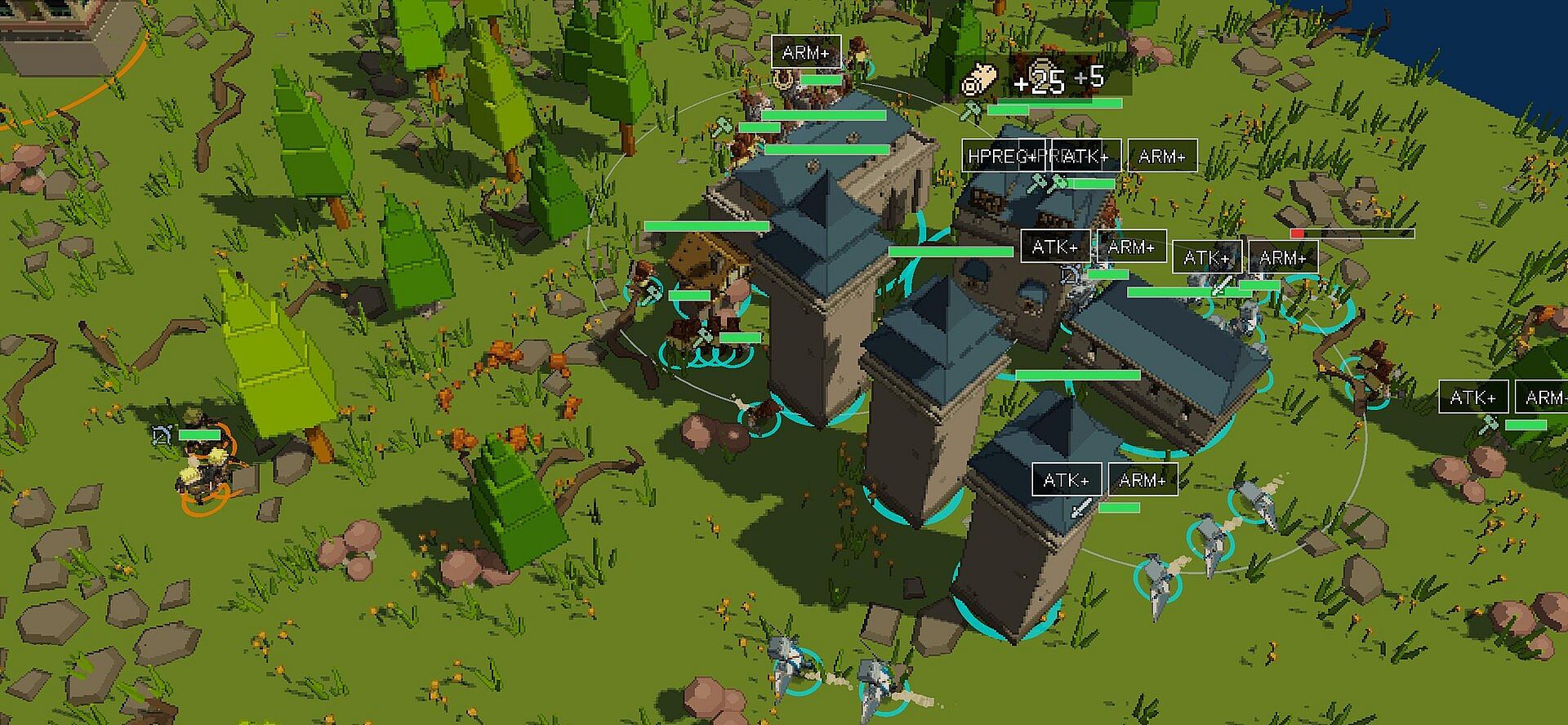
The gameplay centers on objective-driven maps that push armies into conflict. Players complete missions, seize resource points, clear neutral camps, rescue guarded troops, and contest moving caravans. Each completed task yields rewards and fresh specialization choices. These choices arrive at key moments, offering three options that either deepen an existing approach, introduce a second direction, or pivot entirely when the situation changes. The battlefield itself influences build development instead of serving only as a test of pre-planned tactics.
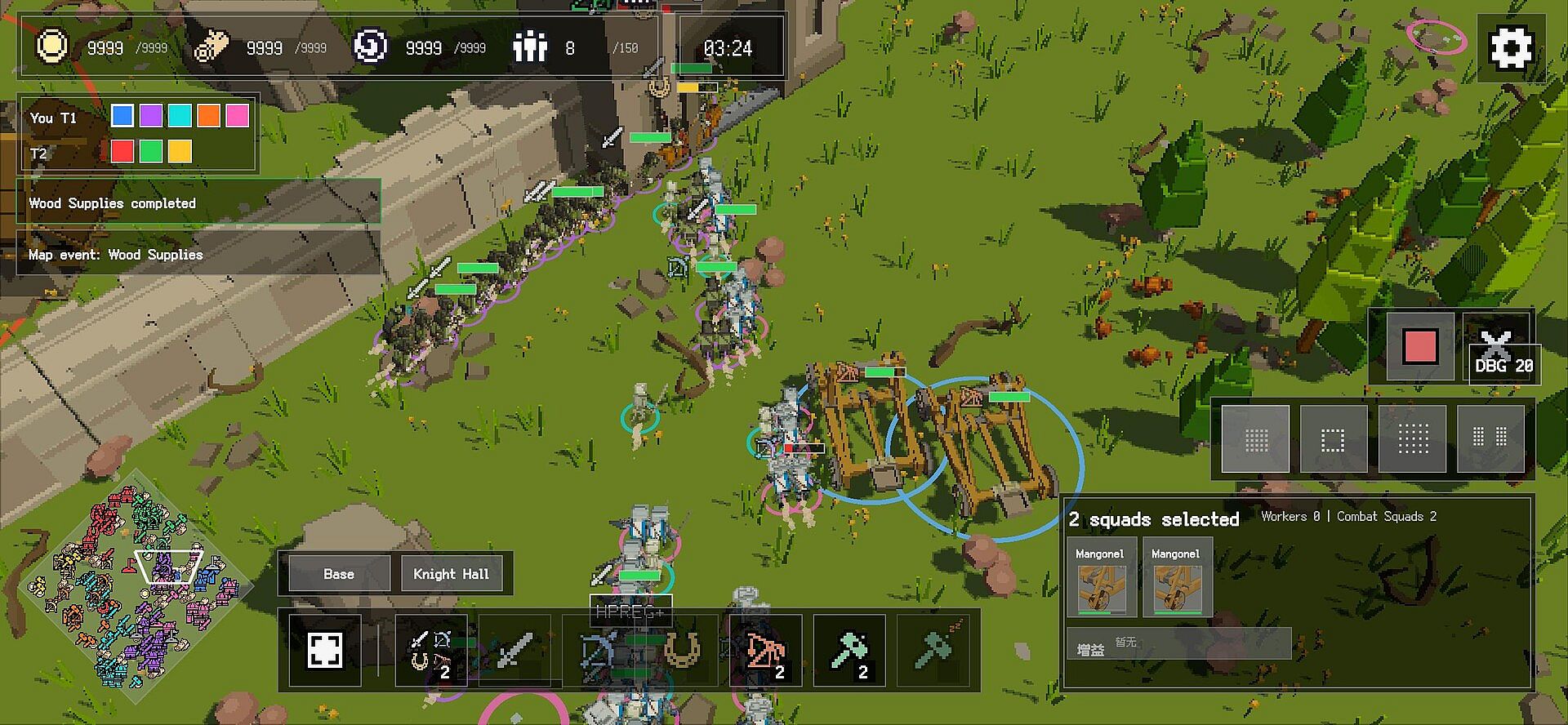
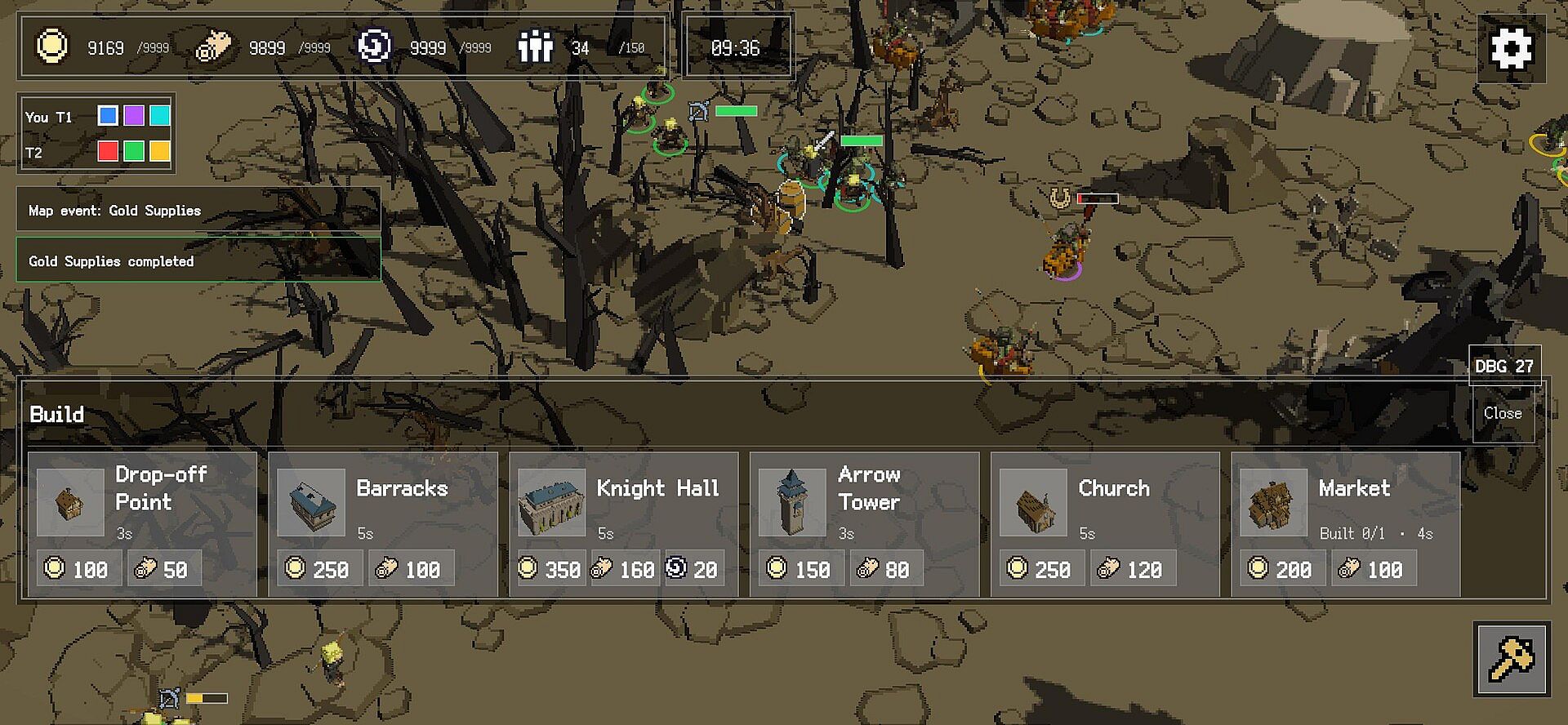
Base building follows standard RTS patterns with resource collection, worker training, and army production, yet faction rules alter how these systems function. Armies consist of varied unit types including infantry, ranged attackers, cavalry, specialists, and siege engines. Combat emphasizes positioning, combined arms responses, and exploiting terrain or vision advantages. The roguelite layer adds layers of variability because specialization selections compound across a single battle and differ from one match to the next.
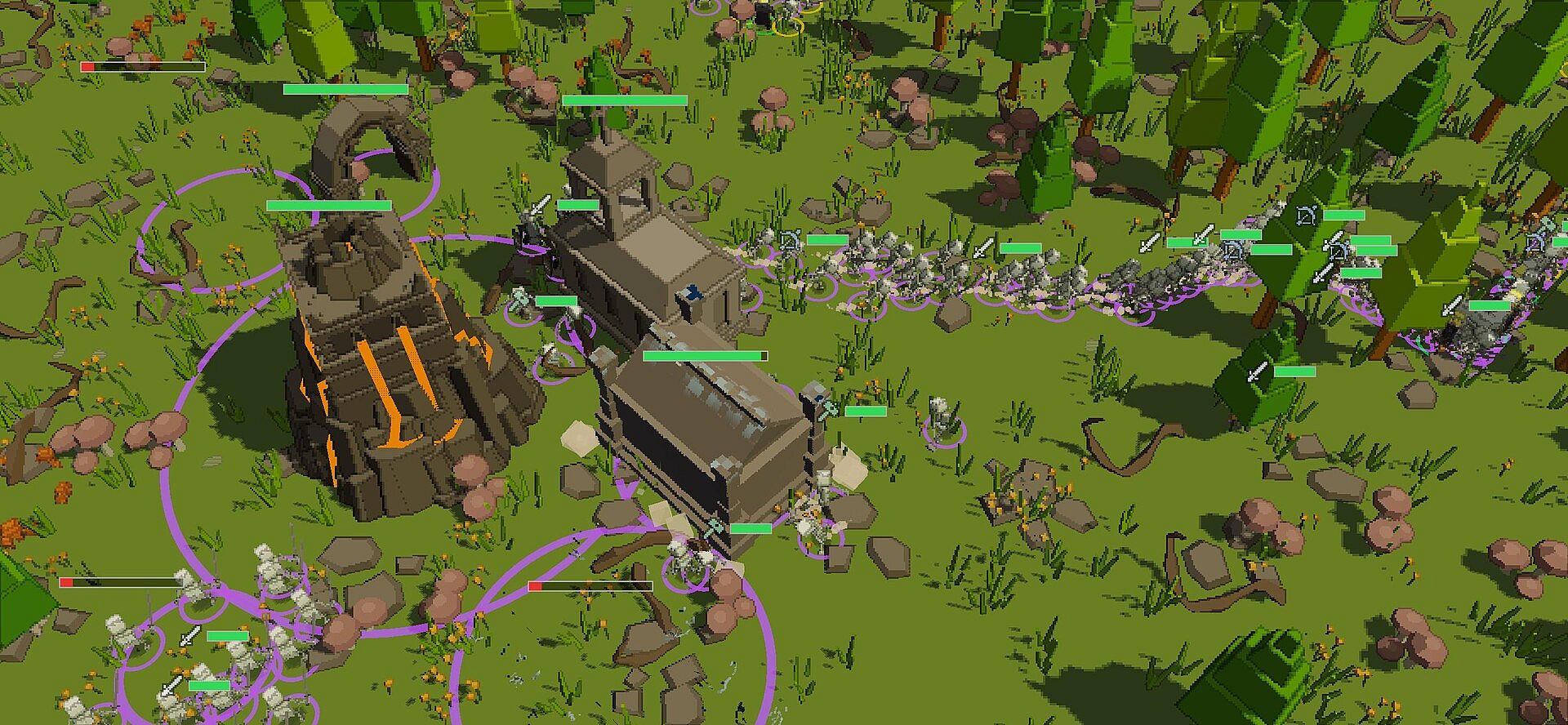
Four factions operate under distinct rules that prevent mirrored playstyles. Humans emphasize versatility through mixed forces and steady growth. Elves prioritize range, speed, and early information to dictate engagement terms. Undead armies start vulnerable but expand through attrition and corruption mechanics that convert losses into additional forces. Orcs build power via a rage system fueled by damage dealt and received, which decays outside active combat and encourages constant pressure.
Game Modes
Warharvest RTS supports solo play against AI opponents, allowing practice with faction mechanics and specialization paths without external pressure. Co-operative sessions let multiple players share control or divide responsibilities against AI forces. PvP matches accommodate up to eight participants in direct confrontations. These options cover individual experimentation, team coordination, and competitive head-to-head scenarios within the same core systems.
Objective-filled maps remain consistent across modes, forcing players out of defensive positions to contest points and caravans. The roguelite specializations function identically whether facing AI or human opponents, ensuring that adaptation remains central regardless of the chosen format. No fixed campaign structure or separate skirmish variants appear in the available details.
Factions and Mechanics
Each faction follows unique economic and combat rules that create distinct rhythms. Humans field balanced compositions suited to answering varied threats through combined arms tactics. Elves leverage superior vision and mobility to strike first and control engagement distances. Undead focus on spreading corruption and overwhelming through numbers that grow during prolonged fights. Orcs rely on sustained aggression because their rage mechanic provides escalating damage only while combat continues.
Specialization choices occur at multiple points and interact with these faction rules. A player might select options that enhance current unit strengths, unlock hybrid capabilities, or compensate for emerging weaknesses. The result is matches where the same faction can produce markedly different army compositions and tactics depending on the sequence of rewards earned. Resource points, neutral camps, and caravans serve as the primary drivers for these choices rather than passive map features.
Is It Worth Playing?
Warharvest RTS targets players who value asymmetric faction design and build experimentation over standardized competitive balance. The roguelite specialization system and objective pressure create matches where adaptation and bold decisions matter more than executing a single optimal strategy. Those who enjoy RTS titles with strong emphasis on mid-battle pivots and faction-specific mechanics will find the described systems align with that preference.
The game remains unreleased with a planned launch in Q4 2026 and currently carries no user reviews or confirmed update schedule. Its appeal rests on the verified combination of full base-building warfare, up to eight-player multiplayer support, and four factions that operate under separate rules rather than cosmetic differences. Players seeking familiar mirrored matchups or extensive single-player campaigns should note the absence of those elements in the current description.