


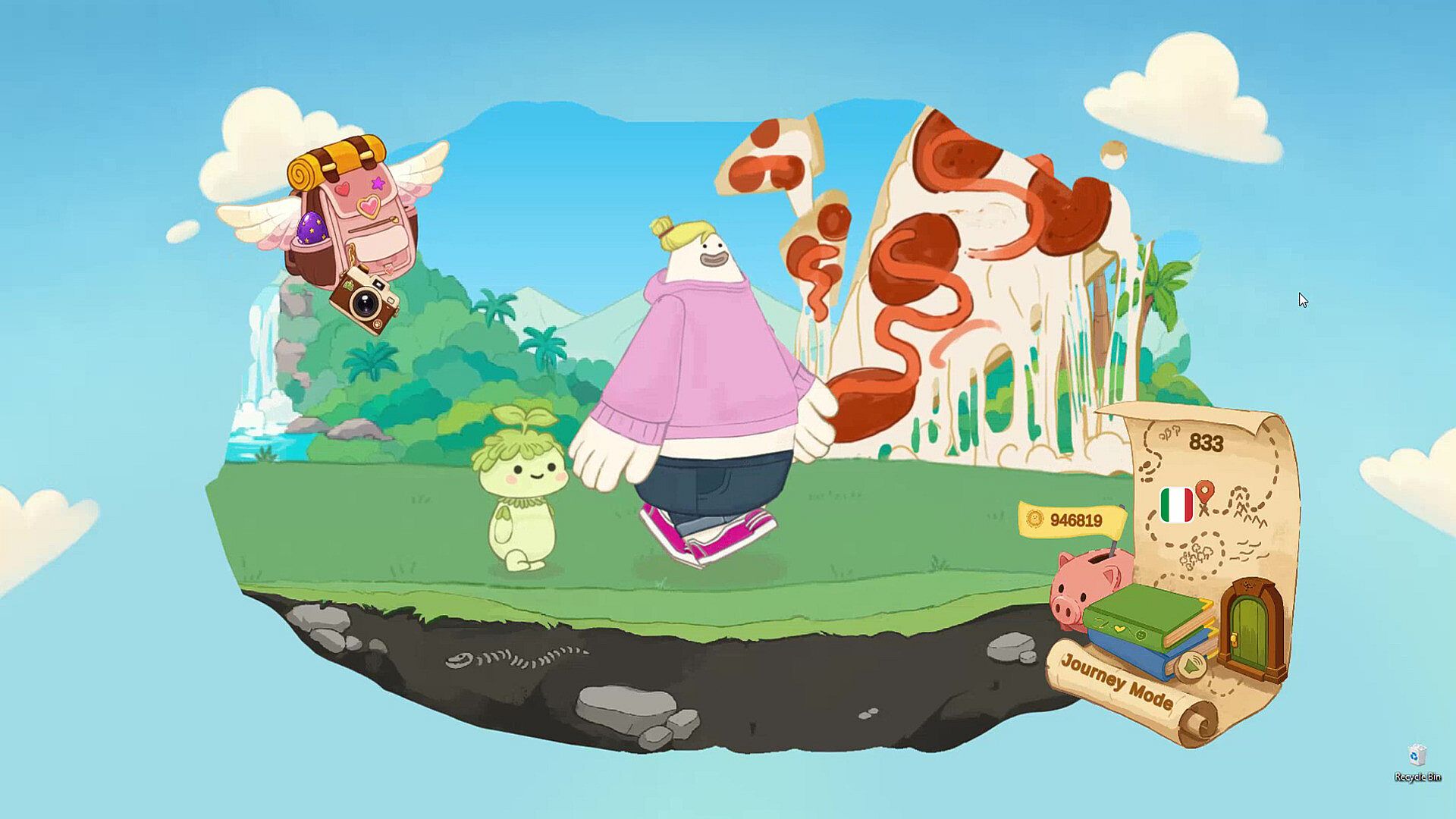

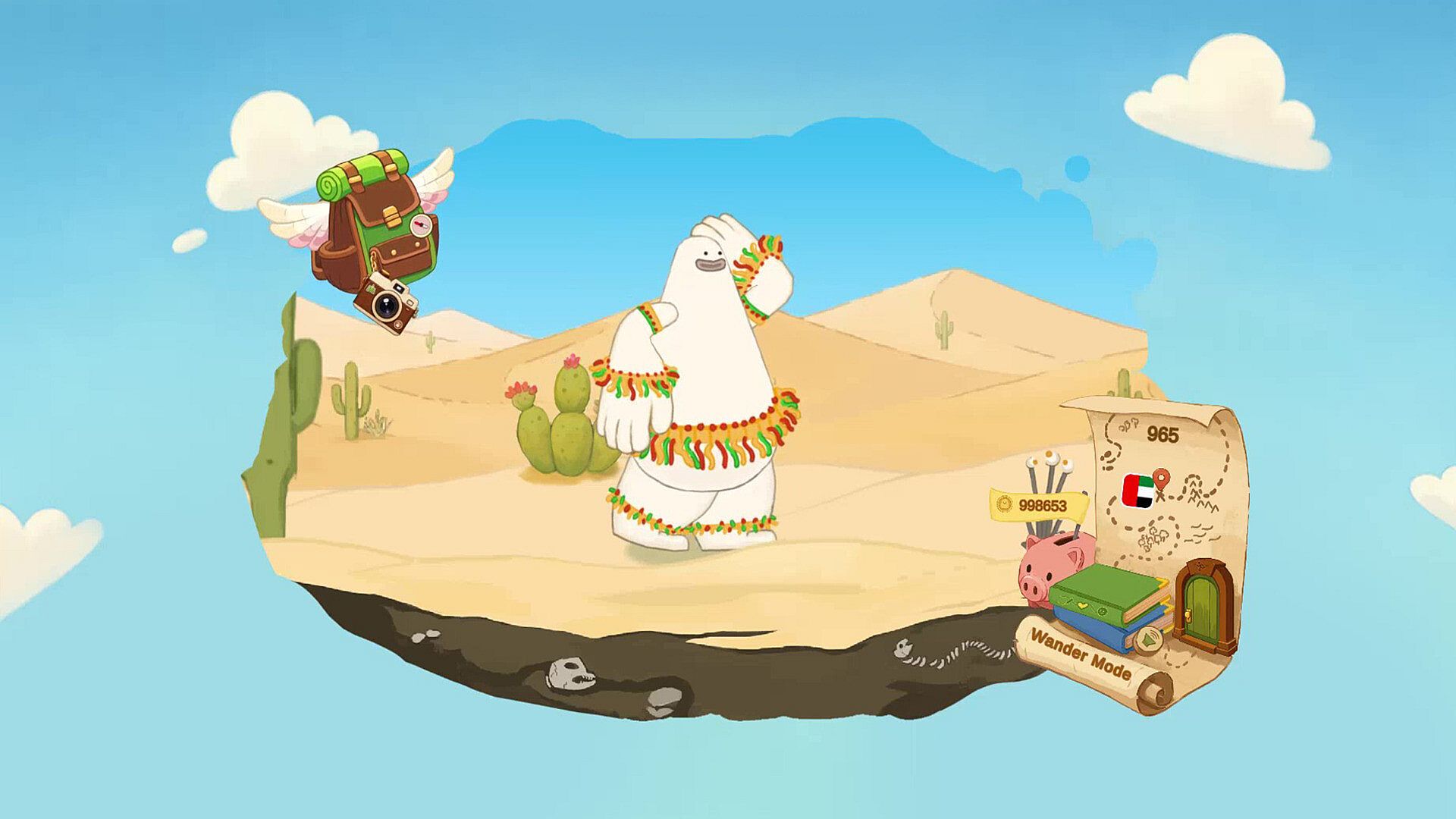
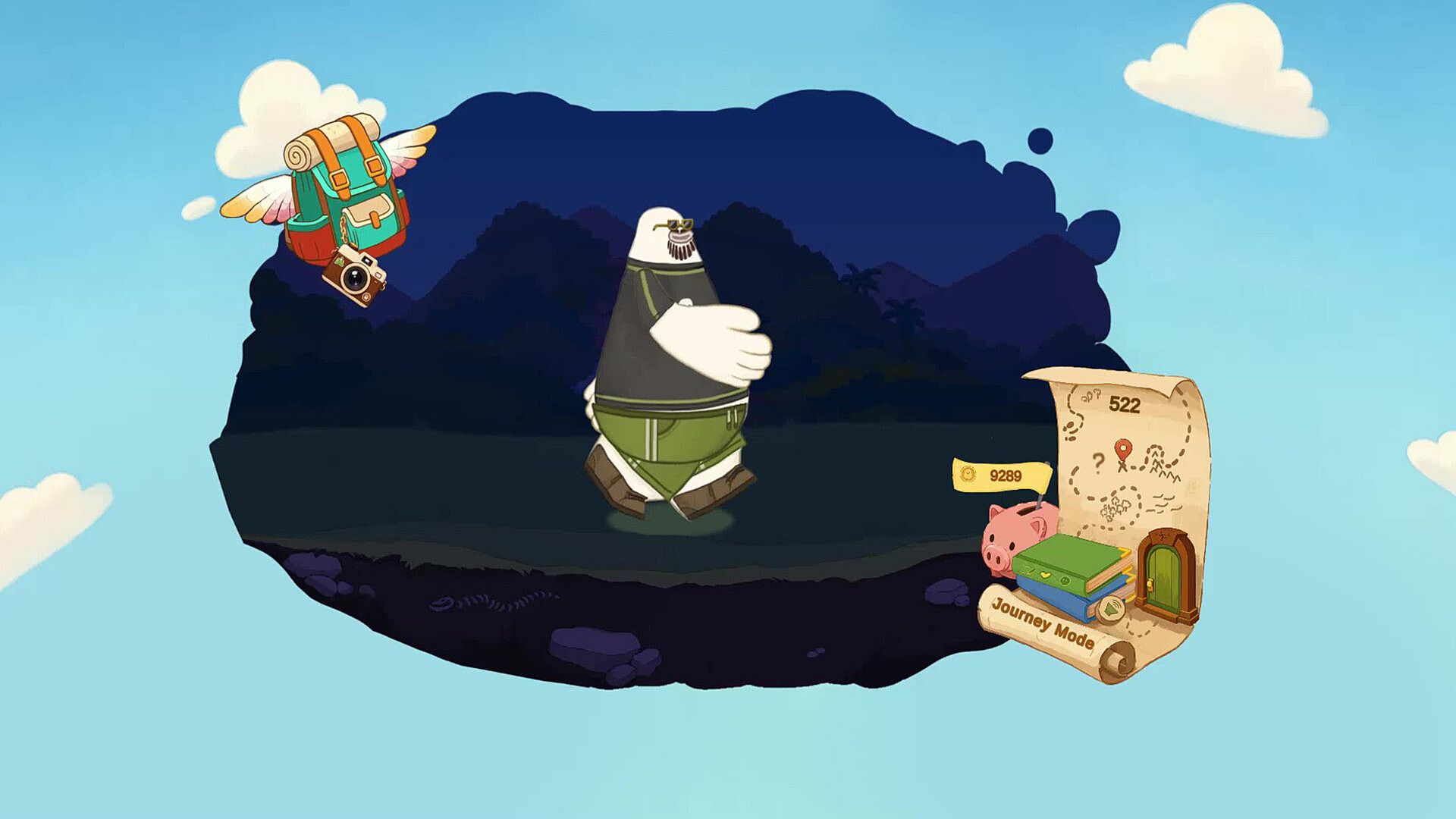
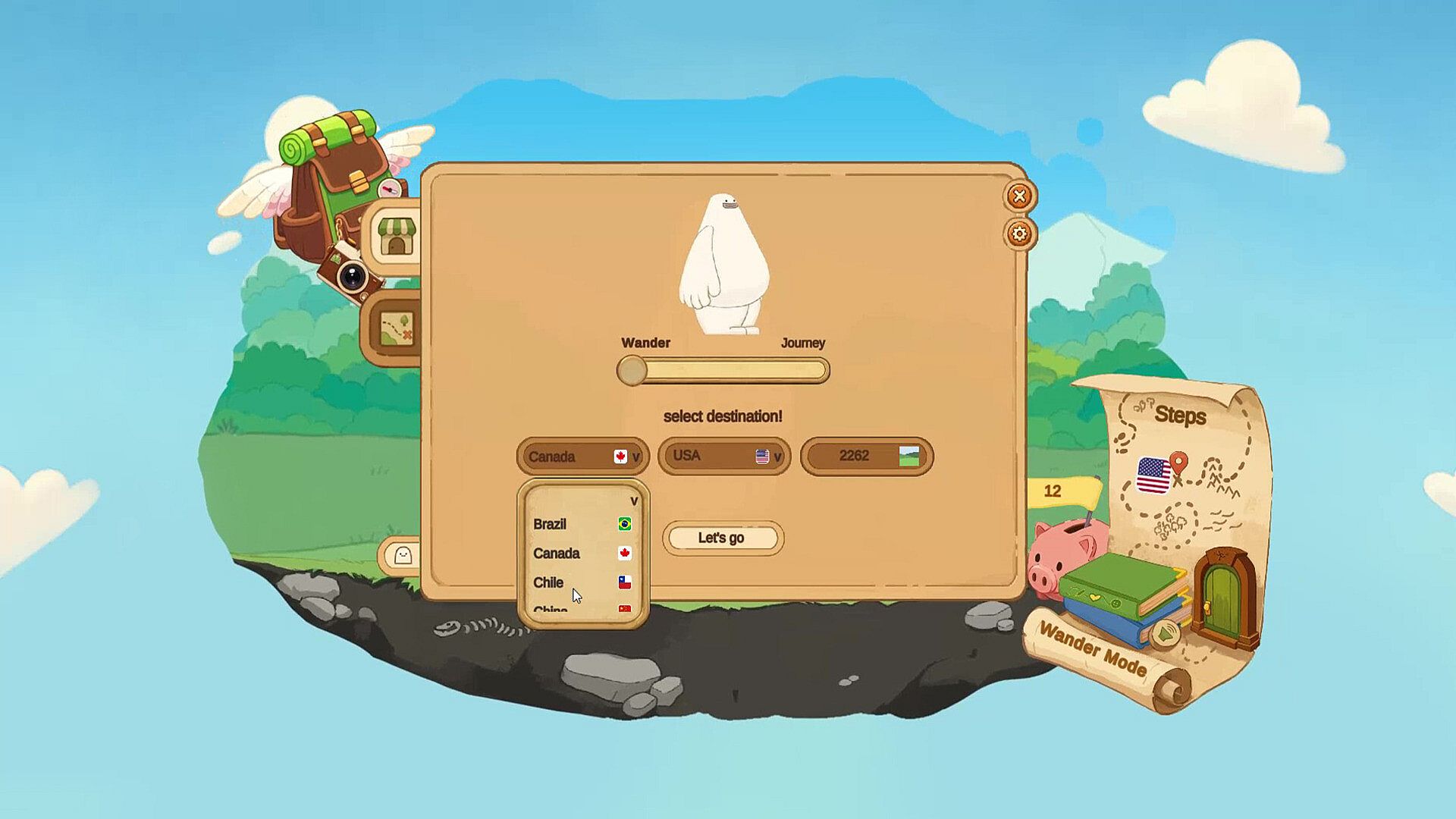

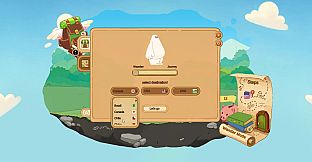
Walk Around the World is a casual simulation game developed for PC that places a small traveler named BilBil on a slow journey across real countries and cities. The experience centers on keeping this desktop companion active while users go about their daily routines on the computer. BilBil moves forward based on time spent working, studying, or relaxing, with additional progress tied to spoken words during chats, meetings, or streams. The game emphasizes gentle progression without timers or competitive elements, fitting the indie casual and simulation genres through its focus on passive exploration and light personalization.
Gameplay
The core loop involves BilBil advancing across a map of actual locations while the player remains engaged with other tasks on the PC. A floating window keeps the traveler visible at all times, showing incremental steps through countries, cities, and landmarks as background activity continues. Voice input plays a direct role, advancing the journey whenever natural speech occurs in conversations or recordings. Players can also open a journal at any moment to note thoughts or events, which integrates into the overall record of the trip. Idle animations activate during pauses, showing BilBil engaged in simple activities like reading or resting by a fire once certain items are unlocked.
Progress feels steady and unhurried because movement ties to real-world time and spoken words rather than active button presses or quick decisions. The desktop companion aspect means the window stays on screen without interrupting other programs, allowing the simulation to run quietly in the background. Rewards appear as new destinations are reached, though the emphasis stays on the calm accumulation of distance rather than rapid collection.
Game Modes
Walk Around the World operates as a single-player experience with no separate competitive or multiplayer modes listed. The entire journey unfolds in one continuous simulation that runs alongside normal computer use. Customization options and journal entries serve as the main ways to shape the session, but they remain optional layers on the same underlying travel system. Steam Achievements provide additional goals for those who want them, yet the design avoids pressure to complete specific tasks within set times.
Because the game runs passively, sessions can last as long as the player keeps the companion window open during regular PC activity. There are no distinct campaign chapters or challenge variants confirmed at this stage, keeping the focus on the single, ongoing world walk.
Customization and Progression
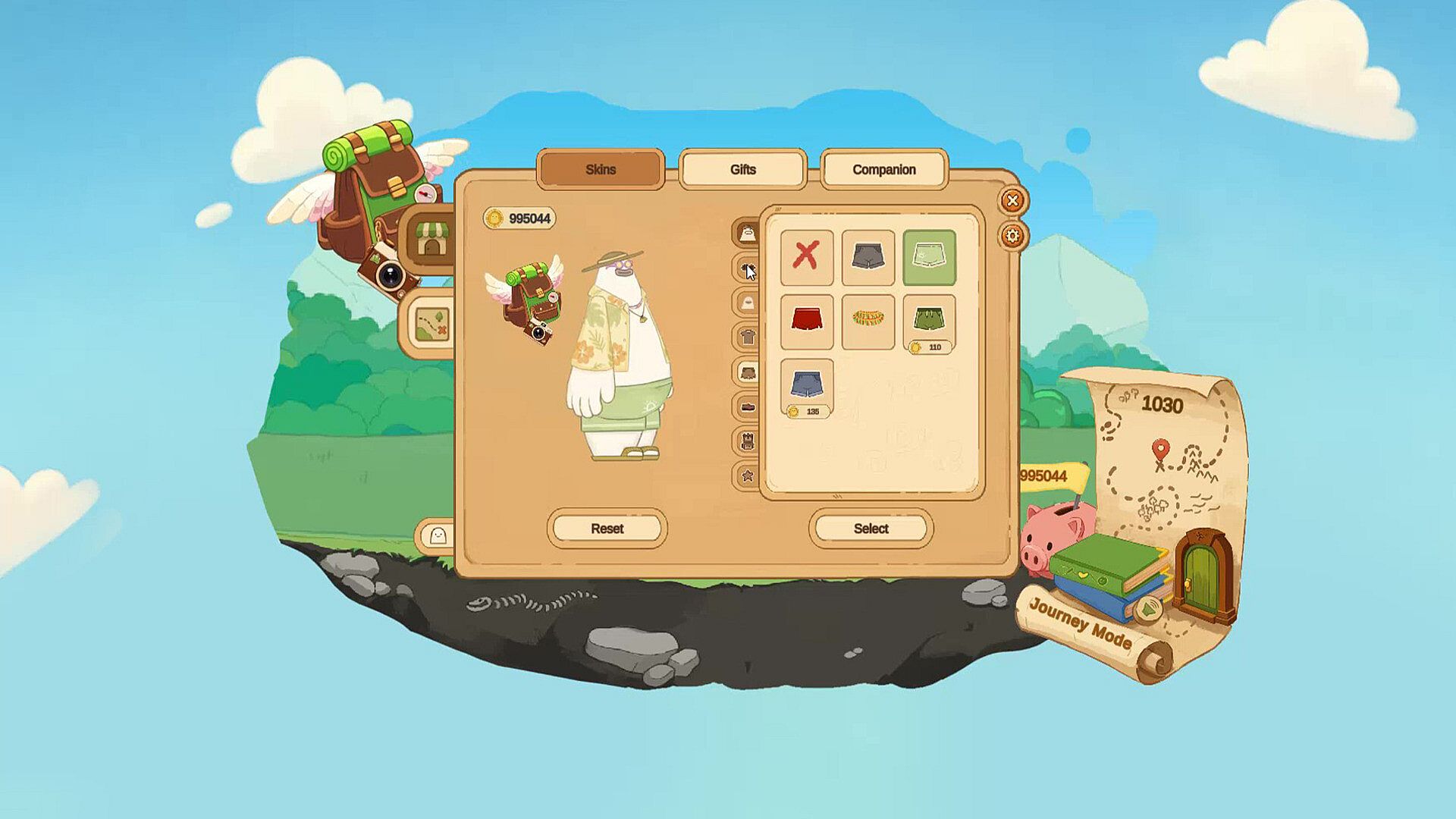
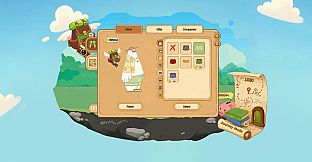
Outfits, hats, and accessories become available through continued travel, each adding new idle animations that play when BilBil pauses. These visual changes let players alter the traveler's appearance without affecting the core pace of movement. The journal functions as a personal log where entries can be added freely, creating a record that grows alongside the distance covered. System requirements remain light, needing only a 64-bit operating system and modest storage space, which supports running the companion alongside other applications.
Progression stays tied to the features already described, with no additional mechanics such as resource management or branching paths confirmed in available details. The simulation continues across real-world geography at a consistent, relaxed rate.
Is It Worth Playing?
This title suits players who enjoy low-pressure casual simulations and desktop companions that integrate into existing routines. The single-player focus and emphasis on voice and time-based advancement make it a fit for those seeking a wholesome background activity rather than intense engagement. As the game remains in a coming-soon state with no user reviews available yet, the recommendation rests on the described mechanics of gentle exploration, journal writing, and outfit unlocks. Individuals who prefer calm, ongoing experiences on PC without deadlines or social competition will likely find the approach appealing once it releases.