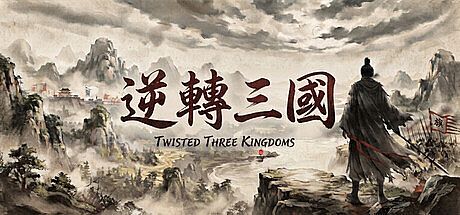


Twisted Three Kingdoms is a single-player strategy simulation game set on PC. Players begin by selecting a character's background and birthplace, then navigate a divided world through resource management, troop command, and territorial expansion across five distinct nations.
Gameplay
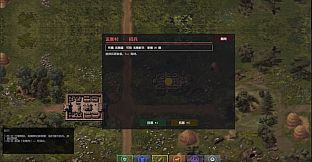
The core loop centers on building and sustaining forces while expanding influence. Characters gain experience from combat and kills, allowing manual upgrades to troop tiers. Attributes play a direct role in outcomes: strength improves melee effectiveness, agility enhances ranged performance, charisma lowers troop upkeep and food needs, and intelligence boosts siege equipment. Generals carry good or evil alignments along with personal skills, and recruitment happens through dialogue or conversion mechanics that can bring in wandering figures or even bandits.
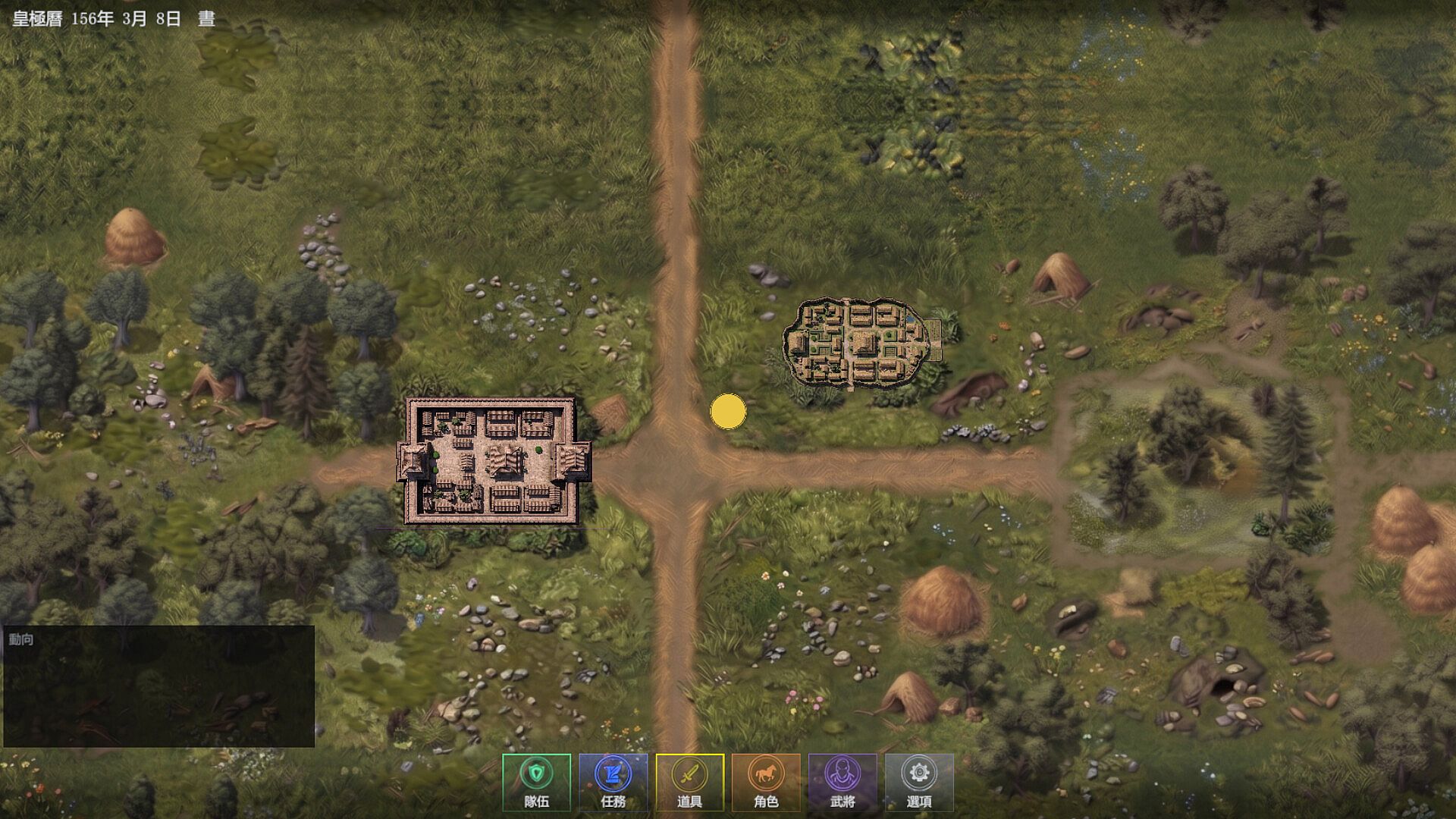
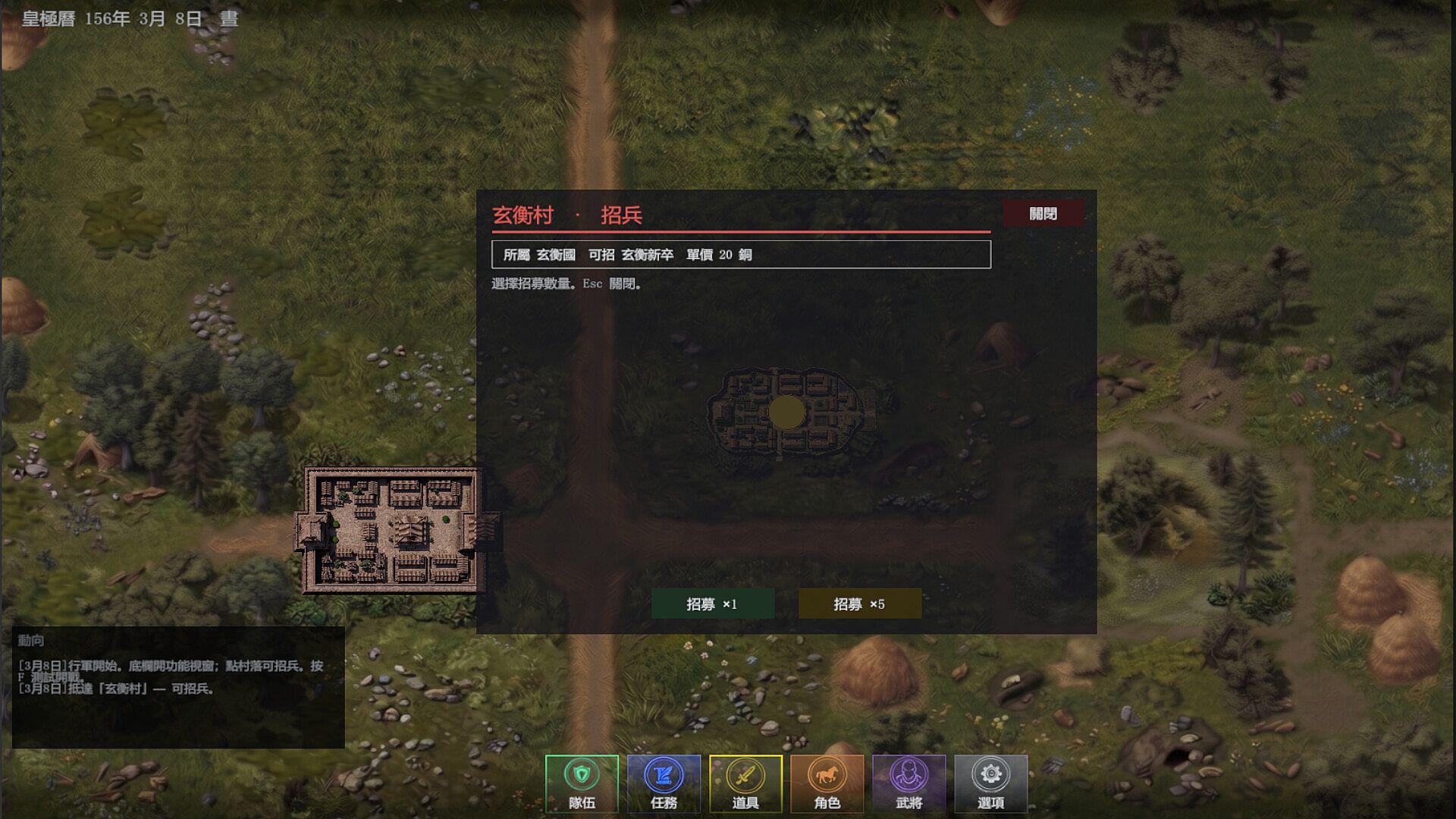
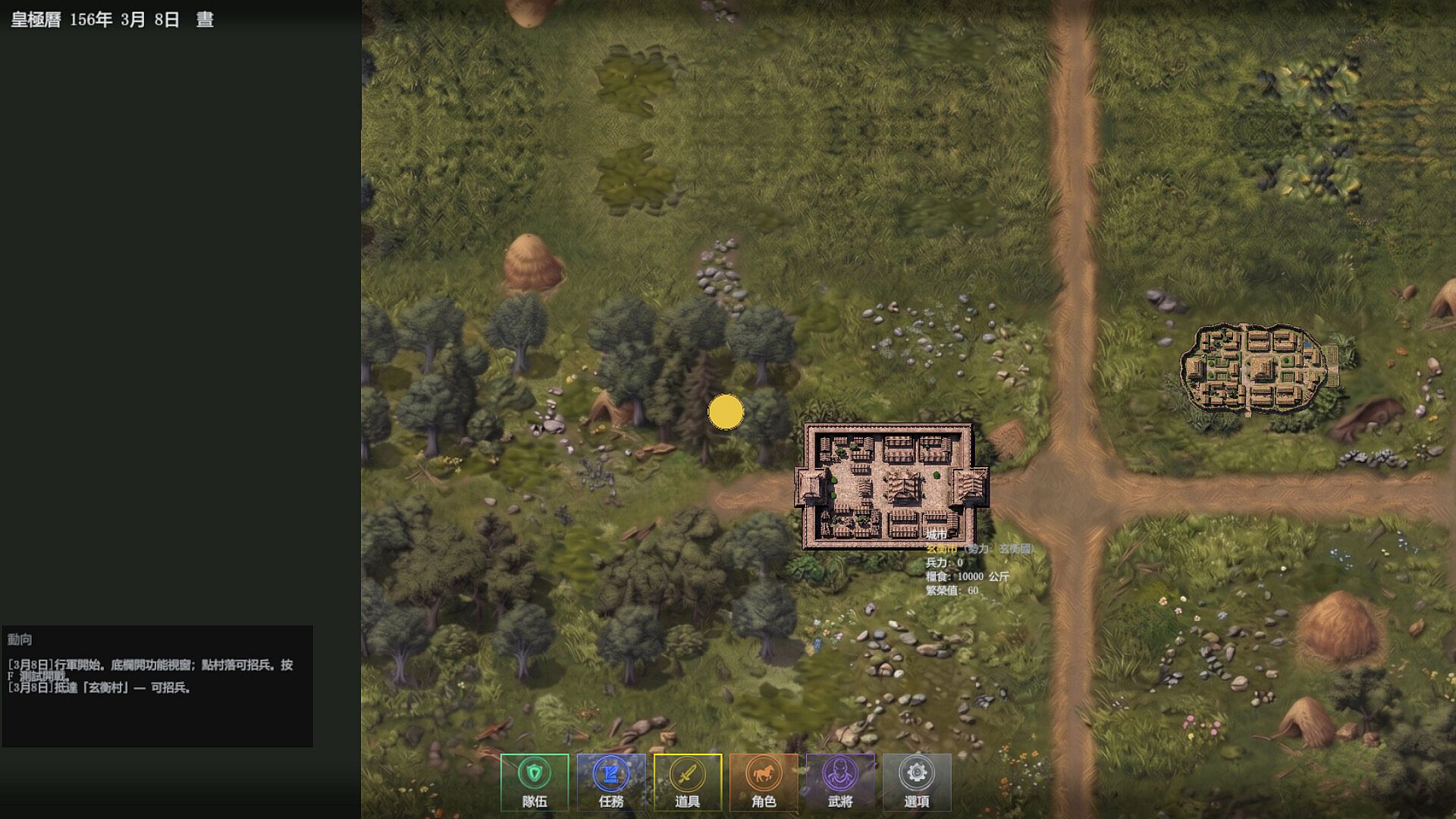
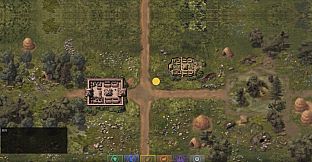
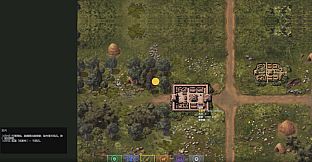
Map navigation relies on point-to-point movement between locations. Cities and villages fall into four categories-capitals, major cities, standard cities, and villages-each offering different development potential. After securing settlements, players assign villagers to gather wood, extract stone, cultivate farmland, erect arrow towers, or establish blacksmith shops. Trade operates through weight-limited caravans that risk encounters with bandits during transit.
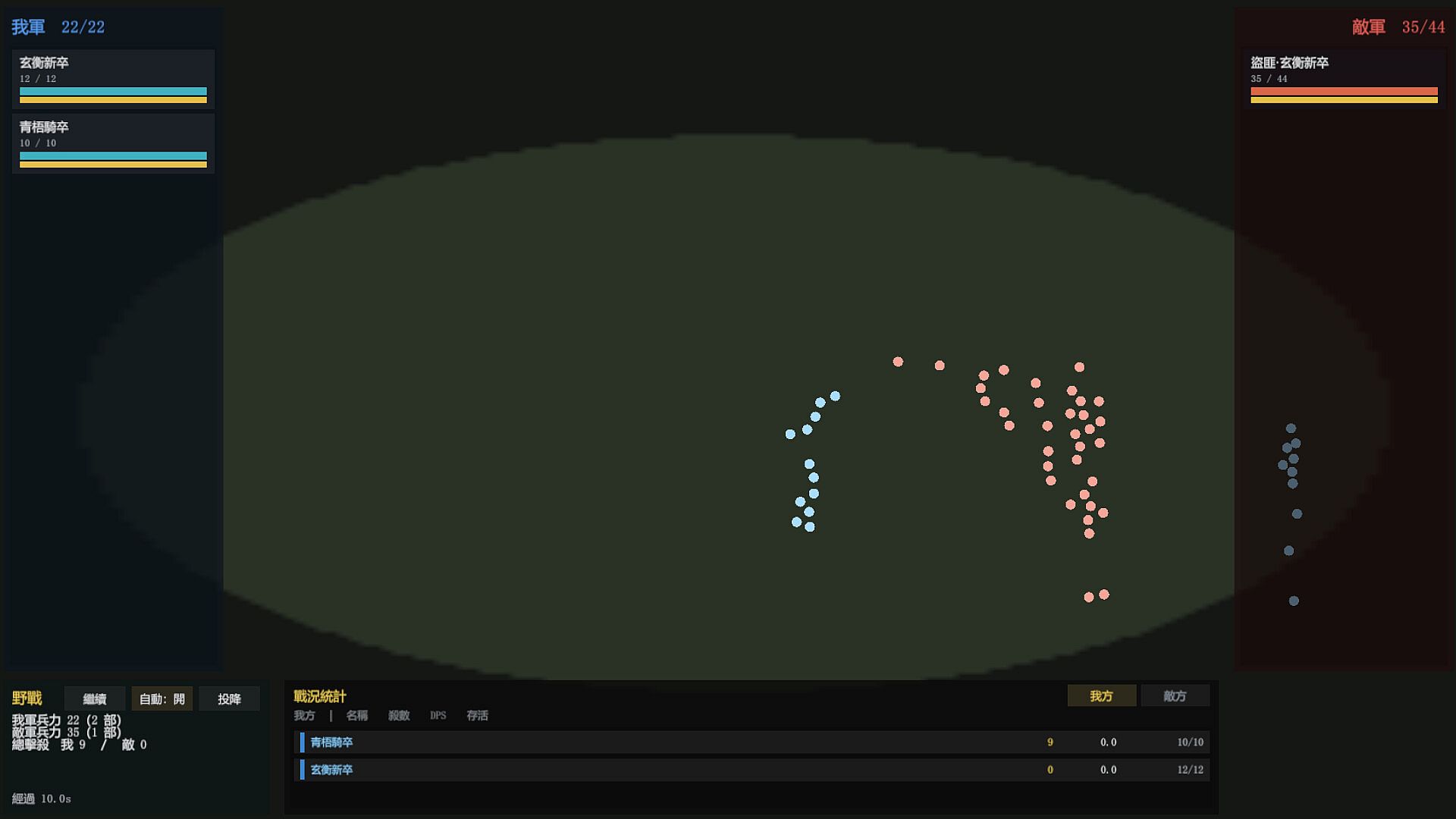
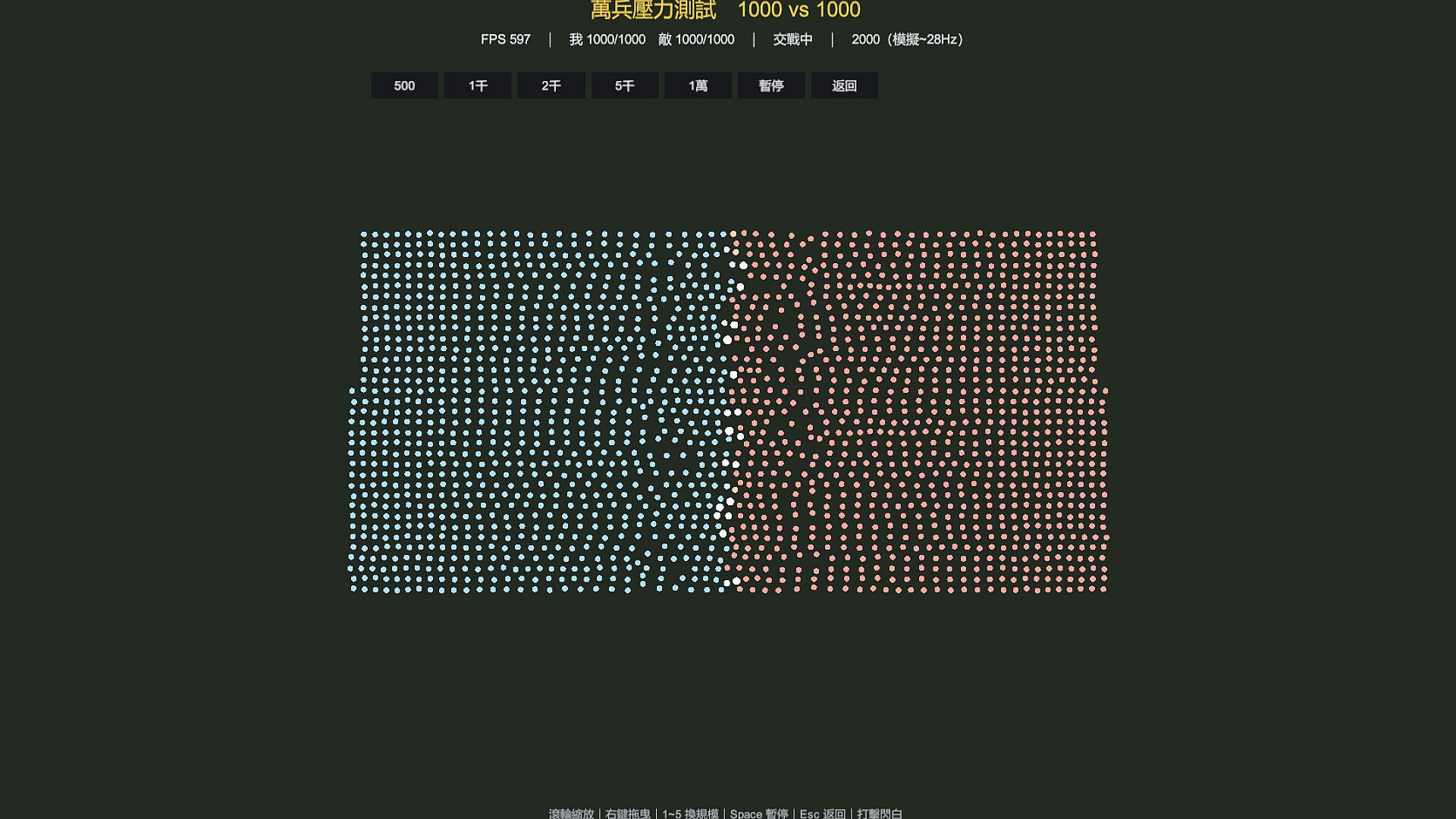
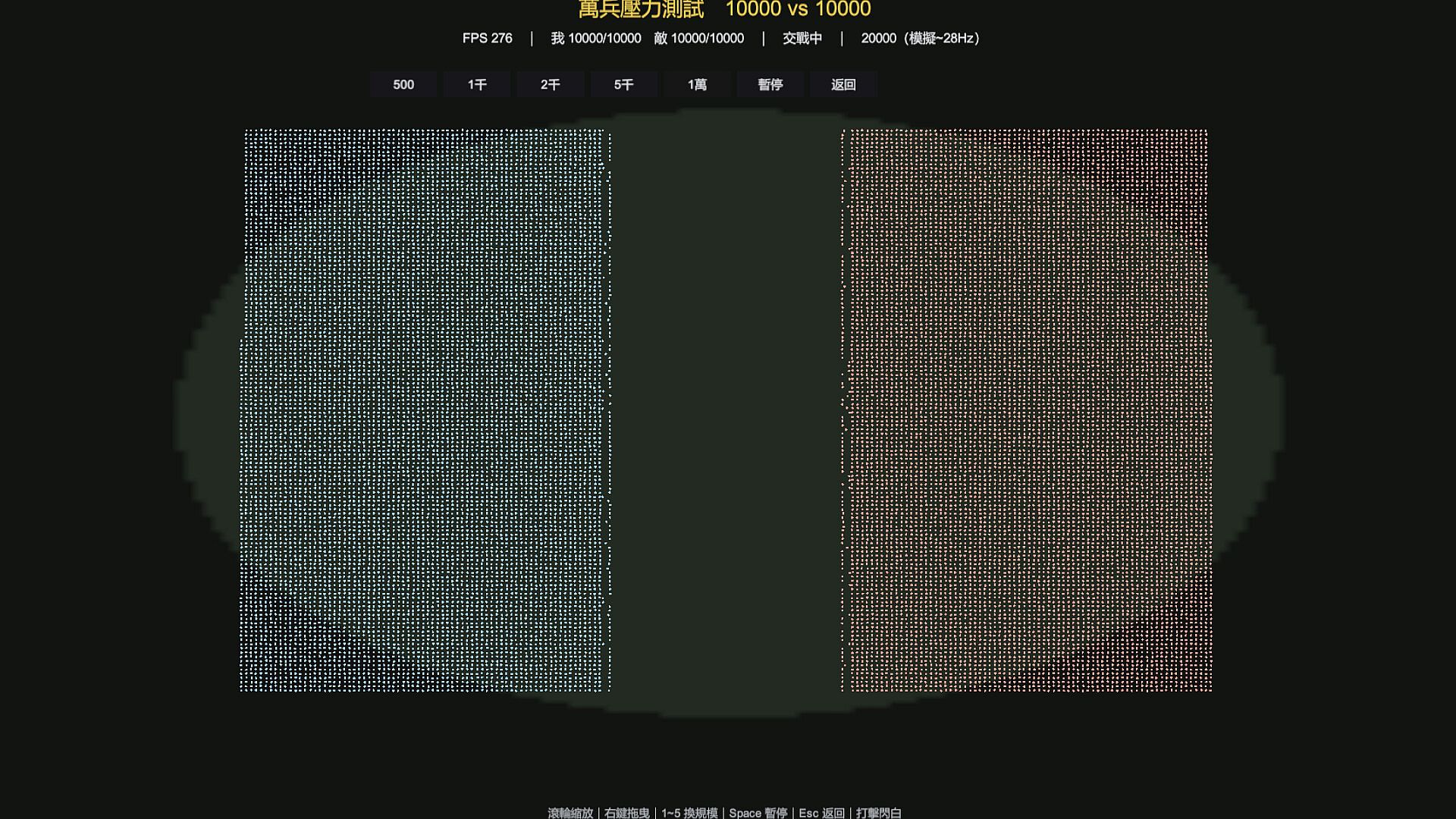
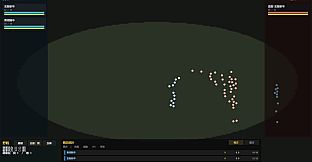
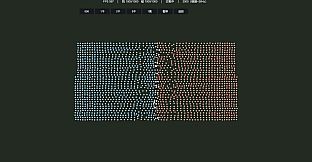
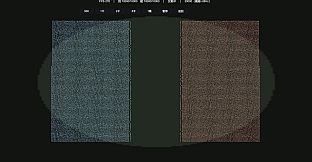
Combat uses a minimalist tactical collision system backed by detailed statistics. Large-scale battles and sieges unfold on screen with emphasis on positioning and unit interactions. Resource tracking covers morale, food supplies, and prisoners. Shortages in food or drops in morale can trigger desertions or starvation, while wounded troops need recovery time. Victories provide opportunities to sell or integrate captured soldiers into existing ranks. Equipment spans five rarity levels from white to orange, each carrying random attribute bonuses.
Game Modes
The game operates as a single-player experience focused on one continuous campaign. No separate multiplayer or alternate modes appear in available details. Progression unfolds through the grand map, where players interact with the five nations-Xuanheng, Qingwu, Chuanchuan, Yinyue, and Yunshao-each fielding its own elite troop variants. Roughly one hundred recruitable generals populate the world, supporting varied approaches to conquest or alliance-building.
Management layers integrate directly into the main flow. Economy and construction decisions feed into military readiness, while prisoner and morale systems add consequences to prolonged campaigns. The structure encourages steady expansion from village level upward, with equipment and general development providing incremental advantages over time.
Factions and World Structure
Five nations divide the map, each with specialized elite units that shape tactical choices during engagements. Settlement types determine available resources and defensive options once captured. Wandering generals offer recruitment targets scattered across the landscape, adding depth to army composition beyond standard troop production.
Alignment mechanics for generals introduce personality-driven elements, influencing how they interact with the player's forces. Brainwashing options expand recruitment possibilities beyond conventional means, allowing integration of unconventional allies into the roster.
Is It Worth Playing?
Twisted Three Kingdoms targets players who enjoy detailed strategy simulations with intertwined management systems. The combination of attribute-based character growth, settlement development, and resource pressures creates a focused single-player loop centered on empire building. Equipment rarities and general recruitment add layers of customization without overwhelming complexity.
Because the title remains unreleased with no player reviews or post-launch updates available, any assessment rests on the described mechanics. Those drawn to point-to-point exploration, collision-based combat, and systems for morale, food, and prisoners will find the outlined features align with classic strategy simulation preferences. The minimalist combat presentation paired with large-scale battle support suggests accessibility for those who value statistics and positioning over fast reflexes.