






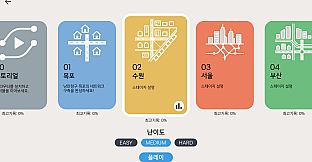
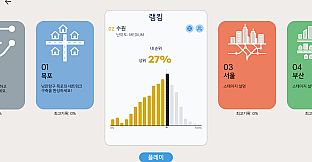

Traceroute is a strategy simulation game that puts players in charge of constructing and maintaining communication networks. In this indie title available on PC, the focus rests on designing efficient pathways for data by placing routers, cables, splitters, and mergers across a grid layout. The experience blends elements of casual puzzle solving with deeper simulation mechanics, appealing to those who enjoy thoughtful planning and real-time problem solving in a relaxed yet engaging format.
Gameplay
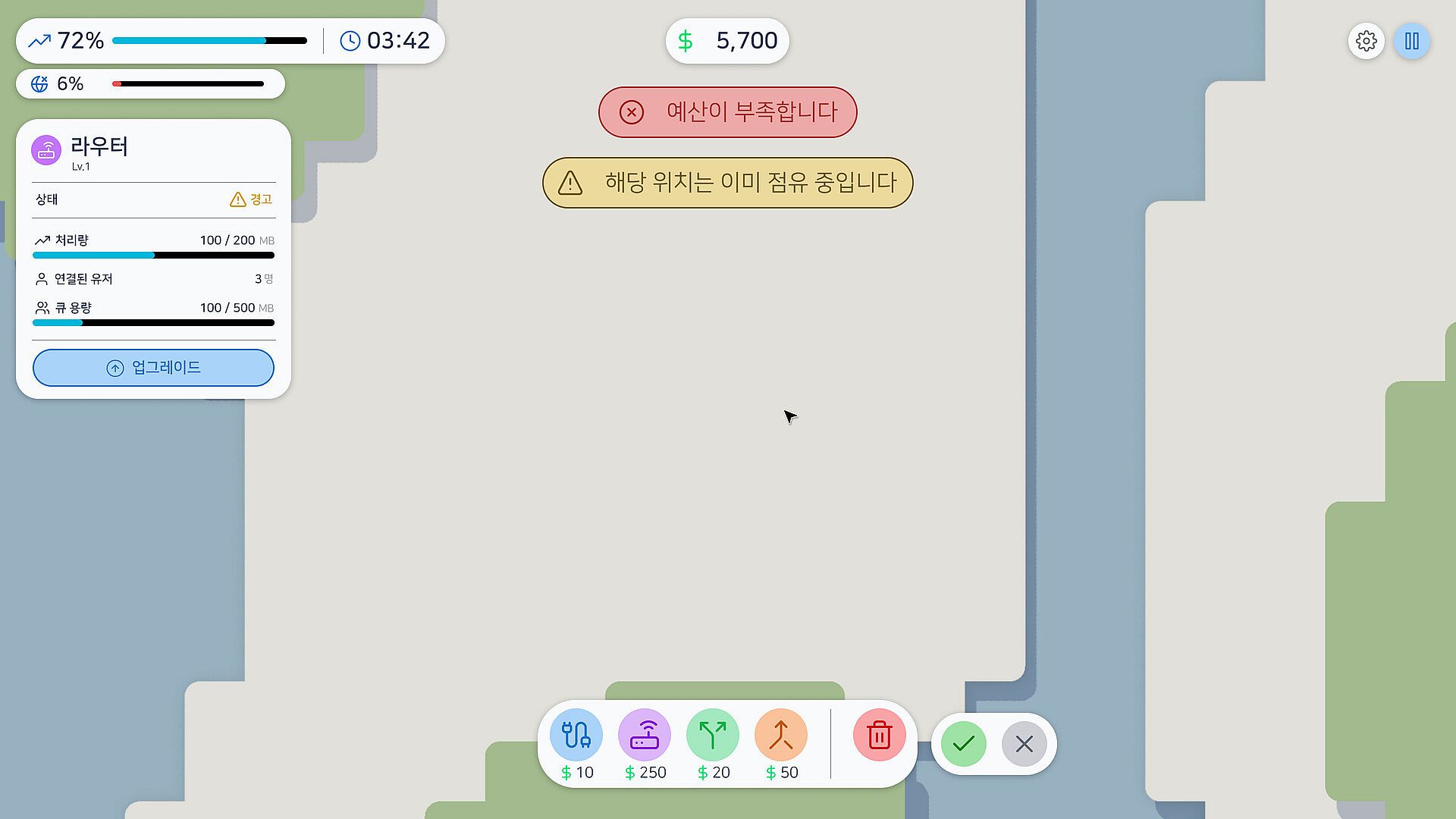
The core loop centers on wiring connections directly between components to form functional networks. Players draw cables across the grid to link servers with endpoints while routing traffic through various devices. Bandwidth and latency must stay within acceptable limits on a restricted budget, requiring careful decisions about placement and upgrades to prevent bottlenecks.
Traffic flows in real time, so latency builds and overloads appear dynamically as data moves from source to destination. This creates a living system where small changes can ripple through the entire setup. Sudden events like DDoS attacks or traffic surges arrive without warning, forcing quick adjustments to keep the network stable and data delivery reliable.
Success comes from balancing cost, performance, and resilience. Overbuilding wastes resources, while underbuilding leads to failures during peak loads. The simulation rewards observation and iteration, as players tweak layouts to handle increasing demands and unexpected threats.
Game Modes
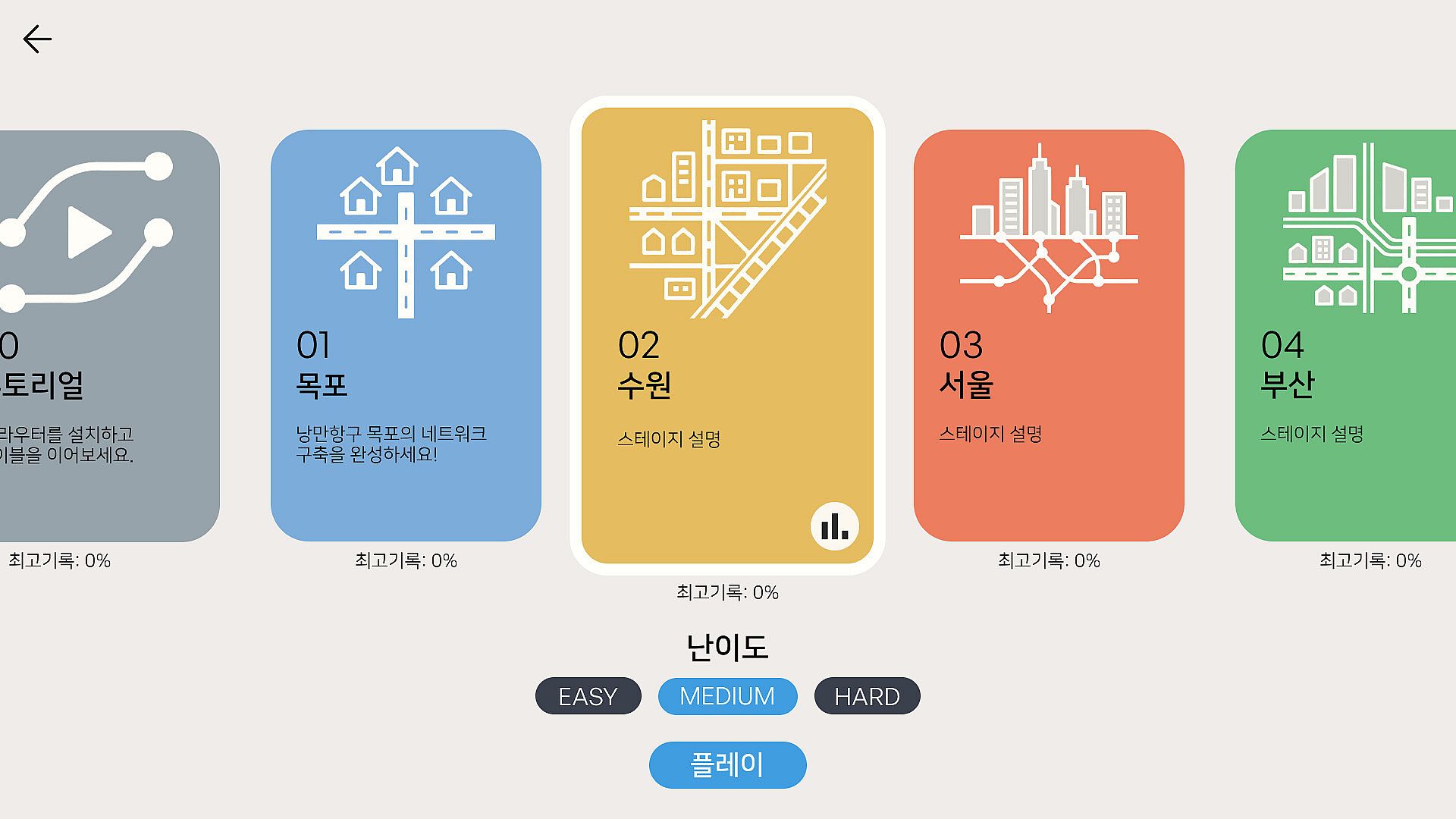
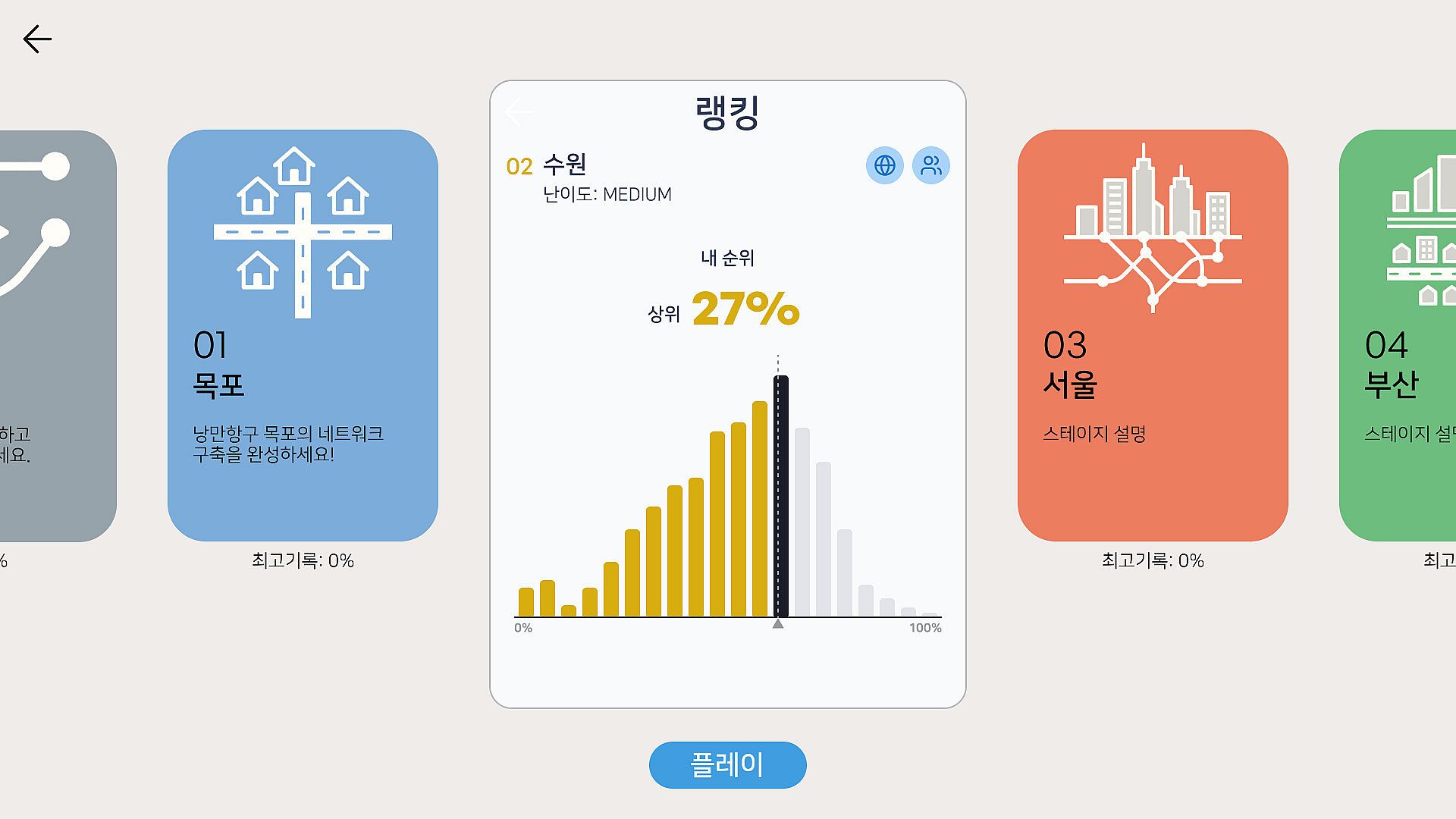
The game operates as a single-player simulation experience centered on progressive network challenges. Each session involves starting with basic infrastructure and expanding it to serve more users while maintaining quality of service. The emphasis stays on iterative design rather than competitive or multiplayer elements.
Core play revolves around completing objectives tied to connectivity and stability. Players manage ongoing traffic patterns and respond to disruptions within the same continuous environment, building expertise through repeated refinement of their networks.
Key Mechanics and Systems
Direct cable placement forms the foundation of every network. Routers handle routing decisions, while splitters and mergers allow for efficient distribution or consolidation of data streams. Budget constraints mean every addition carries a cost, pushing players to optimize paths rather than simply adding more hardware.
Real-time simulation of latency and bandwidth creates immediate feedback. Visible congestion or delays highlight problem areas, encouraging targeted fixes instead of broad overhauls. Weathering attacks and surges tests the robustness of designs, often revealing weaknesses only under pressure.
The grid-based layout supports creative freedom within practical limits. Players experiment with different configurations to find solutions that scale well as the network grows and external pressures mount.
Who the Game Appeals To
Traceroute suits players interested in strategy and simulation genres who appreciate methodical building and troubleshooting. Those drawn to casual puzzle elements will find satisfaction in solving connectivity puzzles, while the real-time elements add layers of tension without overwhelming complexity.
The title rewards patience and analytical thinking over fast reflexes. Its indie scale keeps the scope focused, making it accessible for shorter sessions or longer planning marathons alike.
Is It Worth Playing?
Traceroute delivers a distinctive take on network management that stands out among simulation games. The combination of grid-based construction, real-time traffic handling, and sudden challenges creates a satisfying loop for anyone who enjoys optimizing systems under constraints.
Players who value clear cause-and-effect mechanics and iterative improvement will likely find it engaging. The game maintains a steady pace that fits casual play while offering enough depth for repeated attempts at better solutions. Its focused design makes it a solid choice for those seeking a thoughtful strategy experience on PC without unnecessary complexity.











