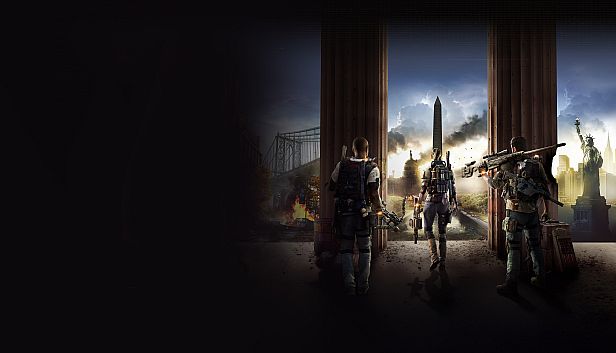






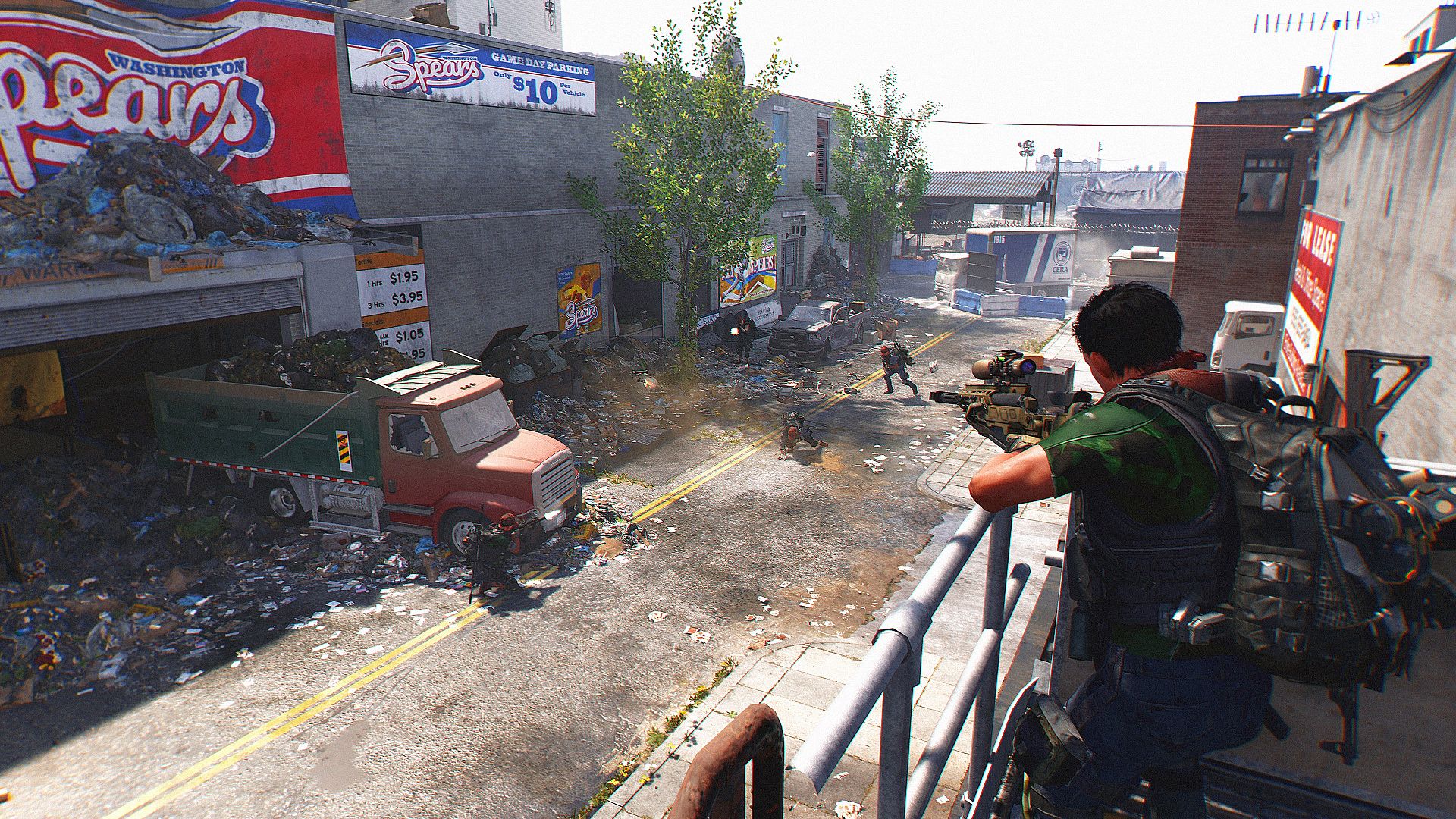
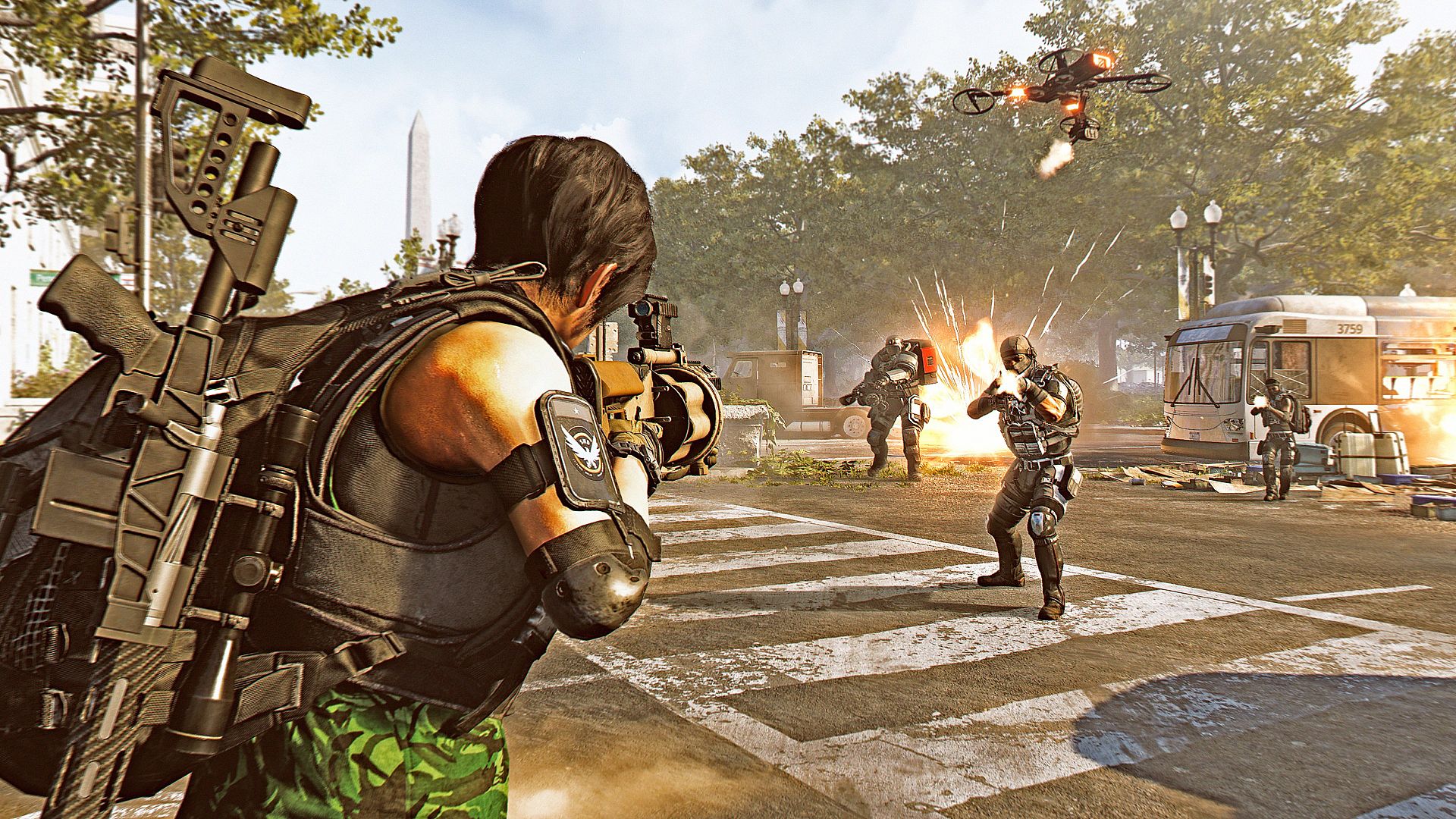
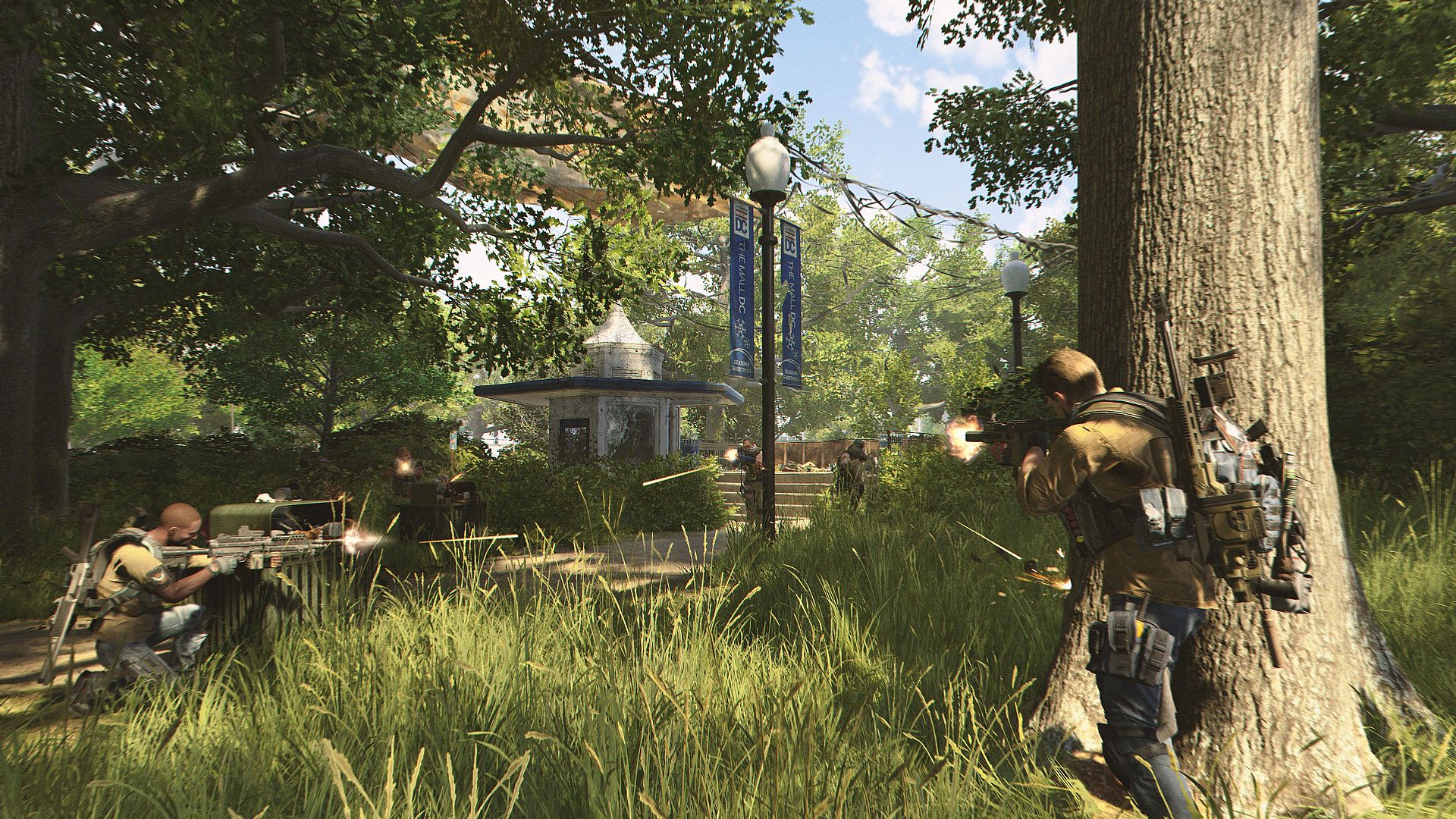
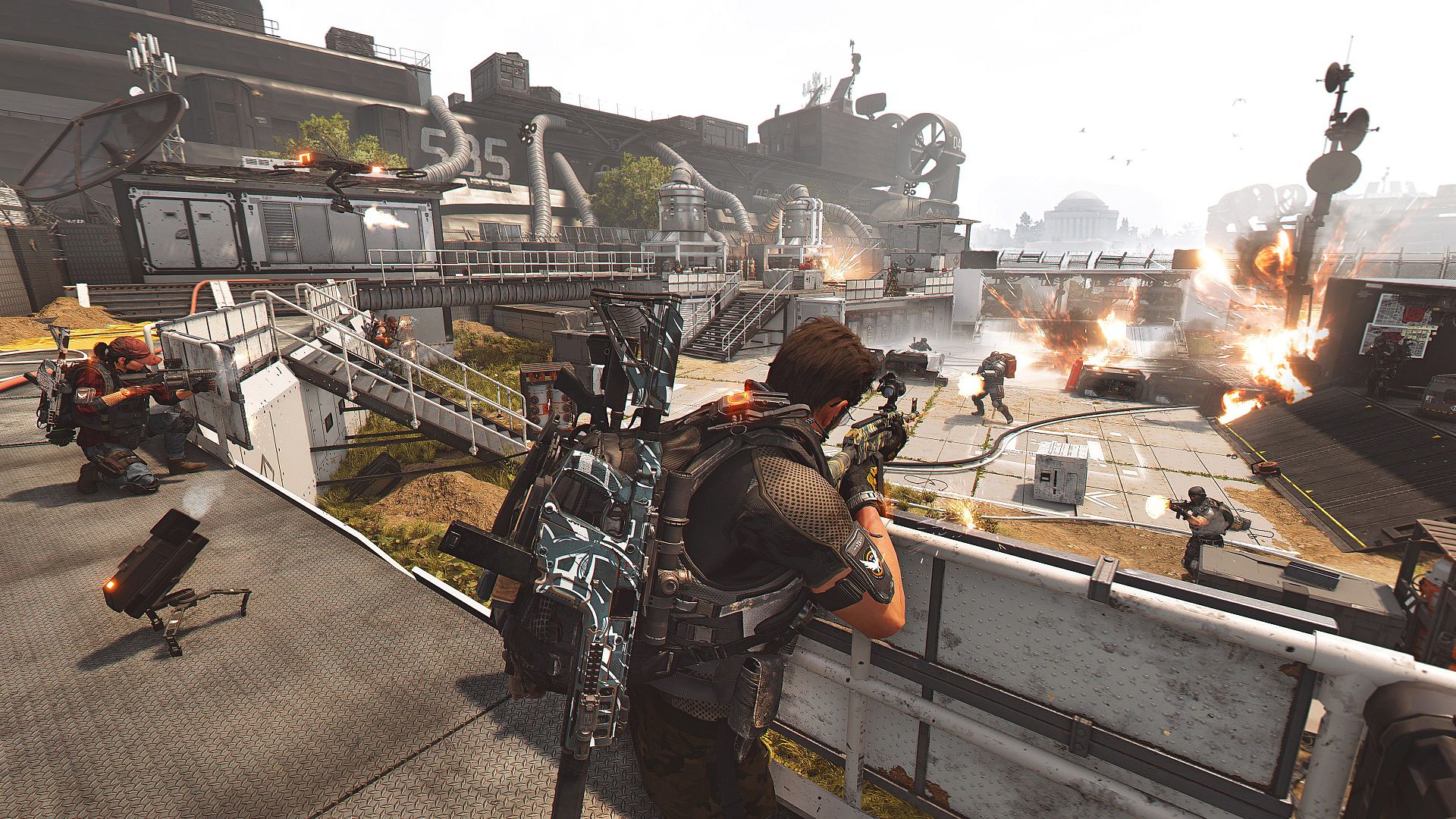

Tom Clancy's The Division 2 is an action shooter RPG set in a post-pandemic Washington, D.C., where players take on the role of elite civilian agents tasked with restoring order amid widespread collapse. The game combines third-person shooting with RPG progression systems focused on gear, skills, and character specialization. Players explore a detailed open world filled with hostile factions, complete missions to secure settlements, and build up their agent through loot and upgrades.
Gameplay
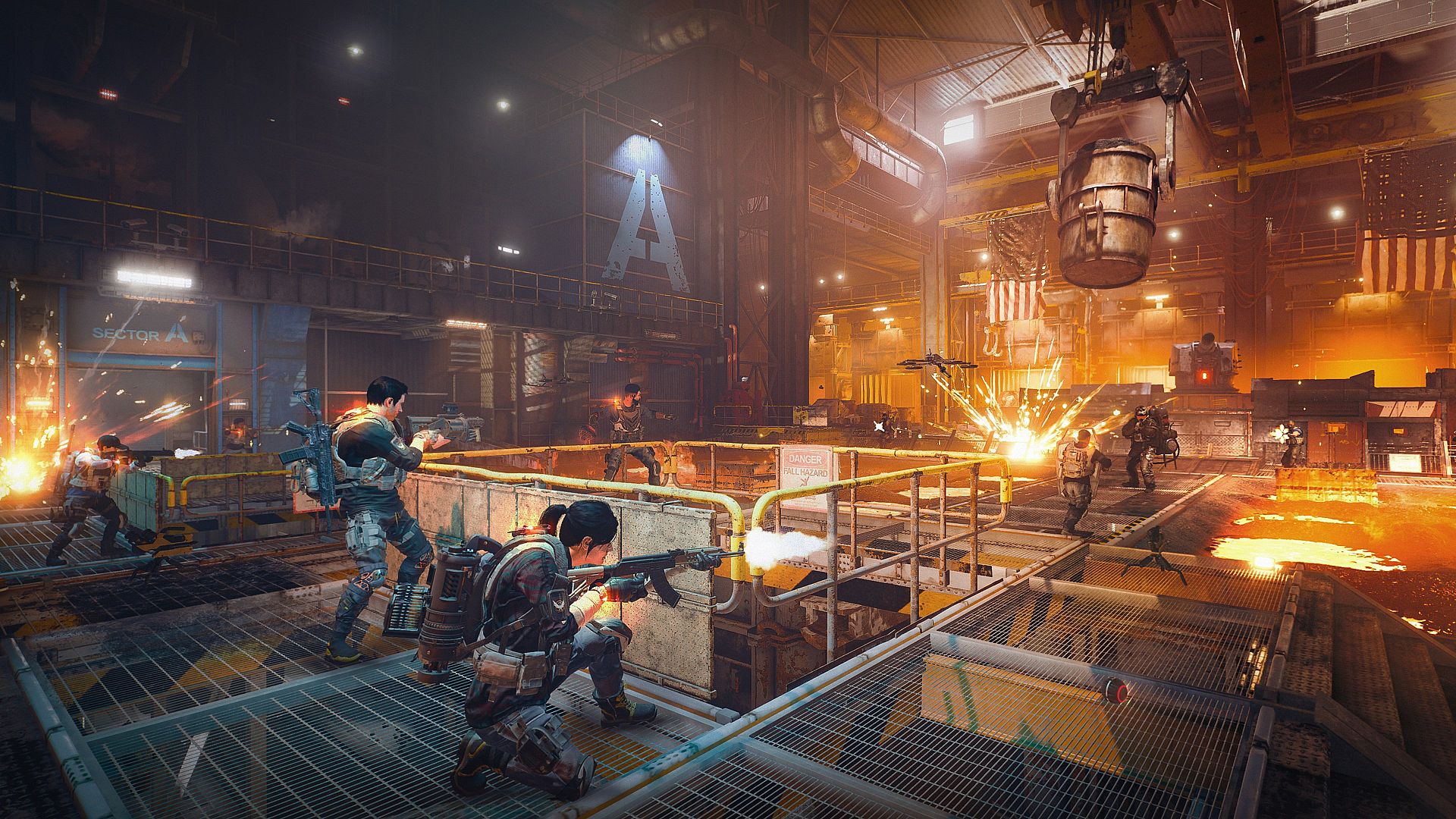
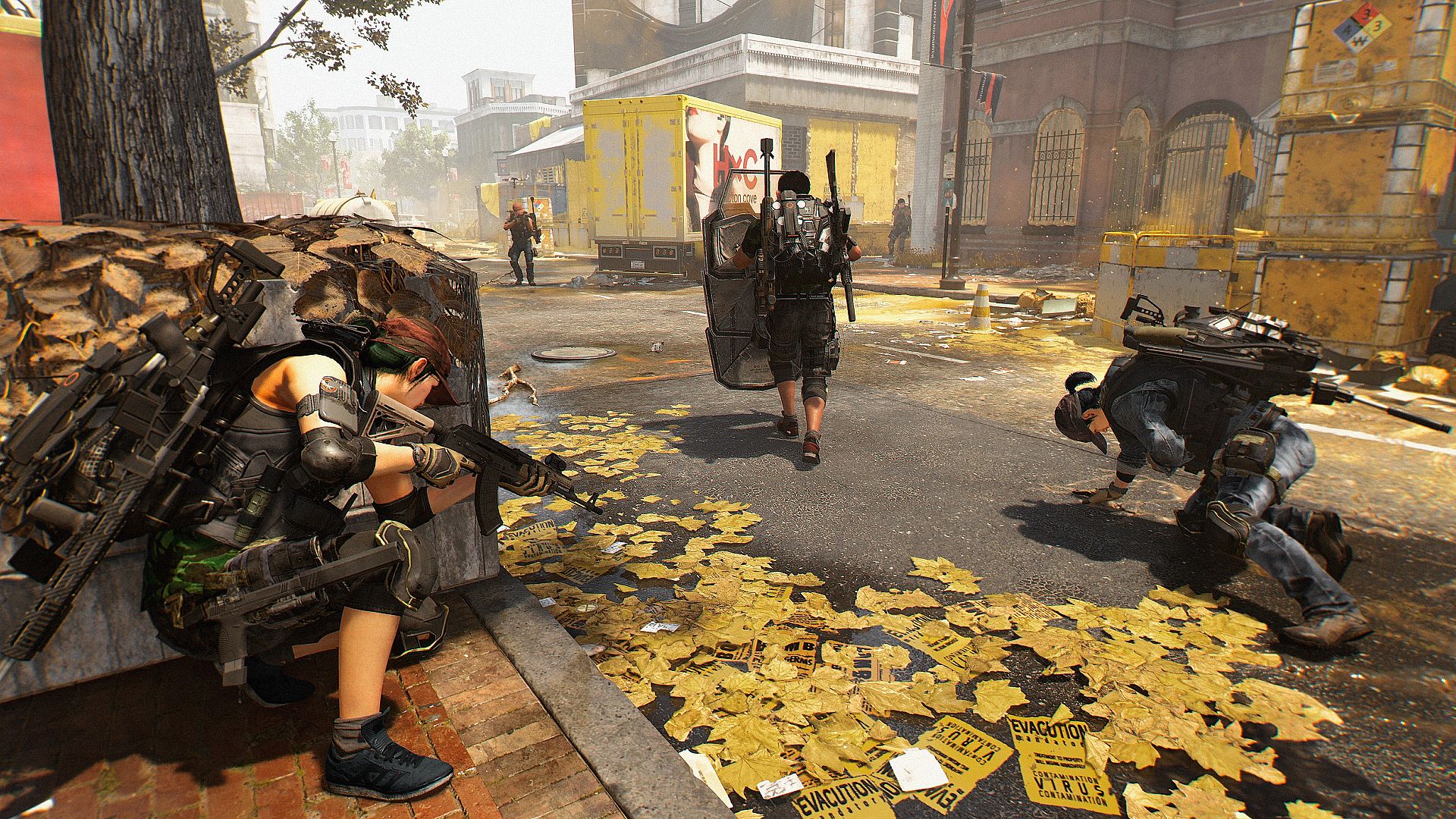
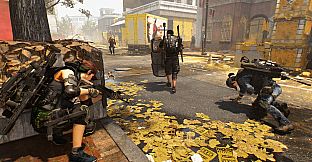
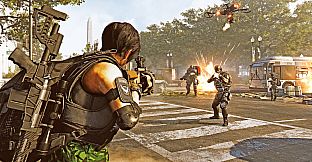
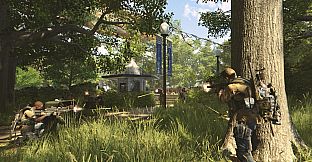
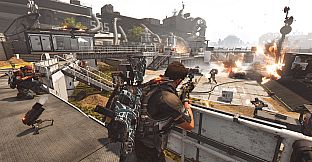
The core loop revolves around tactical combat in a cover-based shooter environment. Agents use a variety of firearms, deploy skills like turrets or seeker mines, and manage resources while navigating flooded streets and ruined landmarks. Exploration leads to encounters with enemy groups that require different strategies based on their behaviors and equipment. Progression involves collecting gear pieces that alter stats and unlock talents, allowing customization for solo or group play. Specializations such as demolitionist, sharpshooter, and survivalist provide distinct playstyles with unique skills, mods, and talents that enhance role efficiency in combat.
Environmental factors like weather and time of day influence enemy patrols and activities. Agents can call in support from the SHD network for temporary advantages during fights. The system emphasizes preparation through loadout choices before engaging larger threats in the city.
Game Modes
The campaign forms the main single-player experience, guiding agents through story missions to liberate key areas of Washington, D.C., from controlling factions. Co-op supports up to four players for tackling challenging missions and strongholds together, with shared progress and revived teammates. Competitive PvP includes adversarial modes where agents face off against others in structured matches.
Endgame activities extend beyond the initial campaign with repeatable content that scales with player level and gear score. These modes encourage repeated engagement through varied objectives and escalating difficulty.
World and Factions
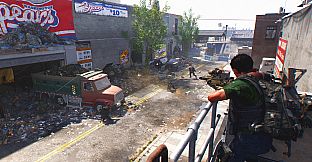
Washington, D.C., serves as the primary setting, transformed by storms, flooding, and societal breakdown following a viral outbreak. Three primary hostile factions vie for control: the Hyenas, a chaotic alliance of gangs and criminals; the Outcasts, vengeful survivors from a quarantined zone; and the True Sons, a disciplined paramilitary force of former military personnel. Each group employs distinct tactics and weaponry that shape encounter design.
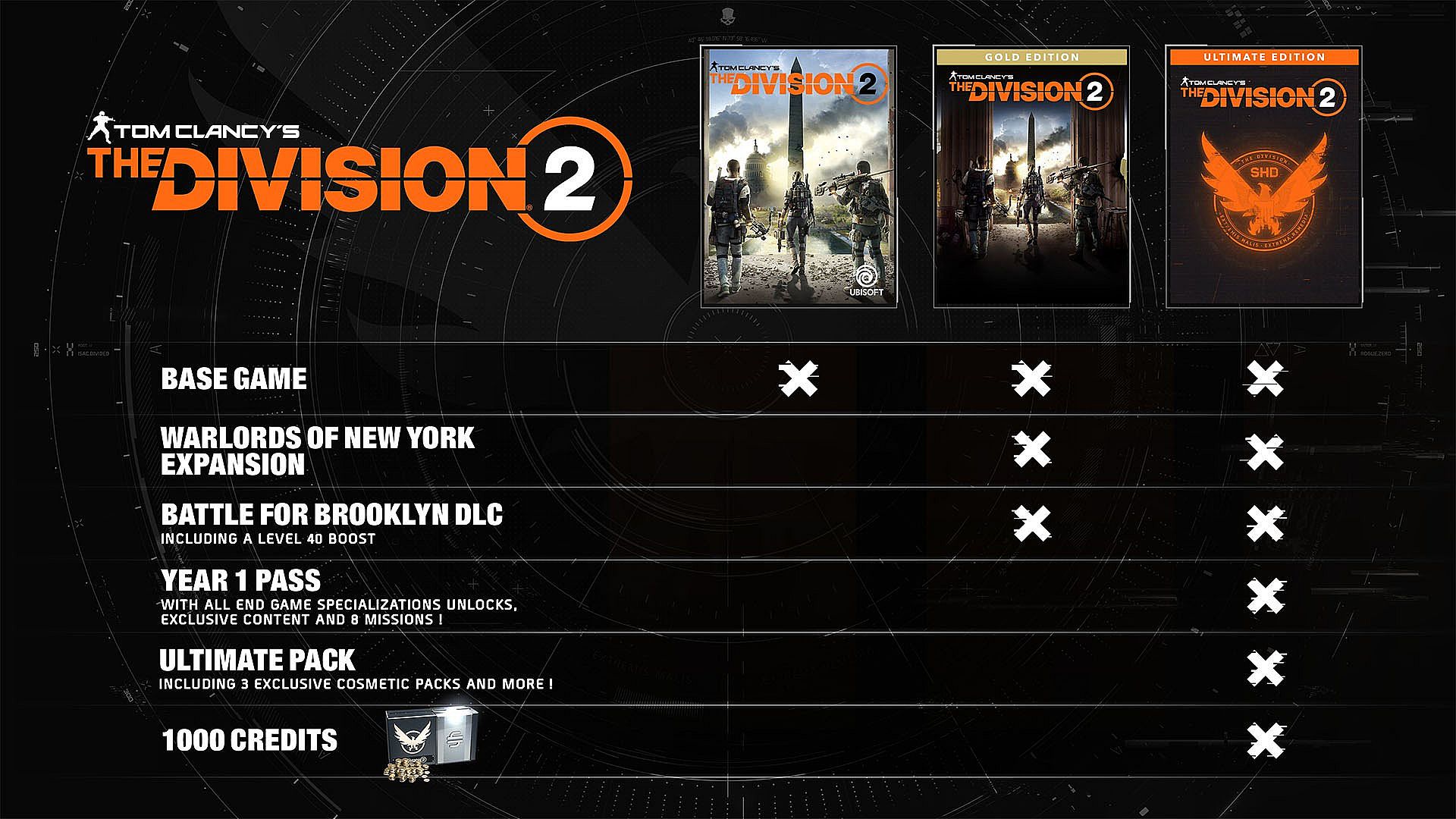
Friendly elements include civilian settlements and remnants of official forces that provide side objectives and support hubs. Expansions introduce additional threats, such as pursuits in New York against rogue agents and renewed conflicts involving the Cleaners in Brooklyn.
Endgame and Progression
After reaching level 30, agents access expanded systems including new specializations that branch into further skill trees and gear optimization. Level boosts to 40 allow quicker entry into later campaigns. Stash expansions and additional storage support inventory management for dedicated players.
Regular updates have sustained the experience with new content layers, keeping the focus on long-term agent development and team coordination.
Is It Worth Playing?
Tom Clancy's The Division 2 suits players who enjoy methodical third-person shooters blended with loot-driven RPG elements and cooperative multiplayer. The campaign delivers a structured narrative path through a detailed urban environment, while co-op and PvP options provide ongoing variety for groups or competitive sessions. Specializations and gear systems reward experimentation and optimization over time.
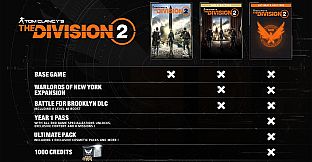
Those seeking a persistent online action experience with faction-based combat and endgame depth will find consistent engagement through its supported modes. The Gold Edition content expands access to additional story campaigns and boosts for faster progression into later content. Reception highlights the satisfying gunplay and world atmosphere as strengths for fans of the genre.