






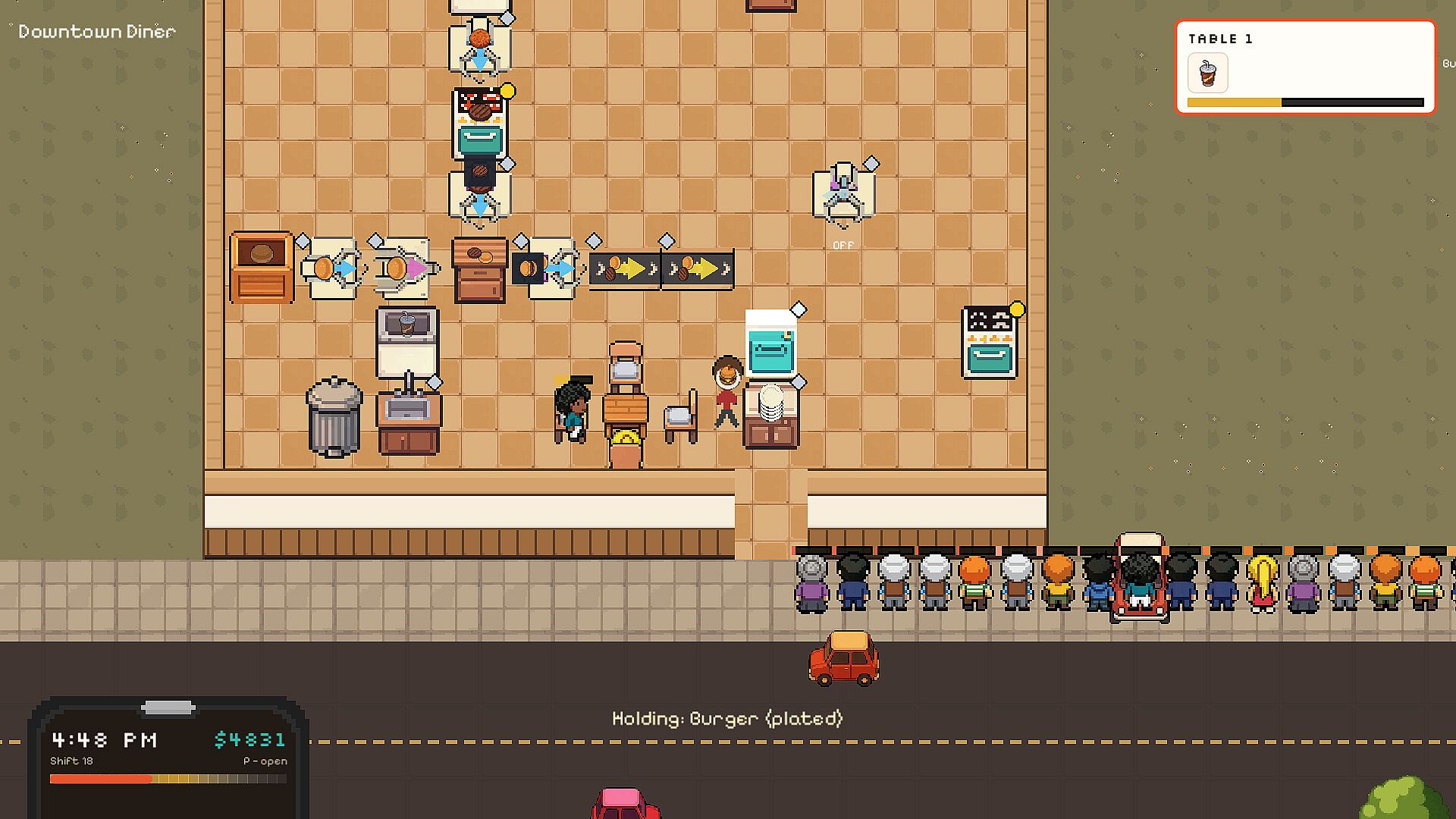
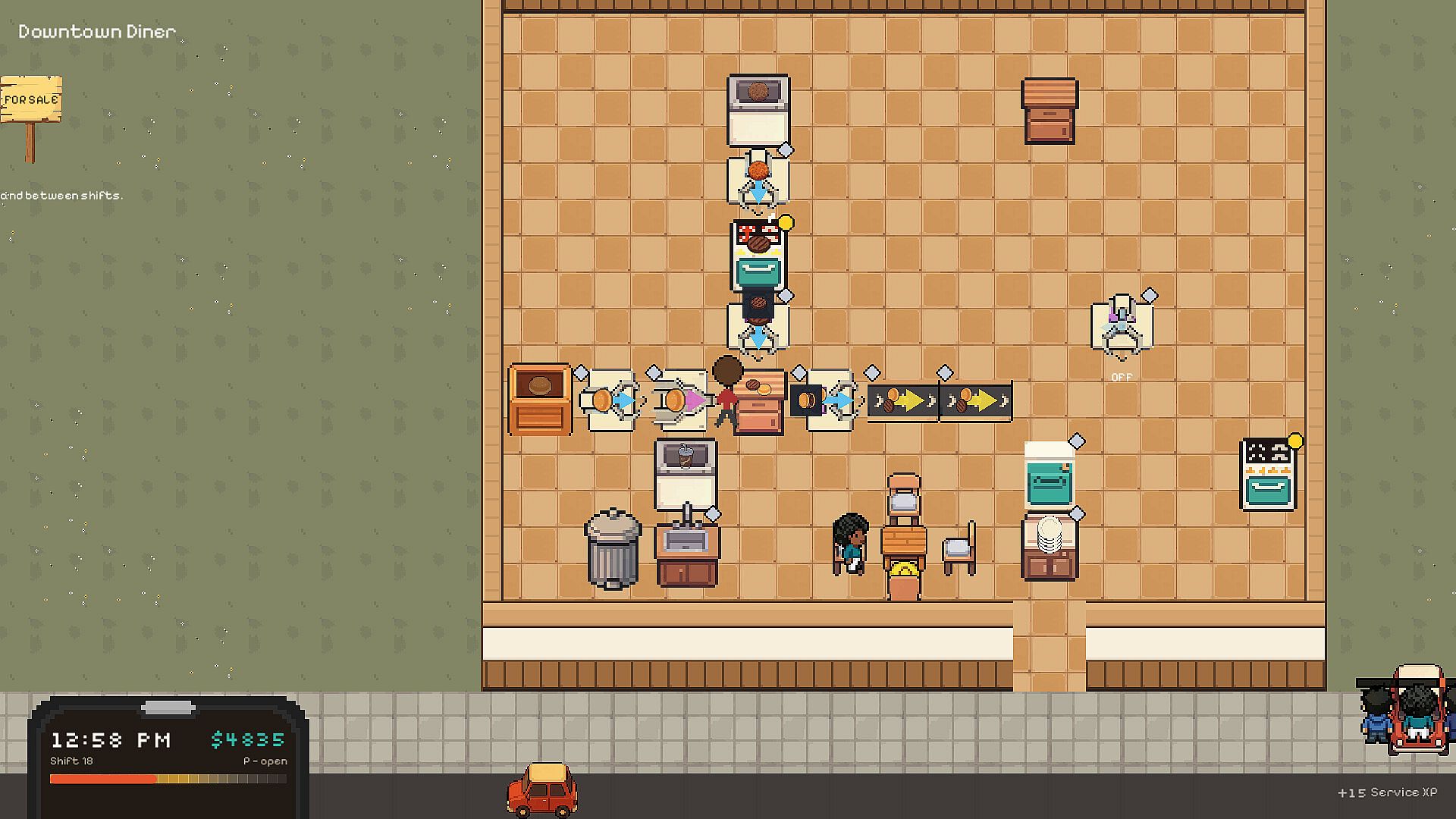
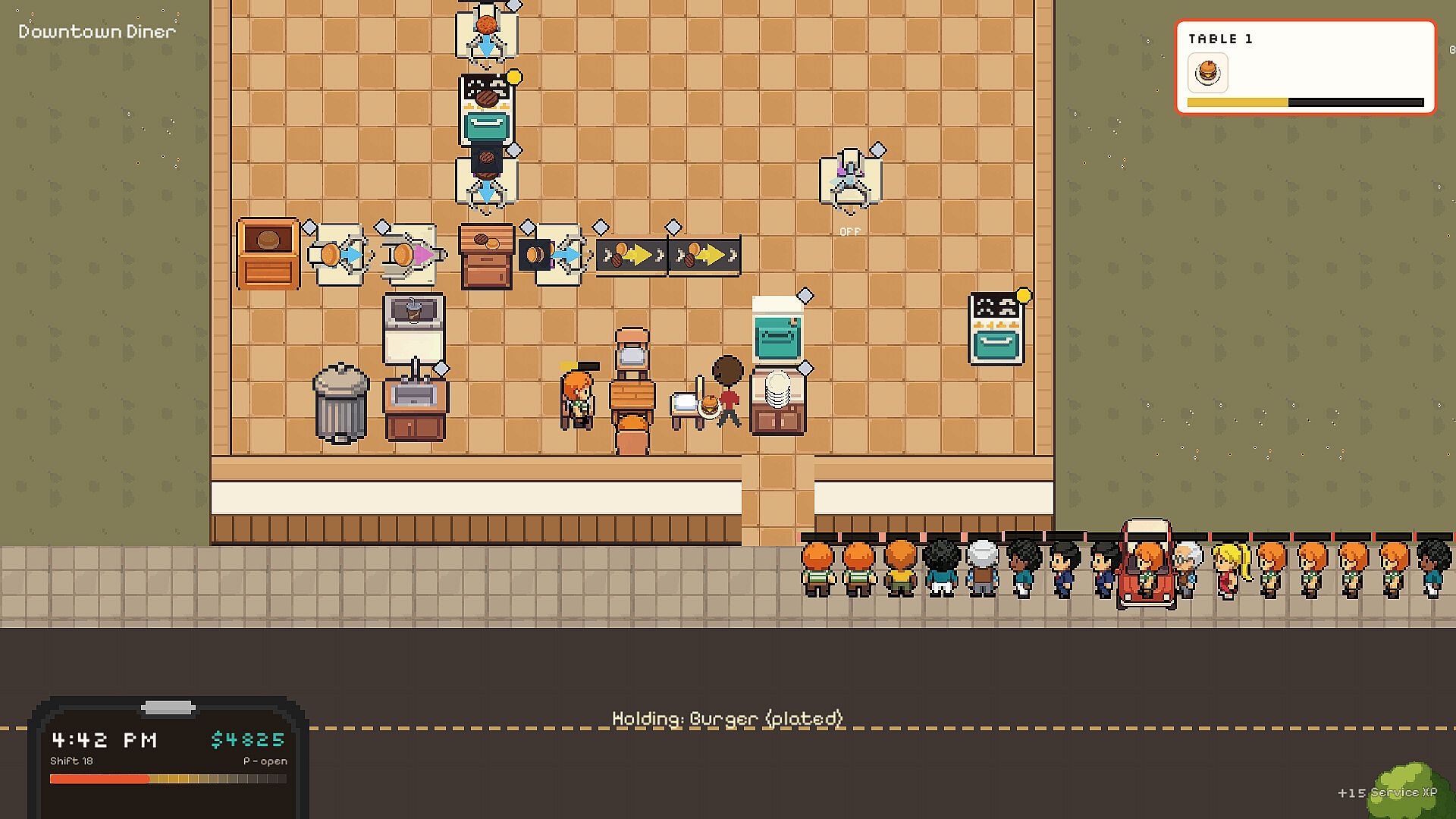
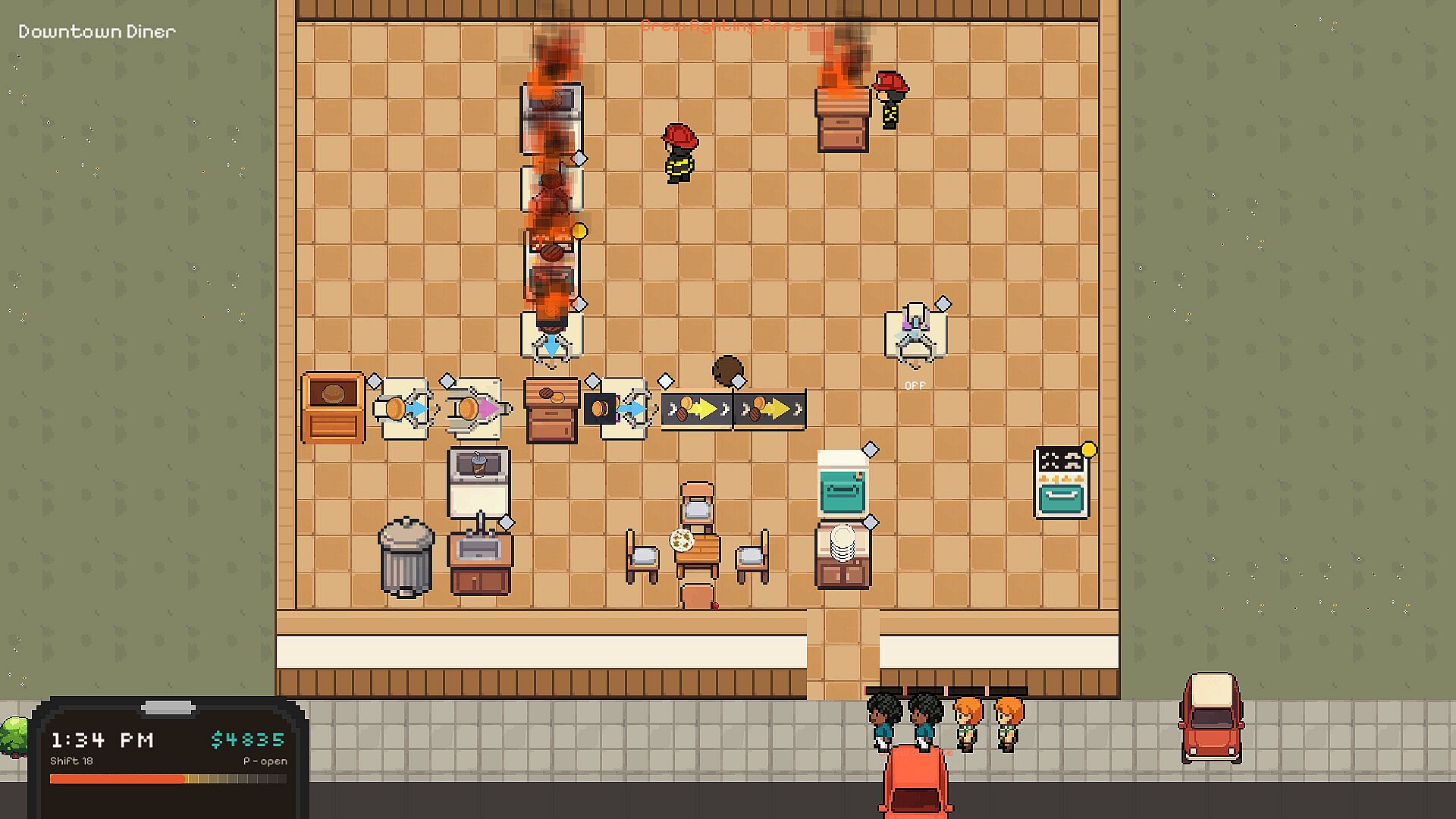
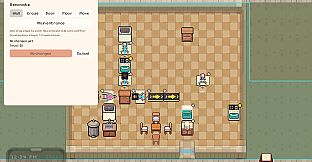
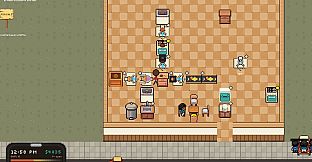
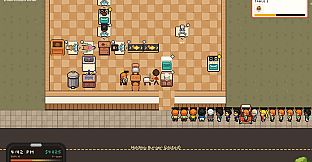
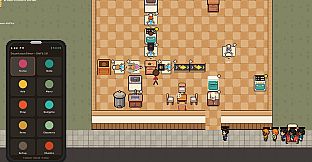
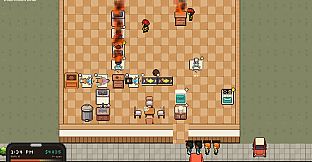
Tiny Chef è un gestionale cooperativo di un ristorante che unisce strategia e gameplay rilassato su PC. I giocatori gestiscono una singola cucina dove ogni turno richiede spostamenti continui tra le postazioni di taglio, le friggitrici, le zone di impiattamento e i tavoli dei clienti. Il ciclo di gioco si basa sulla gestione degli ordini in tempo reale, affrontando il caos della cucina come incendi che si propagano e piatti sporchi che si accumulano rapidamente.
Gameplay
Il turno giornaliero segue un orologio in tempo reale che influenza il ritmo del servizio. L'ora di pranzo porta un afflusso maggiore di clienti e una pressione più intensa, mentre i momenti più tranquilli del pomeriggio lasciano spazio per riorganizzare lo spazio. I clienti arrivano da soli o in gruppi fino a quattro persone, condividono i tavoli e ordinano insieme. Servire un tavolo in ritardo fa sì che l'intero gruppo se ne vada senza pagare.
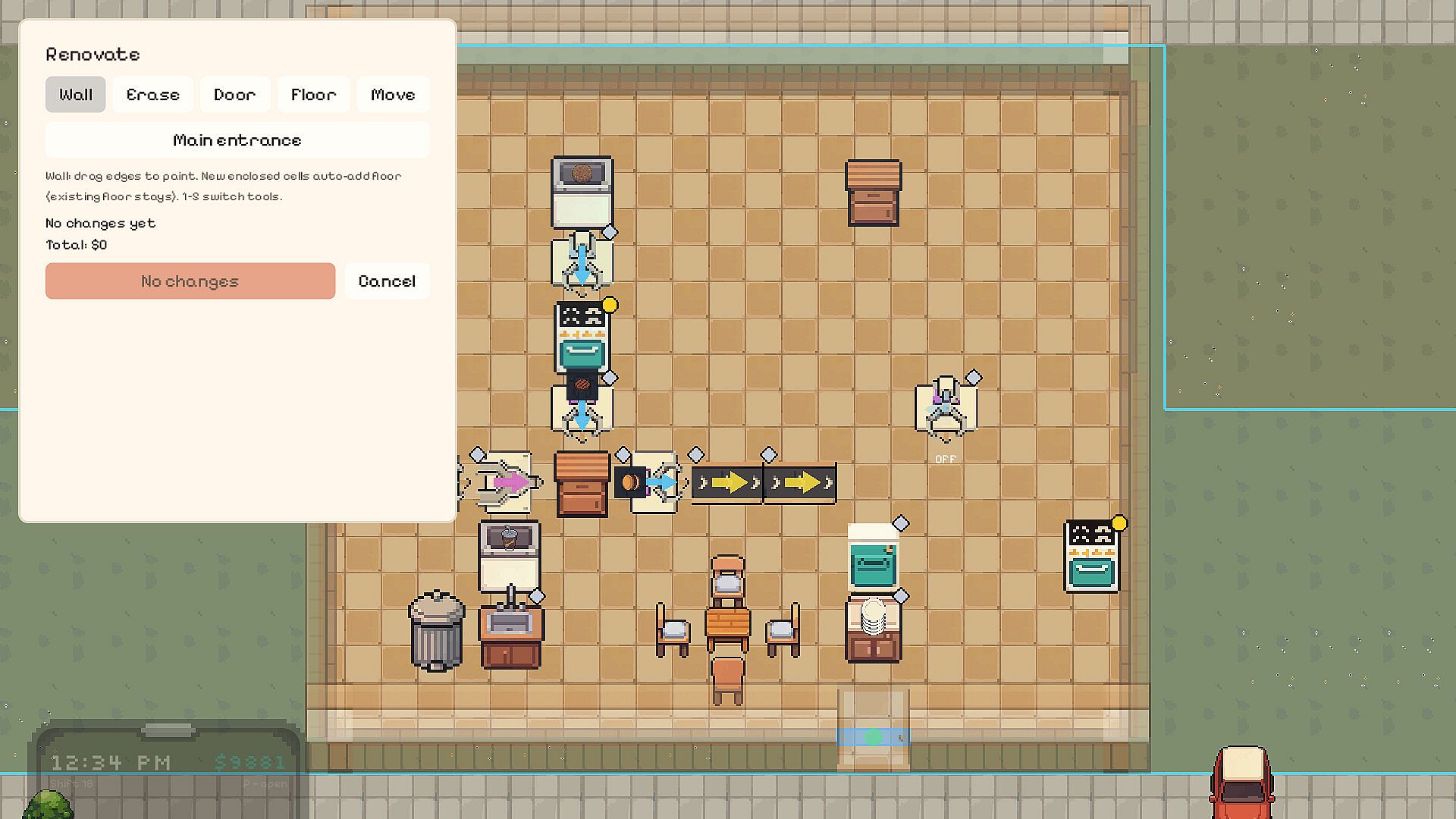
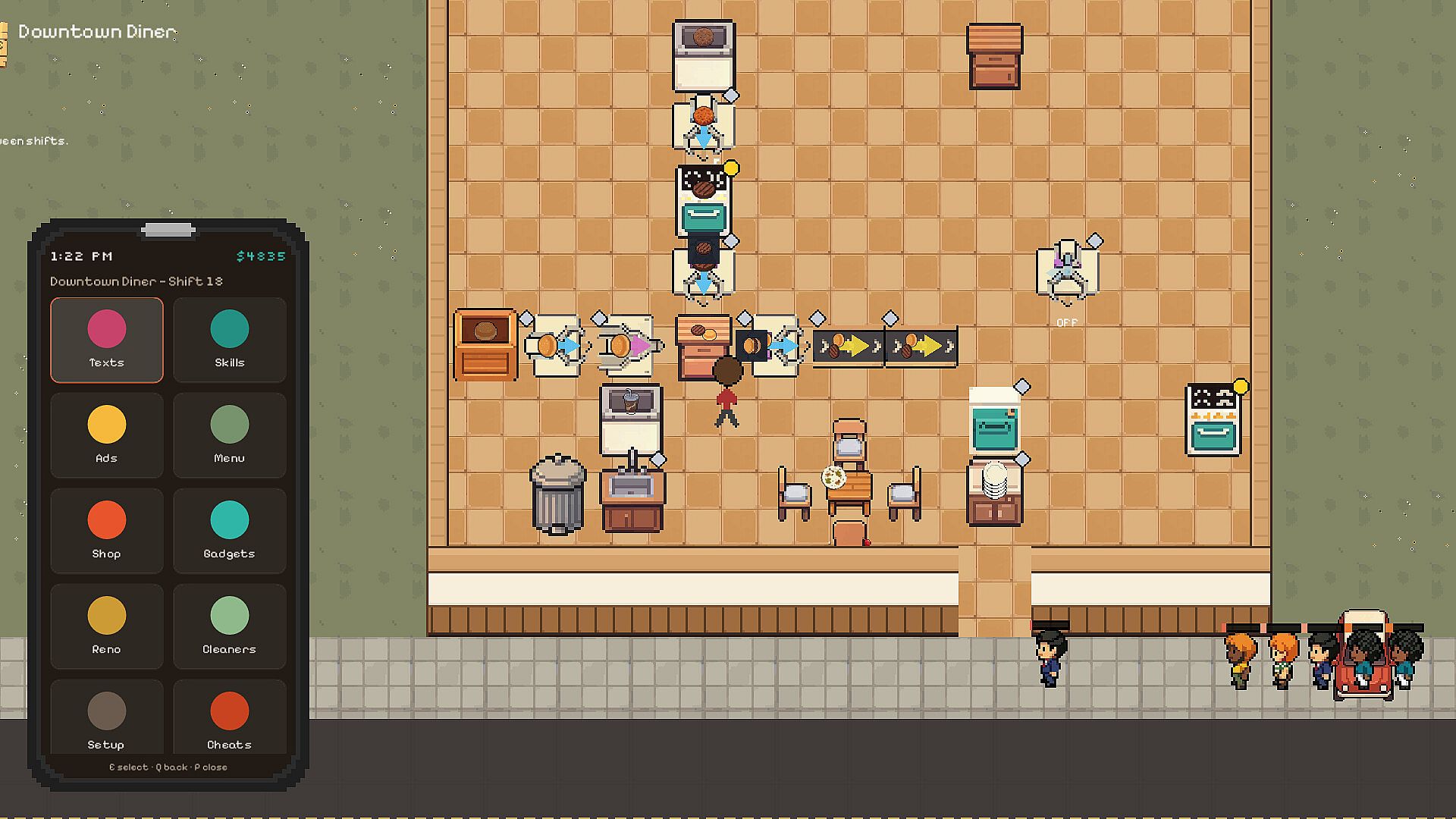
La disposizione della cucina rimane sempre modificabile. I giocatori possono sollevare e spostare le attrezzature, come i taglieri, per ottimizzare il flusso di lavoro. Nuovi elettrodomestici arrivano tramite ordini telefonici e consegne in camion che i giocatori devono scaricare personalmente. Gli incendi possono scoppiare sulla friggitrice e diffondersi sui banconi se non vengono spenti in tempo. Tra un turno e l'altro, i giocatori tornano alla sede centrale per riposare, spendere i guadagni in miglioramenti, imparare nuove ricette, lanciare campagne pubblicitarie, assumere appaltatori per le ristrutturazioni ed espandersi nei locali adiacenti. Un rendimento costantemente scarso rischia di attirare l'ispezione sanitaria, con costi di riapertura che aumentano nel tempo.
Ogni cuoco inizia con un aspetto personalizzabile e sviluppa abilità attraverso le azioni ripetute. Il taglio diventa più veloce dopo molte ripetizioni, mentre gli incendi frequenti riducono la reazione di paura. I progressi si conservano tra salvataggi diversi e nelle sessioni di altri giocatori.
Modalità di gioco
Tiny Chef supporta il gioco in singolo, il couch co-op locale per due giocatori con controller su un unico schermo e il multiplayer online fino a quattro partecipanti tramite Steam. Tutti i giocatori condividono lo stesso spazio cucina e possono interagire con ogni elemento, inclusi acquisti e spostamento dei mobili. Solo un giocatore alla volta può usare il telefono, creando una naturale competizione per questo strumento nei momenti di maggiore affollamento. Guidare fino al lavoro e dormire tra un turno e l'altro restano azioni obbligatorie che influenzano la prontezza per il servizio successivo.
Progressione e gestione
Il successo permette di espandersi in nuovi ristoranti, ognuno con una disposizione e un flusso di clienti diverso. I soldi guadagnati finanziano miglioramenti permanenti come nuove cucine, menu ampliati e modifiche strutturali. Gli appaltatori si occupano dei cambiamenti strutturali, come la rimozione di pareti o lo spostamento delle porte, mentre i servizi di pulizia possono essere assunti per i lavori più pesanti nei lavelli. Il gioco si concentra sulle decisioni continue riguardo al menu, alle campagne di marketing e alla crescita dell'attività, piuttosto che su livelli statici.
Vale la pena giocarci?
Tiny Chef è adatto a chi apprezza i gestionali gestiti manualmente con un forte elemento cooperativo. Le richieste in tempo reale e la cucina condivisa richiedono un lavoro di squadra costante, soprattutto quando più persone gestiscono ordini ed emergenze contemporaneamente. Le opzioni locali e online lo rendono accessibile sia per piccoli gruppi che per sessioni in singolo. Il sistema di progressione premia il gioco costante con lo sviluppo delle abilità e l'espansione dell'attività. Chi cerca un ritmo più rilassato o un'esperienza esclusivamente singleplayer potrebbe trovare meno interessanti gli strumenti condivisi e la pressione del tempo, mentre gli appassionati di simulazioni caotiche di ristoranti apprezzeranno la disposizione flessibile e il ritmo quotidiano. Il gioco è disponibile su PC senza ulteriori aggiornamenti confermati al momento.











