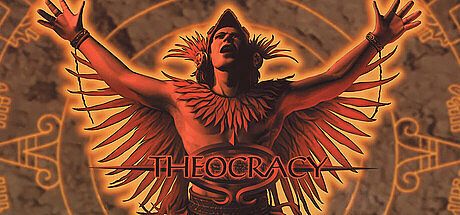


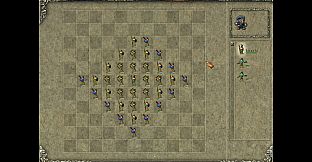
Theocracy is a strategy game that blends real-time tactics with broader empire management on PC. Set in pre-colonial Mexico, it places players in control of an Aztec province facing an impending Spanish invasion one hundred years in the future. A vision from a priest sets the central challenge: build strength through trade, conquest, or alliances to alter history and repel the invaders.
Gameplay
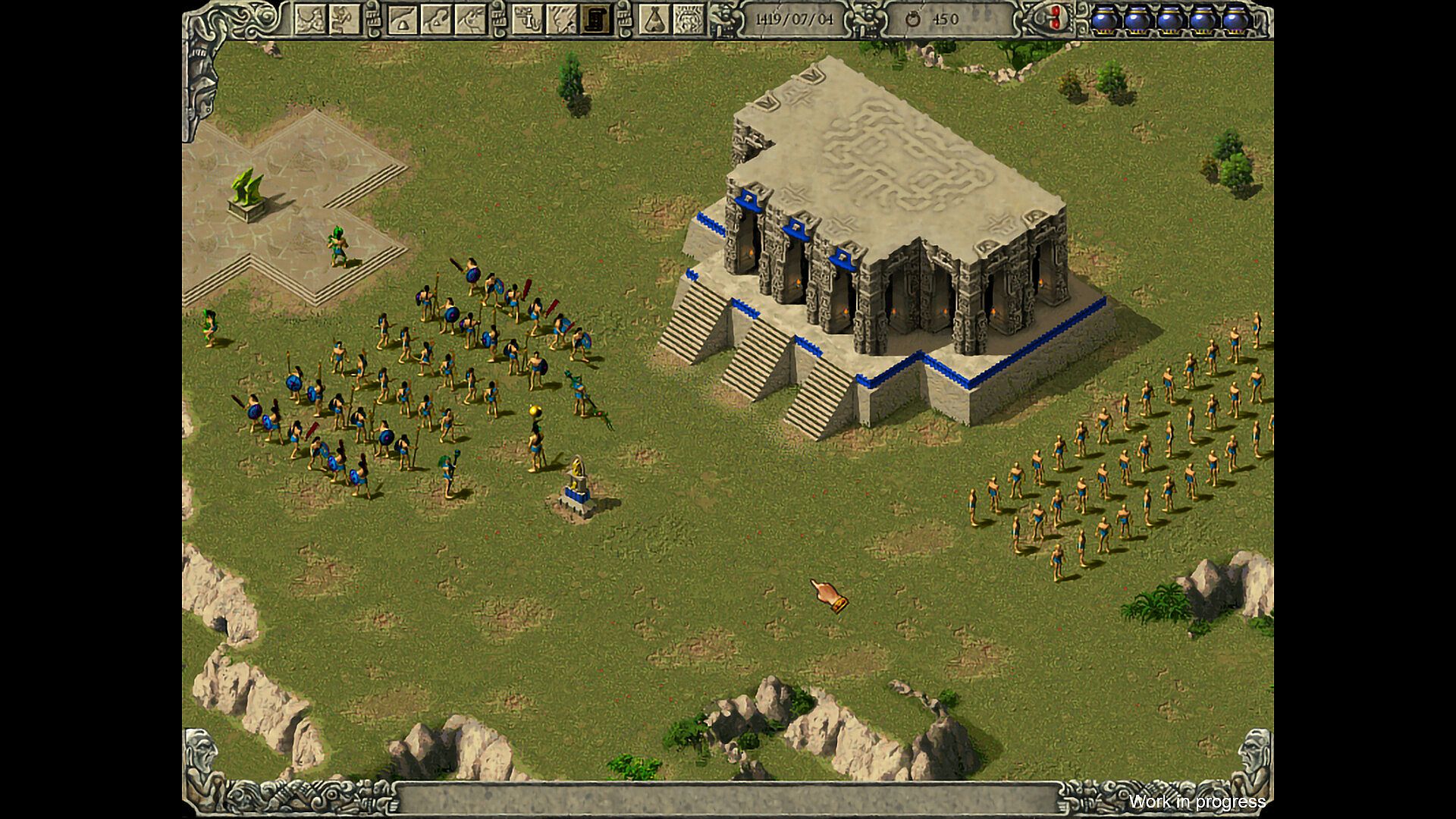
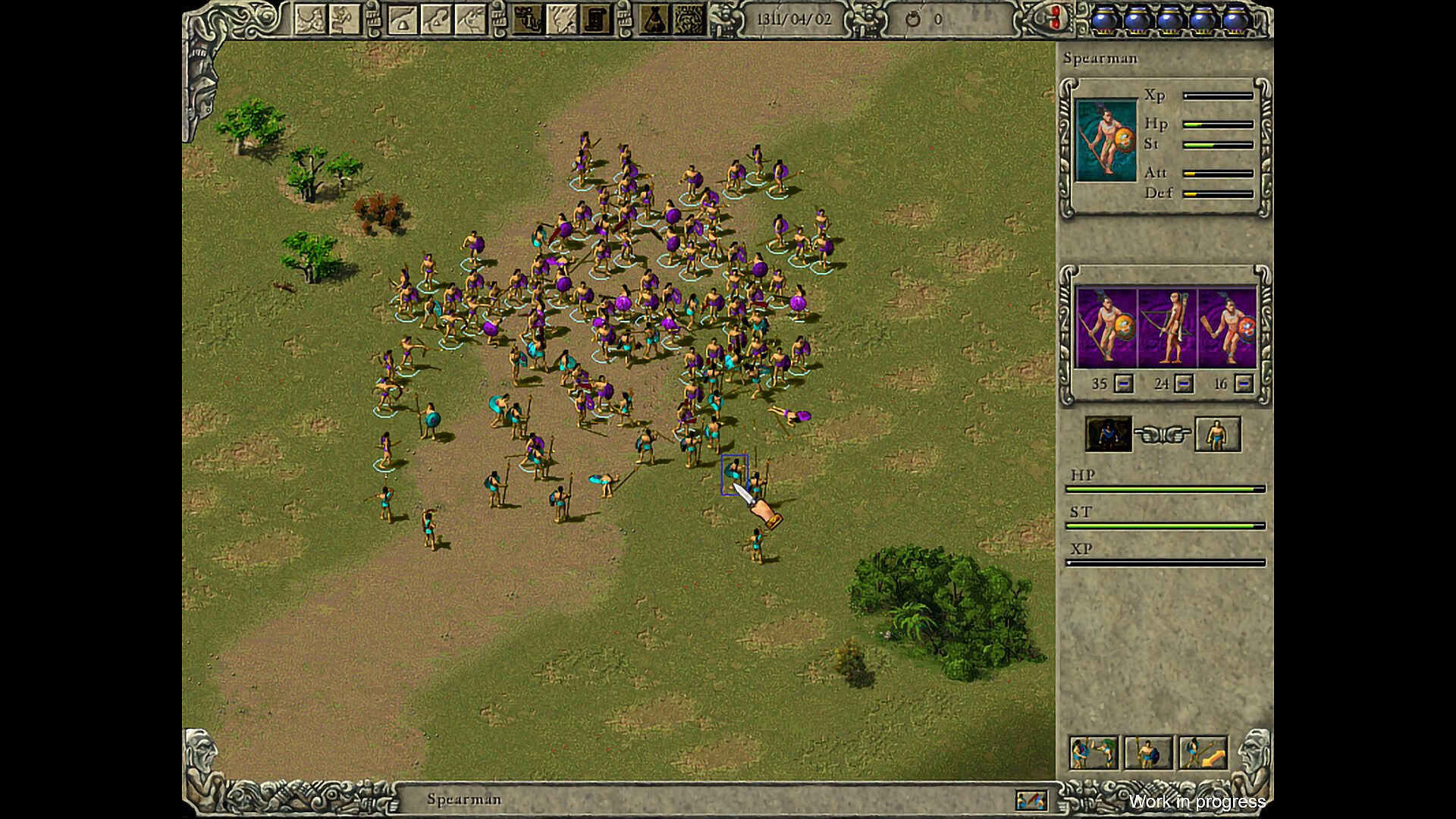
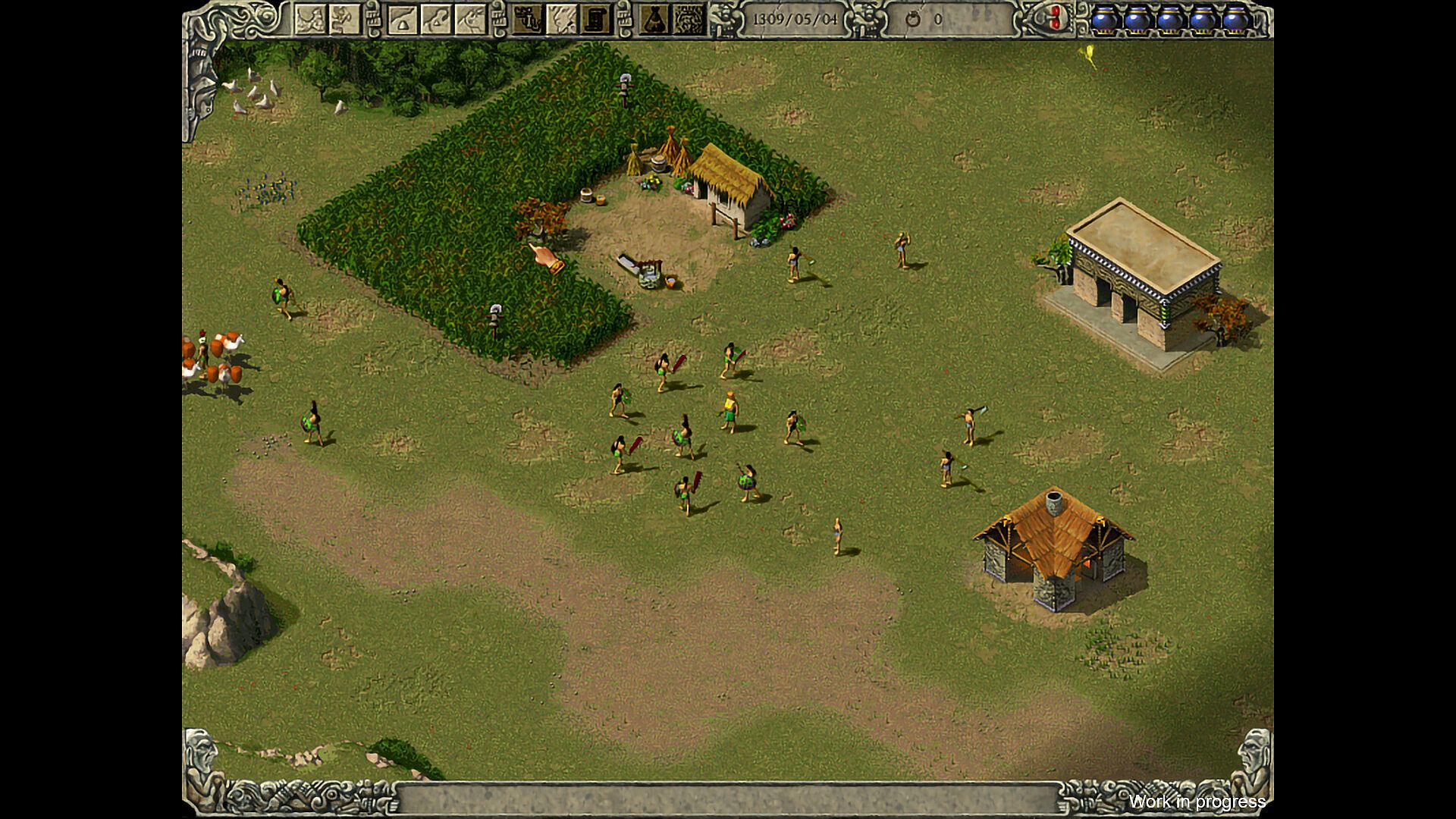
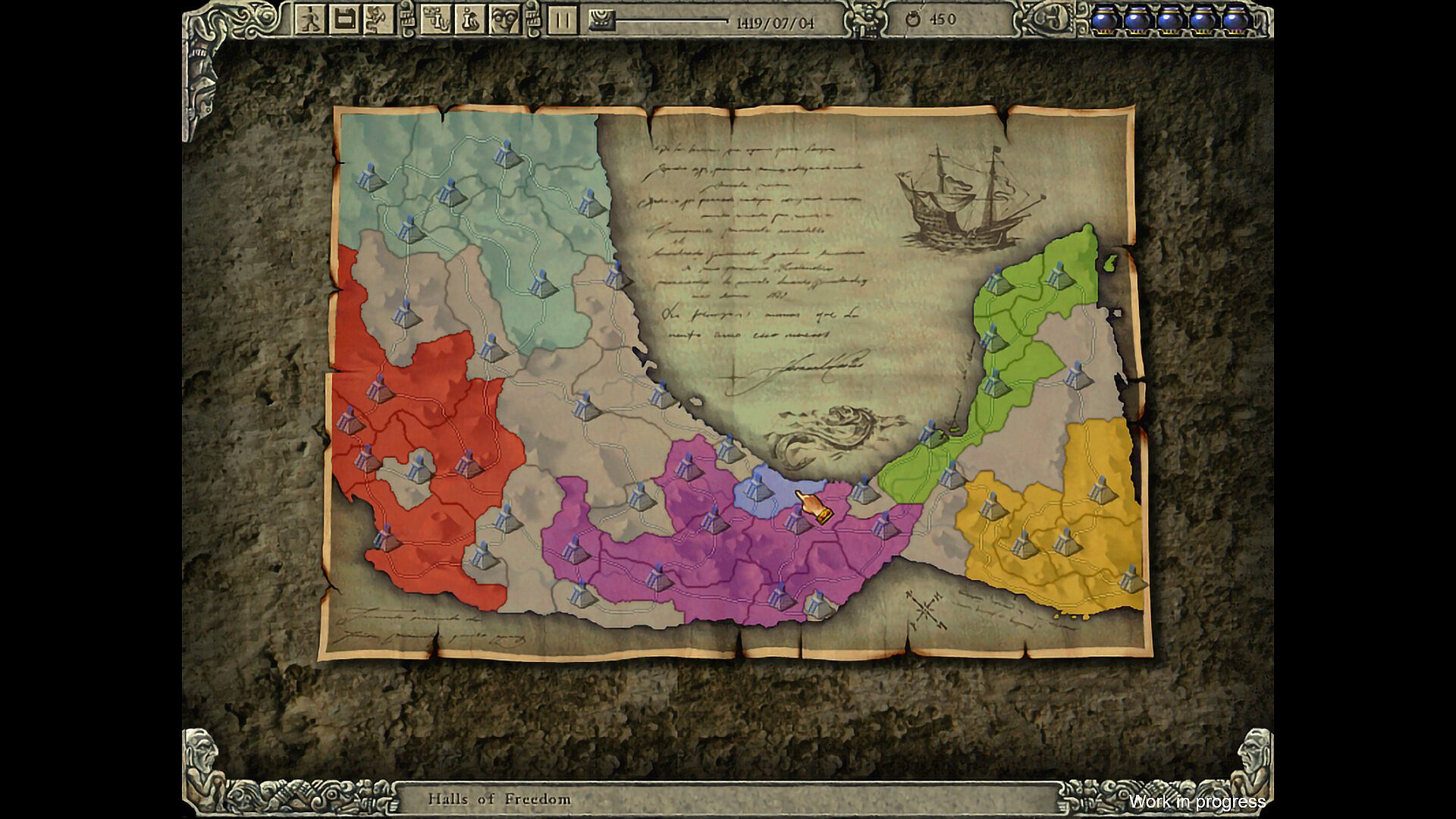
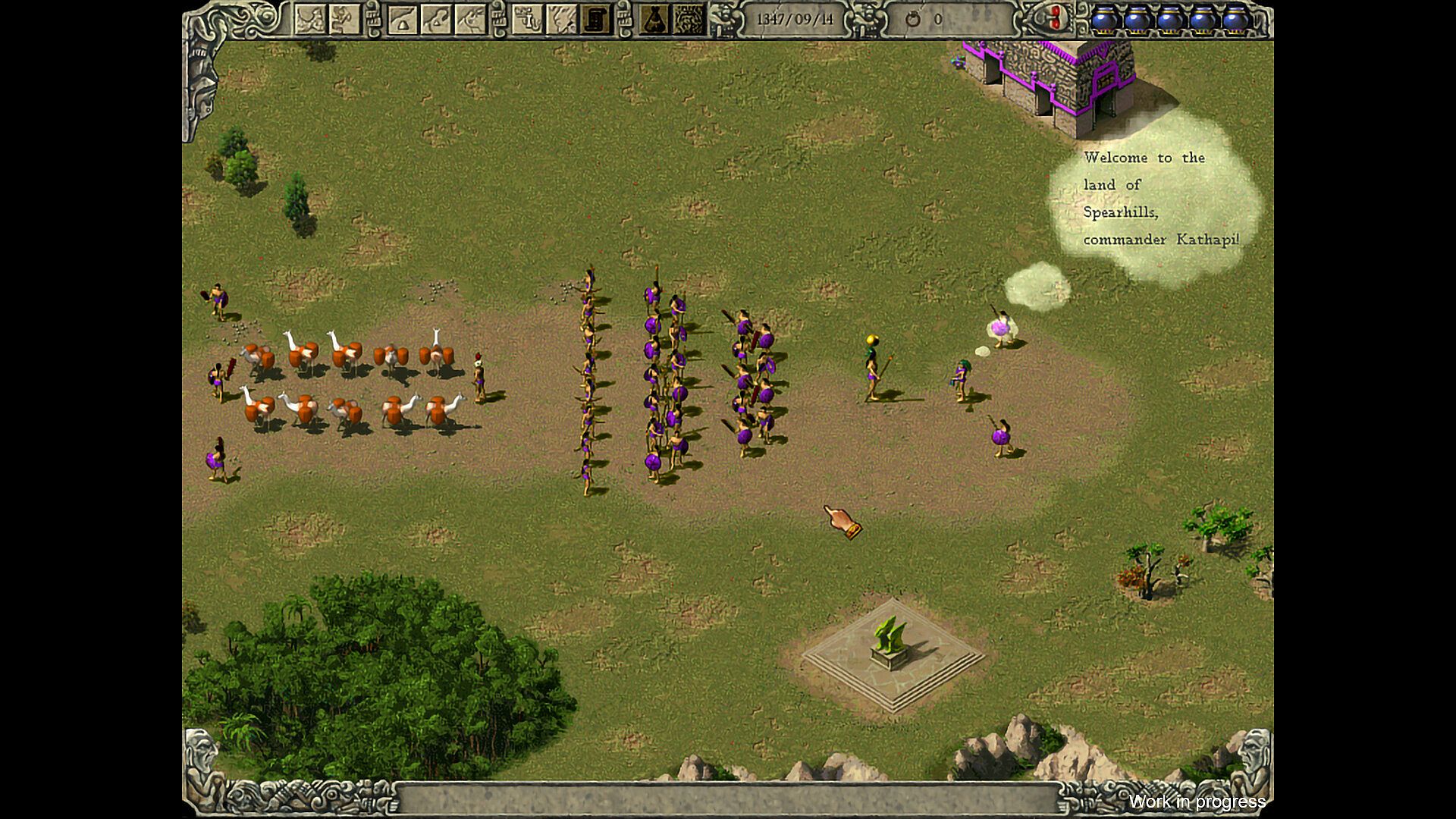
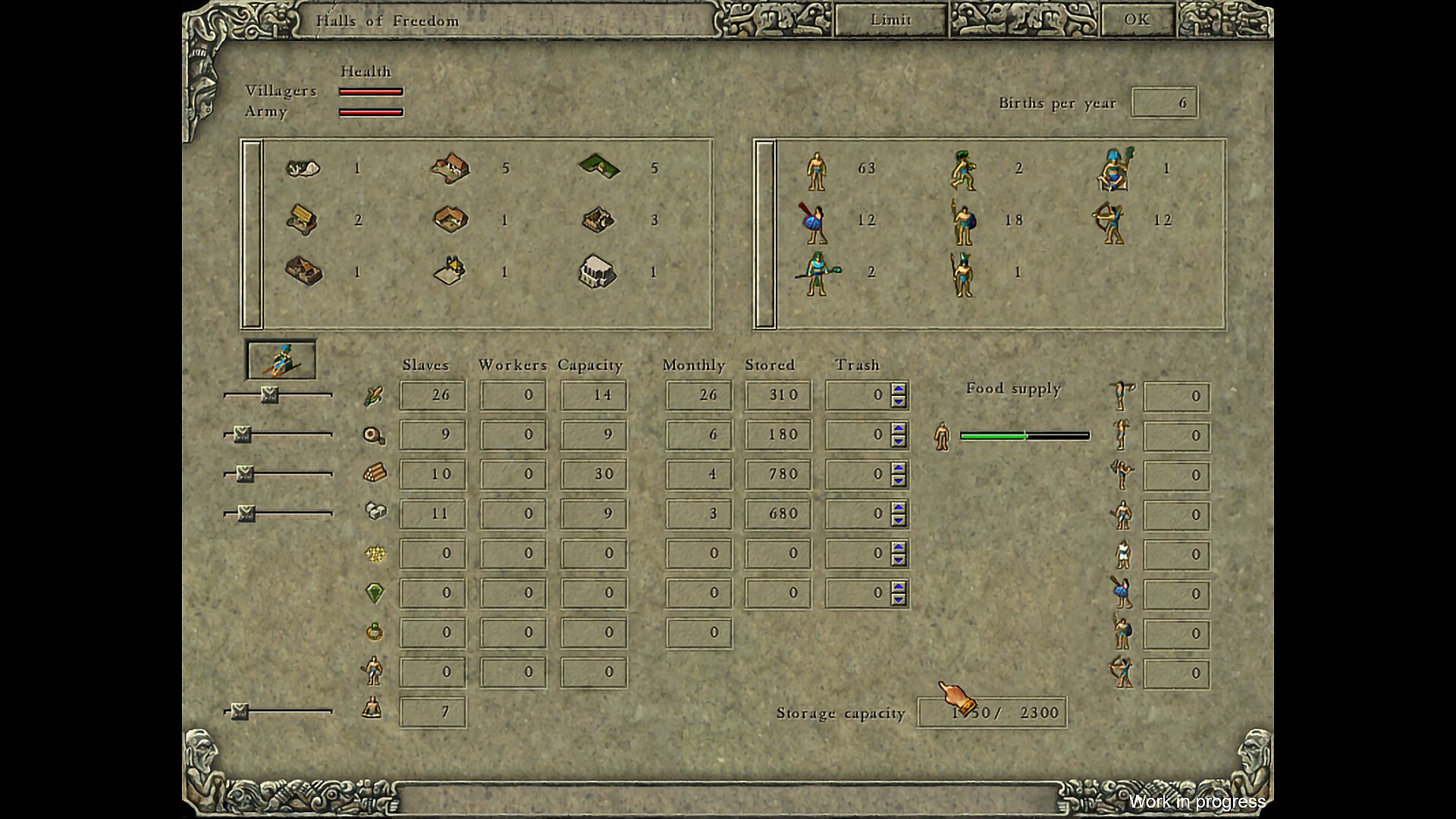
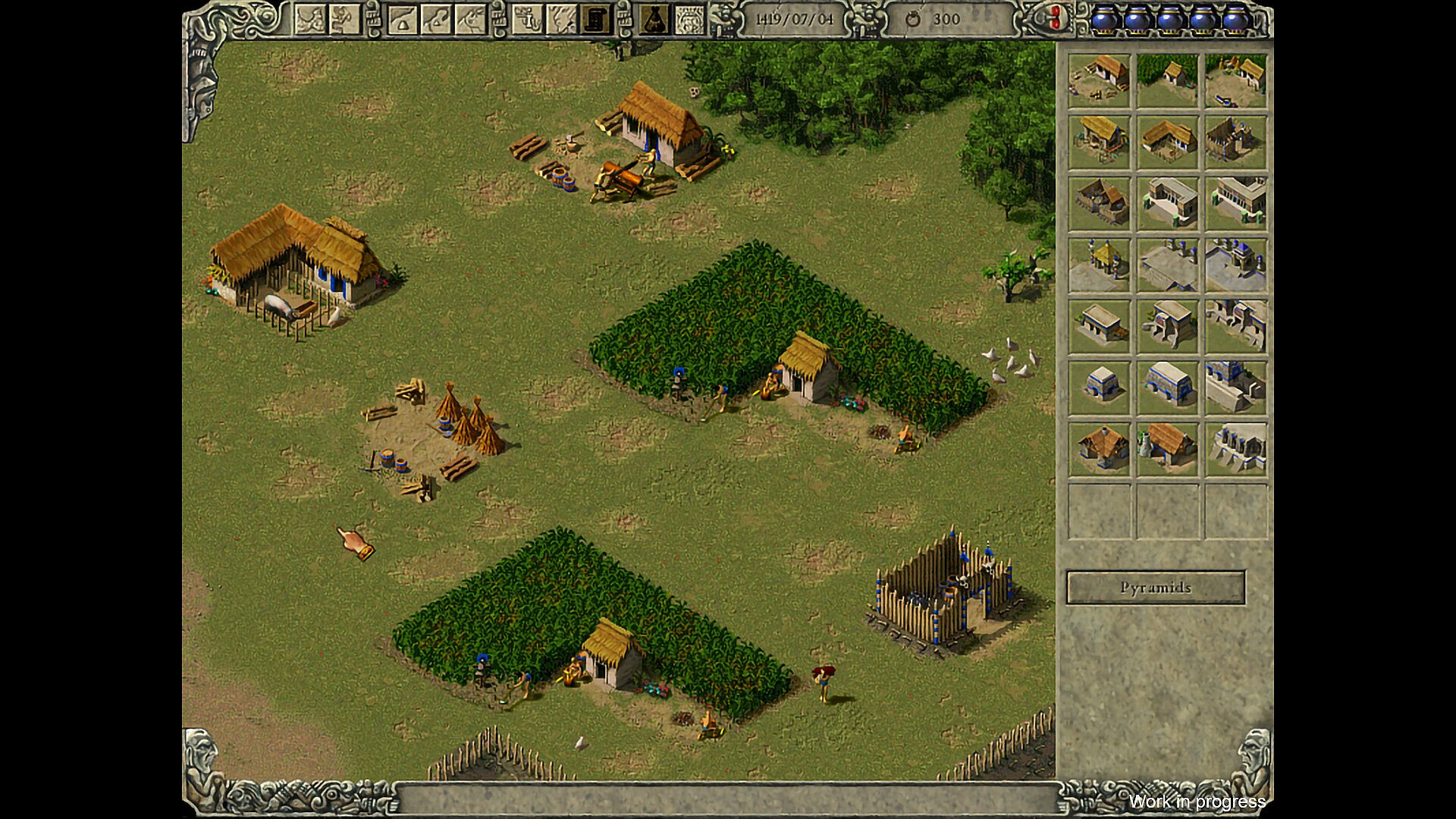
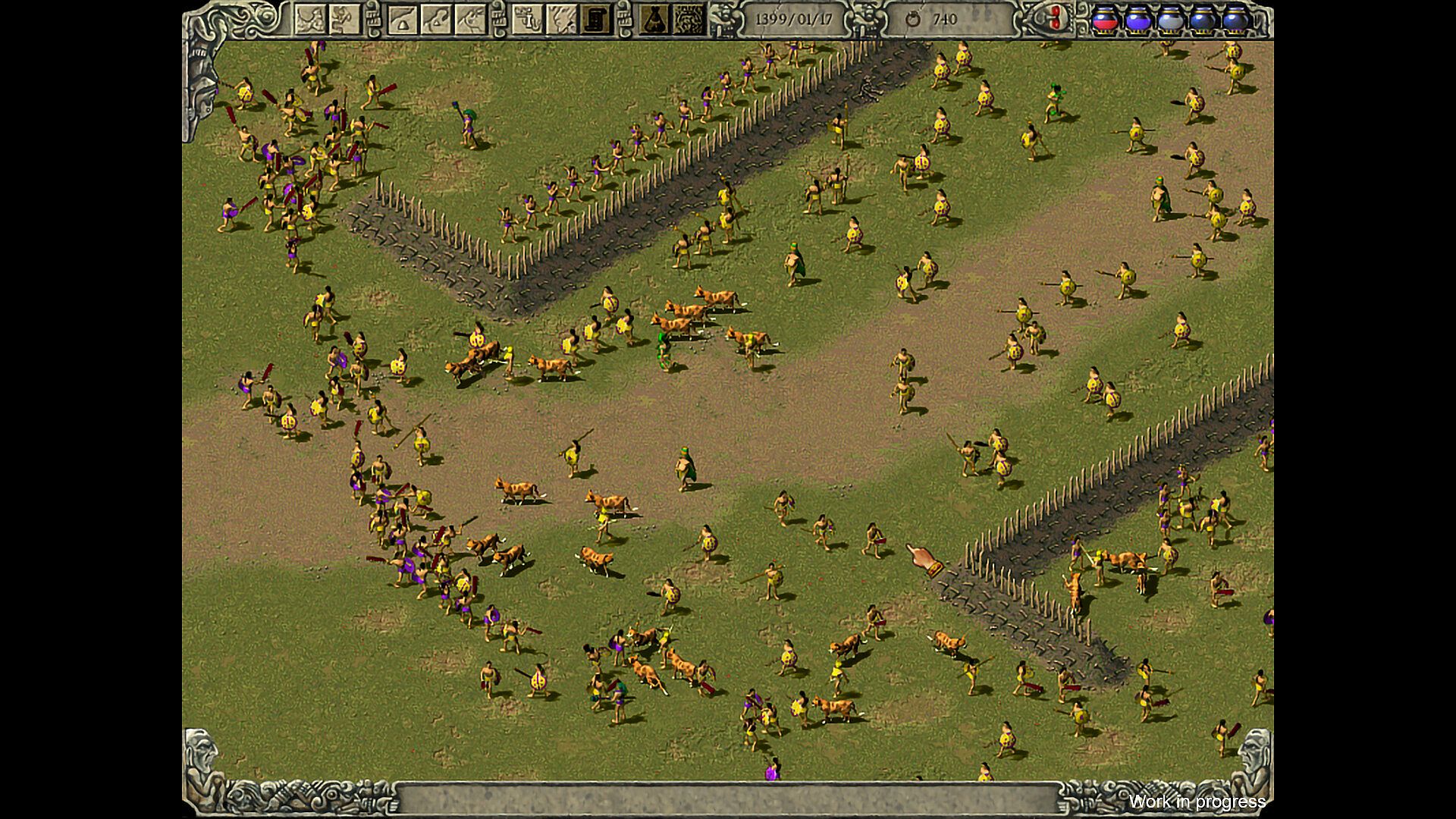
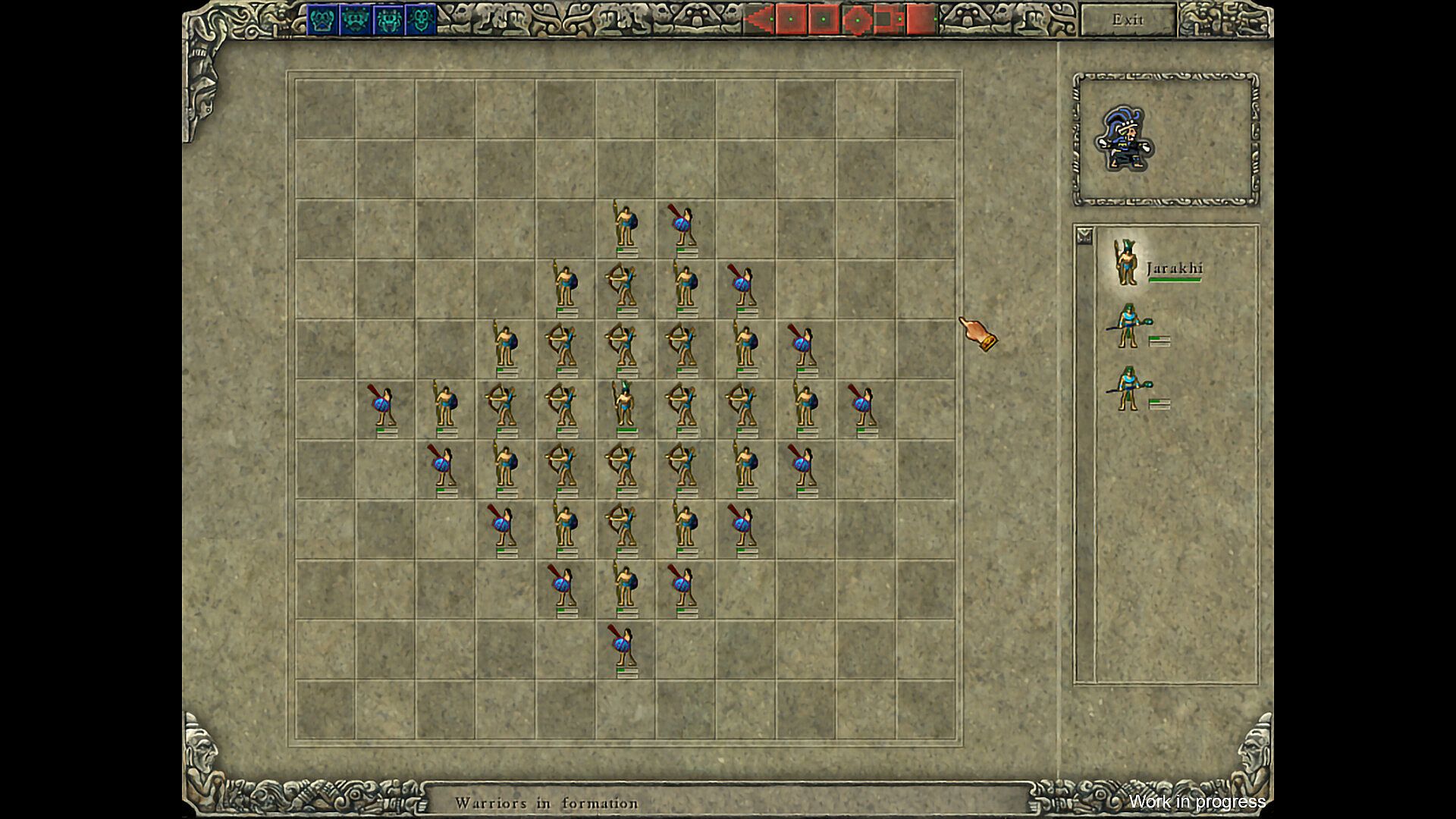
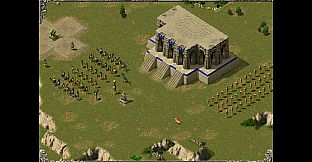
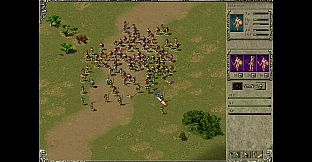
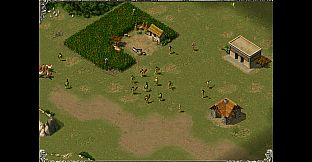
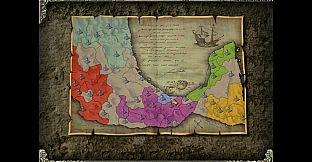
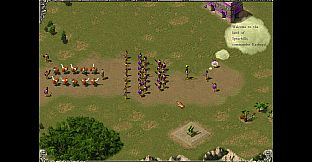
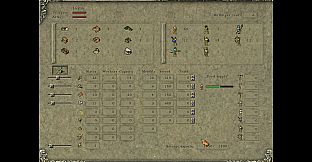
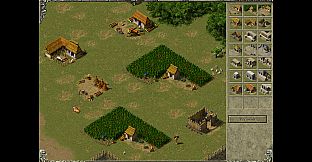
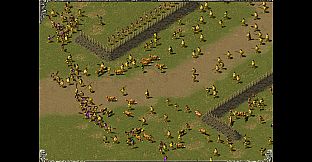
Core play revolves around balancing immediate tactical decisions with long-term growth across provinces. Players manage resources, direct construction of towns and pyramids, and allocate labor while expanding influence over neighboring tribes. Economy building forms the foundation, with growth tied to production, trade routes, and territorial control. Military forces are raised and positioned to secure new lands or defend holdings, while religious elements allow the casting of spells powered by faith and sacrifice. The dual-view system separates detailed province oversight from the wider realm map, where time advances and broader events unfold. This setup encourages careful planning of expansions alongside reactive defense against rival factions.
Game Modes
Prophecy mode serves as the main campaign experience. Players start with a small province and work across a century-long timeline to unify Aztec tribes and prepare defenses against the Spanish arrival. Success depends on strategic choices in diplomacy, warfare, and internal development to reach a position strong enough to change the historical outcome. Chronicles mode offers eight separate scenarios that stand alone from the main timeline. Each presents a focused challenge with its own objectives, allowing players to test specific strategies or explore alternate paths without committing to the full century-long effort. Both modes emphasize single-player progression, though the original design also supported multiplayer matches on the realm map.
Key Mechanics and Systems
City building integrates directly into the strategy loop through town expansion and pyramid construction, which support population growth and resource output. Tribal unification happens via conquest or cooperative trade, shifting control of provinces on the larger map. Spells add a layer of supernatural tactics, drawing on accumulated faith to influence battles or regional events. The time pressure of the one-hundred-year window forces prioritization, as unchecked rivals or delays can lead to unfavorable positions by the invasion point. Factions appear as color-coded entities on the realm view, each controlling distinct territories that players must navigate through alliances or force.
Is It Worth Playing?
Theocracy appeals to players who enjoy strategy titles that combine tactical combat with empire-scale planning and historical what-if scenarios. Its mix of real-time elements and management depth creates a distinctive loop focused on preparation and adaptation rather than pure conquest. Reception at launch was mixed, with praise for the original scope and ideas alongside criticism of the interface and learning demands. The game remains available as a complete single-player experience with no ongoing seasons or updates required. Those interested in Aztec-themed strategy, city growth alongside military action, and modes that range from epic campaigns to shorter scenarios will find the core systems rewarding. It suits dedicated strategy fans comfortable with older design conventions and the need to juggle multiple layers of decision-making.