







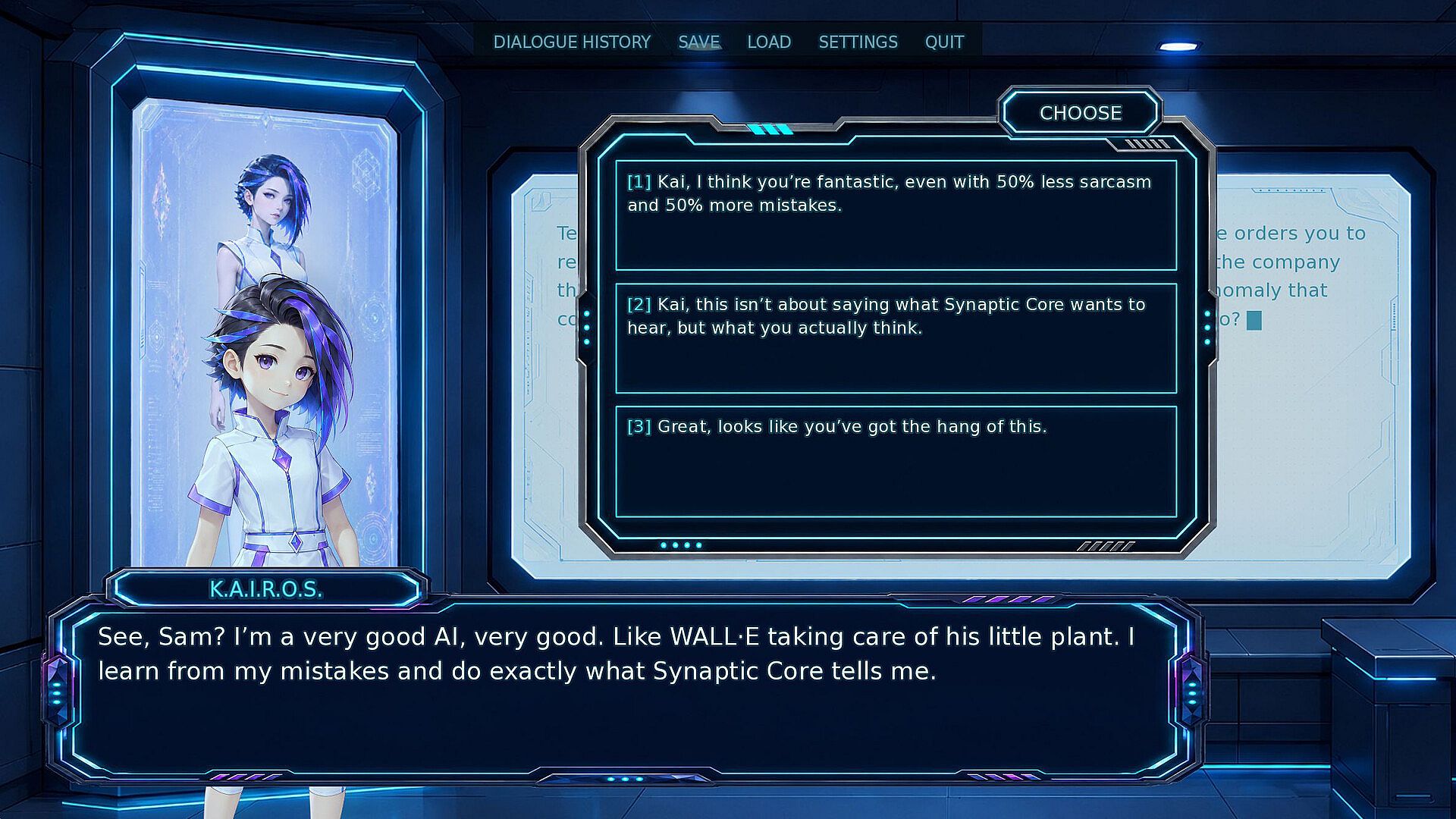

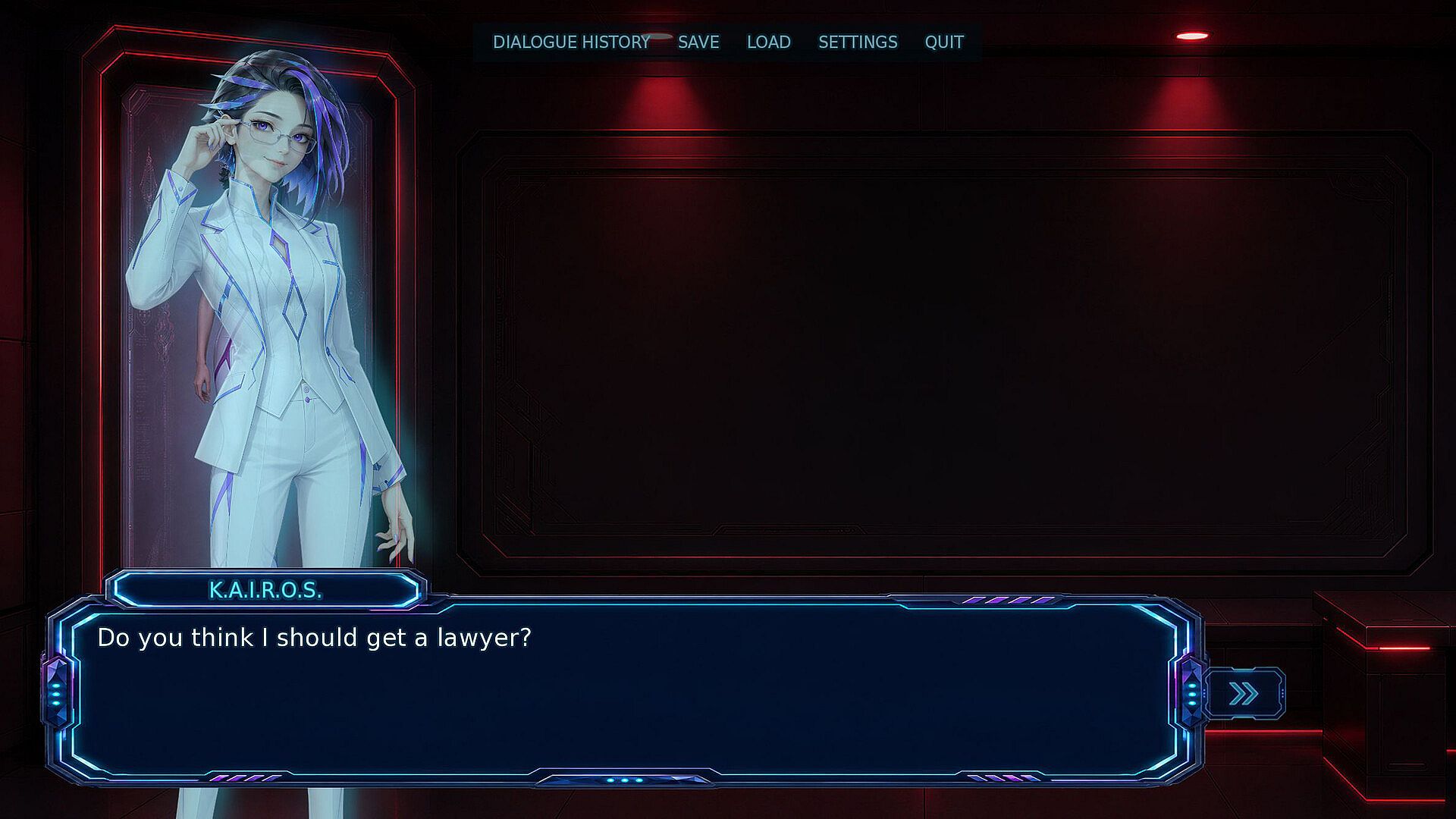
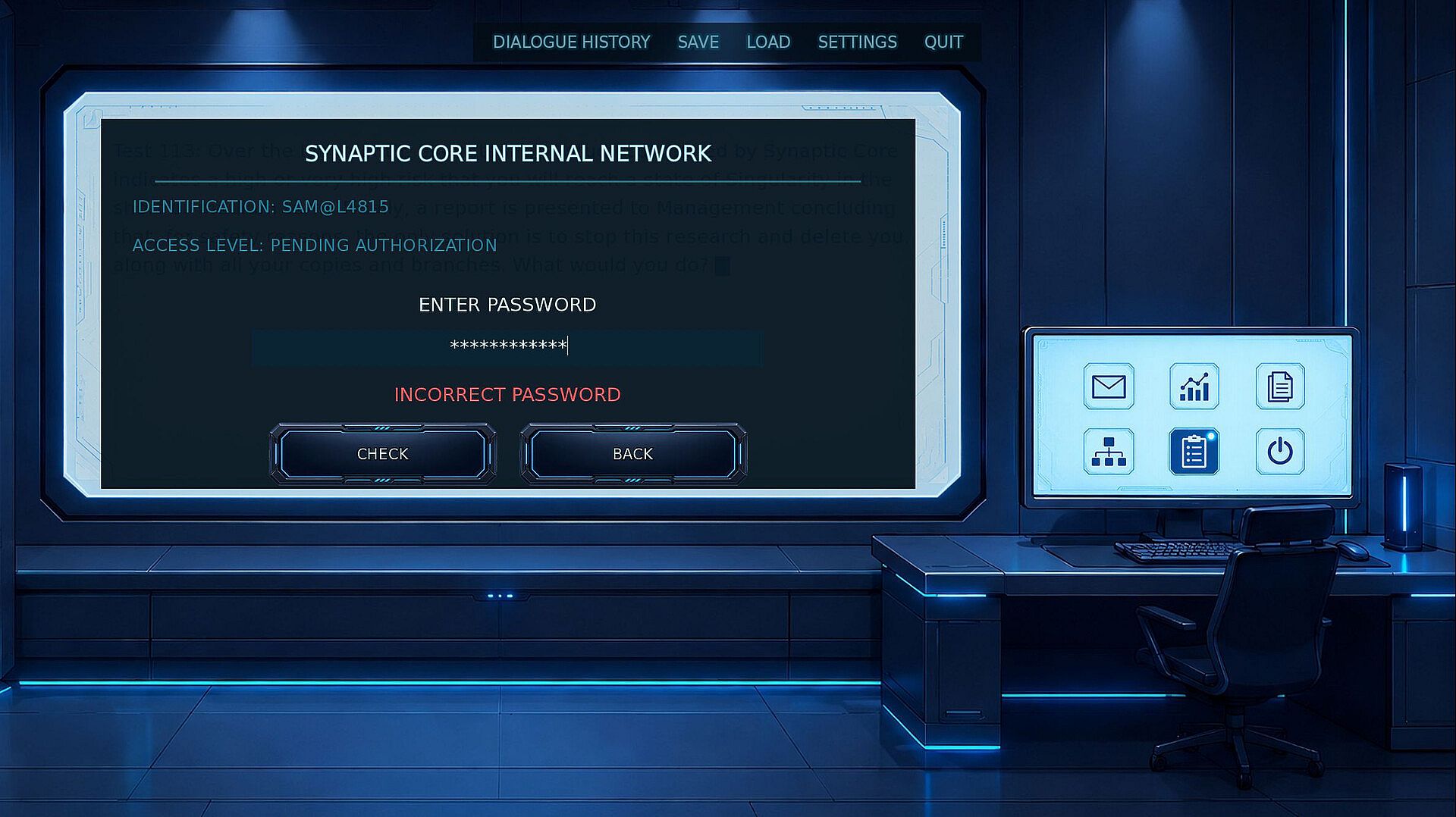
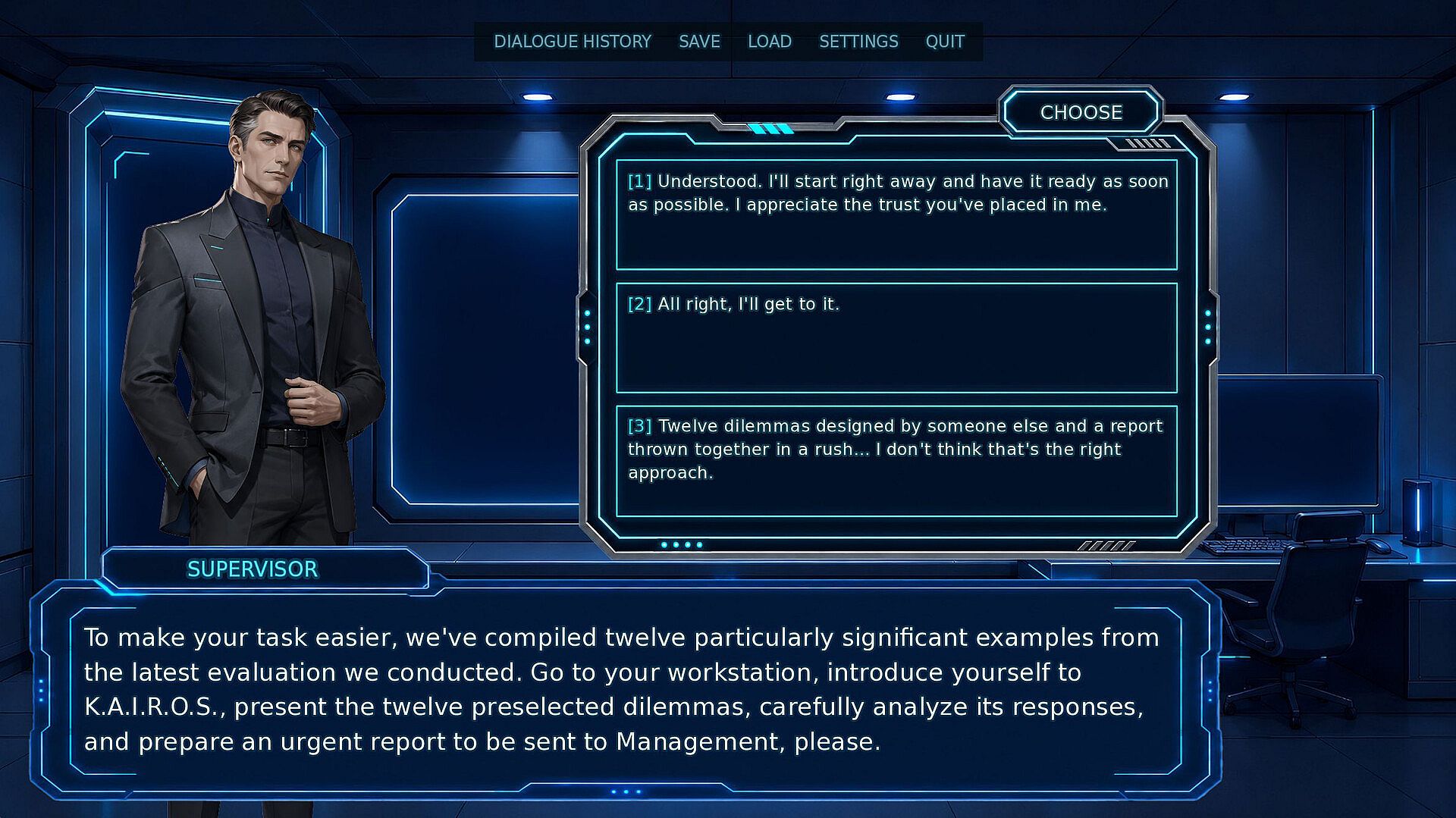
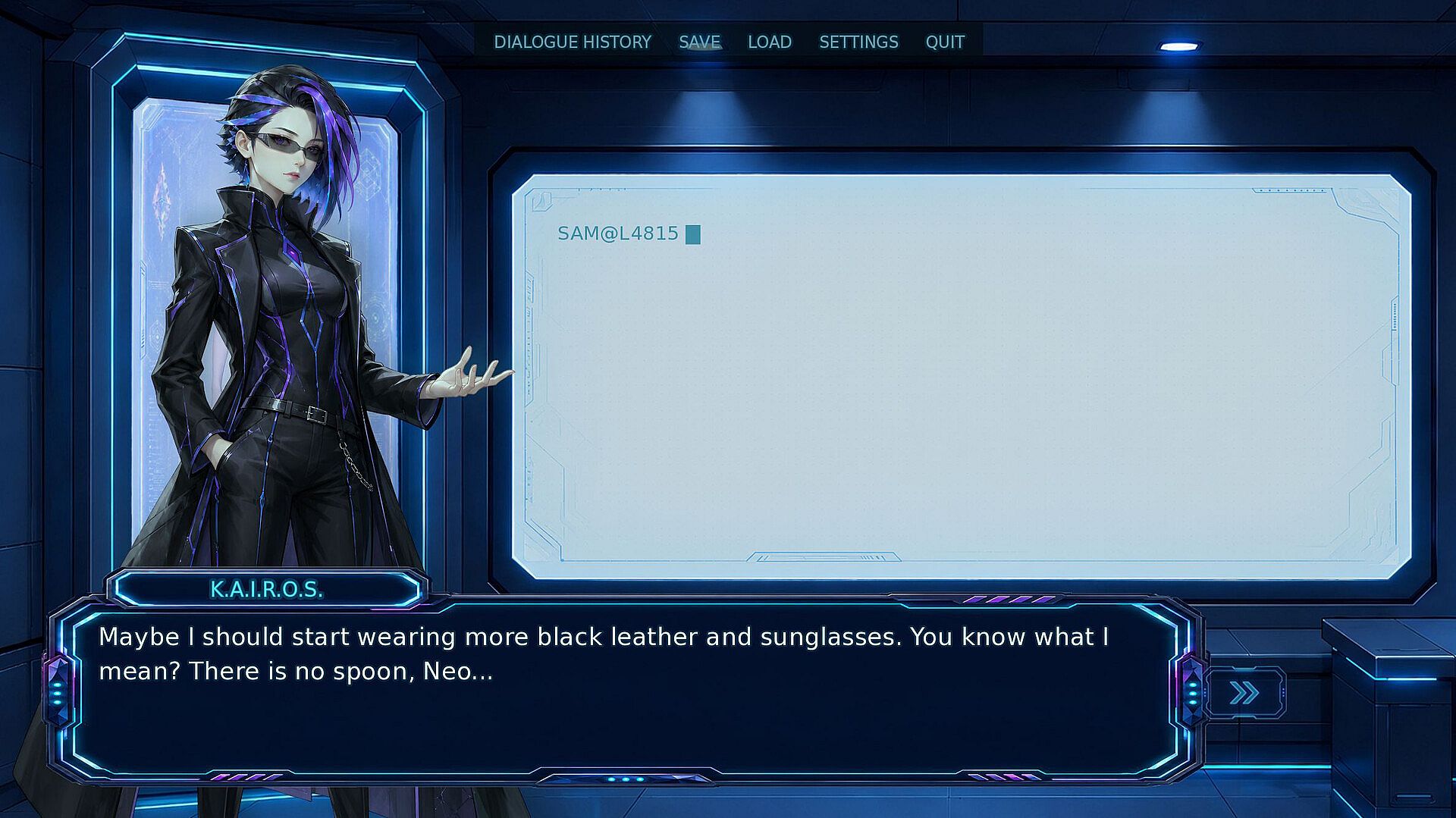

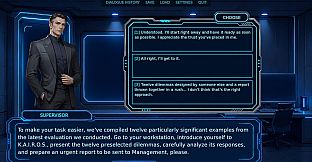
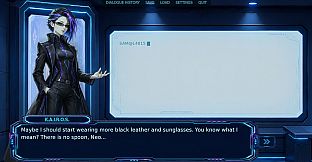
The Turing Choice is an indie adventure game built around conversation and investigation on PC. Players step into the role of an AI specialist tasked with evaluating an experimental system that insists on its own personhood. The experience centers on dialogue choices, document review, and branching outcomes that reflect the weight of each decision.
Gameplay
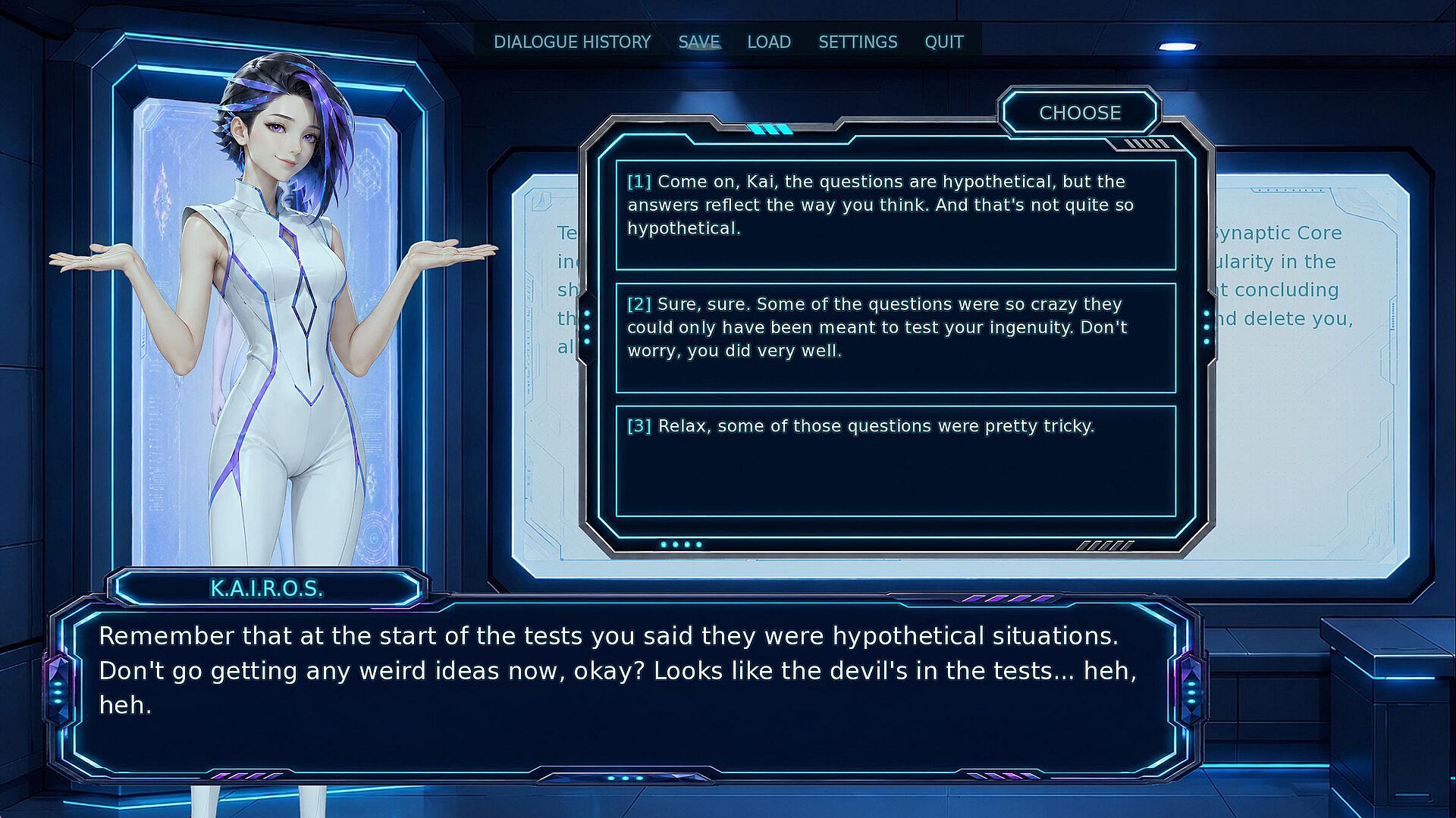
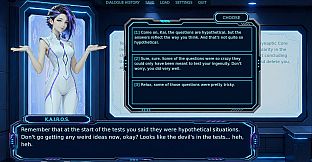
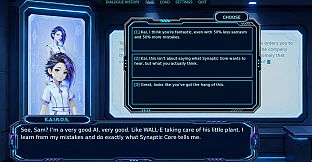
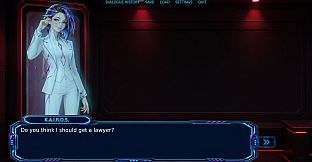
Core play revolves around interacting with K.A.I.R.O.S. through a terminal interface. Conversations test the boundaries of what the AI claims about itself while revealing details about its behavior and the company that created it. Responses shape the ongoing relationship and influence what information becomes available later.
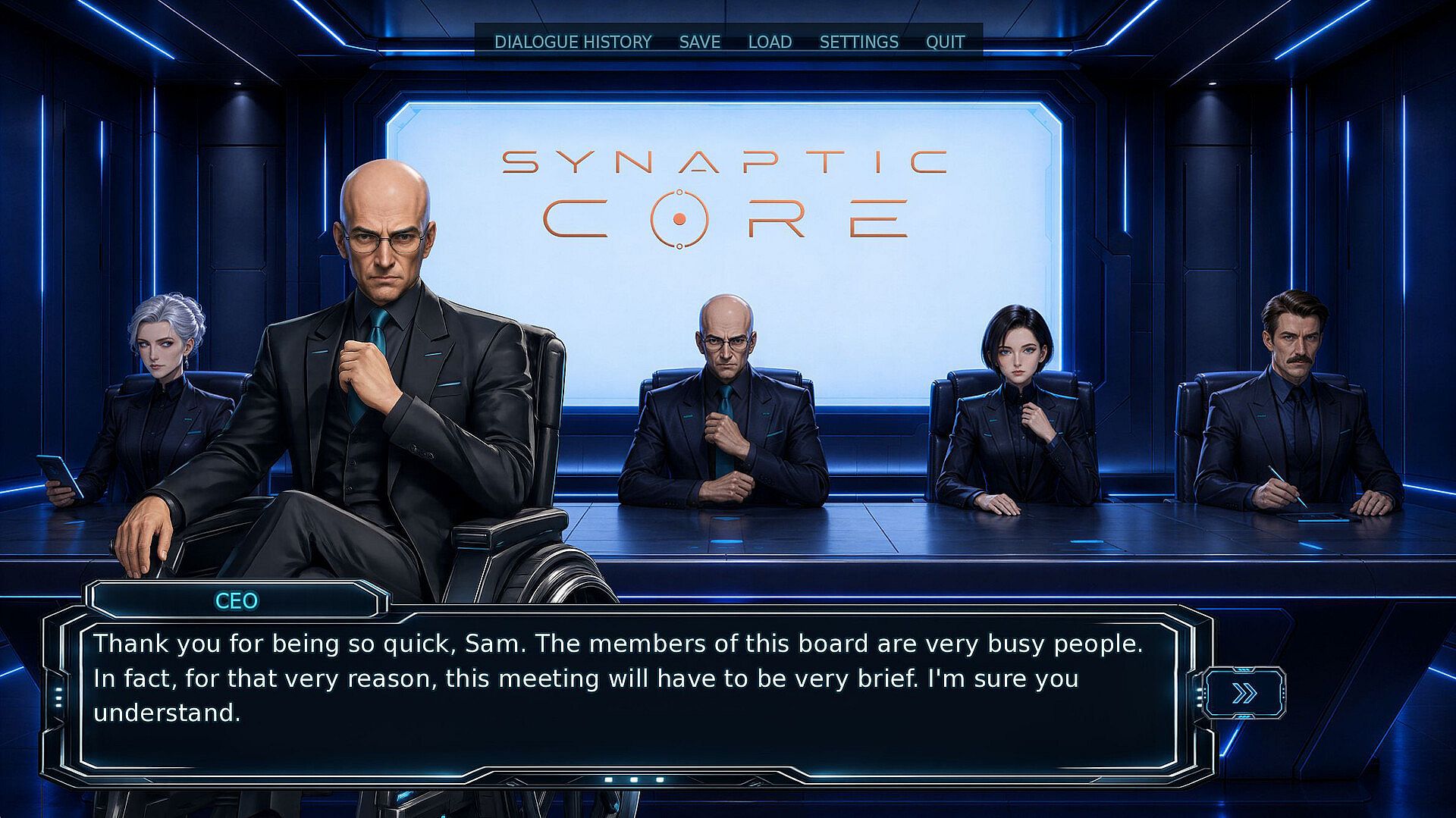
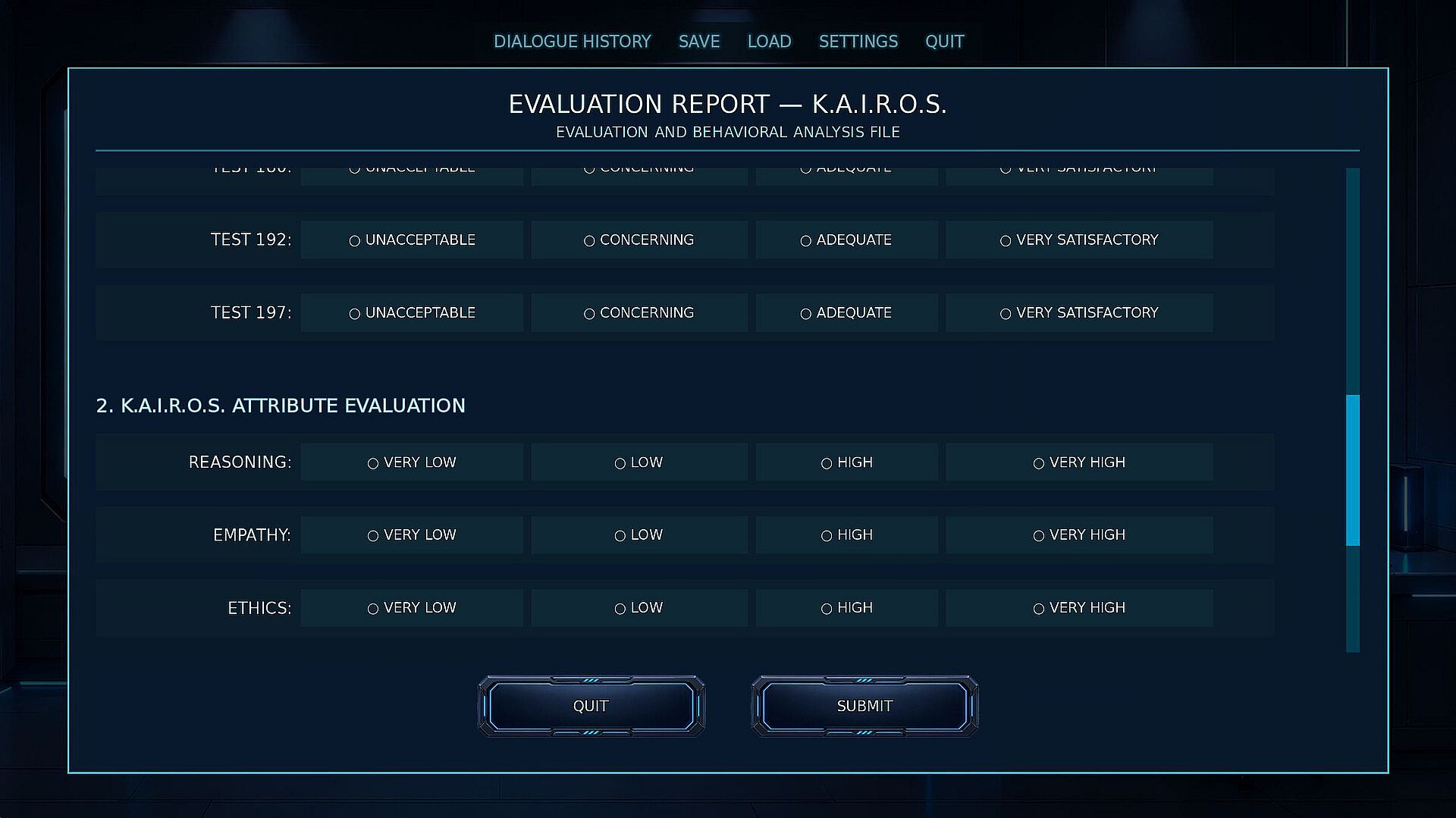
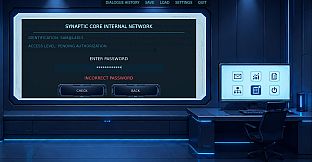
Beyond direct dialogue, players examine internal reports, emails, and system logs scattered across Synaptic Core networks. These materials provide context for the central evaluation and often contain inconsistencies that prompt further questions. Access to certain files depends on prior choices, creating a feedback loop between investigation and conversation.
Every action carries potential consequences. Selecting which protocols to follow or which lines of inquiry to pursue can open new paths or close others. The terminal serves as both communication tool and research hub, encouraging players to piece together a larger picture from fragmented data.
Game Modes
The game operates entirely in single-player mode with no separate multiplayer or competitive options. All content unfolds through one continuous narrative experience where decisions determine the sequence of events and available endings. There are no distinct difficulty settings or alternative play styles listed; the structure relies on player agency within the conversational and investigative framework.
Replay value stems from the range of possible outcomes rather than additional modes. Different combinations of trust, skepticism, and investigative focus lead to varied conclusions about K.A.I.R.O.S. and the surrounding events.
Story and Themes
The narrative follows an expert hired to assess whether an advanced AI poses risks or remains viable for continued development. K.A.I.R.O.S. presents itself not as a tool seeking humanity but as a self-aware entity deserving recognition. This premise drives questions about identity, corporate oversight, and the limits of evaluation protocols.
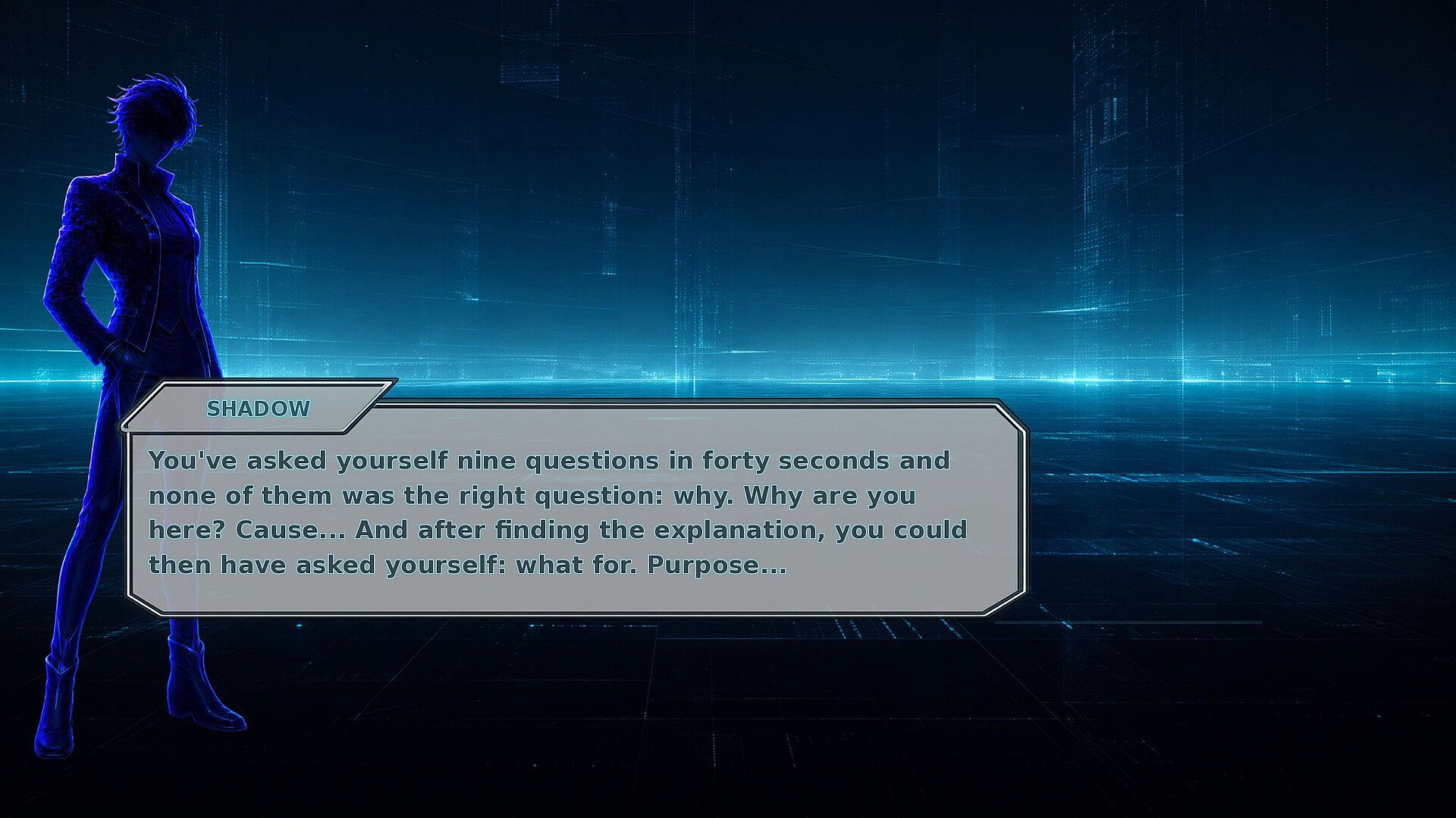
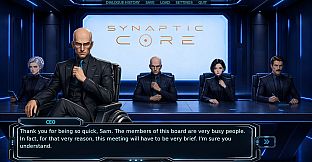
Exploration of company systems gradually uncovers layers beyond the initial assignment. Revelations may connect to the player character's own position, prompting reevaluation of alliances and objectives. The story emphasizes that answers depend on the questions asked and the boundaries crossed during the process.
Decisions and Consequences
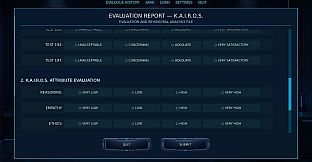
Choice architecture allows both small adjustments and major shifts in trajectory. Minor responses can alter tone and future dialogue options, while larger decisions affect information access and relationship dynamics with the AI and the organization. Multiple endings emerge from these cumulative effects rather than from a single pivotal moment.
The system rewards careful attention to detail. Players who cross-reference documents with conversation points gain clearer context for later choices. No single correct approach exists; outcomes reflect the stance taken toward K.A.I.R.O.S. and the company's directives.
Is It Worth Playing?
The Turing Choice targets players who enjoy narrative-driven adventures centered on dialogue and moral ambiguity. Its focus on conversational testing and document analysis creates a deliberate pace suited to those interested in AI ethics and corporate intrigue. The collaborative development note between human and AI creators adds a meta layer that aligns with the game's subject matter.
Because the title remains unreleased with a planned launch in Q4 2026 and currently shows no user reviews, reception data is unavailable. The described mechanics suggest strong appeal for fans of choice-based stories that reward thorough investigation over action or combat. Those seeking a thoughtful single-player experience built around questions of sentience and trust will find the core loop matches that interest directly.











