




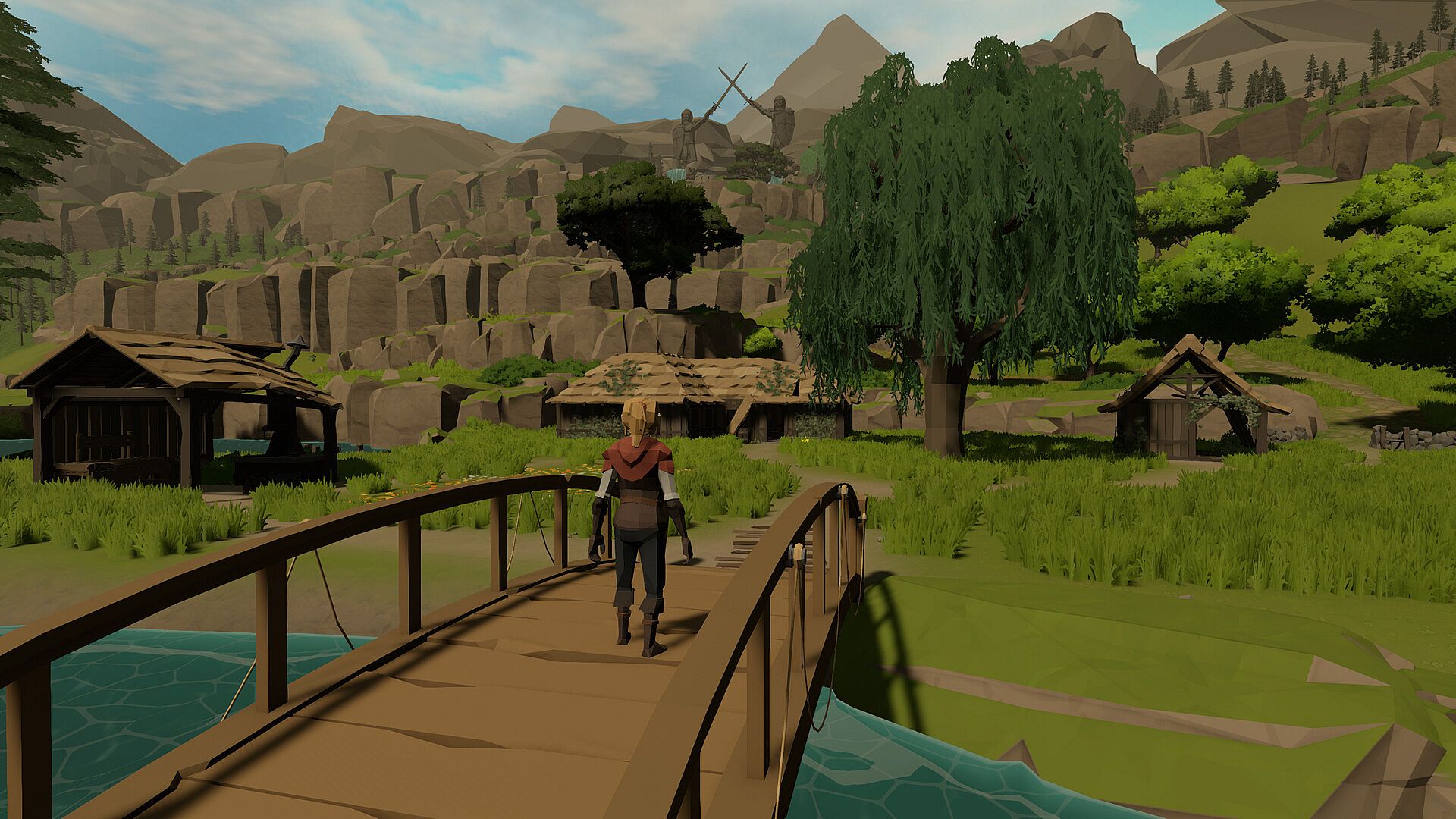
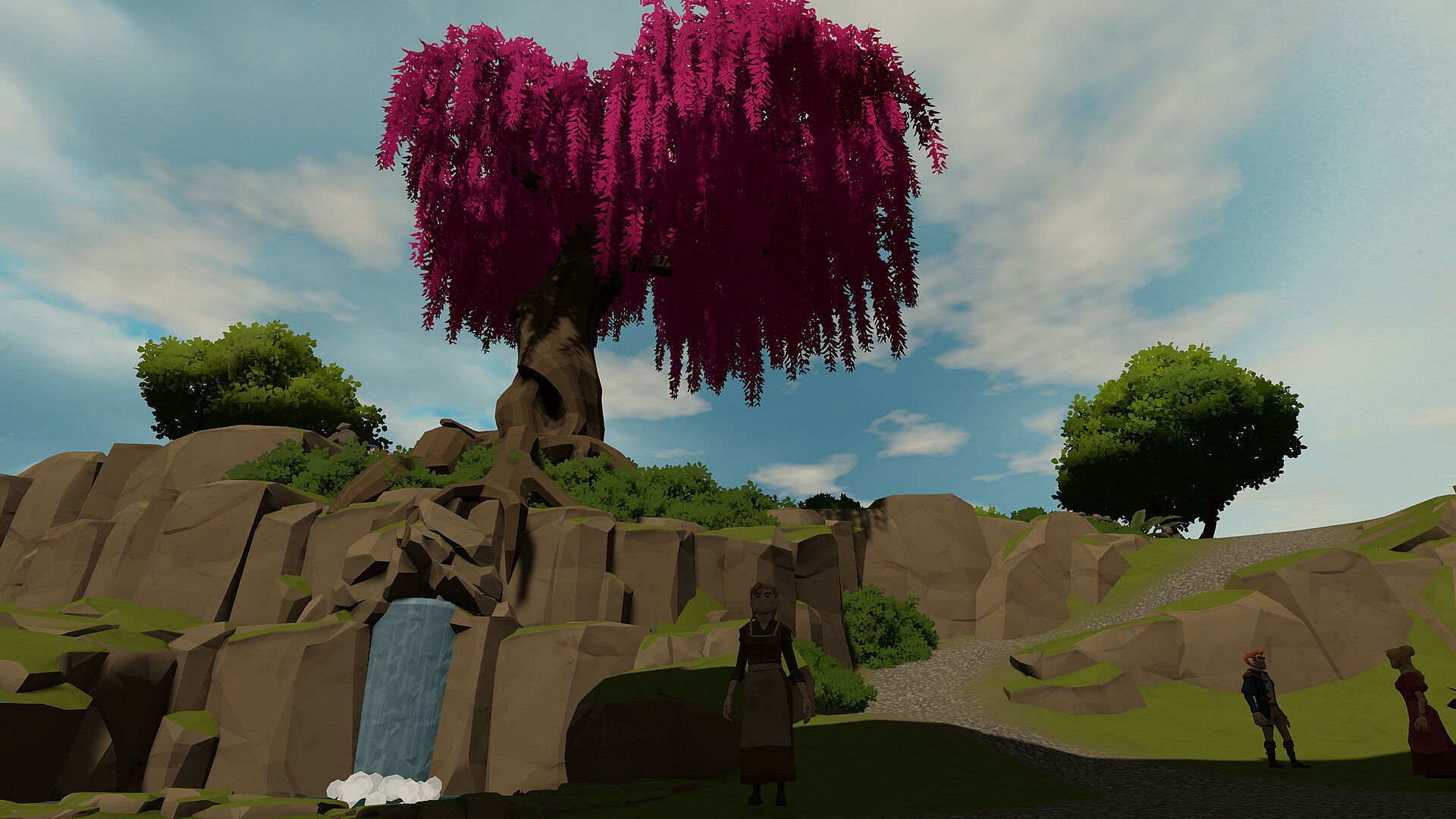
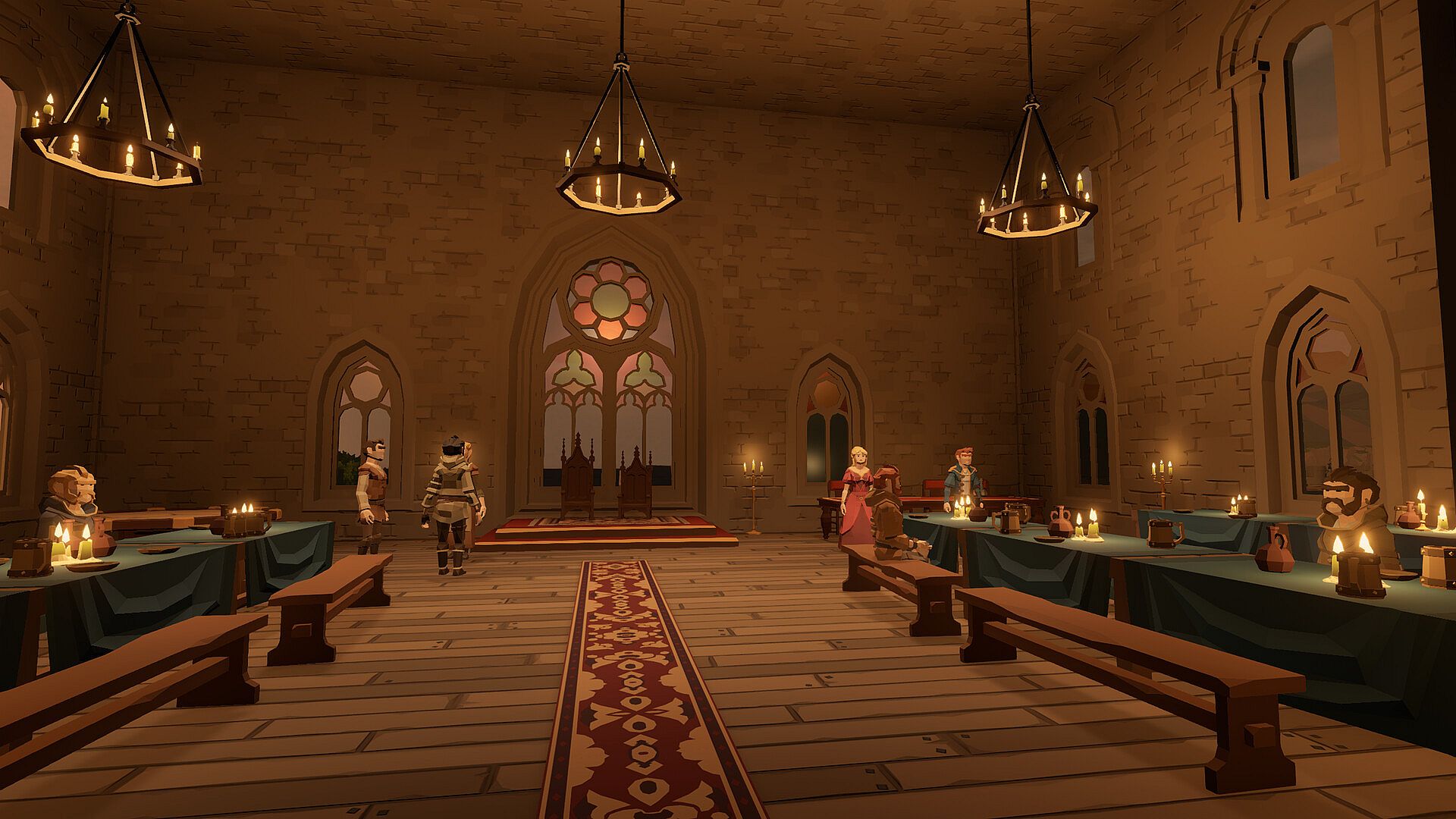
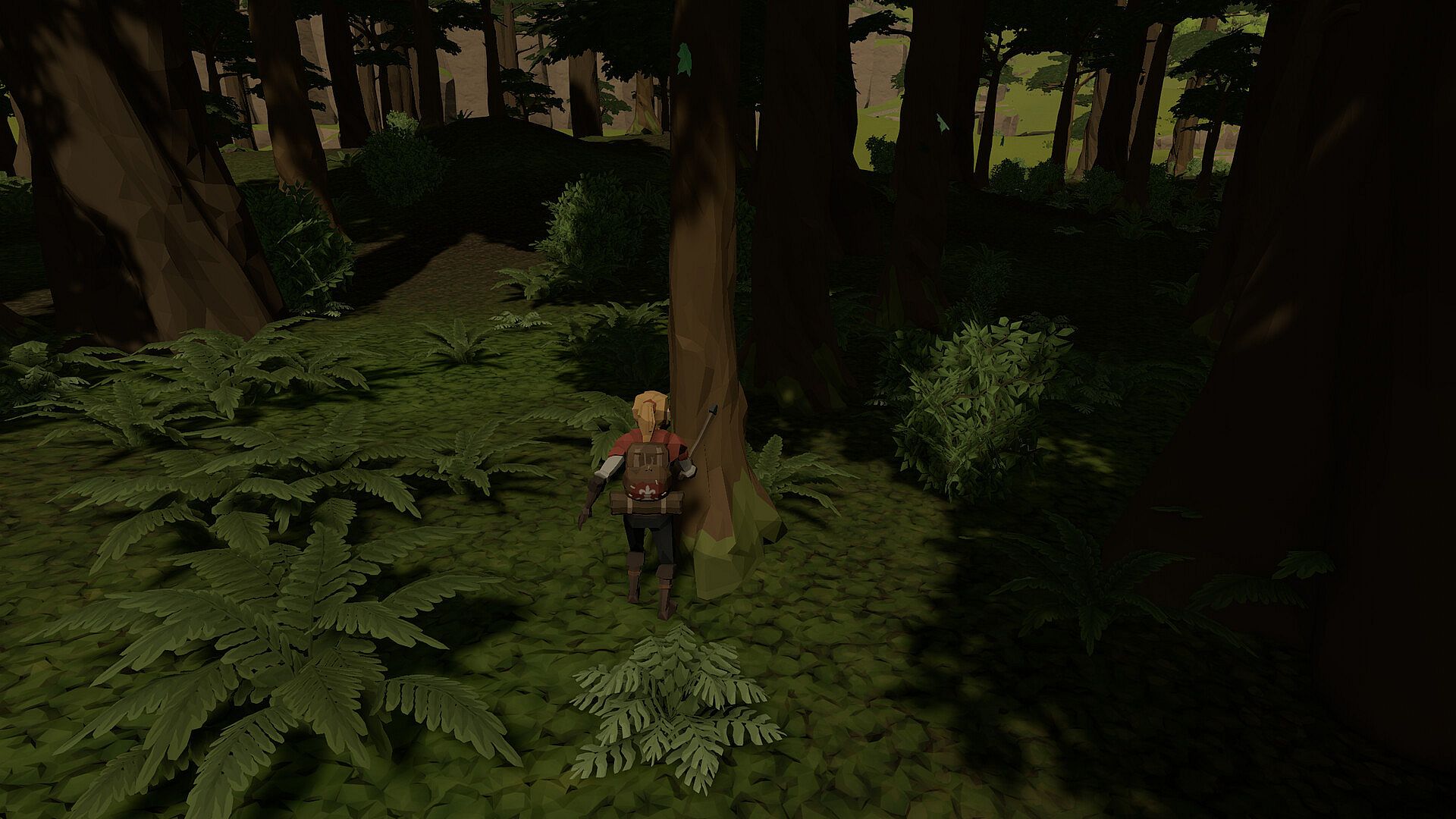
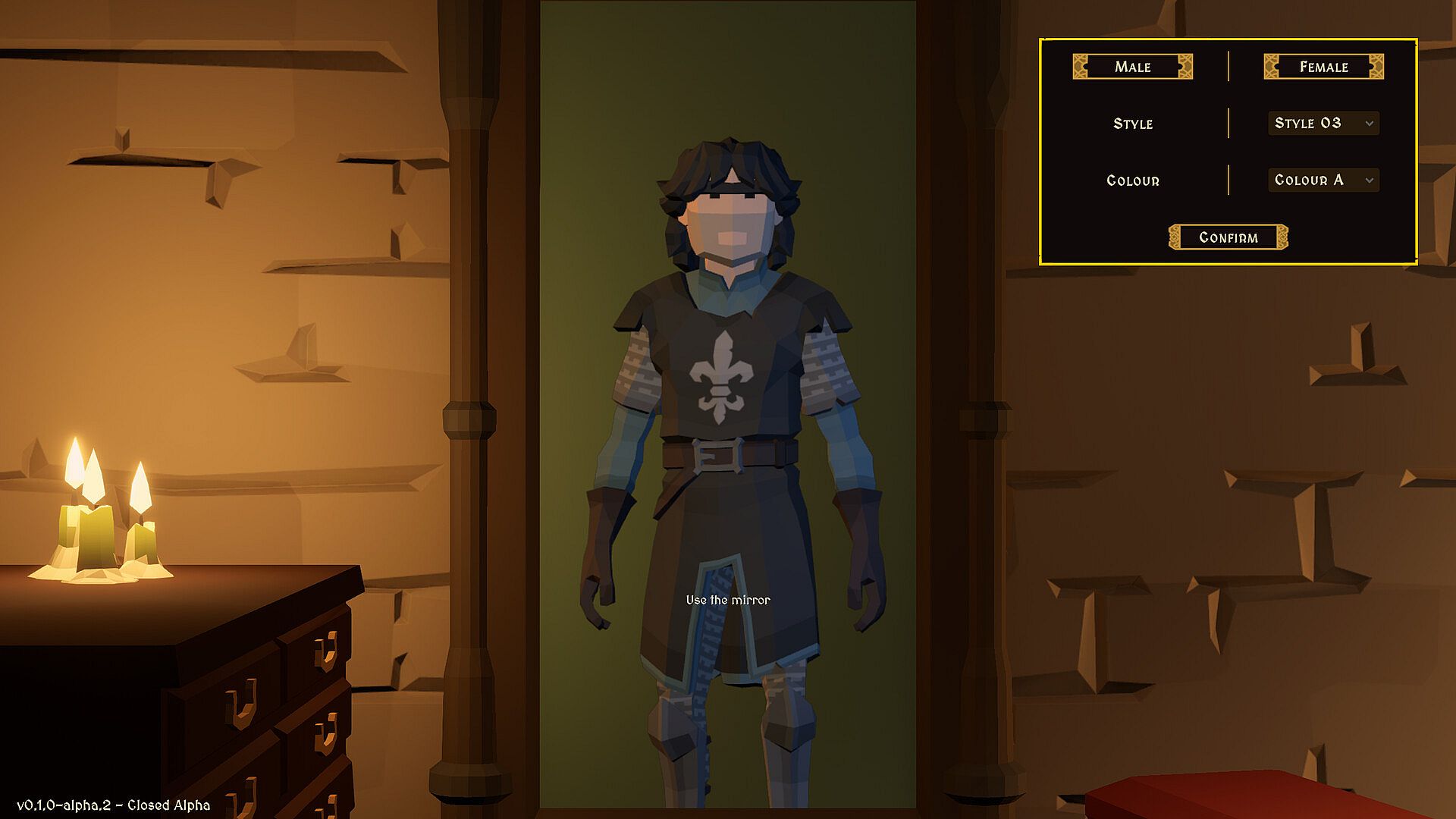
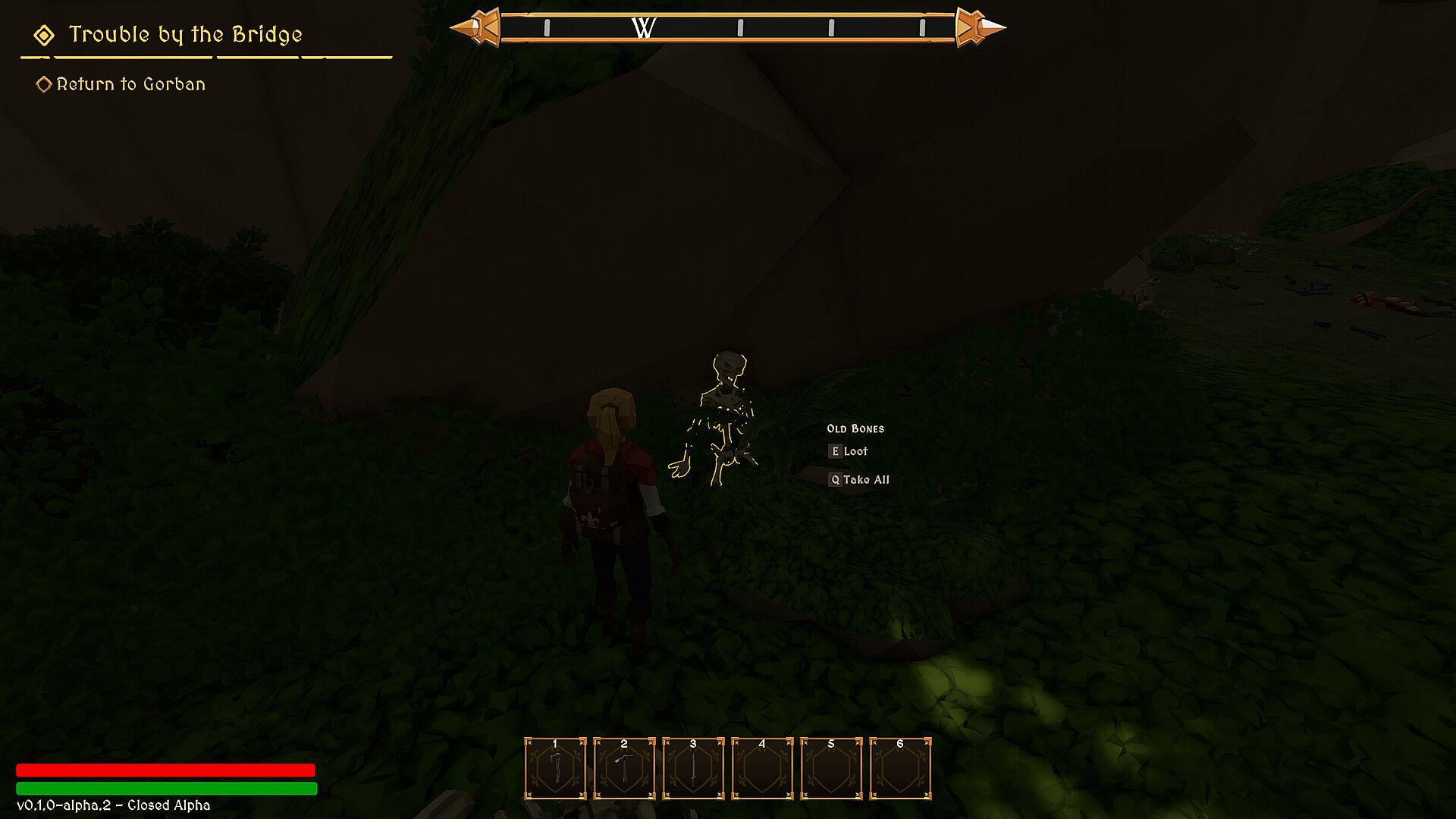
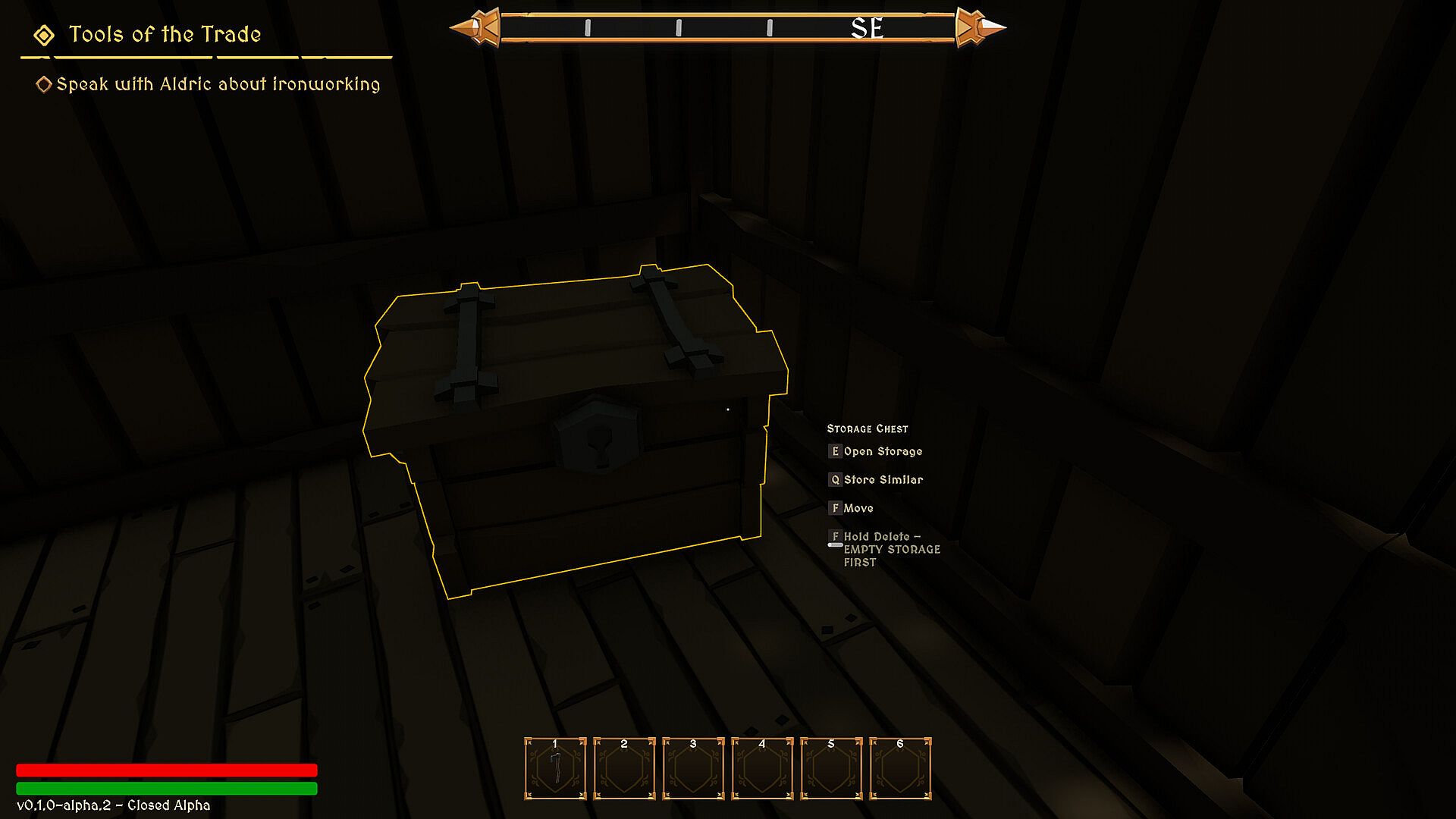
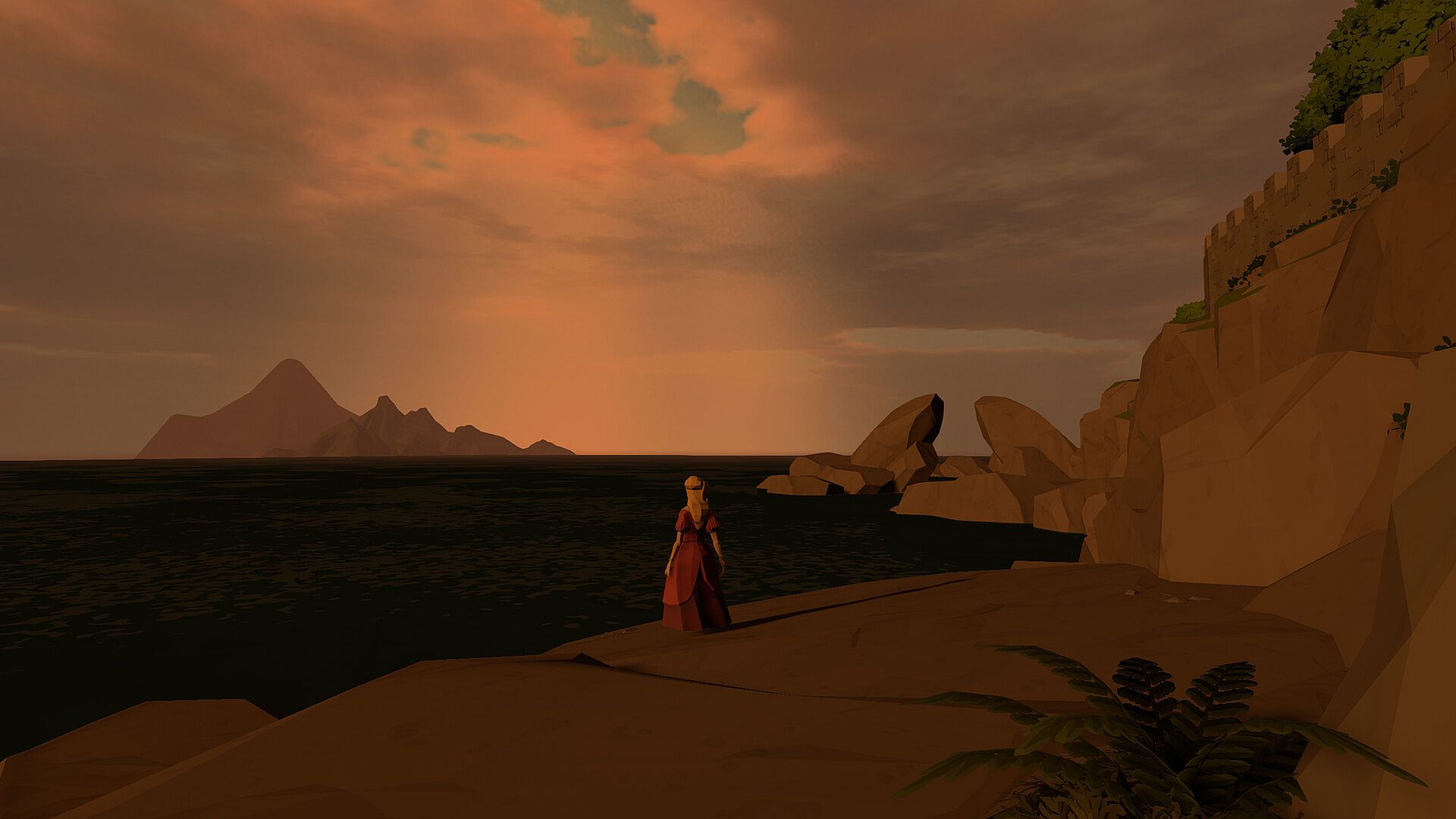
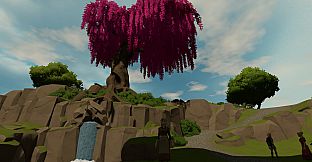
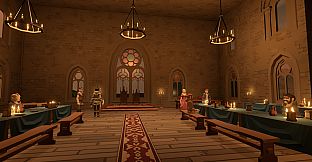
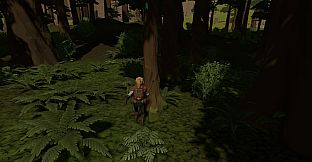
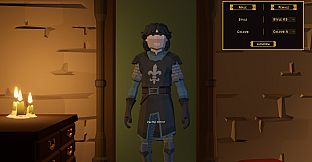
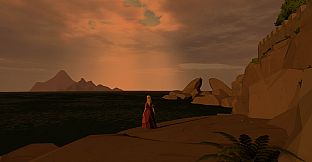
The Lost Heir is an indie RPG adventure game set in a medieval fantasy world on PC. Players take on the role of someone seeking their place amid woodland paths, old ruins, and scattered communities. The experience blends exploration, resource management, crafting, and narrative choices in a single-player format that emphasizes personal growth and steady progress through a living environment.
Gameplay
Core activities revolve around gathering timber, stone, and ore from the surrounding lands. These materials feed into crafting stations where raw resources become tools, items, or goods ready for use or sale. Players repair and repurpose neglected spaces to create a personal home base, turning empty or rundown areas into functional spots that support daily routines and long-term goals.
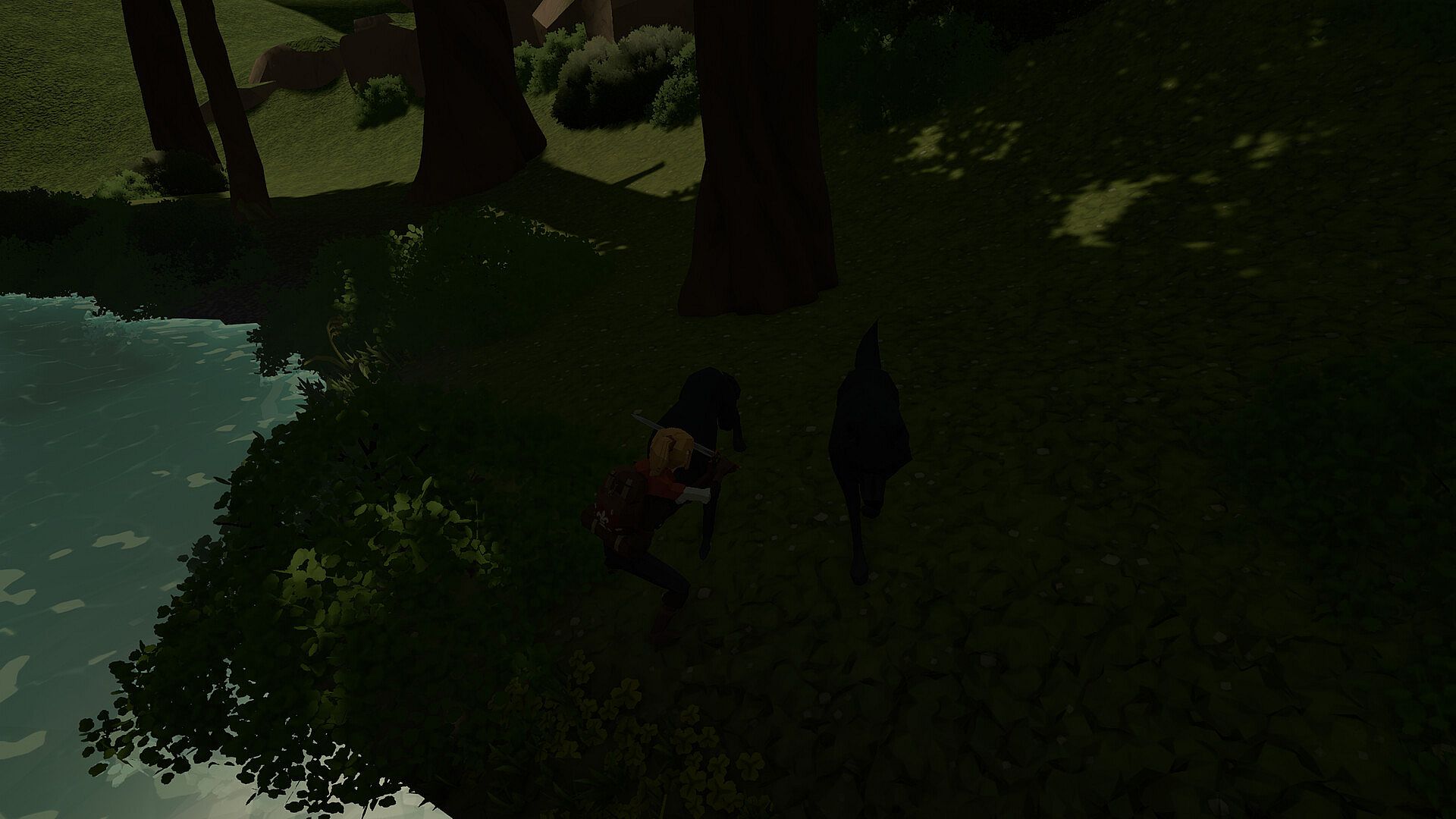
Travel takes players along winding paths and into old structures beyond the starting area. Some corners of the world remain peaceful, while wilder zones demand proper equipment and preparation to handle potential dangers. The loop encourages repeated trips to stockpile supplies, refine skills at crafting stations, and expand what can be produced or traded.
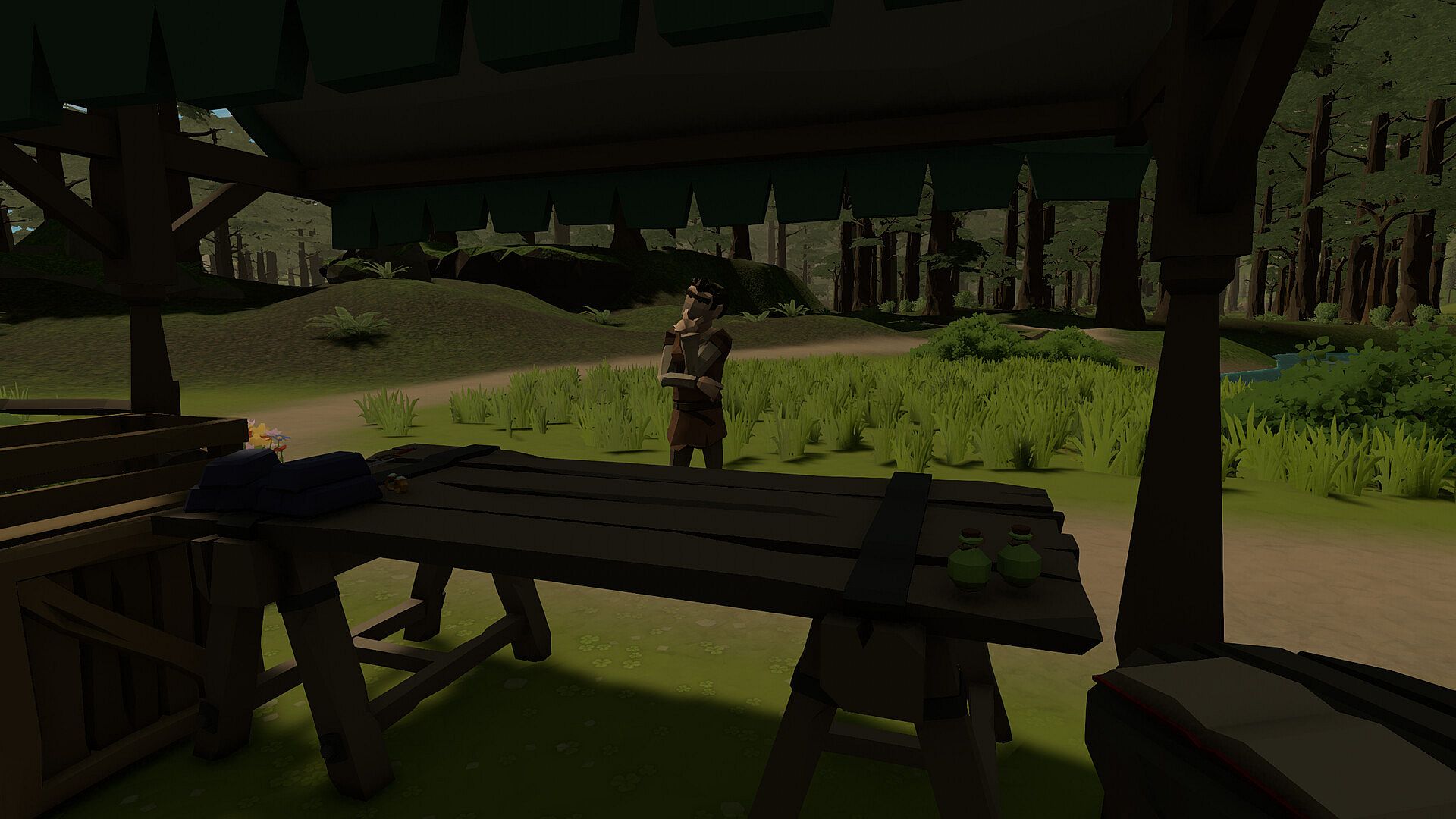
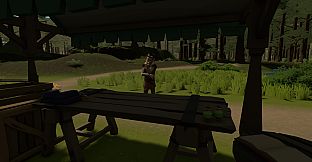
Conversations and quests reveal a story centered on friendship, loss, and belonging. Interactions with people met along the way shape relationships and open new opportunities without relying on combat as the primary focus. Resource gathering and crafting directly support survival and economic independence through a market stall stocked with gathered and crafted items.
Game Modes
The game operates entirely in single-player mode. Progress unfolds through open exploration and personal decision-making rather than structured competitive or cooperative elements. Players advance at their own pace by balancing time between home repairs, resource runs, crafting sessions, and story-driven conversations.
No separate multiplayer or competitive modes exist. The design centers on one continuous experience where choices in gathering, crafting, and social interactions influence daily life and the unfolding narrative. This structure suits players who prefer methodical, self-directed gameplay over timed challenges or team-based systems.
Exploration and Crafting Systems
Exploration rewards careful observation of the environment. Woodland paths and ruins hold resources that support both immediate needs and larger projects. Equipping for longer journeys becomes important once players move past familiar areas into zones with greater risks.
Crafting stations transform basic materials into practical tools and sellable products. The process ties directly into home improvement and market activities, creating a steady cycle of collection, creation, and exchange. Players decide how much emphasis to place on each part of the loop based on their preferred pace and goals.
Story and Character Development
Narrative elements emerge through dialogue and quest outcomes. The central thread follows themes of connection and identity as the player character builds relationships and finds stability. Quests often intersect with practical activities like resource runs or repairs, blending story progression with everyday tasks.
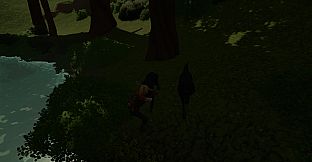
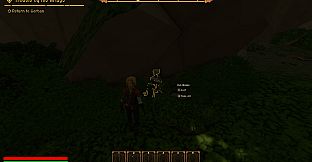
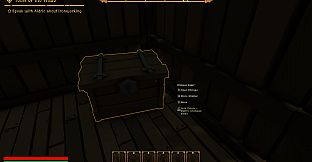
Development remains ongoing. The developer uses AI tools to assist with programming, code review, and debugging as a solo creator. Current visuals rely on placeholder assets while the world and characters are tested and refined. Screenshots reflect the present state, with potential changes ahead as work continues.
Is It Worth Playing?
The Lost Heir appeals to players who enjoy crafting-focused RPGs and relaxed adventure gameplay. Those drawn to resource management, home building, and gradual story discovery through conversations will find a consistent loop that rewards steady effort. The single-player structure supports repeated sessions without pressure from other players or strict timers.
Reception centers on the satisfying cycle of gathering, crafting, and selling, paired with a personal narrative about belonging. The game suits individuals comfortable with placeholder visuals during development and who value self-paced progress over polished presentation at launch. Availability on PC makes it accessible for those seeking an indie title with clear ties between mechanics and story.











