


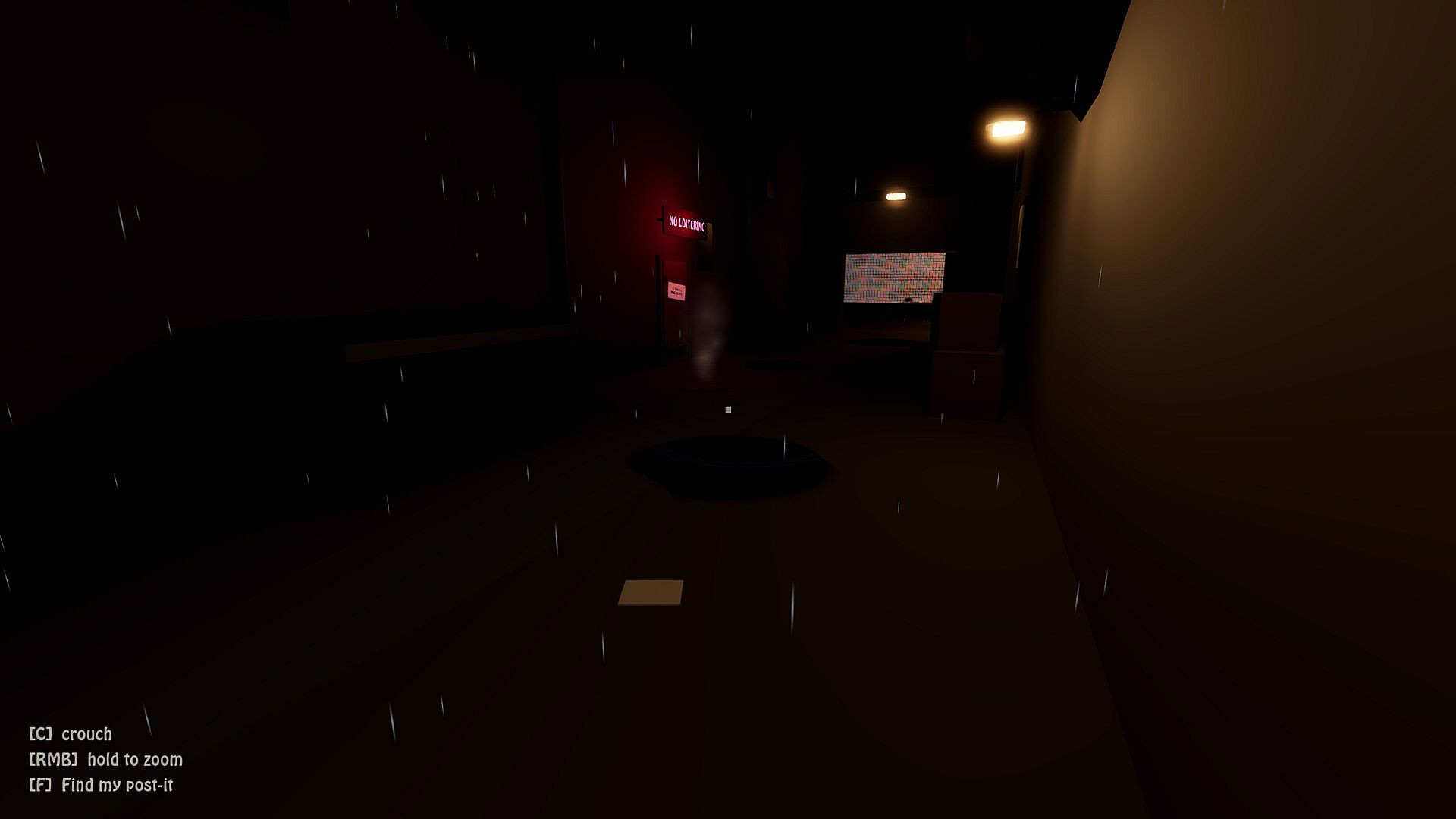
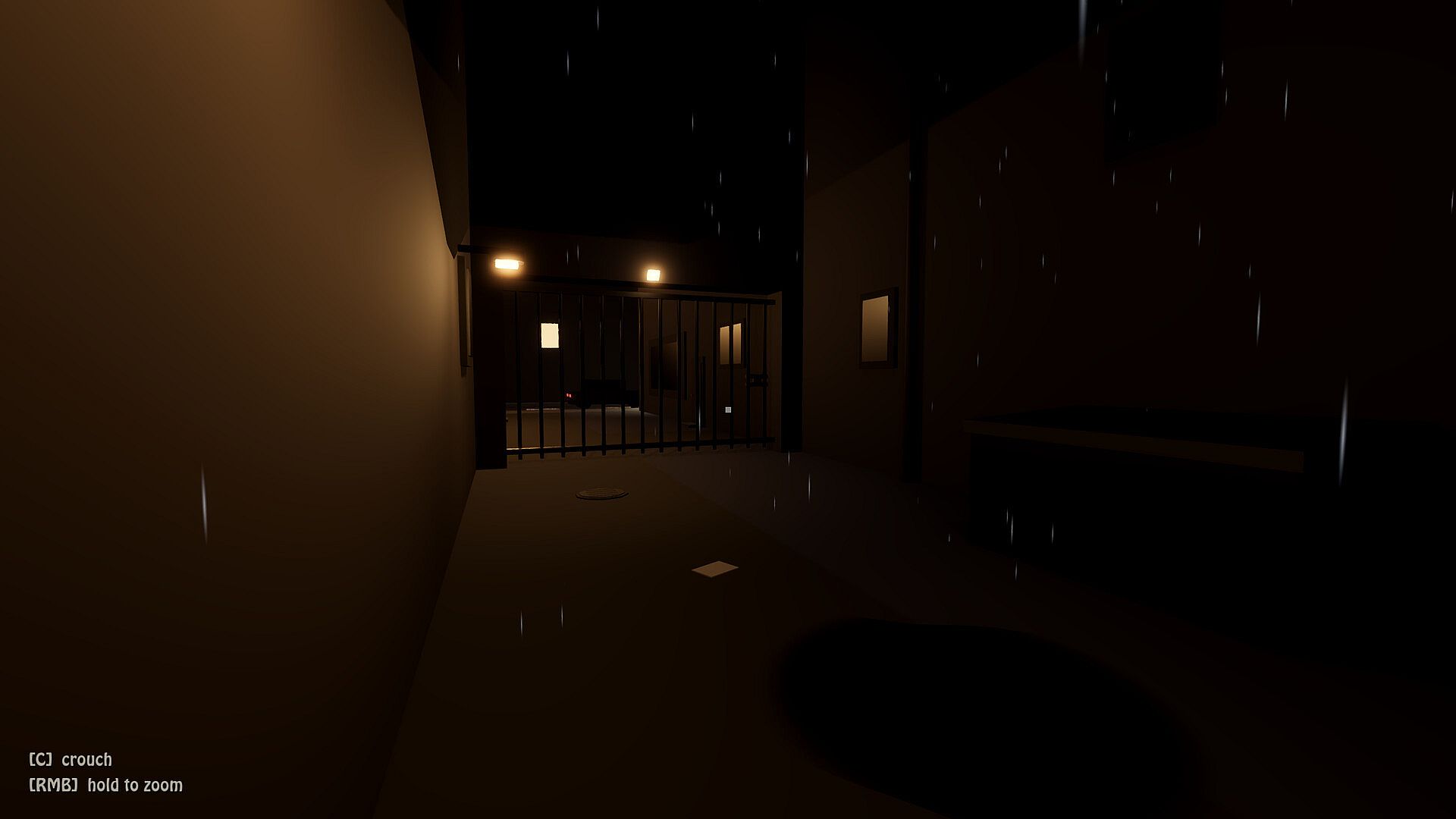
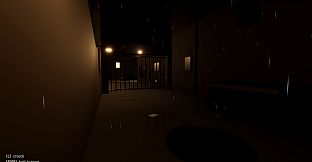
The Hobo Dev is an indie casual experience on PC that lasts about five minutes. Players step into a rainy back alley to meet a solitary developer who invites them to pause, listen, and take part in a simple ritual of support. There is no combat, no puzzles, and nothing that can be failed. The focus rests entirely on atmosphere and a brief personal exchange that leaves a lasting mark through a shared wall of names.
Gameplay
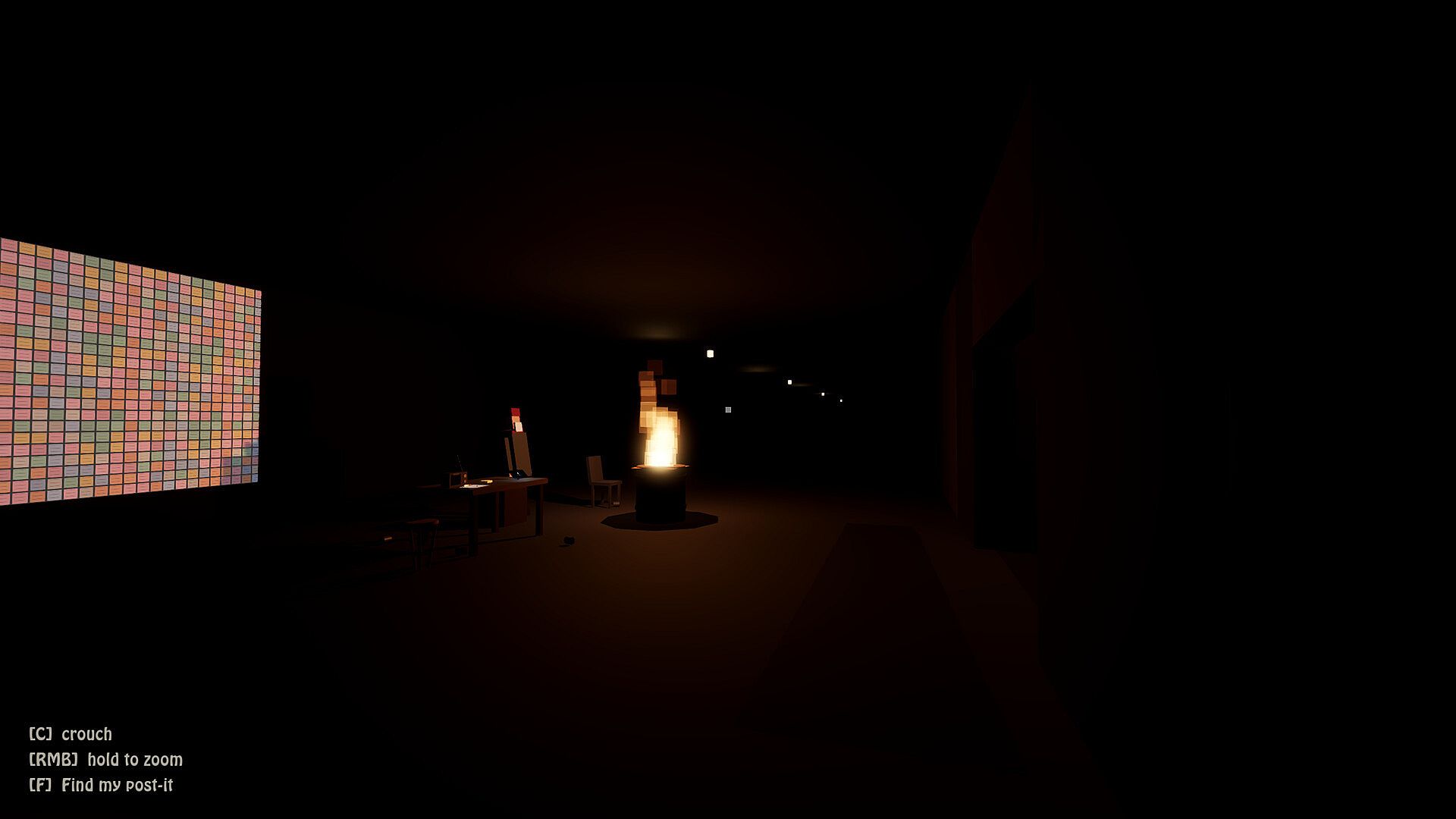
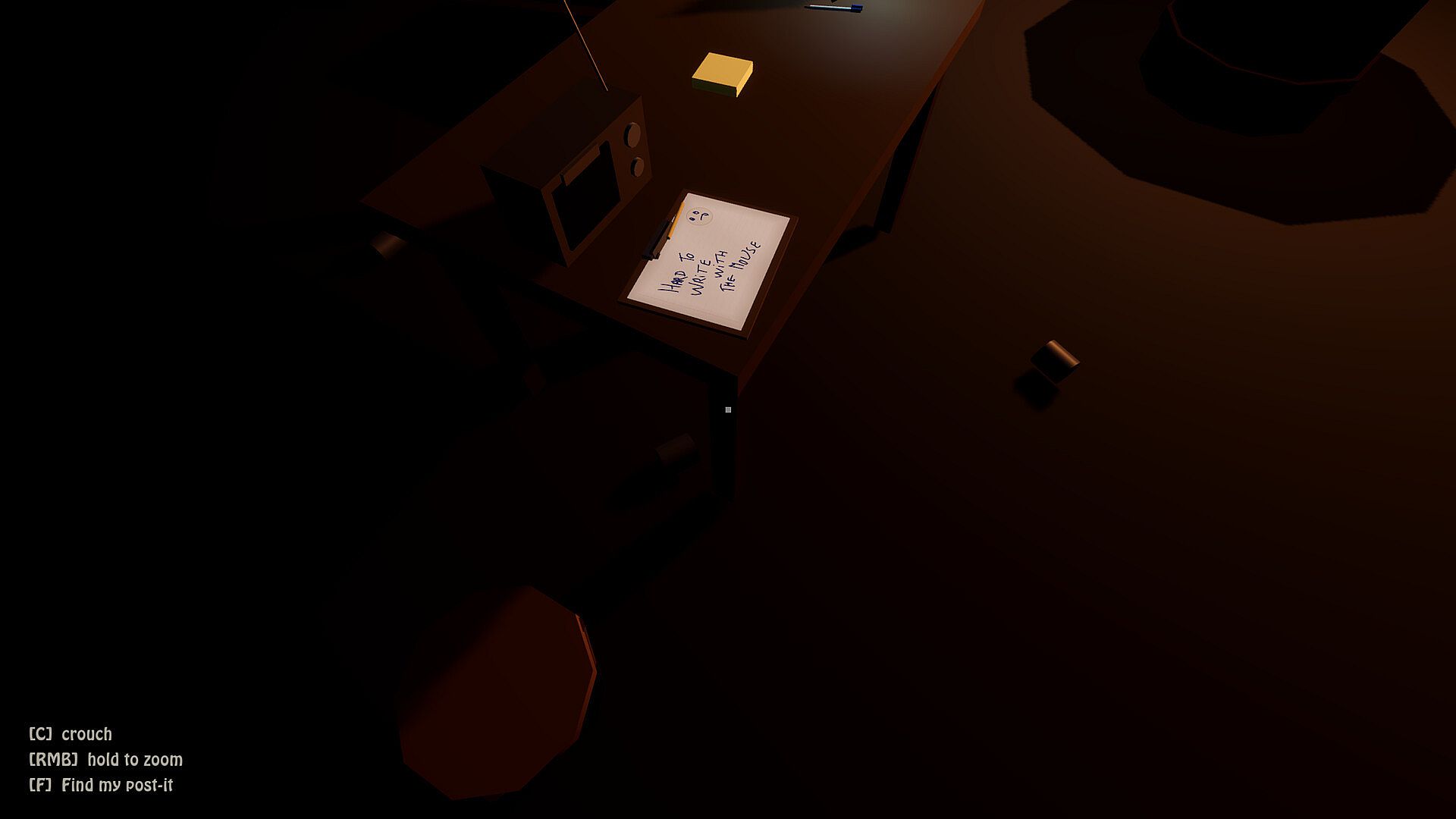
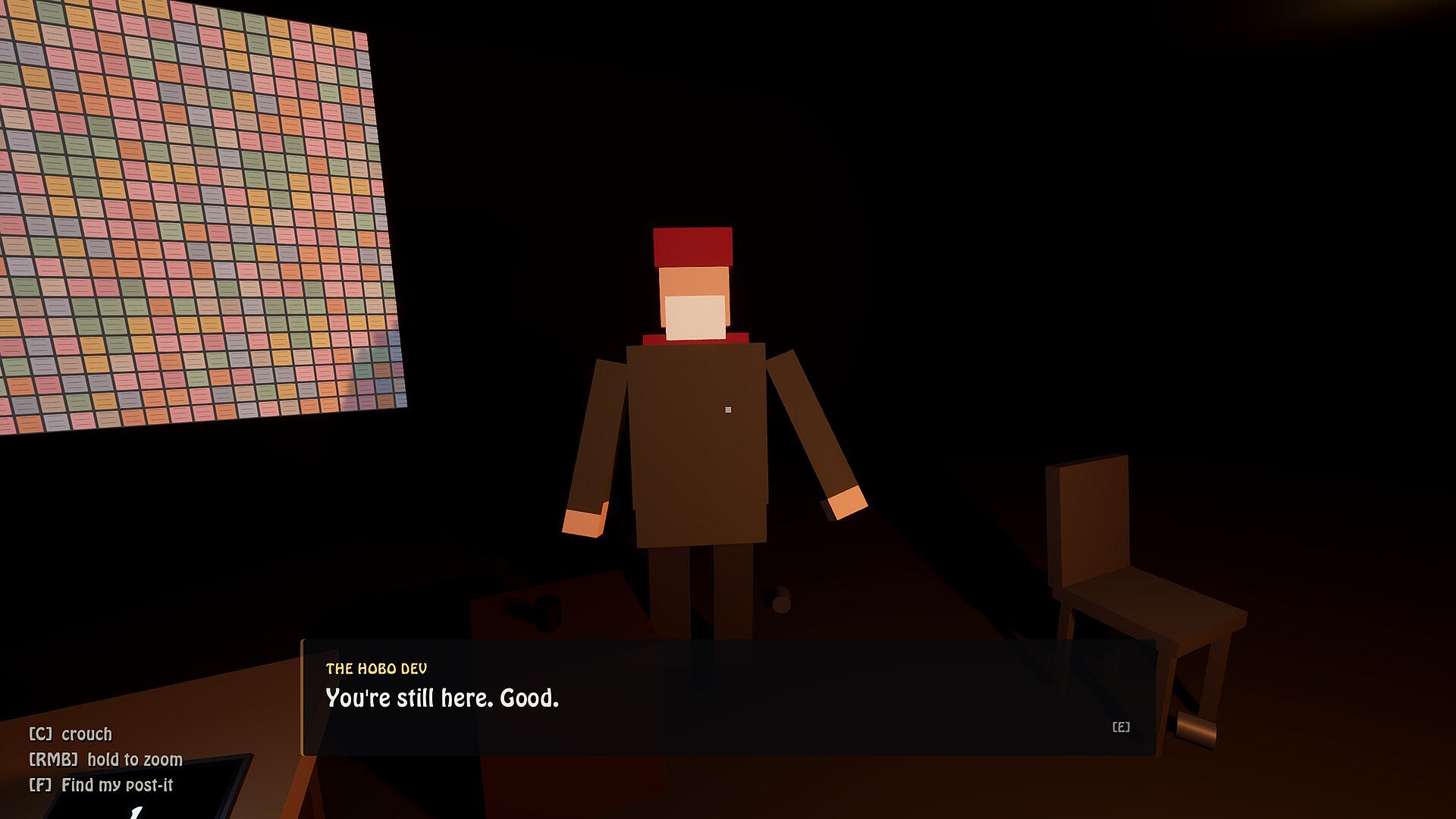
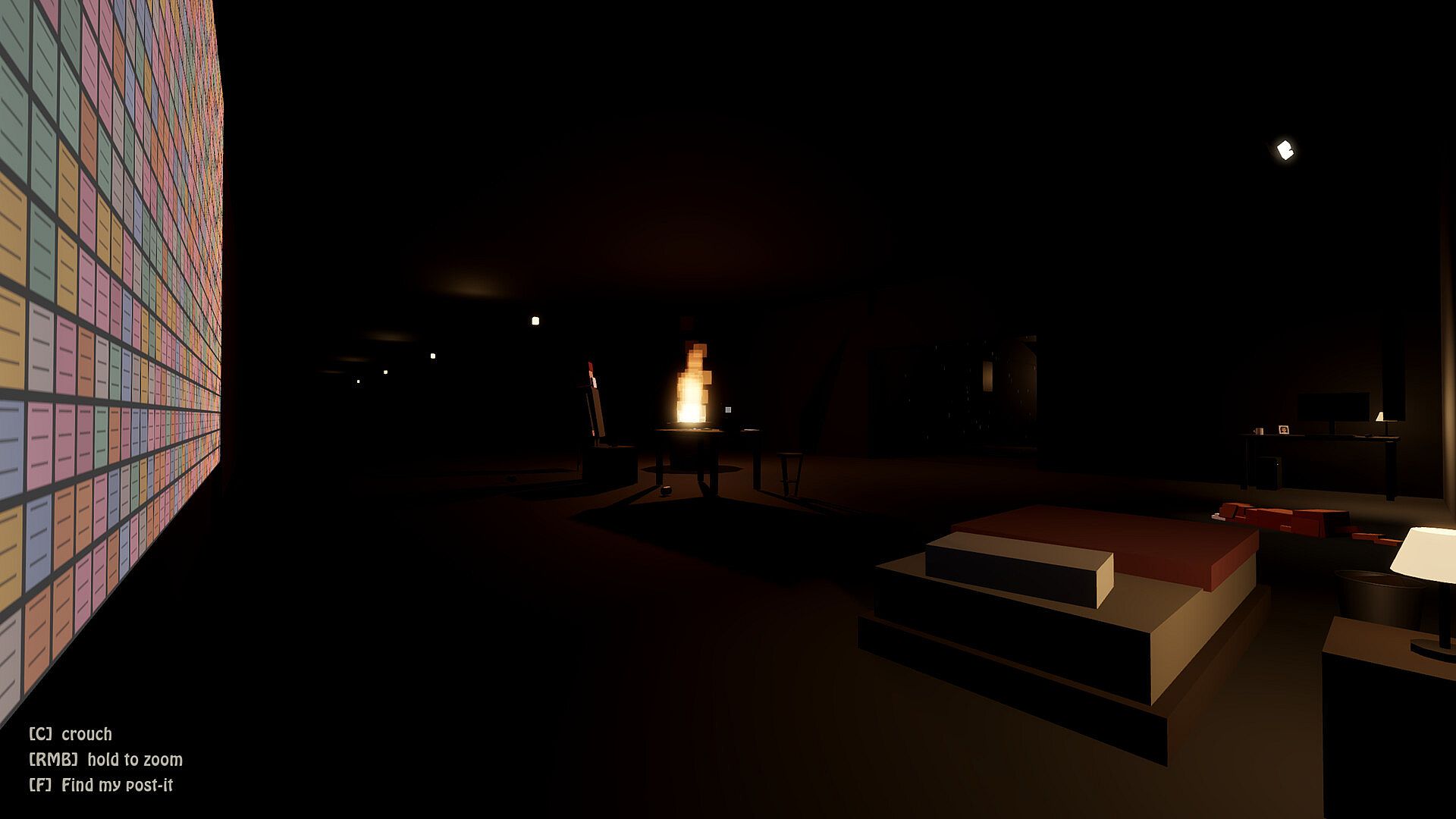
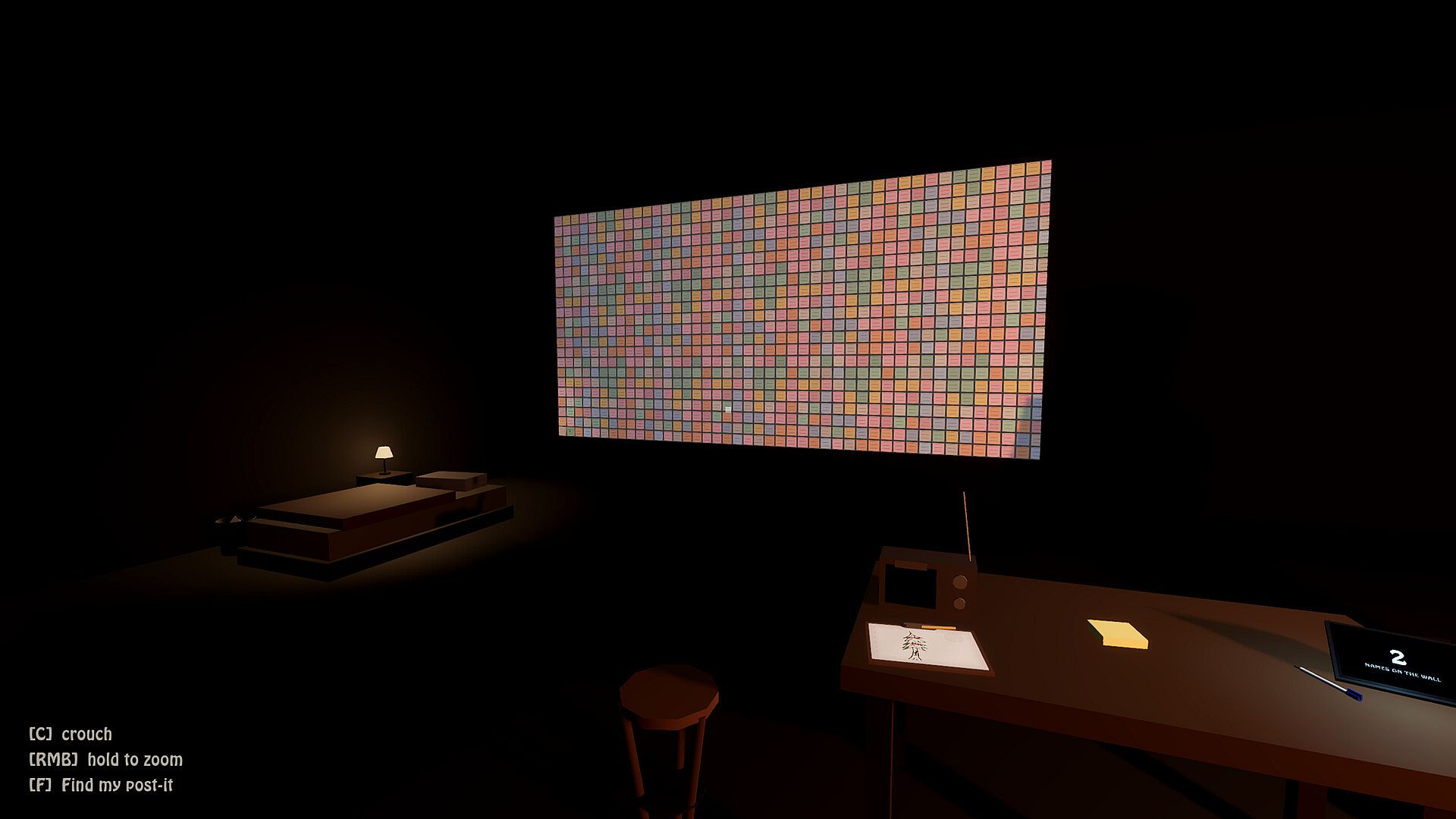
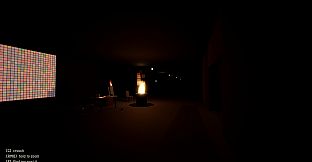
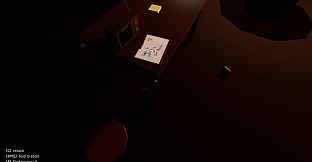
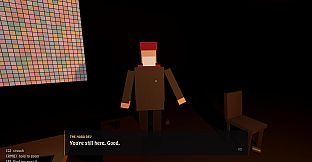
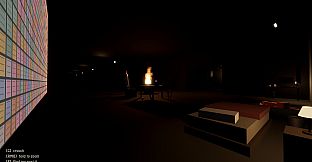
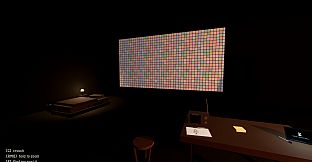
The core loop centers on quiet interaction inside a small, atmospheric space. Rain falls outside while a fire crackles nearby for warmth. A radio sits ready to be switched on for background sound, and a stool offers a place to sit during the conversation. The developer shares a few words about his work and the reason behind the coin payment. Once the exchange concludes, the player receives a pen and adds their own name to one of the countless post-it notes covering an entire wall from floor to ceiling. Each name receives a unique number that no other player will share. The entire sequence unfolds at a relaxed pace without timers or pressure, allowing time to absorb the setting and the developer's brief story.
Visuals remain minimal and focused on the alley environment. Procedural generation handles the wall's appearance so that new names continue to appear as more players participate. The experience emphasizes presence over progression, encouraging players to stand near the fire, adjust the radio, or simply observe the growing collection of notes. Sound design supports the mood through ambient rain, the crackle of flames, and the developer's spoken lines, all selected to match the intimate tone.
Game Modes
The Hobo Dev offers a single linear experience with no separate modes or variations. Every session follows the same short sequence from arrival in the alley through the conversation and the act of adding a name. There are no branching paths, difficulty settings, or replay incentives beyond returning to view the updated wall. The design treats the encounter as a one-time personal moment rather than a repeatable activity, though owners can revisit the space whenever they like to see how the collection of names has expanded.
The Shared Wall and Its Purpose
Central to the experience is the wall itself, which functions as a collective record visible to everyone who owns the game. Each post-it carries a name paired with a distinct number, creating a growing list that reflects individual contributions. The name remains attached for as long as the player keeps the game in their library. This mechanic turns the wall into a living receipt of support for the solo developer's larger project, SCRAWLERZ. The concept keeps the focus on quiet acknowledgment rather than competition or achievement, with the wall serving as the only persistent element across all players.
Because the developer works alone, the coin payment represents a direct way to help fund future work. The experience makes no promises about length or complexity and instead delivers exactly what it states: a brief, honest interaction in a sheltered spot away from the rain. Players who appreciate understated indie projects or who value direct support for small creators will find the approach straightforward and sincere.
Is It Worth Playing?
This short experience suits players seeking a calm, reflective moment rather than traditional gameplay challenges. It delivers a focused atmosphere and a tangible connection to an independent creator without requiring any skill or extended commitment. Those drawn to casual indie titles that prioritize mood and personal gestures over systems or progression may find the five-minute session meaningful. Because the game remains in a pre-release state with no player reviews available yet, its appeal rests on the clarity of its described concept and the unique wall mechanic. Anyone interested in supporting solo development through a simple, non-competitive format will likely appreciate the direct approach and the permanent record it creates.