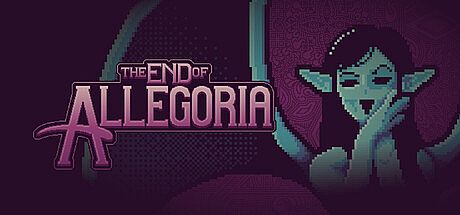


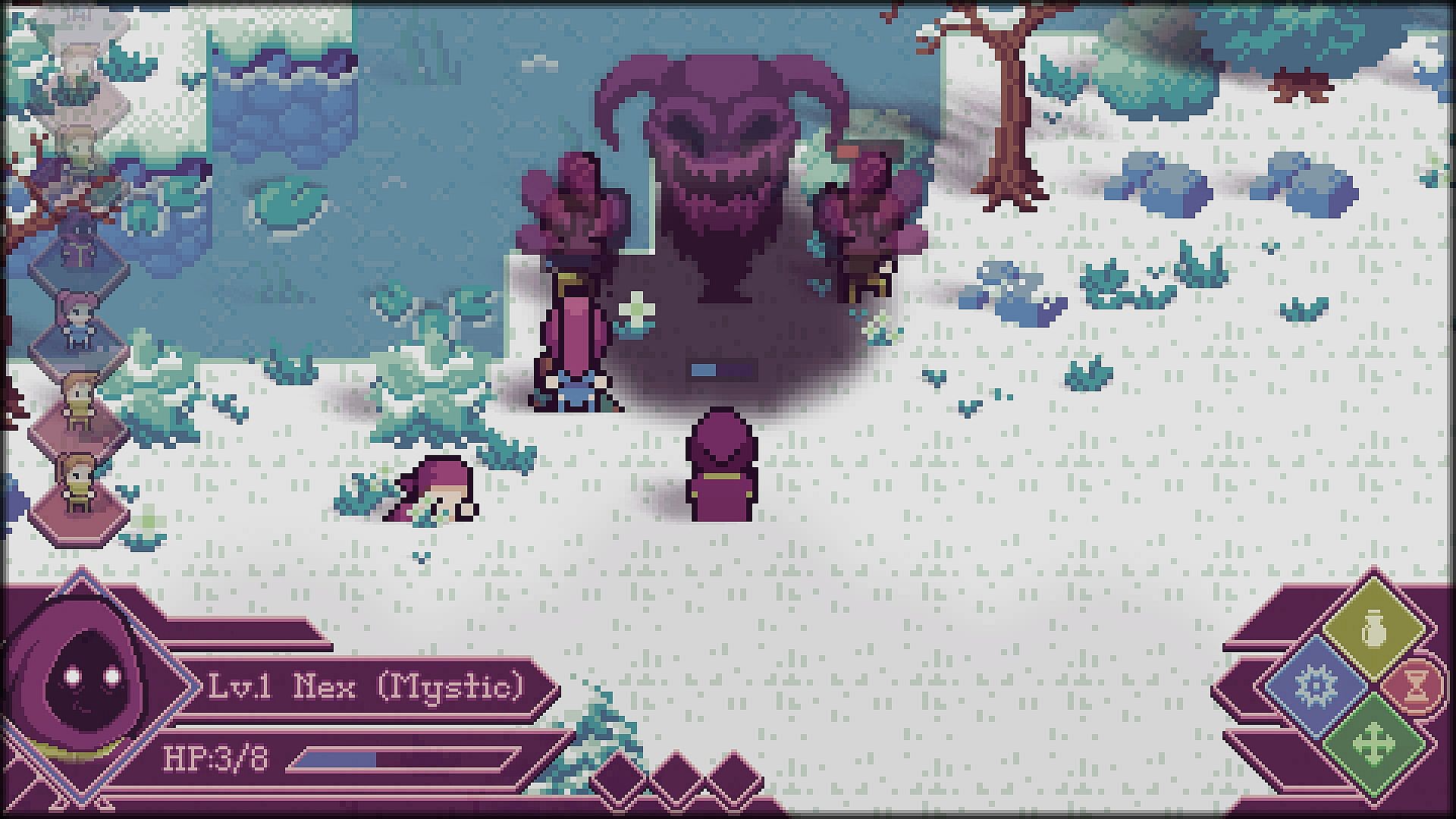
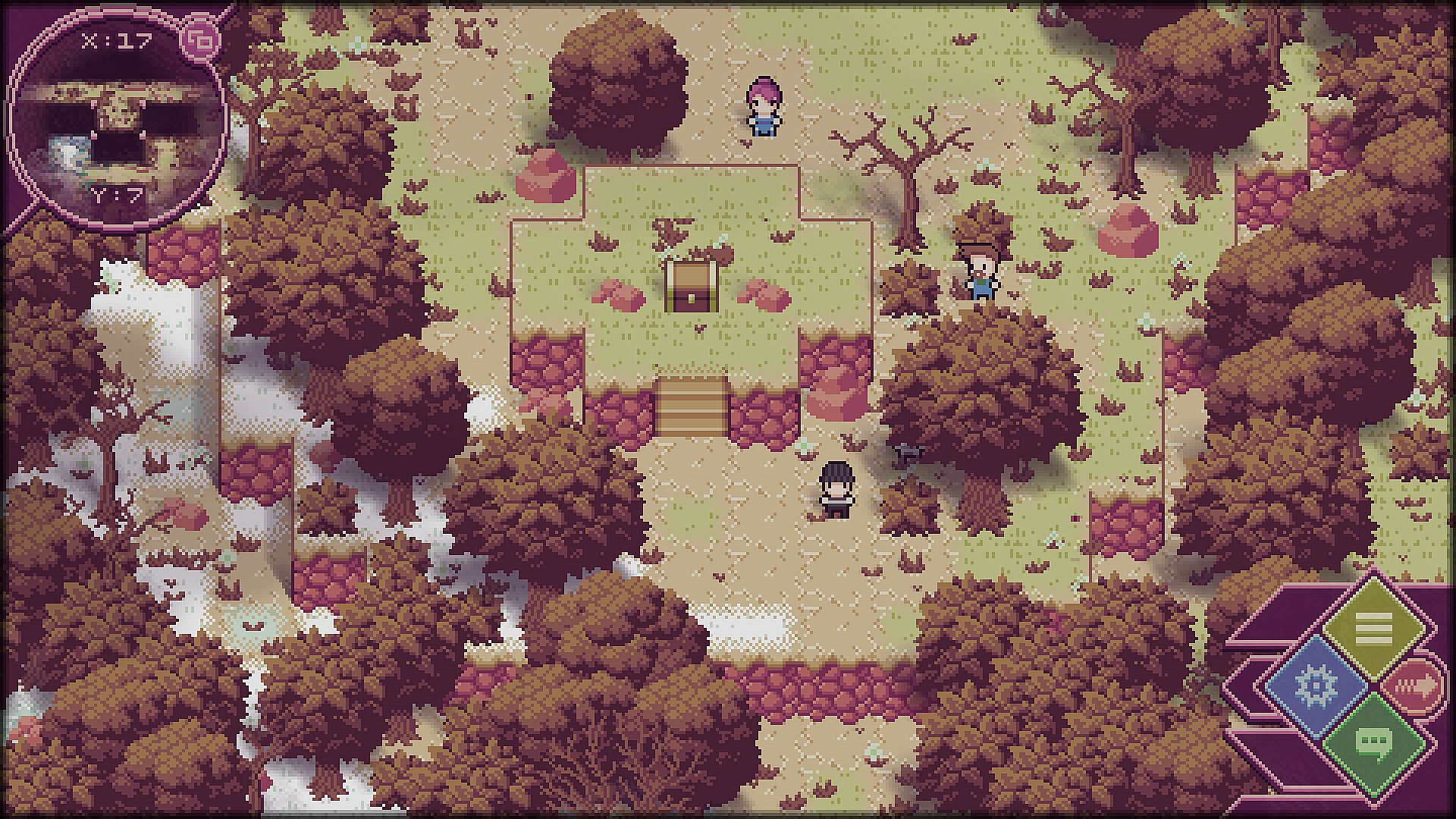
The End of Allegoria is a turn-based tactical RPG set in a corporate dystopia where celestial power has been distributed across humanity. The story follows the aftermath of peace in Allegoria, where monsters have retreated underground and society has shifted toward oppression and routine. A celestial protector disrupts this balance by granting anomalous abilities to the vulnerable, sparking widespread chaos that players navigate through personal decisions about survival, revenge, and justice.
Gameplay
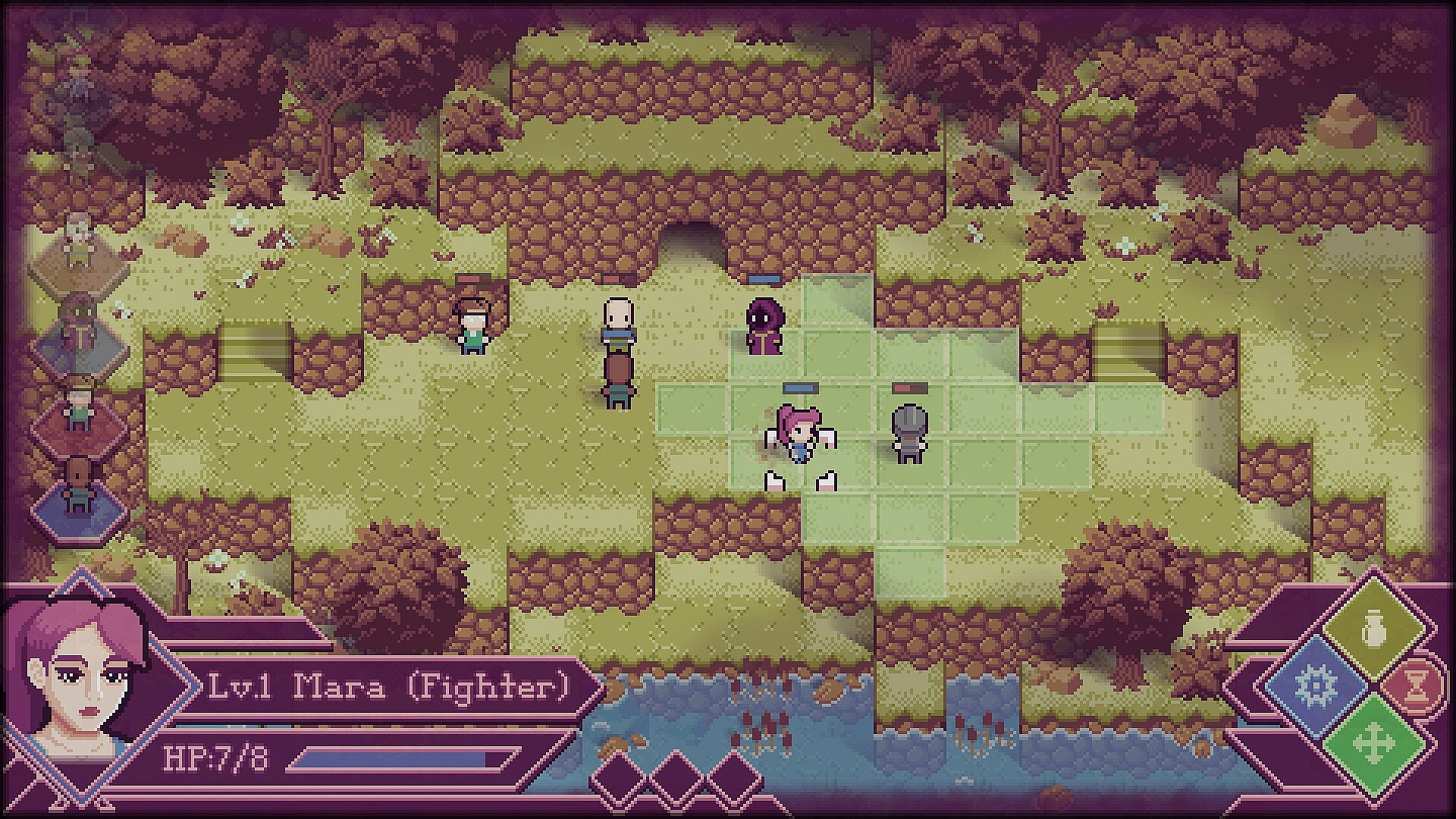
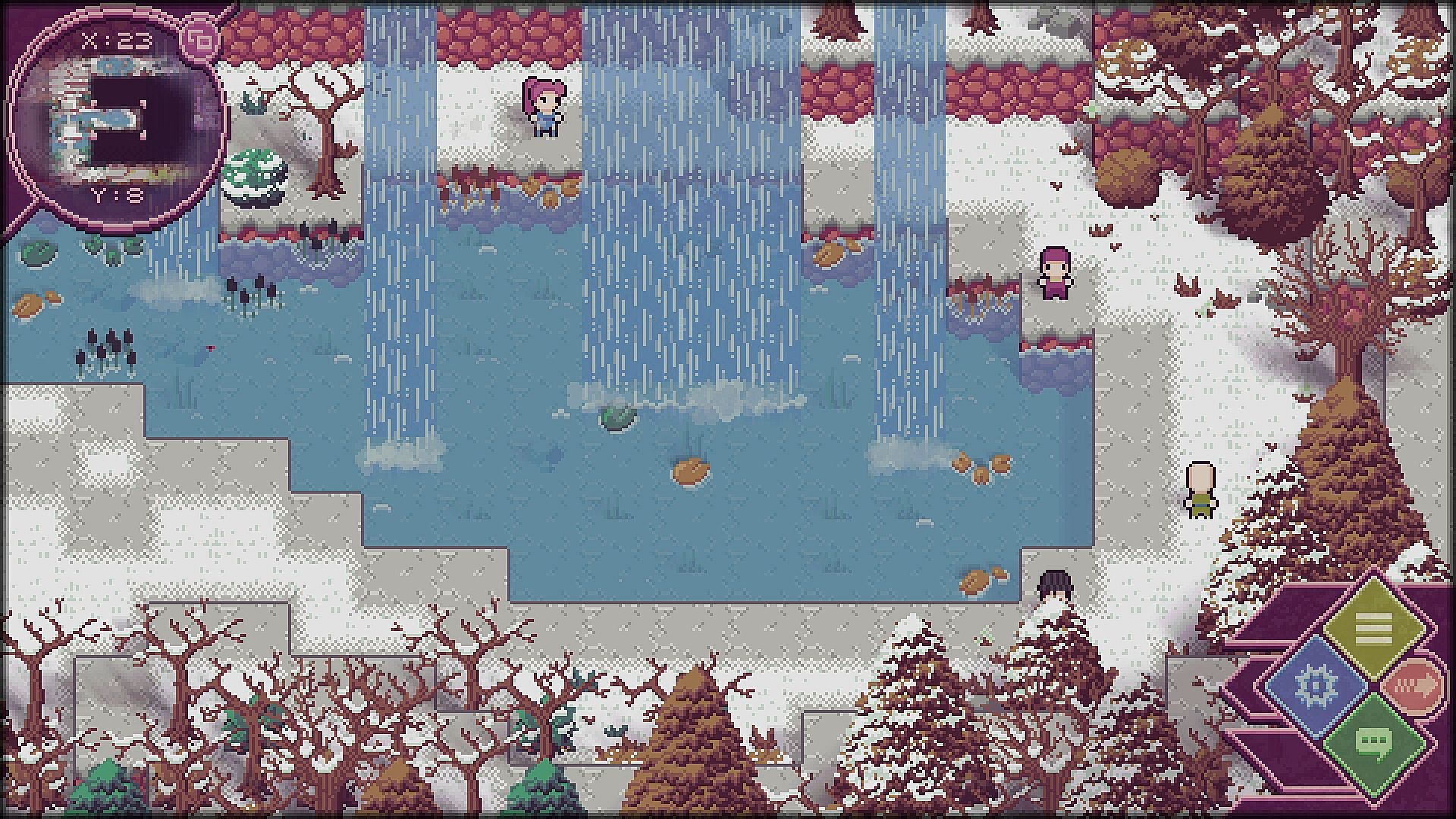
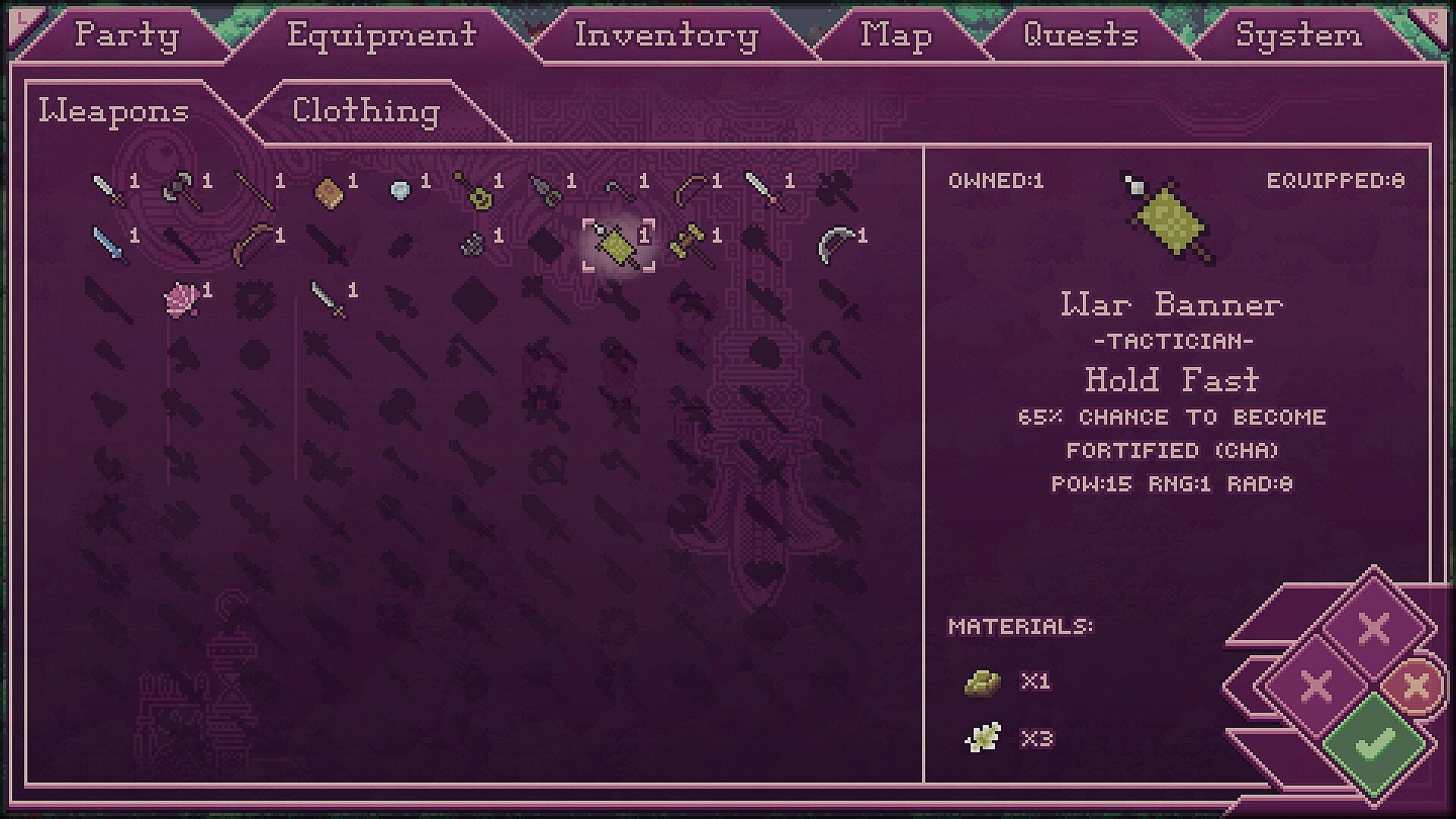
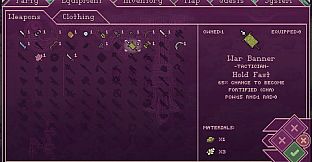
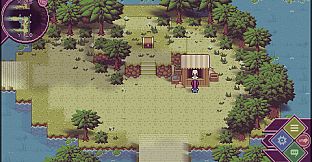
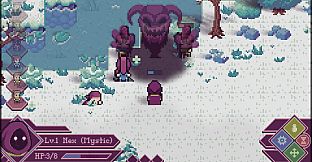
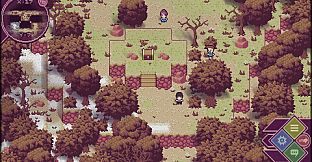
Exploration takes place across a world that shifts based on player actions and discoveries. Parties consist of multiple characters who can be equipped with weapons and armor to develop skills and stats. The Class Mastery system allows progression through repeated use of equipment, unlocking advanced abilities, passive effects, and combinations between different classes. Combat occurs in turn-based encounters where positioning and skill synergies matter, with over fifty classes available across three tiers for varied builds. Companions join the group during the journey, each contributing unique capabilities that expand tactical options in battles against the emerging threats of the end times.
Game Modes
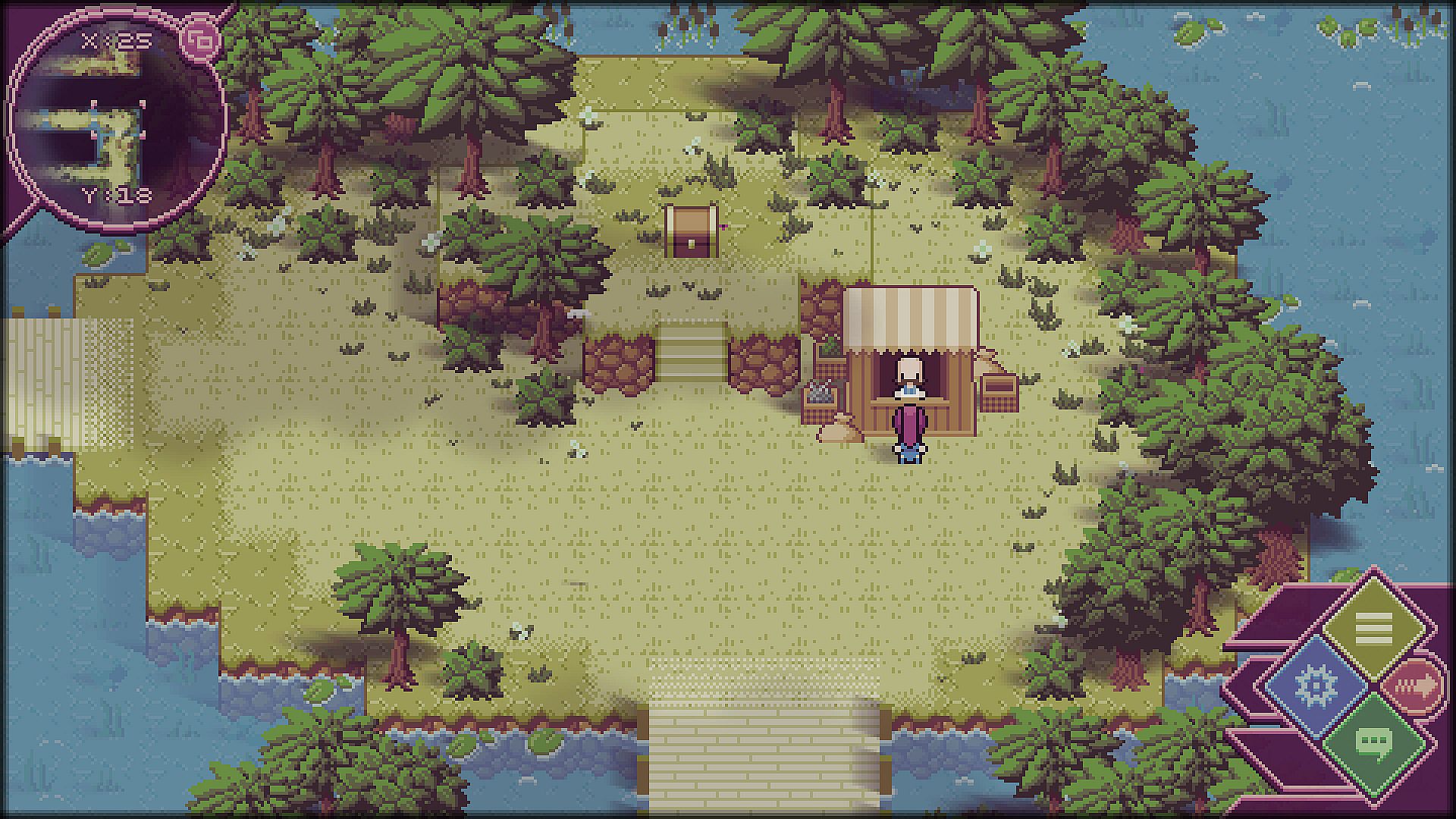
The experience centers on a single-player campaign driven by narrative choices. Players guide the party through an apocalyptic setting, making decisions that influence alliances, conflicts, and the overall outcome for Allegoria and its inhabitants. Exploration integrates with combat and progression, as the world reacts to decisions made along the way. There are no separate competitive or cooperative modes confirmed at this stage; the focus remains on the core story path and its branching consequences.
Story and Setting
The narrative builds on events from prior years in the same universe, where stability has given way to anarchy after the sharing of celestial power. Themes of grief, revenge, and vindication surface through encounters with oppressed groups and those in power. Players decide whether to aid the helpless, target enemies, or pursue other paths that alter the land's fate. The corporate dystopia backdrop provides context for these conflicts, with technology and societal structures playing roles in the unfolding events.
Class Mastery and Party Building
Equipment serves as the foundation for growth. Each piece grants specific skills that become permanent once mastered through combat use. This system encourages experimentation with different loadouts to create synergistic party compositions. Passive skills and class interactions add depth, allowing players to tailor strategies for the challenges ahead. The result is flexible character development that adapts to the player's preferred approach to the journey.
Is It Worth Playing?
The announced features emphasize meaningful choices and tactical depth in a retro-inspired RPG framework. Those who enjoy party-based turn-based combat with progression tied to equipment mastery and narrative branching will find the core loop appealing. The game remains in development with a planned 2027 release on PC, so current details come from official descriptions and trailers. Players interested in the predecessor's style of adult-themed, choice-driven adventures in a pixel-art world may appreciate the expanded party mechanics and class options here. Availability will depend on the final launch, with no confirmed free modes or trials at present.