




The Anomaly Inspector : Hotel Anatolia places players in the role of a newly hired inspector tasked with ensuring safety at a remote facility. This indie simulation game on PC blends psychological horror with walking simulator mechanics, centering on the careful observation of liminal spaces such as hallways, rooms, and elevators. The core premise draws from the input contract details, where the inspector must identify threats that could harm customers while navigating strict rules about when to retreat or continue forward.
Gameplay
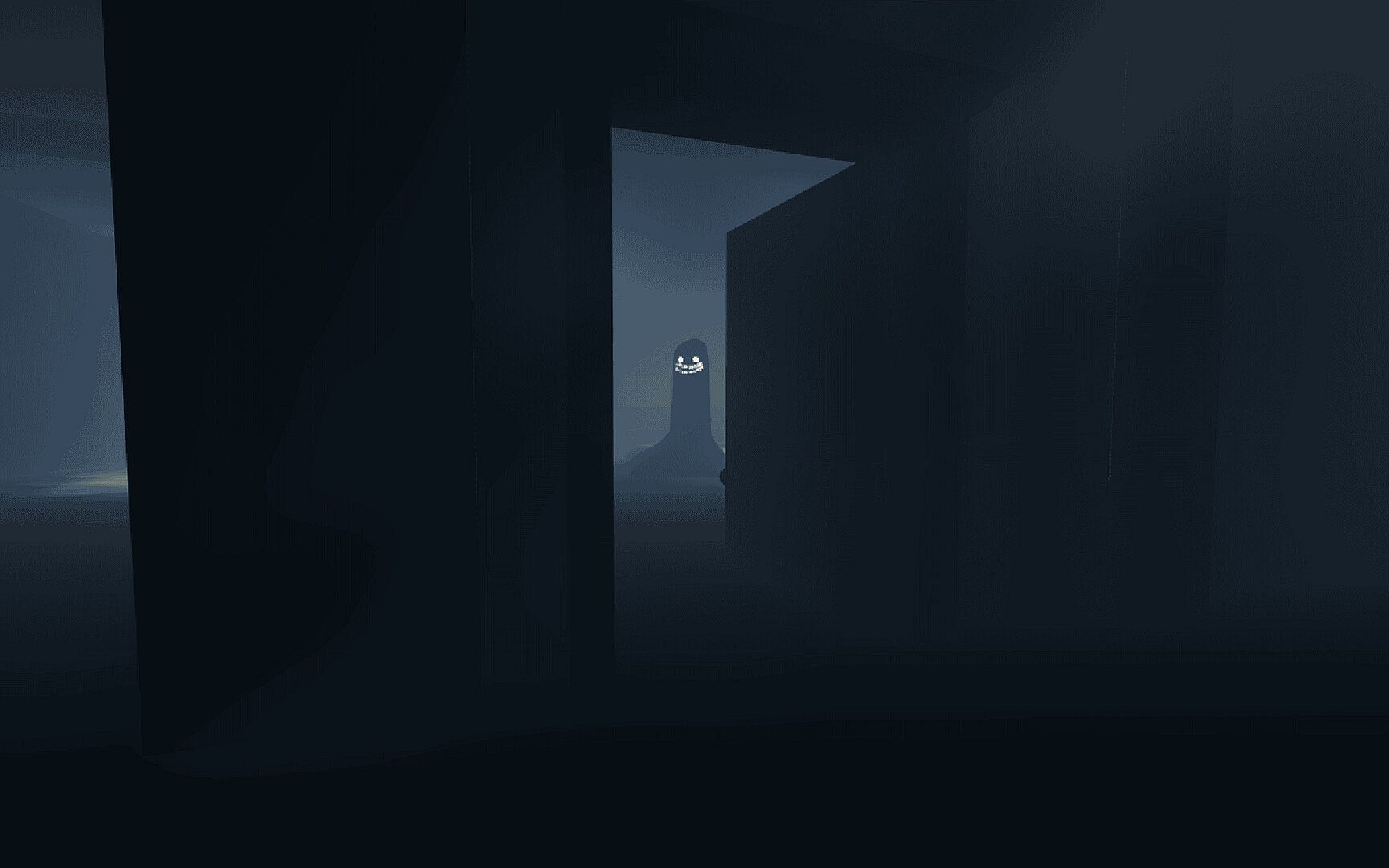
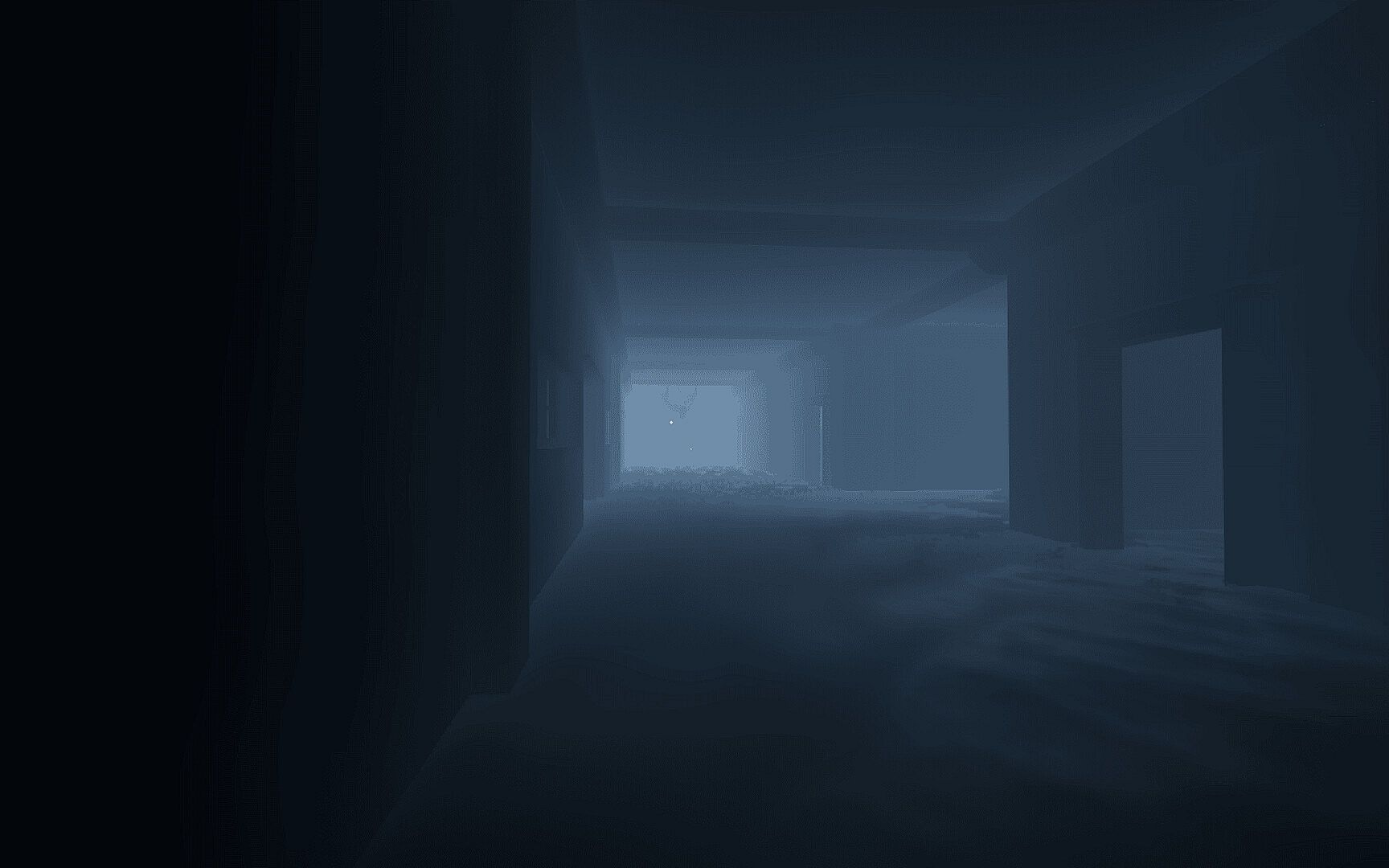
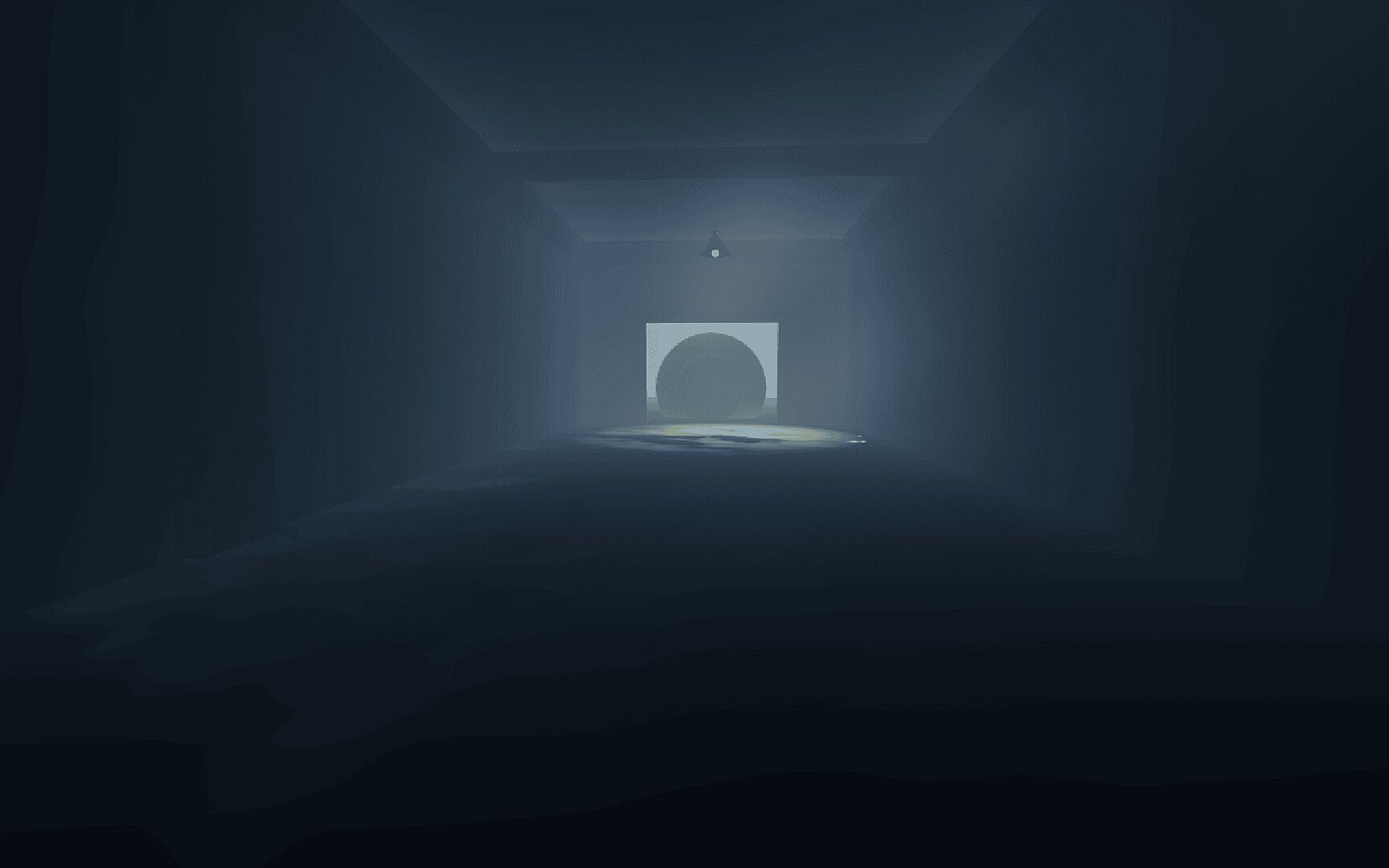
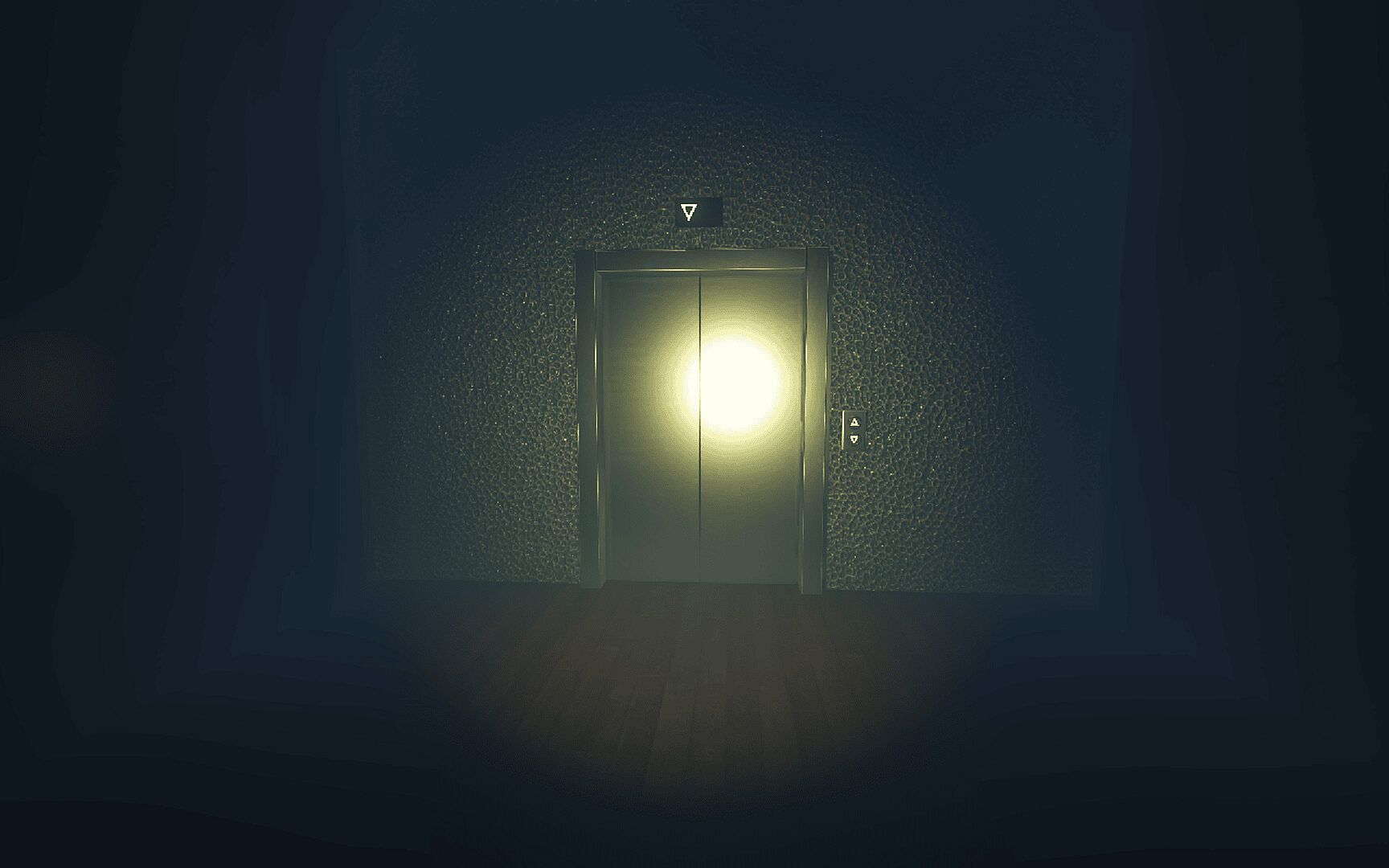
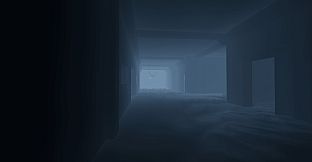
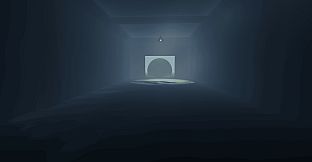
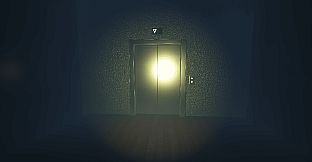
Players begin each shift by entering a hallway with elevators positioned at opposite ends. The routine involves walking the floor, scanning for changes or hazards that might endanger guests. Safe conditions or minor oddities allow progression to the next area, while any clear danger requires an immediate return to the entry elevator. A zoom feature supports close inspection of details that could indicate anomalies. Later sections introduce patrolling entities that alter movement patterns and add tension to the routine. The experience unfolds across dozens of levels, with elevators providing vertical navigation between floors and a basement area expanding the facility downward. Voice lines delivered through professional recording enhance the atmosphere without overwhelming the focus on visual and environmental cues.
Game Modes
The game operates as a singleplayer progression through sequential inspection levels. Each level follows the same core loop of observation, decision making at elevators, and reporting at terminals. No separate named modes exist beyond this unified structure, though the increasing complexity across forty levels creates natural variety. Early floors emphasize basic anomaly spotting in standard corridors, while deeper sections incorporate basement environments with distinct visual and behavioral changes. The design rewards consistent attention to detail rather than speed or combat, aligning with the simulation genre's emphasis on methodical work.
Atmosphere and Setting
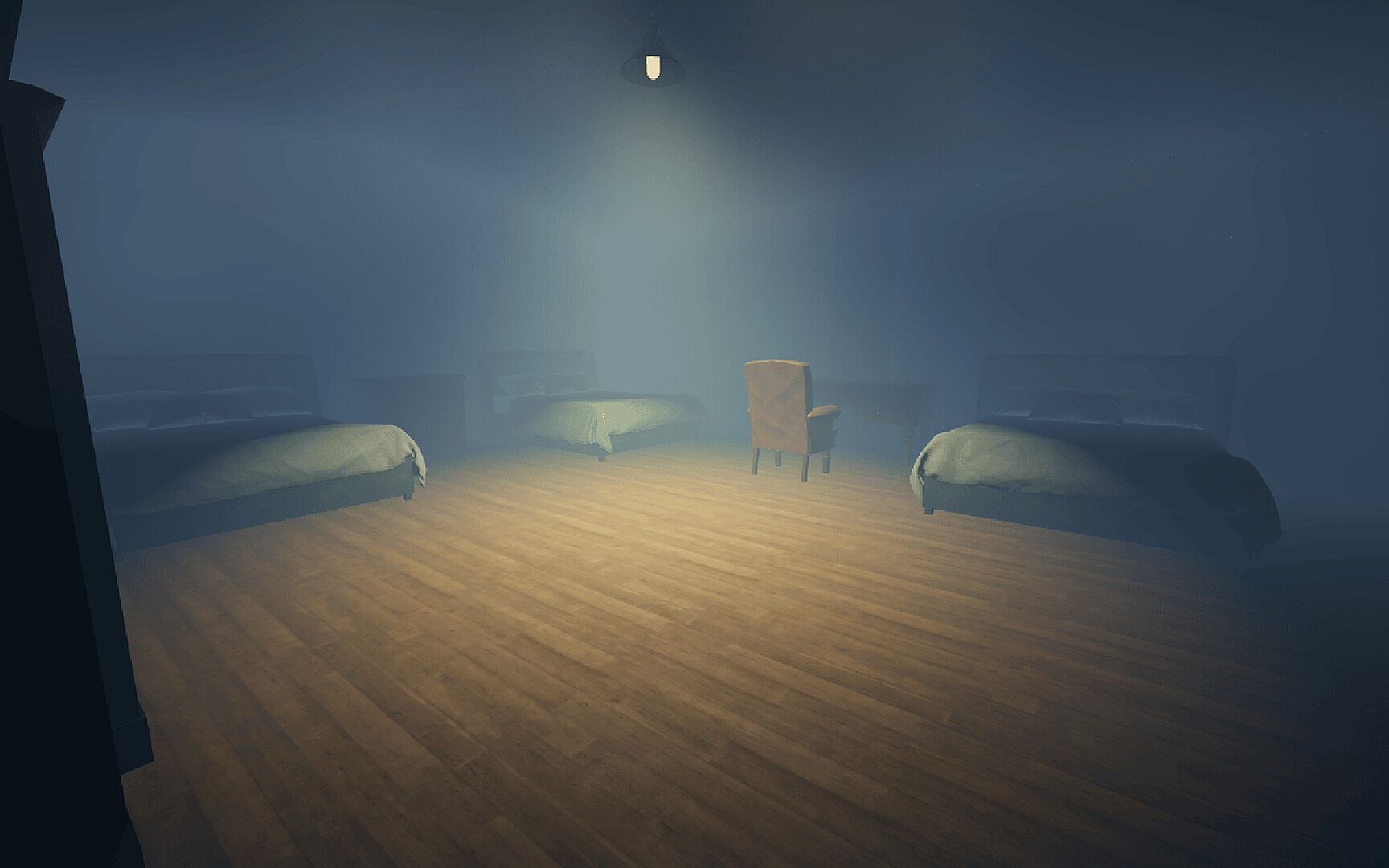
Hotel Anatolia draws heavily from liminal space aesthetics, featuring repetitive hallways, sterile lighting, and subtle environmental shifts that build unease. The facility evolves across updates, with a complete map overhaul introducing better flow and heightened horror elements. Basement levels add new anomalies and entities that behave differently from upper-floor threats, encouraging players to learn patterns without direct confrontation. Sound design supports the tension through ambient details and occasional voice interactions that reinforce the inspector's isolated position. The short overall length suits focused sessions where the goal remains spotting inconsistencies rather than exploring a vast narrative.
Current State and Updates
Development has progressed through multiple major updates, culminating in access to levels one through forty. Recent additions include functional elevators, a zoom tool for detailed checks, refined anomalies, and new entities in the lower levels. The game remains in active refinement, with ongoing work on anomaly polish and post-level content. Controller support expands accessibility on PC. Players encounter a mix of familiar and fresh anomalies as they advance, maintaining engagement through environmental variety rather than new systems.
Is It Worth Playing?
This title appeals most to fans of short, focused anomaly hunting experiences in the style of psychological horror walking simulators. The gameplay loop of methodical inspection and decision making at elevators delivers consistent tension without requiring long commitments. With forty levels now available and continued updates addressing feedback, the game offers a complete facility to explore. Those who enjoy spotting subtle changes in liminal environments will find the mechanics rewarding, while players seeking action or multiplayer elements may prefer other options. The indie simulation approach keeps the emphasis on observation and atmosphere, making it a solid choice for targeted play sessions on PC.











