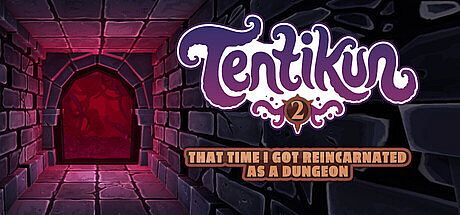


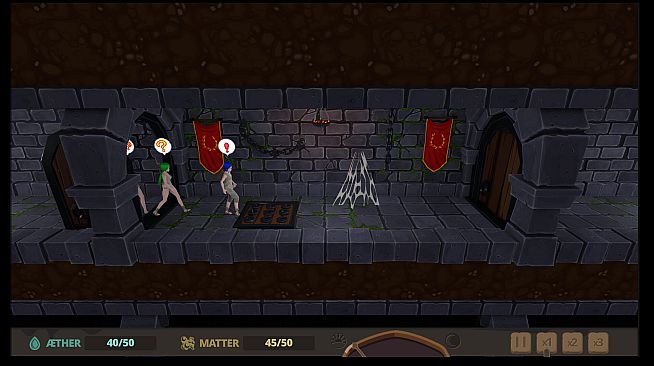
Tentikun 2: That time I got reincarnated as a dungeon is a simulation game in which players take on the role of a tentacled creature reincarnated as a dungeon core in a fantasy setting. The experience centers on building and maintaining a dungeon while balancing resource collection against the risks posed by exploring adventurers.
Gameplay
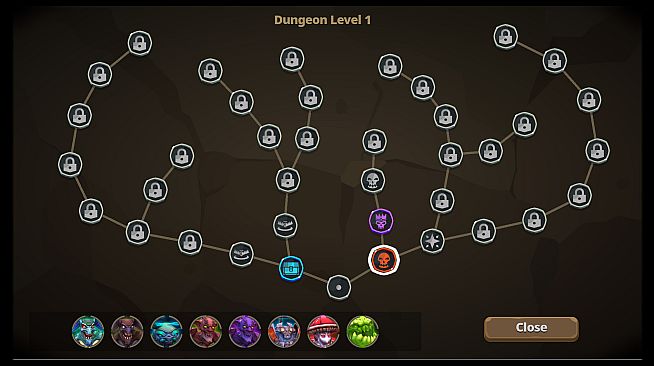
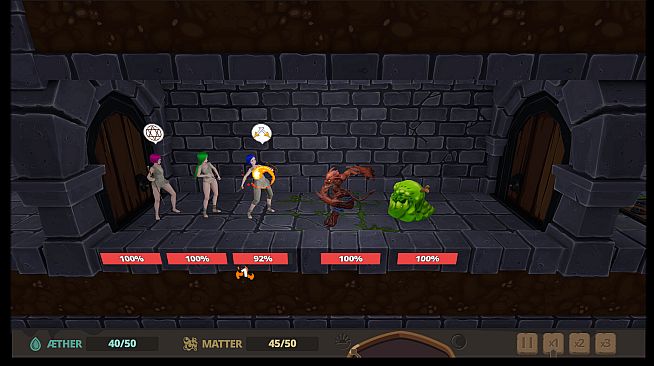
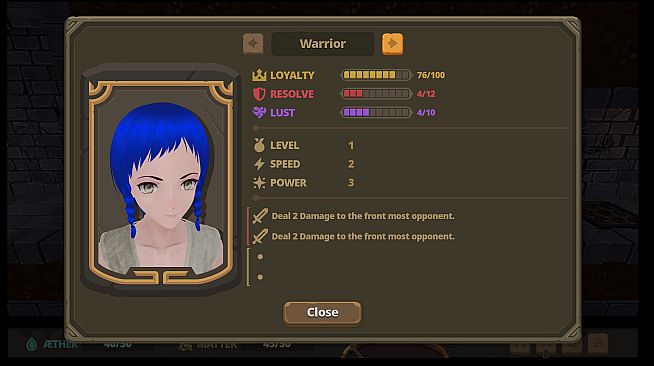
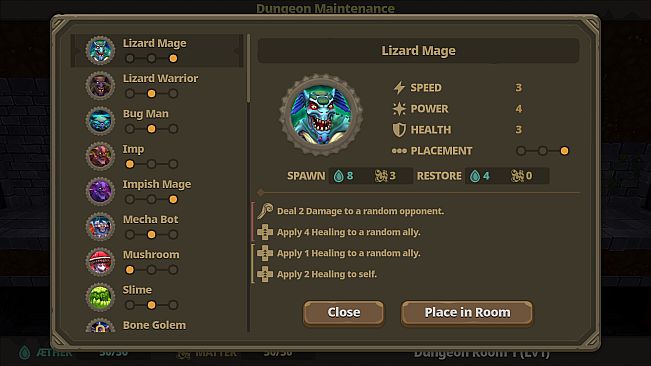
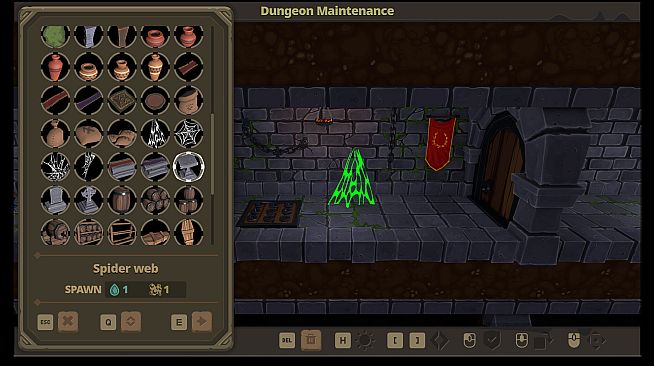
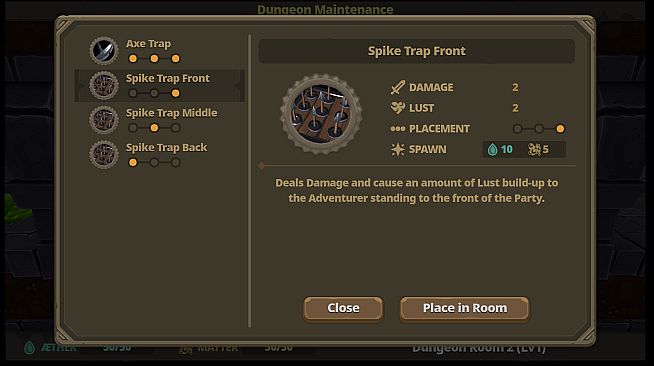
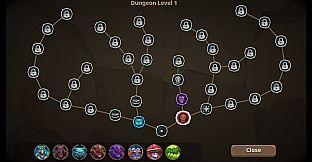
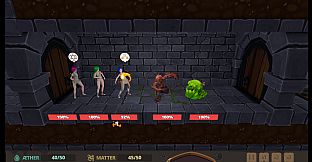
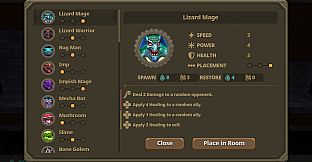
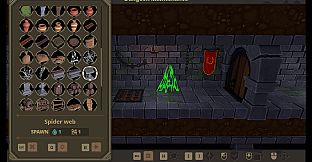
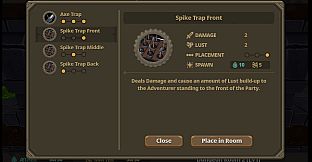
Players control Tentikun, a small tentacled being placed in charge of a dungeon core. Core activities include laying out rooms, spawning monsters, placing traps, and allocating resources to expand the structure. The central objective involves luring adventurers into the dungeon to absorb their Æther, a resource essential for growth and upgrades. Decisions around combat matter because defeating intruders yields Matter, another key material, yet excessive aggression can deter higher-quality visitors or attract stronger opposition from an adventurers guild.
Resource management requires careful calibration. Æther supports expansion and powering the dungeon, while Matter comes from direct confrontations. Maintaining equilibrium between letting some adventurers escape and eliminating others determines long-term viability. Overly hostile setups limit the pool of visitors to weaker parties, whereas insufficient defenses leave the core vulnerable. Room design, monster placement, and trap configuration all influence how adventurers progress and what rewards they ultimately provide.
Game Modes
The game operates as a single-player simulation focused on iterative dungeon construction and defense. Players experiment with different layouts and monster combinations across repeated sessions, adjusting strategies based on the types of adventurers who arrive. No separate competitive or cooperative modes appear in the available information, keeping the emphasis on solitary management of the core and its defenses.
Progression stems from resource accumulation and expansion choices. Each run encourages refinement of room placement, trap efficiency, and monster spawning to optimize Æther intake while preserving the dungeon against threats. The simulation rewards observation of adventurer behavior and adaptation of defenses accordingly.
Strategic Choices and Resource Balance
Success depends on reading the flow of visitors and deciding when to push for direct confrontations. Stronger dungeons can afford selective aggression, allowing some parties to escape with partial rewards while harvesting from others. Weaker configurations benefit from more passive approaches that prioritize survival and gradual growth. Monster spawns and trap arrangements serve as tools to shape these outcomes, creating varied paths through the same core systems.
Expansion requires steady inflows of both Æther and Matter. Players weigh the benefits of letting adventurers reach deeper levels against the danger of losing control. Guild responses add pressure, as repeated high casualties may summon elite groups intent on clearing the dungeon entirely. These elements combine into a loop of design, observation, and adjustment.
Is It Worth Playing?
This simulation suits players who enjoy methodical dungeon-building and resource trade-offs without reliance on external multiplayer elements. The core loop of room design, monster deployment, and trap placement offers repeated opportunities to test different approaches to adventurer management. Those interested in isekai-themed management experiences will find the reincarnation premise integrated directly into the mechanics of core defense and expansion.
Availability is limited to PC. No confirmed updates, seasonal content, or additional modes have been detailed beyond the foundational systems described. Individuals who prefer deliberate pacing and strategic balancing over fast action may find the title aligns with their preferences, particularly if they value experimenting with defense configurations and resource priorities.